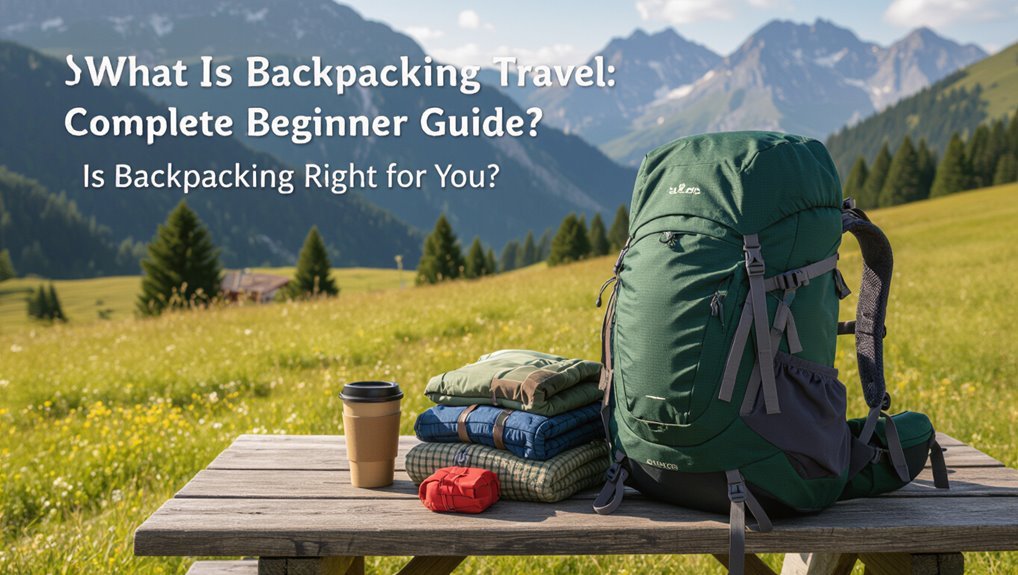
What Is Backpacking Travel Complete Beginner Guide
Backpacking travel is a low-cost, flexible way to explore where you carry essentials in a single pack, favor light gear, and embrace spontaneity over strict plans. You’ll sleep in hostels or camps, cook simple meals, and prioritize local experiences and adaptability. It asks for patience, basic navigation, and safety awareness, but rewards immersion and freedom. If this sounds like you, keep going to pick destinations, gear, budgeting tips, and safety skills that’ll help you start.
Is Backpacking Right for You?
Thinking about backpacking? You’ll weigh freedom against discomfort—light packing, flexible plans, and budget travel let you explore more, but expect uncertainty, basic lodging, and physical demands.
You’ll need adaptability, curiosity, and patience. If you value immersive experiences over luxury and enjoy meeting others, it’ll suit you.
If safety concerns, strict schedules, or comfort are priorities, consider other options.
Backpacking vs. Regular Travel: Key Differences
While both aim to get you from A to B, backpacking and regular travel differ in pace, planning, and priorities: backpacking favors flexibility, low cost, and immersive, often slower experiences, while regular travel leans toward comfort, convenience, and fixed itineraries with more creature comforts and time-saving choices.
You’ll choose gear, spontaneity, and local interaction for backpacking, versus scheduled sights, hotels, and predictable services.
Why Backpacking Is Cheaper and More Flexible
You’ll spend less by choosing budget hostels or campsites instead of hotels, and you’ll save even more by cooking some of your own meals.
You can switch transportation—buses, trains, rideshares—on the fly to keep costs down and stay flexible. Those choices together make backpacking both cheaper and easier to adapt to changing plans.
Lower Accommodation Costs
Because you’re choosing flexible, low-overhead options like hostels, guesthouses, and short-term rentals, your nightly lodging costs drop dramatically compared with hotels.
That frees up budget for experiences or extra nights on the road. You’ll also find communal kitchens, longer-stay discounts, and homestays that cut costs.
Smart booking and off-season travel stretch funds further while keeping you mobile and comfortable.
Flexible Transportation Options
If you stay flexible with how and when you travel, you’ll save money and see more: backpackers mix buses, trains, shared vans, budget flights, and even hitchhiking or rideshares to match price, speed, and experience.
You’ll choose options by cost, comfort, and schedule, stretching your budget without missing highlights.
- Compare local buses
- Use night trains
- Book last-minute flights
- Share rides
Self-Cooked Meal Savings
When you cook some of your own meals, you cut food costs dramatically while keeping control over ingredients and schedule.
You’ll pack a lightweight stove, basic cookware, and simple staples—rice, pasta, canned beans, spices—and prepare nourishing meals anywhere.
Cooking saves money, lets you eat healthier, and frees you from strict restaurant hours, giving flexibility to explore longer and stick to your budget.
Short Trips vs. Long Trips: Pick Your First Style
Curious whether you should test the waters with a short trip or plunge into a long-term adventure? You’ll weigh time, budget, gear and goals.
Short trips let you practice packing and pacing; long trips teach flexibility and deeper immersion. Choose what fits your life now, then scale up.
Short trips hone packing and pacing; longer journeys build flexibility and deeper immersion—start small, then scale up.
- Time commitment
- Budget impact
- Gear needs
- Learning curve
Choosing Backpacking Destinations for Beginners
Start with nearby spots so you can test your gear and routines without long travel.
Pick places with low safety risks and clear emergency options, and keep your budget realistic.
That way you’ll build confidence and avoid common beginner mistakes.
Start With Nearby Spots
Why not begin with destinations close to home?
You’ll learn pacing, packing light, and route planning without long flights. Short trips let you test gear and gain confidence.
- Day hikes in nearby parks
- Weekend coastal or mountain escapes
- Local towns reachable by train
- Short loop trails you can repeat
Prioritize Safety And Budget
After you’ve tested gear and routines on nearby trips, focus next on safety and budget to keep your early backpacking experiences positive and affordable.
Choose trails with clear markers, low wildlife risk, and reliable cell coverage. Pack essentials: first-aid, water filter, map, headlamp.
Set a strict spending limit for permits, food, and gear upgrades. Tell someone your route and schedule.
Set a Realistic Backpacking Budget
While you plan routes and gear, make your budget a travel tool—not an afterthought—so you can prioritize experiences without running out of money.
Estimate daily costs (food, transport, accommodation), factor emergency savings, and track spending with apps. Adjust expectations to match funds.
Use these practical steps:
- Set a daily cap
- Allocate an emergency fund
- Track expenses weekly
- Cut nonessentials
Plan a Simple Route and Itinerary
Because a clear route keeps you flexible and stress-free, start by mapping a simple loop or linear path between a few must-see spots rather than trying to hop to every destination.
Choose realistic daily distances, factor in travel time and rest days, and book critical accommodations ahead.
Leave pockets for unexpected detours, safety checks, and weather backups to avoid rushed plans.
Choosing the Right Backpack: Size & Fit
Pick a pack with the right pack volume for the length of your trip—too big and you’ll overpack, too small and you won’t have essentials.
Make sure the torso length suits your back and the hip belt transfers weight to your hips, not your shoulders.
Try it loaded and adjusted so you can feel the fit before you commit.
Pack Volume Guide
Think of pack volume as the single most practical decision you’ll make about a backpack: it determines what you can carry, how organized you’ll be, and how comfortable your load will feel day after day.
Choose volume by trip length, climate, gear needed, and packing style.
- Weekend: 30–40L
- 3–7 days: 40–60L
- Extended: 60–80L
- Expedition: 80L+
Torso & Hip Fit
Volume tells you how much gear you can carry; fit determines how it rides on your body.
Measure your torso from C7 to the iliac crest, match that to the pack’s torso length, and adjust the shoulder straps.
Center weight on the hip belt, tighten until most load sits on hips, not shoulders.
Walk, tweak, and confirm comfort before long hikes.
Essential Clothing and Layering System
Because weather can change fast on the trail, you’ll want a simple layering system that handles sweat, warmth, and wind without weighing you down.
- Base: moisture-wicking shirt and underwear to keep dry.
- Mid: insulating fleece or lightweight down for warmth.
- Shell: breathable, waterproof jacket for wind and rain.
- Extras: convertible pants, warm hat, gloves; swap layers as activity and temps change.
Sleep Options for Backpackers: Tent, Hammock, Hostels
After you’ve sorted layers for changing conditions, you’ll want similarly practical choices for where you sleep: tents, hammocks, and hostels each trade weight, comfort, and shelter differently.
Pick a tent for privacy and weather protection, a hammock for lightweight comfort where trees permit, or hostels to save weight and meet people.
Consider noise, security, and campsite legality when choosing.
Lightweight Cooking & Food Strategies
You’ll want ultralight cookware that packs small and cooks efficiently, like titanium pots or a compact stove system.
Plan for no-cook meals—tortillas, nut butters, and dehydrated snacks—to save weight and fuel.
Focus on calorie-dense foods (nuts, energy bars, powdered milk) so you carry fewer ounces but more energy.
Ultralight Cookware Choices
Choosing ultralight cookware means balancing weight, durability, and how you plan to cook; pick gear that matches your meals and trip style.
- Titanium pot: very light, pricey, won’t retain heat well.
- Aluminum pot with hard-anodized finish: good heat, affordable.
- Collapsible silicone cup: saves space for drinking/prep.
- Nesting set with lid/strainer: versatile, packs compactly for multi-day trips.
No-Cook Meal Options
If shaving ounces matters as much as cookware, no-cook meals can cut weight and time without sacrificing calories or taste.
You’ll rely on dehydrated fruits, nut butters, jerky, tortillas, instant oatmeal packets, and shelf-stable hummus or tuna pouches.
Choose lightweight, high-protein items, pre-portion servings, and pack resealable bags to minimize trash.
No stove means faster breaks and simpler cleanup.
Calorie-Dense Backpacking Foods
When weight and calories both matter, pack foods that deliver maximum energy per ounce so you don’t have to carry extra food or fuel.
You’ll want nutrient-dense staples that survive weather and activity, fuel recovery, and require minimal prep.
- Nuts and nut butters
- Dehydrated meals with added oil
- Cheese and salami
- Oats, honey, and powdered milk
Packing Checklist: Bring This, Skip That
Because every ounce matters on the trail, your packing choices should be deliberate: bring versatile, multi-use items and ditch single-purpose gear that just adds weight.
Choose clothing layers, a lightweight shelter, compact stove, multi-tool, headlamp, water filter, and first-aid kit.
Skip duplicate gadgets, heavy books, excess clothes, and luxury items.
Test gear beforehand and minimize consumables.
How to Pack Your Bag for Comfort & Balance
You’ll want to pack light and only bring essentials to keep your load manageable.
Place heavier items close to your back and centered, then spread medium-weight gear evenly to both sides.
That balance will make your pack more comfortable and keep you steady on the trail.
Pack Light, Prioritize Essentials
If you cut weight and choose items that serve more than one purpose, your pack will be far more comfortable and easier to manage on long days.
You should declutter, test gear, and favor versatile clothing. Prioritize hydration, shelter, navigation, and first aid.
Pack only what you’ll use, compress layers, and keep frequently used items accessible.
- Multi-use gear
- Lightweight shelter
- Essential toiletries
- Compact first aid
Balance Weight, Distribute Evenly
Having a light, versatile kit matters, but how you arrange that kit in your pack determines how comfortable you’ll feel on long miles.
Position heavy items close to your spine and near your mid-back, balance weight left-to-right, and tuck bulky but light items low and at the bottom.
Use compression straps, hipbelt pockets, and external attachments to stabilize load and prevent shifting.
Health Basics: First Aid and Staying Well
Because accidents and illness can happen anywhere on the trail, you should pack basic first-aid supplies and learn a few simple skills before you set out.
Because accidents and illness can happen on the trail, pack basic first-aid supplies and learn a few simple skills.
Keep meds, hydration, and hygiene priorities. Check vaccinations and know when to rest.
- Pain reliever, bandages, antiseptic
- Blister care and tape
- Oral rehydration salts
- Personal prescriptions and copies of records
Safety Essentials: Navigation, Solo Travel Tips
You should learn basic map and compass skills so you can navigate confidently when GPS fails.
Always leave a solo travel safety plan with someone you trust and check in on a schedule.
These simple steps cut risk and keep you in control on the trail.
Map And Compass Skills
When the trail disappears or your phone dies, a map and compass keep you moving with confidence; learn to read contours, orient your map, and take accurate bearings so you can navigate without relying on electronics.
- Practice orienting map to terrain before you hike.
- Use magnetic north vs grid north correctly.
- Take bearings to checkpoints and recheck often.
- Pace count and landmark recognition confirm position.
Solo Travel Safety Plans
If you’re traveling solo, a clear safety plan keeps you in control and lets you enjoy the trail without needless worry.
Share itinerary and check-in times with a trusted contact, carry a charged phone and backup battery, pack a basic first-aid kit and emergency whistle, learn local hazards and weather patterns, use reliable navigation, set daily goals, and trust your instincts—leave no risky decisions to chance.
Money, Documents, and Travel Insurance Advice
Because money, documents, and insurance can make or break a trip, get them sorted before you leave:
Because money, documents, and insurance can make or break a trip, sort them before you go.
- Carry photocopies of passport, visa, and emergency contacts; store originals securely.
- Use a mix of card, cash, and a backup card; notify banks of travel dates.
- Buy extensive travel insurance covering medical evacuation and theft.
- Track receipts and exchange rates with a simple app.
Transport Hacks: Buses, Trains, Budget Flights
Although schedules change and delays happen, choosing the right mix of buses, trains, and budget flights will save you time and money on the road. You’ll compare routes, book off-peak, travel light, and expect delays. Use local buses for short hops, trains for comfort, budget flights for long legs.
| Mode | Strength | Tip |
|---|---|---|
| Bus | Cheap | Buy local |
| Train | Comfort | Reserve |
| Flight | Fast | Pack light |
Find and Book Affordable Accommodation
When you’re on the road, finding affordable places to sleep comes down to flexibility, smart timing, and a few reliable booking tools; mix hostels, guesthouses, and short-term rentals to match your budget and vibe.
- Compare hostel sites for reviews and location.
- Book midweek or last-minute deals.
- Negotiate longer stays for discounts.
- Use maps to prioritize safety and transport access.
Meet People and Embrace Local Culture
Finding a cheap, well-located bed makes it easier to get out and meet people, so plan your stays where social life and local attractions overlap.
Join walking tours, language exchanges, or communal meals to spark conversations.
Respect customs, ask curious questions, and accept invitations selectively.
Exchange contact details, share tips, and seek home-cooked experiences to deepen connections while keeping your safety and comfort in mind.
Travel Responsibly: Leave No Trace & Etiquette
Want to leave places better than you found them? Practice Leave No Trace: pack out trash, stay on trails, and respect wildlife.
Follow local customs, ask before photographing people, and support small businesses. Be mindful of noise and group size to preserve solitude and culture.
- Pack out trash
- Stay on trails
- Ask before photos
- Support local businesses
Common Beginner Mistakes and How to Avoid Them
Although excitement can make you overlook basics, most beginner mistakes are predictable and easy to fix with a little planning. You’ll avoid overspending, overpacking, and poor time estimates by researching, packing light, and setting realistic itineraries. Stay flexible, secure copies of documents, and ask locals for advice.
| Mistake | Cause | Quick Fix |
|---|---|---|
| Overpacking | Fear | Capsule checklist |
| Overspending | No budget | Daily limit |
| Bad timing | Poor research | Buffer days |
Skills & Gear to Level Up Your Backpacking
When you want to move beyond basics, sharpening a few core skills and choosing the right gear makes every trip safer, lighter, and more enjoyable.
- Pack smart: prioritize multifunctional, lightweight items.
- Navigation: practice map, compass, and GPS use.
- Shelter skills: pitch tents fast and know emergency bivy setups.
- Leave No Trace: master waste management, camp etiquette, and fire safety.
Frequently Asked Questions
How Do I Manage Visas and Entry Requirements for Multiple Countries?
You’ll research each country’s visa rules, check passport validity and transit requirements, apply for visas in advance or on arrival, keep copies of documents, register with embassies, and plan routes to match visa lengths and entry rules.
What Vaccinations or Travel Health Documents Might Be Required Abroad?
You’ll need routine vaccines, plus country-specific ones like hepatitis A/B, typhoid, yellow fever, rabies, and meningitis; you’ll also carry an International Certificate of Vaccination (yellow card) and any COVID or proof required by entry rules.
How Can I Handle Language Barriers When I Don’t Speak Local Languages?
Use translation apps, learn key phrases, carry phrasebooks, point and gesture, smile, and use maps or photos. You’ll ask hotel staff or locals for help, join tours with guides, and stay patient and open-minded.
What Are Best Practices for Protecting Electronics and Data Abroad?
Keep devices secure, use strong passwords and two-factor authentication, back up data to encrypted cloud or external drives, use VPN on public Wi‑Fi, carry surge protectors and locks, keep chargers organized, and avoid unattended charging stations.
How Do I Deal With Travel Burnout or Mental Health on Long Trips?
You’ll prevent and cope with travel burnout by pacing yourself, scheduling rest days, keeping routines, staying connected with loved ones, seeking local support when needed, practicing mindfulness, limiting social media, and adjusting plans if you’re feeling overwhelmed.
Conclusion
Backpacking can change how you see the world — and yourself. If you value freedom, budget travel, and authentic experiences, jump in with a short trip first, learn basics like packing light and respecting local customs, and grow from there. Meet people, stay flexible, and travel responsibly by following Leave No Trace. Avoid common mistakes, keep improving your skills and gear, and you’ll build confidence to take on longer, richer adventures.