Nowruz Bayram
Nowruz Bayram: Celebrating the Persian New Year
Nowruz Bayram, also known as the Persian New Year, is a vibrant celebration marking the arrival of spring and the beginning of a new year in many cultures across Central and Western Asia. This ancient festival, deeply rooted in Zoroastrian traditions, symbolizes renewal, hope, and the triumph of light over darkness.
Quick facts
- When is it?: March 20 or 21 (Spring Equinox)
- Tagged as: Persian New Year, Spring Festival
- What’s the hashtag?: #NowruzBayram
- When was it founded?: Over 3,000 years ago
- Who founded it?: Ancient Persian cultures
History of Nowruz Bayram
Nowruz Bayram has its origins in ancient Persian mythology and Zoroastrian beliefs. The festival celebrates the rebirth of nature and the victory of good over evil. Over millennia, it has evolved into a secular cultural celebration observed by diverse communities across the world.
Timeline
- Ancient Persia: Nowruz emerges as a Zoroastrian spring festival
- 6th century BCE: Celebration gains prominence during the Achaemenid Empire
- 11th century CE: Poet Ferdowsi’s Shahnameh solidifies Nowruz legends
- 2010: UNESCO adds Nowruz to its List of Intangible Cultural Heritage of Humanity
- 2010: UN recognizes March 21 as International Nowruz Day
Nowruz Bayram Dates
| Year | Month and Date | Day |
|---|---|---|
| 2025 | March 20 | Thursday |
| 2026 | March 20 | Friday |
| 2027 | March 20 | Saturday |
| 2028 | March 20 | Monday |
| 2029 | March 20 | Tuesday |
| 2030 | March 20 | Wednesday |
Observed Nowruz Bayram
Nowruz Bayram is celebrated by millions of people across various countries, including Iran, Afghanistan, Azerbaijan, Turkey, and parts of Central Asia. The festivities typically last for 13 days, beginning on the spring equinox.
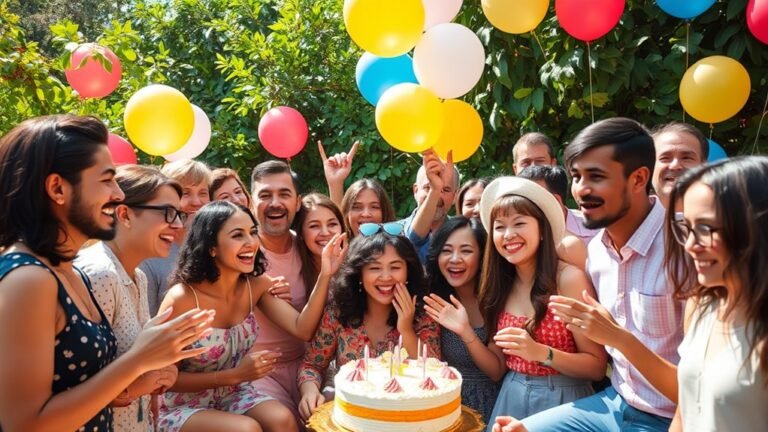
Celebrations include thorough house cleaning, preparing special dishes, setting up the Haft-Sin table with seven symbolic items, visiting friends and family, and exchanging gifts. Many communities also hold public events featuring music, dance, and traditional performances.
In some regions, people jump over bonfires as a symbolic act of purification and renewal. The 13th day of Nowruz, known as Sizdah Bedar, is often spent outdoors picnicking and enjoying nature.
Fun Facts About Nowruz Bayram
- The Haft-Sin table includes seven items starting with the letter “S” in Persian
- Sprouting wheat or lentils (sabzeh) symbolizes rebirth and growth
- Some cultures paint eggs as part of Nowruz traditions, similar to Easter
- In Iran, a character called Amoo Nowruz (Uncle Nowruz) brings gifts to children
- The festival is celebrated by people of various faiths and ethnicities
Quiz
- What does “Nowruz” mean in Persian?
- On which day of the year does Nowruz typically fall?
- How many items are traditionally placed on the Haft-Sin table?
- In which year did UNESCO recognize Nowruz as Intangible Cultural Heritage?
- What is the name of the outdoor picnic day that concludes Nowruz celebrations?
(Answers: 1. New Day, 2. Spring Equinox, 3. Seven, 4. 2010, 5. Sizdah Bedar)
FAQs
What is the significance of the Haft-Sin table?
The Haft-Sin table is a centerpiece of Nowruz celebrations, featuring seven items starting with “S” in Persian, each symbolizing concepts like rebirth, health, and prosperity.
How long do Nowruz celebrations last?
Nowruz festivities typically last for 13 days, starting on the spring equinox and ending with Sizdah Bedar.
Is Nowruz a religious holiday?
While Nowruz has roots in Zoroastrianism, it is now celebrated as a cultural festival by people of various religions and ethnicities.
What are some traditional Nowruz foods?
Popular Nowruz dishes include sabzi polo (herbed rice with fish), ash reshteh (noodle soup), and sweets like baklava and rice cookies.
How do people greet each other during Nowruz?
Common greetings include “Nowruz Mubarak” (Happy Nowruz) or “Sal-e No Mubarak” (Happy New Year) in Persian.
Importance of Nowruz Bayram
Nowruz Bayram holds immense cultural and social significance for millions of people worldwide. It serves as a time for renewal, reflection, and strengthening of community bonds.
The festival promotes values of peace, solidarity, and reconciliation, transcending national and ethnic boundaries. It offers an opportunity for families and friends to come together, share meals, and create lasting memories.
Nowruz also plays a crucial role in preserving cultural heritage and traditions, passing them down through generations. Its recognition by UNESCO and the United Nations highlights its importance as a unifying cultural celebration that contributes to global diversity and understanding.
Related
- Persian culture
- Spring equinox celebrations
- Zoroastrianism
- UNESCO Intangible Cultural Heritage
- Central Asian festivals