Is Albania Safe to Travel Tips for Visitors
Yes — you can safely travel in Albania if you use common sense and stay alert. Keep valuables secure, use a money belt, and avoid poorly lit or isolated areas at night. Watch for petty theft in cities like Tirana and on crowded buses or beaches, and drive carefully on rural roads. Carry copies of documents, get travel insurance, and know local emergency numbers. Continue for practical tips on regions, health care, and handling incidents.
Is Albania Safe for Tourists? (Short Answer + Key Risks)
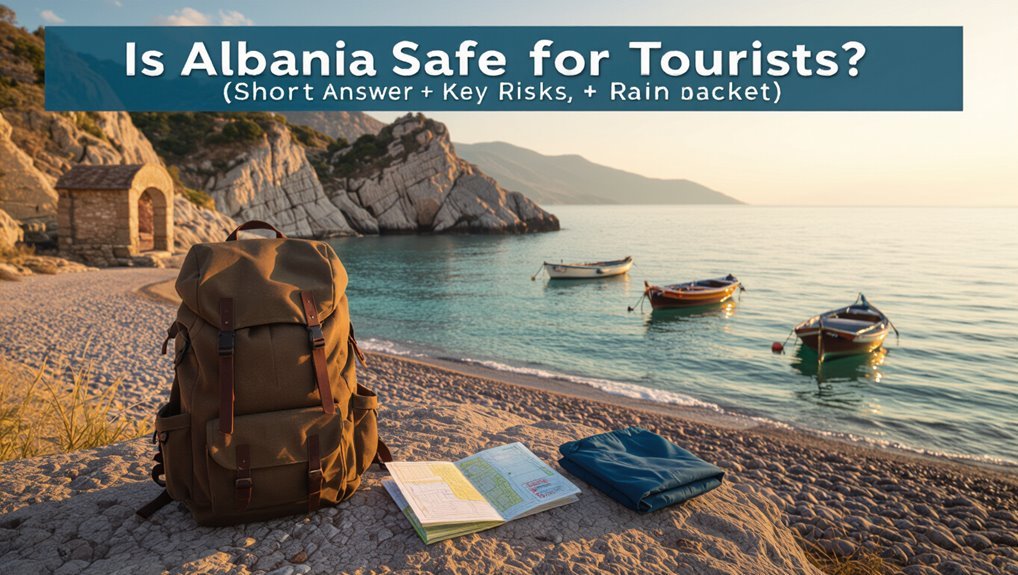
Although Albania is generally safe for tourists, you should stay aware of petty crime, road hazards, and occasional political demonstrations.
Although generally safe, stay aware of petty crime, road hazards, and occasional political demonstrations.
You’ll usually enjoy welcoming locals, low violent-crime rates, and scenic, uncrowded sites.
Still, keep valuables secure, use licensed taxis, avoid poorly lit areas at night, and monitor local news for protests.
Exercise common-sense caution to keep your trip trouble-free.
Quick Safety Checklist Before You Travel to Albania
Planning a safe trip to Albania? Pack copies of documents, register with your embassy, buy travel insurance, check health requirements, and note emergency numbers. Keep valuables secure and have local cash.
| Item | Action |
|---|---|
| Documents | Photocopies & digital backup |
| Insurance | Extensive policy |
| Health | Vaccines & meds |
| Money | Cash + cards secured |
Safest and Most Visitor‑Friendly Regions in Albania
If you’re looking for safe, visitor-friendly places in Albania, start with the well-traveled coastal areas like Durrës, Vlora, and the Albanian Riviera—these towns have reliable tourist services, visible police presence, and plenty of accommodation options.
You’ll also find friendly, smaller towns like Berat and Gjirokastër, where low crime, clear signage, and welcoming locals make exploring historic sites straightforward and relaxed.
Tirana Safety: Practical Tips for Visitors
When you walk Tirana’s busy streets, stay aware of your surroundings and keep valuables secure—petty theft like pickpocketing is the most common issue, especially on public transport and in crowded areas.
Use a money belt, lock your accommodation, and avoid flashing expensive items.
Stick to well-lit routes at night, ask locals or hotel staff for safe areas, and carry ID.
Albanian Riviera: Beach and Nightlife Safety
Wondering how to enjoy the Albanian Riviera safely after dark? Stick to well-lit beaches and populated bars, keep valuables out of sight, and use hotel safes.
Drink responsibly and watch your drinks. Walk with friends, note emergency numbers, and avoid isolated coves at night.
Respect local customs and lifeguard warnings during daytime to reduce risk after sunset.
Transport Safety: Roads, Buses & Taxis
Although Albanian roads have improved, you should expect narrow, winding routes and varying road conditions outside cities.
Expect narrow, winding roads and mixed conditions outside cities—drive cautiously and avoid rural night driving.
So drive cautiously, obey speed limits, and avoid night driving on rural stretches.
- Use reputable intercity buses; check schedules and bag security.
- Hail licensed taxis or use apps; agree fare beforehand.
- Wear seatbelts; local driving can be unpredictable.
- Rent from known companies; inspect vehicles and insurance.
Ferry and Coastal Travel Safety
If you’re moving from land to sea, expect different risks and routines on Albania’s ferries and along the coast.
Check schedules, weather forecasts, and operator reputation before boarding.
Wear a life jacket when advised, secure belongings in cabins or locked bags, and mind wet decks and strong currents when swimming or disembarking.
Follow crew instructions and carry emergency contact numbers.
Street Crime: Pickpockets, Scams, and How to Avoid Them?
How likely are you to encounter pickpockets or scams on Albania’s streets? You’ll mostly be fine, but stay alert in crowds and tourist spots.
Follow these tips:
- Keep valuables in front pockets or a money belt.
- Use RFID-blocking cards and minimal cash.
- Ignore overly friendly strangers offering “help.”
- Verify taxis and agree fares before boarding.
Hiking and Mountain Safety: Preparing for Remote Areas
When hiking in Albania’s remote mountains, you should pack reliable gear—sturdy boots, layered clothing, a map/GPS, and a charged power bank.
Check the weather forecast, set a turnaround time, and share your route with someone before you go.
Have an emergency plan with extra food, water, a first-aid kit, and knowledge of local rescue numbers.
Gear And Navigation
Packing the right gear and knowing how to navigate will keep you safe in Albania’s remote mountains. You should prepare lightweight, durable equipment and basic navigation skills.
- Map, compass, and GPS (with spare batteries)
- Headlamp and multitool
- Sturdy boots and layered clothing
- First-aid kit and emergency shelter
Practice route planning, track your progress, and share your itinerary.
Weather And Emergency Plans
Because mountain weather can change fast, you should check forecasts, understand local patterns, and plan clear emergency actions before you set out.
Carry layered clothing, waterproofs, extra food, and a reliable map and compass.
Share your route and schedule with someone, note nearest shelters and rescue contacts, and carry a charged phone, power bank, and a basic first-aid kit for quick response.
Health and Medical Care in Albania: What to Pack and Where to Go
If you’re planning a trip to Albania, prioritize a small medical kit and a clear plan for where to get care—especially if you have chronic conditions or prescriptions.
Carry copies of prescriptions and travel insurance details, know nearby private clinics in Tirana or regional hospitals, and learn basic pharmacy names.
Carry prescription copies and insurance details, locate nearby Tirana clinics or regional hospitals, and learn pharmacy names.
- Prescriptions
- Basic kit
- Insurance info
- Clinic contacts
Money, Cards, and ATMs: Preventing Theft and Fraud
Where should you keep your cards and cash while exploring Albania?
Keep small amounts of cash in a front pocket and the rest, plus cards, in a money belt or hidden pouch under clothing.
Use ATMs inside banks, shield PINs, and check receipts.
Notify your bank of travel dates, enable alerts, and carry one backup card separately to reduce fraud and theft risk.
Local Customs That Affect Safety (What to Do and Avoid)
When you travel in Albania, dress modestly in rural areas and when visiting religious sites to show respect and avoid unwanted attention.
Be mindful of religious etiquette—remove hats, speak quietly, and follow any posted rules in mosques or churches.
Also avoid loud public displays or confrontational behavior, as they can offend locals and escalate tensions.
Respect Local Dress
Because Albania blends modern European styles with conservative traditions in many towns, you should dress modestly in rural areas and when visiting religious sites.
Follow practical tips to stay respectful and safe:
- Cover shoulders and knees in villages.
- Choose neutral, non-flashy clothing.
- Avoid revealing beachwear away from coasts.
- Carry a light scarf or wrap for quick coverage.
Mind Religious Etiquette
Although Albania is religiously diverse and generally tolerant, you should still observe local customs to avoid offense and keep interactions smooth.
When visiting mosques, churches, or tekkes, dress modestly, remove shoes where required, and speak quietly.
Ask before photographing people or religious sites, respect prayer times, and accept polite refusals.
Showing basic respect reduces misunderstandings and keeps you safe.
Avoid Loud Public Displays
If you want to keep interactions smooth and avoid drawing negative attention, keep noise and boisterous behavior to a minimum in public spaces.
- Speak softly on streets, buses, and cafes.
- Avoid loud arguments or music late at night.
- Moderate physical affection in conservative areas.
- Respect local gatherings; observe before joining.
These habits reduce misunderstandings and help you blend in safely.
If Something Goes Wrong: Police, Emergencies, and Legal Help
When something goes wrong while you’re in Albania, stay calm and contact local emergency services immediately—dial 112 for police, ambulance, or fire, and expect operators to speak some English in larger cities but not always in rural areas.
Report crimes to the police, get a written incident report, and notify your embassy or consulate for legal help, translation, and assistance with lost documents or arrest.
Frequently Asked Questions
Can I Drink Tap Water Safely Across Albania?
Yes, you can drink tap water in many Albanian cities, but you’ll want to be cautious in rural areas and smaller islands; stick to bottled or filtered water if unsure, especially after heavy rains or in remote locations.
Are Solo Female Travelers at Higher Risk After Dark?
Yes — you’re at somewhat higher risk after dark; you should avoid poorly lit areas, use reputable transport, stay in populated spots, trust your instincts, dress modestly, and share plans with others to reduce vulnerability.
Is Albania Safe for Lgbtq+ Travelers and Nightlife?
Yes — you’ll generally find Albania becoming more tolerant, especially in Tirana’s nightlife, though rural areas stay conservative. You’ll stay safest by researching venues, staying with friends, avoiding confrontations, and respecting local customs.
Can I Bring and Use a Drone for Photography?
Yes — you can bring and use a drone in Albania, but you’ll need to register it if it’s over 250g, follow no-fly zones, avoid crowds, respect privacy, and check local rules or permits for protected sites and events.
How Reliable Is Mobile Internet and Public Wi‑Fi?
Mobile internet’s generally reliable in cities and towns, but you’ll see weaker coverage in remote mountains and some islands. Public Wi‑Fi’s hit‑or‑miss; use a local SIM or portable hotspot for consistent, faster, and safer connections.
Conclusion
Albania’s generally safe, but you should stay alert and use common sense. Watch your belongings in busy areas, avoid poorly lit streets at night, and be cautious with ATMs. Stick to well-trafficked beaches and tourist towns, respect local customs, and carry basic meds and travel insurance. Know emergency numbers and have contact details for your embassy or local legal help. Enjoy the scenery and hospitality while staying sensible and prepared.