How to Pick a Small Luggage Lock Safe Methods
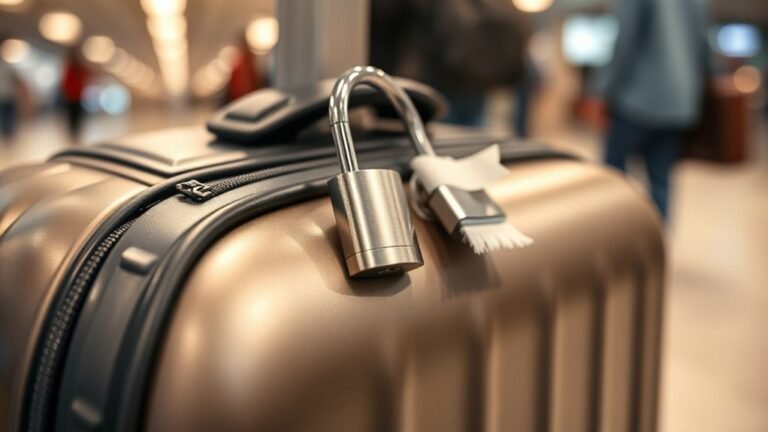
Pick a small luggage lock by matching shackle size to your zipper or latch, choosing TSA-approved models if you’ll fly, and preferring hardened or corrosion‑resistant alloys for real cut resistance. Decide between combo, keyed, or electronic access based on convenience and loss risk, test the mechanism before travel, and inspect for wear periodically. Go for trusted brands or sellers with warranties, and keep backup codes safely stored — continue for practical checks, shopping tips, and maintenance steps.
Quick Answer: Pick a Small Luggage Lock in 3 Steps
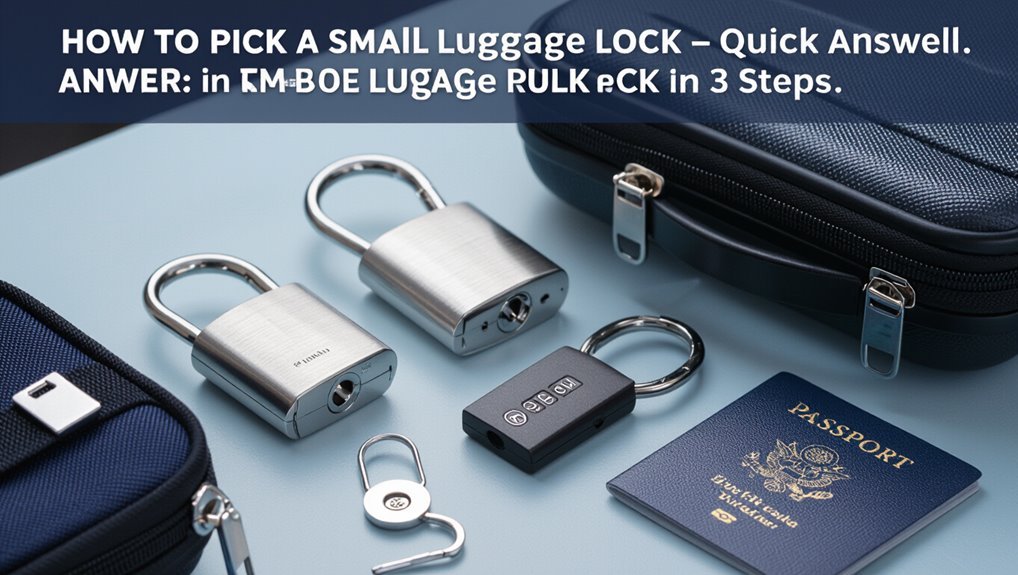
Start with three simple checks: size, security level, and ease of use.
Choose a compact lock that fits zippers or integrated latches.
Pick the security rating that matches your risk tolerance—basic for casual trips, higher for valuable items.
Match the lock’s security rating to your risk tolerance—basic for everyday trips, upgrade for valuables.
Confirm the mechanism’s intuitive: dial, key, or TSA-approved.
Test it before travel so you won’t face surprises at the gate.
Why a Small Luggage Lock Matters for Travelers
After you’ve checked size, security level, and ease of use, think about why a small luggage lock matters for your trips: it gives quick, visible protection without adding bulk, deters opportunistic theft, and makes it easier to handle security checks.
You’ll move faster at checkpoints, feel more confident in crowded places, and discourage casual tampering while keeping packing simple.
Who Benefits Most From Compact Luggage Locks
If you travel solo often, a compact luggage lock keeps your bag secure without adding bulk or hassle.
Commuters who use tech-forward gear will appreciate small locks that pair well with minimalist backpacks and smart luggage.
Both groups get quick, reliable protection that fits their on-the-go routines.
Frequent Solo Travelers
When you travel alone often, a compact luggage lock becomes one of your smartest safety habits: it keeps your bag secured in transit, deters opportunistic tampering in hostels or buses, and gives you peace of mind when you step away from your belongings.
You’ll value portability, quick access, and visible deterrence.
- lightweight
- TSA-compliant option
- easy to set/reset
- durable shackle
- low profile
Tech-Savvy Commuters
For tech-savvy commuters, a compact luggage lock does more than stop theft—it integrates with your fast-moving routine, offering quick access, smart features, and unobtrusive security that won’t slow you down. You’ll want Bluetooth pairing, app alerts, and low-weight design to fit backpacks and briefcases.
| Feature | Benefit | When to Use |
|---|---|---|
| Bluetooth | Keyless access | Daily commute |
| Alerts | Tamper notice | Crowded transit |
| Light | Low weight | Bike or walk |
How to Decide What to Look for First
Where do you start choosing a small luggage lock? You’ll prioritize purpose and ease.
Think travel rules, convenience, and threat level before brand or price.
Prioritize travel rules, convenience, and how likely theft is—brand and price come later.
- TSA approval
- Lock type (combination vs key)
- Size and weight
- Ease of use
- Resettable code
Decide what matters most for your trips, then compare locks against those criteria.
What Build Materials Keep a Small Lock Durable?
You’ll want materials that stand up to knocks and prying. Hardened steel shackles resist cutting and bending, while impact-resistant plastics protect the lock body from drops without adding much weight.
Pick a lock that balances steel for strength and reinforced plastic for lightweight durability.
Hardened Steel Construction
Toughness matters: hardened steel gives a small luggage lock the best chance of surviving drops, prying, and bolt-cutter attacks.
You should look for forged or heat-treated alloys, tight welds, and rust resistance so the lock stays secure under stress.
- forged shackle
- heat-treated body
- tempered locking mechanism
- corrosion-resistant finish
- precise manufacturing tolerances
Impact-Resistant Plastics
Although metal’s strength is obvious, impact-resistant plastics play an essential role in small luggage locks by absorbing shocks and preventing cracks that would compromise security.
You should look for engineered polymers like polycarbonate or ABS reinforced with glass fibers; they resist dents, distribute force, and reduce weight.
Choose locks that combine plastic housings with metal cores so you get toughness without unnecessary bulk.
How to Read Product Specs for Real Security Clues
When you’re shopping, product specs are the most reliable way to judge a lock’s real-world security—so read them like a buyer, not a marketer.
Focus on measurable details and realistic claims. Check:
- shackle diameter and material
- body construction and weight
- locking mechanism type
- tamper resistance notes
- manufacturer warranty and support
Which Certifications and Tests Matter for Luggage Locks?
You’ll want to check for TSA approval so your lock can be opened by agents without getting broken.
Look for recognized strength standards that rate shackle and body durability.
Also consider tamper-resistance test results to see how well the lock withstands prying and picking.
TSA Approval Importance
Since airports and security agents may need to inspect your bag, choosing a lock with proper TSA approval matters: it tells you which agencies can open it without cutting it and which certification standards the lock meets.
You’ll want locks that are recognized, trackable, and compatible. Consider:
- TSA Travel SENTRY logo
- Government agency acceptance
- Keyed vs. combination variants
- Rekeyable options
- Clear warranty/inspection policy
Lock Strength Standards
Think of lock strength standards as the objective measures that tell you how well a luggage lock will resist tampering, cutting, or forced entry; they show which tests a lock passed and which certifications back those claims.
You’ll look for recognized marks like ASTM, ISO, or specific national standards, manufacturer test reports, and material ratings (hardened steel, shackle thickness) to compare real-world durability.
Tamper Resistance Tests
When you’re choosing a luggage lock, focus on the specific tamper-resistance tests and certifications behind its claims so you can tell which locks actually stand up to prying, cutting, or shimming.
You’ll want verified ratings rather than marketing terms; check independent lab tests and recognized standards to match risk level.
- TSA acceptance and limits
- Cut/cable resistance ratings
- Shackle pry tests
- Lock-picking resistance (Bump/pick)
- Corrosion and fatigue testing
How to Evaluate Shackle Design and Thickness?
The shackle is the part that actually keeps your zipper pulls or latch closed, so inspect its shape and thickness carefully before you buy.
Check for hardened steel or boron alloy, thicker gauges, and minimal exposed length to reduce leverage points. Prefer rounded or shrouded designs that limit cutting access.
Test fit and tension; a snug, robust shackle resists pry and bolt-cutter attempts.
What Lock Body Shapes Resist Tampering Best?
Because the body is what attackers see first, choose compact, densely constructed shapes that hide vulnerable seams and minimize pry points.
Because attackers see the body first, opt for compact, dense shapes that hide seams and reduce pry points.
You’ll want forms that deflect leverage and offer few edges to grip.
- Rounded, pebble-like bodies
- Cylindrical housings
- Smooth, continuous shells
- Recessed shackle interfaces
- Minimal joint lines
Which Locking Mechanisms Work Best for Travel?
Which locking mechanism suits your trip depends on how you balance convenience, security, and airline rules. You’ll want TSA-approved options for checked bags, lightweight seals for carry-ons, and simple click locks for quick access. Choose based on destination risk and travel style, and verify airline acceptance before departure.
| Type | Best use |
|---|---|
| TSA | Checked bags |
| Cable | Flexible zippers |
| Seal | Low-security |
| Click | Carry-ons |
| Smart | Remote access |
Combination Locks vs. Keyed Locks: Pros and Cons
You’ve picked the right locking mechanism for your bag type; now decide whether a combination or keyed lock fits your routine. You’ll weigh convenience, security, and backup options.
Consider:
- No keys to lose with combos
- Easier sharing with combos
- Simpler, tactile feel with keyed locks
- Risk of key loss or duplication
- Resettable vs. replaceable tradeoffs
Electronic Small Locks: Are They Worth It?
Curious whether an electronic small lock is worth the extra cost and complexity?
You’ll get faster access, programmable codes, and audit logs on some models, which help if you travel often or share access.
Faster access, programmable codes, and audit logs make electronic locks ideal for frequent travelers or anyone sharing access.
Batteries and electronics can fail, so choose a trusted brand and check battery life.
For occasional users, mechanical locks often give better reliability and simplicity.
What “TSA-Approved” Actually Means for Small Locks
Because TSA-approved locks let agents open and relock your luggage without breaking it, they’re the sensible choice if you travel to or within the U.S.
You’ll get standard key or combination models with Travel Sentry or SafeSkies access.
Consider these points:
- Agents have master keys
- Locks won’t stop determined thieves
- Airport inspections possible
- Airlines may require them
- They’re widely accepted
How to Check TSA Compatibility Before Buying
Before you buy, check the lock for a TSA number (like TSA007) to confirm agents can open it.
Inspect the locking mechanism to make sure the keyway or combination dials look like official TSA-style hardware, not a novelty.
If the number’s missing or the mechanism seems flimsy, pick a different lock.
Verify TSA Lock Number
Want to make sure your lock won’t get cut off at the airport? Verify the TSA lock number printed or embossed on the lock and match it to TSA-approved lists online. If unsure, check packaging or seller info.
- Find the three-digit TSA code
- Look for “TSA” logo
- Confirm model online
- Ask seller for code
- Compare with official TSA list
Inspect Locking Mechanism
When you inspect a lock’s mechanism, check that the shackle, latch, and internal tumblers are clearly labeled or stamped with a TSA identifier and that the keyway or combination housing looks like the TSA-approved style shown on official resources.
You can often spot compatibility by a visible Travel Sentry or Safe Skies logo, a three-digit code, and a solidly built key slot that matches photos from the TSA database.
Then verify materials, smooth operation, and correct key profile against official listings before buying.
How to Check Return Policies and Warranty Before Purchasing
Curious about your options if a lock fails or doesn’t fit your suitcase? You’ll want clear return windows and a warranty that covers defects.
Check seller and manufacturer policies, proof requirements, and repair vs. replacement terms. Confirm international coverage if you travel.
- Return window length
- Restocking fees
- Warranty duration
- Coverage details
- Claim process and proof needed
How Lock Size and Weight Affect Your Packing
Although a tiny lock seems insignificant, its size and weight can change how you pack and what you can carry on: bulky metal locks add ounces and take up space in tight compartments, while slim TSA-approved combination locks slip into pockets or attach to zippers without reshuffling your packing order.
Choose a lock that balances security with minimal bulk so you don’t sacrifice essentials or exceed weight limits.
Which Small Luggage Locks Are Best for Carry-On Luggage?
Which small lock fits your carry-on best depends on how you travel and what you need to protect: pick compact, TSA-approved options if you fly often, or lightweight combination locks for quick access.
Consider durability, ease of use, and resettable codes.
- TSA-approved cable lock
- 3-digit combination padlock
- Slim dial lock
- Lightweight keyed lock
- Travel-friendly retractable cable
Which Small Luggage Locks Are Best for Checked Baggage?
Want tougher protection for checked bags? Choose TSA-approved combination locks or cable locks with hardened steel and tamper-evident seals so agents can inspect without cutting.
Pick keyed TSA locks only if you carry a backup key. For high-value items, consider a small hardened steel padlock and an internal lockbox.
Balance security with airline policies and ease of use to avoid damage or delays.
How to Use a Small Luggage Lock Without Damaging Zippers
Pick a lock sized for your zipper pulls so it sits neatly without bending the teeth.
Add a small fabric or rubber spacer if the zipper sliders rub directly on metal to protect the teeth.
Fasten the lock just snug enough to keep the bag closed—don’t overtighten and stress the zipper.
Choose The Right Lock
How do you secure your bag without stressing its zippers?
Choose a compact lock that spreads pressure and avoids tight pulls. Consider materials, shackle size, and attachment method to prevent snagging.
Pick a lock you can open quickly in inspections.
- Lightweight metal
- Slim shackle
- Cable loop option
- TSA-approved
- Smooth latch mechanism
Protect Zipper Teeth
A small lock can protect your bag without warping its zipper teeth if you fasten it in a way that avoids constant pressure and friction.
Clip the lock through pulls, not teeth, and position it where fabric supports the strain. Use short cables or slim shanks to reduce rubbing.
Check alignment before locking, and release if you notice bending or misalignment to prevent permanent damage.
Secure Without Overtightening
After fastening the lock through the pulls and checking alignment, you’ll want to secure it without overtightening so the zipper teeth and fabric aren’t strained.
Tighten just enough for resistance, then:
- Check zipper movement
- Leave slight slack in the pulls
- Avoid jerking the zipper closed
- Use a lock with smooth edges
- Reposition if fabric bunches or binds
How to Integrate a Lock With Luggage Straps and Cables
Strap and cable locks work best when you match their design to your luggage’s attachment points and the way you travel, so check where straps, daisy chains, or anchor loops sit and choose a lock that threads cleanly without bending or stressing the material. Pick flexible cables for awkward routes and rigid shackles for fixed loops.
| Strap type | Best lock |
|---|---|
| Daisy chain | Slim cable |
| Anchor loop | D-shackle |
How to Use Locks With Zipper Pulls and Metal Loops
Line up the zipper pulls so their holes match, then thread them through the luggage’s metal loop before locking.
Make sure the lock shank or cable fits cleanly through both zipper holes and the loop without forcing it.
Pick a lock type—padlock, shackleless, or cable-style—that fits the hole size and stays secure while you travel.
Align Zipper Pulls Securely
Position the zipper pulls so their holes line up neatly before you try to lock them; that alignment guarantees the shackle or cable passes through both pulls and the metal loop without forcing or bending the zipper teeth.
Then check fit and tension, and follow these tips:
- Align pulls flush
- Close zipper fully
- Avoid twisted pulls
- Test lock engagement
- Inspect for wear
Thread Through Metal Loops
Start by threading the lock shackle or cable through the zipper pulls and any metal loops on your bag so the path is straight and unobstructed; this guarantees the lock sits securely without stressing the zipper teeth.
Then pull taut, close the shackle, and confirm zippers rest flush.
Check metal loops for sharp edges and reposition if rubbing occurs to prevent wear and failure.
Choose Correct Lock Type
When choosing a lock for zipper pulls and metal loops, pick the type that fits your bag’s hardware and your travel needs—cable locks flex around bulky pulls, shackle locks suit simple looped pulls, and TSA-approved locks let inspectors open checked bags without damage.
- Match lock size to pull diameter
- Prefer TSA when flying
- Use cable for irregular loops
- Choose hardened shackle for security
- Test fit before travel
How to Pair a Small Lock With Other Anti-Theft Tools
Although a small luggage lock can deter casual tampering, you’ll get better protection by combining it with other anti-theft tools — think cable locks, tamper-evident seals, RFID blockers, and well-chosen packing techniques — so each layer covers weaknesses the others leave exposed.
Use a cable to secure zippers, seals to show interference, an RFID sleeve for cards, and internal straps to keep valuables inaccessible.
How to Set and Remember Combination Codes Securely
When you set a combination, pick a pattern you’ll remember that isn’t obvious to others, like a shape on the keypad rather than a birthday.
Don’t use names, anniversaries, or any personal numbers someone could guess.
Store a backup code in a secure place—encrypted note, password manager, or a sealed paper in your luggage—to avoid getting locked out.
Use Memorable But Unpredictable Patterns
Anyone can pick a pattern that’s easy to recall without making it obvious to others; choose a sequence based on personal, non-public associations—like the last digits of a quietly memorable phrase or positions on a keypad that form a shape meaningful only to you.
Use these tips to keep combinations strong and retrievable:
- map shapes on keypad
- mix directions and numbers
- vary starting point
- avoid repeated digits
- rehearse occasionally
Avoid Personal Identifiers
Patterns you can remember shouldn’t rely on facts others could guess about you. Don’t use birthdays, anniversaries, phone numbers, addresses, or pet names.
Pick random sequences or altered patterns on the dial that feel natural to you but aren’t linked to your life. Test them a few times until they’re automatic.
Change combinations periodically and after any suspected compromise.
Securely Store Backup Codes
Think of backup codes as your safety net — store them where you can retrieve them quickly but where others can’t.
You’ll set memorable but non-obvious combos, record backups securely, and test access occasionally.
- Memorize a pattern, not obvious dates
- Store encrypted digital copy (password manager)
- Keep a paper copy in a locked place
- Share one trusted contact
- Rotate codes after use
What to Do If You Forget a Combination or Lose a Key
Forgot your combination or misplaced the key? Don’t panic. Try default codes, check stored backups, contact the lock maker for a replacement key or reset procedure, or use a locksmith as last resort. Consider recording the new code securely.
| Step | Action | When |
|---|---|---|
| 1 | Try defaults | First |
| 2 | Check backups | Immediate |
| 3 | Contact maker | Next |
| 4 | Call locksmith | Last resort |
How to Maintain and Clean a Small Luggage Lock
Keep a simple cleaning routine: wipe your lock with a soft cloth, remove dirt from the shackle and keyway, and apply a small amount of graphite or silicone lubricant if it feels stiff.
Inspect the lock periodically for rust, loose parts, or worn combinations so you can fix issues before they fail.
Store spare keys and combination notes separately in a dry, secure place to prevent moisture damage and accidental loss.
Regular Cleaning Routine
A simple, regular cleaning routine will keep your small luggage lock working smoothly and prevent grime from gumming up the mechanism.
You should clean gently, dry thoroughly, and lubricate sparingly.
- Wipe exterior with a damp cloth
- Use cotton swab for crevices
- Apply graphite or silicone spray lightly
- Cycle the dials/shackle to work lubricant in
- Dry fully before storage
Inspect Locks Periodically
When you inspect your locks periodically, you catch small issues before they turn into failures—so set a simple schedule and stick to it.
Check shackle, body, and combination dials for wear, corrosion, or dirt. Operate mechanisms gently, apply a light lubricant to moving parts, tighten loose screws, and replace worn components promptly.
Record issues so you track recurring problems.
Safe Storage Practices
Store your luggage locks in a cool, dry place away from direct sunlight and moisture to prevent corrosion and warped plastics.
Keep them clean, dry, and lubricated; check combinations.
Follow simple steps:
- Wipe with a soft, dry cloth
- Use silicone or graphite lubricant sparingly
- Store in labeled pouches
- Remove batteries from electronic locks
- Inspect for rust and replace parts promptly
How Weather and Salt Exposure Affect Locks
Although you mightn’t think about it every trip, weather and salt exposure can seriously shorten a lock’s lifespan by causing corrosion, swelling, and mechanical failure.
You should dry and lubricate locks after rain or humidity, avoid direct salt spray near coasts, and choose stainless or marine-grade materials when possible.
Regular inspection prevents surprises and prolongs reliable operation.
How to Test a Lock’s Toughness at Home
You can get a good sense of a small luggage lock’s toughness at home with a few simple, controlled tests that check shackle strength, body resilience, and resistance to picking or tampering.
Test gently and record results:
- Pull on shackle with steady force
- Twist body to check rigidity
- Drop from pocket height
- Try simple picking tools briefly
- Inspect for deformation or cracks
How to Spot Cheap Knockoffs and Unsafe Designs
When inspecting a small luggage lock, look for telltale shortcuts that reveal cheap knockoffs and unsafe designs: flimsy plastic bodies, misaligned or loose components, fuzzy or inconsistent branding, unusually light weight, and exposed or easily bent shackles.
Check keyways and dials for rough edges, poorly seated seals, missing serials, and weak springs. If anything feels off, skip it.
How to Read Reviews to Find Reliable Small Locks
When you read reviews, watch for rating patterns instead of trusting a single glowing or scathing comment.
Check whether multiple users mention the same strengths or recurring problems, and be wary of sudden spikes of overly positive reviews.
Also verify longevity claims by looking for reports of how the lock held up after months or years of use.
Check Rating Patterns
Because star ratings can hide important details, scan patterns across reviews to spot consistent praise or recurring complaints.
You’ll notice trends that matter more than averages. Focus on specifics and repeat mentions.
- repeated lock failures
- easy-to-use combination setup
- weak shackle reports
- good customer support experiences
- consistent fit with luggage size
Verify Longevity Claims
Longevity claims can be tricky, so look beyond sellers’ promises and focus on real-world signals in reviews to judge how a small lock will hold up.
Scan for consistent reports about wear, broken mechanisms, or fading finishes over months.
Give extra weight to long-term reviews, photos, and users who cite heavy use or travel frequency.
Note manufacturer responses to defects.
Where to Buy Trusted Compact Luggage Locks Online
Looking for a reliable place to buy compact luggage locks online? You’ll want retailers with clear specs, verified reviews, and secure checkout.
Consider these options:
Consider these options when shopping for compact luggage locks and trusted online sellers.
- Manufacturer websites for authenticity
- Major marketplaces with buyer protection
- Specialty travel gear stores
- Consumer electronics retailers
- Trusted local shops offering online ordering
Compare prices, shipping, and return policies before you buy.
How Warranty and Customer Support Impact Your Choice
When you buy a small luggage lock, the warranty and customer support determine how confident you’ll feel if the lock fails or a code jams.
Good coverage and responsive support save you time and money and can turn a minor frustration into a simple fix.
Check warranty length, what’s covered, and how to reach support.
Prefer brands with clear claims, phone/chat options, and helpful guides.
How to Check Return Policies Before Purchasing
How do you know you’ll be able to return a small luggage lock if it doesn’t fit or fails? Check policy length, window, cost, condition, and process before buying.
- Return window (days)
- Restocking or shipping fees
- Condition requirements (original packaging)
- Proof needed (receipt, order number)
- Easy process (online label, local drop-off)
How to Balance Security and Convenience
You’ll need to weigh lock strength against portability so your lock can protect valuables without being a bulky hassle.
Think about how quickly you’ll need to access your bag versus how much protection you require—faster access usually means less security.
Choose a compromise that fits your travel style, like a lightweight combo for quick checks or a sturdier keyed lock for longer trips.
Lock Strength vs Portability
Although a heavier, thicker lock can discourage determined thieves, you shouldn’t sacrifice portability for marginal gains in security.
Choose a compact lock that fits your travel style, balances material strength, and stays convenient.
- Durability vs weight
- Material (steel, aluminum)
- Lock type (combination, key)
- Size for packing
- Threat level assessment
Access Speed vs Protection
Because you’ll often need quick access at checkpoints or hotel rooms, pick a lock that balances speed with real protection: choose a simple mechanism—like a 3-digit combination or a TSA-accepted key model—that opens fast but still deters casual tampering.
Make sure it’s easy to operate one-handed so you won’t fumble when you’re rushed. Prioritize reliable materials, clear digits, and a backup key plan.
What to Prioritize for Frequent Flyers
Frequent flyers should prioritize durability, quick access, and TSA compliance when choosing a small luggage lock. You want reliable materials, simple opening mechanisms, and clear TSA approval so delays vanish.
Consider these priorities:
- Solid metal body
- TSA-recognized key or combo
- Fast-reset combo
- Lightweight design
- Visible status indicator
Choose locks that balance toughness with speed for frequent travel.
What to Prioritize for Backpackers and Hikers
When you’re hiking or backpacking, prioritize locks that are lightweight, weatherproof, and snag-free so they won’t weigh you down or fail on the trail.
Choose compact cable or combination locks that resist rust and dirt, have low profiles to avoid catching on gear, and offer quick one-handed operation.
Confirm they fit your pack’s attachment points and won’t slow your pace.
What to Prioritize for International Travelers
When you travel internationally, prioritize security features that protect against tampering and theft.
Make sure locks are TSA-compatible so agents can inspect baggage without breaking them.
Also choose something lightweight and compact to avoid adding bulk or weight to your luggage.
Travel Security Priorities
Because international trips expose you to more varied risks than domestic travel, prioritize locks that balance TSA-approval, durability, and ease of use so you can secure your bag without slowing you down.
- Choose sturdy materials that resist tampering.
- Prefer compact, lightweight designs.
- Pick simple, quick-access mechanisms.
- Verify clear warranty and support.
- Consider combo vs. keyed options for convenience and backup.
TSA Compatibility Matters
Since international travel exposes your luggage to airport security inspections, pick locks that work with TSA procedures so you don’t face forced cuts or delays.
Choose TSA-recognized locks with the Travel Sentry or Safe Skies logo, guarantee airline acceptance, and prefer keyed or combination models that agents can open with master keys.
Confirm durability and clear instructions for inspectors.
Weight And Portability
If you travel light and move between multiple cities, prioritize locks that add the least bulk and weight to your bag—small, lightweight TSA-approved locks keep you compliant without cutting into your luggage allowance or making packing awkward.
- choose slim alloy or ABS models
- prefer compact combination dials
- check grams per unit
- avoid heavy steel shackles
- pick multi-use clip designs for straps
How to Choose a Lock on a Tight Budget
On a tight budget you can still get a reliable small luggage lock by focusing on a few essentials: prioritize sturdy materials like zinc or hardened steel, a simple TSA-approved mechanism if you travel, and a clear resettable combination or basic keyed option.
Check user reviews for durability, avoid gimmicks, and buy from reputable brands offering limited warranties to maximize value without overspending.
Midrange Lock Features That Give Better Value
While you don’t need to splurge, choosing a midrange small luggage lock gets you noticeable upgrades—better metals like brass or stainless steel, smoother TSA-approved mechanisms, and more secure resettable combinations or higher-quality keyed cylinders—so you’ll get longer life and fewer headaches without paying premium prices.
- durable materials
- reliable TSA function
- sturdy shackle or latch
- easy reset or key control
- reasonable warranty and support
Premium Compact Locks: When to Splurge
Because premium compact locks use higher-grade components and tighter tolerances, they’re worth splurging on when you need maximum security in a small package—think frequent international travel, valuable contents, or gear that sees rough handling.
You’ll pay more for advanced materials, refined mechanisms, and better tamper resistance. Choose them when loss would be costly or replacement is inconvenient; otherwise midrange options suffice.
How to Judge Build Quality: 5 Signs to Check in Price and Brand
If you want a lock that actually lasts, learn to read price and brand cues—they tell you where quality lives and where it’s just marketing.
You’ll spot real build quality by checking materials, testing mechanisms, verifying warranties, comparing reputable brands, and watching price consistency.
- Solid materials
- Smooth mechanism
- Clear warranty
- Trusted brand history
- Consistent pricing
Small Luggage Lock Shopping Checklist
Now that you can spot quality from price and brand signals, use a simple checklist to make sure the lock you buy actually fits your needs.
Check compatibility with your luggage’s zipper or latch, confirm TSA approval if needed, weigh size versus strength, prefer stainless or hardened steel, test the locking mechanism for smoothness, verify resettable codes, and read recent user reviews for reliability.
Final Practical Tips for Using Small Luggage Locks Safely
Practicality matters: keep your lock simple to use and check it before every trip so you don’t deal with jams or forgotten codes at the gate.
- Use TSA-approved locks when flying.
- Record combinations securely offline.
- Test zippers and seams under tension.
- Carry a compact shackle key backup.
- Avoid storing valuables solely in checked luggage.
Frequently Asked Questions
Can Small Luggage Locks Deter Determined Thieves or Just Opportunistic Ones?
They mostly deter opportunistic thieves, not determined ones. You’ll slow casual tampering and signal protection, but a motivated thief with tools or time can bypass small luggage locks, so use additional measures for real security.
Are There Legal Restrictions on Using Certain Locks in Specific Countries?
Yes — some countries ban or restrict specific locks (especially TSA-only or encryption-equipped ones); you’ll need to check local laws and airline rules before travel, and you shouldn’t assume all locks are legal everywhere you go.
Do Airline or Airport Staff Ever Refuse Bags With Non-Tsa Locks?
Yes — airport or airline staff can insist you open bags with non‑TSA locks for inspection and may cut them if you refuse; you should use TSA‑approved locks or be prepared to have noncompliant locks removed.
How Do Smart Locks Affect Battery Life During Long Trips?
Smart locks drain batteries faster with frequent Bluetooth, GPS or cellular checks, especially if you use remote access or alerts. You’ll minimize drain by disabling always-on features, reducing polling intervals, and carrying spare batteries or a power bank.
Can Rfid-Blocking Features Be Integrated Into a Tiny Luggage Lock?
Yes — you can integrate RFID-blocking into a tiny luggage lock by embedding conductive shielding (metal mesh or foil) around the RFID component, ensuring proper insulation, testing read-range reduction, and keeping form-factor and weight minimal for usability.
Conclusion
You’ve now got the basics to pick a small luggage lock that actually helps: choose materials that resist tampering, prioritize TSA approval if you’re flying, and match features—combination, key, or smart—to how you travel. Look for solid brands and clear return policies, check the five quality signs, and only splurge when extra durability or tech matters. Use the checklist, lock consistently, and keep spare codes or keys handy so you’re never stranded.