Does Tsa Have a Lost and Found How It Works
TSA doesn’t run a single airport-wide lost-and-found, so you’ll usually deal with TSA or airport staff depending on where you lost something; items left at checkpoints are often logged by TSA, while belongings left past security or on planes are handled by the airline or airport lost-and-found. Provide detailed descriptions and travel info, report missing items to the nearest TSA officer, and keep records—continue for steps on timelines, special items, and escalation.
Does TSA Operate a Lost-and-Found? Quick Answer and Next Steps

Short answer: yes and no—TSA itself doesn’t run a centralized public lost-and-found for personal items you leave at security checkpoints; instead, local airport authorities or the individual airline usually handle recovered items.
You should contact the airport’s lost-and-found or your airline right away, give a detailed description, provide travel details, and follow up online or by phone until they locate and return your item.
TSA Lost-and-Found: What It Covers (Checkpoint vs. Airport/Airline)
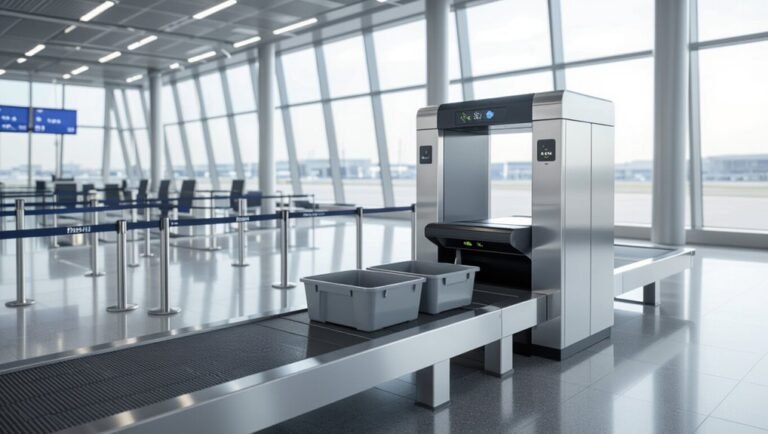
Because checkpoint screening is run by the TSA but airport operations and airlines handle most passenger property, what gets turned in where can vary: items found in the security line or on the screening belt are often logged by TSA officers and handed to airport lost-and-found, while belongings left past security—or on the plane—are usually managed by the airline or airport.
- Carry-ons and bottles
- Electronics
- Travel documents
- Clothing and accessories
- Personal hygiene items
Where TSA Collects Lost Items at the Airport
When you lose something at the airport, the item might be with TSA at the checkpoint, turned over to the airline’s property room, or held by the airport’s central lost-and-found.
Checkpoint items are usually logged by TSA officers, while airlines maintain separate storage for things found in boarding areas or on planes.
Start by contacting the checkpoint TSA office, then the airline’s property room, and finally the airport lost-and-found to locate your item.
TSA Checkpoint Collections
At many airports, TSA officers collect items left at security checkpoints and place them in designated checkpoint lost-and-found bins or turn them over to airport property offices so you can retrieve them later.
You should report missing items promptly, ID ownership, and follow airport procedures to claim belongings.
- IDs
- Electronics
- Jewelry
- Medications
- Travel documents
Airline Property Rooms
One of the main places your lost items end up is the airline property room—airlines often take belongings found in TSA checkpoints and onboard aircraft and store them there until you claim them.
You should contact the specific carrier’s property office promptly, provide a detailed description and flight info, and follow their claim procedures; many items are held for a limited time before disposal or auction.
Airport Lost And Found
If you leave something at a TSA checkpoint or in airport public areas, the Transportation Security Administration usually collects it and turns it over to the airport’s central lost and found, where staff log, store, and attempt to reunite items with their owners—so you should report the loss quickly, give a clear description and location, and follow the airport’s claim process.
- Check online inventory
- Call the lost and found
- Provide ID and details
- Schedule pickup or mailing
- Track claim status
What TSA Keeps vs. What It Discards
You’ll want to know which items TSA holds for pickup and which ones get destroyed or disposed.
Valuable or clearly identifiable belongings are usually kept and logged so you can reclaim them.
Perishable, hazardous, or unidentifiable items are often discarded for safety and legal reasons.
Items Held For Pickup
When items are found in TSA checkpoints or on planes, the agency sorts them quickly to decide what’s worth keeping and what must be discarded.
You’ll usually get notified if something retrievable is stored for pickup. You can claim personal effects that are safe, labeled, and identifiable.
Typical held items include:
- Phones and chargers
- Wallets and IDs
- Luggage and bags
- Prescription glasses
- Small electronics
Items Destroyed Or Disposed
Because safety and security come first, TSA routinely discards items that pose a hazard, can’t be identified, or aren’t worth storing, and you shouldn’t expect retrieval in those cases.
You’ll find sharp objects, explosives, perishable food, biohazards, and unclaimed liquids often destroyed or disposed.
If something’s unsafe, contaminated, or low value, TSA won’t inventory it or hold it for you.
TSA Retention Timelines: How Long Items Are Kept
While many travelers assume lost items are kept indefinitely, TSA follows specific retention timelines that determine how long different categories of property are stored before disposal or turnover to local authorities.
Many travelers assume lost items are kept forever, but TSA uses set retention timelines for different property types.
You’ll find that rules vary by item type, security risk, and local policy. Know the basics so you can act quickly.
- Electronics: shorter retention, often weeks
- Documents: longer, handled carefully
- Clothing: moderate-term storage
- Prohibited items: destroyed promptly
- Valuables: turned to law enforcement
Report a Lost Item at a TSA Checkpoint (Step‑by‑Step)
If you discover an item missing at a TSA checkpoint, start by alerting the nearest TSA officer right away so they can secure the area and begin a search; you’ll then be guided through identification, documentation, and next steps for recovery or reporting. Follow instructions, answer questions, and get contact info.
| Step | Action | Outcome |
|---|---|---|
| 1 | Notify officer | Search starts |
| 2 | Describe item | Identification |
| 3 | Receive report | Follow-up |
What Information to Include in a TSA Lost-Item Report
After you report the loss at the checkpoint and provide initial details, you’ll need to file a formal lost-item report that gives TSA and any follow-up teams the facts they need to find your property.
Include clear, specific information so staff can act quickly:
- Item description (color, brand, model)
- Unique identifiers or markings
- Where and when you lost it
- Your contact details
- Flight/travel information
How TSA Coordinates With Airport and Airline Lost-And-Found
You’ll learn how TSA’s role fits into the lost-and-found chain, including what items TSA keeps and what it forwards.
You’ll see how TSA coordinates with airport lost-and-found offices to log and hold items, and how information is shared.
You’ll also get a clear picture of how airlines receive transferred items and how to follow up.
TSA Role Explained
When you find an item at a TSA checkpoint or security area, TSA agents secure it and then coordinate directly with the airport’s and airline’s lost-and-found units to guarantee a quick, documented handoff—this keeps chain-of-custody clear and helps reunite owners with belongings faster.
You’ll see TSA log, tag, photograph, notify, and transfer items promptly.
- Log details
- Tag item
- Photograph evidence
- Notify partners
- Transfer custody
Airport Coordination Process
Typically within minutes, TSA agents hand items off to the airport’s lost-and-found and the airline’s property office using a standardized coordination process so you get quicker, traceable reunions.
You’ll receive documentation, timestamps, and contact info; staff log descriptions and scan barcodes.
You can follow status updates, provide ID to claim items, and expect coordinated surveys for valuable or hazardous finds to guarantee proper handling.
Airline Item Transfer
After TSA hands an item to airport staff, coordination shifts to airline and airport lost-and-found teams who take responsibility for cataloging, tracking, and returning your property.
You’ll get status updates, and teams verify ownership before release. Expect handoffs between carriers if flights changed.
- Item logged with photos
- Ownership verified
- Carrier notified if needed
- Pickup or shipping arranged
- Records updated and closed
Tracking Claims: Check Status and Follow-Up Actions
How can you quickly check the status of a TSA lost-and-found claim and know what to do next?
Visit the TSA lost-and-found portal, enter your claim number and contact details, and review updates.
If the item’s located, follow pickup or shipping instructions and verify ID requirements.
If there’s no update, contact the airport’s lost-and-found desk for timelines and next steps.
What Happens to Unclaimed TSA Items (Auctions & Charities)
When items go unclaimed after the retention period, TSA and individual airports usually transfer them to local lost-and-found partners, donate usable goods to charities, or sell them through public auctions so the property can be repurposed rather than stored indefinitely.
- You can monitor auction listings for valuables.
- Charities receive clothing and household items.
- Proceeds may support airport programs.
- Some partners recycle electronics responsibly.
- You’ll be notified if an item surfaces.
Special Cases: Passports, IDs, Medications, and Electronics
Because these items can affect your travel, airports and the TSA treat passports, IDs, medications, and electronics with extra care: you should report lost documents immediately to airport lost and found and local authorities, request secure handling, and provide ID when reclaiming.
Medications usually get logged and held separately; electronics may be tested, logged, and held until you verify ownership.
When to Escalate: Complaints, Police, and Legal Steps
If you can’t resolve a lost-item issue with airport staff or the TSA’s lost-and-found, escalate promptly by filing formal complaints, contacting local law enforcement for theft or suspicious circumstances, and keeping careful records of all communications and evidence.
These steps help protect your rights and create the documentation you’ll need for claims or legal action.
- File a formal TSA complaint online
- Notify airport lost-and-found managers
- Contact local police for theft reports
- Preserve receipts, photos, and messages
- Consult an attorney for civil claims
Frequently Asked Questions
Can I Get Compensation for Items TSA Loses or Damages?
Yes — you can seek compensation if TSA or its contractors lose or damage items; you’ll file a claim (via the airline or TSA, depending), provide proof and receipts, and follow deadlines and documentation requirements to pursue reimbursement.
Are Items Left in Rental Cars Covered by TSA Lost-And-Found?
No, items left in rental cars aren’t covered by TSA lost-and-found; you’ll need to contact the rental company or airport parking operator, and you might file a claim with them or with your insurance or credit card provider.
How Do International Travelers Retrieve Items From Foreign TSA Equivalents?
You contact the foreign aviation authority or airport lost‑and‑found directly, provide flight details and item descriptions, follow their claim procedures (forms, ID, fees), arrange pickup or shipping, and stay persistent until your item’s returned.
Does TSA Accept Liability for Valuables Found After Checkpoint Closure?
No, TSA generally won’t accept liability for valuables found after checkpoint closure; you’ll need to contact the airport’s lost and found or local police, as responsibility usually falls to the airport or individual agencies, not TSA.
Can I Authorize Someone Else to Collect My Lost Item on My Behalf?
Yes — you can usually authorize someone else to collect your lost item by providing a signed written authorization, a copy of your ID, and the authorized person’s ID; check the specific TSA or airport lost-and-found requirements beforehand.
Conclusion
Yes — TSA runs a lost-and-found for items left at security checkpoints, but it only handles stuff found in screening areas. If you leave things at the gate or on the plane, contact the airline or airport. TSA keeps certain items, discards dangerous or perishable ones, and holds valuables for a limited time before donating or auctioning them. For passports, meds, IDs, or high-value electronics act fast and escalate to airport or police if needed.