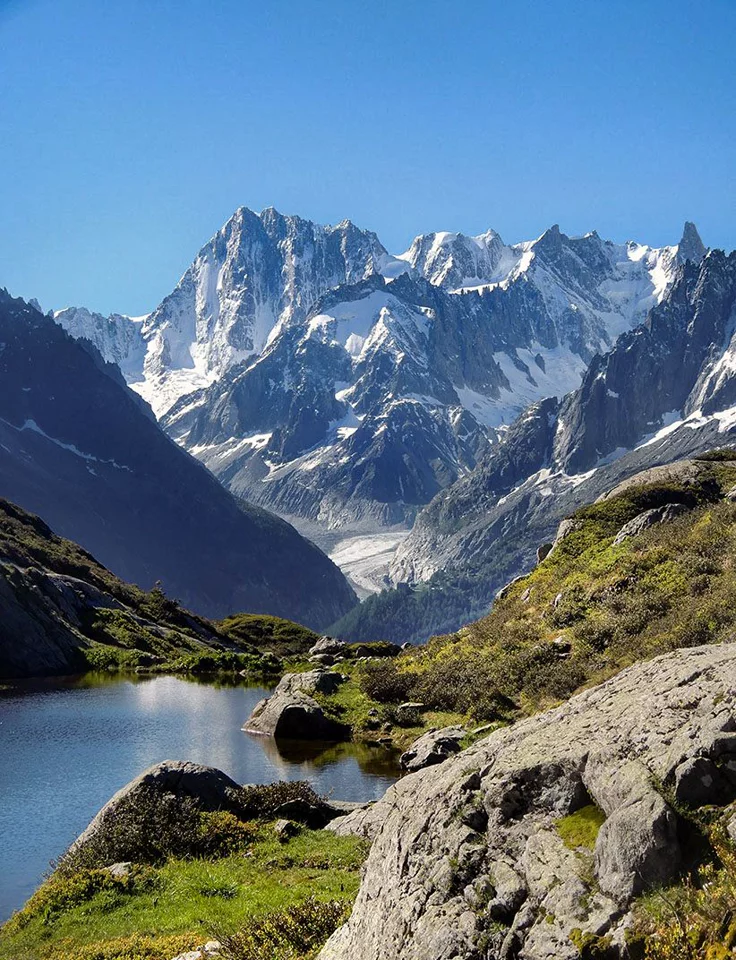
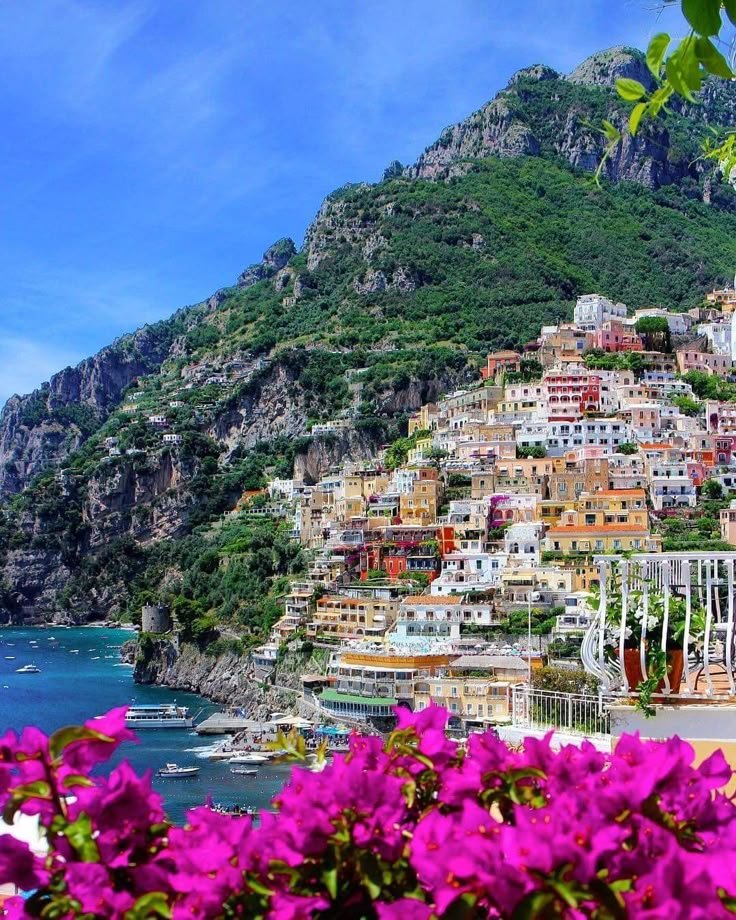
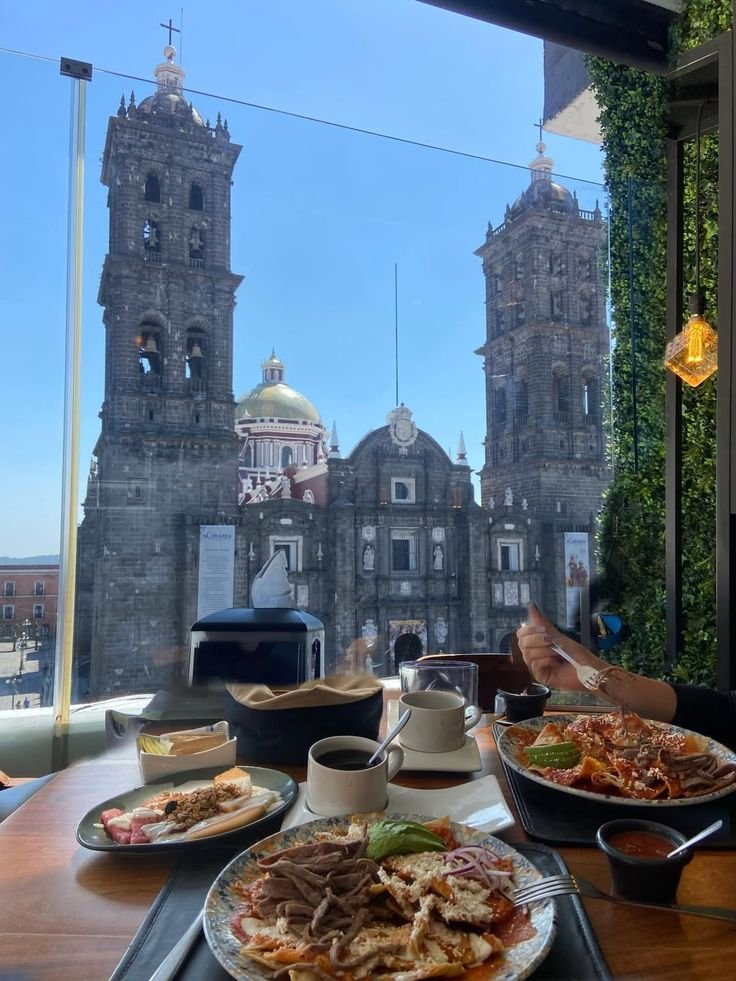
40 Costa Rica Travel Destinations for Nature Lovers
You’ll find 40 must-see Costa Rica spots that pair volcanoes, cloud forests, beaches, and wetlands with hands-on eco‑adventures. Hike Arenal’s rainforest and soak in hot springs, watch Monteverde’s misty trails for quetzals, join nocturnal walks, or paddle Damas Bay mangroves. Visit Tortuguero for turtle nesting, Corcovado for rare wildlife, and Manuel Antonio for beaches and easy trails. Stay at sustainable lodges like Rancho Margot or Finca Rosa Blanca to support conservation, and keep exploring to uncover detailed tips and highlights.
Arenal Volcano National Park : Hot Springs and Rainforest Hikes
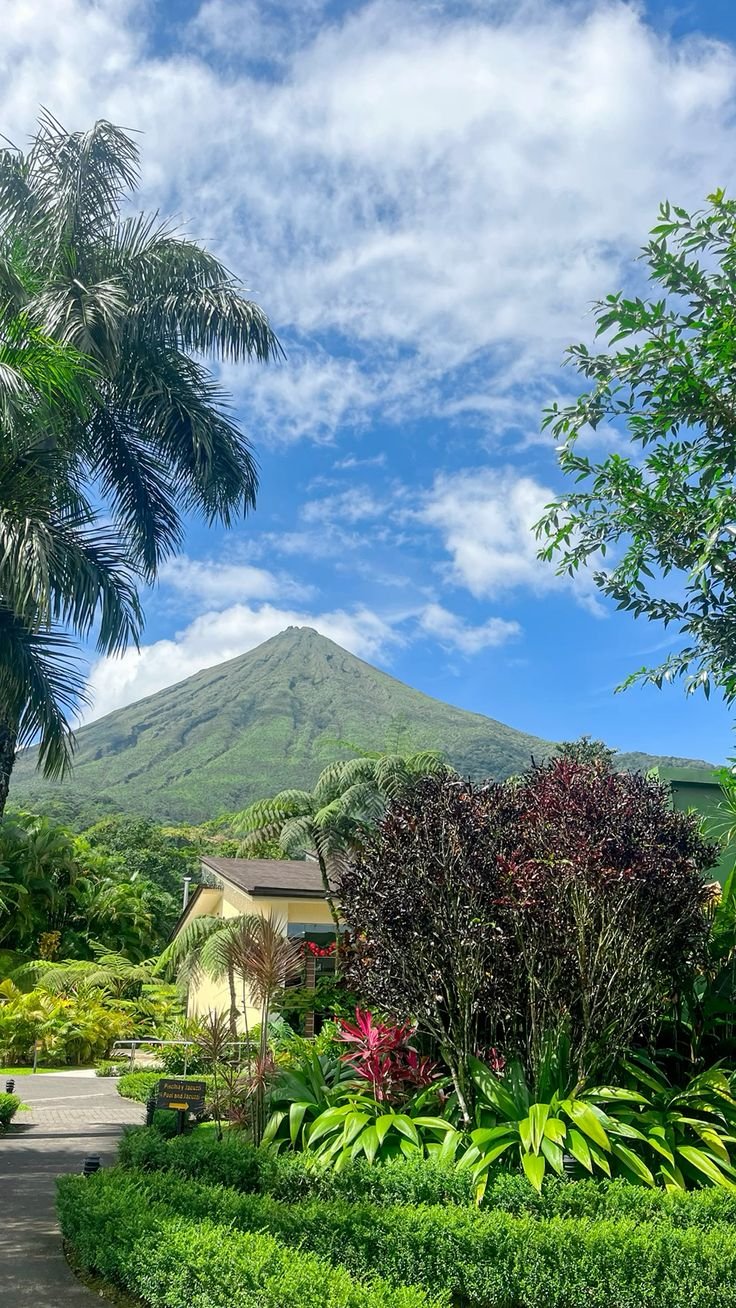
Image Credit: Pinterest
Arenal Volcano National Park captivates visitors with its steaming hot springs, lush rainforest trails, and breathtaking volcanic vistas that offer opportunities for both relaxation and adventure.
You can unwind in the Arenal hot springs, discover the rich biodiversity of the rainforest on hiking paths, participate in volcano tours and thrilling activities, enjoy wildlife encounters, capture stunning nature photography, and stay at eco-friendly resorts that harmonize comfort with conservation.
Monteverde Cloud Forest Reserve : Misty Trails and Birdwatching
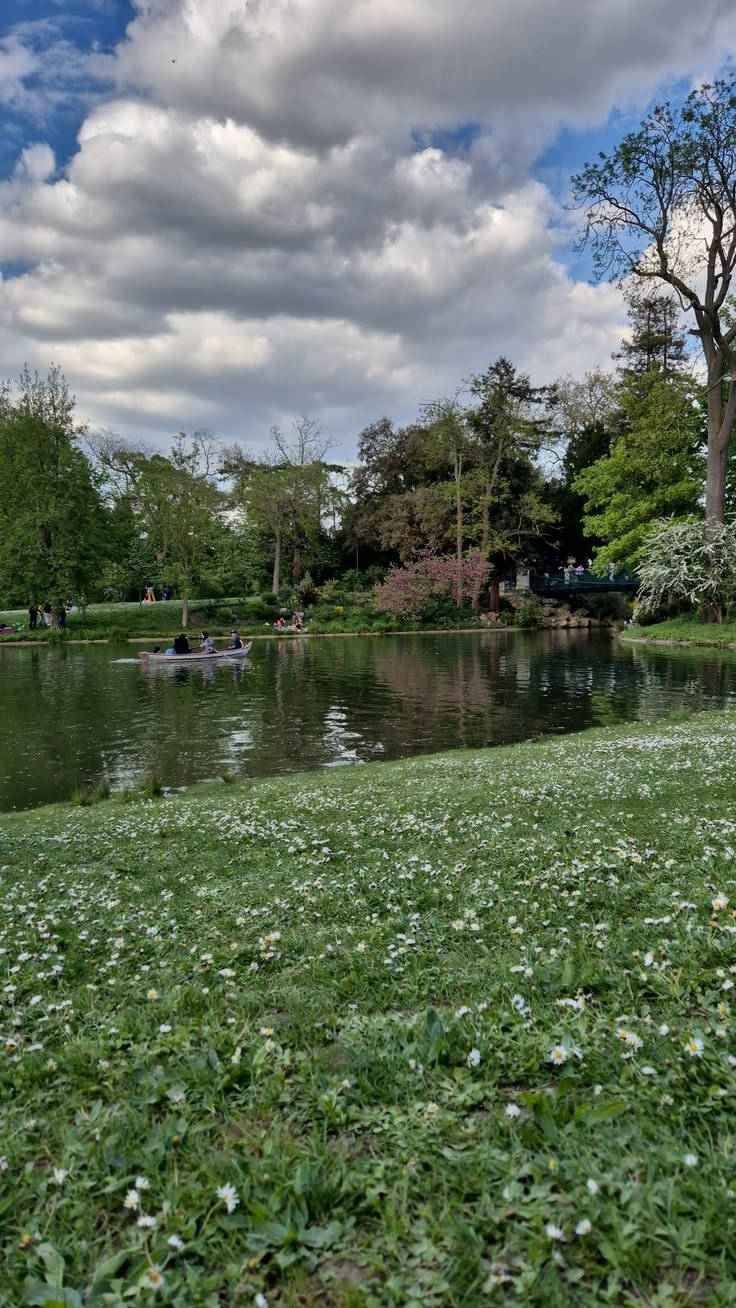
Image Credit: Pinterest
Step into Monteverde Cloud Forest Reserve and you’ll enter a world of mist-wrapped trails, towering epiphytes, and some of the best birdwatching in Costa Rica.
You’ll follow narrow paths that reveal cloud forest ecology up close, spotting resplendent quetzals and other bird species among bromeliads and mossy branches.
Bring binoculars, walk slowly, and listen—every rustle could be a rare sighting.
Corcovado National Park : Remote Biodiversity Hotspot

Image Credit: Pinterest
If Tortuguero introduced you to Costa Rica’s coastal wilds, head further south to Corcovado National Park, where some of the country’s most pristine rainforests and secluded beaches shelter jaguars, tapirs, scarlet macaws, and countless amphibians.
You’ll embark on guided tours and remote adventures focused on wildlife conservation, environmental education, sustainable tourism, ecosystem diversity, hiking trails, rare species, indigenous cultures, and natural photography.
Manuel Antonio National Park : Beaches, Trails, and Wildlife Viewing
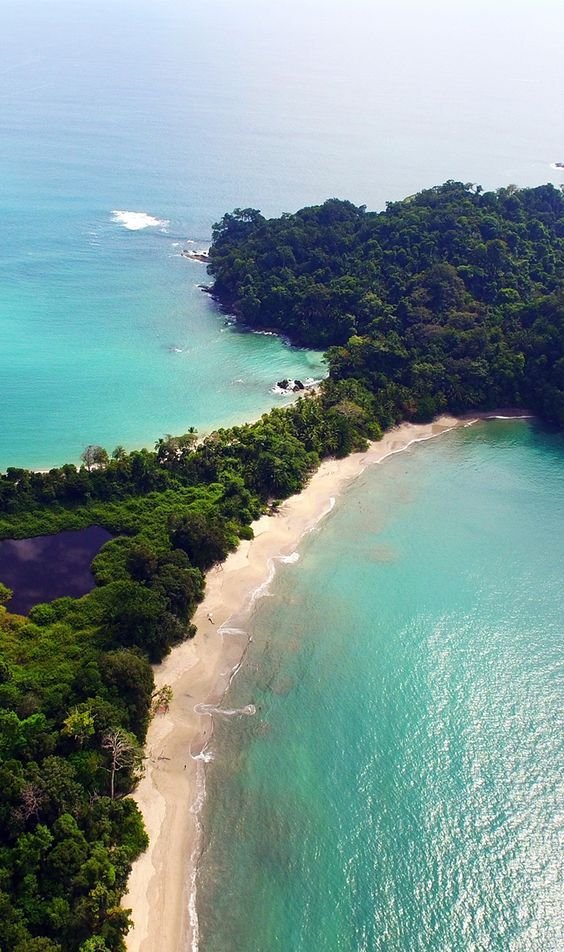
Image Credit: Pinterest
Although smaller than some of Costa Rica’s vast parks, Manuel Antonio packs white-sand beaches, easy hiking trails, and abundant wildlife into a compact, visitor-friendly area you can explore in a day or linger in for several.
You’ll enjoy guided tours for wildlife photography, hiking tips, eco-friendly accommodations, outdoor gear rentals, family activities, local cuisine, cultural experiences, beach conservation, and sustainable tourism initiatives.
Rincón De La Vieja National Park : Volcanic Activity and Waterfalls
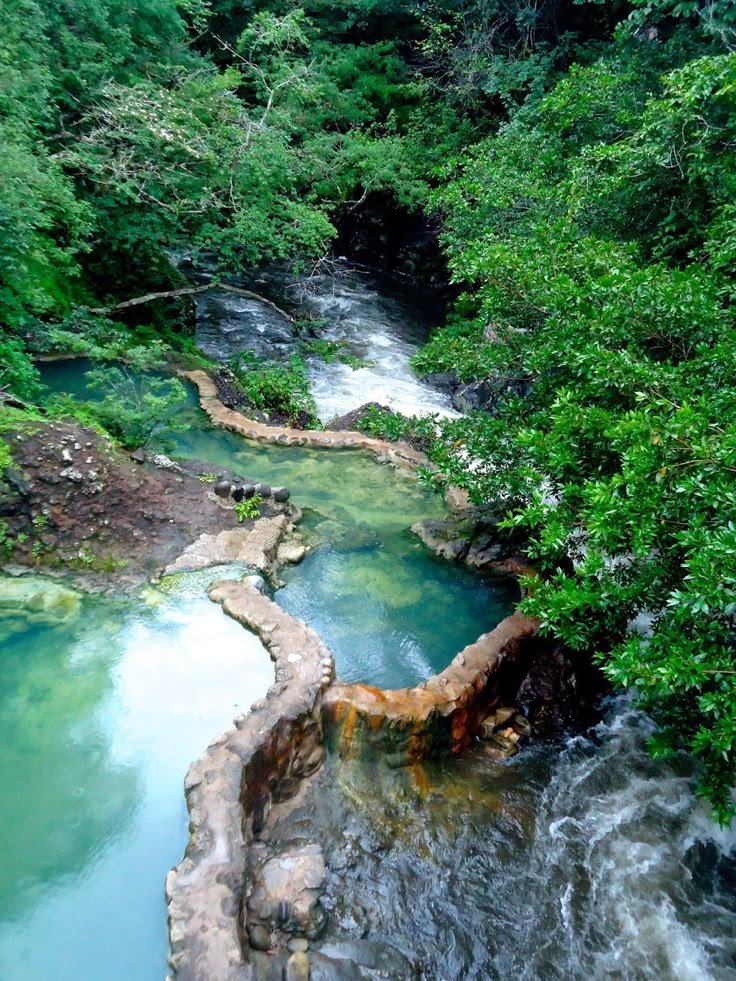
Image Credit: Pinterest
Rincón de la Vieja thrills adventurous nature lovers with steaming fumaroles, bubbling mud pots, and a network of trails that lead to plunging waterfalls and inviting hot springs perfect for soaking after a hike.
You’ll explore stunning volcanic landscapes, geothermal features, and thermal pools via well-maintained hiking trails.
Enjoy breathtaking viewpoints, spot diverse wildlife, pursue nature photography, and participate in eco-tourism adventure activities that emphasize conservation.
Poás Volcano National Park : Accessible Crater Views
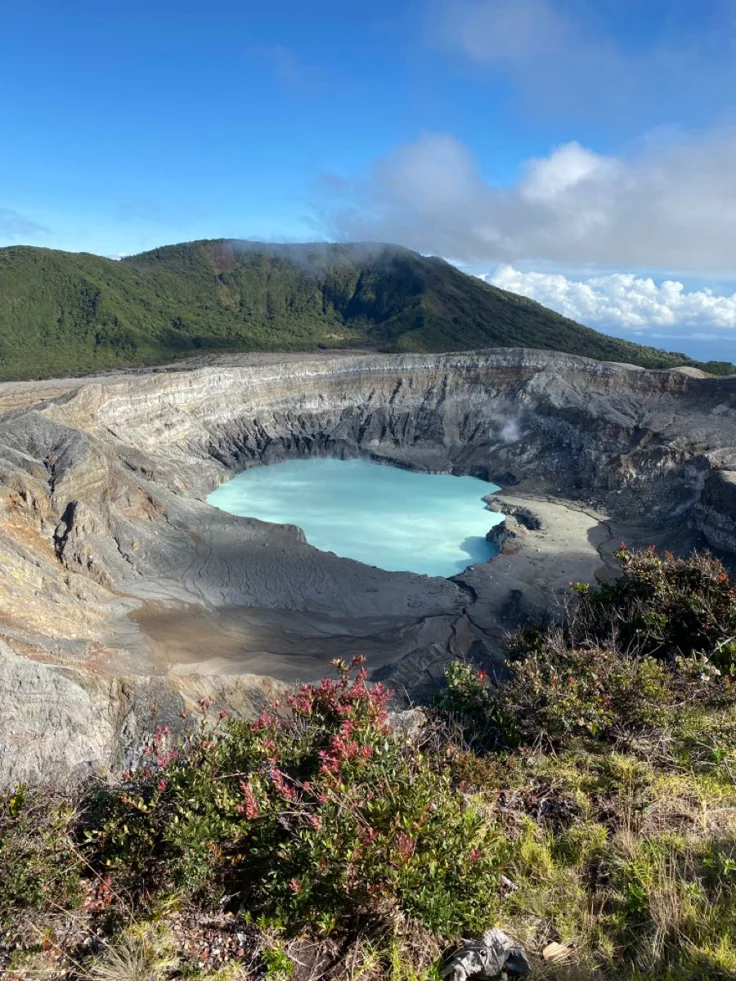
Image Credit: Pinterest
Poás Volcano National Park offers stunning views of its steaming, turquoise crater lakes with minimal hiking required, making it easily accessible from San José.
Well-constructed viewing platforms allow you to safely observe fumaroles and acidic pools while learning about volcanic geology from informative signs and guides.
The excellent accessibility provides great opportunities for photos and short walks.
Be prepared for variable weather and potential brief closures during your visit.
La Fortuna Waterfall : Dramatic Plunge Near Arenal
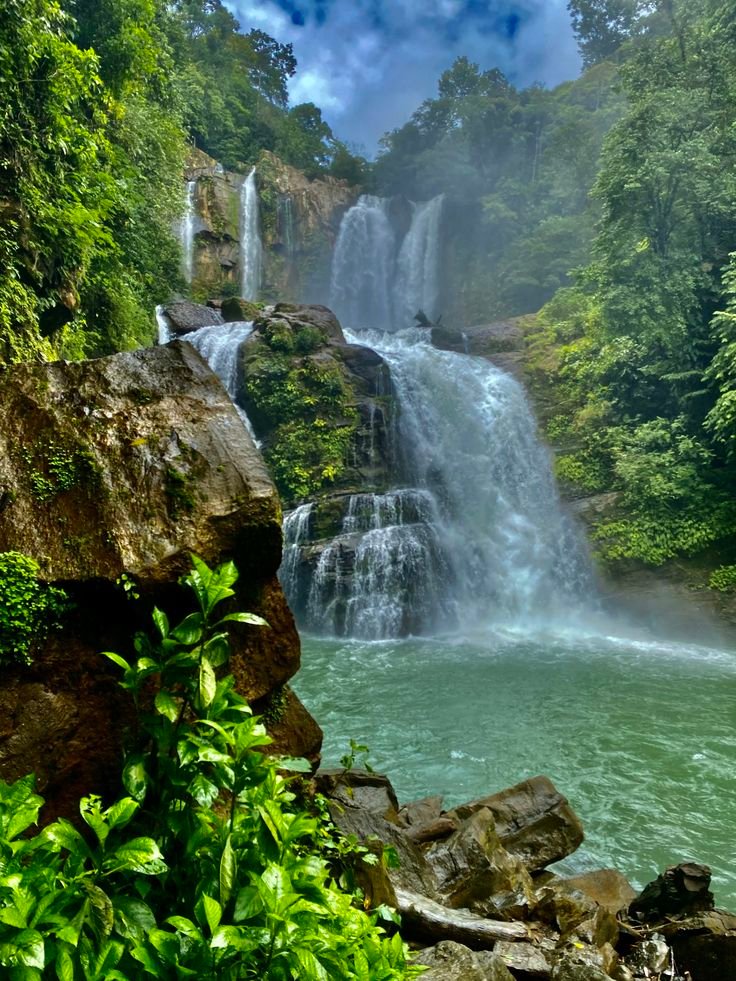
Image Credit: Pinterest
Just a short drive from La Fortuna town, La Fortuna Waterfall plunges about 70 meters into a misty, emerald pool framed by lush rainforest.
As you descend the stairs to the base, you’ll feel the power of the cascade. Here, you can try your hand at waterfall photography, take a refreshing swim, participate in adventure activities, savor local cuisine nearby, support eco-tourism, and immerse yourself in the cultural experiences that La Fortuna has to offer.
Tenorio National Park : Rio Celeste’s Turquoise River
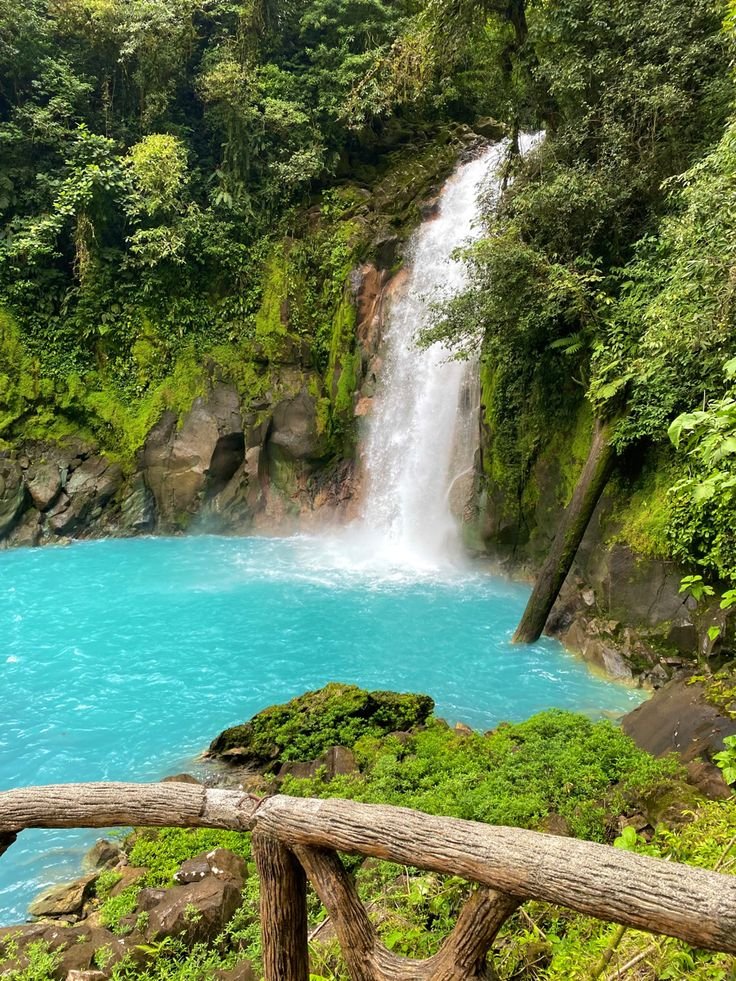
Image Credit: Pinterest
After soaking in La Fortuna’s thunderous falls, head northwest for a very different kind of spectacle: Tenorio National Park’s Rio Celeste, famous for its almost unreal turquoise hue.
You’ll follow hiking trails through local flora, spot wildlife, and discover hidden gems perfect for photography tips.
Engage in eco-tourism, learn about conservation efforts and cultural experiences, and enjoy these natural wonders while practicing responsible wildlife spotting.
Cahuita National Park : Reef Snorkeling and Coastal Rainforest
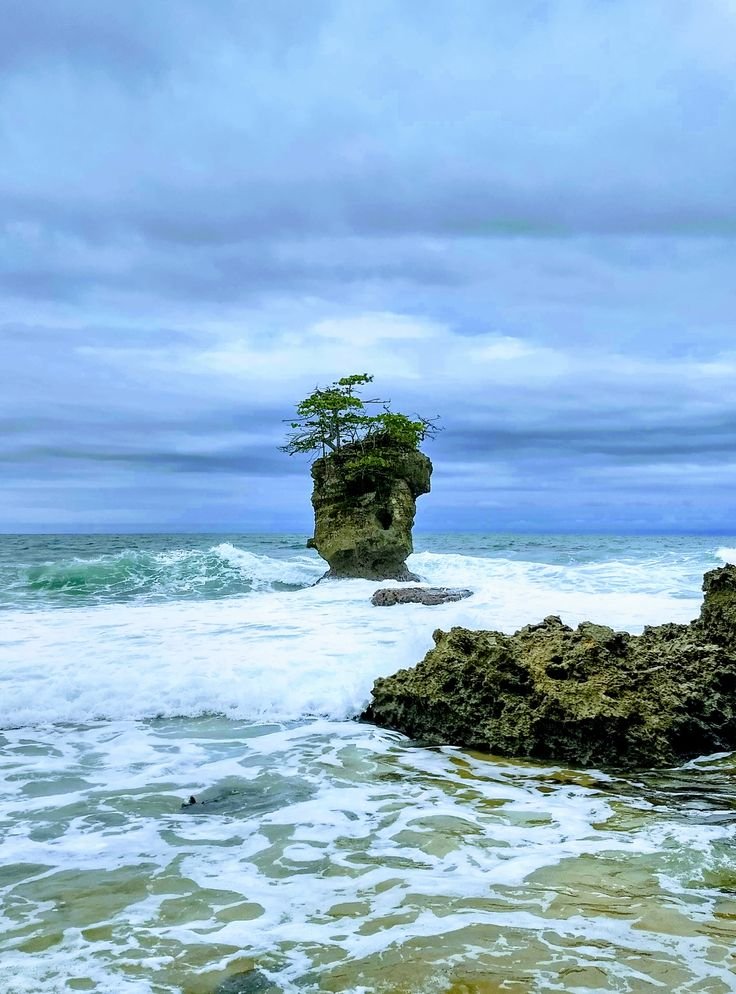
Image Credit: Pinterest
When you step into Cahuita National Park, vibrant coral gardens and a lush coastal rainforest unfold side by side, offering some of Costa Rica’s best snorkeling right off the shore.
You’ll follow guided snorkeling for marine biodiversity, practice beach safety, and learn about coral conservation.
Explore rainforest ecosystems and coastal flora, capture wildlife photography, join eco-friendly tours, savor local cuisine, and utilize snorkeling tips.
Gandoca-Manzanillo Wildlife Refuge : Caribbean Jungle and Coral
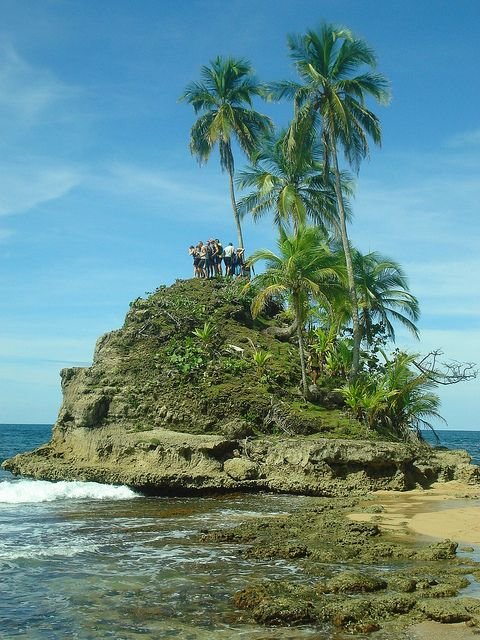
Image Credit: Pinterest
Although less visited than other Caribbean spots, Gandoca-Manzanillo Wildlife Refuge rewards you with a raw mix of dense jungle, winding waterways, and vibrant coral fringes.
You’ll enjoy jungle exploration amid tropical flora, spot diverse Caribbean biodiversity, and explore coral ecosystems while learning about wildlife conservation.
Eco-tourism benefits shine through sustainable practices, adventure activities, cultural experiences, and fresh local cuisine.
Santa Rosa National Park : Dry Forest and Historic Sites

Image Credit: Pinterest
Shifting from Gandoca-Manzanillo’s humid Caribbean wilds, Santa Rosa National Park reveals a strikingly different side of Costa Rica: sun-baked dry forest, rolling savannas, and storied battlefields that shaped the nation.
You’ll walk historic trails past monuments, spot white-faced capuchins and other wildlife, and learn how wildlife conservation preserves this fragile ecosystem.
Bring water, sun protection, and respect for heritage.
Palo Verde National Park : Wetlands for Birdwatching
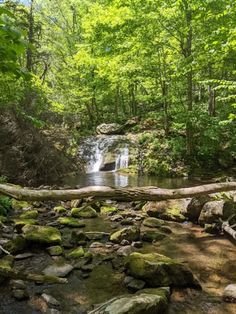
Image Credit: Pinterest
Marshes and meandering rivers define Palo Verde National Park, home to some of Costa Rica’s richest wetlands and world-class birdwatching opportunities.
Explore these Wetland Ecosystems by boat and trail, where you can spot herons, ibis, and various migratory species.
Employ proven Birdwatching Techniques—silent approach, binoculars, scope, and timed light—to enhance your sightings while minimizing disturbance to wildlife and their habitat.
Barra Del Colorado Wildlife Refuge : Remote Wetlands and Manatees
When you head to Barra del Colorado Wildlife Refuge, you’ll enter one of Costa Rica’s most remote wetland complexes where braided rivers, oxbow lakes, and flooded forests shelter jaguars, caimans, and the gentle West Indian manatee.
You’ll explore quiet channels by boat, learn about manatee conservation efforts, and witness rich wetland ecosystems teeming with birdlife, reptiles, and unique plant communities far from tourist crowds.
Isla Tortuga : Island Beaches and Snorkeling Day Trips
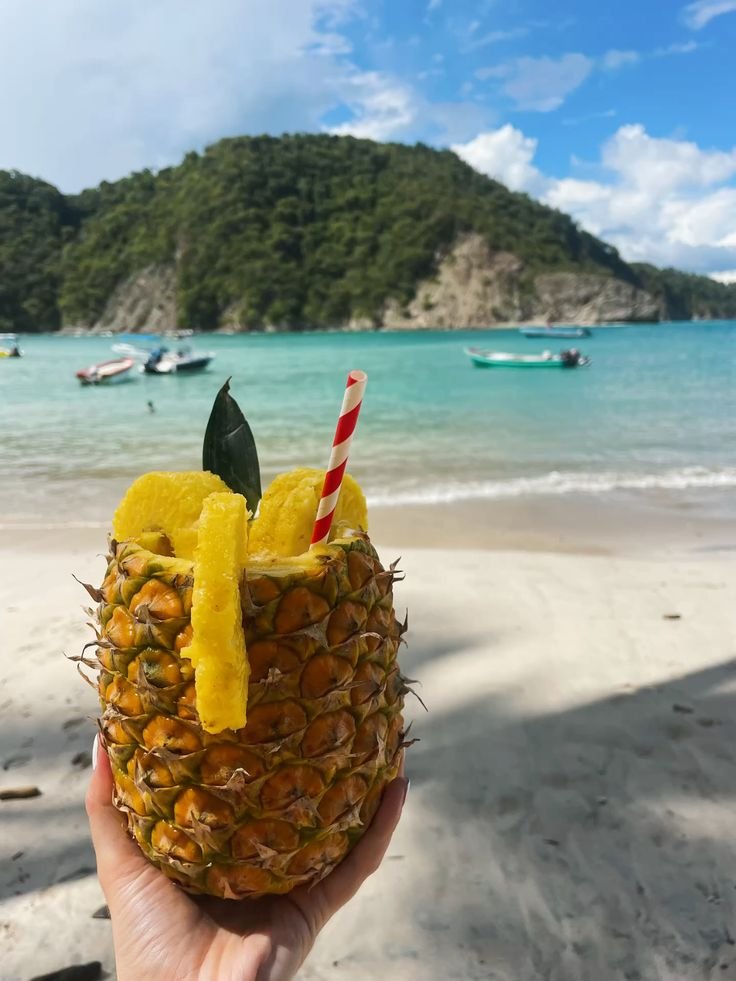
Image Credit: Pinterest
If you want sun-drenched sands and crystal-clear water in a single day, Isla Tortuga delivers: this small Pacific island is famous for powdery beaches, sheltered coves, and some of the best snorkeling near the Nicoya Peninsula.
You’ll enjoy a snorkeling adventure among vibrant marine life, spot island wildlife, relax on pristine shores, try water sports, join eco tours, savor local cuisine, and watch sunset views framed by tropical flora.
Marino Ballena National Park : Whale Watching and Sandbar
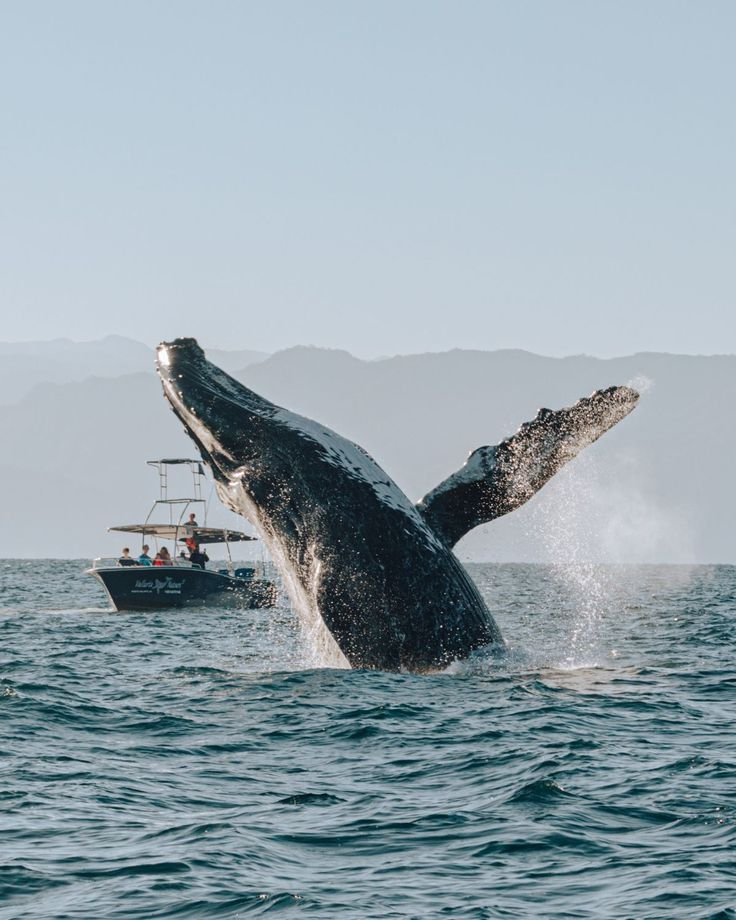
Image Credit: Pinterest
Just a short drive down the coast from Isla Tortuga, Marino Ballena National Park rewards visitors with dramatic marine life and a remarkable sandbar formation you can explore at low tide.
Here, you can witness whale migration and frequent dolphin sightings, study the sandbar ecosystem and marine biodiversity, and learn how coastal conservation, eco-tourism impact, local communities, and seasonal patterns shape protection and sustainable visits.
Drake Bay : Gateway to Corcovado and Diving

Image Credit: Pinterest
One of Costa Rica’s wildest frontiers, Drake Bay puts you at the doorstep of Corcovado National Park and some of the country’s best dive sites. Here, you can hike untouched rainforest trails by day and snorkel or dive in the rich Pacific waters by afternoon.
Drake Bay offers a blend of activities that include easy access to Corcovado, thrilling diving experiences, encounters with local wildlife, eco-tourism initiatives, cultural interactions, sustainable accommodations, adventure sports, scenic viewpoints, and community engagement.
Ujarrás and Orosi Valley : Colonial Sites and Cloud Forests
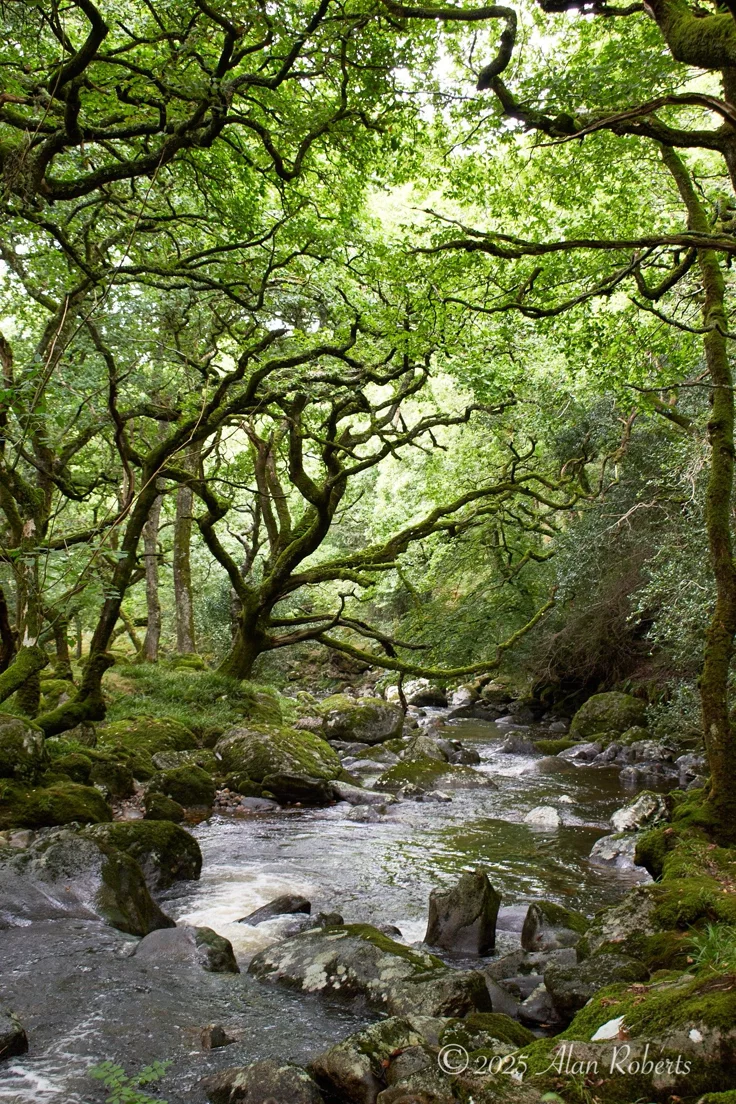
Image Credit: Pinterest
While you explore the Orosi Valley, you’ll step into a landscape where colonial history meets misty cloud forests. Ujarrás’ stone church and nearby haciendas tell stories of early Costa Rica, while winding trails lead into fragrant, bird-filled forests.
You’ll delve into Ujarrás’ history and Orosi culture, observe cloud forest ecology and valley wildlife, admire colonial architecture and scenic viewpoints, savor local cuisine, and join in vibrant cultural festivals.
Bijagual Waterfalls (Los Teñideros) : Off-the-Beaten-Path Cascades
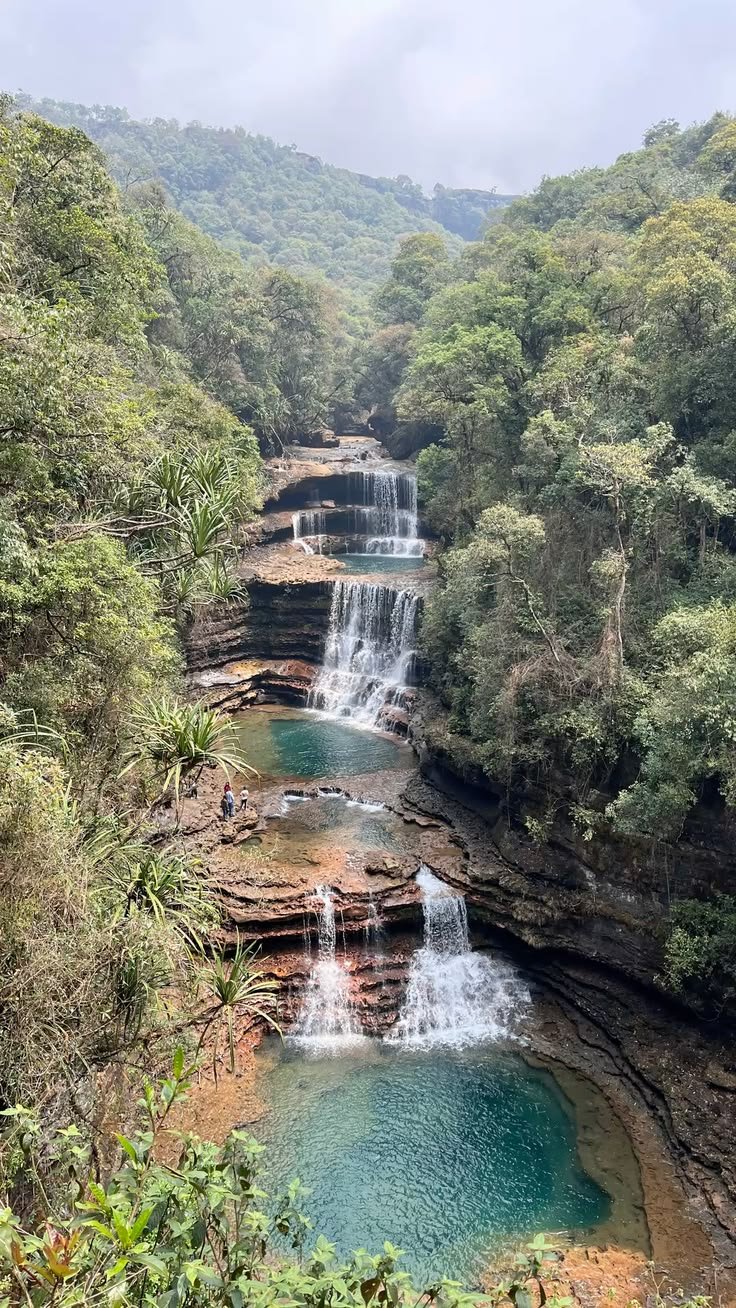
Image Credit: Pinterest
Tucked away down a winding dirt road, Bijagual Waterfalls (Los Teñideros) reward curious travelers with a series of clear, cascading pools framed by lush rainforest.
You’ll embark on a Bijagual Adventure filled with waterfall hikes and wildlife encounters, discover hidden treasures and photography spots, and take in scenic views.
Embrace eco-tourism, immerse yourself in local culture, marvel at natural wonders, and enjoy quiet nature retreats for an authentic, offbeat escape.
Los Quetzales National Park : Montane Forests and Quetzal Sightings
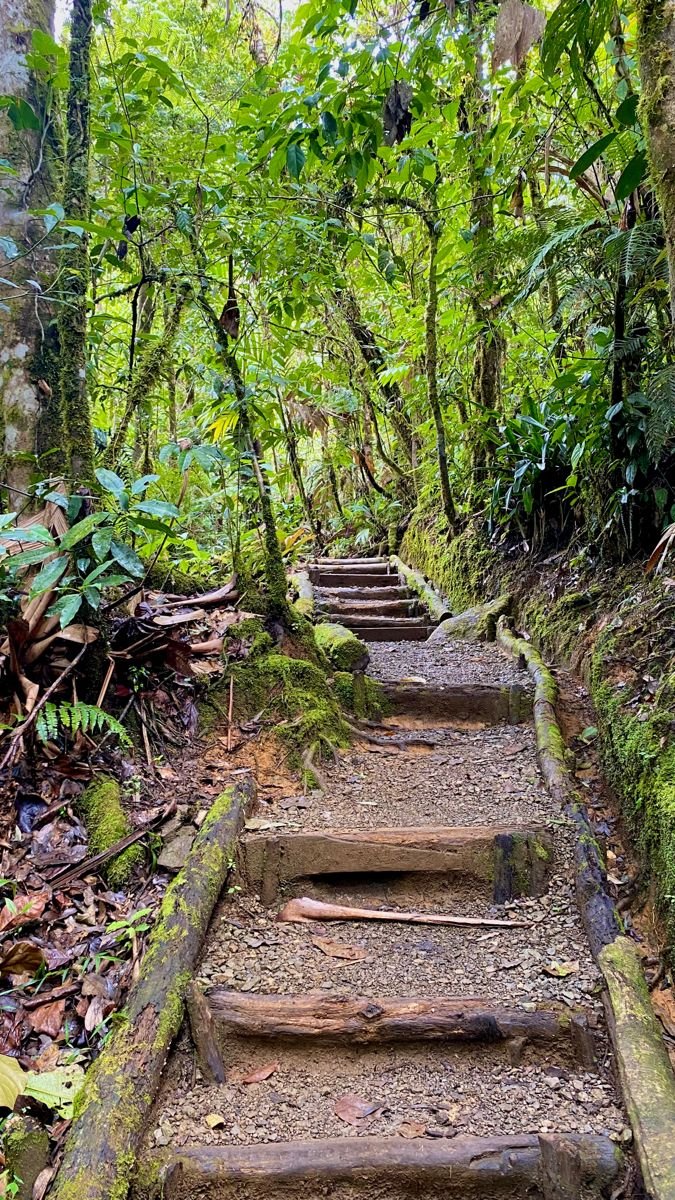
Image Credit: Pinterest
After exploring Bijagual’s hidden cascades, head higher into the Talamanca Range to find Los Quetzales National Park, a cool montane forest where mist clings to oak and laurel trees and the resplendent quetzal makes its home.
You’ll hike trails through fragile montane ecosystems, learn quetzal behavior at dawn, spot males flashing iridescent plumage, and respect habitat to support ongoing conservation.
La Amistad International Park : Wilderness on the Panama Border
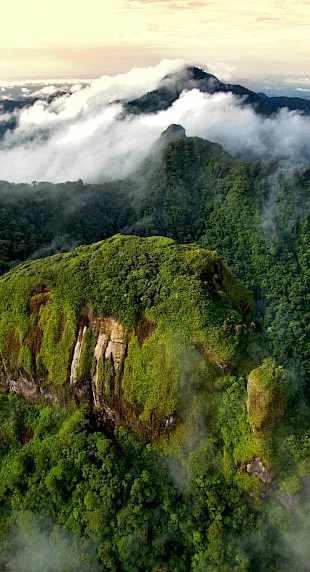
Image Credit: Pinterest
Borderland wilderness defines La Amistad International Park, a vast transboundary reserve straddling Costa Rica and Panama where cloud forests, alpine páramo, and lowland jungle merge.
You’ll explore La Amistad’s remote trails, spot rare species, and support Wildlife Conservation projects.
Guided Ecotourism Opportunities connect you with indigenous communities for meaningful Cultural Experiences, while strict protections keep this frontier wild and largely untouched.
Montezuma and Cabo Blanco Reserve : Nicoya Peninsula Nature Loop
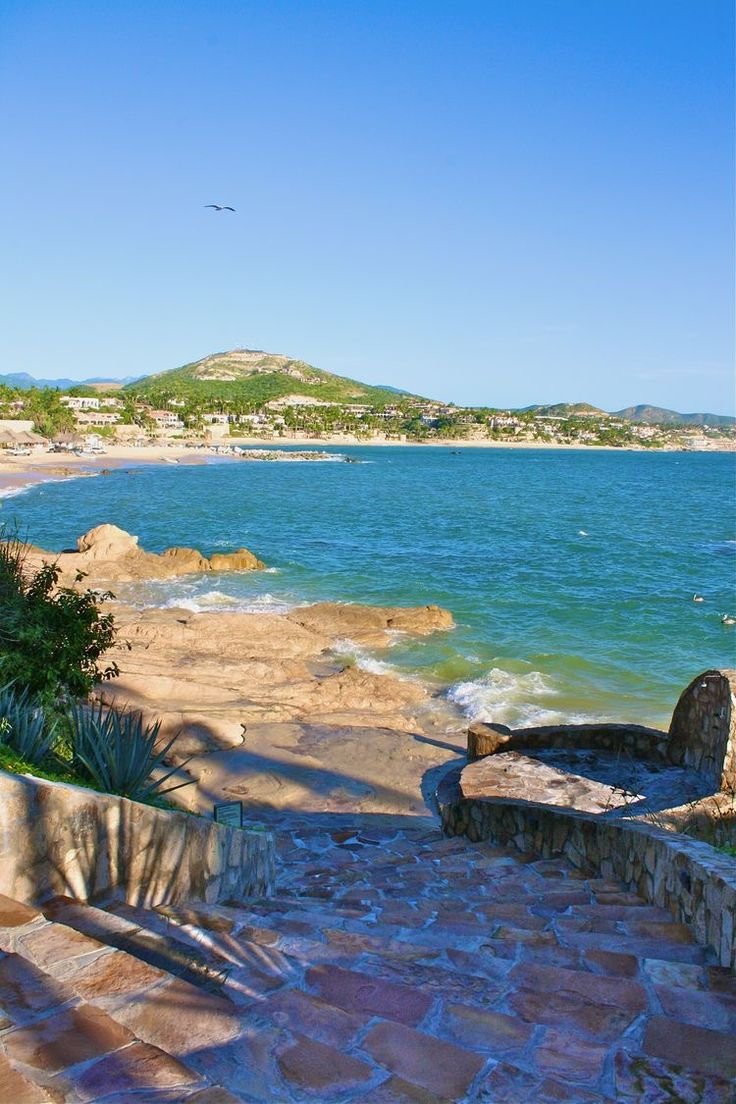
Image Credit: Pinterest
While you can reach the Nicoya Peninsula’s wild edge by boat or road, Montezuma and the nearby Cabo Blanco Reserve reward the effort with a compact loop of beaches, waterfalls, and mature dry forest teeming with wildlife.
You’ll enjoy hands-on Montezuma experiences and mindful Cabo Blanco exploration as you hike trails, spot howler monkeys, cool off under falls, and learn from local guides about conservation.
Nicoya Peninsula Beaches : Sea Turtles and Dry Forest Birds
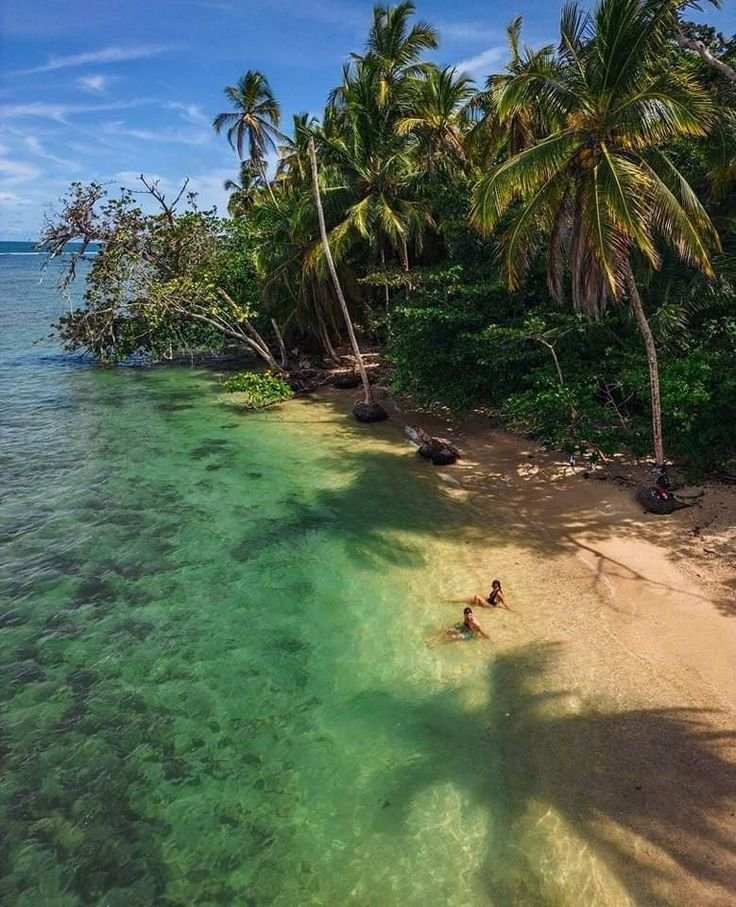
Image Credit: Pinterest
Sand and songbirds meet here: on the Nicoya Peninsula’s beaches, you can walk dawn patrols for nesting sea turtles and still hear the dry forest’s insect choruses as you return to shore.
You’ll join Turtle Conservation teams, book Birdwatching Tours, try Beach Camping, stay at Eco-Friendly Resorts, practice Wildlife Photography, study Marine Biology, explore Coastal Hiking trails, and savor nightly Sunset Viewing.
Playa Conchal : Shell-Sand Beach and Marine Life
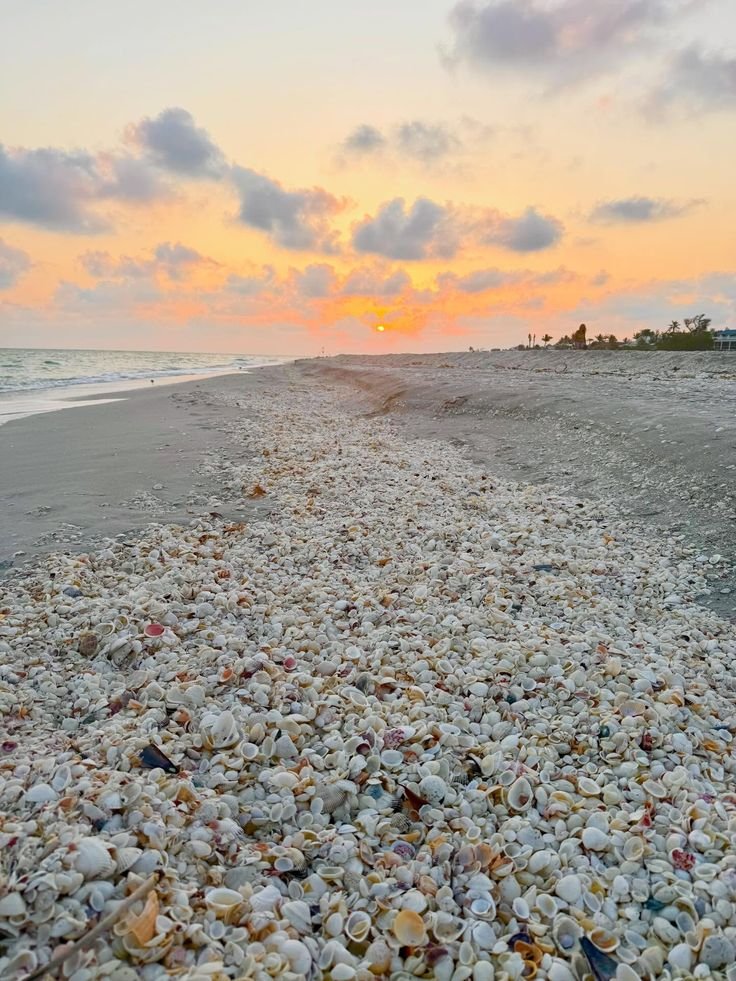
Image Credit: Pinterest
Playa Conchal greets you with a shore made almost entirely of crushed shells that sparkle under the sun, giving the water a striking turquoise clarity.
At low tide, you can gently explore for colorful shell fragments and small critters, then snorkel to observe rays and reef fish.
Remember to respect local marine conservation rules: avoid collecting live organisms and leave the beach pristine for others to enjoy.
Playa Tamarindo : Surfing, Estuaries, and Mangroves
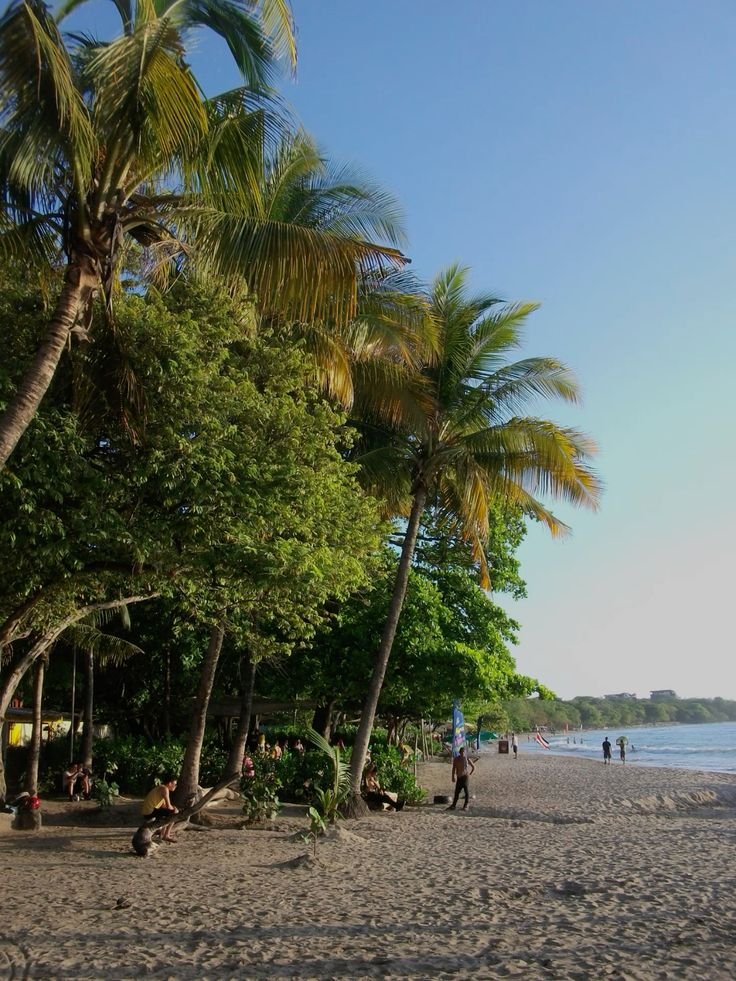
Image Credit: Pinterest
Although Tamarindo’s beaches are famous for consistent surf breaks, the town offers more than waves—you’ll find lively estuaries and mangrove channels teeming with wildlife.
You can get surfing tips, surfboard rentals, and beach safety guidance, then switch to estuary kayaking through mangrove ecosystems.
Enjoy local cuisine and sunset views while supporting wildlife conservation, community engagement, and eco-friendly practices that protect habitats.
Palo Seco Biological Station : Primary Rainforest Research Area
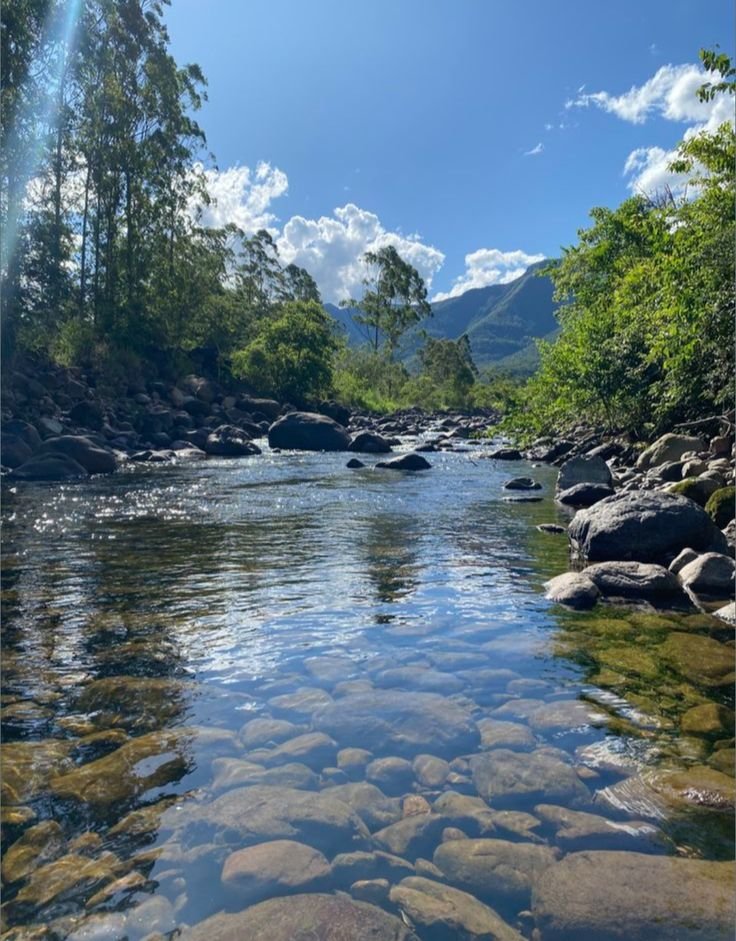
Image Credit: Pinterest
If you want to immerse yourself in untouched primary rainforest, Palo Seco Biological Station offers rare access to old-growth canopy, crystal-clear streams, and intensive field research—where scientists study biodiversity, carbon cycling, and species interactions in situ.
You’ll join researchers monitoring rainforest ecosystems, support biodiversity conservation projects, observe rare flora, and learn rigorous field methods in a remote, minimally disturbed setting that prioritizes science over tourism.
Sirena Biological Station Trails : Corcovado’s Best Wildlife Routes
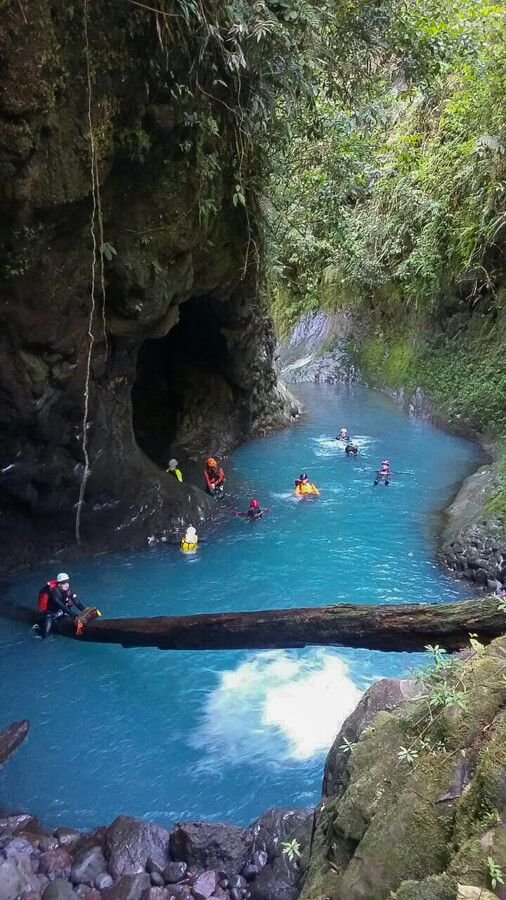
Image Credit: Pinterest
From Palo Seco’s quiet research plots, you can venture west to Corcovado, where Sirena Biological Station boasts some of Costa Rica’s most vibrant wildlife trails.
Here, you’ll hike guided paths teeming with tapirs, scarlet macaws, and frogs, making it ideal for wildlife photography.
Rangers enforce trail conservation, limit group sizes, and teach low-impact techniques, ensuring you can observe and photograph the wildlife while leaving no trace behind.
Barra Honda National Park : Limestone Caves and Dry Forest
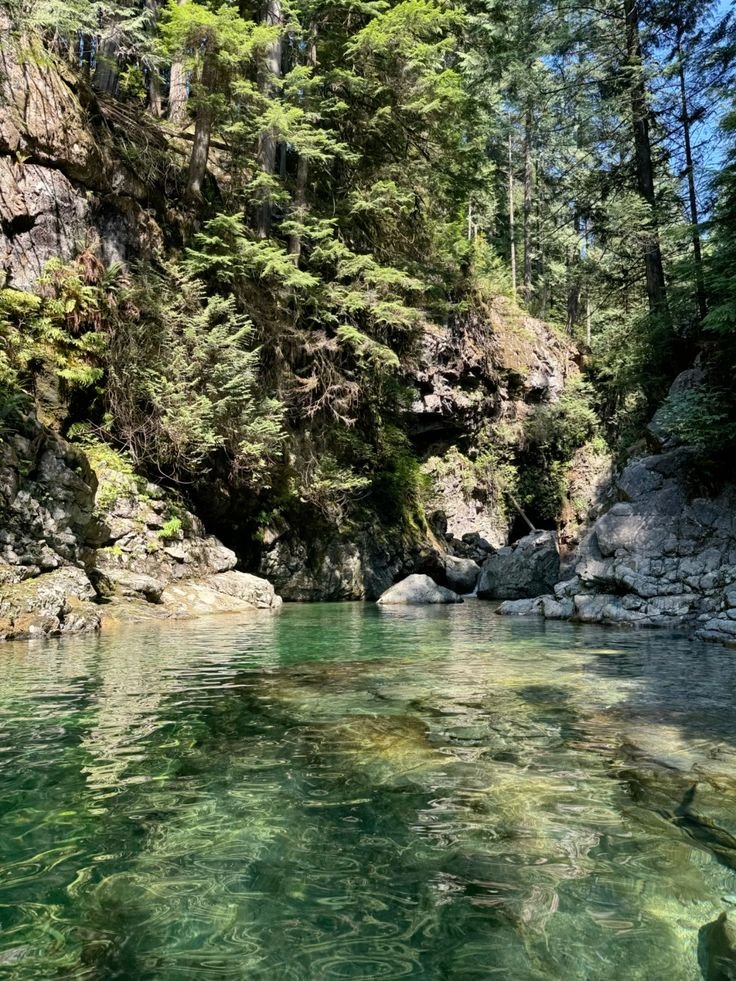
Image Credit: Pinterest
Barra Honda National Park surprises you with a stark contrast to Costa Rica’s rainforests: its rugged limestone ridges hide an extensive cave system carved over millennia, set amid dry tropical forest.
You’ll explore dramatic limestone formations, descend into caverns with guided tours, and hike trails showcasing unique dry forest ecosystems.
Bring sturdy shoes, a headlamp, and respect fragile habitats to minimize your impact.
Diamante Eco Adventure Park : Conservation and Wildlife Rescue
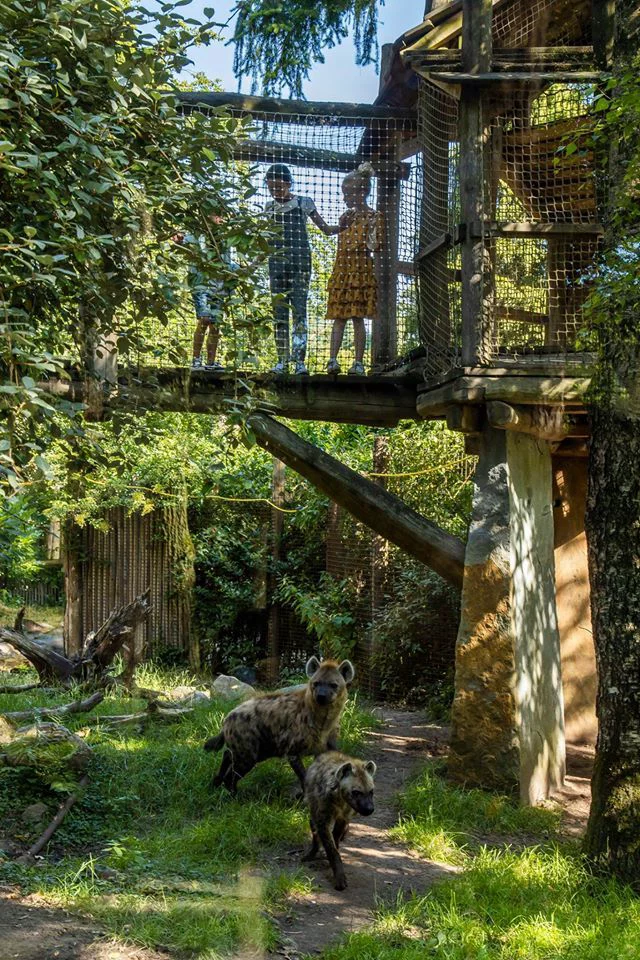
Image Credit: Pinterest
While you may be drawn to Diamante Eco Adventure Park for its thrilling zip lines and stunning botanical gardens, the true essence of the park lies in its vital conservation and wildlife rescue efforts.
Here, you can witness rescued parrots, monkeys, and big cats undergoing rehabilitation and receiving lifelong care.
Engage in conservation education and animal rescue programs, support wildlife rehabilitation, habitat restoration, biodiversity research, eco-tourism initiatives, sustainable practices, and community involvement—all aimed at protecting local species.
La Selva Biological Station : Tropical Ecology and Research Tours
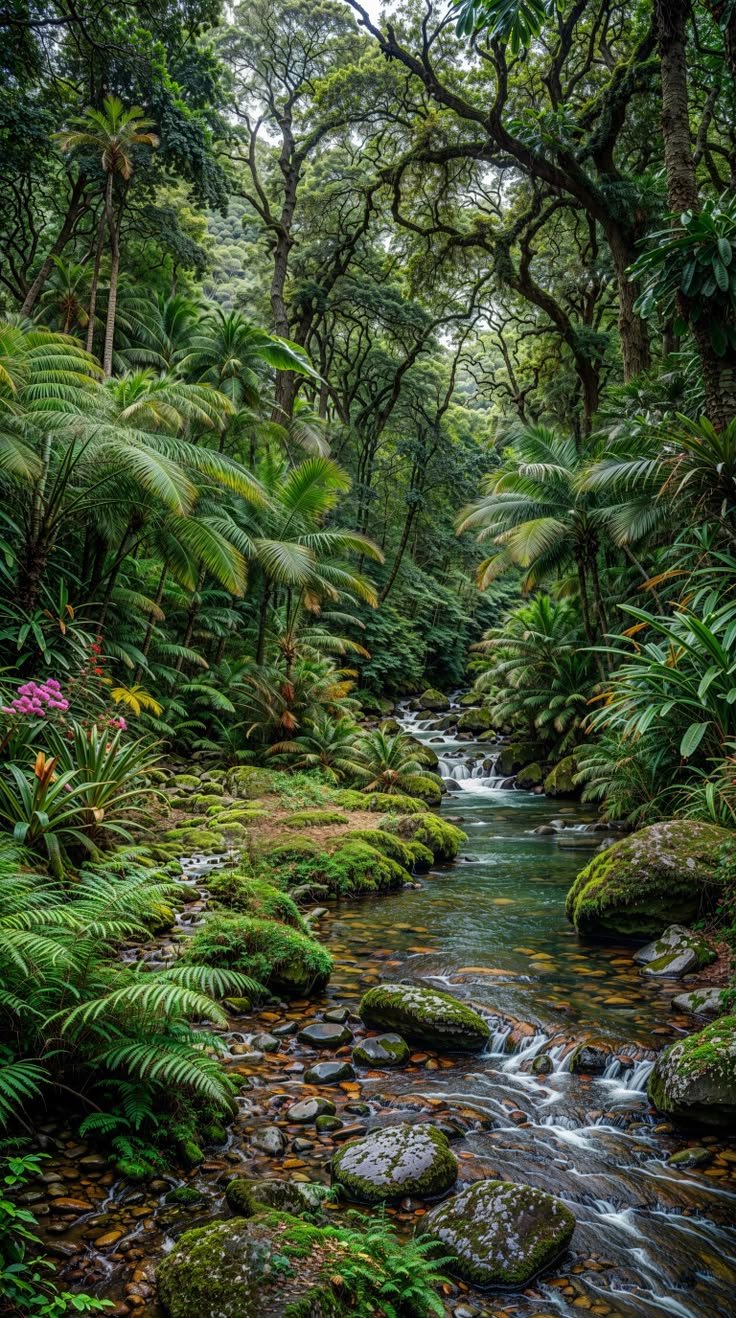
Image Credit: Pinterest
If you seek an immersive experience in tropical ecology and ground-breaking research, La Selva Biological Station provides an unparalleled opportunity.
Engage in guided research tours, witness fieldwork in action, and gain insights into tropical conservation initiatives firsthand.
The station’s ecological education programs allow you to participate in data collection, species monitoring, and habitat restoration, bridging classroom theories with real-world science while contributing to long-term research and preservation efforts.
Cocos Island (Isla Del Coco) : World-Class Diving and Sharks

Image Credit: Pinterest
When you dive around Cocos Island, you’ll plunge into one of the Pacific’s most thrilling marine arenas, where schools of hammerheads, spotted eagle rays, and occasional whale sharks patrol nutrient-rich currents.
You’ll join guided diving adventures that prioritize safety and conservation, experiencing unforgettable shark encounters amid steep walls and upwelling.
Liveaboard trips maximize time underwater, allowing you to witness abundant pelagics and pristine reef life.
Nicoya Peninsula Sunsets and Seabird Colonies
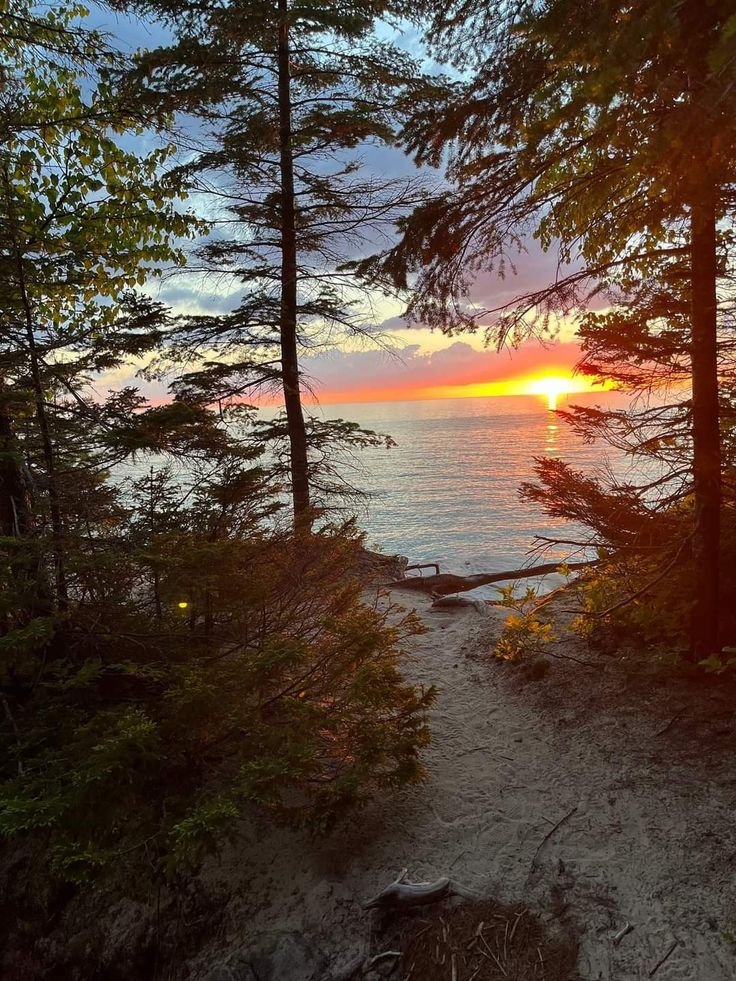
Image Credit: Pinterest
Golden sunsets along the Nicoya Peninsula draw you to cliffs and quiet beaches where frigatebirds, boobies, and terns wheel against flaming skies.
Nearby rocky islets host noisy seabird colonies that you can observe from coastal trails or boat tours.
You’ll stroll along scenic paths, learn about Coastal Ecosystems, capture stunning Sunset Views, and witness vibrant Seabird Colonies thriving over warm Pacific currents.
Carara National Park : Transition Forest and Scarlet Macaws
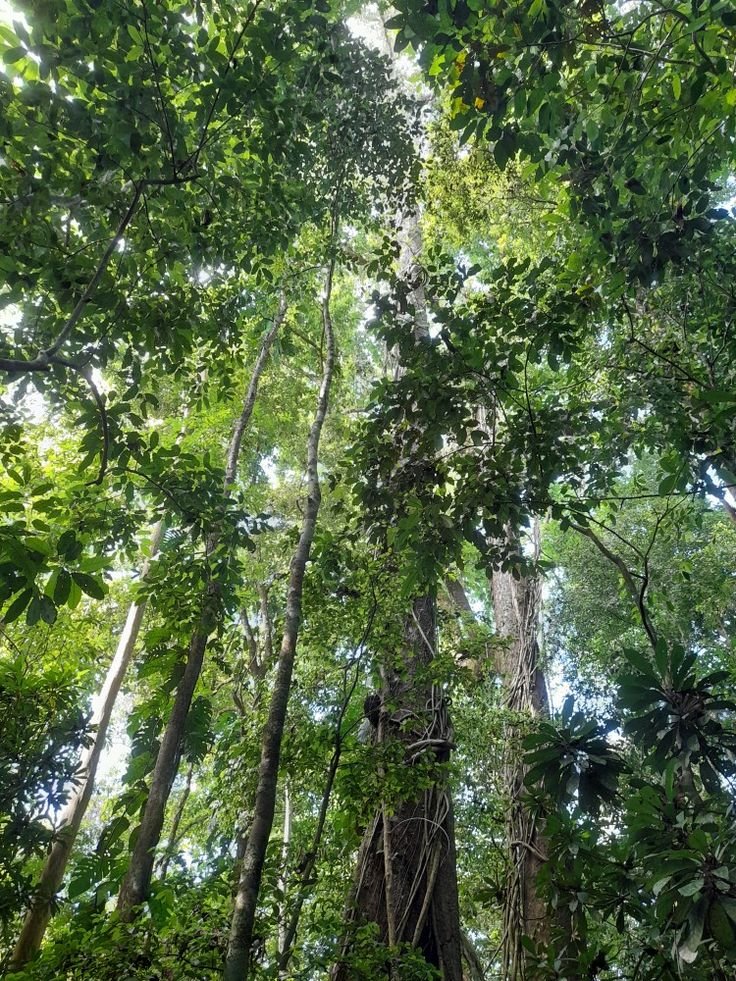
Image Credit: Pinterest
Carara National Park sits where dry Pacific forest meets humid tropical rainforest, creating a rich junction zone you’ll explore along shaded trails and riverbanks.
You’ll spot scarlet macaws wheeling above canopy gaps, hear loud calls echoing through mixed forest ecosystems, and watch diverse wildlife at mangrove edges.
Guides help you interpret habitats, increasing your chances of memorable sightings without disturbing the park’s fragile balance.
Turrialba River : Rafting Through Forested Canyons
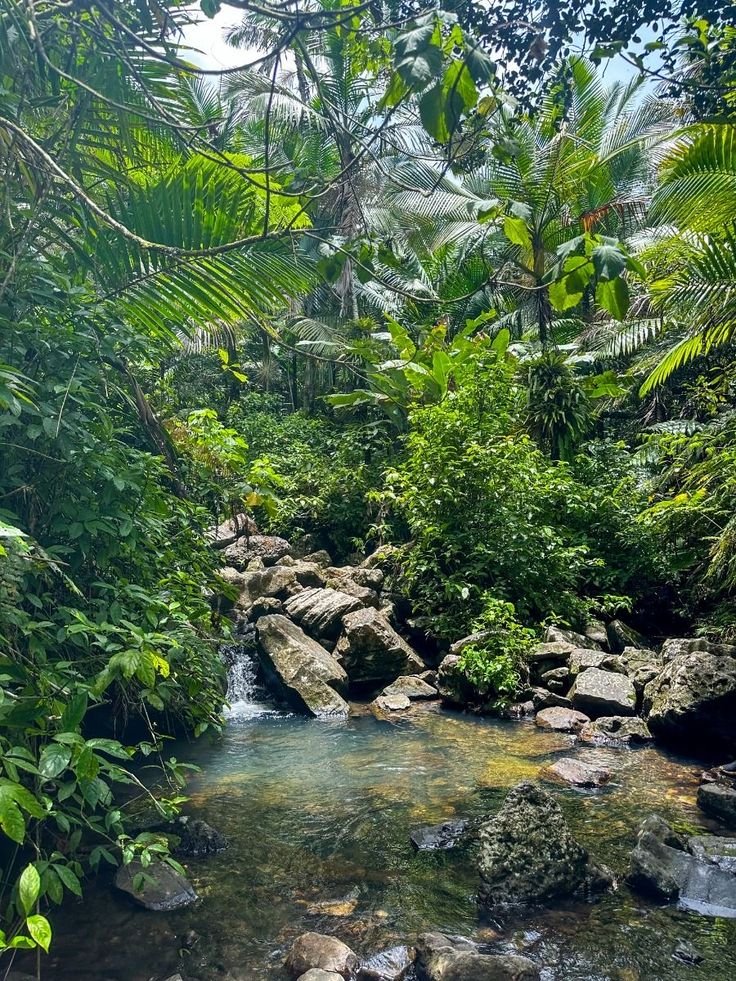
Image Credit: Pinterest
If you crave whitewater and forest scenery, the Turrialba River delivers—rafting through narrow canyons flanked by dense, vine-draped rainforest that funnels powerful rapids and sudden calm pools.
You’ll join guided Turrialba rafting trips that balance thrills with conservation, traversing forested canyons while learning about local ecology.
It’s a popular destination in adventure tourism, offering eco-friendly experiences that support river stewardship and benefit local communities.
Venado Caves : Spelunking and Subterranean Formations

Image Credit: Venado Caves : Spelunking and Subterranean Formations
While descending into the Venado Caves, you’ll swap sunlit trails for a cool, echoing world of stalactites, stalagmites, and winding passages sculpted over millennia.
Join guided tours for safe spelunking adventures, study geological formations, and observe delicate cave wildlife.
Discover the fragility of subterranean ecosystems, learn about the site’s historical significance, and leave with vivid memories of authentic adventure experiences.
Irazú Volcano : High-Elevation Crater Landscapes
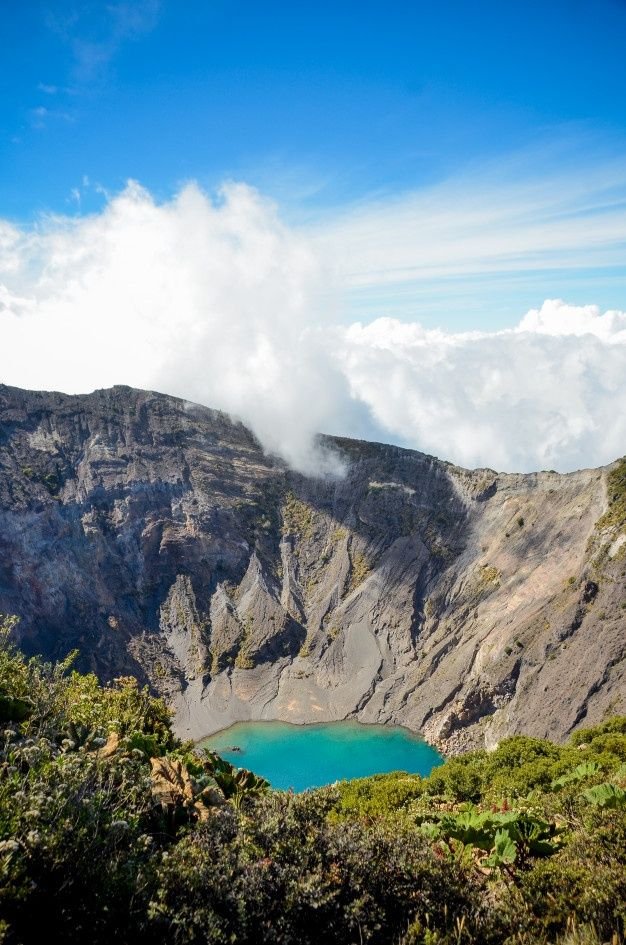
Image Credit: Pinterest
Perched above the Central Valley, Irazú Volcano greets you with stark, moonlike craters and sweeping high-elevation views that stretch to both the Pacific and Caribbean coasts on clear days.
You’ll explore Irazú Crater, spot high-altitude wildlife, and study volcano flora along hiking trails.
Geothermal activity simmers near the Crater Lake, while historic eruptions have shaped the landscape.
Cloud cover adds drama for landscape photography.
Monteverde Night Walks : Nocturnal Wildlife Spotting

Image Credit: Pinterest
From the high, lunar craters of Irazú to the misty cloud forests of Monteverde, Costa Rica’s nights offer a whole new world to explore.
You’ll join guided night walks, scanning trails for nocturnal animals with red-filtered lights that protect night vision.
Expect frogs, tarantulas, kinkajous, and owls; guides help you spot creatures and learn behaviors while keeping disturbance minimal.
Mangrove Tours in Damas Bay : Kayaking and Estuarine Life
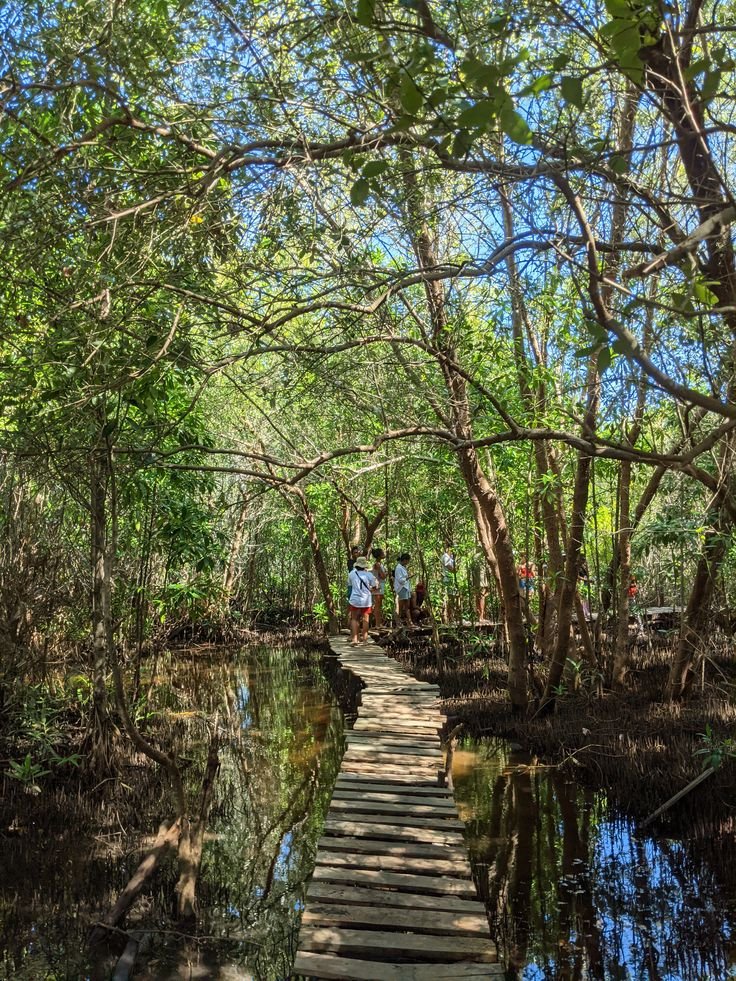
Image Credit: Pinterest
You’ll glide through a maze of mangrove roots in Damas Bay by kayak, where calm waterways funnel you past prop roots, herons, and crabs sheltering in the mud.
As you paddle slowly, you’ll discover how mangrove ecosystems filter water and protect coasts, while spotting estuarine fish, otters, and the subtle interactions of wildlife.
Your guides will explain tidal rhythms and conservation efforts as you navigate quietly through shaded channels.
Birding Hotspots Near San Isidro De El General : Mountain Species
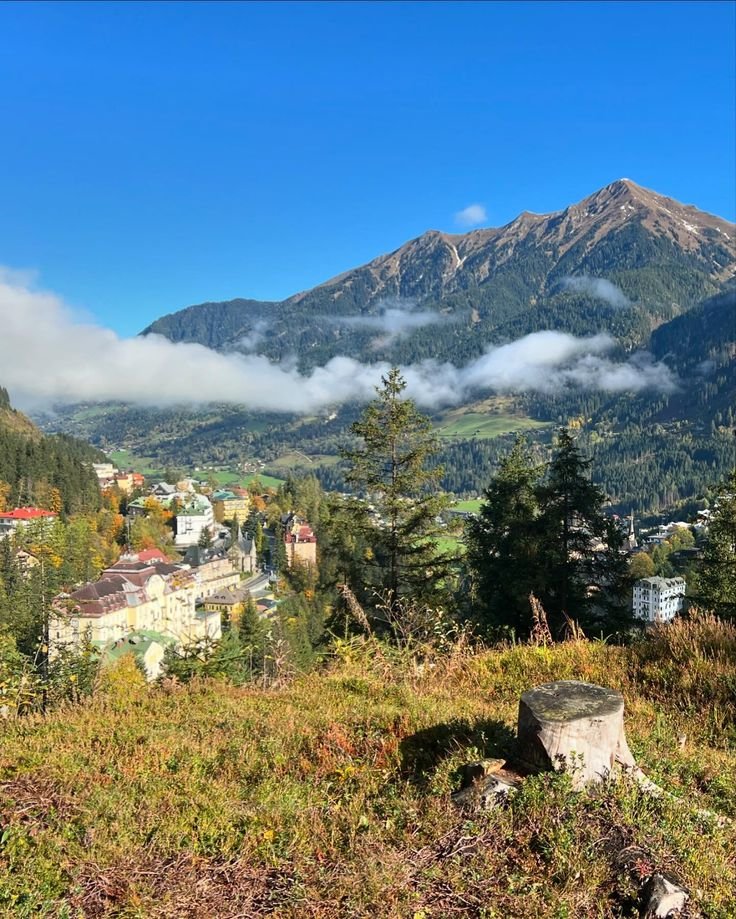
Image Credit: Pinterest
When you head into the cloud-forested slopes around San Isidro de El General, expect a rich mix of mountain species—toucans and quetzals share canopy gaps with hummingbirds and furtive tapaculos—each adapted to the elevation’s cooler, misty environment.
You’ll join guided birdwatching tours that focus on high altitude habitats, scanning mossy branches, listening for calls, and spotting altitudinal migrants at dawn.
Sustainable Lodges and Reserves Worth Visiting (e.g., Rancho Margot, Finca Rosa Blanca)

Image Credit: Pinterest
If you want to stay where conservation is part of the daily routine, sustainable lodges and reserves like Rancho Margot and Finca Rosa Blanca offer immersive experiences that support local ecosystems and communities.
You’ll find eco-friendly accommodations, farm-to-table meals, guided nature walks, and hands-on wildlife conservation efforts.
Stay here to learn, reduce your footprint, and directly support grassroots conservation projects and community education.
Conclusion
You’ve just scratched the surface of Costa Rica’s wild beauty, but these spots give you plenty to plan around. Whether you want to soak in Arenal’s hot springs, hike Monteverde’s misty trails, paddle through mangroves, or watch turtles in Tortuguero, you’ll find accessible, sustainable choices that protect wildlife and support local communities. Pack your binoculars, pick responsible operators, and get ready for unforgettable encounters with nature—Costa Rica’s calling, and it’s worth answering.