Can You Take Instant Coffee in Hand Luggage Tsa Rules Explained
Yes — you can take instant coffee in your carry-on, but expect some extra screening. Sealed jars, single-serve packets, and loose grounds are allowed, though powders over about 12 ounces or unmarked containers may be swabbed or opened. Liquids or prepared coffee still follow the 3.4-ounce rule. Label containers, keep sachets accessible, and cooperate with TSA to avoid delays. Keep airline and destination rules in mind, and continue for practical packing tips and checklist items.
Quick Answer: Can You Bring Instant Coffee Through TSA?
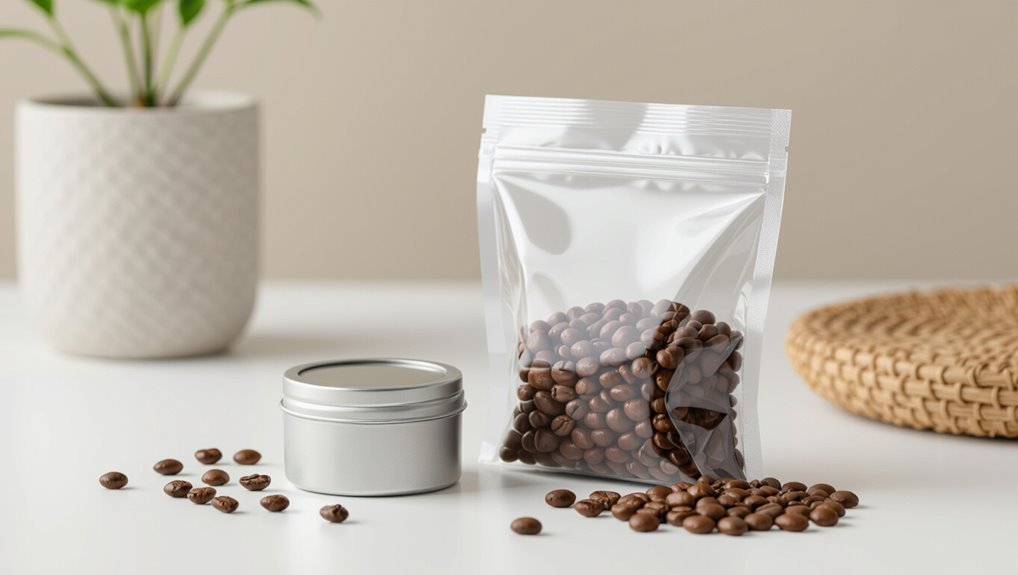
If you’re wondering whether instant coffee is allowed in your carry-on, the short answer is yes: dry instant coffee grounds or crystals are permitted through TSA checkpoints.
You can pack sealed jars, single-serve packets, or loose portions in labeled containers.
Keep liquids or prepared coffee in compliance with the 3.4-ounce rule.
Declare unusual quantities if asked and follow officer instructions.
What To Do Now: Three Quick Packing Steps
Now that you know instant coffee is allowed, take three quick steps to pack it smart:
- Seal jars or packets in a sturdy, leakproof bag.
- Label contents and pack near the top for easy screening.
- Keep single-serve sachets in your carry-on for convenience.
Follow these steps to streamline security checks and protect your coffee during travel.
TSA Rules on Powdered Substances and Instant Coffee
Because the TSA treats most powders differently than liquids, you should know the specific limits and screening procedures that apply to instant coffee and similar powdered substances; generally, powders over 12 ounces (350 mL) in carry-on bags may need additional inspection and could require you to place them in a separate bin.
Pack smaller containers, label clearly, declare when asked, and expect possible swabbing or extra screening during security checks.
Why TSA Treats Powder, Not Liquid, in Most Cases
When you pack instant coffee, TSA treats it as a powder rather than a liquid because screening detects different risks and uses different procedures for each.
Powders can obscure X-ray images and sometimes mimic prohibited substances, so officers may inspect them separately.
Understanding that distinction helps you expect additional checks and pack accordingly.
Powder Vs. Liquid Classification
Curious why TSA treats instant coffee as a powder rather than a liquid? You’ll see the distinction matters for carry-on rules. Consider:
- Particle form: dry granules behave differently than fluids.
- Screening ease: powders are evaluated differently at checkpoints.
- Quantity limits: larger powder amounts can trigger extra checks.
You’ll pack smarter knowing classification affects container rules and inspection procedures.
Security Screening Rationale
You noticed powders are treated differently than liquids at the checkpoint; that’s because screening focuses on how substances behave and how they’re detected. You should understand powders can obscure imaging, mimic threats, and need different sampling. TSA balances detection, risk, and convenience, so small food powders usually pass but may be tested.
| Feature | Impact |
|---|---|
| Imaging | Obscures view |
| Sampling | Easier |
| Detection | Variable |
| Risk | Context-dependent |
| Policy | Balances factors |
How TSA Screening Treats Sealed Jars, Packets, and Loose Powder
Although powdered coffee isn’t banned outright, TSA screening treats sealed jars, single-serve packets, and loose powder differently, and you’ll want to know what to expect.
You should pack smart:
- Sealed jars often pass X-ray but may draw inspection.
- Single-serve packets usually screen smoothly.
- Loose powder over 12 oz can trigger additional checks.
What Happens If TSA Asks to Open or Test Your Coffee
If an agent asks to open or test your instant coffee, you’ll be asked to remove the container and may be asked to pour or transfer a sample for inspection.
You can politely refuse an inspection, but that may lead to additional screening or the item being taken for further testing or disposal.
If a liquid test is needed—say for coffee concentrate—cooperate with instructions for swabbing or separate testing to speed things up.
Inspection Request Procedure
When TSA asks to inspect your instant coffee, stay calm and cooperate—agents will want to verify it’s harmless and allowed in carry-on luggage.
They’ll follow a set procedure; you should comply.
Steps you can expect:
- Present the container and ID upon request.
- Allow an agent to open or swab the powder.
- Wait nearby while they test and return items if cleared.
Refusing Inspection Rights
What happens if you refuse to let TSA open or test your instant coffee? You’ll delay screening, and agents may confiscate the item, deny boarding, or refer you for additional screening. Noncompliance can lead to fines or law enforcement involvement in extreme cases. Below is a quick outcome summary:
| Action | Likely Result | Notes |
|---|---|---|
| Refuse | Confiscation | Item removed |
| Delay | Secondary screening | Time loss |
| Resist | Law enforcement | Possible fines |
| Comply | Allowed | Faster process |
Handling Liquid Tests
After cooperating with agents or facing additional screening, you’ll need to handle any requests to open or test your instant coffee promptly and calmly.
Follow instructions, avoid arguments, and stay polite. Be prepared to:
- Show packaging and receipts.
- Open containers when asked for visual or scent inspection.
- Accept secondary screening if swabs or further tests are needed.
This speeds resolution and keeps travel smooth.
Carry-On Limits: How Much Instant Coffee You Can Bring
Wondering how much instant coffee you can bring in your carry-on? You can carry powdered instant coffee in reasonable quantities for personal use.
Solid powders over 12 ounces (350 mL) may need additional screening; declare them if asked. Keep containers accessible, labeled, and under airline weight limits.
If you’re unsure, pack larger amounts in checked baggage to avoid delays.
Carry-On vs Checked Baggage: Pros and Cons for Coffee
You can keep your instant coffee in carry-on to control access and avoid checked-bag loss, and you’ll appreciate easy access for in-flight or airport use.
Checked baggage lets you pack larger quantities and spare supplies without worrying about liquid limits or carry-on weight.
Consider sealing jars, using vacuum bags, and labeling containers to protect aroma and prevent spills whichever option you choose.
Carry-On Advantages
When you pack instant coffee in your carry-on, you keep it within reach for security checks, in-flight brewing, and last-minute snacks or gifts. You also reduce the risk of lost or delayed luggage ruining your caffeine plan.
You’ll enjoy control, convenience, and compliance:
- Quick access for screening and use.
- No checked-bag delays or loss.
- Easier temperature and spill management.
Checked Bag Benefits
Although carry-ons offer immediacy, packing instant coffee in your checked bag gives practical benefits: you can bring larger quantities without liquid restrictions, avoid cabin clutter, and reduce risk of powder scrutiny at security.
Checked storage lets you tuck bulky tins or multi-packs into the hold, freeing carry-on space for essentials. Just label and seal containers to prevent spills and odor transfer.
Practical Packing Tips
Deciding whether to pack instant coffee in your carry-on or checked bag comes down to balancing convenience, security rules, and the amount you want to bring.
You’ll weigh access, spill risk, and TSA inspections. Consider these points:
- Carry-on: easy access, possible inspection.
- Checked: larger quantities, less oversight, risk of crushing.
- Pack airtight, label, cushion to avoid mess.
How To Pack Instant Coffee to Speed Security Checks
If you want security lines to move faster, organize your instant coffee so officers can quickly assess it:
Pack small quantities in clear, resealable plastic bags or transparent travel containers, place them atop other items in your carry-on, and avoid obscure packaging.
Keep jars clean and easy to open, consolidate multiple packets, and tuck them where officers can glance without unpacking.
Labeling and Keeping Original Packaging for Checkpoints
When you keep instant coffee in its original, clearly labeled container, security officers can identify it faster and are less likely to ask you to open or test it.
You should:
- Retain manufacturer labels and ingredient lists.
- Avoid transferring to unmarked bags or jars.
- Secure lids and tape labels if worn.
This reduces delays and unnecessary inspections.
Small vs Bulk: When Inspectors Get Concerned
Because size matters to security officers, carrying a small, clearly labeled jar of instant coffee usually clears checkpoints quickly, while large tubs can trigger extra scrutiny or testing.
You should pack modest amounts in original or labeled containers to avoid delays. Bulk quantities may prompt swab tests or questions about intent, so keep volumes reasonable and accessible for inspection to speed processing.
Common Mistakes Travelers Make With Instant Coffee at Security
Although it seems harmless, carrying instant coffee through security can trip you up in a few predictable ways.
Although harmless, carrying instant coffee through security can still slow you down or trigger extra checks.
You should avoid common errors that slow screening or trigger checks:
- Unlabeled bulk jars that look suspicious.
- Forgetting to declare powders when asked.
- Packing loose sachets in outer pockets, causing alarms and delays.
Stay organized and you’ll move through smoothly.
Flying With Flavored Mixes, Additives, and Powdered Creamer
If you’re packing flavored mixes, powdered creamer, or other additives, know that some airports limit the quantity of powders in carry-on bags.
You should check airline and country rules because flavored mixes may be treated like powders and could require declaration or additional screening.
When in doubt, declare them at security to avoid delays and possible confiscation.
Powdered Creamer Limits
When you’re packing flavored mixes, additives, or powdered creamer in your carry-on, know that security treats loose powders differently from solid snacks—small amounts are usually fine, but larger quantities may trigger additional screening or need to go in checked baggage.
- Pack single-serve packets when possible.
- Label containers clearly.
- Place powders in an easy-to-open bin for inspection.
Flavored Mixes Rules
Powdered creamer and flavored drink mixes often follow the same screening rules as other loose powders, so you should plan accordingly before packing them in your carry-on. Keep containers accessible for inspection, limit quantities that might trigger additional screening, and separate unusual additives.
| Item | Carry-on? | Tip |
|---|---|---|
| Flavored mix | Yes | Accessible |
| Creamer | Yes | Small container |
| Additives | Maybe | Label clearly |
| Bulk powder | Maybe | Pack checked |
Declaring Powdered Items
Wondering how to declare flavored mixes, additives, or powdered creamer at airport security?
You should declare powders over 12 ounces (350 mL), follow officer instructions, and be prepared for testing. Keep containers labeled and accessible.
- Show the powder separately.
- Keep receipts or labels handy.
- Know local airline or country limits and declare accordingly.
Bringing Pre-Made Liquid Coffee or Cold Brew on Planes
Thinking of bringing your cold brew or a pre-made iced coffee through security?
You’ll need to follow liquid rules: containers must be 3.4 ounces (100 ml) or less and fit in a single quart-sized clear bag.
Larger bottles should go in checked luggage.
Declare any unusual items if asked, and be prepared to discard liquids that exceed limits at the checkpoint.
Travel Scenarios: Business Trips and Carry-On–Only Fares
If you’re flying with carry-on only, pack instant coffee in lightweight, sealed containers to save space and avoid checked-bag fees.
Remember airport security rules for powders and sealed liquids so you don’t slow down screening.
Having a quick cup ready on arrival keeps you sharp for meetings without hunting for a café.
Packing For Carry-On Only
Heading to a short business trip or booked a carry-on–only fare? Pack instant coffee smartly so it’s accessible and compliant.
Consider:
- Pre-measure single-serve sachets to save space.
- Store in a clear pouch with other dry goods for quick checks.
- Keep a compact spoon and sealed hot-water bottle or travel mug for inflight use.
Airport Security Considerations
Wondering what security officers will ask about your instant coffee? You’ll need to declare powders if over limits, keep containers accessible, and separate liquids. Business trips and carry-on–only fares mean minimal items and quick screening. Follow rules to avoid delays.
| Item | Action | Tip |
|---|---|---|
| Powder >12oz | Declare | Pack top |
| Instant coffee | Accessible | Label |
Meeting Day Convenience
When you’re traveling for a meeting and carrying only a carry-on, packing instant coffee smartly saves time and stress—stow a travel-size jar or single-serve sachets in an easy-to-reach pocket so you can grab them during security checks and brew quickly in your hotel or office.
- Pack sachets for minimal weight.
- Keep a small spoon and cup.
- Store near documents for quick access.
Long-Haul Flights and Bulk Coffee for Multiple Travelers
If you’re traveling long-haul with several people, packing bulk instant coffee in hand luggage can save time and money—but it means managing airline limits and security rules more carefully.
Check each airline’s carry-on weight and container size, divide coffee into sealed single-serve packets to ease screening, declare larger amounts if asked, and consider checked baggage for oversized quantities to avoid delays or confiscation.
International Rules vs TSA: What Often Differs
When you travel internationally, know that customs declaration rules often differ from TSA screening policies, so what’s allowed through security might still need declaring on arrival.
Pay attention to allowed quantity limits, since some countries cap how much coffee you can bring without taxes or permits.
Also check packaging and labeling requirements—unlabeled or bulk containers can trigger extra inspection or confiscation.
Customs Declaration Differences
Although airport security and the TSA focus mainly on what you can carry through the checkpoint, customs declarations govern what you must report when entering a country, and those rules often diverge.
You should check declaration rules because they vary by nation:
- Declare foodstuffs if required.
- Note commercial quantities.
- Follow specific agricultural restrictions.
Failing to declare can cause fines.
Allowed Quantity Limits
Customs rules tell you what to declare, but allowed quantity limits determine how much of an item—like instant coffee—you can actually bring without trouble.
Those limits often differ from TSA screening policies. You’ll face customs caps on food weight or value arriving internationally, while TSA focuses on security, not amounts.
Check destination import limits and pack accordingly to avoid fines or confiscation.
Packaging And Labeling
- Keep original packaging.
- Show clear labels and weights.
- Check destination rules for additives or organic claims before flying.
EU, UK, Canada, and Australia: Common Powdered-Food Restrictions
When you travel to or within the EU, UK, Canada, or Australia, you’ll find similar rules about powdered foods: small personal quantities are usually allowed in hand luggage, but larger amounts may be subject to extra screening or restrictions.
Check national guidance for limits, pack powders in clear resealable bags, declare them if asked, and be prepared for screening or refusal at security checkpoints.
How Airlines Handle Powdered Food Items and Instant Coffee
Although airports set rules for powders, airlines also have their own policies and procedures you’ll need to follow for powdered food and instant coffee.
You should check carrier rules before packing. Common considerations include:
- Packaging: sealed, labeled containers.
- Quantity limits: some airlines cap powder amounts.
- Screening: additional inspection or disposal at gate.
Customs: Do You Need to Declare Instant Coffee Abroad?
Curious whether you have to declare that jar of instant coffee at customs? Generally, you don’t for personal use, but rules vary by country.
Check restrictions on food, plant products, or high-value goods before travel. If you’re carrying large quantities, commercial amounts, or unopened imports, declare them.
When in doubt, declare to avoid fines or confiscation and follow officer instructions.
Alternatives: Pods, Single-Serve Sachets, or Buy at Destination
1 smart alternative to packing a jar of instant coffee is to bring pods or single‑serve sachets — they’re compact, portioned, and usually meet hand luggage liquid and powder rules better than bulk containers.
You can also buy at your destination. Consider:
- Pods for machines
- Sachets for instant water
- Buying local to save space and comply with limits
Quick Checklist and Resources to Check Current TSA and Airline Rules
Before you pack, check current TSA and airline rules so you won’t get stopped at security or at the gate.
Make a quick checklist: container size, powder limits, declared items, and carry-on vs checked policy.
Use TSA.gov, your airline’s website, and contact customer service if unsure.
Print or screenshot confirmations and keep receipts for any purchased coffee or travel-size containers.
Frequently Asked Questions
Can Instant Coffee Be Packed Inside Checked Luggage With Lithium Batteries?
Yes — you can pack instant coffee in checked luggage with lithium batteries, but you should secure batteries in original packaging or carry them in cabin when possible; airlines and TSA may have specific limits, so check carrier rules beforehand.
Are There TSA Regulations for Caffeinated Vs Decaffeinated Instant Coffee?
No, there aren’t separate TSA rules for caffeinated versus decaffeinated instant coffee; you’ll follow the same carry-on and checked baggage rules, and any liquid/gel limits apply if it’s prepared or in concentrated liquid form.
Can Instant Coffee Be Carried in a Baby or Medical Supply Bag?
Yes, you can carry instant coffee in a baby or medical supply bag; TSA treats dry powders like any other solid, but you should separate and declare large quantities over 12 ounces, and they may request additional screening.
Do Military or Diplomatic Travelers Get Exemptions for Powdered Coffee?
No, you don’t get blanket exemptions; military or diplomatic travelers still face TSA screening for powdered coffee, though they may receive expedited processing or special handling through official channels or liaised security arrangements in some cases.
Will Cruise or Ferry Security Follow TSA Instant Coffee Rules?
Not necessarily; you’ll find cruise and ferry operators follow their own security rules, often similar to TSA but varying by country and carrier, so check each operator’s guidance before travel to avoid surprises at boarding.
Conclusion
You can bring instant coffee in your carry-on, but pack smart: put sealed jars or packets in your bag and keep loose powder accessible for screening. TSA may subject powders over 12 oz (350 mL) to extra inspection or require you to put them in checked baggage. Declare large or agricultural items when traveling internationally. Consider pods or single-serve sachets to simplify security and buy at your destination if unsure. Check TSA and airline rules before you fly.