
What to Do With Luggage When Traveling Smart Tips and Ideas
Decide your bag by trip type—light carry-on for weekends, rolling garment or duffel for business, checked luggage for long hauls—and pack smart with cubes, rolling, or compression to save space. Keep essentials and valuables in a small carry-on pouch, label and photo‑document bags, and use TSA‑approved locks and trackers for peace of mind. Factor airline size and weight limits to avoid fees, choose eco gear when possible, and follow a pre‑departure checklist to stay calm; more practical tips follow.
What “Traveling Smart” With Luggage Looks Like
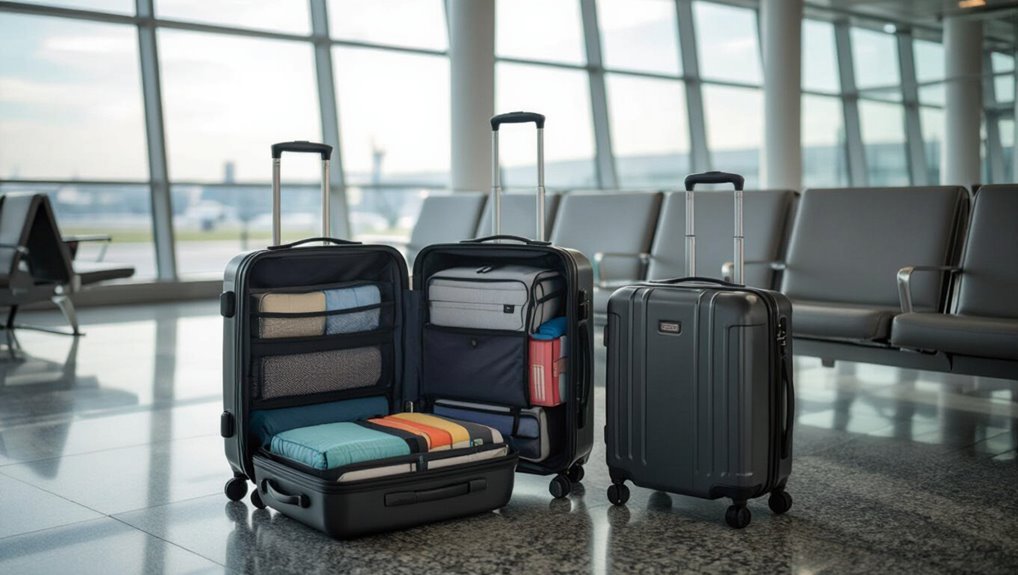
When you travel smart with your luggage, you pack for flexibility and speed: choose carry-on-friendly bags, use packing cubes to compress and organize, and keep essentials in an easy-to-reach pocket so you can move through security and transit without fumbling.
You’ll balance weight and access, prioritize versatile clothing and tech, label compartments, lock zippers, and leave space for souvenirs to avoid last-minute chaos.
Decide Luggage by Trip Type (Weekend, Business, Long-Haul)
Pick your luggage based on trip length and purpose: a compact carry-on or weekend bag for short getaways, a streamlined rolling bag or garment carrier for business travel, and a sturdy checked suitcase or duffel with organized packing systems for long-haul trips.
| Trip Type | Ideal Bag | Key Feature |
|---|---|---|
| Weekend | Weekend bag | Light, accessible |
| Business | Rolling/garment | Wrinkle protection |
| Long-haul | Checked/duffel | Capacity, organization |
Carry-On vs Checked: How to Choose
Think about how long your flight is, since short hops favor carry-on while long hauls might justify checked bags.
Weigh baggage fees against the convenience of skipping the carousel and having everything with you.
Also factor security lines and how quickly you need to get moving at your destination.
Flight Duration Considerations
Because flight length shapes what you need on board, choose carry-on for short hops and checked bags for long hauls unless you can streamline everything into a compact bag; assess duration, sleep needs, clothing changes, medication access, and entertainment.
For overnight or multi-day flights you’ll want more space and comfort items checked, while day trips favor quick access and lighter packing in the cabin.
Baggage Fee Tradeoffs
When airlines charge extra for bags, you’ll need to weigh cost against convenience: carry-on avoids checked fees and gives you access to essentials, while checked luggage frees you from tight packing and lets you bring bulkier items.
Choose carry-on for short trips, quick connections, or fragile valuables; pick checked for long stays, gifts, sports gear, or when weight limits make carry-on impractical.
Security And Convenience
If you’re worried about theft, damage, or losing important items, carrying your bag on gives you the most control and peace of mind; checked luggage can be convenient, but it leaves you relying on handlers and airline systems.
Choose carry-on for valuables, meds, and tight connections; check bulky items to save time and avoid lugging heavy bags.
Balance cost, duration, and risk.
Size Luggage to Airline Rules
Although airlines vary, you should size your checked and carry-on bags to meet the specific dimensions and weight limits for your carrier and fare class.
Check the airline’s website before packing, measure and weigh bags at home, and choose luggage that maximizes usable space without exceeding limits.
Use compression cubes and removable items to adapt if dimensions change.
Why Weight Affects Fees More Than Dimensions
You’ll notice airlines charge more for heavy bags because weight directly impacts fuel use and handling costs.
Even if your suitcase fits the size limits, overweight fees can still get triggered at check-in.
That’s why dense items matter more than bulky but light ones when you’re packing.
Weight Drives Cost
Airlines charge by weight because fuel and handling costs rise directly with every extra pound you bring; heavier bags mean more fuel burn, greater strain on loading systems, and tighter weight limits for safety.
Overweight Fees Triggered
Because weight directly increases fuel burn and handling risks, carriers hit passengers with overweight fees more often than size penalties — and that makes packing decisions essential.
You’ll face steep per-kilogram or per-pound charges once bags exceed airline limits, so weigh and redistribute items into carry-on or personal bags.
Prioritize essentials, wear heavy items, and use compact, lightweight gear to avoid surprise fees.
Density Trumps Size
Although a bag might look small, its weight is what really drives fees and operational limits, so you should think regarding density — how much mass is packed into a given space — rather than just dimensions.
Prioritize lightweight materials, distribute heavy items across bags, and use compression sparingly.
Weigh gear before travel, swap dense items for lighter alternatives, and you’ll avoid surprise charges.
Hard-Shell vs Soft-Shell: Which to Pick
How do you choose between hard-shell and soft-shell luggage when both promise durability and convenience?
You’ll weigh protection versus flexibility, weather resistance against expandable pockets, and ease of repair versus impact resistance.
Consider these quick points:
Consider these quick points: hard-shell for crush protection and cleaning, soft-shell for external pockets and flexibility
- Hard-shell: superior crush protection
- Soft-shell: better external storage
- Hard-shell: easier to clean
- Soft-shell: usually more flexible for odd shapes
Lightweight Luggage Brands to Consider
When choosing a lightweight luggage brand, you’ll want to understand ultralight materials like polycarbonate blends and ripstop nylon that cut weight without sacrificing strength.
Look for compact carry-on designs that maximize packing space while meeting airline size limits.
Also check for durable frame technologies—reinforced skeletons and shock-absorbing wheels—that keep lightweight cases reliable trip after trip.
Ultralight Materials Explained
If you want luggage that barely adds to your load, understanding ultralight materials is key: they combine strength, low weight, and durability so you can carry more without sacrificing protection.
You’ll prefer materials based on trip type and budget:
- Polycarbonate: rigid, impact-resistant
- Ballistic nylon: abrasion-resistant, flexible
- Ripstop nylon: ultra-light, tear-resistant
- Dyneema: extremely light, high strength
Compact Carry-On Options
1 compact carry-on can change how you travel: choose a lightweight, well-designed bag and you’ll save weight without sacrificing organization or durability.
Look for brands known for minimalist, high-quality options—think streamlined pockets, smooth zippers, and carry-friendly handles.
Prioritize interior organization, easy-access compartments, and reliable warranties.
Test size against airline limits so your compact carry-on truly stays compact and compliant.
Durable Frame Technologies
- Aluminum skeleton for rigidity
- Polycarbonate shell for impact resistance
- Hybrid frames for balance
- Reinforced corners
Pack Smarter With Packing Cubes
Packing cubes transform a messy suitcase into an organized system, so you can find outfits fast and fit more into your bag.
Use labeled cubes for tops, bottoms, underwear, and tech. Choose different sizes and compressible styles for versatility.
Pull a single cube to unpack quickly, keep clean and dirty items separate, and streamline airport security checks.
Roll vs Fold to Maximize Space
Once you’ve sorted items into cubes, decide whether to roll or fold each piece to squeeze more in and keep outfits wrinkle-free.
Choose based on fabric and space: roll soft tees, fold structured shirts. Mix methods to fit cubes neatly.
Choose by fabric and space: roll soft tees, fold structured shirts, and mix methods so packing cubes fit neatly.
- Roll lightweight cottons and activewear
- Fold button-downs and blazers
- Stack heavy sweaters flat
- Tuck socks into shoes
When Compression Bags Help : and When They Don’t
If you’re tight on space or hauling bulky items, compression bags can be a game-changer by removing air and shrinking volume; but they won’t fix overpacking or protect delicate fabrics, so use them selectively.
Use bags for bulky sweaters, jackets, and compressible bedding.
Avoid silk, structured garments, or anything that creases easily.
Don’t rely on them for liquids or valuables.
Organize Toiletries to Avoid Spills and Delays
A clear toiletry system saves time and prevents messes. You’ll pack smarter, skip spills, and breeze through security. Keep essentials accessible and labeled.
A clear toiletry system keeps essentials organized, avoids spills, speeds packing, and makes security a breeze.
- Use leakproof travel bottles
- Store liquids in a clear zip pouch
- Pack cotton swabs and mini first-aid
- Place perfumes in padded cases
You’ll save time unpacking and avoid ruined clothes.
Business Travel Packing Checklist
When packing for business travel, focus on essential carry-on items that keep you ready for delays and meetings.
Use compact clothing strategies—think wrinkle-resistant layers and mix-and-match pieces—to save space and look sharp.
Organize your tech and documents in dedicated pouches or compartments so you can grab what you need fast.
Essential Carry-On Items
1 must-have carry-on item is a compact, organized bag that keeps your essentials—passport, wallet, phone, chargers, and a small toiletries kit—within easy reach, so you can breeze through security and handle delays without digging through checked luggage.
Pack smart and prioritize items you’ll need inflight or on arrival:
- USB charger and power bank
- Noise-cancelling earbuds
- Medications and copies of prescriptions
- Travel documents and pen
Compact Clothing Strategies
Several versatile pieces will keep your suitcase light and your outfits polished, so you can move from meetings to networking events without stress. Choose wrinkle-resistant fabrics, neutral colors, and mix-and-match items. Roll shirts, use packing cubes, and limit shoes. Plan outfits per day to avoid excess.
| Item | Purpose |
|---|---|
| Blazer | Polishes looks |
| Shirt | Versatile top |
| Pants | Neutral base |
| Dress | One-piece option |
| Socks | Compact essentials |
Tech And Document Organization
Although you’re packing light, don’t skimp on organizing your tech and documents—your devices, chargers, and travel papers should be easy to access and reliably protected.
Use a dedicated tech pouch, a slim document wallet, and backups. Keep cables labeled and chargers consolidated.
- Carry a compact power bank
- Store passports in RFID sleeve
- Use cable organizers
- Back up files to cloud and USB
Pack for Long-Haul and Multi-Stop Trips
Long-haul and multi-stop trips demand a packing strategy that balances versatility, weight, and easy access—so pick pieces you can layer, rewear, and mix without overpacking.
Pack a neutral capsule wardrobe, lightweight shoes, and compression cubes to save space.
Pack a neutral capsule wardrobe, lightweight shoes, and compression cubes to maximize space and outfit options.
Keep a compact laundry kit and quick-dry items to refresh clothing.
Stash essentials in a carry-on for delays and overnight changes.
Pack Fragile Items Safely
Pack fragile items with intention: wrap each piece in soft layers, cushion gaps, and place breakables where they’ll stay put during bumps.
You can protect valuables without bulk—use smart padding and stable placement. Consider these quick tactics:
- Wrap in clothing or bubble wrap
- Use hard-shell cases for electronics
- Fill empty spaces with socks
- Keep fragile items centered in the bag
Track and Manage Luggage With Tech
Use a smart luggage tracker so you can see where your bag is at all times.
You’ll get real-time alerts if it leaves a designated area or doesn’t arrive with you.
That way you can act fast if something goes missing.
Smart Luggage Trackers
When you want to stop worrying about lost bags, smart luggage trackers let you monitor your suitcase in real time and get location alerts straight to your phone.
You’ll choose compact, long‑battery devices that fit inside pockets or attach to tags.
Consider features:
- GPS vs Bluetooth range
- Battery life and replaceability
- App privacy and sharing
- Waterproof, rugged design
Real-Time Bag Alerts
You’ll get instant notifications for deviations, delays, or unauthorized movement. Set geofences, check status updates, and share tracking with travel companions.
That proactive visibility helps prevent loss and speeds up recovery if issues arise.
Best Luggage Trackers and Setup Tips
Although a tracker won’t stop lost luggage, it’ll give you fast, reliable location info so you can act quickly if your bag goes missing.
Choose Bluetooth for short trips, cellular for international travel, and battery life over extra features. Place trackers inside a padded pocket and register them with the app.
- Bluetooth: budget, airport use
- Cellular: global coverage
- Micro GPS: precise
- Spare battery: essential
Secure Luggage Without Breaking TSA Rules
If you want to secure your luggage without running afoul of TSA rules, focus on approved locks, smart placement of valuables, and accessible documentation so agents can inspect bags without damage.
Pack important items in carry-on, use clear pouches for passports and receipts, label bags with contact info, photograph contents for claims, and keep receipts and identification handy to speed inspections and recovery.
Locks and Tamper-Evident Options That Work
When you want to deter casual tampering without violating inspection rules, choose TSA-recognized locks and visible tamper-evident seals that let agents access your bag without cutting them off.
You’ll protect contents while keeping inspections smooth.
- Use TSA-approved combination locks
- Add tamper-evident cable ties
- Seal pouches for toiletries
- Numbered luggage straps for visible tampering indicators
Keeping Valuables Safe While Traveling
Locks and tamper-evident seals help with bags, but protecting small, high-value items needs a different approach.
Keep jewelry, passports, cash, and electronics on your person in a money belt or hidden pouch. Use anti-theft backpacks, RFID-blocking sleeves, and discrete packing cubes.
Photograph contents and serial numbers, split valuables between companions, and secure items in hotel safes when available.
Avoid Common Airline Baggage Fees
Because airlines hit travelers with surprising fees, planning your baggage strategy before you book can save a lot of money and hassle.
Pack light, weigh bags at home, and know carry-on size limits. Choose fares with included bags only when needed. Consider rewards or co-branded cards to waive fees.
- Weigh and compress
- Share checked bags
- Prepay fees online
- Use status or cards
Prepare for Lost or Delayed Luggage
Even with smart packing and fee-savvy choices, bags can still go astray—so have a plan for lost or delayed luggage before you fly.
Pack essentials (meds, charger, a change of clothes) in carry-on, photograph contents and tags, label externally, enroll in airline tracking alerts, and carry receipts for valuables.
File claims promptly and follow up persistently until your bag is returned or compensated.
Short-Term Luggage Storage at Airports and Cities
If you need to be hands-free for a few hours, short-term luggage storage at airports and in cities lets you stash bags securely near transit hubs, attractions, or terminals.
You can drop off belongings, explore safely, and return easily.
Consider:
- Check hours and pricing before arrival
- Verify insurance and liability limits
- Use locks and tamper-evident tags
- Keep essentials with you
Store Luggage Safely at Hotels and Hostels
When you check into a hotel or hostel, ask about their luggage storage option so you can leave bags securely while you explore.
If you keep luggage in your room, lock suitcases or use a travel lock on zippers and secure the door with the deadbolt.
For extra peace of mind, request a secure holding area or a receipt-backed storage service from staff.
Use Hotel Luggage Storage
Many hotels and hostels offer secure luggage storage, so you can explore without hauling bags around all day.
Use reception or dedicated rooms, ask about hours, and get a receipt.
Tips:
- Confirm staff availability and insurance
- Note pickup deadlines and fees
- Label your bag and keep valuables with you
- Ask about overnight policies and security cameras
Lock Bags In Room
Lock your bags inside your room to reduce the chance of theft or mistaken pickup while you’re out; use a sturdy cable or luggage lock on zippers and secure larger suitcases to fixed furniture (like a bolted bed frame) if possible.
Keep valuables in a locked compartment or carry them with you, conceal luggage from windows, and note serial numbers or photos for easy identification if needed.
Ask For Secure Holding
If you need to leave bags before check-in or after checkout, ask the front desk about secure luggage storage so your items aren’t left in hallways or common areas.
They’ll typically tag and lock items; get a receipt.
Also:
- Confirm hours for pickup
- Ask about insurance or liability limits
- Request a locked room or dedicated locker
- Note staff name and storage location
Consumer Luggage Shipping Options for Long Trips
When you’re heading out on a long trip, shipping some or all of your luggage ahead can save you time, hassle, and checked-bag fees. Choose door-to-door services, compare insurers, and pack valuables in your carry-on. Consider transit time and tracking options.
| Service | Cost | Transit Time |
|---|---|---|
| Courier | $$$ | 1–5 days |
| Luggage shipper | $$ | 2–7 days |
| Postal | $ | 3–10 days |
Transport Oversized or Sports Equipment
If you’re bringing oversized or sports gear, check your airline’s sports policies and fees before you book.
Pack and protect fragile items with hard cases, padding, and secure straps to avoid damage.
For bulky or specialty equipment, consider reputable sports shippers or dedicated transport services.
Check Airline Sports Policies
Because airlines handle oversized and sports gear differently, you should check each carrier’s specific rules before you pack or book.
Review fees, size limits, and booking requirements so you won’t face surprises. Confirm advance notification and documentation needs, and compare policies across carriers.
- Fees and weight limits
- Advance booking requirements
- Liability and damage rules
- Required packaging or case types
Pack And Protect Gear
1 smart packing strategy can keep your oversized or sports gear safe and avoid extra fees: choose the right case or bag, secure moving parts, and distribute weight so carriers and handlers can manage it without damage.
Pad fragile areas with foam or clothing, lock zippers, label contents, and add straps for stability.
Check dimensions and weigh items before travel to avoid surprises.
Use Specialized Transporters
After you’ve packed and protected oversized or sports gear, consider hiring specialized transporters who handle bulky equipment regularly and know how to prevent damage and surcharges.
They’ll manage pickups, crating, and customs so you don’t worry. Compare quotes, check insurance, and read reviews before booking.
- Get a dedicated quote
- Verify insurance coverage
- Confirm pickup/drop details
- Ask about handling procedures
Carry-On Essentials to Keep With You
What should you always have in your carry-on?
Pack travel documents, wallet, phone, charger, headphones, medications, and a compact toiletry kit.
Pack your travel documents, wallet, phone, charger, headphones, meds, and a compact toiletry kit for easy access.
Include a change of clothes, a lightweight sweater, snacks, and a refillable water bottle (empty through security).
Add a pen, copies of important papers, and a small first-aid kit.
Keep valuables and electronics with you for safety and convenience.
Balance Packing for Family Travel
When you’re packing for a family trip, focus on essentials first and distribute them by person and purpose so everyone has what they need without overstuffing bags.
Pack shared items centrally and give each person a week’s outfits in a cube.
Use this checklist:
- Allocate one toiletry kit per two people
- Roll clothes to save space
- Reserve a bag for dirty laundry
- Keep medicines accessible
Maintain and Repair Luggage on the Road
Keeping bags in good shape on the road saves time and stress, so plan simple upkeep alongside your packing system.
Check zippers, wheels, handles, and seams daily; tighten loose screws and stitch small tears.
Inspect zippers, wheels, handles, and seams daily; tighten screws and stitch small tears to avoid bigger problems.
Carry a compact repair kit—needle, strong thread, duct tape, spare zipper pulls—and know local cobblers or luggage shops.
Address damage immediately to prevent bigger failures.
Clean and Deodorize Luggage Quickly
If your luggage starts to smell or look grimy after a trip, you can freshen it fast with just a few supplies and a routine.
Wipe interiors, air out fully, and treat spots quickly. Helpful steps:
- Empty and vacuum seams
- Wipe with mild soap solution
- Sprinkle baking soda, let sit, then vacuum
- Spray fabric-safe deodorizer and dry completely
Use Luggage Like a Mobile Closet
Think of your suitcase as a mobile closet: pack by outfit so you can grab complete looks without rifling through everything.
Roll or fold outfits and stack them vertically in packing cubes or compartments to see everything at a glance. This keeps clothes wrinkle-minimized and mornings much faster.
Pack By Outfit
Packing outfits instead of individual items makes getting dressed on the road fast and stress-free. You’ll group tops, bottoms, and accessories per day, roll or fold each set, and stash them in cubes or sections for instant outfits.
This saves time and reduces overpacking.
- Plan outfits for activities
- Match versatile pieces
- Pack one extra outfit
- Keep shoes separate
Create Vertical Storage
Turn your suitcase into a hanging wardrobe by adding vertical storage solutions that keep clothes visible, accessible, and wrinkle-free.
Use slim hanging organizers, compression garment bags, or removable hooks to stack items upright.
Roll shirts into cubes, hang dresses from a portable rod, and reserve side pockets for shoes and accessories.
You’ll unpack faster and keep outfits orderly throughout your trip.
Eco-Friendly Luggage and Low-Waste Packing
When you choose eco-friendly luggage and low-waste packing, you cut plastic use and reduce your trip’s environmental footprint without sacrificing convenience.
Choose eco-friendly luggage and low-waste packing to cut plastic and shrink your trip’s environmental footprint—without losing convenience.
Pack durable, recycled bags, choose refillable toiletry bottles, and bring a washable tote for shopping. Use packing cubes from natural fibers to organize and compress.
- Recycled hard-shell suitcase
- Reusable toiletry bottles
- Natural-fiber packing cubes
- Lightweight washable tote
When to Replace Your Luggage
If your suitcase starts failing you—zippers snag, wheels wobble, or seams split—it’s time to contemplate replacing it rather than patching it up repeatedly.
Choose a sturdier bag that suits your travel style, inspect handles and closures, and prioritize reliable warranty coverage.
Replace luggage when repairs become frequent, safety is compromised, or delays and stress from malfunctions outweigh repair costs.
Money-Saving Swaps for Smarter Packing
Replacing a worn-out suitcase can save you stress and repair bills, but you can also save money before you buy by making smarter packing swaps.
Replacing a worn suitcase avoids stress and repairs—save even more by packing smarter with space-saving swaps.
Choose multi-use items, slim down shoes, roll clothes, and swap bulky bottles for samples.
- Use convertible clothing
- Wear heaviest items on travel days
- Pack refillable toiletry vials
- Replace bulky cases with soft pouches
Pre-Departure Luggage Checklist
Before you zip up, run a quick packing essentials inventory so you’re certain you’ve got toiletries, chargers, medications, and a change of clothes.
Check that travel documents, passports, and any tickets are organized and easy to access, and stow valuables in a secure, discreet spot.
A short final sweep for both gear and paperwork will cut stress at the airport.
Packing Essentials Inventory
A concise pre-departure checklist helps you confirm the essentials and avoid last-minute scrambles; go through clothing, documents, medications, chargers, and toiletries item by item so nothing critical gets left behind.
Pack versatile outfits, essential meds, device chargers, and compact toiletries. Check weight limits and weather.
- Clothes: mix-and-match basics
- Meds: labeled doses
- Chargers: adapters included
- Toiletries: travel-sized
Document And Valuables Prep
You’ve sorted outfits and meds, so next make sure your documents and valuables are organized and protected.
Gather passports, IDs, tickets, and insurance cards; photocopy and store digital scans in encrypted cloud and email.
Use a slim travel wallet or neck pouch for essentials, keep jewelry minimal and locked in checked luggage or hotel safe, and note emergency contacts before you leave.
Frequently Asked Questions
Can I Wear Bulky Items Through Security to Save Suitcase Space?
Yes — you can wear bulky items through security to save suitcase space. You’ll need to remove them if TSA or security asks, and they may require screening separately, so plan layers that’re easy to take off and put back on.
How Do I Handle Pet Travel Items With Checked Luggage?
You should pack pet essentials in checked luggage only if allowed, sealing food, meds, and a collapsible bowl in clear bags; label items, cushion fragile gear, keep vaccination records with you, and expect easy access delays or inspections.
Are There Special Rules for Transporting Prescription Medications Internationally?
Yes — you’ll need prescriptions, original packaging, and doctor’s letters for controlled meds; check destination and airline rules, carry enough supply, declare if required, and verify import limits or permits before you travel to avoid issues.
Can I Ship Souvenirs Home Cheaper Than Paying Excess Baggage Fees?
Yes — you can often ship souvenirs home cheaper than excess baggage fees. Compare courier rates, consider postal economy services, consolidate items, pack securely, declare properly, and factor delivery time and insurance to avoid surprises and extra costs.
What’s the Best Way to Pack for Unpredictable Weather Changes?
Pack layers: you’ll use a lightweight base, insulating mid-layer, and waterproof outer shell. Roll clothes to save space, stash a compact umbrella and packable down jacket, and keep a small emergency kit and versatile shoes within easy reach.
Conclusion
Traveling smart with your luggage means matching your bag to the trip, airline rules and your packing style. Choose carry-on for shorter trips and checked for long hauls, watch weight to avoid fees, and opt for eco-friendly gear when you can. Replace worn luggage before it fails, use money-saving swaps like packing cubes, and run a pre-departure checklist. Do these things, and you’ll travel lighter, cheaper and with less stress—ready for whatever’s next.
