What Means Tsa: Full Form and Purpose Explained
TSA stands for Transportation Security Administration, and it’s the U.S. agency that protects transportation, especially air travel. You’ll see TSA officers screen passengers, carry‑ons, checked bags, and cargo to block weapons, explosives, and other threats. It was created after 9/11 to restore confidence in flying and to standardize security procedures nationwide. TSA also runs programs like PreCheck and coordinates with other agencies. Keep going to learn how its rules, rights, and complaints work.
What “TSA” Stands For (Transportation Security Administration)
TSA stands for the Transportation Security Administration, the U.S. federal agency responsible for securing the nation’s transportation systems.
You’ll encounter TSA at airports, ports, and transit hubs where it screens passengers, baggage, and cargo, enforces security rules, and coordinates emergency responses.
You’ll follow its procedures—like screening and ID checks—to help keep travel safe and efficient while authorities manage threats and maintain order.
Why TSA Was Created
When the September 11, 2001 attacks exposed glaring weaknesses in airline security, the federal government moved quickly to create a centralized agency to protect travelers and transportation systems; you now interact with that agency at checkpoints and on flights.
It was created to restore confidence and standardize protections. You’ll see this through:
- uniform screening procedures
- regulated access controls
- coordinated intelligence sharing
TSA’s Mission and Core Responsibilities
You rely on the TSA to oversee aviation security standards and keep airports and aircraft safer.
You’ll see their role most clearly in passenger screening procedures that balance efficiency with effective threat detection.
They also manage transportation risk across modes, anticipating and reducing vulnerabilities before they become crises.
Aviation Security Oversight
Although federal aviation security has many moving parts, the Transportation Security Administration leads oversight to keep passengers, crew, and cargo safe from threats.
You rely on TSA to set standards, coordinate with airlines and airports, and assess risks constantly. It enforces regulations, audits systems, and supports incident response.
- Risk assessment and intelligence
- Regulatory enforcement
- Coordination and preparedness
Passenger Screening Procedures
Beyond setting standards and coordinating responses, TSA also handles the frontline work you’ll encounter at the airport: passenger screening.
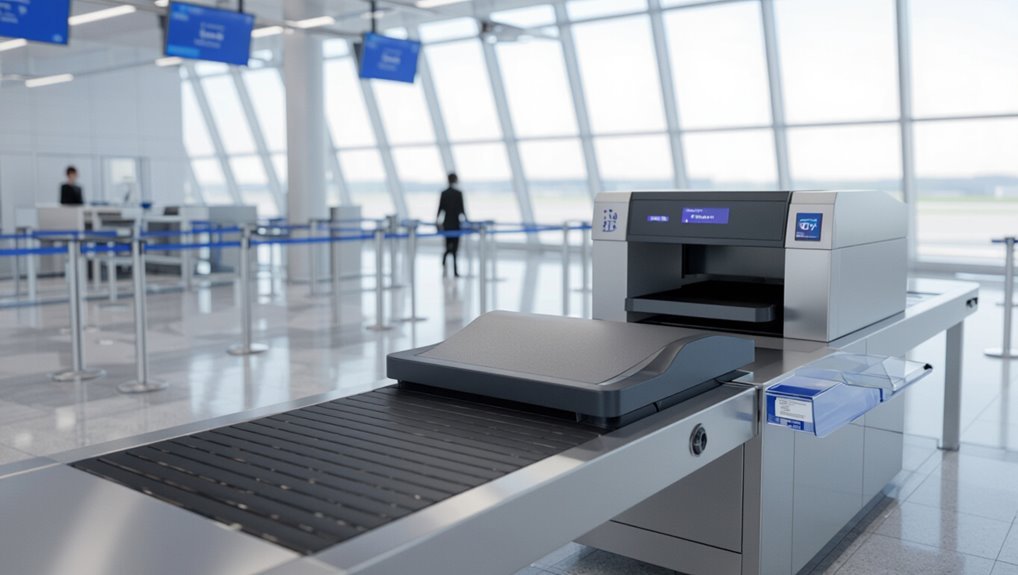
You’ll pass through checkpoints where agents use metal detectors, advanced imaging, and X-ray machines to spot threats. They’ll check IDs, inspect carry-ons, and may perform pat-downs.
Follow instructions, declare restricted items, and arrive early to make screening quicker and smoother for everyone.
Transportation Risk Management
Manage transportation risk by identifying, evaluating, and reducing threats across all modes—air, rail, transit, maritime, and highways.
You coordinate intelligence, inspections, and training to protect people and cargo.
You set policies, enforce standards, and respond to incidents quickly to restore safe movement.
- Risk assessment and mitigation
- Compliance, inspections, and oversight
- Incident response and recovery
Where TSA Sits in the Federal Government
You’ll find the TSA housed within the Department of Homeland Security, where it handles airport and transportation security operations.
You’ll also see how it coordinates with agencies like Customs and Border Protection, the FBI, and local law enforcement to share intelligence and manage threats.
Finally, Congress oversees TSA’s policies and budget, so funding decisions and legislative reviews shape what it can and can’t do.
Placement Within DHS
Although the Transportation Security Administration operates day-to-day at airports and transit hubs across the country, it’s officially an agency within the Department of Homeland Security (DHS), reporting to the DHS Secretary and aligning its policies with the department’s broader mission of protecting the homeland.
You’ll see TSA’s placement through these functions:
- Policy implementation and compliance.
- Coordination with DHS leadership.
- Resource allocation and oversight.
Relationship With Other Agencies
When you look beyond airports, you’ll see TSA working alongside other federal agencies—like Customs and Border Protection, the Federal Aviation Administration, and the FBI—to share intelligence, coordinate security measures, and streamline responses to threats; this interagency cooperation guarantees that aviation and transit security fit into the broader federal law enforcement and homeland security framework.
| Trust | Vigilance |
|---|---|
| Support | Unity |
| Relief | Assurance |
Congressional Oversight and Funding
Working with agencies on the ground feeds into a larger chain of accountability on Capitol Hill, where Congress oversees TSA’s policies, budgets, and performance.
You’ll see hearings, budget markups, and statutory direction shaping priorities. Congress funds TSA through appropriations and can mandate changes via law.
Examples include:
- Oversight hearings
- Appropriations bills
- Statutory mandates
TSA Leadership and Appointment Process
Because the TSA oversees aviation security across the country, its leadership—and how leaders are appointed—shapes agency priorities and operations.
You’ll see a TSA Administrator nominated by the President and confirmed by the Senate, who sets strategy, allocates resources, and answers to Congress.
You can expect senior career officials to handle day-to-day management, ensuring continuity amid political changes.
TSA Authority vs. Airport Police and CBP: Who Does What
As you read on, you’ll see TSA focuses on passenger and baggage screening to keep flights safe.
Airport police handle on‑site law enforcement and public safety around terminals.
CBP enforces immigration and customs at international arrivals, so their roles kick in where entry and exit laws apply.
TSA Screening Responsibilities
When you pass through airport security, TSA agents are the ones who operate screening checkpoints and enforce federal screening rules, while airport police and Customs and Border Protection (CBP) have distinct, separate roles—law enforcement and immigration/customs enforcement respectively—so it’s helpful to know who handles what if you have a dispute or incident.
- You place carry-ons and prepare for X-ray and metal detector screening.
- You submit to ID and boarding pass checks and random screenings.
- You follow directives for prohibited items, secondary screening, and screening complaints.
Airport Police Jurisdiction
Although TSA controls who and what goes through security checkpoints, airport police handle law enforcement on airport property and CBP enforces immigration and customs laws at international arrivals.
So knowing each agency’s role helps you direct complaints, requests, or legal concerns to the right authority.
If you need criminal reports, lost property, or crowd control issues, contact airport police; for screening complaints, contact TSA.
CBP Immigration Enforcement
Because immigration enforcement involves federal law and border security, Customs and Border Protection (CBP) takes the lead on questions of admissibility, deportation, and immigration-related detention at international terminals.
Meanwhile, TSA focuses strictly on transportation security and screening procedures, and airport police handle general law enforcement and public safety on airport property.
- CBP decides entry, detains for immigration issues.
- TSA screens passengers and baggage.
- Airport police respond to crimes, crowd control, and local arrests.
Common Airport Checkpoints and Their Roles
If you travel through airports often, you’ll notice distinct checkpoints that keep passengers, baggage, and operations running smoothly.
You’ll pass ticketing and ID checkpoints, security screening for carry-ons, TSA document checks for boarding passes, customs and immigration for arrivals, and baggage claim inspections.
Each station enforces rules, verifies identity or cargo, and manages flow so flights depart safely and on schedule.
What Passengers Can Expect at Security Screening
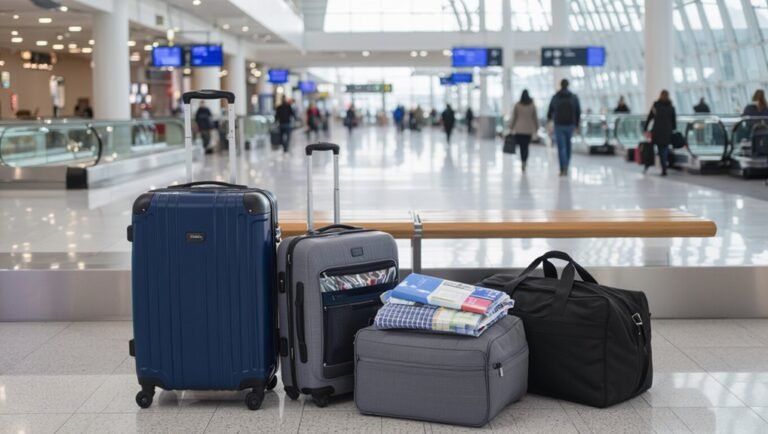
When you arrive at security screening, expect a structured, timed process: present your ID and boarding pass, place carry-ons and permitted items in bins, remove shoes and electronics as directed, and walk through the scanner or body-imaging device when prompted.
- Wait in line, follow staff instructions, and keep documents ready.
- Load bins efficiently and reclaim items promptly.
- Prepare for random additional screening with cooperation.
How TSA Screeners Inspect Carry-On and Checked Baggage
TSA screeners inspect carry-on and checked baggage using a mix of X-ray machines, explosive-detection systems, and manual checks to quickly spot prohibited items and threats.
You’ll see carry-ons scanned on conveyors while checked bags go through deeper screening. If alarms trigger, officers may open bags, swab surfaces for explosives, or use handheld detectors.
You’ll be notified if items are seized or require further inspection.
TSA PreCheck: Cost, Eligibility, and Benefits
Because you’ll move through security faster with less hassle, enrolling in PreCheck is worth considering for frequent flyers and those who value convenience.
You’ll pay an enrollment fee (typically around $78 for five years), complete a background check and interview, and—if approved—enjoy shorter lines and fewer removal requirements.
Benefits include:
- Faster screening
- Keep shoes and laptops
- Family-friendly access
Prohibited Items and Recent Rule Changes
Keeping PreCheck can make screening smoother, but you still need to follow strict rules about what you can bring through security.
You can’t carry weapons, many sharp objects, or most aerosols in carry-ons. Liquids remain limited to small containers unless approved.
Recent rule changes tightened battery, e-cigarette, and self-defense item policies; check TSA updates before travel to avoid confiscation or fines.
How to Prepare to Get Through TSA Faster
You can speed through security by packing smartly and strategically so your electronics and liquids are easy to access.
Check TSA rules ahead of time so you know what’s allowed and how to arrange items in your carry-on.
A little prep saves time and stress at the checkpoint.
Pack Smartly And Strategically
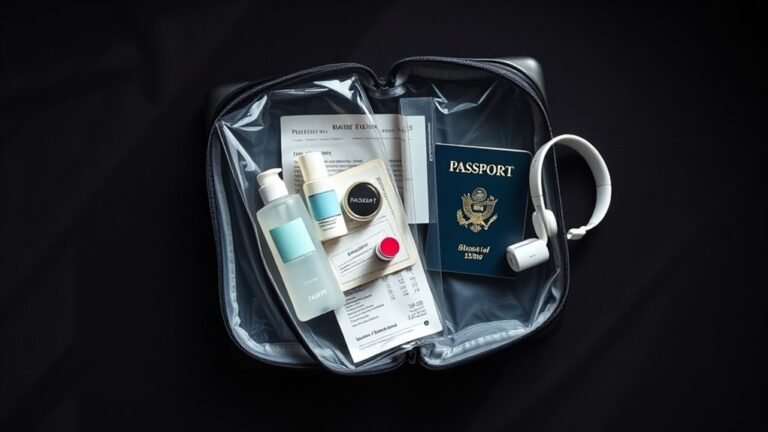
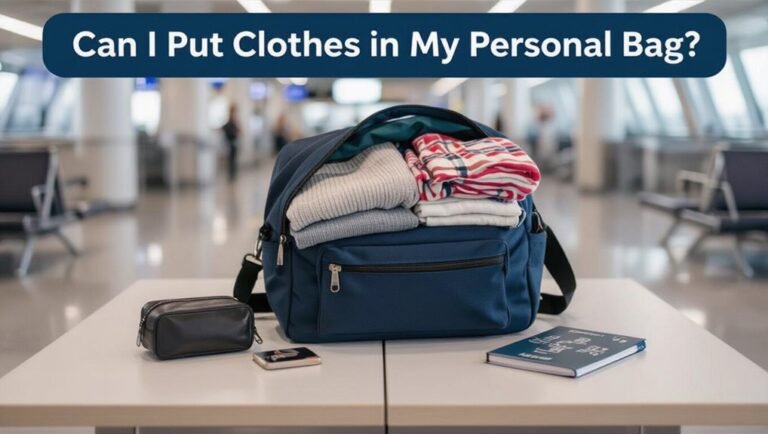
Streamline your carry-on so security moves faster: place liquids in a clear quart-sized bag, keep electronics and removable items near the top, and stash medications and boarding passes where you can grab them without digging.
Pack shoes and belts last for quick removal. Fold clothes compactly to save space and spot items fast.
- Shoes, belts ready
- Electronics accessible
- Liquids in clear bag
Know TSA Rules Ahead
1 simple step to shave minutes off your checkpoint time is to learn TSA rules before you pack: know the 3-1-1 liquids limit, which electronics must be screened separately, and what counts as medically necessary items so you won’t be surprised at the conveyor belt. Pack accordingly, use clear bags, and have ID ready.
| Item | Tip | Action |
|---|---|---|
| Liquids | 3-1-1 | Bag |
| Electronics | Separate | Tray |
| Meds | Documentation | Accessible |
Privacy and Body Scanners: Key Facts
Because body scanners can reveal detailed images of a traveler’s body, privacy concerns have driven strict rules about image use, storage, and who can view scans.
You should know that images are usually automated, not stored, and officers view generic outlines. You can request a private screening if uneasy.
- Automated threat detection limits human image detail
- No routine image retention
- Private screening option available
Medical Devices, Disabilities, and Special-Needs Screening
If you use medical devices, the TSA has specific screening protocols to protect both your equipment and your privacy.
You can request disability accommodations and the process explains what documentation or notice might help speed screening.
For travelers with special needs, TSA offers assistance options like alternative screening methods and support from officers to make the checkpoint smoother.
Medical Device Screening Protocols
When you’re traveling with medical devices or a disability, TSA’s screening protocols aim to balance security with your health and privacy.
So you’ll usually be offered alternatives like visual inspection, swabbing, or screening with a handheld detector rather than forced device removal.
You can request private screening, explain device function, and accept alternative imaging when needed.
- Private screening option
- Device-function explanation
- Alternative imaging methods
Disability Accommodations Process
Although airport security must verify safety, you can expect a clear, standardized process for disability accommodations that lets you travel with dignity and minimal delay.
You’ll present documentation or explain needs, and officers will follow protocols for medical devices, mobility aids, and privacy-respecting screening.
Expect alternatives to standard screening, clear communication, and reasonable time allowances so your needs are addressed efficiently and respectfully.
Special-Needs Assistance Options
Because TSA knows travelers have varied medical needs, they offer specific assistance options to help you move through screening safely and respectfully.
- Notify officers about implants, prosthetics, or ostomy devices; you’ll get private screening if needed.
- Request alternative screening for mobility aids, service animals, or medical devices.
- Ask for a passenger support specialist or a pat-down by trained staff if technology can’t clear you.
Passenger Rights During Screening and Inspections
Wondering what rights you have during TSA screening?
You can request private screening or a witness if you prefer, ask for explanation of procedures, and refuse certain searches though refusal may affect travel.
You’re entitled to courteous treatment, accommodation for disabilities, and safe handling of personal items.
Keep identification handy, follow lawful orders, and report mistreatment through appropriate channels afterward.
How to File a Complaint or Appeal a TSA Action
If a screening or inspection leaves you dissatisfied, you can file a complaint or appeal TSA actions to seek review and resolution.
Start by documenting details: date, location, agent names, and evidence.
Submit complaints online via the TSA website or by mail.
For denied boarding or enforcement actions, request a formal appeal and follow posted timelines.
- Document facts
- File online/mail
- Request appeal
Common Criticisms of TSA and Reform Proposals
While TSA aims to keep air travel secure, many passengers and experts criticize its screening procedures, staffing practices, and accountability, arguing they often create inconsistent experiences, long lines, and questionable trade-offs between security and convenience.
You might call for clearer protocols, better training, more technology like risk-based screening, independent oversight, and streamlined complaint processes to boost efficiency, fairness, and traveler trust.
How TSA Rules Affect International Flights and Foreign Checkpoints
Because the TSA sets security standards and coordinates with international partners, its rules shape what you experience on outbound U.S. flights and influence screening practices at some foreign checkpoints:
Because TSA standards guide outbound U.S. flights, they shape passenger screening and influence foreign checkpoints.
You’ll face baggage restrictions, trusted traveler reciprocity, and shared intelligence that alters screening intensity abroad.
- Carry-on and liquid limits enforced.
- Global Entry/ESTA benefits vary.
- Intelligence-driven random checks increase.
Frequently Asked Questions
Does TSA Screen Mail and Parcel Shipments Domestically?
Yes — you’ll find TSA screening some domestic air cargo, mail, and parcel shipments when they’re transported as air cargo; they’ll inspect or require screening to guarantee safety, and carriers must follow TSA’s security programs and procedures.
Can TSA Detain or Arrest Passengers for Nonaviation Crimes?
Yes, TSA can detain passengers for nonaviation crimes until law enforcement arrives, but they don’t have arrest powers; they’ll hold individuals when they encounter suspected criminal activity and then hand them over to the police.
How Does TSA Handle Lost or Damaged Items After Screening?
You’ll report lost or damaged items to the screening checkpoint or TSA Lost and Found; TSA documents the incident, may assist locating property, but generally isn’t liable—follow airport-specific procedures and file claims with the airline if applicable.
Are TSA Procedures the Same for Private Charter Flights?
No, TSA procedures can differ for private charter flights; you’ll often follow alternative screening arrangements at fixed-base operators, but security requirements and coordination with TSA or private screening providers still apply, depending on aircraft size and passenger counts.
Does TSA Oversee Airline Passenger Refund or Compensation Disputes?
No, TSA doesn’t handle airline refund or compensation disputes; you’ll need to pursue those through the airline, DOT aviation consumer protections, or small claims court. You can file DOT complaints if carriers violate ticketing or refund rules.
Conclusion
Now that you know TSA stands for the Transportation Security Administration and why it exists, you can better navigate airport security. You’ll see its mission is protecting transportation while balancing efficiency and civil liberties. If you feel mistreated, you can file complaints or appeals. Be aware of common criticisms and proposed reforms, and remember rules may differ on international flights. Stay informed, know your rights, and prepare ahead to make screening smoother and less stressful.