
What Is the Difference Between Luggage and Baggage Explained Simply
“Luggage” is what you pack—your suitcases, carry-ons and duffel bags—used in casual talk about gear and style. “Baggage” is the broader, official term airlines and policies use for those same items, and sometimes for emotional or professional weight. Use luggage when chatting about what to bring; use baggage for bookings, fees, claims and rules. If you keep that distinction in mind, you’ll avoid confusion at check-in and learn more about fees, limits, and claims next.
What People Mean When They Say “Luggage” or “Baggage
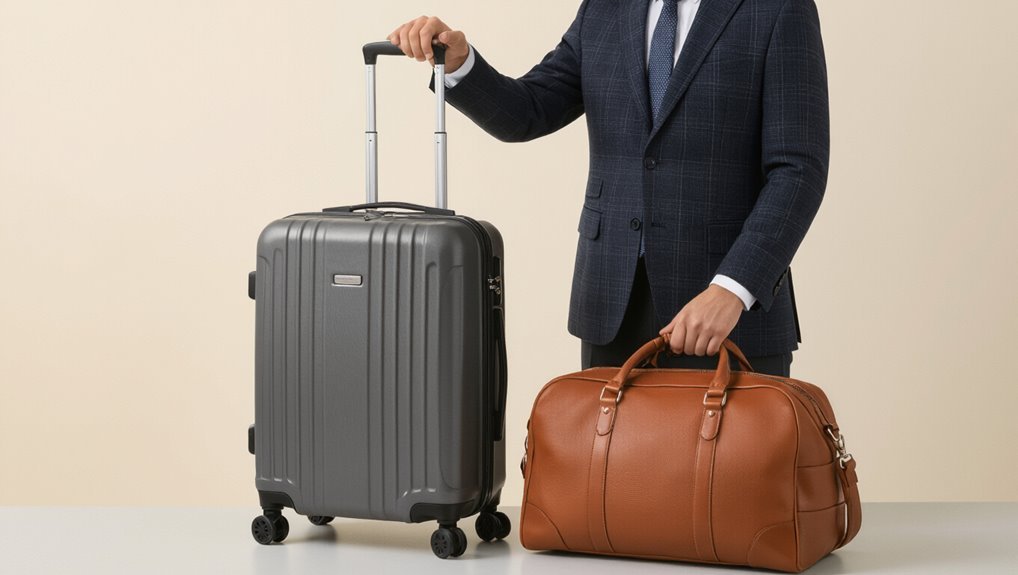
Words like “luggage” and “baggage” often get used interchangeably, but people usually expect subtle differences: luggage tends to refer to the physical suitcases and travel cases you pack, while baggage can mean those items plus the emotional or professional “weight” someone carries.
You’ll use “luggage” when talking about gear, and “baggage” when suggesting added history, responsibility, or consequences.
Quick Answer: Which Term to Use When Booking or Checking?
When you’re booking or checking in, use “baggage” for official forms and airline rules.
You’ll hear travelers say “luggage” in conversation, and that’s fine for casual talk.
Stick with “baggage” on paperwork to avoid confusion.
Use “Baggage” Officially
If you’re booking a flight or checking in at the airport, use “baggage” in official forms and announcements—airlines and security agencies primarily use that term to refer to everything you’re bringing onto or storing with the plane.
When you complete online check-in, tag items, or read policies, pick “baggage” for allowances, fees, and security rules so your documentation matches carrier language and avoids confusion.
“Luggage” For Travelers
You’ll still want to use “baggage” on airline forms and at check-in, but among fellow travelers and in casual conversation, “luggage” is perfectly fine and often sounds more natural. Use “baggage” for rules and fees; say “luggage” when chatting. Pick clarity: official = baggage, casual = luggage.
| Context | Term |
|---|---|
| Booking forms | Baggage |
| Check-in | Baggage |
| Casual chat | Luggage |
| Packing tips | Luggage |
| Fee questions | Baggage |
Physical Difference: What Counts as Luggage vs. Baggage
When you pack for a trip, you’ll need to tell carry-on items, checked pieces, and your personal item apart because airlines treat them differently.
Think about size and weight limits for carry-ons and checked baggage, plus what qualifies as a personal item like a laptop bag or small backpack.
Also remember special categories—sports gear, medical devices, and fragile items—often follow their own rules.
Carry-On vs Checked
Although both terms get used interchangeably, carry-on and checked items are defined by where you stow them during a flight: carry-on luggage stays with you in the cabin—overhead bin or underseat—while checked baggage is handed to the airline for transport in the plane’s cargo hold.
You choose carry-on for essentials and quick access; check bulky, heavy, or restricted items to meet airline rules.
Personal Item Definition
A personal item is the small bag you’re allowed in addition to your carry-on—think purse, laptop case, or small backpack—and airlines define it by size and how it fits under the seat in front of you.
You should pack essentials: documents, electronics, medications, and valuables.
It’s distinct from carry-on luggage because it’s smaller, must fit under the seat, and accompanies you aboard.
Special Item Categories
Now that you know what qualifies as a personal item, it’s helpful to look at special item categories that airlines treat differently from standard luggage or baggage.
You’ll encounter items like sports gear, medical equipment, musical instruments, strollers, and fragile valuables.
Policies vary: some count them as carry-ons, others as checked, often with size, weight, or fee exceptions, so always verify airline rules.
How Airlines Define “Baggage” (And Why It Matters)
When you check in or stroll onto the plane, airlines treat “baggage” as a specific legal and operational category that determines what you can bring, how much you’ll pay, and who’s responsible if something goes wrong.
That classification sets size, weight, and content rules, influences boarding/storage priority, and defines liability for loss or damage—so knowing the definition protects you and avoids unexpected charges.
Airport/Legal Uses That Affect Fees and Handling
Because airlines and airports treat “luggage” and “baggage” differently for rules and paperwork, that distinction can change what you pay, how workers handle your items, and which laws apply if something goes wrong.
You should know implications:
- Liability limits can reduce your compensation.
- Security rules may differ for carry-ons.
- Handling priority affects damage risk.
- Customs paperwork triggers delays and fines.
Avoid Baggage Fees: Wording That Can Save Money
When you’re deciding between carry-on and checked items, choose pieces that meet the airline’s carry-on size to avoid fees.
If an agent flags your bag, politely ask if it can be gate-checked or if a soft bag would qualify as a personal item.
Using calm, clear wording—like “Is there any way to avoid a checked-bag fee?”—can often save you money.
Carry-On Versus Checked
Packing smart can save you more than space — it can cut your travel bill. You decide: carry-on keeps essentials close and avoids fees; checked frees you from size limits but can cost.
Weigh risks, lay out priorities, and choose confidently.
- Save money
- Stay flexible
- Avoid delays
- Travel lighter
Politely Phrase Requests
Want to avoid that surprise baggage fee at the counter? Ask politely and frame requests to help: say, “Could you confirm my allowance, please?” or “Is there any chance this can be included?”
Mention loyalty or fare class briefly. Smile, stay calm, and use clear terms like carry-on versus checked. A courteous tone often prompts agents to waive or reduce fees when possible.
Carry-On vs. Checked: Correct Terms and Packing Tips
Carry-on and checked are the two main categories you’ll encounter at airports, and knowing the correct terms helps you follow airline rules and avoid extra fees.
Pack essentials, valuables, and a change of clothes in carry-on; put bulkier, non-urgent items in checked bags.
Pack essentials, valuables, and a spare outfit in your carry-on; place bulkier, non-urgent items in checked luggage.
Follow size/weight limits and label luggage.
- Breathe easy
- Save money
- Stay prepared
- Travel confidently
How Travel Brands Use “Luggage” to Sell Products
You’ll notice travel brands use the word “luggage” to sell a premium lifestyle, pairing sleek images with scenes of effortless travel.
They highlight specific features—durable shells, organized interiors, smooth wheels—to justify higher prices and practical benefits.
And they often add scarcity or exclusivity, with limited runs or designer collaborations that make the product feel must-have.
Premium Lifestyle Image
Image plays a huge role in how travel brands position luggage: they don’t just sell suitcases, they sell a lifestyle you’ll want to be seen in.
You’ll feel exclusive, adventurous, and polished when a bag aligns with your identity. Brands use visuals, endorsements, and storytelling to trigger desire:
- Aspirational imagery
- Celebrity cachet
- Curated settings
- Signature colorways
Feature-Driven Messaging
Beyond the aspirational photos and celebrity endorsements, brands back up their style promises with concrete features that make a bag perform in real life. You’ll notice gear-focused copy: water-resistant fabrics, tested wheels, organized compartments. That helps you justify price and choose functionality over flash.
| Feature | Benefit |
|---|---|
| Spinner wheels | Smooth mobility |
| Lockable zippers | Security on the go |
| Compression straps | Organized packing |
Scarcity And Exclusivity
When brands talk about limited runs, numbered editions, or waitlists, they’re doing more than creating urgency—they’re turning luggage into a status signal you want to own.
You’ll feel drawn to exclusivity, fearing loss and craving belonging. Brands nudge you with:
- Limited quantities
- Numbered tags
- Celebrity drops
- Invitation-only sales
You respond by valuing possession over practicality.
Buying Gear: Which Term to Use When Shopping and Why
If you’re shopping for travel gear, choosing between “luggage” and “baggage” matters less for the item you buy than for how you search, compare, and communicate with retailers and airlines.
Use “luggage” when discussing style, materials, and carry features; use “baggage” for policy, weight limits, and fees.
Match your term to context so staff and systems understand you quickly.
Search and Product Listings: Wording That Improves Results
Want better search results? Use phrasing that matches shopper intent and sparks confidence. Try these tactics:
- Use “carry-on luggage” to promise convenience.
- Say “durable suitcase” to reassure longevity.
- Tag “checked baggage” for airline rules clarity.
- Add “lightweight travel bag” to evoke ease.
You’ll improve relevance, clicks, and conversions by aligning wording with emotions and expectations.
Common Traveler Phrases: “Lost Luggage,” “Emotional Baggage,” and More
Phrases like “lost luggage,” “emotional baggage,” and “carry-on essentials” pop up everywhere in travel conversations, and each packs a different meaning you’ll want to recognize: some are literal airline concerns, others are metaphors about relationships or stress, and a few blend both to shape expectations and tone in listings, customer service, and casual talk.
You’ll parse context to know whether someone means physical items, feelings, or packing tips.
Misunderstandings That Cost Time or Money at the Airport
Because small misunderstandings at the airport can balloon into missed flights or extra fees, you should know the common slip-ups that cost time or money: misreading baggage rules, confusing carry-on limits, or mislabeling checked items.
- Overpacking leads to fines.
- Wrong dimensions cause gate hassles.
- Unlabeled bags mean delays.
- Forbidden items force removals.
Which Term to Use When Filing a Claim or Talking to Staff?
Mistakes like mislabeling or misreading baggage rules can make a claim harder to resolve, so knowing whether to say “luggage” or “baggage” when you talk to staff or file a report matters.
Use the airport or airline’s official term found on tags and forms—usually “baggage”—so staff immediately understand.
Be clear, describe contents, and keep receipts for faster processing.
Quick Decision Guide: Pick the Right Word Fast
Need a quick rule of thumb? You’ll want baggage for formal claims or airline talk, luggage for casual conversation and packing. Choose what fits your tone and audience.
- Use “baggage” for policies and loss.
- Use “luggage” when chatting or packing.
- Prefer “baggage” to sound official.
- Pick “luggage” to feel personal and relaxed.
Examples: Correct Phrasing for Common Travel Scenarios
1 clear example helps you pick the right word in common travel moments: use “baggage” for flight forms, insurance claims, and announcements (“Please claim your baggage at carousel 3”), and use “luggage” when talking about packing, carrying, or casual help (“Can you lift my luggage into the trunk?”).
Say “baggage claim,” “checked baggage,” or “lost baggage report.”
Say “carry my luggage,” “packed luggage,” or “luggage strap.”
Final Clarity Checklist You Can Use Before You Travel
Before you head out, run through a quick checklist to confirm you’re using “luggage” and “baggage” correctly in documents, conversations, and signs:
- Label personal trunks as luggage to feel organized.
- Note airline policies as baggage to avoid surprises.
- Use luggage in casual talk to sound friendly.
- Pick baggage for formal notices to stay precise and confident.
Frequently Asked Questions
Is “Baggage” Used Differently in Insurance Policies Than Airlines’ Definitions?
Yes — insurers often define “baggage” more narrowly and set coverage limits, exclusions, and valuation rules, so you’ll want to read your policy carefully because it can differ markedly from airline definitions and protections.
Do Train and Bus Companies Treat Luggage and Baggage the Same?
Yes — most train and bus companies treat luggage and baggage the same: you’ll follow their size, weight, and storage rules, and they’ll usually limit liability for loss or damage per their passenger terms and policies.
Can International Customs Declare Items as Luggage or Baggage Differently?
Yes — customs can treat items differently depending on whether you declare them as luggage (personal effects) or baggage (goods for import), and they’ll apply separate rules, allowances, duties, and inspections based on those classifications.
Is There a Legal Difference Between “Lost Luggage” and “Lost Baggage” in Claims?
No, there isn’t a legal difference between “lost luggage” and “lost baggage” in claims; you’ll be treated the same under most airlines’ and insurers’ policies, so follow their filing procedures and deadlines to pursue compensation.
Do Rental Car Companies Count Trunks as Luggage Space or Cargo?
Rental car companies usually treat trunks as cargo space, not specified luggage compartments, so you’ll be charged or limited based on overall cargo capacity and rental terms; check size limits and policy details before packing or transporting oversized items.
Conclusion
Use “luggage” when you mean your suitcases and bags, and use “baggage” when you’re talking about airline rules, fees, or official handling. When checking in, say “checked baggage”; at the gate, say “carry-on luggage.” If you’re filing a claim, use the airline’s baggage terms. Before you travel, confirm allowed sizes, weight, and included pieces to avoid surprises. Picking the right word helps staff understand you and speeds up service.
