40 Peru Travel Destinations for Stunning Cultural Adventures
You’ll find 40 Peruvian destinations that blend colonial plazas, Inca ruins, Amazonian villages, desert geoglyphs and coastal wildlife into unforgettable cultural adventures. Wander Lima’s baroque balconies, explore Cusco’s cobbled streets and festivals, trek to Machu Picchu and Choquequirao, meet artisans in San Blas and Pisac, taste pisco in Ica and Paracas, and join community-led ecotours in Manu and Iquitos. Keep going to uncover detailed highlights, local festivals, hands-on crafts and foodie stops across each region.
Lima: Colonial Charm and Rich Museums
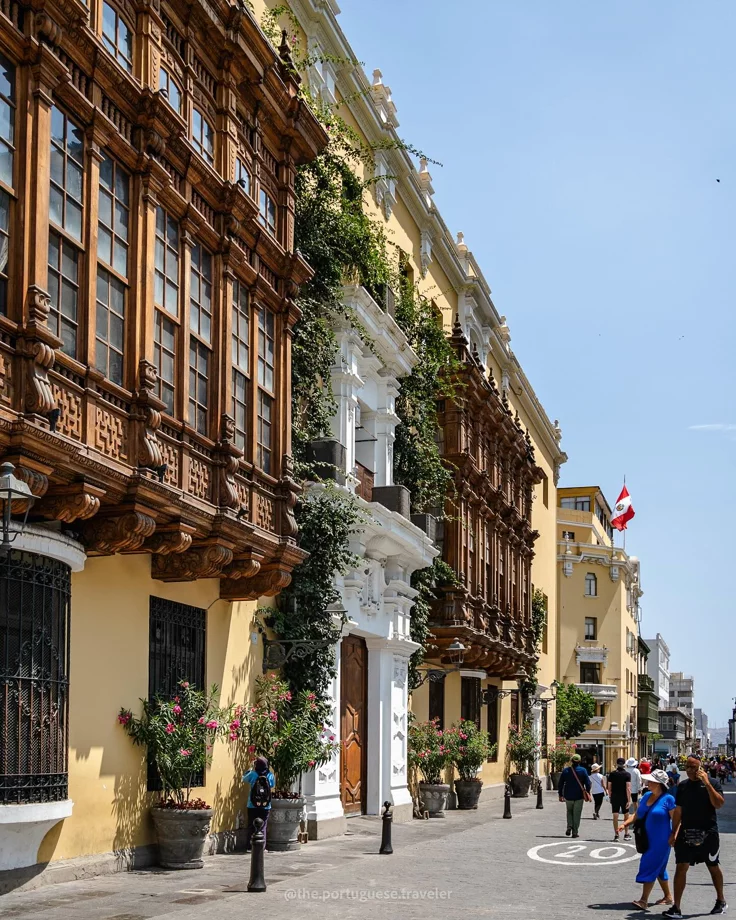
Image Credit: Pinterest
Although Lima buzzes with modern life, its colonial heart still captures you the moment you step into the Plaza Mayor: ornate balconies, baroque churches, and cobblestone streets tell the story of centuries past.
You’ll explore colonial architecture and historical landmarks, visit museum exhibits showcasing artistic heritage, enjoy cultural festivals, and savor local cuisine.
Urban exploration leads to rich culinary experiences and memorable discoveries.
Barranco: Bohemian Art, Street Murals, and Nightlife
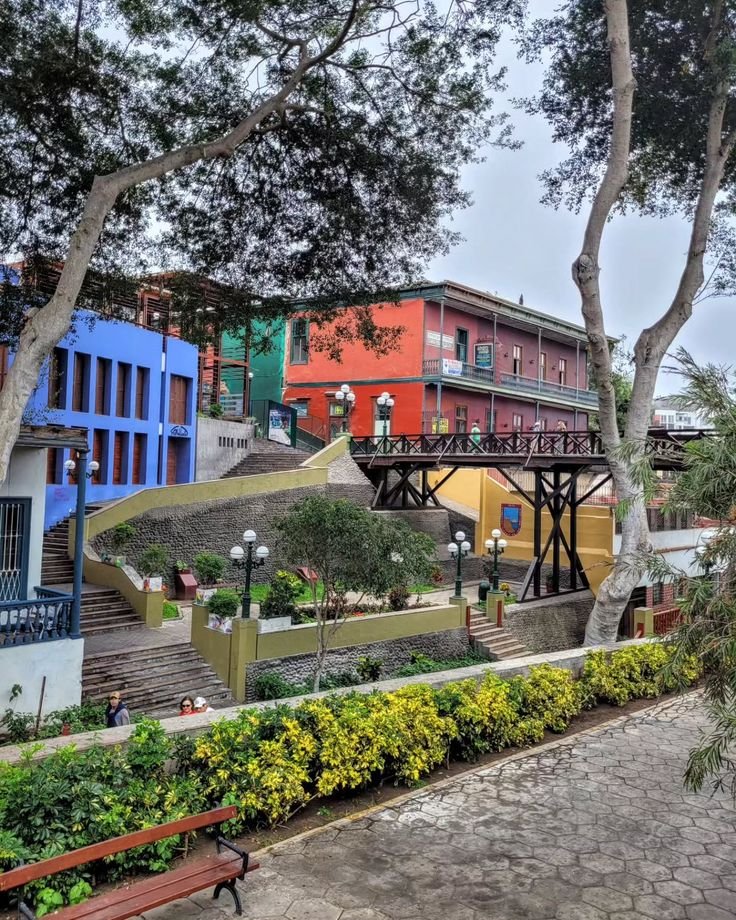
Image Credit: Pinterest
When you wander into Barranco, its bohemian energy hits you right away: colorful murals spill across walls, independent galleries and studios invite unexpected detours, and cozy cafés pulse with music that lasts well into the night.
You’ll explore Barranco’s vibrant street art, lively nightlife, dynamic music scene, picturesque photography spots, artisan markets, creative workshops, cultural events and festivals, sample local cuisine, and visit historical sites.
Chorrillos & Morro Solar: Indigenous History by the Sea
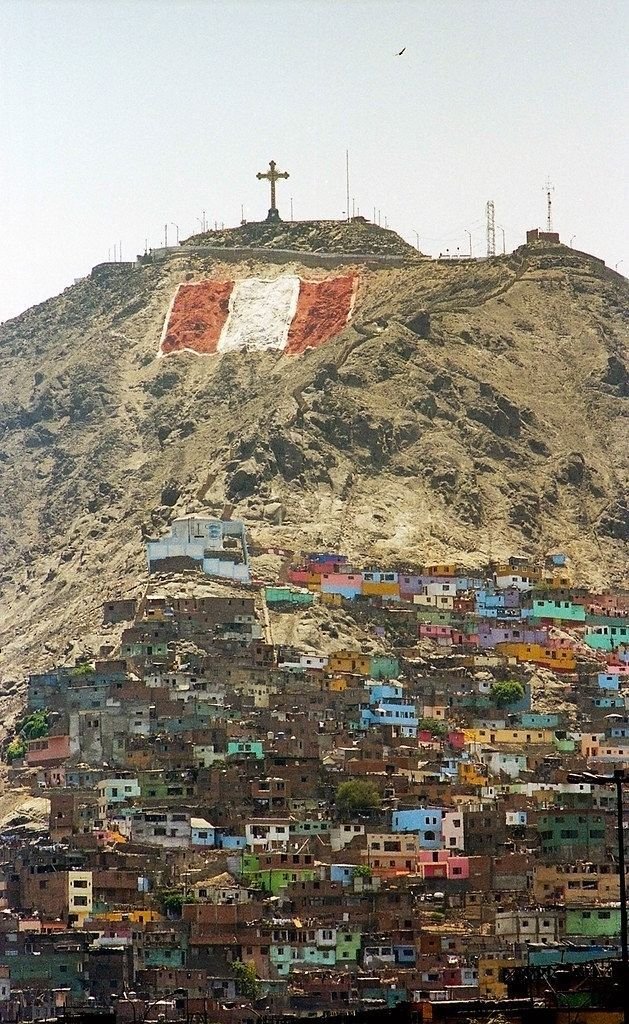
Image Credit: Pinterest
Perched on cliffs overlooking the Pacific, Chorrillos and the Morro Solar hill invite you to trace Lima’s coastal past, where Indigenous fishermen and pre-Columbian communities once lived and left their mark.
You’ll explore Chorrillos’ history through archaeological sites, fragments of Indigenous art, and coastal traditions.
The significance of Morro Solar emerges in sea myths, local legends, and the enduring cultural heritage that you can witness along rocky promenades.
Paracas National Reserve: Coastal Wildlife and Pre-Inca Sites
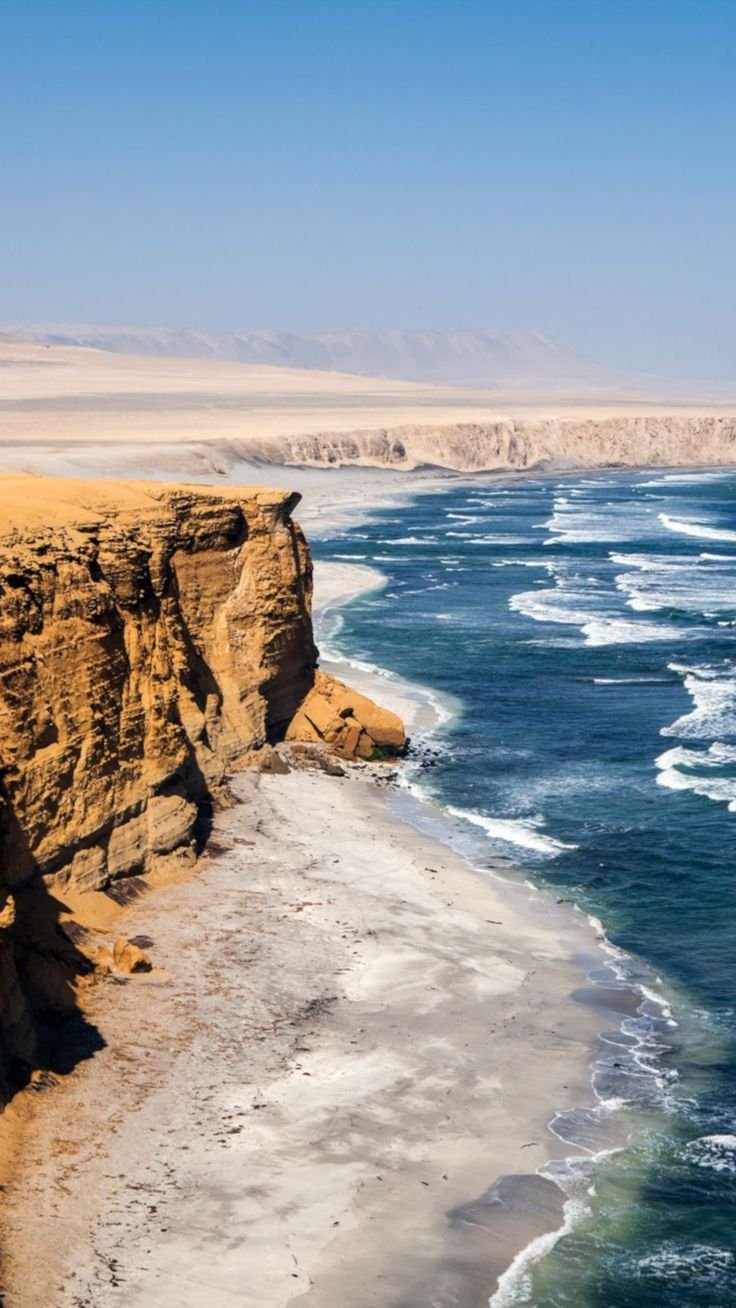
Image Credit: Pinterest
From the rocky promenades of Chorrillos, you can follow the coastline south to Paracas National Reserve, where arid desert meets the Pacific and wildlife-rich islands wait offshore.
You’ll explore coastal ecosystems, try your hand at wildlife photography, and delve into pre-Inca archaeology while supporting historical preservation and sustainable tourism.
Expect to encounter marine biodiversity, partake in guided adventure activities, and experience lively cultural festivals that beautifully connect nature, history, and local communities.
Ballestas Islands: Sea Life Tours and Local Fishing Culture
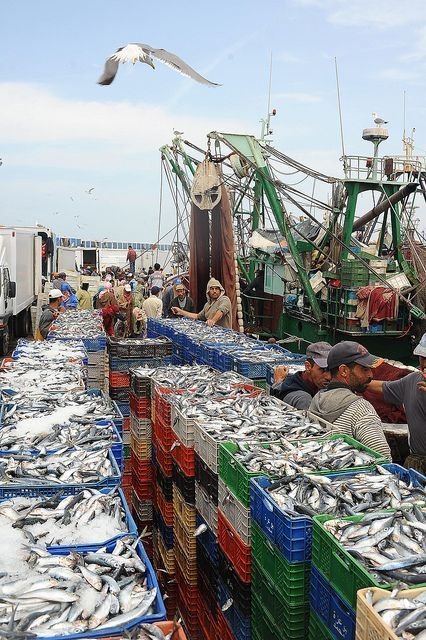
Image Credit: Pinterest
If you’re drawn to crashing surf and teeming wildlife, a boat trip to the Ballestas Islands delivers both up close: guano-streaked cliffs host colonies of Humboldt penguins, sea lions, and countless seabirds while small fishing skiffs ply the surrounding waters, keeping alive the region’s artisanal fishing traditions.
You’ll observe rich marine biodiversity, learn from local fishers about sustainable fishing practices, and support community-led tours.
Nazca Lines: Desert Geoglyphs and Local Legends
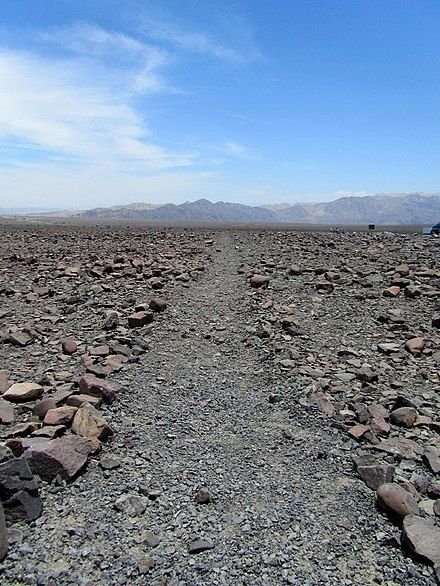
Image Credit: Pinterest
Stretching across the arid Pampas de Jumana, the Nazca Lines are vast desert geoglyphs best appreciated from the air or nearby viewing towers.
You’ll delve into Nazca culture, contemplate the significance of the geoglyphs and their links to ancient astronomy, hear captivating local myths, and embrace the spirit of desert exploration.
Consider the archaeological mysteries, the impact of tourism, and ongoing preservation efforts as you visit responsibly and support local conservation initiatives.
Arequipa: White-Stone Architecture and Cultural Museums
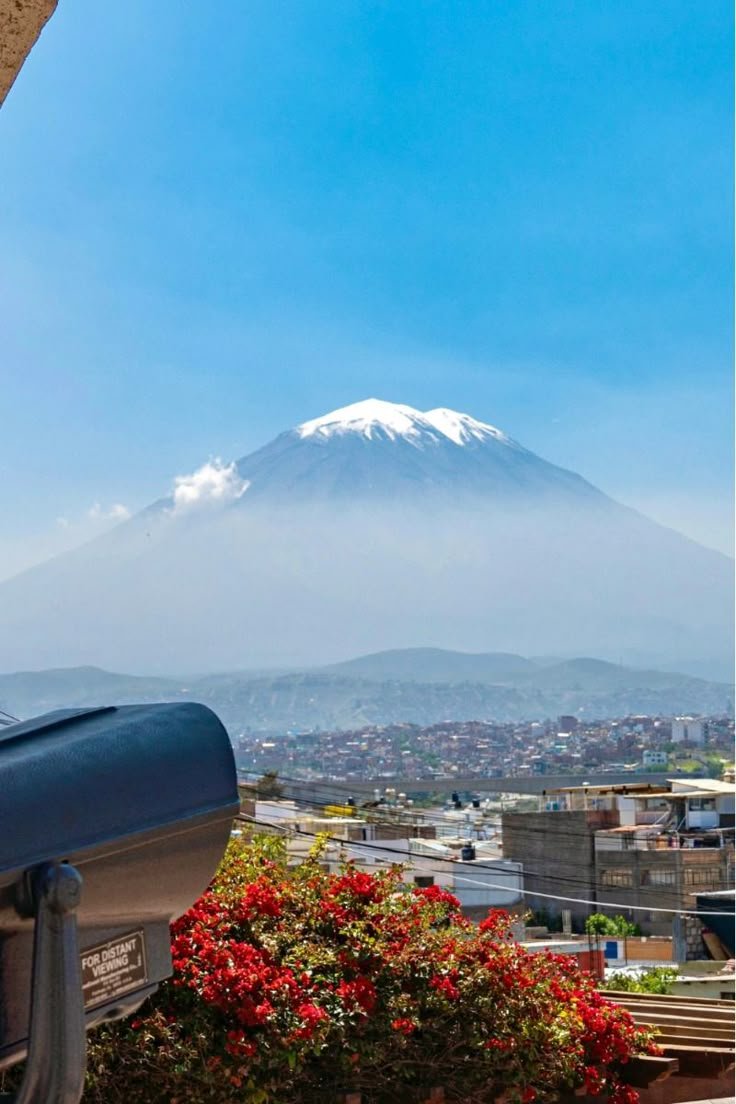
Image Credit: Pinterest
After exploring the mysteries of Nazca, head south to Arequipa, where striking white volcanic stone buildings and a vibrant cultural scene await.
You’ll savor the rich Arequipa cuisine, visit museums that highlight historical significance and cultural heritage, join local festivals featuring traditional music, explore artisan workshops, and admire breathtaking volcanic landscapes.
You can easily balance your time between museums and outdoor adventures, soaking in the architecture, craftsmanship, and regional flavors.
Colca Canyon: Andean Communities and Condor Watching

Image Credit: Pinterest
When you descend into Colca Canyon, you’ll experience the vastness of the Andes and the rich culture of the surrounding communities.
Here, terraced fields, centuries-old irrigation systems, and daily rituals continue to shape life. You’ll have the opportunity to explore nature trails, meet artisans at handicraft markets, savor traditional cuisine, participate in cultural festivals, learn local legends, support community tourism, and witness condor conservation efforts linked to eco-friendly practices and sustainable development.
Puno and Lake Titicaca: Island Communities and Reed Boat Traditions
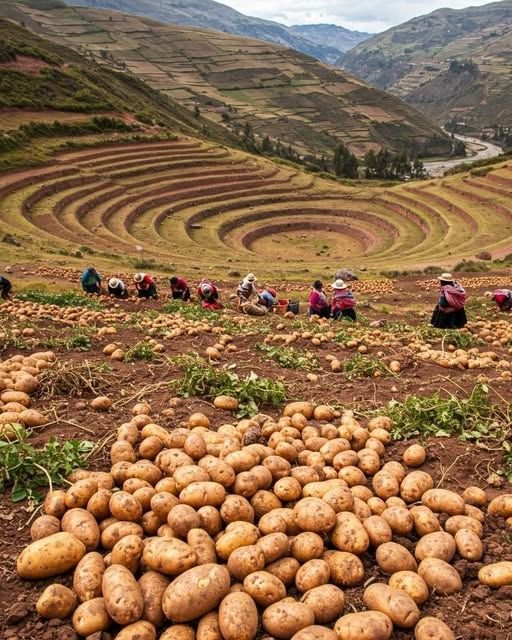
Image Credit: Pinterest
Though high winds can sweep across its glassy surface, Lake Titicaca welcomes you with a striking mix of cultural resilience and timeless traditions.
You’ll join Puno festivals, hear Titicaca myths and traditional music, watch reed crafting and boat weaving, and witness indigenous rituals.
Community tourism fosters cultural exchanges, sustainable practices, and local gastronomy, letting you connect respectfully with island communities and their living heritage.
Taquile and Amantani Islands: Textile Weaving and Homestays
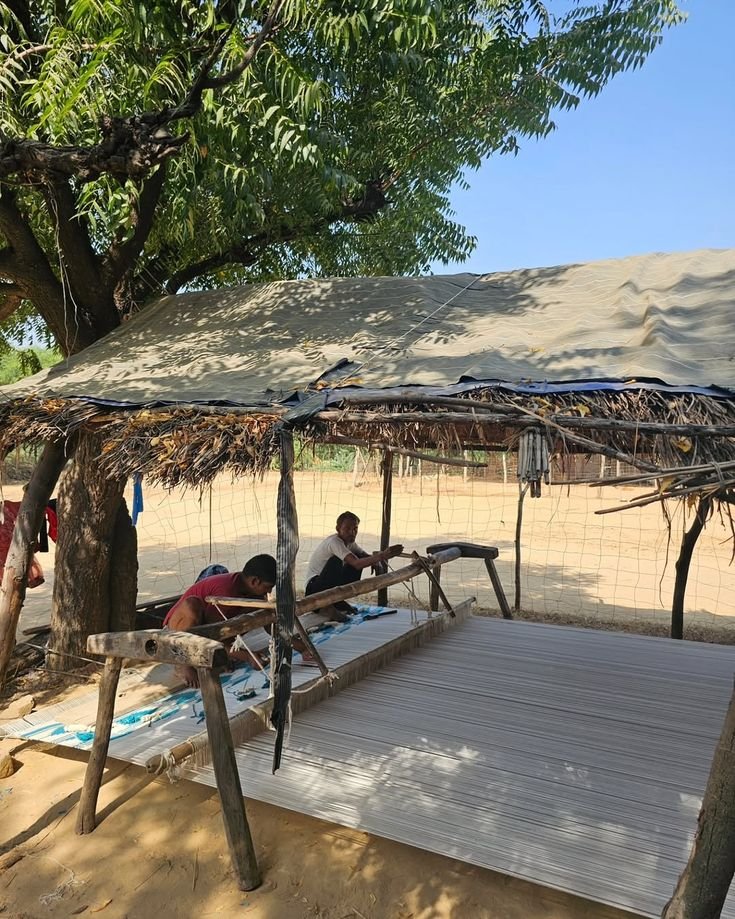
Image Credit: Pinterest
From Puno’s lively festivals and reed-boat workshops, you can cross Lake Titicaca to the quieter, craft-focused islands of Taquile and Amantani.
Here, textile weaving and homestays provide an intimate glimpse into highland life.
You’ll participate in weaving workshops led by local artisans, gain insights into textile techniques and indigenous knowledge, and experience homestays that promote craft preservation, sustainable practices, community engagement, and traditional festivals.
Cusco: Inca Capital, Markets, and Living History

Image Credit: Pinterest
Cobblestone plazas and soaring Inca walls greet you as soon as you step into Cusco, where centuries of imperial power meet bustling markets and living traditions.
You’ll savor Cusco cuisine near historical landmarks, explore sacred architecture and Inca heritage, and bargain for traditional textiles at vivid stalls.
Attend local festivals to witness music, dance, and rituals that keep the past alive.
San Blas: Artisans, Workshops, and Narrow Cobbled Streets
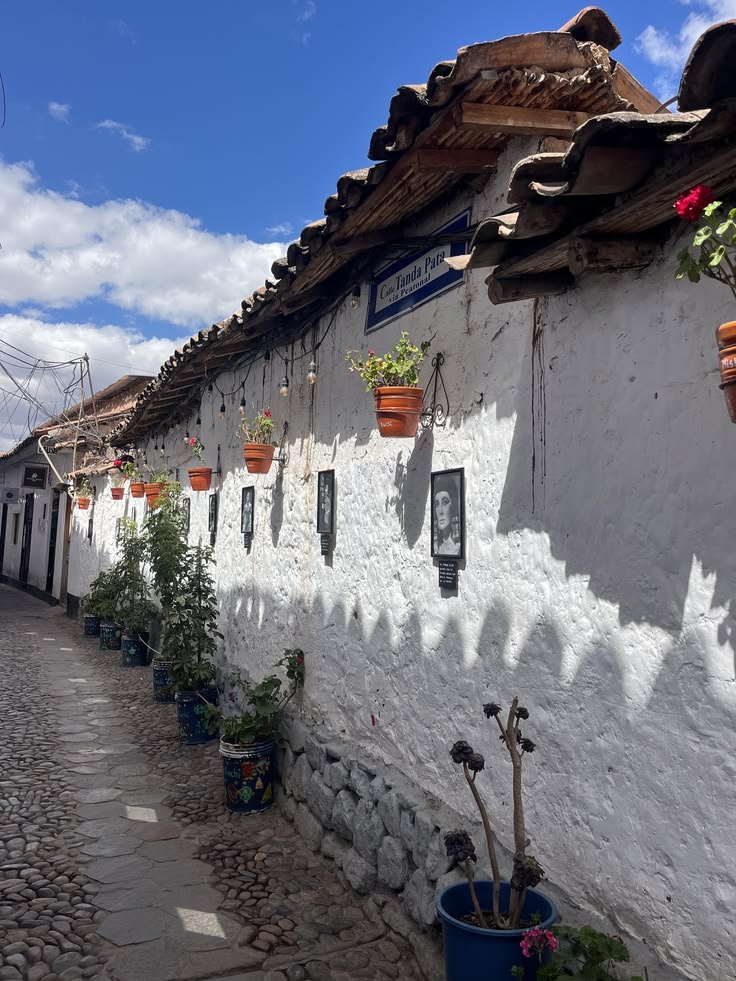
Image Credit: Pinterest
When you ascend into San Blas, narrow stone alleys guide you past whitewashed houses where artisans craft their work in open-door workshops, carving, weaving, and painting as neighbors and visitors pass by.
You’ll encounter San Blas artisans in their workshops, wander cobblestone streets on neighborhood strolls, and immerse yourself in the cultural heritage, historical significance, local traditions, craftsmanship techniques, an artistic community, and vibrant markets.
Sacred Valley: Traditional Villages and Archaeological Sites
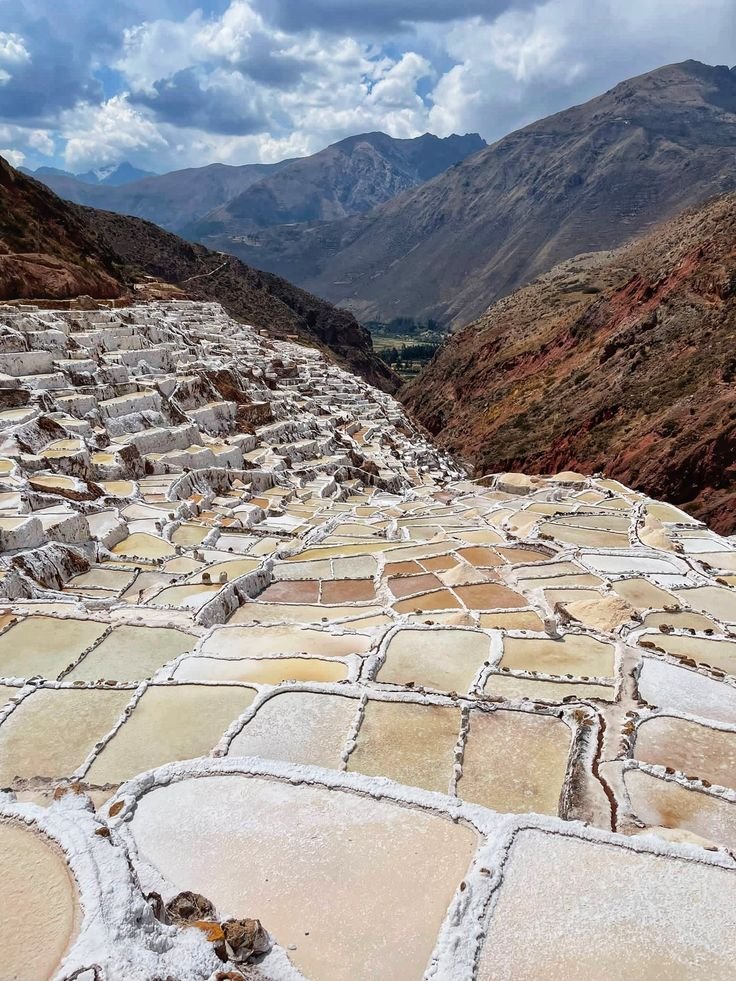
Image Credit: Pinterest
Although the Sacred Valley feels timeless, it pulses with living traditions visible in highland villages and ancient ruins nestled among terraced hills.
You’ll savor traditional cuisine, observe artisan crafts and textile techniques, participate in community festivals and ancestral rituals, learn indigenous languages and local legends, and support eco-tourism initiatives.
Heritage tours emphasize cultural preservation while empowering local communities.
Pisac: Market Culture and Hilltop Ruins
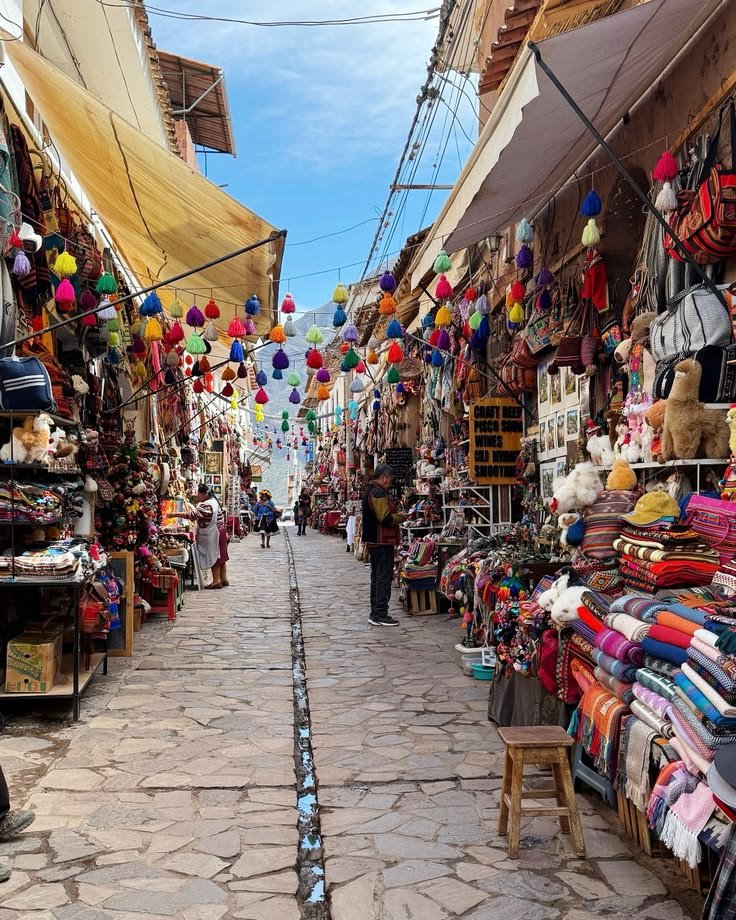
Image Credit: Pinterest
Curious what makes Pisac so magnetic? You wander colorful stalls where artisan crafts burst with texture, taste local cuisine, and witness traditional festivals that animate community life.
Hike toward agricultural terraces and hilltop ruins to feel the historical significance and spiritual heritage of the area.
Support sustainable tourism by engaging respectfully, buying local, and learning from residents.
Ollantaytambo: Inca Town Layout and Stone Terraces
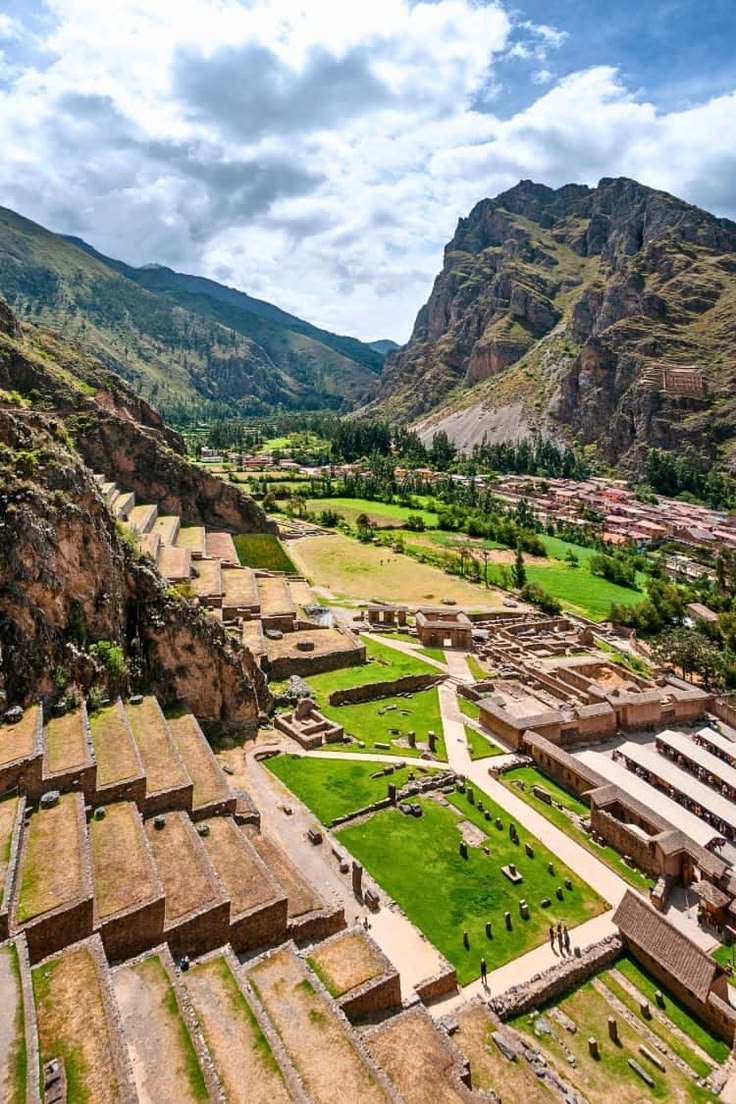
Image Credit: Pinterest
Leave Pisac’s terraces behind and head down the Urubamba Valley to Ollantaytambo, where Inca urban planning meets monumental stonework.
You’ll explore Ollantaytambo’s history through Inca architecture, sacred terraces, and terraced farming that showcase agricultural innovations.
Join local festivals, learn community traditions, and witness active heritage preservation efforts that keep this living Inca town tangible and instructive.
Machu Picchu: Iconic Ruins and Quechua Heritage

Image Credit: Pinterest
When you step through the mist toward Machu Picchu’s stone citadel, you’ll see why it’s the world’s most famous Inca site: dramatic terraces, precisely cut masonry, and a layout that blends spiritual, agricultural, and astronomical functions.
You’ll explore Machu Picchu’s history, feel the rich Quechua traditions and indigenous spirituality, learn about its archaeological significance and Inca mythology, enjoy hiking experiences, and consider the impact of tourism on cultural preservation.
Choquequirao: Remote Inca Sanctuary and Trekking Communities
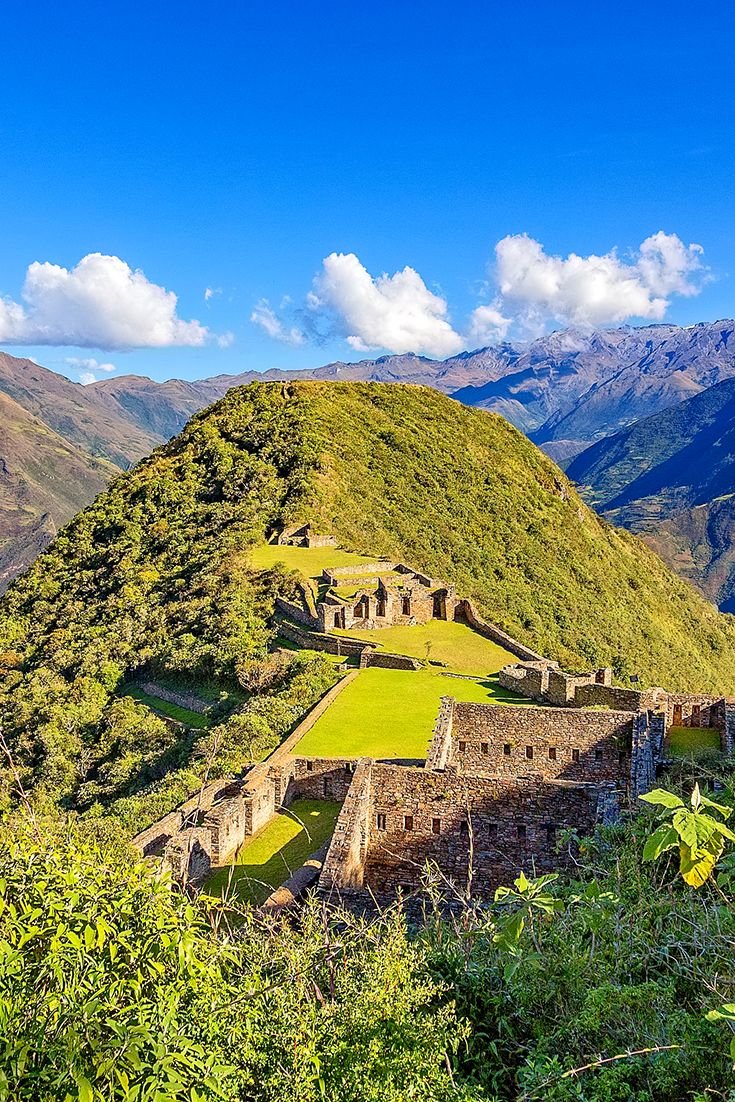
Image Credit: Pinterest
If Machu Picchu taught you about the grandeur of Inca urban planning, Choquequirao will reveal the quieter, wilder side of that same civilization.
You’ll pursue Inca treasures through remote exploration on rugged trekking trails, meet artisan communities, hear ancient legends, witness sacred rituals, and embrace spiritual journeys.
Expect deep nature encounters, strong cultural connections, and active heritage preservation efforts in this solitary sanctuary.
Vilcabamba: Inca Resistance History and Rural Culture

Image Credit: Pinterest
Though tucked into cloud-forested valleys and often overlooked by mainstream routes, Vilcabamba invites you into the story of Inca resistance and enduring rural life.
Here, hidden ruins, mountain refuges, and living traditions map a century-long struggle against conquest. You’ll explore Inca heritage and historical sites, meet farmers preserving agricultural techniques, enjoy local cuisine, watch traditional festivals, learn spiritual practices, and buy artisan crafts supporting rural livelihoods.
Huaraz and Cordillera Blanca: Mountain Towns and Andean Campesino Life
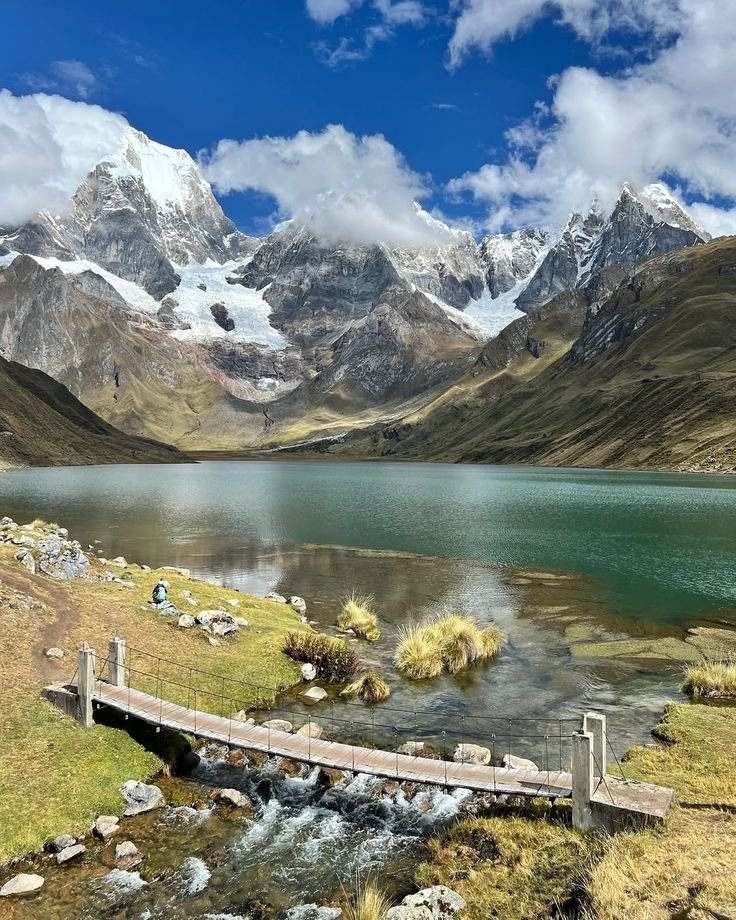
Image Credit: Pinterest
Because the Cordillera Blanca rises like a jagged spine above Huaraz, you’ll wake to sharp mountain light, glacial views, and a town that serves as both a basecamp and a vibrant community for Andean campesinos.
You’ll embark on Huaraz hikes along varied routes, savor local cuisine, learn traditional crafts, practice mountain photography, join in Andean festivals, engage in cultural exchange, explore eco-tourism opportunities, support community initiatives, and immerse yourself in indigenous storytelling.
Huaylas Valley: Highland Festivals and Traditional Agriculture
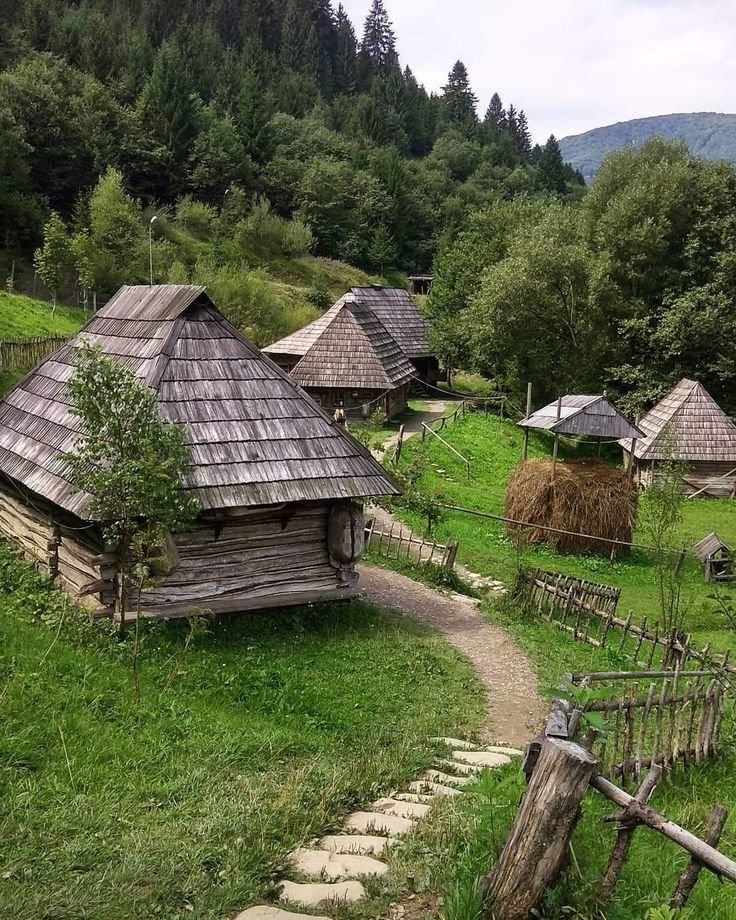
Image Credit: Pinterest
When you travel into the Huaylas Valley, you’ll discover vibrant festivals that weave together Andean rituals, music, and highland agriculture.
Markets and celebrations highlight the cycles of planting and harvest, while farmers continue to cultivate terraces using time-honored techniques passed down through generations.
Immerse yourself in festival celebrations showcasing traditional music, community rituals, artisan crafts, local cuisine, and agricultural practices that reflect the region’s rich cultural heritage and Andean spirituality, allowing you to engage deeply with the essence of rural life.
Ica and Huacachina: Wine Routes, Pisco Culture, and Desert Oases
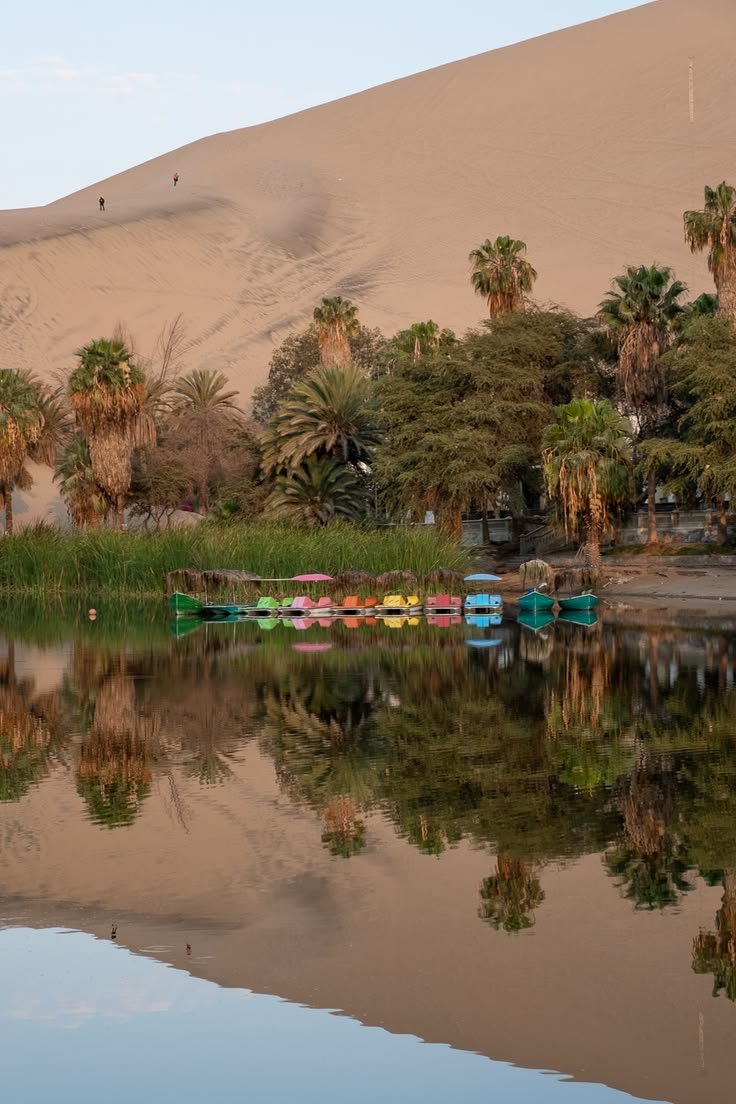
Image Credit: Pinterest
If you’re craving sun-drenched vineyards, pisco tastings, and surreal desert landscapes, Ica and the nearby oasis of Huacachina deliver all three in a compact, accessible region.
You’ll explore Ica wineries on guided cultural tours, enjoy pisco tasting sessions, join lively wine festivals, and set off for desert adventures like dune buggies and sandboarding around the Huacachina oasis.
Paracas Pisco Tours: Local Distilleries and Tasting Experiences
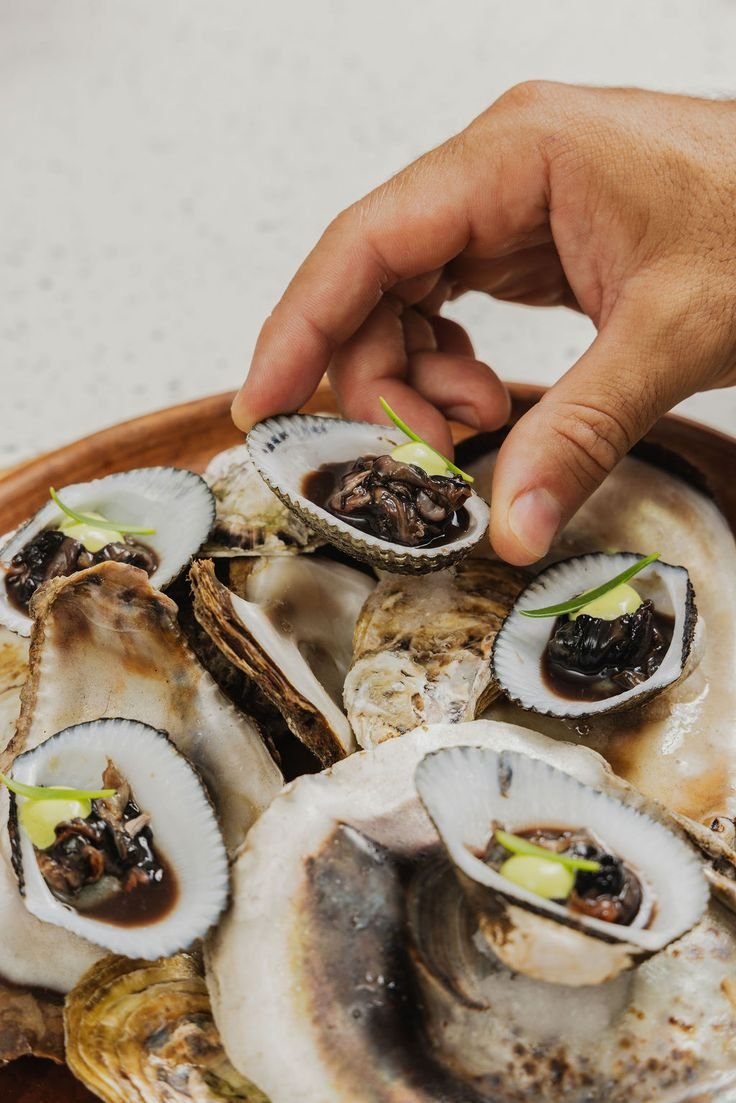
Image Credit: Pinterest
Nestled along the Pacific coast, Paracas offers intimate pisco tours that take you behind the scenes of traditional distilleries and modern bodegas, where you’ll sample regional varietals and learn the craft from master distillers.
You’ll join distillery tours, vineyard visits, and tasting events showcasing craft pisco, artisan spirits, regional flavors, local pairings, mixology workshops, and Pisco production rooted in cultural heritage.
Trujillo: Moche and Chimú Archaeological Culture
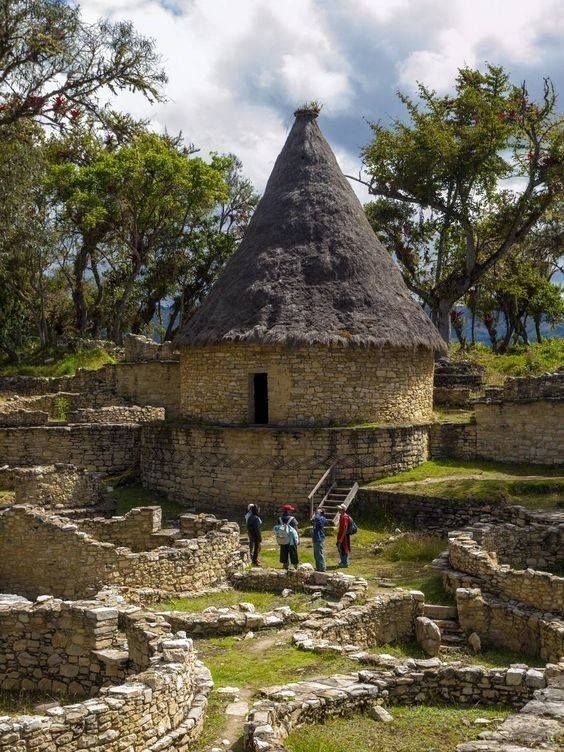
Image Credit: Pinterest
History meets desert coast in Trujillo, where the Moche and Chimú left monumental adobe pyramids, intricate metalwork, and vivid ceramics that tell stories of ritual, irrigation, and coastal trade.
You’ll explore Moche pottery and Chimú textiles on archaeological tours, learn about ancient rituals, and witness archaeological preservation efforts.
Experience cultural heritage amid desert landscapes, appreciating Trujillo’s historical significance firsthand.
Chan Chan: Massive Adobe City and Coastal Traditions
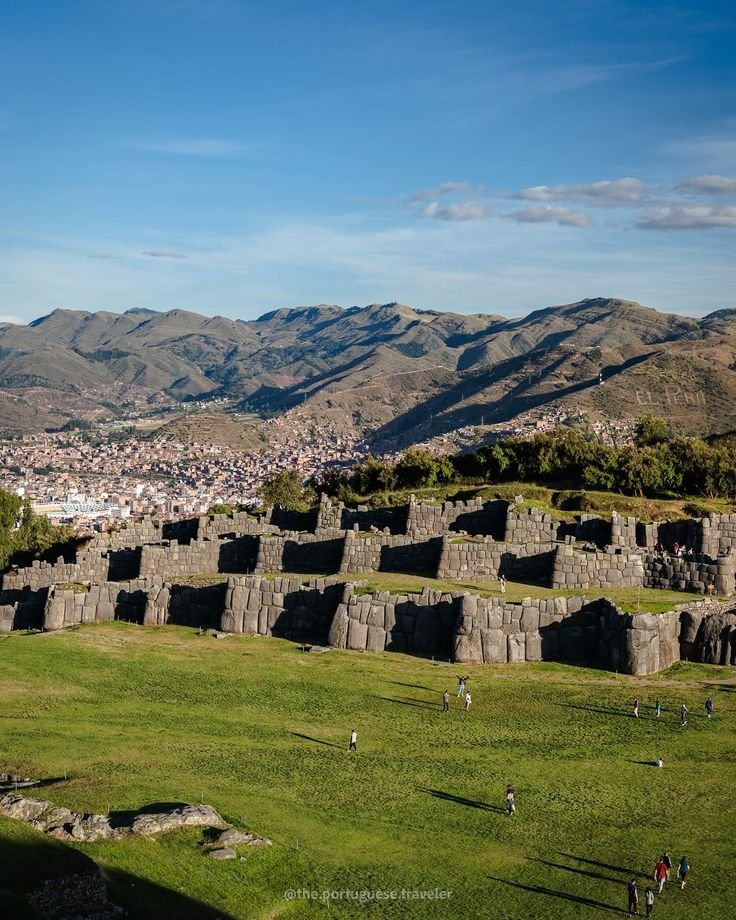
Image Credit: Pinterest
While you walk among its crumbling walls, Chan Chan reveals the scale of the Chimú state: sprawling adobe compounds, elaborate reliefs of sea life and procession scenes, and an urban layout built around elite courts and storage galleries.
You’ll study Chan Chan architecture up close, imagine coastal rituals, and sense enduring Coastal traditions in murals, water channels, and ceremonial spaces that link landscape, craft, and power.
Chiclayo: Sipán Treasures and Northern Museum Highlights
Image Credit: Pinterest
When you step into Chiclayo, you’ll find a city that pulses with archaeological riches—from the glittering regalia of the Lord of Sipán to compact museums that lay out Northern Peru’s layered past with clarity.
You’ll examine Sipán artifacts, grasp archaeological significance, and meet artisans whose local craftsmanship revives motifs from pre-Columbian cultural heritage, making every exhibit and market visit feel vividly connected.
Kuelap Fortress: Chachapoya Cloud-Forest Culture and Architecture
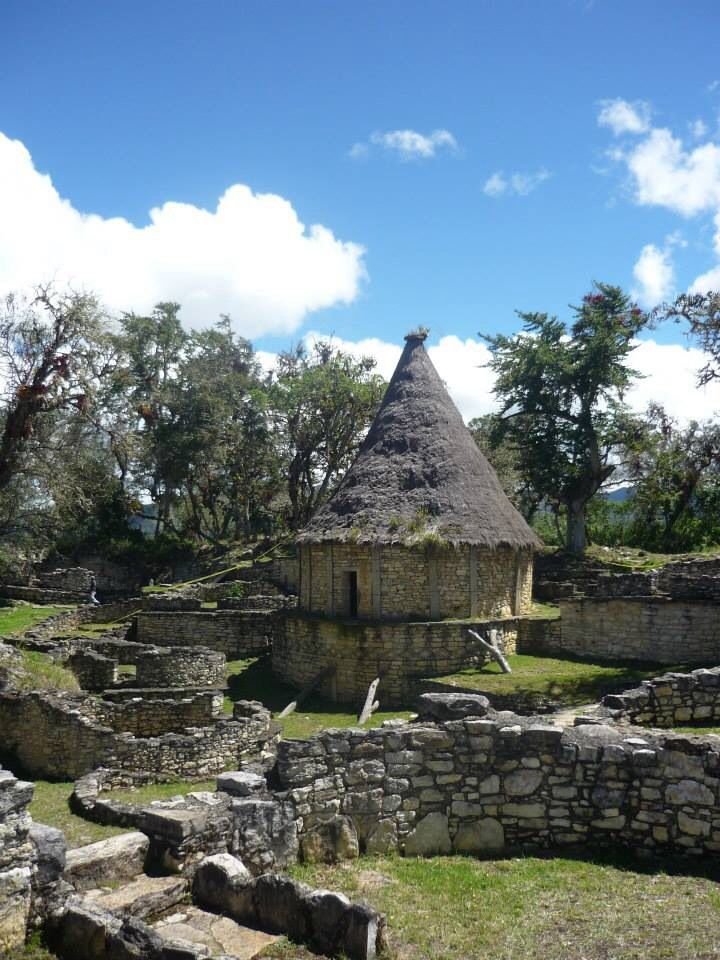
Image Credit: Pinterest
Perched on a cloud-wreathed ridge above the Utcubamba Valley, Kuelap greets you with towering stone walls and circular adobe houses that reveal the ingenuity of the Chachapoya people.
You explore Kuelap architecture, climb narrow gateways, and sense living history in carved friezes. Local guides share Chachapoya legends, leaving you in awe of this cloud-forest stronghold that beautifully blends ritual, defense, and craft.
Leymebamba Museum: Mummies, Textiles, and Amazonas Heritage
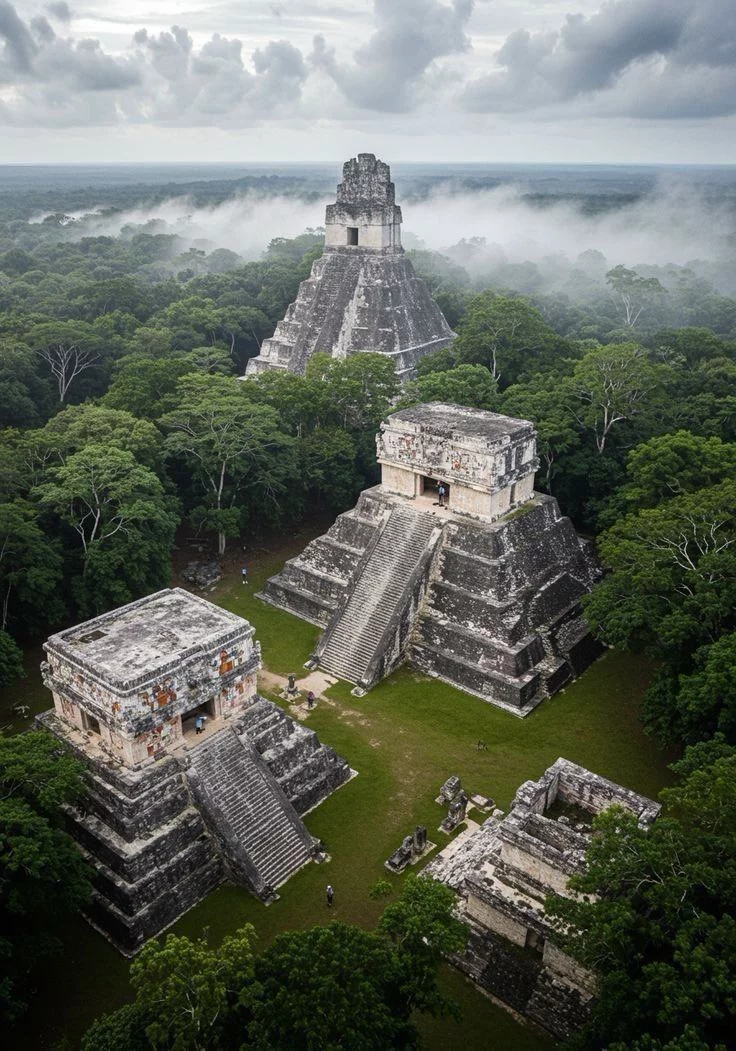
Image Credit: Pinterest
Tucked into a peaceful Andean valley, the Leymebamba Museum showcases over 200 well-preserved mummies, thousands of textiles, and artifacts that highlight the deep cultural continuity of the Amazonas region.
As you wander through its cool rooms, thoughtful displays and clear labels facilitate a connection between each object and the funerary practices, weaving traditions, and landscapes that shaped them.
You’ll delve into Leymebamba’s history, mummy artifacts, textile preservation, Amazonas culture, Andean heritage, local traditions, museum exhibitions, and archaeological significance.
Tarapoto: Amazonian Market Towns and Indigenous Crafts
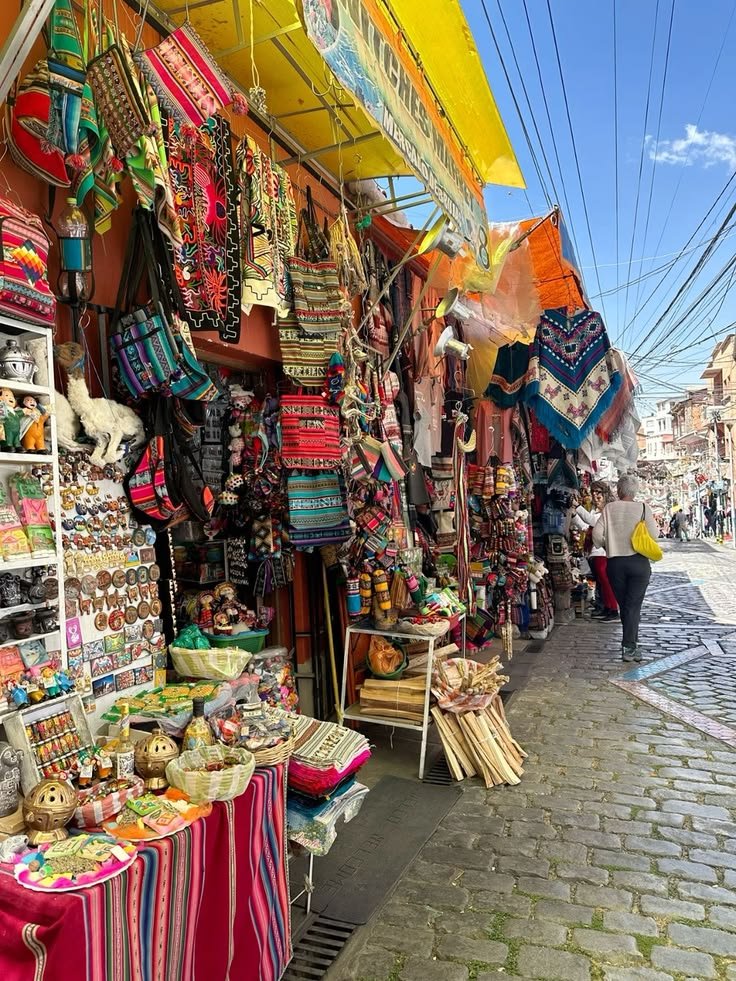
Image Credit: Pinterest
Visit Tarapoto and you’ll find a bustling gateway to the northern Amazon, where market stalls brim with fresh tropical fruit, smoked fish, and handcrafted goods made by nearby indigenous communities.
You’ll meet indigenous artisans in artisan workshops, learn market traditions, attend community gatherings and heritage festivals, enjoy local storytelling, support eco-friendly crafts and traditional textiles, and witness craft preservation through vibrant cultural exchanges.
Iquitos: River-Port Culture and Amazonian Communities
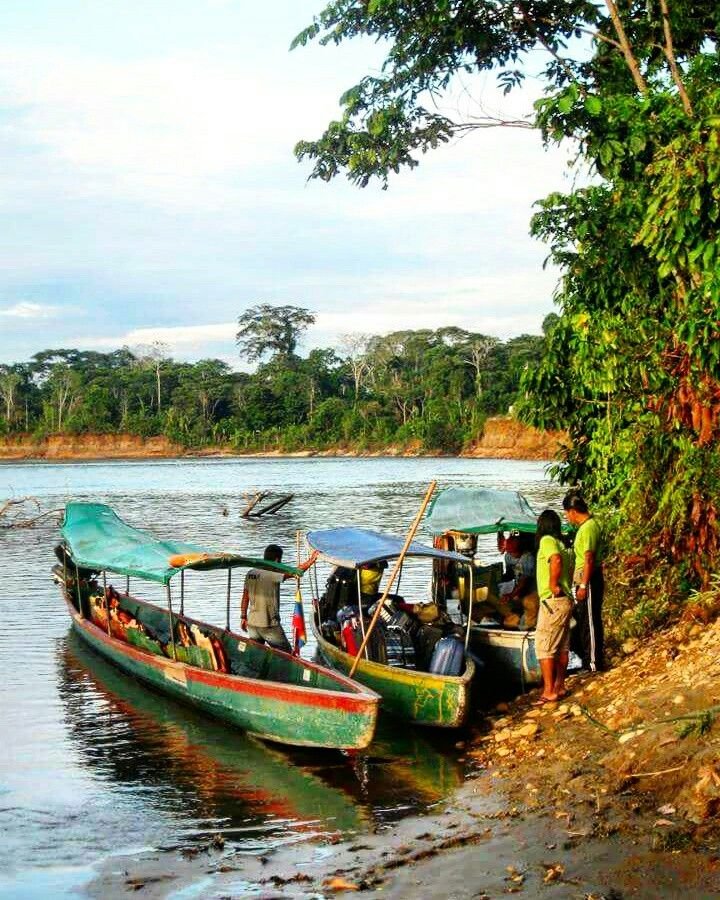
Image Credit: Pinterest
When you step off the boat in Iquitos, you’ll feel the city’s pulse—a vibrant blend of river traffic, jungle scents, and bustling markets that showcase its rich history as a thriving rubber-era port and a contemporary center for Amazonian communities.
You’ll savor the unique flavors of Iquitos cuisine, hear the melodic tones of Indigenous languages, explore traditional crafts, participate in local festivals, navigate the waterways with River transportation, and support eco-tourism initiatives and community-based tourism aimed at preserving Amazonian biodiversity.
Manu National Park: Indigenous Communities and Cultural Ecotourism
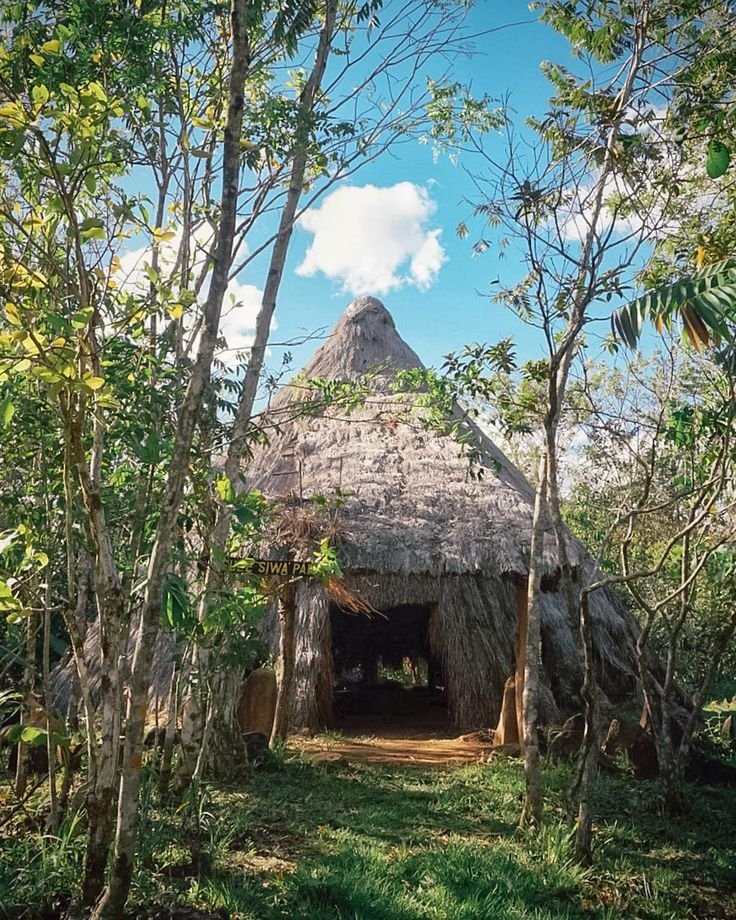
Image Credit: Pinterest
If you want to feel the Amazon’s deep pulse, Manu National Park brings you into a living landscape where Indigenous communities guard ancestral knowledge and guide culturally rich ecotourism experiences.
You’ll explore Manu’s biodiversity, witness Indigenous traditions and their revival, and learn sustainable practices.
Community engagement mitigates the impact of ecotourism while aiding cultural preservation and wildlife conservation, ensuring that your visit supports respectful, locally led stewardship.
Yurimaguas: River Routes and Regional Folklore
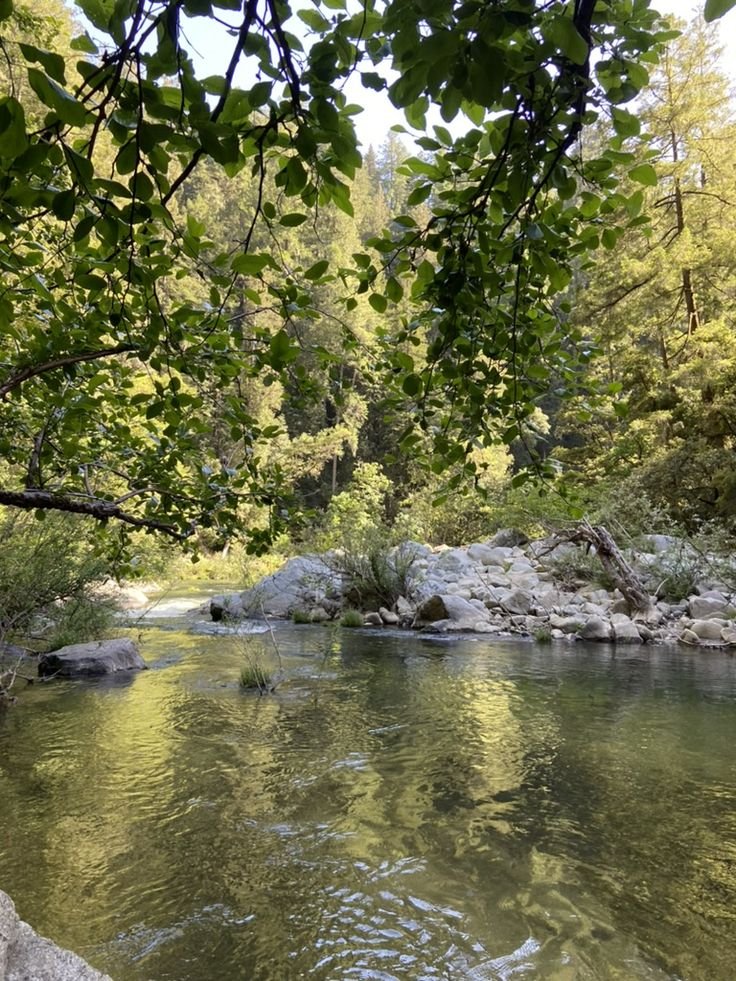
Image Credit: Pinterest
Nestled where the Huallaga and Paranapura rivers braid into a watery highway, Yurimaguas invites you to travel by boat through lush floodplain forests, bustling river ports, and villages where folklore and river life are inseparable.
You’ll learn Yurimaguas folklore and Amazonian traditions through river navigation trips, Indigenous storytelling, local legends, cultural festivals, traditional music, artisan crafts, community rituals, and nature conservation efforts.
Cajamarca: Colonial Plazas and Andean Ritual Traditions
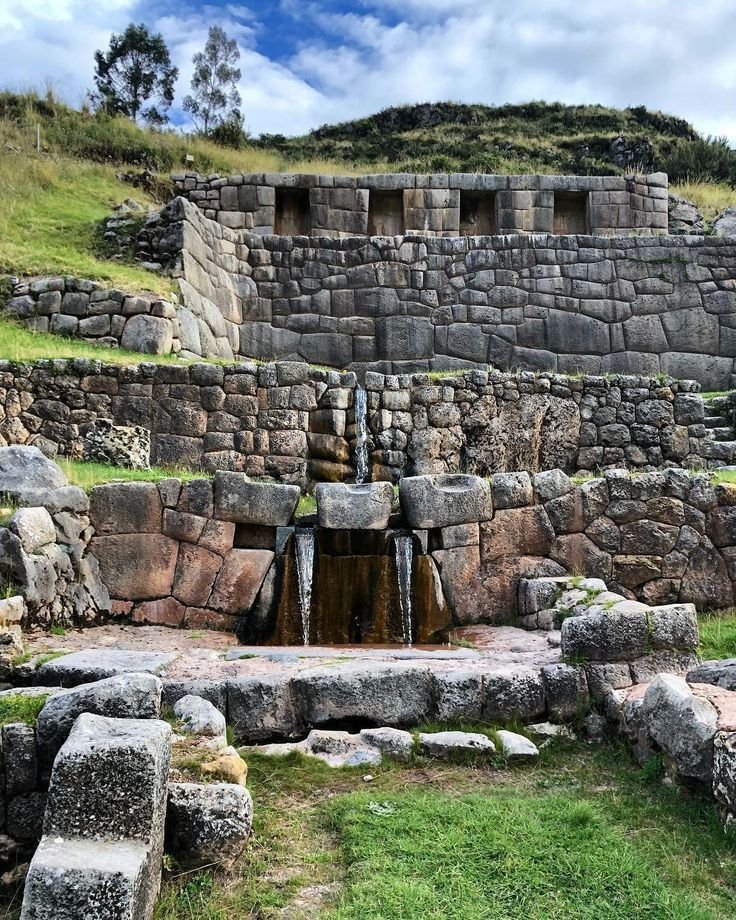
Image Credit: Pinterest
After river stories and Amazonian rhythms, head high into the northern Andes to Cajamarca, where colonial plazas sit beneath snow-capped peaks and Andean ritual traditions still shape daily life.
You’ll explore historical architecture, taste vibrant Cajamarca cuisine, join traditional festivals alive with music and dance, and buy intricate local crafts from artisans—each moment revealing deep community roots and enduring cultural pride.
Chachapoyas Town: Waterfalls, Sarcophagi, and Local Guides
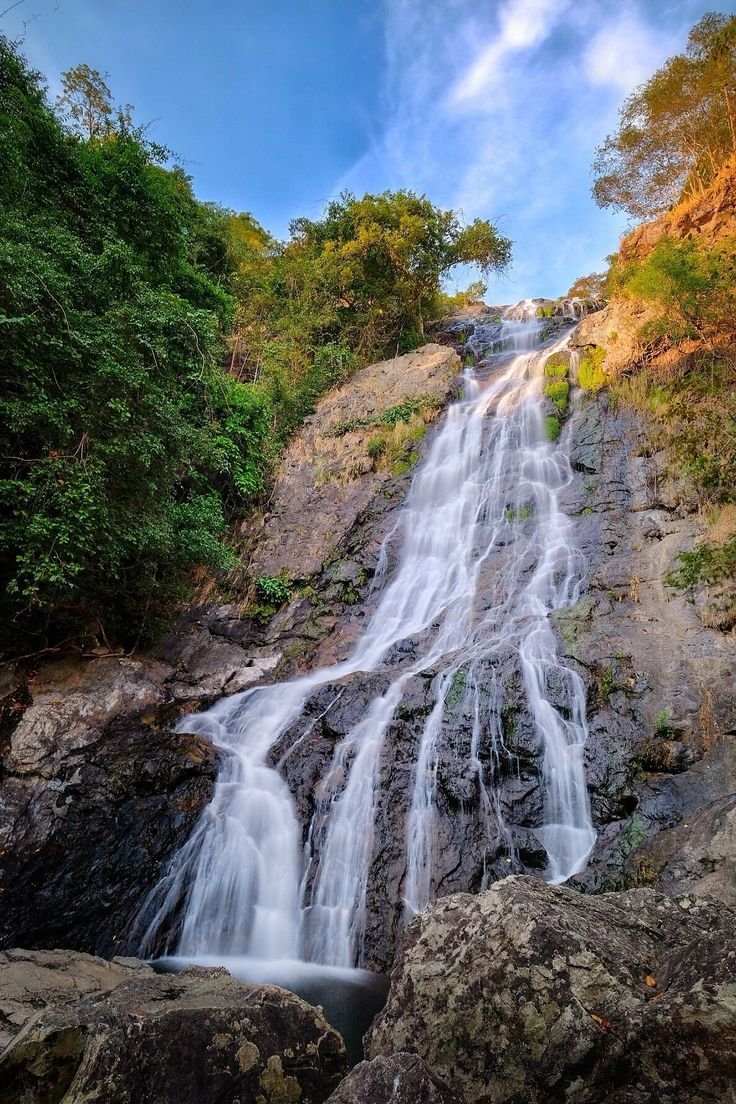
Image Credit: Pinterest
When you arrive in Chachapoyas, you’ll find a compact town that serves as an ideal base for exploring towering waterfalls, mysterious cliffside sarcophagi, and knowledgeable local guides who bring the cloud forest’s history to life.
You can join Chachapoyas hiking and guided tours to ancient ruins, hear local legends at cultural festivals, savor traditional cuisine, support eco-tourism, and purchase indigenous crafts.
Nazca Culture Crafting Towns: Pottery and Weaving Traditions
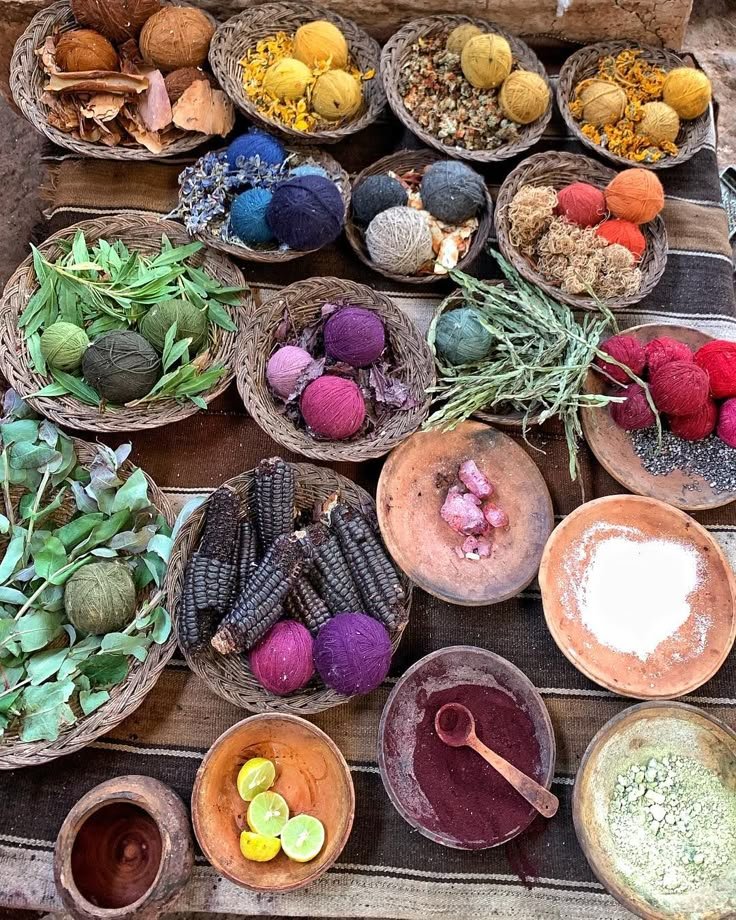
Image Credit: Pinterest
In the arid plains around Nazca, small crafting towns keep ancient pottery and weaving techniques alive. Here, artisans shape clay and dye fibers using methods passed down through generations.
You can immerse yourself in Nazca pottery motifs and weaving patterns, explore artisan techniques and historical influences, and participate in tours that showcase traditional crafts, community collaboration, and ongoing craft preservation.
Tacna and Southern Border Culture: Patriotism and Local Gastronomy
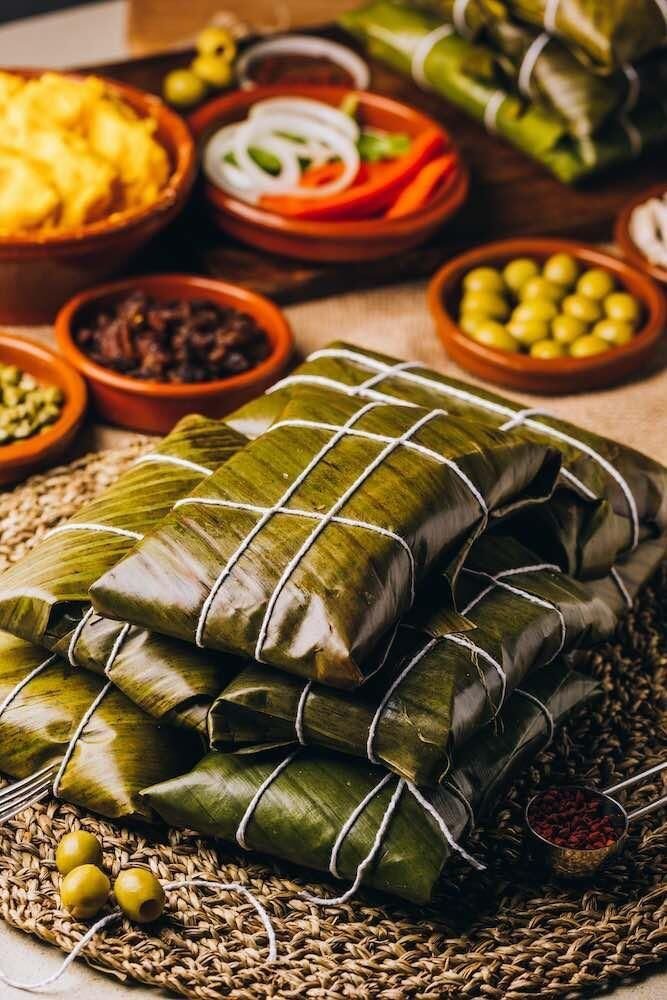
Image Credit: Pinterest
Though often overshadowed by Peru’s more famous destinations, Tacna greets you with fierce local pride and a food scene shaped by its borderland history.
You’ll join patriotic festivals, explore local markets and historical landmarks, attend gastronomy workshops and culinary tours, and witness traditional dances.
Cultural exchanges highlight border traditions, artisan crafts, and community celebrations that make Tacna’s southern identity vivid and tasty.
Lobos De Afuera and Ballestas Fishermen Villages: Coastal Fishing Life
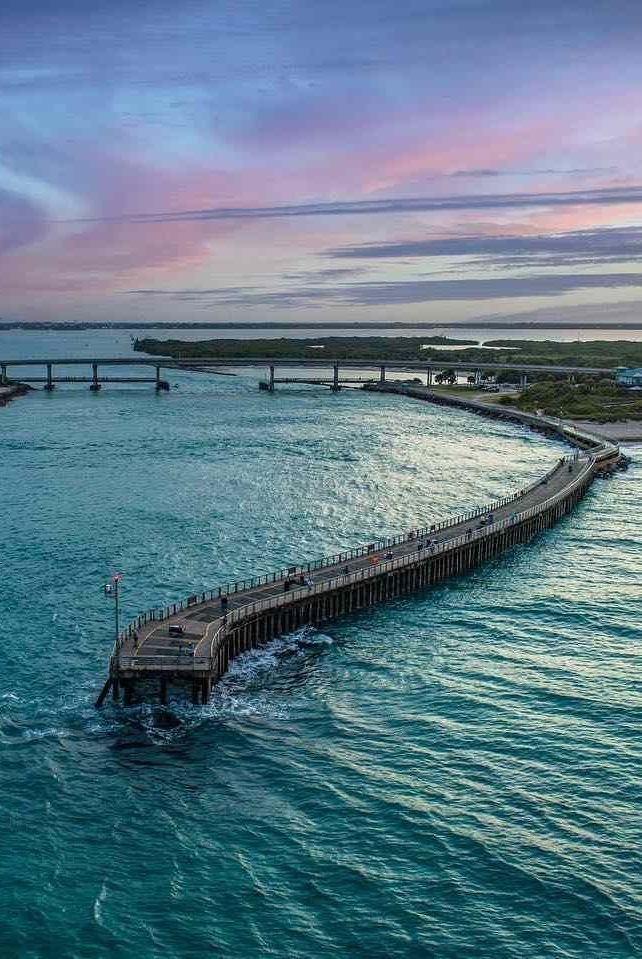
Image Credit: Pinterest
As you approach the arid coast, Lobos de Afuera and the Ballestas fishermen villages reveal a rugged rhythm of daily life where boats, nets, and sea birds choreograph the morning.
You’ll watch lobos de afuera fishing from skiffs, meet hardy families preserving Ballestas village culture, sample fresh ceviche straight off the boat, and learn how tides and seasons shape livelihoods along this windswept Peruvian shore.
Paracas and Chincha Afro-Peruvian Communities: Music and Dance
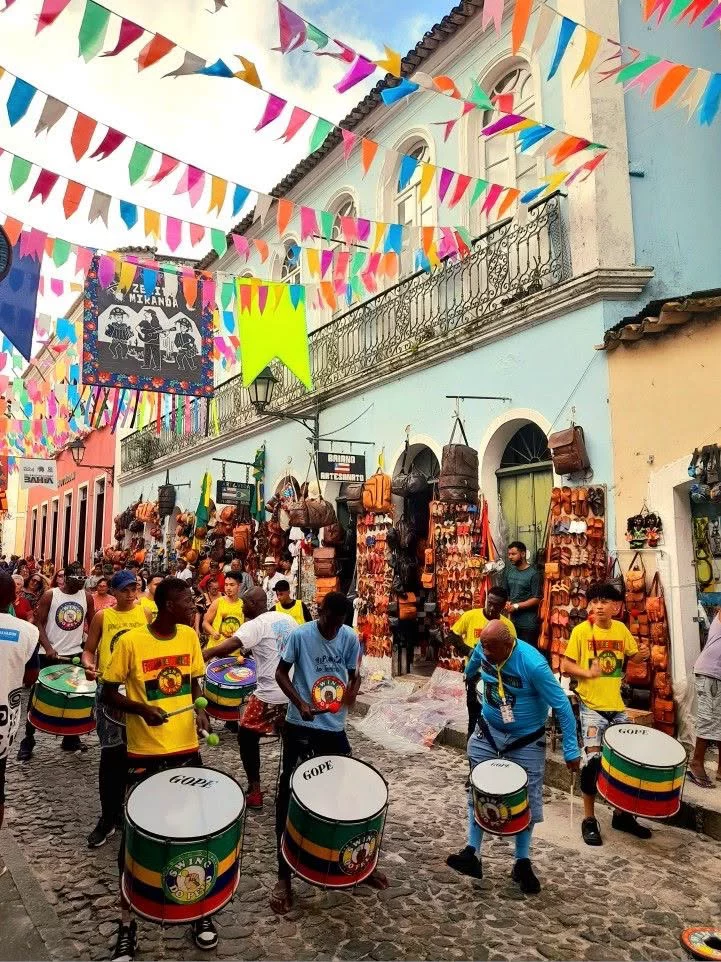
Image Credit: Pinterest
Moving inland from the Ballestas’ salty mornings, you’ll find Paracas and Chincha pulsing with Afro-Peruvian music and dance that grew from coastal labor and community gatherings.
You’ll explore Afro-Peruvian heritage through traditional music, dance festivals, rhythm workshops, and community engagement.
Local instruments, folklore stories, and artistic expression reveal historical significance, while cultural preservation efforts invite you to join and learn.
Inti Raymi and Cusco Festivals: Living Inca Ceremonies You Can Watch
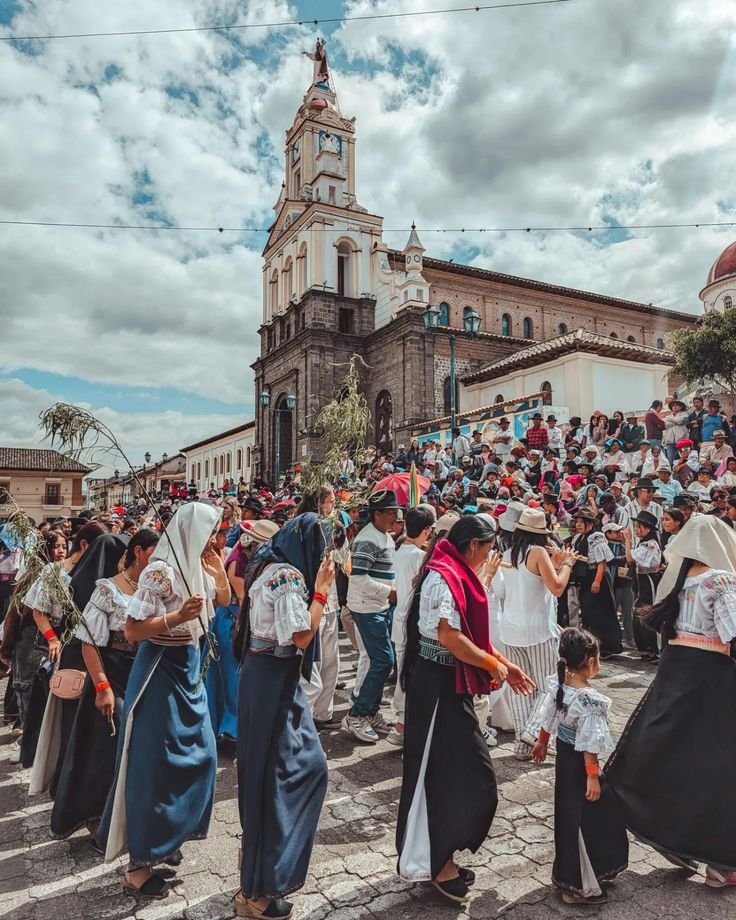
Image Credit: Pinterest
When you visit Cusco in June, the city erupts with Inti Raymi and other living Inca ceremonies that blend pageantry, ritual, and history into a single unforgettable experience.
You’ll witness the significance of Inti Raymi in staged reenactments at Sacsayhuamán, colorful costumes, and processionals.
Cusco festival traditions invite you to feel ancestral pride, hear Andean music, and join in the respectful spectatorship of vibrant, communal rites.
Qoyllur Rit’i and Mountain Pilgrimages: Syncretic Religious Traditions
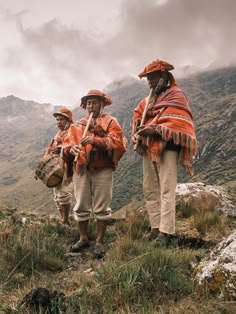
Image Credit: Pinterest
High in the Cusco region, Qoyllur Rit’i draws tens of thousands of pilgrims who trek for days to honor a blend of Andean and Catholic beliefs.
You’ll join Pilgrimage Traditions featuring Mountain Rituals, festival dances, and offerings rooted in Andean Spirituality.
Witness Syncretic Beliefs and Religious Syncretism through vivid Festival Practices that showcase the Cultural Significance of sacred peaks and community devotion.
Local Textile Markets and Weaving Centers Across Peru: Where to Learn and Buy
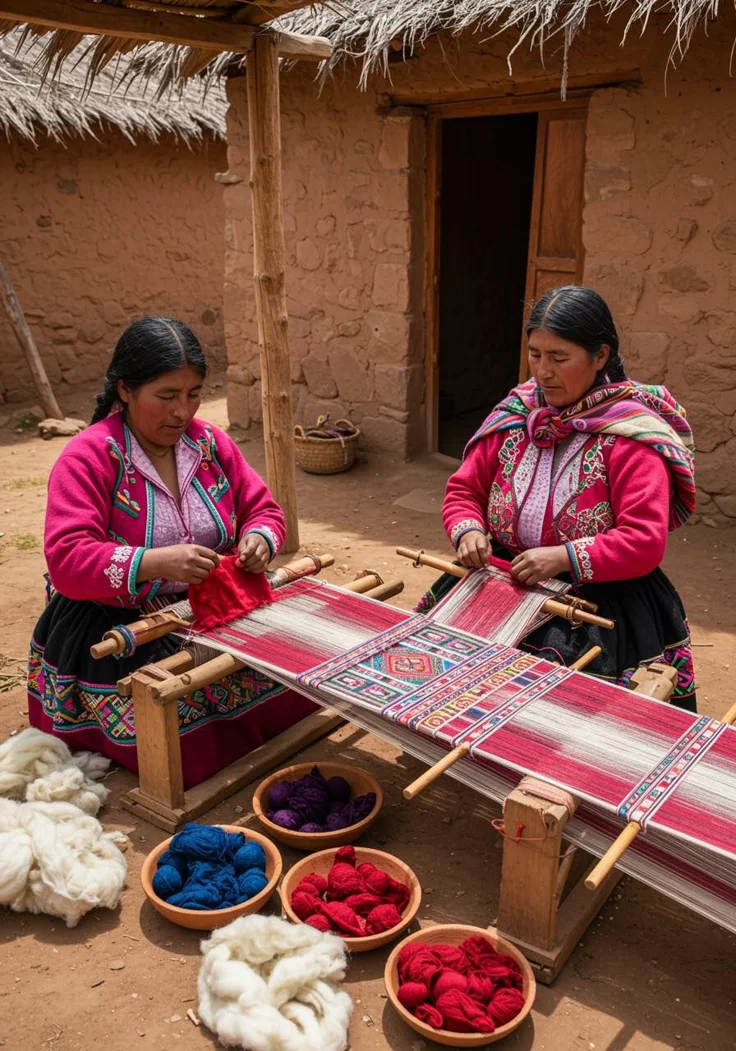
Image Credit: Pinterest
After watching devotees weave offerings for the mountains at Qoyllur Rit’i, you can follow that same thread into Peru’s vibrant textile markets and weaving centers, where ancestral techniques thrive in everyday life.
You’ll learn textile techniques in artisan workshops, meet local artisans, explore indigenous designs at craft fairs, witness weaving traditions, and engage with community involvement and sustainable practices for meaningful market experiences.
Conclusion
You’ve only scratched Peru’s surface, but those destinations already show how alive its culture is. From Lima’s colonial streets and Barranco’s murals to seaside parades, Afro-Peruvian rhythms, textile markets, Andean festivals and pilgrimage trails, you’ll find history, art and music woven into daily life. Go expecting hands-on encounters—markets to haggle in, weavers to meet, ceremonies to respectfully observe—and you’ll return with memories and stories that stay with you.