40 South Korea Travel Destinations You Need to Explore
Explore 40 unmissable South Korea destinations that’ll take you from Seoul’s palaces, neighborhoods, and night markets to Busan’s beaches and Jagalchi seafood stalls. Hike Seoraksan or Jeju’s volcanic trails, visit Gyeongju’s ancient tombs, and stand at the DMZ for a sobering history lesson. Wander hanok villages in Andong and Jeonju, savor street food at Gwangjang, and island-hop to Namhae or Cheongsando for slow escapes—keep going and you’ll find practical tips and hidden gems to plan your trip.
Seoul: Must‑See Neighborhoods and Landmarks
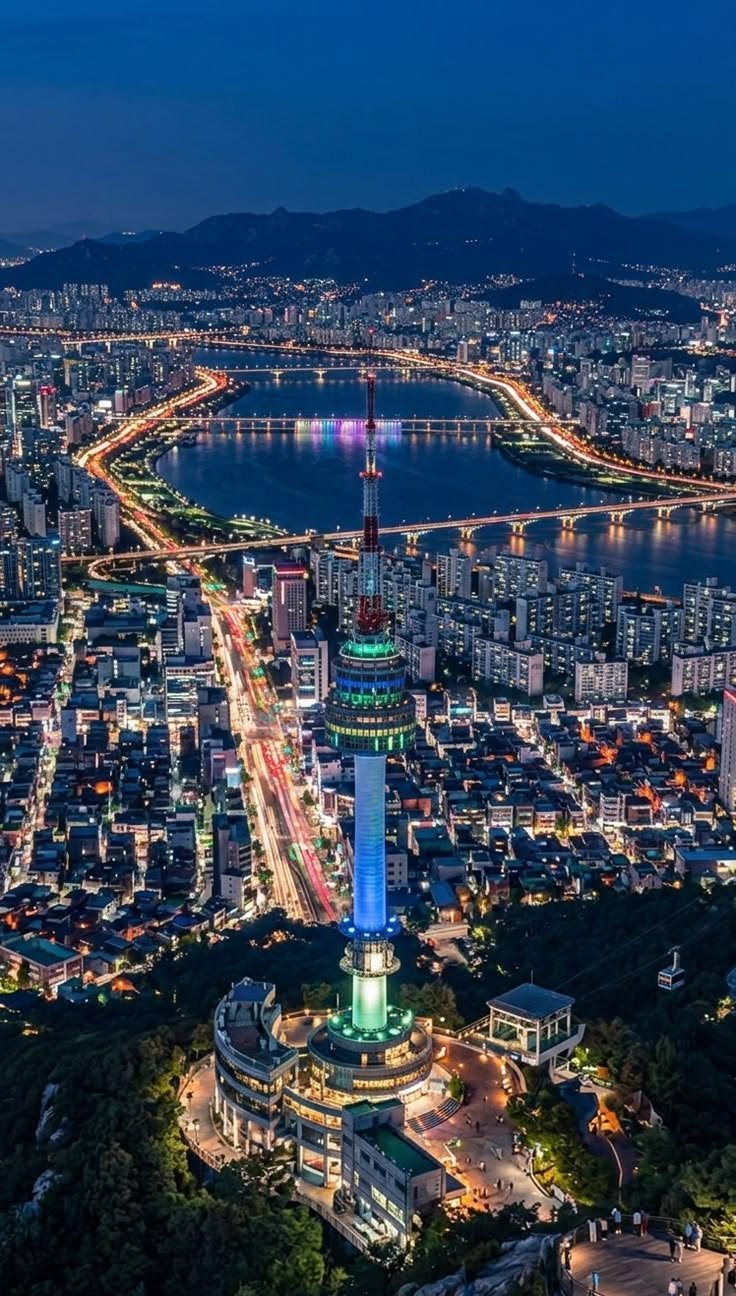
Image Credit: Pinterest
Seoul pulses with contrasts—ancient palaces sit beside neon-lit shopping streets, and leafy hanok alleys meet sleek skyscrapers—so you’ll want to mix history, food, and nightlife when you explore neighborhoods like Jongno, Insadong, Myeongdong, Hongdae, and Gangnam. Wander historic palaces in hanbok, sample Seoul street food and local cuisine at traditional markets, enjoy cultural festivals, browse art galleries, explore shopping districts, experience nightlife hotspots, and admire modern architecture.
Gyeongju: South Korea’s Open‑Air History Museum
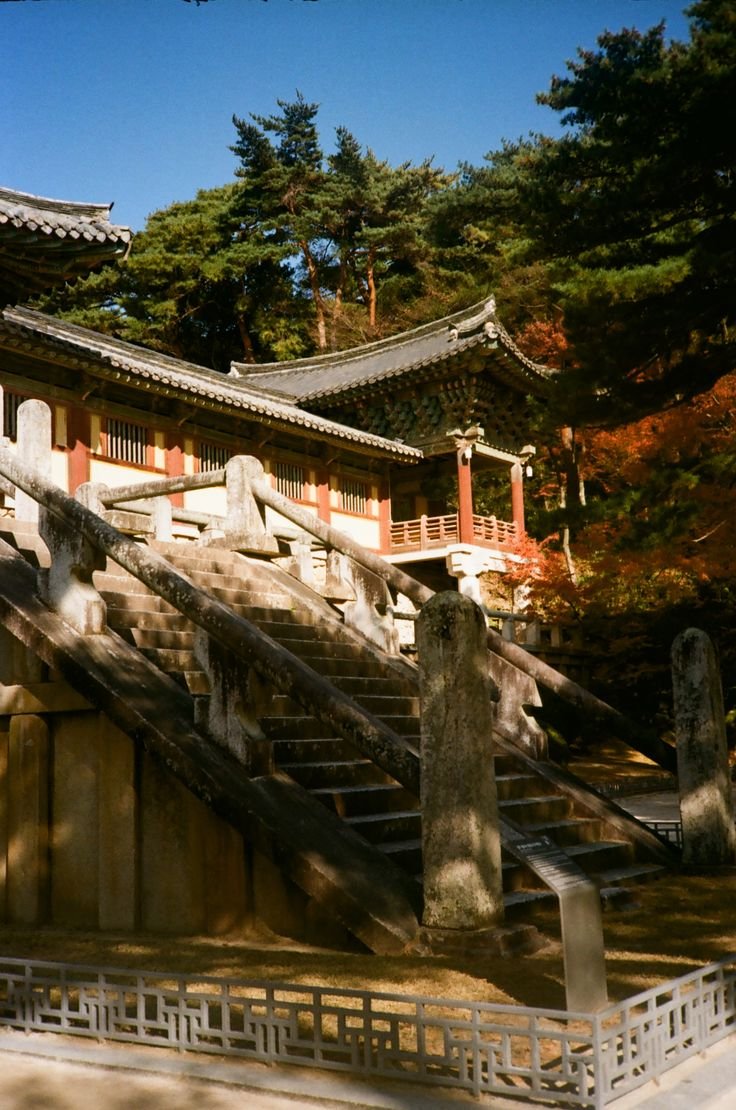
Image Credit: Pinterest
Though much of South Korea feels modern, Gyeongju lets you step directly into the Silla kingdom’s past—its low hills dotted with ancient tombs, stone pagodas, and temple ruins turn the city into a living open-air museum you can wander on foot or by bike.
You’ll explore Gyeongju temples, archaeological sites, and ancient artifacts, stroll through historic parks, visit royal tombs, enjoy UNESCO heritage sites, partake in cultural festivals, appreciate traditional crafts, savor local cuisine, and take in scenic views.
Busan: Beaches, Markets, and Seaside Culture

Image Credit: Pinterest
From Gyeongju’s quiet relics, you can head south to Busan, where the rhythm shifts from ancient stone to surf and seafood.
You’ll explore Busan’s history at temples, savor its cuisine in Jagalchi, catch vibrant festivals and nightlife along Haeundae, admire street art in Gamcheon, snap stunning photographs, utilize efficient transportation, enjoy varied accommodations, and hunt for unique local shopping experiences.
Jeju Island: Volcanic Landscapes and Coastal Drives
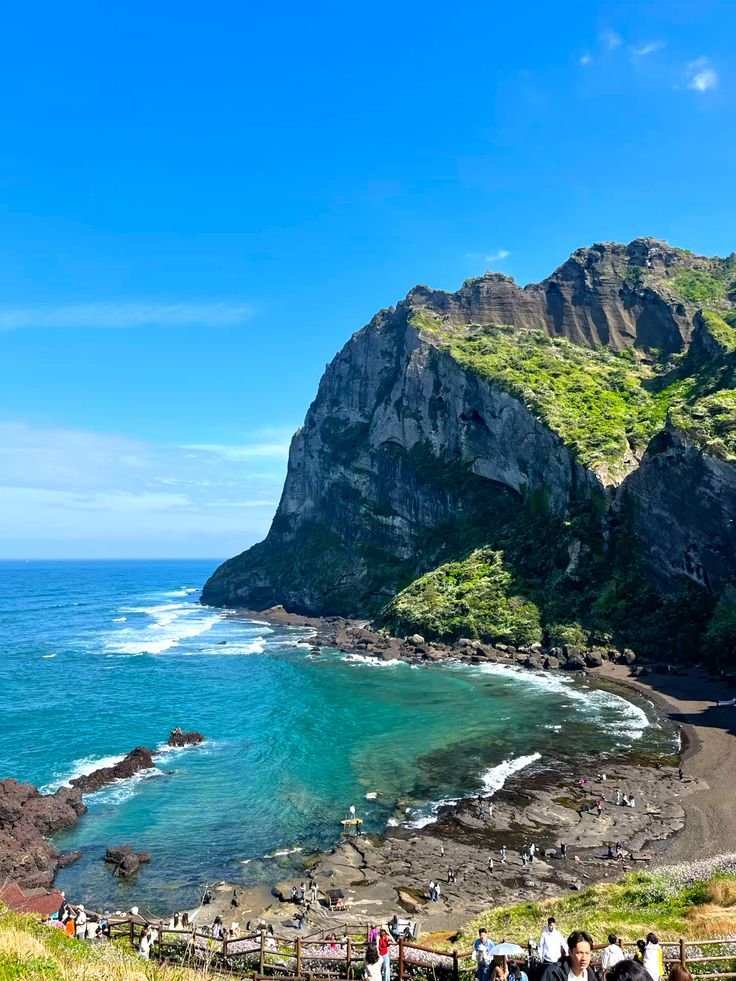
Image Credit: Pinterest
If you crave dramatic coastal drives and otherworldly volcanic scenery, Jeju Island delivers in spades: You’ll tackle Jeju hiking trails, taste volcanic cuisine, capture coastal photography, enjoy island festivals and natural hot springs, take scenic bike rides, explore cultural heritage and marine activities, support eco-friendly tourism, and spot local wildlife while soaking in rugged landscapes and ocean views.
Andong Hahoe Village: Traditional Hanok and Confucian Culture
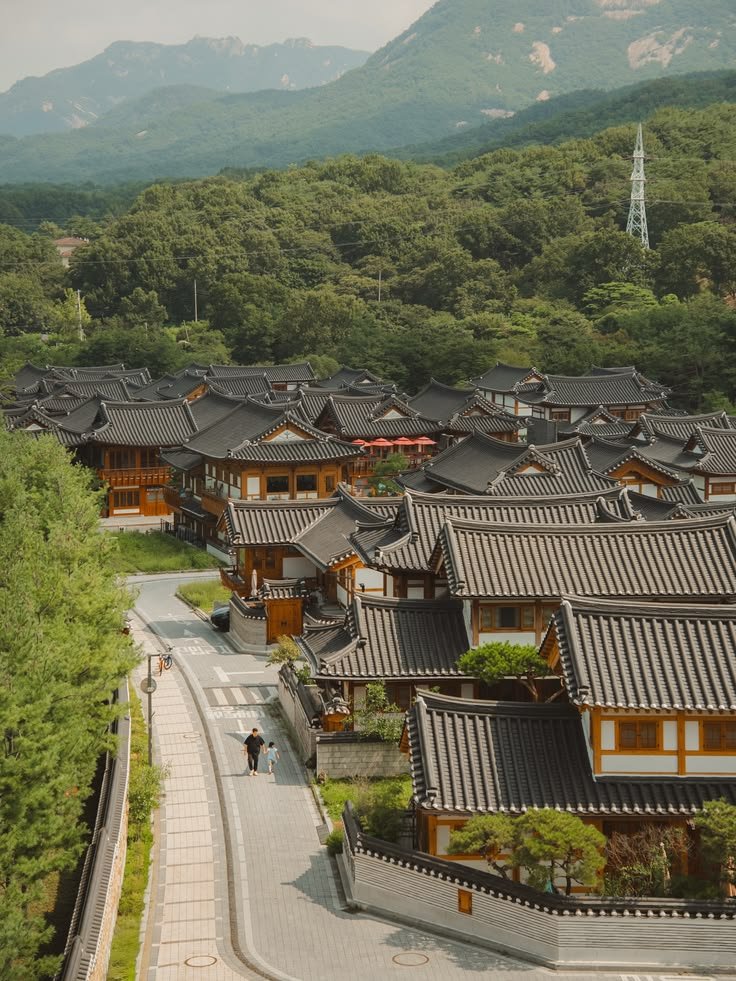
Image Credit: Pinterest
Step back into a living portrait of Korea at Andong Hahoe Village, where well-preserved hanok homes, willow-lined rivers, and centuries-old Confucian traditions invite you to experience rural life as it was for yangban scholars and clans.
You’ll explore traditional architecture, savor local cuisine, witness vibrant cultural festivals and artistic expressions, delve into historical significance, and engage in community traditions centered on heritage preservation and rural lifestyle.
Sokcho and Seoraksan National Park: Hiking and Alpine Scenery
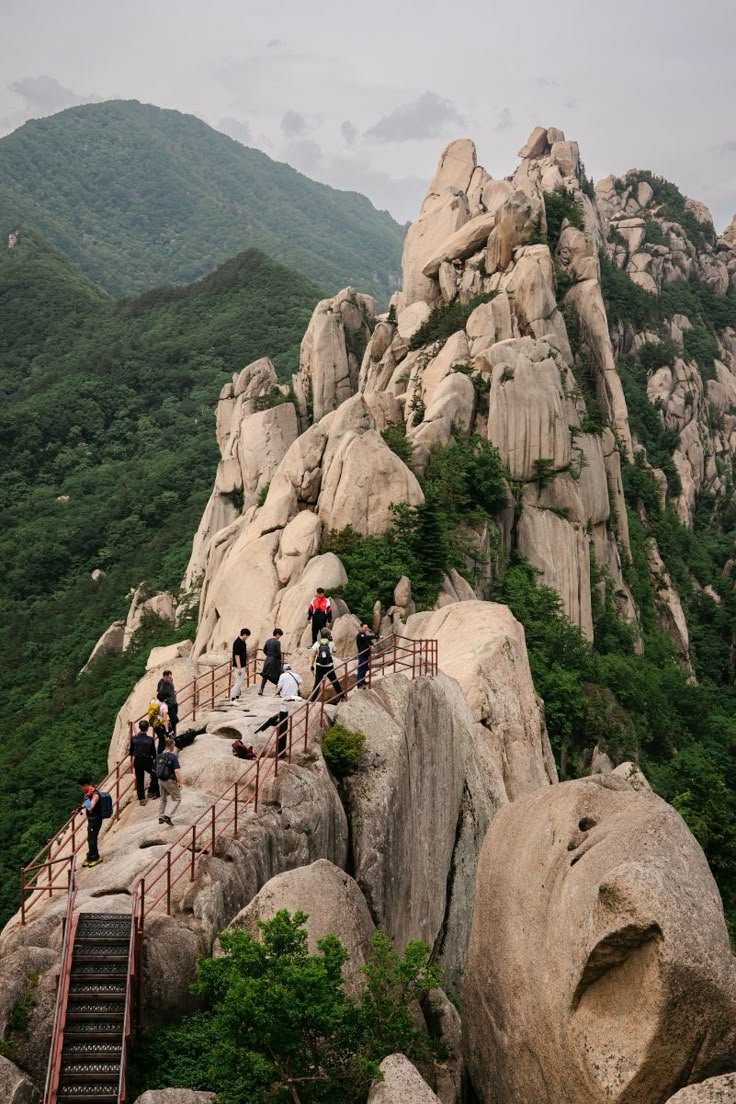
Image Credit: Pinterest
Tucked against Korea’s rugged northeast coast, Sokcho serves as your gateway to Seoraksan National Park, where dramatic granite peaks, misty ridgelines, and cascading waterfalls reward hikers of all levels.
You’ll tackle diverse Seoraksan trails, spot Seoraksan wildlife, and unwind with fresh Sokcho seafood.
Time your visits to catch vibrant Sokcho festivals, then return to mountain views and crisp alpine air.
Jeonju Hanok Village: Food, Crafts, and Historic Streets
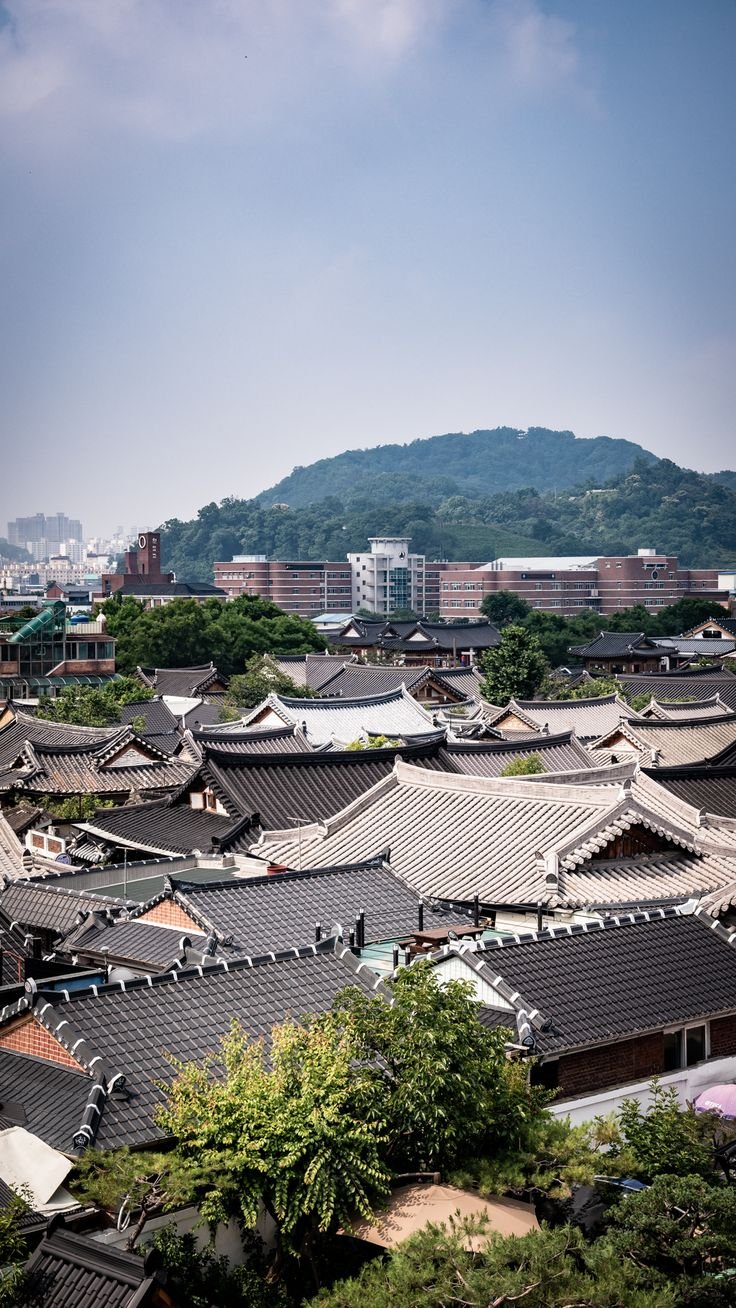
Image Credit: Pinterest
In the heart of Jeonju, Hanok Village invites you to wander narrow lanes lined with traditional wooden houses, savor the famous bibimbap, and watch artisans handcraft paper, fans, and pottery.
You’ll explore Hanok architecture, sample Jeonju cuisine at local markets, and purchase traditional crafts while learning about historic preservation.
Drop by during cultural festivals to experience music, dance, and lively street stalls.
Tullijeongdae and Taejongdae: Dramatic Coastal Cliffs in Busan
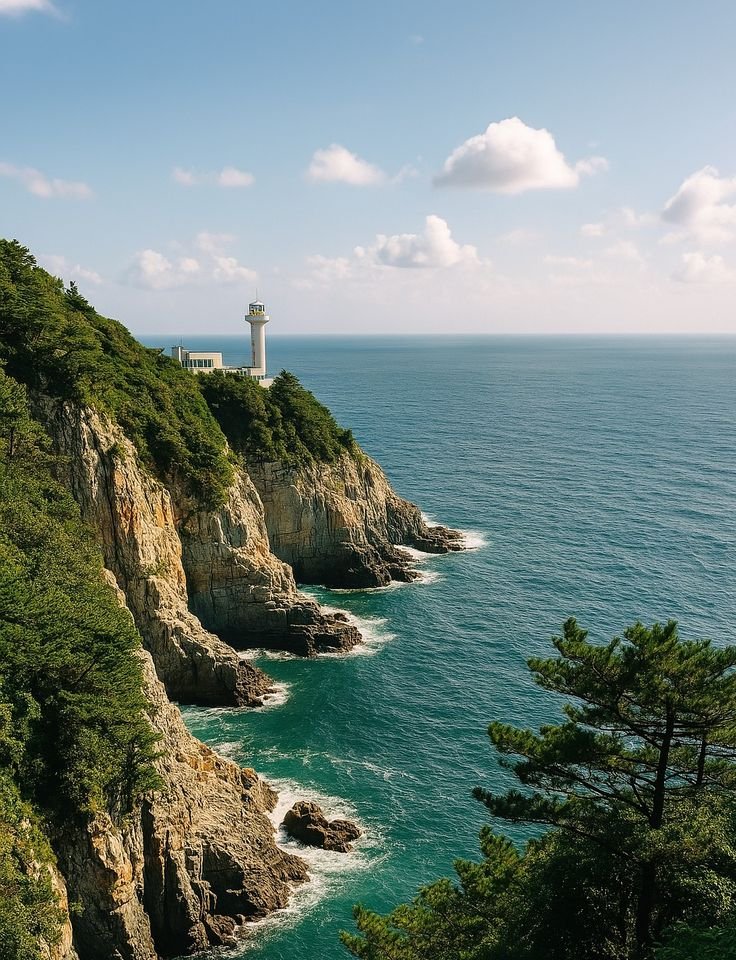
Image Credit: Pinterest
After wandering Jeonju’s cozy hanoks and tasting its rich cuisine, head southeast to Busan for some of Korea’s most dramatic coastal scenery at Tullijeongdae and Taejongdae.
You’ll enjoy stunning views at Tullijeongdae and the iconic Taejongdae lighthouse, explore cliffside trails for coastal hiking, spot marine wildlife, capture scenic photography of the dramatic cliffs, and finish at renowned sunset spots.
Nami Island: Romantic Tree‑Lined Lanes and Day Trips From Seoul
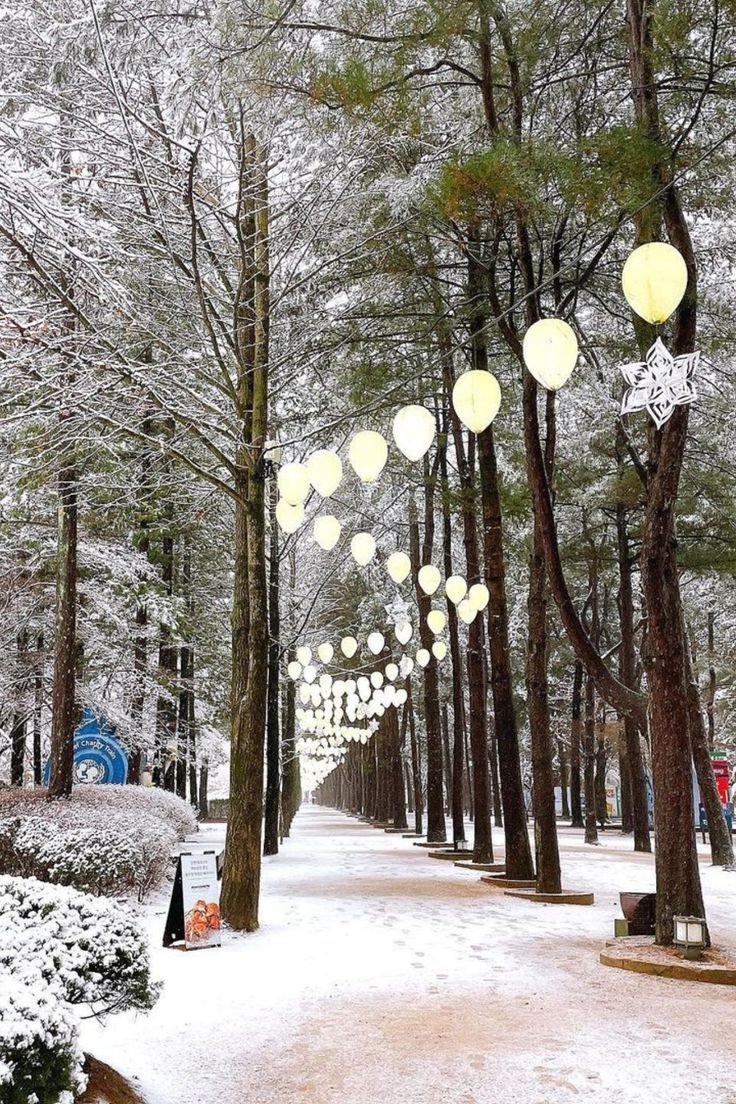
Image Credit: Pinterest
A half-day trip from Seoul, Nami Island charms visitors with perfectly aligned tree-lined lanes, gentle riverside paths, and a mellow vibe that’s made it a favorite for couples and photographers alike.
You can stroll, cycle, or picnic among ginkgo and poplar rows, choosing Nami Island activities that suit you.
It’s ideal for romantic getaways, easy day trips, and relaxed photo opportunities.
Haeundae Beach: Busan’s Iconic Seaside Hotspot

Image Credit: Pinterest
When the sun hits Busan’s coastline, Haeundae Beach pulses with energy—golden sand, sweeping skyline views, and a lively boardwalk invite you to swim, people-watch, and sample street food from vendors along the shore.
You’ll plunge into water sports, enjoy seafood dining, chase coastal photography, stroll scenic walks, explore local markets, join beach festivals, and experience vibrant Haeundae nightlife and cultural events.
Namiseom and Chuncheon: K‑Drama Locations and Riverside Eats
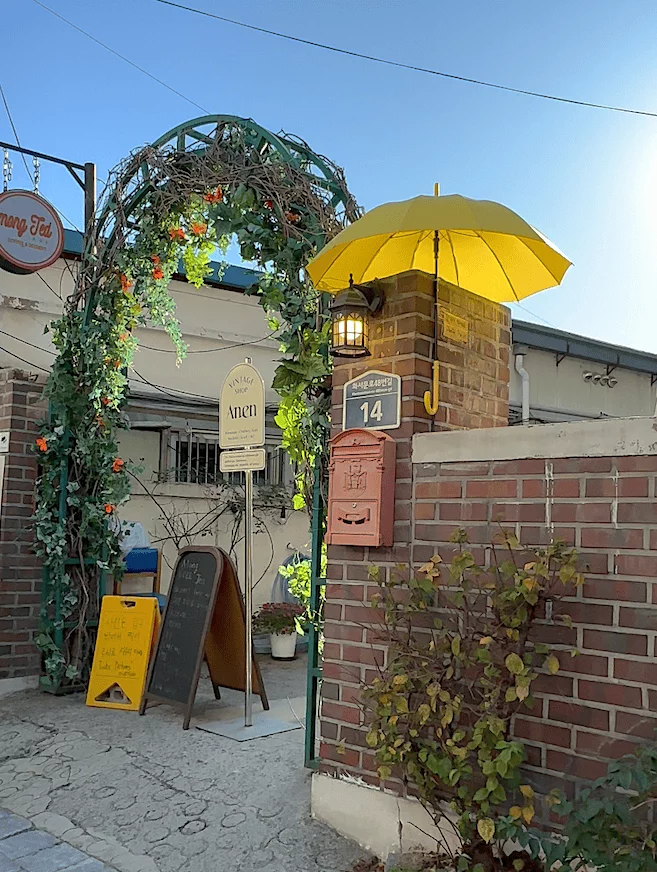
Image Credit: Pinterest
Although just an hour from Seoul, Namiseom and nearby Chuncheon feel like a different world. Here, tree-lined lanes, river views, and iconic K-drama backdrops invite you to wander, take photos, and savor local dishes like dakgalbi and makguksu.
You’ll enjoy Namiseom activities, K-drama filming sites, Chuncheon cuisine, riverside scenery, scenic boat rides, local festivals, romantic getaways, and outdoor adventures.
Boseong and Suncheon Bay: Wetlands, Reed Fields, and Eco Tours
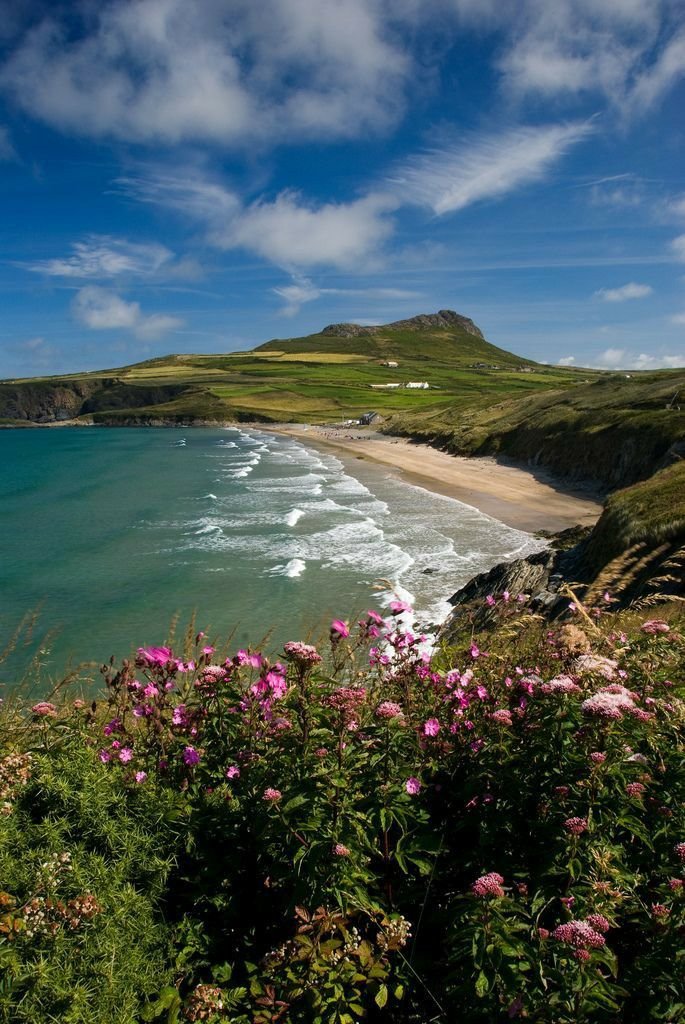
Image Credit: Pinterest
If you’re coming from Chuncheon’s riverside charm, head southwest to the softer, windswept landscapes of Boseong and Suncheon Bay, where tea terraces meet vast reedbeds.
You’ll sample Boseong tea, join eco-friendly tours across the reed fields, spot wetland wildlife, enjoy cultural experiences, savor local cuisine, practice nature photography, and support sustainable tourism that preserves scenery and community.
Gangneung: Coffee Culture and East Coast Beaches
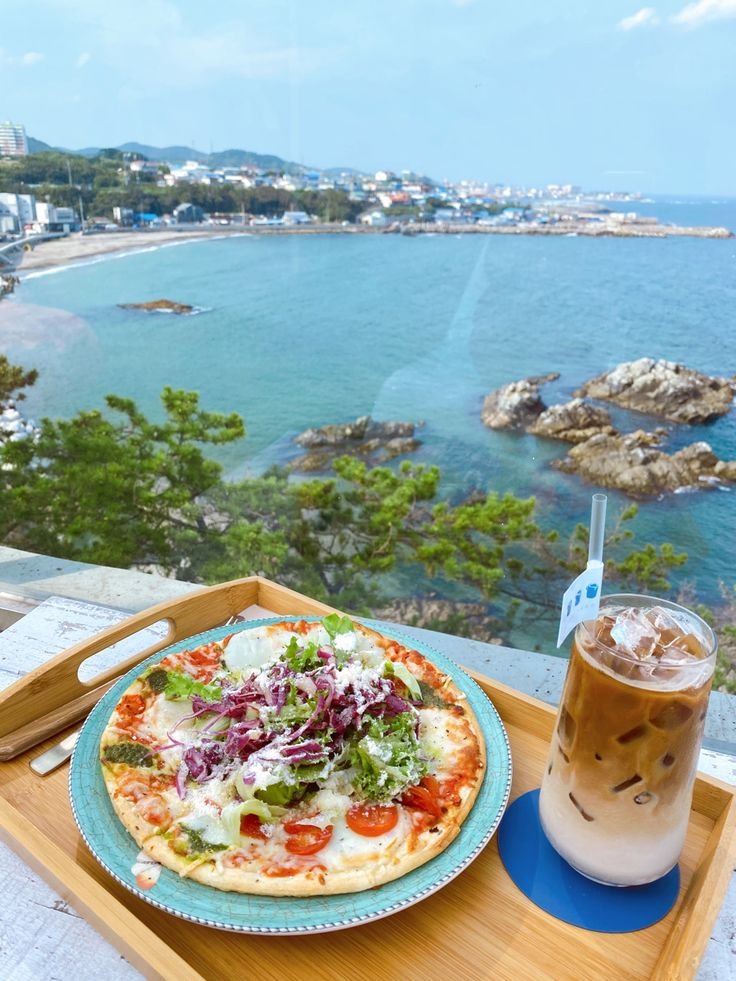
Image Credit: Pinterest
If you love coffee and coastal views, Gangneung delivers both in spades: you’ll sip Gangneung coffee in quirky coffee shops, stroll Gangneung beaches for beach activities, and taste local cuisine at seaside stalls.
Enjoy cultural experiences, scenic views from coastal hikes, and relaxed waterfront vibes.
It’s a compact coastal escape that blends caffeine culture with ocean air and outdoor adventure.
Yeosu: Night Sea Views and Island Hopping
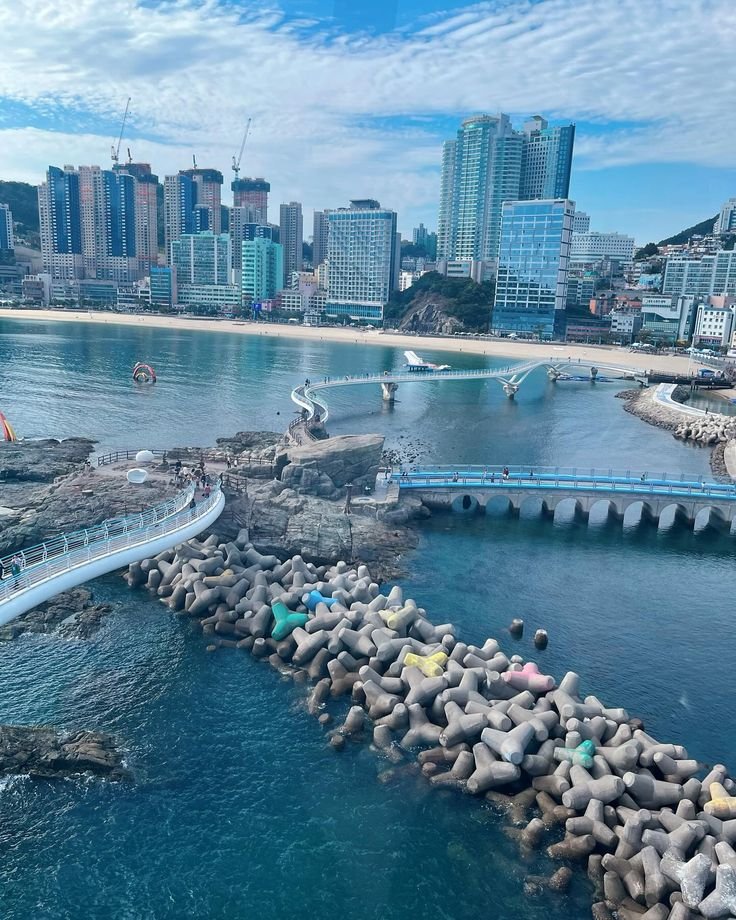
Image Credit: Pinterest
After soaking up Gangneung’s coffee-scented mornings and breezy beaches, head south to Yeosu where the sea lights up after dark.
You’ll chase Yeosu sunsets from scenic viewpoints, join night cruises, and sample island cuisine between coastal adventures.
Spot marine wildlife, explore historical landmarks, and time visits for local festivals.
Island hopping here feels effortless, intimate, and endlessly rewarding.
Jeolla’s Boseong‑Jirisan Corridor: Mountains, Temples, and Tea
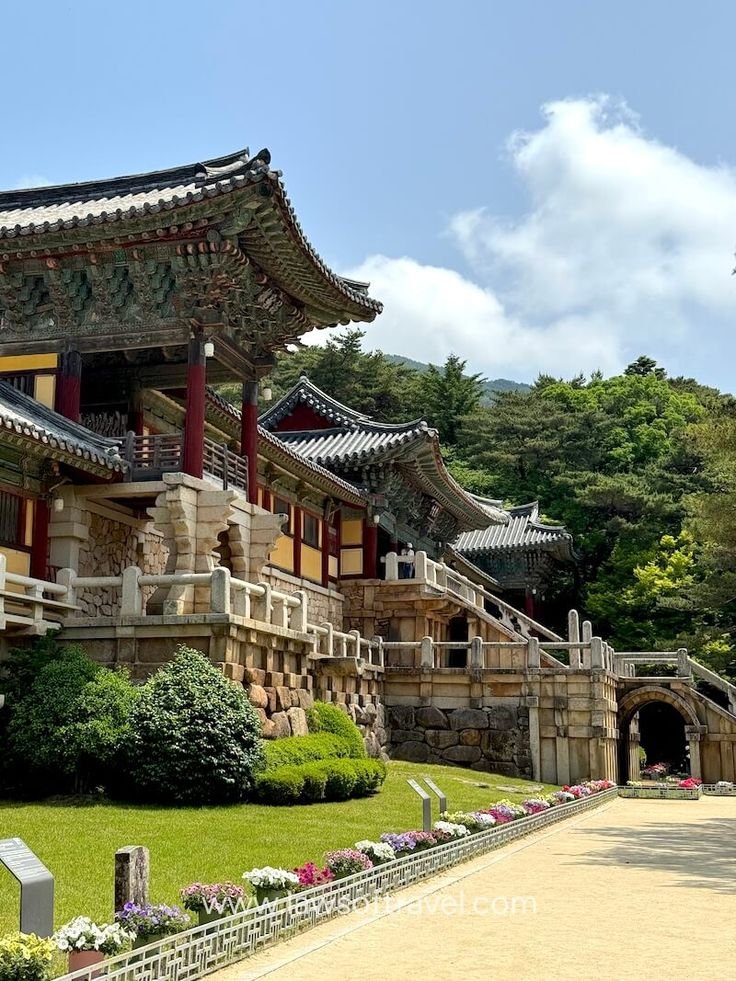
Image Credit: Pinterest
Green terraces, temple bells, and granite ridges greet you along the Boseong–Jirisan corridor, where tea fields cascade down hillsides and mountain trails ascend toward misty summits.
Experience the rich flavors of Boseong tea, navigate curated hiking paths, admire exquisite temple architecture, and delve into cultural significance through guided eco-friendly tours.
Scenic viewpoints showcase local cuisine, while wellness retreats provide a tranquil escape amidst nature.
Jirisan National Park: Long‑Distance Trails and Temple Stays
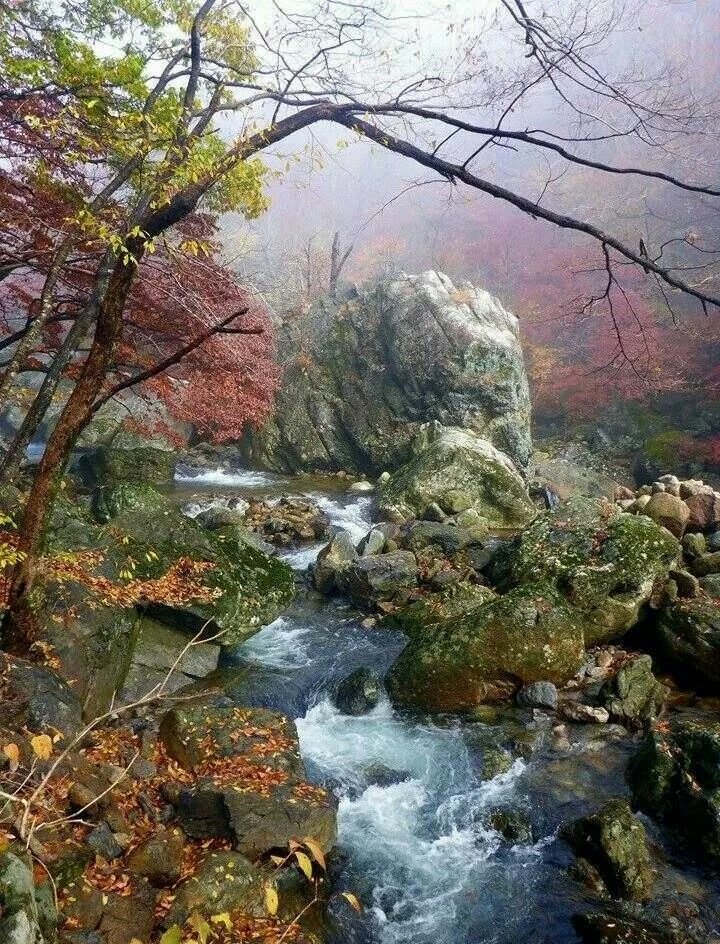
Image Credit: Pinterest
From the tea terraces of Boseong, you can follow ridgelines inland to Jirisan National Park, where long-distance trails and centuries-old temple stays offer a unique rhythm: strenuous multi-day hikes across granite peaks, followed by tranquil evenings in monastic quarters.
You’ll encounter Jirisan wildlife, enjoy hiking experiences and scenic photography, practice temple meditation, learn about cultural heritage, and support eco-friendly tourism.
Seongsan Ilchulbong Peak: Sunrise Crater on Jeju
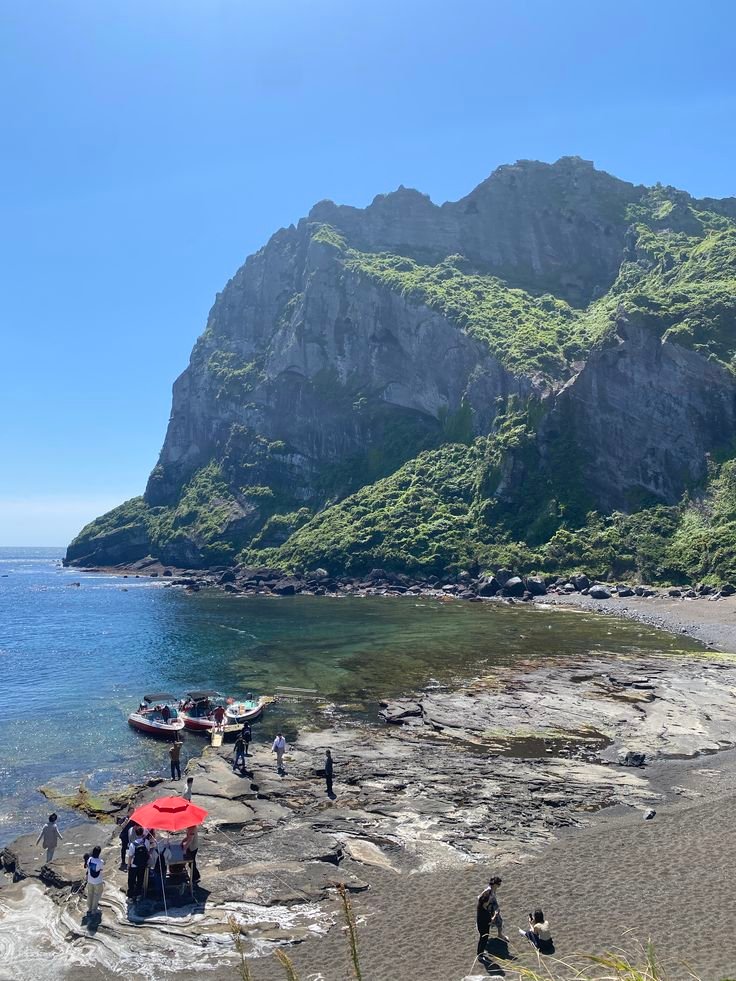
Image Credit: Pinterest
Sunrise at Seongsan Ilchulbong—also known as Sunrise Peak—draws visitors to Jeju’s eastern shore for a brief but steep ascent to the rim of a volcanic crater that glows in vibrant gold and pink hues.
Capture stunning sunrise photography from various scenic viewpoints, discover local legends and the cultural significance of the site, and navigate the hiking trails with practical tips on managing crowds, ensuring safe footing, and timing your visit for the best sunrise experience.
Suncheon Bay National Garden: Birdwatching and Landscaped Gardens
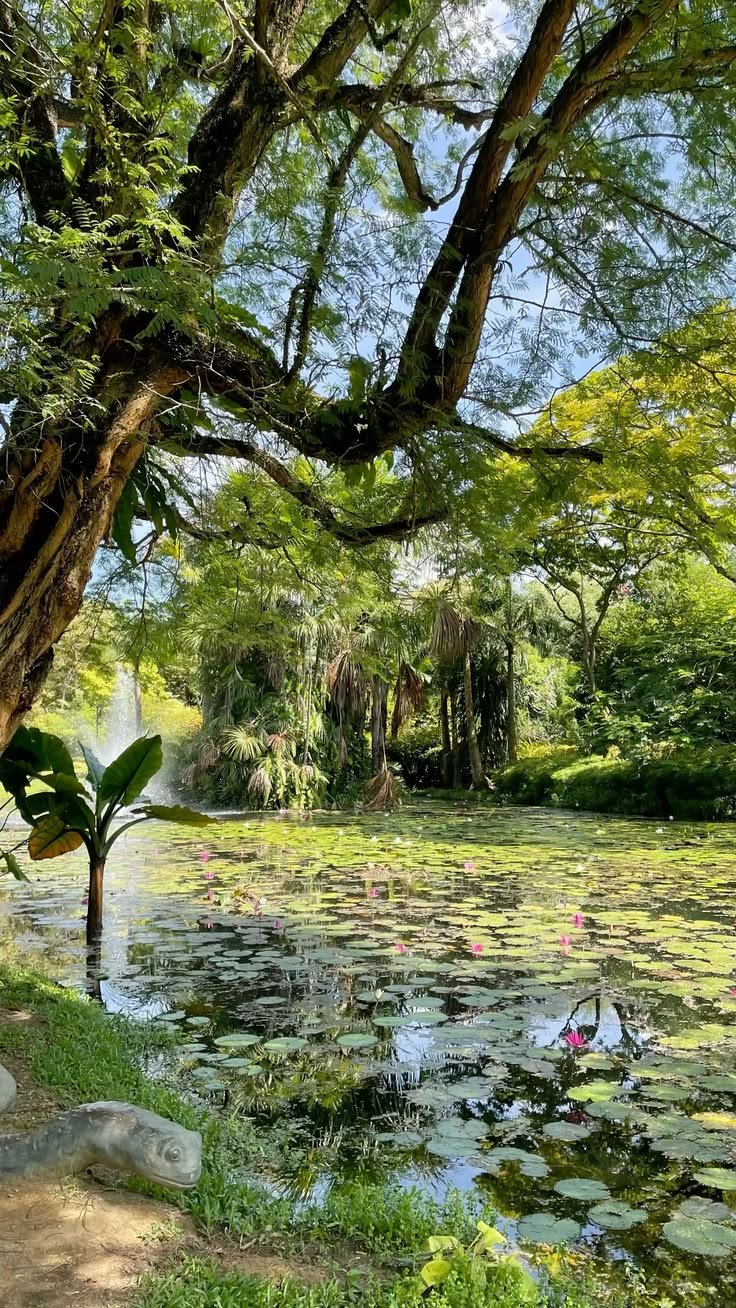
Image Credit: Pinterest
A visit to Suncheon Bay National Garden reveals why both birdwatchers and leisurely walkers are drawn to its blend of tidal flats, reed beds, and beautifully designed gardens.
You can participate in birdwatching tours and guided experiences along landscaped trails, spot native species, appreciate seasonal flora, and discover perfect photography spots.
With garden festivals and insights into wildlife conservation and eco-friendly practices, this destination offers an ideal tranquil retreat.
Chuncheon Mulle‑gil: Scenic Canoeing and Lakeside Food
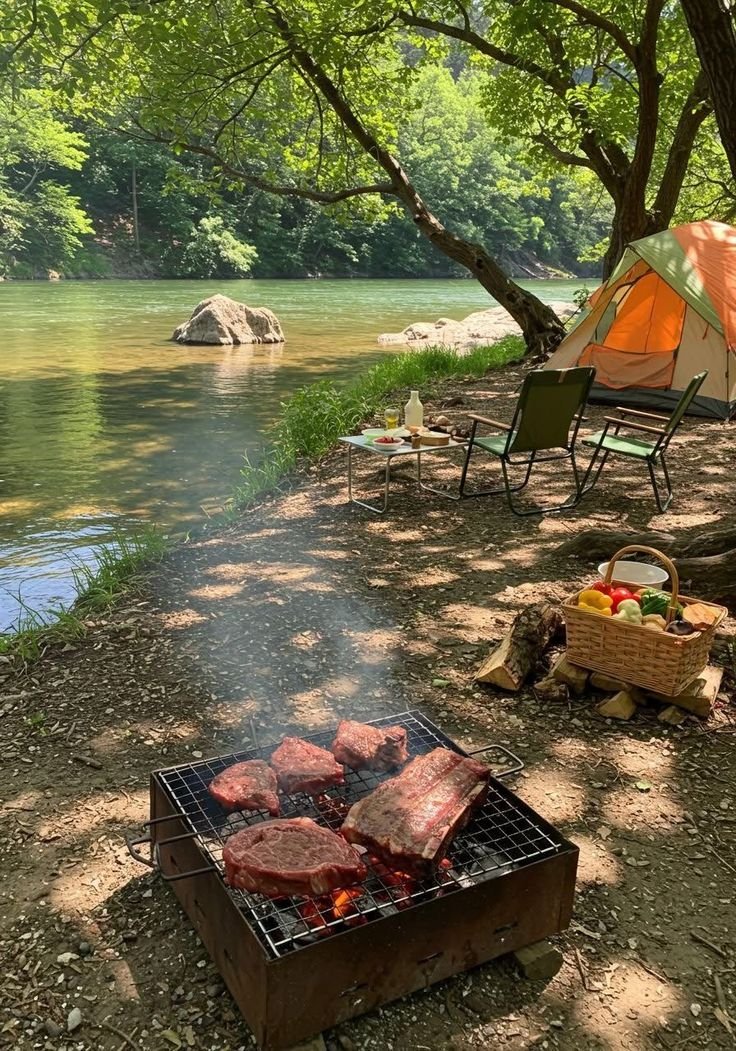
Image Credit: Pinterest
Paddle along Chuncheon’s winding Mulle-gil waterways and you’ll discover why locals and visitors rave about its peaceful scenery and abundant lakeside dining options.
Glide past pine-fringed shores, rent gear from friendly Canoe Rentals, and take a break at wooden piers.
Enjoy authentic Lakeside Dining with fresh fish, spicy dakgalbi, and relaxing riverside cafés, while photographers and nature enthusiasts capture tranquil reflections and stunning mountain views.
Hwaseong Fortress, Suwon: UNESCO Fortifications and Culture
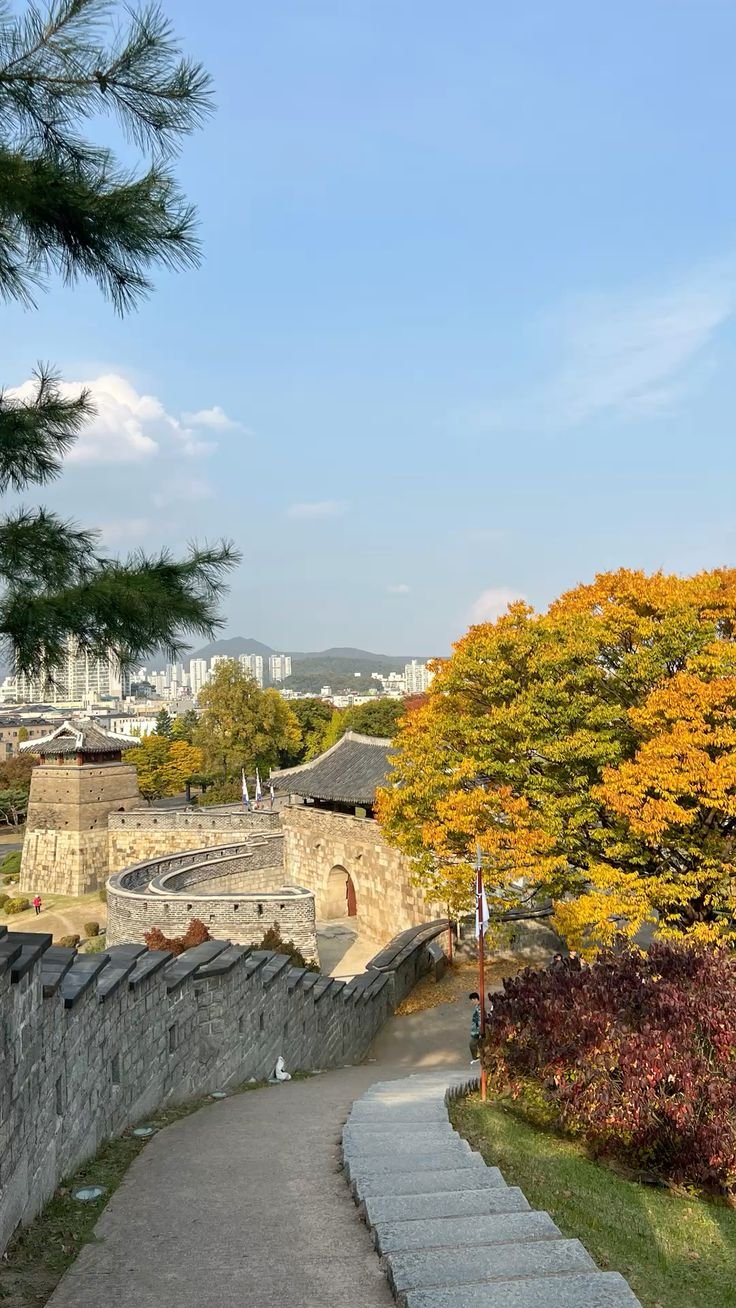
Image Credit: Pinterest
When you walk along Hwaseong Fortress in Suwon, you’ll see why UNESCO recognized its blend of military ingenuity and urban planning.
You’ll explore Hwaseong history through Suwon architecture, learn about fortification design and cultural significance, enjoy scenic views, and sample local cuisine nearby.
The visitor experience is immersive and educational, blending historic context with accessible trails and interpretive displays.
Hahoe Mask Dance Festival and Folk Performances
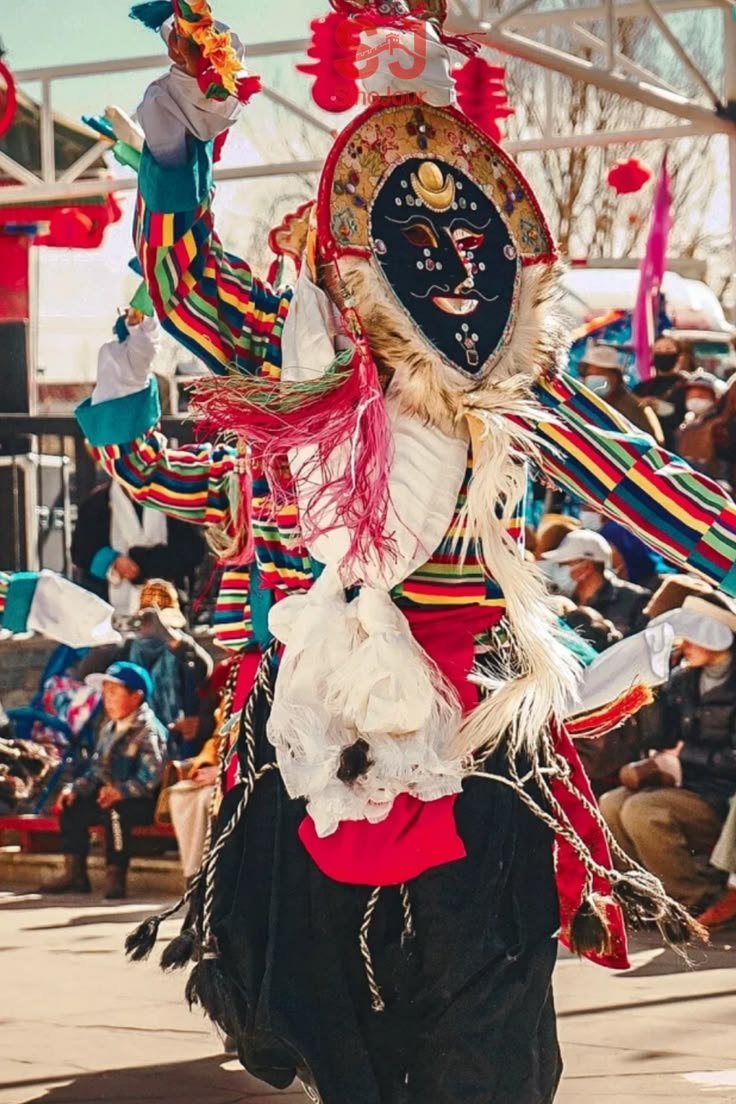
Image Credit: Pinterest
Though rooted in centuries-old village rituals, the Hahoe Mask Dance Festival bursts with life today, inviting you to witness vibrant masked performances, satirical sketches, and folk music that showcase Korea’s living intangible heritage.
You’ll learn about Hahoe mask symbolism, explore the dance’s origins in communal rites, admire the craftsmanship of traditional costumes, and trace the festival’s history through lively reenactments that connect past villagers with modern audiences.
Pohang and Homigot Sunrise Plaza: Steel City Meets Coastal Sunrise
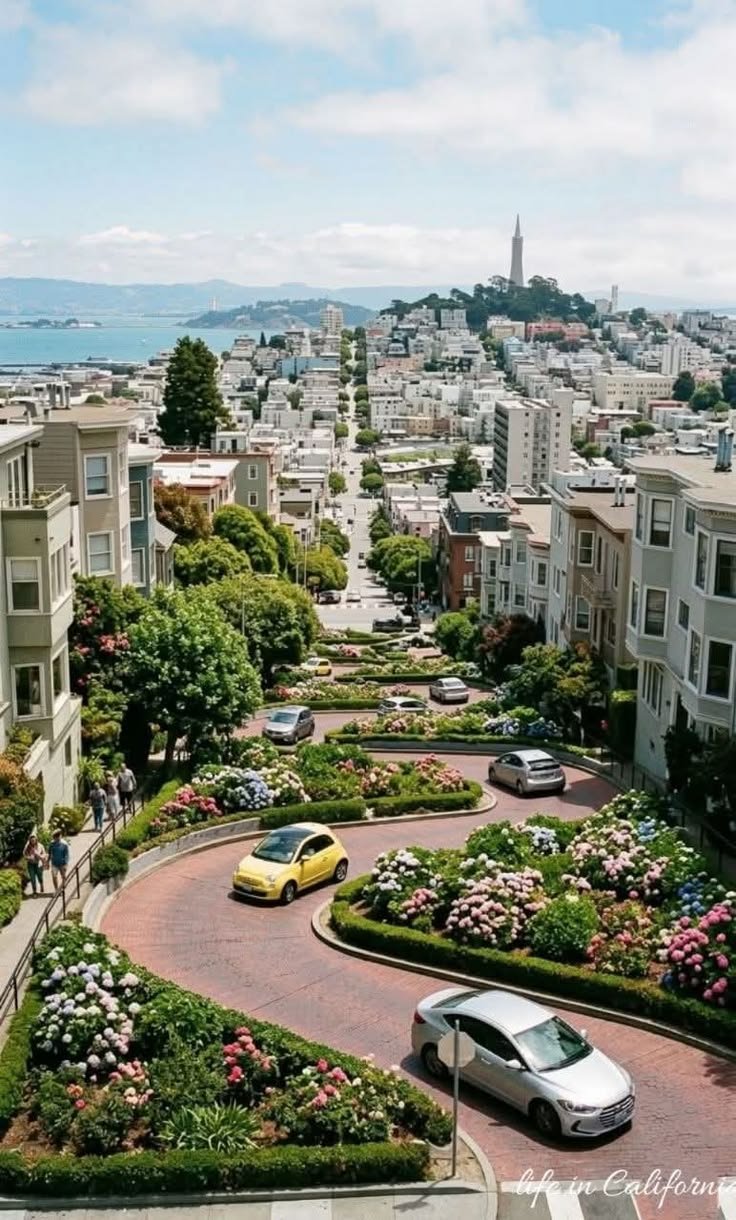
Image Credit: Pinterest
If you’re curious how heavy industry and natural beauty coexist, Pohang offers the answer: a bustling steel city whose seaside neighborhoods lead to Homigot Sunrise Plaza, where locals and visitors gather at dawn to watch the sun lift over the East Sea.
You’ll explore Pohang culture, capture stunning sunrise photography, sample delicious coastal cuisine, and witness how the steel industry shapes waterfront life and community rhythms.
Andong Soju and Local Food Trails
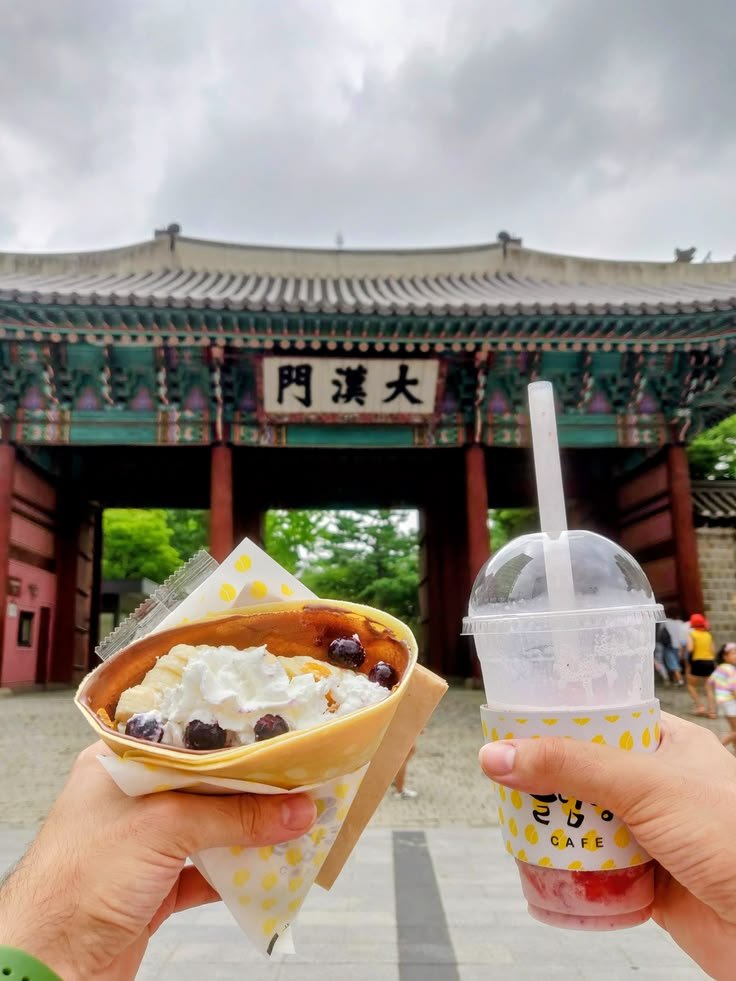
Image Credit: Pinterest
Andong’s soju scene is as much about heritage as it’s about flavor: you’ll find centuries-old distilleries and modern bars where locally distilled soju pairs perfectly with regional specialties like jjimdak and heotjesabap.
You’ll join Andong Soju Tasting sessions, stroll market alleys, and book Traditional Food Tours that guide you to savory banchan, stews, and smoky grilled dishes paired with warm, rustic hospitality.
Ganghwa Island: Historical Sites and Seasonal Blooms
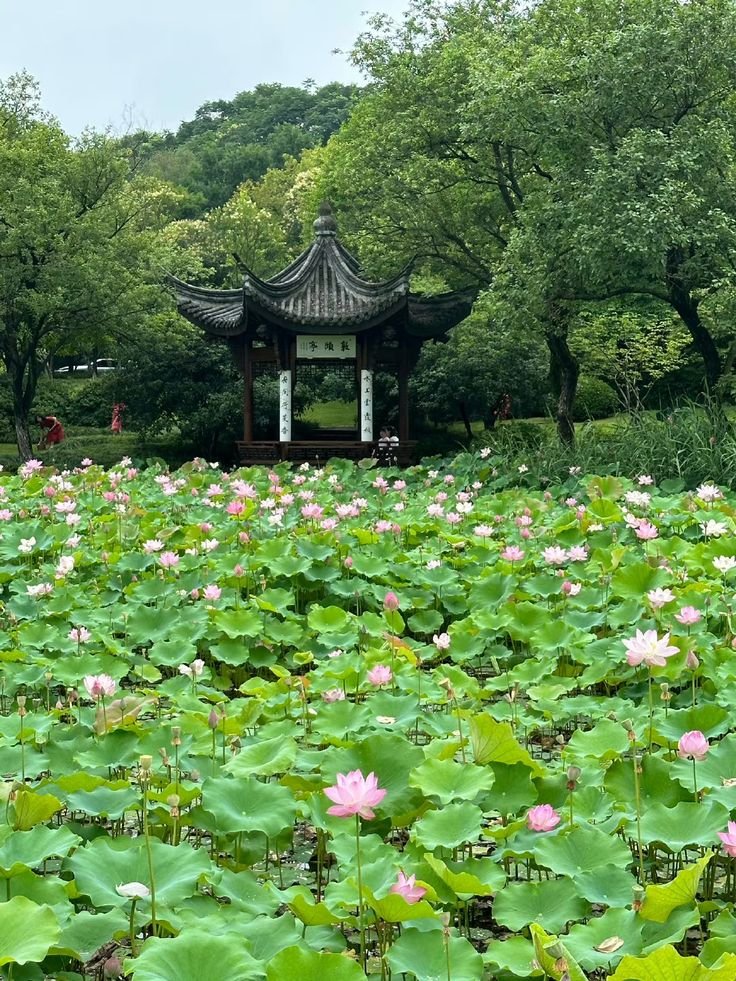
Image Credit: Pinterest
While just an hour from Seoul, Ganghwa Island feels worlds away, offering layered history—from ancient dolmens and fortresses to colonial-era battlements—framed by seasonal blooms of cherry and forsythia that color its coastal plains.
You’ll visit Ganghwa temples, walk nature trails, join seasonal festivals, and watch historical reenactments that bring past conflicts and traditions to life, all within peaceful island scenery.
Seocheon and Daecheon: Mudflat Experiences and Shellfish Markets
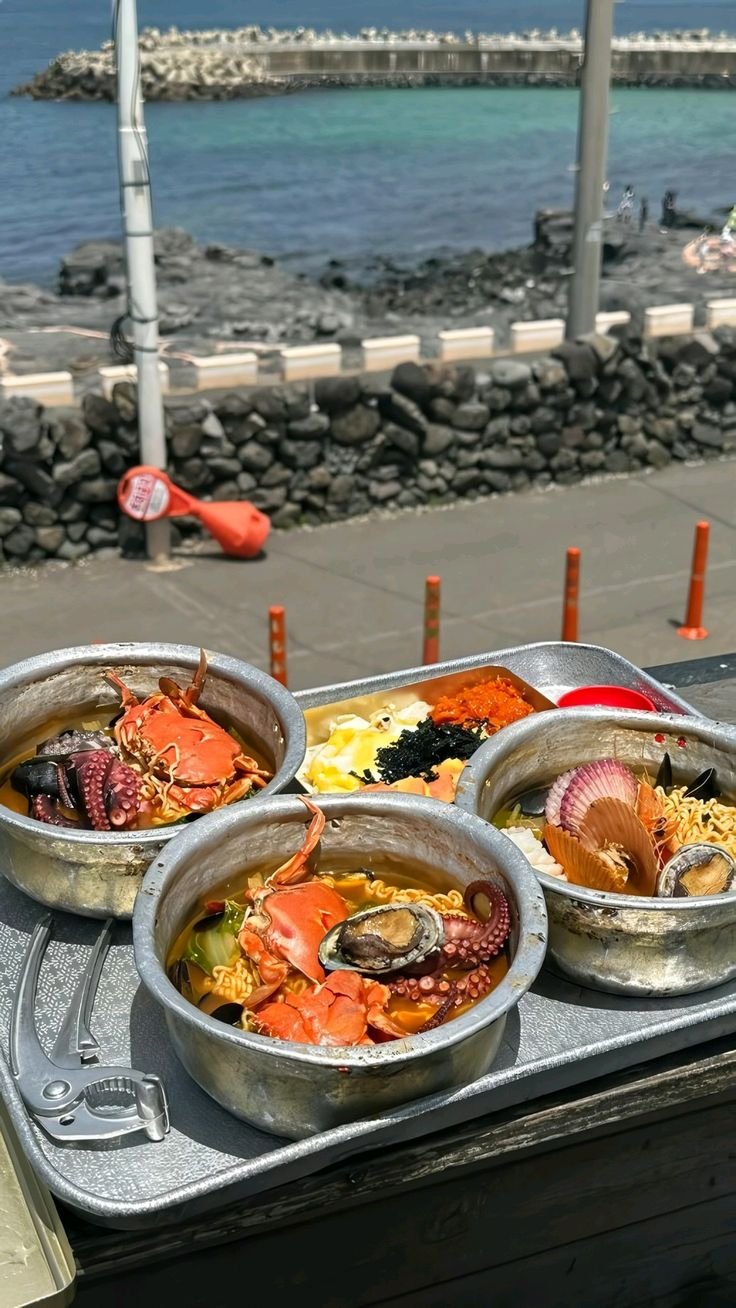
Image Credit: Pinterest
From Ganghwa’s quiet temples and bloom-filled fields, you can head southwest to the tidal flats of Seocheon and nearby Daecheon, where Korea’s coastal culture comes alive through mud, salt, and seafood.
Join guided mudflat adventures led by local fishermen, delve into tidal ecology and cultural heritage, savor shellfish delicacies on market tours, indulge in culinary experiences, and support sustainable tourism.
Oedo‑Botania and Geoje Islands: Botanical Island Escapes
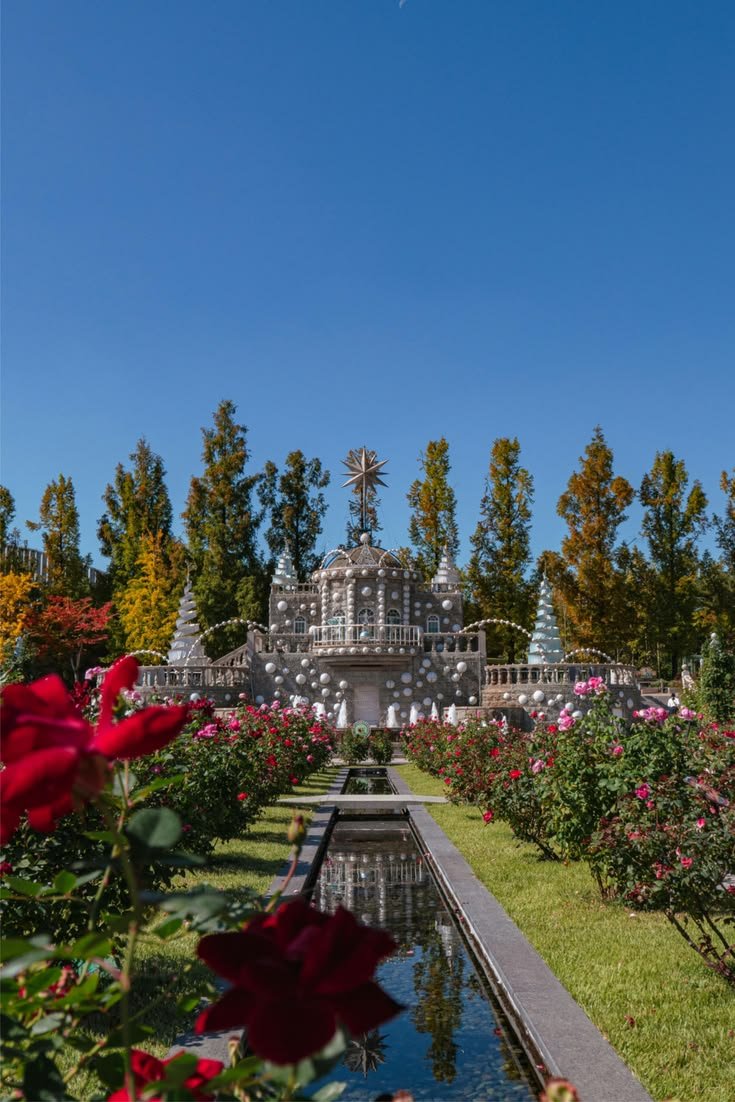
Image Credit: Pinterest
If you’re craving lush gardens and coastal panoramas, Oedo‑Botania and the nearby Geoje Islands deliver a compact botanical escape where manicured terraces meet rocky shorelines.
You’ll stroll curated paths, join botanical tours that reveal rare subtropical plants, and catch ferry rides between scenic viewpoints.
These coastal getaways balance peaceful garden design with bracing sea air, perfect for short, restorative island outings.
Ulleungdo: Remote Island Cliffs and Crystal Waters
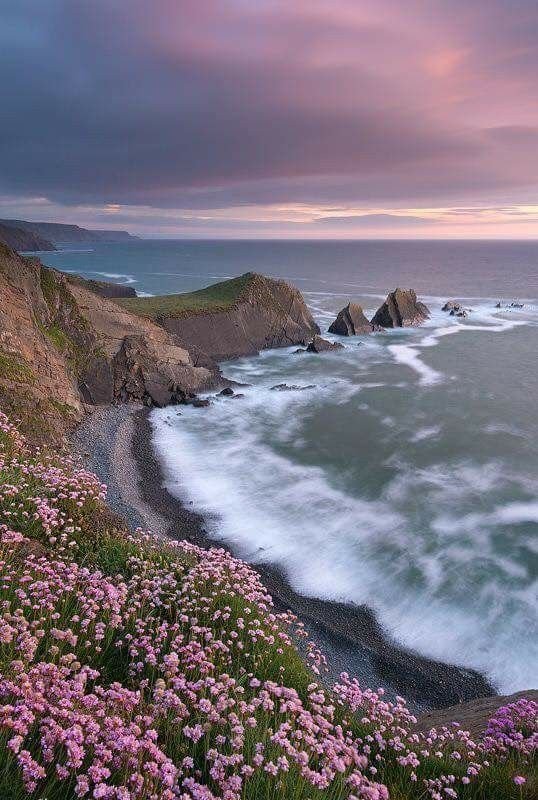
Image Credit: Pinterest
When you sail toward Ulleungdo, jagged volcanic cliffs and translucent waters make it clear you’ve reached a remote, rugged world.
You’ll hike coastal trails, peer into sea-filled craters, and discover hidden treasures around every headland.
Fishermen share local legends about sea spirits and vanished villages, while you savor fresh squid and enjoy quiet viewpoints that reward patience and curiosity on this isolated, dramatic isle.
Mokpo: Maritime History and Island Gateways

Image Credit: Pinterest
After the rugged solitude of Ulleungdo, Mokpo feels like a lively gateway—its broad waterfront and busy harbor welcome you to Korea’s maritime past and the islands beyond.
You’ll stroll through museums celebrating maritime culture, sample fresh seafood at dockside markets, and catch ferries for effortless island hopping.
Historic architecture and coastal promenades make Mokpo a practical, atmospheric base for exploring the southern isles.
Taebaek and Hambaeksan: Snow Festivals and Ski Resorts
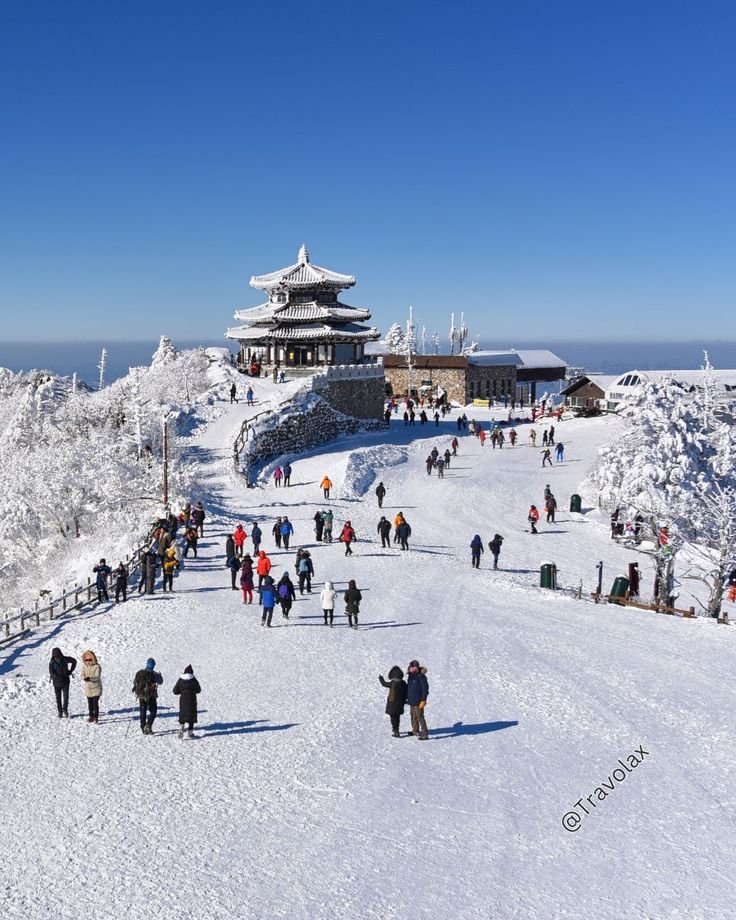
Image Credit: Pinterest
Though snow transforms the rugged Taebaek range into a white wonderland, it’s the lively festivals and accessible slopes around Hambaeksan that truly attract winter travelers.
You can join the Taebaek Snow celebrations, wander through illuminated trails, and savor delicious street snacks.
When you’re looking for action, Hambaeksan’s ski runs cater to beginners and intermediates, with easy rentals and friendly instructors ready to help you feel at home on the mountain.
Pyeongchang: Mountain Sports and Olympic Legacy
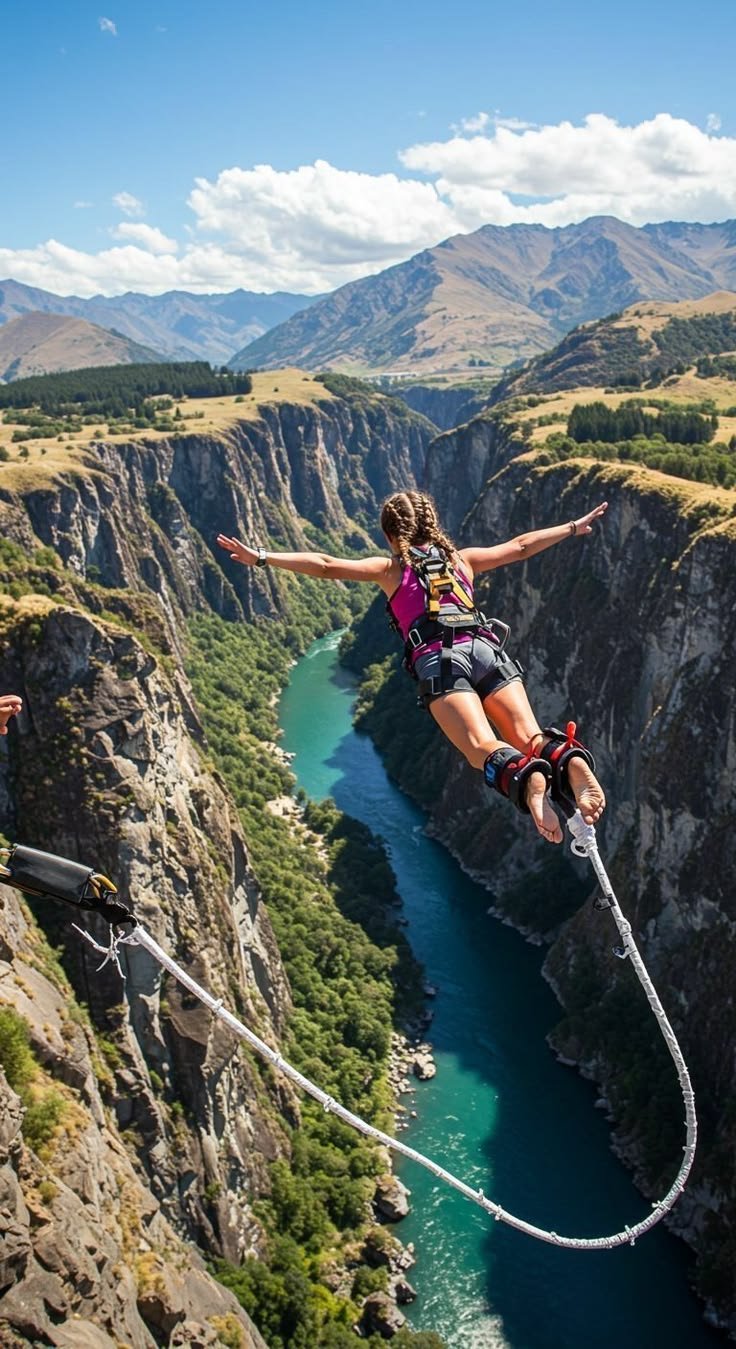
Image Credit: Pinterest
If you’re chasing world-class slopes and a living Olympic legacy, Pyeongchang delivers with its high-altitude terrain, modern facilities, and year-round mountain sports options.
You can ski, snowboard, hike, or ride gondolas, then explore Olympic history at venues and museums.
Time your visit for Pyeongchang festivals showcasing local food, music, and winter culture, and enjoy efficient transport and friendly mountain hospitality.
Yangdong Folk Village: Well‑Preserved Village Architecture
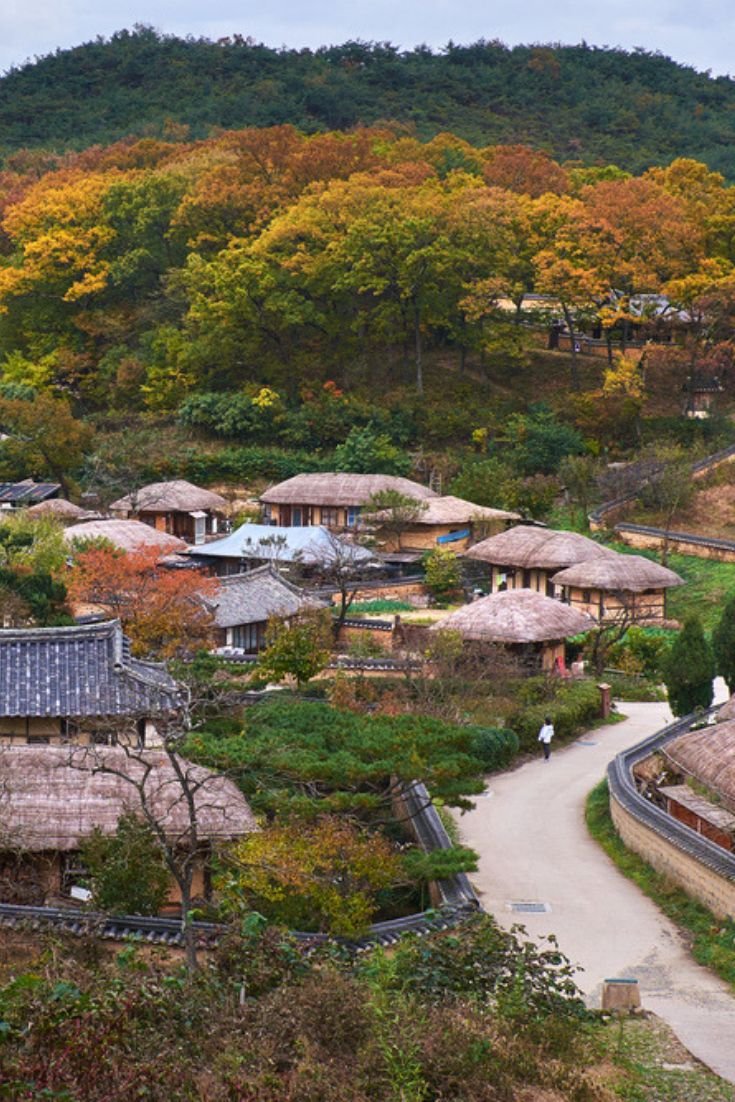
Image Credit: Pinterest
From the alpine rush of Pyeongchang, head south to slow time at Yangdong Folk Village, where centuries-old thatched roofs and timber hanoks stand intact amid rolling rice fields.
You’ll wander narrow lanes, learn local customs, and see villagers maintaining traditions. This living museum showcases cultural heritage through careful architectural preservation, allowing you to experience Joseon-era rural life without the tourist spectacle.
Namhae: Coastal Drives, German Village, and Sea Views
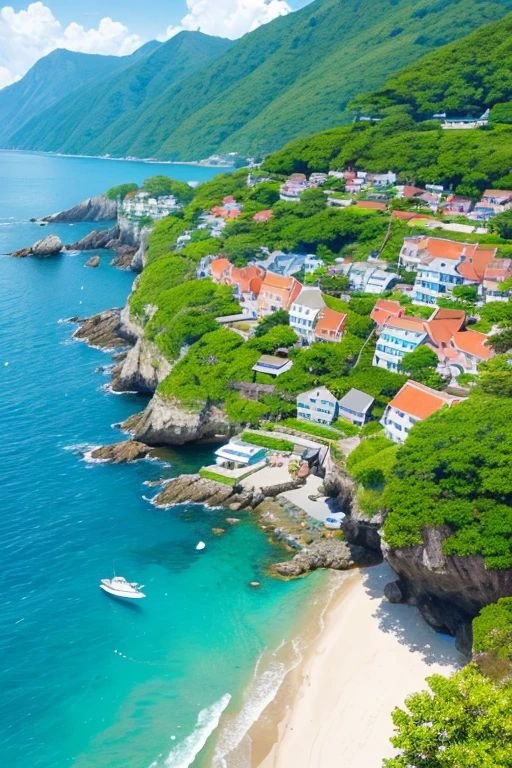
Image Credit: Pinterest
Drive south to Namhae and you’ll trade city bustle for coastal cliffs, winding seaside roads, and wide ocean views that demand the windows down. Explore Namhae’s beautiful beaches, savor local cuisine at seaside markets, and hike the coastal trails for both adventure and stunning photography opportunities. Visit the charming German Village and delve into Namhae’s rich history, join in the vibrant local festivals, try your hand at fishing, and find comfortable accommodations to unwind in after a day of exploration.
Cheongsando and Slow Island Experiences
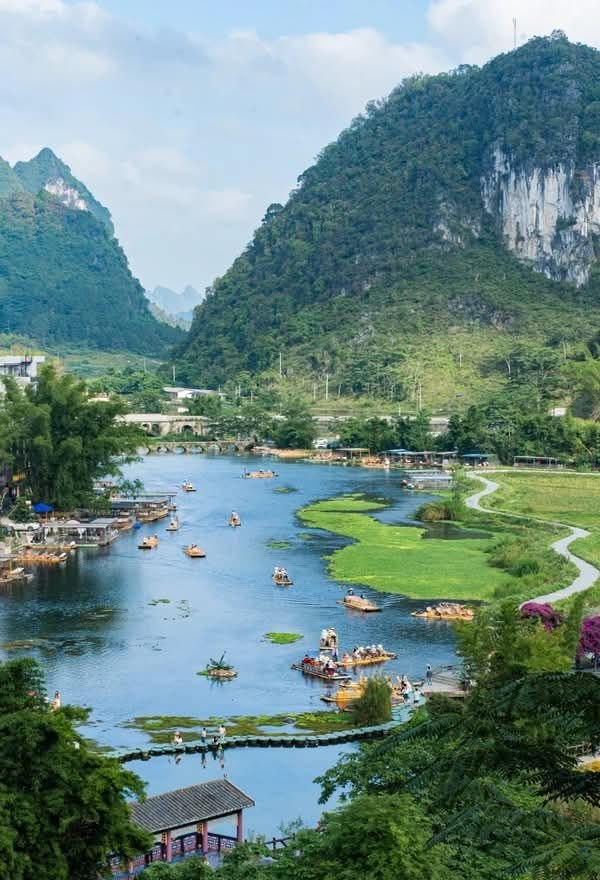
Image Credit: Pinterest
After the coastal roads of Namhae, head further along the southern isles to Cheongsando, where time slows and landscapes feel intentionally preserved.
You’ll wander Cheongsando Trails across stone paths, rice terraces, and wildflowers, meeting locals and rustic tea houses.
Choose Slow Island Retreats for minimal schedules, bicycle days, and stargazing nights, letting silence and simple rhythms reset your pace.
Cultural Museums: National Museum and Regional Collections
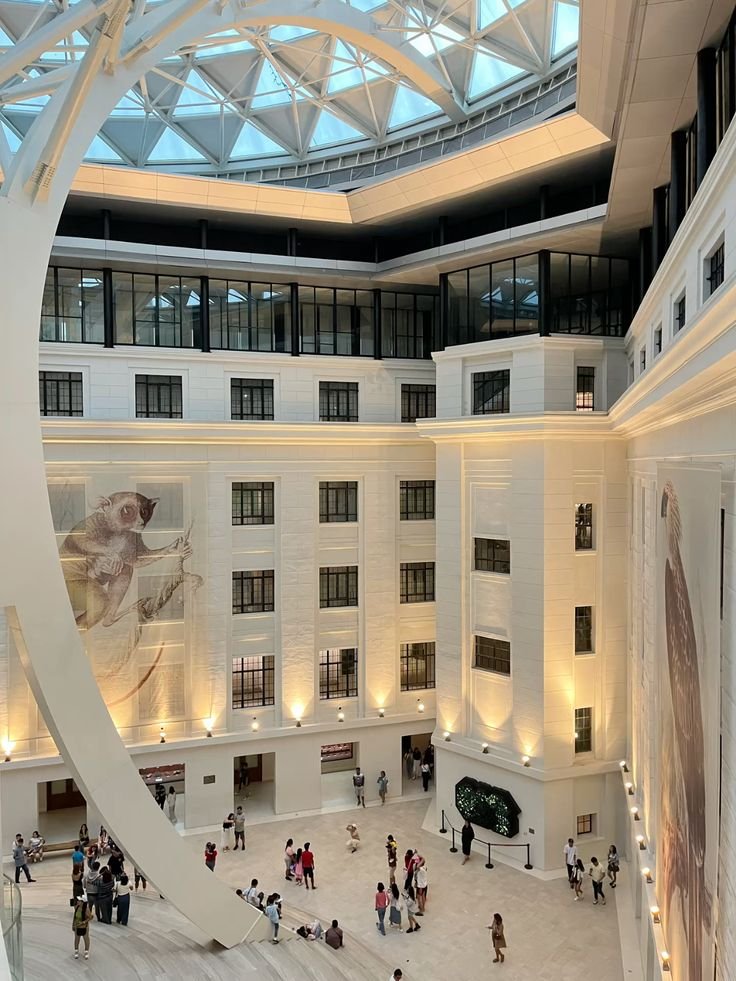
Image Credit: Pinterest
Why not start your museum circuit at the National Museum of Korea, where centuries of art and history are arranged to make connections easy and immediate?
You’ll explore National Folklore displays, art exhibitions, and cultural artifacts with clear historical context.
Join museum tours, interactive experiences, and educational programs that highlight artifact preservation, regional heritage, and traditional crafts, so you leave informed and inspired.
Food Markets to Visit: Gwangjang, Jagalchi, and Local Street Food Hubs
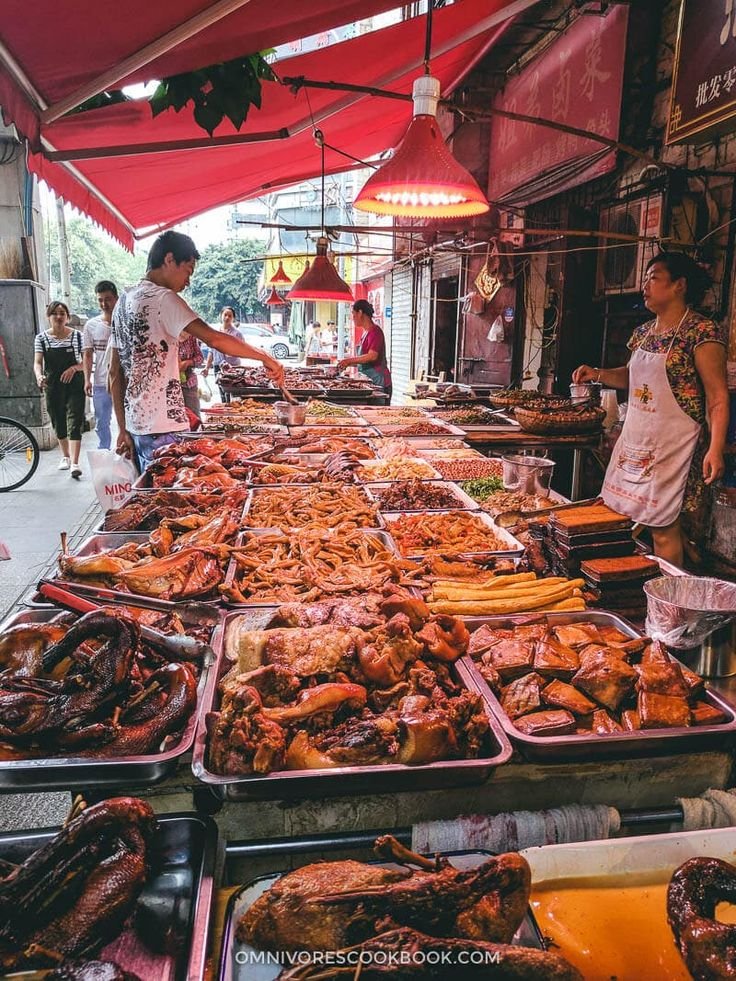
Image Credit: Pinterest
Museums give you the stories behind Korea’s traditions, and the next step is tasting how those traditions live in food.
Start at Gwangjang Market in Seoul to sample bindaetteok (mung bean pancakes) and mayak gimbap.
Then head to Busan’s Jagalchi Market for the freshest seafood prepared right before your eyes.
Explore Gwangjang Market experiences, savor Jagalchi seafood, and join food market tours to immerse yourself in street food culture.
Conclusion
You’ve got a rich roadmap for exploring South Korea’s highlights, from Seoul’s buzzing neighborhoods to Jeju’s wild coasts, Busan’s markets, and the solemn DMZ. Use Gyeongju’s history, Namhae’s sea views, and Cheongsando’s slow pace to balance big-city energy with gentle escapes. Pop into national and regional museums, and savor street food at Gwangjang and Jagalchi. Pack comfy shoes, an open mind, and a flexible itinerary—you’re ready to discover Korea’s many layers.