Should You Wear Makeup on a Plane Pros and Tips
You can, but keep it light and smart: opt for tinted moisturizers or BB creams, cream concealer, and a bit of waterproof mascara or a lip stain so things don’t cake in dry cabin air. Prioritize hydration with a mist and lip balm, skip heavy powders and layers, and stash blotting papers and wipes for quick fixes. Sanitize tools and avoid touching your face to reduce irritation. Want specific product picks and a simple refresh routine to follow on board?
Should You Wear Makeup on a Plane?
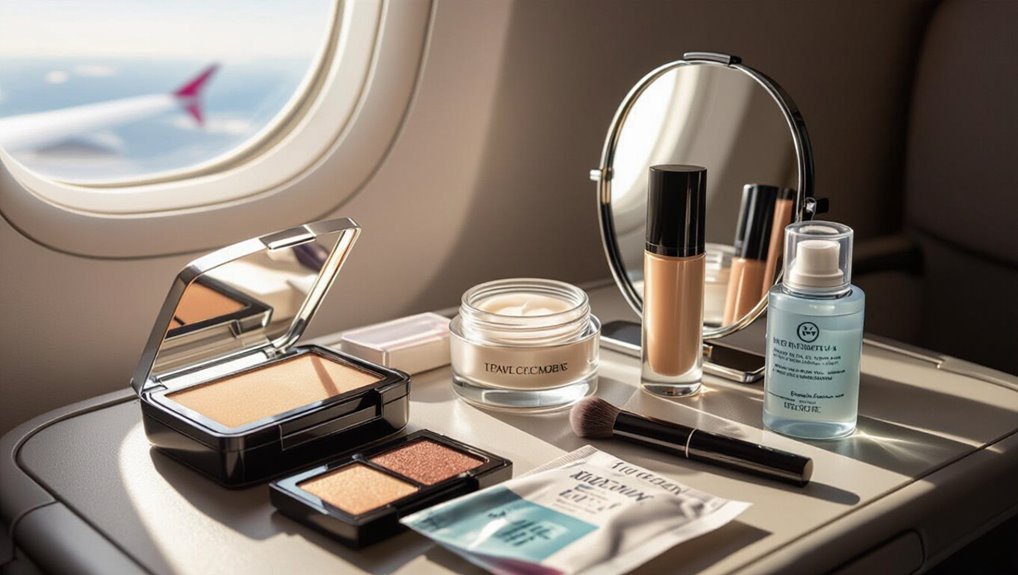
Wondering whether you should wear makeup on a plane? You’ll weigh comfort, skin sensitivity, and flight length.
Dry cabin air can cake or irritate makeup, so lighter products or none at all often work better. If you need to arrive polished, choose minimal, long-wear items and pack touch-up essentials.
Prioritize hydration, SPF, and quick removal options for healthier skin after travel.
Quick Decision Guide: When to Wear and When to Skip
For short flights, you can skip makeup and let your skin breathe.
On long-haul trips, opt for light coverage to stay fresh without clogging pores.
Use your schedule and comfort as a guide—minimal products for comfort, a bit more for looking camera-ready.
Short Flights, Bare Face
If you’re hopping on a quick flight and debating whether to skip makeup, consider how long you’ll be in the air, the purpose of your trip, and how much time you’ll have after landing—short hops often don’t justify a full routine. You’ll save time, avoid irritation, and look fresh enough for quick meetings.
| Scenario | Wear? | Tip |
|---|---|---|
| Business stop | Maybe | Quick balm |
| Leisure | Skip | SPF |
| Early arrival | Maybe | Concealer |
| Red-eye nap | Skip | Hydrate |
Long Haul, Light Coverage
Short hops often mean you can skip a full face, but on long-haul flights you’ll want lightweight coverage that helps you arrive looking awake without feeling heavy.
Choose tinted moisturizer or BB cream, cream concealer for targeted spots, and a translucent powder to control shine.
Skip heavy contouring and longwear formulas that dry skin.
Pack a small mist and hydrating lip balm for refreshes.
How Flying Affects Your Skin and Makeup
When you fly, the cabin air strips moisture from your skin and can make foundation look cakey.
Changing cabin pressure often leads to puffiness and swollen eyes, especially after long flights.
Add in makeup breaking down over time from oil and sweat, and you’ll want a plan to refresh or simplify your routine.
Cabin Air Dryness
Because cabin air is recycled and humidity levels drop to around 10–20%, your skin and makeup face a double challenge: dehydration and faster breakdown.
Your moisturizer absorbs quickly, foundation can flake, and powders accentuate dry patches.
Reapply hydrating mist, use a cream-based formula, and skip heavy powders.
Keep lip balm handy and drink water to help maintain skin barrier and makeup longevity.
Pressure And Puffiness
If cabin pressure shifts and your body can’t equalize quickly, you’ll notice puffiness—especially around the eyes and face—as fluids pool in softer tissues. You can reduce swelling by staying hydrated, doing gentle facial massage, and using cooling eye patches. Apply minimal cream-based makeup to avoid sliding.
| Cause | Quick Fix |
|---|---|
| Pressure change | Hydrate, massage |
| Fluid pooling | Cooling patches |
| Puffy eyes | Light concealer |
Makeup Breakdown Over Time
Puffy skin and shifting creams are just the start—air travel changes how makeup sits and how your skin behaves over hours in a pressurized, low-humidity cabin.
Your foundation can separate, primers lose grip, and powder cakes into fine lines. Oil concentrates in T-zones while dry patches flake.
Refresh with mist, blot oil, reapply thin layers, and prioritize hydrating skincare over heavy coverage.
Hygiene Concerns on Flights and How to Mitigate Them
When you’re applying makeup on a plane, remember that cramped spaces, recycled air, and high-touch surfaces raise real hygiene concerns you should address; simple habits can cut your risk of irritation and infection. Clean hands, sanitized tools, and minimal contact help. Use travel-size wipes, avoid sharing, and reapply sparingly.
| Action | Why | Tip |
|---|---|---|
| Sanitize | Reduces germs | Carry wipes |
| Limit touch | Prevents transfer | Use brushes |
| Disposable | Avoid contamination | Blot papers |
When Makeup Helps: Business, Red-Eyes, and Events
Because a short flight or an early meeting doesn’t erase the impression you want to make, strategic touch-ups can boost confidence and professionalism.
Pack multitasking essentials—tinted moisturizer, concealer for red-eyes, blotting papers, and a neutral lip.
Pack multitasking beauty essentials—tinted moisturizer, red-eye concealer, blotting papers, and a neutral lip for instant polish.
Freshen under-eye concealer and a quick brow comb to look awake.
For event arrival, add a compact powder and subtle liner to shift smoothly from plane to meeting.
When to Skip Makeup: Long Hauls, Sensitive Skin, Post-Op Travel
On long-haul flights your skin loses moisture fast, so skipping makeup can help you focus on hydrating and avoiding clogged pores.
If you have sensitive skin, leaving cosmetics off reduces the chance of irritation or flare-ups from recycled cabin air and new products.
And after surgery, you should prioritize healing over appearance and follow your doctor’s guidance about keeping the area clean and makeup-free.
Long-Haul Hydration Risks
If you’re facing a long-haul flight, keep makeup minimal or skip it altogether to protect your skin from severe dehydration and irritation; cabin air strips moisture, and layered cosmetics can trap dryness and bacteria against your face.
You’ll want to prioritize hydration: drink water, use a humidifying mist, and apply a lightweight, non-comedogenic moisturizer.
Avoid heavy foundation and powder that worsen tightness.
Sensitive Skin Flare-Ups
Long flights are already rough on your skin, and when you’re prone to redness, eczema, rosacea, or healing from a procedure, makeup can push a mild irritation into a full flare-up.
Skip heavy products on long hauls: they trap moisture loss, irritants, and bacteria.
Opt for minimal, fragrance-free items, carry a gentle cleanser and moisturizer, and test products before travel to avoid surprises.
Post-Op Healing Priority
When you’re recovering from surgery or a procedure, skip makeup altogether until your provider clears you—covering healing skin with cosmetics can trap bacteria, irritate incisions, and delay recovery.
During long flights, pressurized cabins dry skin and increase infection risk; stick to prescribed ointments, gentle cleansers, and moist dressings.
Prioritize follow-up care, hydration, and rest—cosmetics can wait until tissues are fully healed.
Pre-Flight Skin Prep (Wearing Makeup or Not)
Before you decide whether to fly with a full face or bare skin, give your routine a quick run-through so your complexion stays comfortable and camera-ready.
Cleanse gently, hydrate with a lightweight moisturizer, and apply SPF if you’ll be outdoors before boarding.
Consider a calming serum for sensitivity, blot oil, and pack gentle wipes and moisturizer to refresh without over-layering during travel.
Best Products to Wear on a Plane (Tints, Creams, Stains)
Pick lightweight, multi-tasking tints, creams, and stains that survive cabin dry air and minimal touch-ups.
Choose a tinted moisturizer or BB cream for sheer coverage, cream blushes and balms for natural color, and lip stains or tinted balms that won’t smear.
Opt for water-resistant formulas, stick formats for easy application, and non-creasy textures to keep skin comfortable and fresh.
Carry-On Makeup Kit for Flying: What to Bring
Pack a compact, well-edited carry-on kit that keeps you refreshed without taking up space or time.
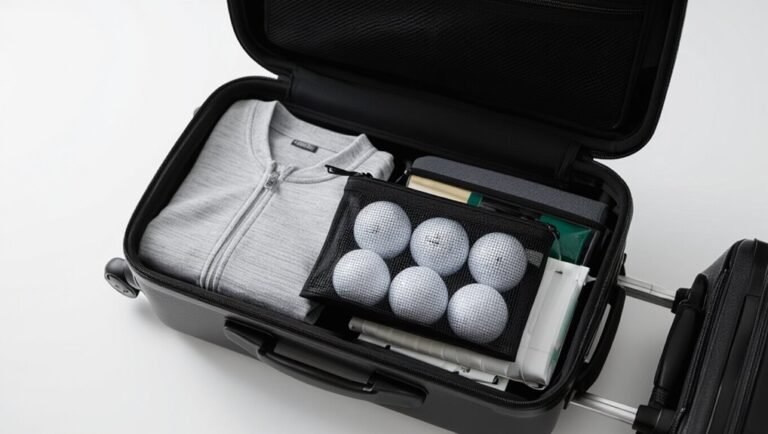
Include tinted moisturizer with SPF, concealer, cream blush, multi-use lip tint, travel-size powder or blotting papers, a small dual-ended brush, mini mascara, and disposable wipes.
Keep items TSA-compliant: liquids in a clear quart bag and solid sticks/creams accessible for quick checks.
In-Flight Refresh Routine Without Irritating Skin
When your skin feels tight or tired mid-flight, refresh it gently to avoid irritation: mist a hydrating facial spray, press a lightweight moisturizer or gel serum into damp skin, blot oil with blotting papers, and reapply minimal concealer only where needed.
Avoid harsh scrubbing, heavy creams, or new products. Keep routines simple, use fragrance-free items, and sanitize hands before touching your face.
Troubleshoot Dryness, Smudging, and Breakouts
A quick mid-flight refresh helps, but you’ll still run into three common issues: dry skin, makeup smudging, and surprise breakouts.
Address them fast with targeted fixes:
Address issues fast with quick, targeted fixes to keep skin fresh and makeup intact mid-flight.
- Hydrate with a mist, apply light moisturizer, skip heavy creams.
- Use a setting spray and blot, not rub, to control smudging.
- Oil-absorbent sheets prevent shine.
- Spot-treat blemishes with a small salicylic dab.
Frequently Asked Questions
Can Wearing Makeup on a Plane Worsen Acne Scars or Hyperpigmentation?
Yes—you can worsen acne scars or hyperpigmentation if you wear heavy, pore-clogging makeup on a plane; choose non-comedogenic, breathable products, remove makeup when possible, and hydrate to minimize irritation and post-inflammatory darkening.
Can Airplane Air Pressure Affect Liquid Makeup Texture or Separation?
Yes — cabin pressure and altitude can change liquid makeup texture, causing slight separation, aeration, or thicker feel; you’ll notice separation in emulsions, so shake, choose stable formulas, and store products upright to minimize issues.
Are There TSA Restrictions on Specific Makeup Products in Carry-On?
Yes — TSA limits liquids, gels, aerosols in carry-on to 3.4 ounces (100 ml) each inside a quart-sized clear bag; solid cosmetics, makeup sticks, and pencils are allowed, but check for airline-specific aerosol rules.
Can Wearing Makeup on Red-Eye Flights Affect Sleep Quality?
Yes — wearing makeup on red-eyes can reduce sleep quality because it traps oils, irritates skin and eyes, and makes you less comfortable. Remove heavy products, use lightweight formulas, and pack wipes so you’ll sleep better.
How Long Before Landing Should I Reapply Makeup for Photos?
About 20–30 minutes before landing is ideal; you’ll have time for quick touchups without smear. Pack blotting papers, a compact powder, and a small setting spray; they’ll help freshen skin and keep makeup photo-ready.
Conclusion
Deciding whether to wear makeup on a plane is up to you—think about comfort, timing, and purpose. If you’ve got a meeting or event, light, long-wear products help you look polished; if you’re catching up on sleep, skip foundation and focus on skincare. Stay hygienic, bring multipurpose items, and refresh sparingly to avoid irritation. Protect your skin with hydration and gentle cleansing, and adjust based on flight length and how your skin reacts.