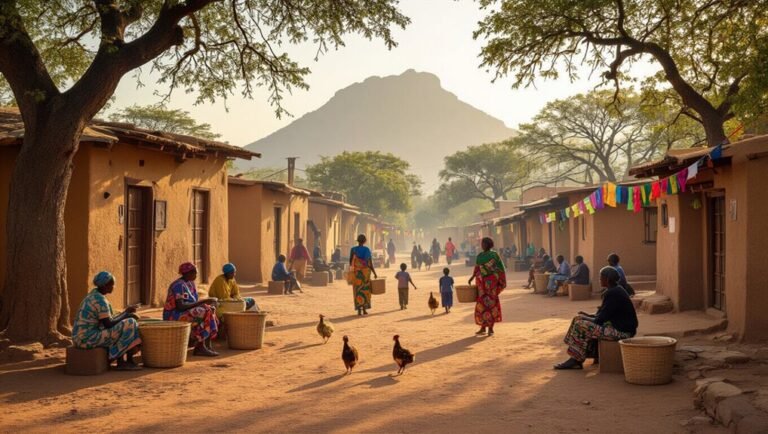
Nigeria Independence Day
Nigeria Independence Day
Nigeria Independence Day is a national holiday celebrated annually on October 1st to commemorate Nigeria’s declaration of independence from British colonial rule in 1960. It marks the birth of Africa’s most populous nation as a sovereign state.
Quick facts
- When is it?: October 1st
- Tagged as: National Day, Public Holiday
- What’s the hashtag?: #NigeriaIndependenceDay
- When was it founded?: 1960
- Who founded it?: Nigerian nationalist leaders and British colonial authorities
History of Nigeria Independence Day
Nigeria’s path to independence began in the early 20th century with the rise of nationalist movements. The country was formed in 1914 when the British combined the Northern and Southern protectorates. After World War II, pressure for independence intensified. Constitutional conferences in the 1950s paved the way for self-governance. On October 1, 1960, Nigeria officially gained independence from British rule, with Abubakar Tafawa Balewa as the first Prime Minister.
Timeline
1914 – Creation of the Colony and Protectorate of Nigeria
1954 – Establishment of a federal system
1959 – Pre-independence elections
1960 – Independence declared on October 1st
1963 – Nigeria becomes a republic
1966 – First military coup
Nigeria Independence Day Dates
| Year | Month and Date | Day |
|---|---|---|
| 2025 | October 1 | Wednesday |
| 2026 | October 1 | Thursday |
| 2027 | October 1 | Friday |
| 2028 | October 1 | Sunday |
| 2029 | October 1 | Monday |
| 2030 | October 1 | Tuesday |
Observed Nigeria Independence Day
Independence Day is celebrated throughout Nigeria with great enthusiasm. The day begins with the President’s address to the nation, followed by flag-raising ceremonies and military parades. Schools, government offices, and many businesses close for the holiday.
Cultural events and festivals take place across the country, showcasing Nigeria’s diverse heritage. People often dress in green and white, the colors of the Nigerian flag, and participate in street parties and community gatherings.
In major cities, fireworks displays and concerts are common, featuring popular Nigerian artists. Many families gather for special meals and reunions to mark the occasion.
Fun Facts About Nigeria Independence Day
- The Nigerian flag was designed by a student named Michael Taiwo Akinkunmi in 1959.
- Nigeria has over 250 ethnic groups and 500 languages.
- The first Independence Day celebration was held at Race Course (now Tafawa Balewa Square) in Lagos.
- Nigeria is the most populous country in Africa and the seventh most populous in the world.
- The country’s national anthem, “Arise, O Compatriots,” was adopted in 1978.
Quiz
- In which year did Nigeria gain independence?
- Who was Nigeria’s first Prime Minister?
- What are the colors of the Nigerian flag?
- Which British royal representative attended Nigeria’s independence ceremony?
- When did Nigeria become a republic?
(Answers: 1. 1960, 2. Abubakar Tafawa Balewa, 3. Green and White, 4. Princess Alexandra of Kent, 5. 1963)
FAQs
What led to Nigeria’s independence?
Nigeria’s independence resulted from growing nationalist movements, constitutional reforms, and negotiations with British authorities throughout the 1950s.
How is Independence Day celebrated in Nigeria?
Celebrations include parades, cultural events, flag-raising ceremonies, and the President’s national address.
Was Nigeria’s independence peaceful?
Yes, Nigeria’s transition to independence was largely peaceful and achieved through negotiation.
What challenges did Nigeria face after independence?
Nigeria faced challenges including political instability, ethnic tensions, and economic difficulties in the years following independence.
How has Nigeria changed since independence?
Nigeria has experienced significant political, economic, and social changes, becoming a major African power despite ongoing challenges.
Importance of Nigeria Independence Day
Nigeria Independence Day symbolizes the country’s freedom from colonial rule and its emergence as a sovereign nation. It serves as a reminder of the struggles and sacrifices made by Nigerian nationalists in their quest for self-governance.
The day promotes national unity, bringing together Nigeria’s diverse ethnic groups to celebrate their shared identity and common future. It’s an opportunity for Nigerians to reflect on their country’s progress, challenges, and aspirations.
Internationally, Nigeria Independence Day highlights the country’s role as a leader in Africa and its contributions to global affairs. It’s a time to showcase Nigerian culture, achievements, and potential to the world.
Related
- African Independence Days
- Nigerian National Day
- Pan-African celebrations
- Decolonization in Africa
- Nigerian cultural festivals