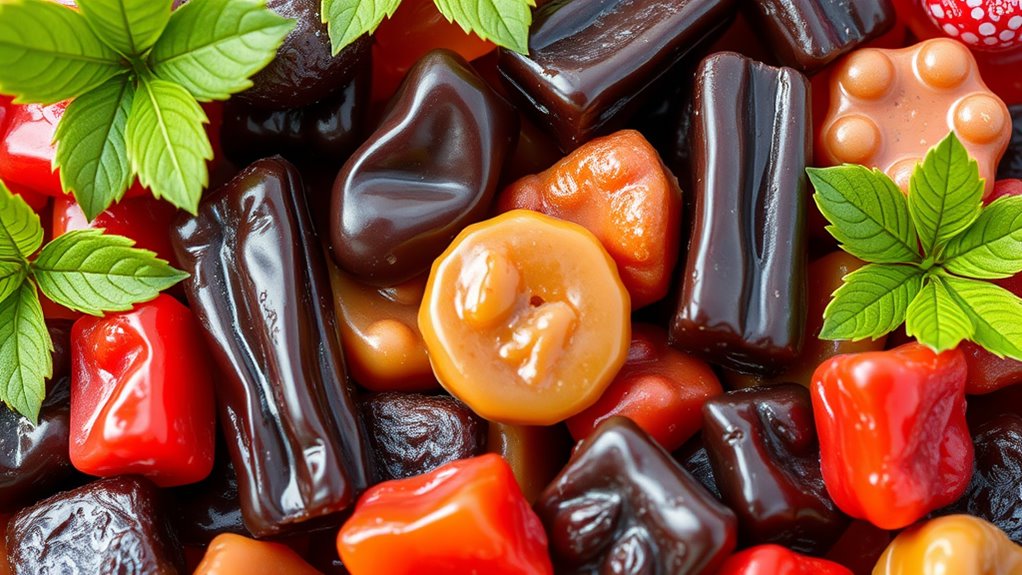
National Licorice Day
National Licorice Day is an annual celebration dedicated to honoring the unique and beloved licorice flavor, recognizing its rich history, diverse forms, and cultural significance.
Quick Facts
- When is it?: April 12th annually
- Tagged as: Food & Drink, Snacks & Desserts
- Hashtag: #NationalLicoriceDay
- Founded: 2004
- Founders: Licorice International and National Confectioners Association
History of Licorice
Licorice has a fascinating history dating back to ancient civilizations. Ancient Egyptians, Greeks, Romans, Hindus, and Chinese all used licorice for medicinal and culinary purposes. Historical figures like Alexander the Great, Julius Caesar, and Napoleon Bonaparte appreciated licorice for its health benefits.
Timeline
- 4th Century AD: Licorice used medicinally
- 13th Century AD: Licorice flavor used in baked goods
- 17th Century AD: First licorice candy created
- 1996: Licorice International founded
- 2004: First National Licorice Day celebrated
Dates for Next Years
| Year | Date | Day |
|---|---|---|
| 2025 | April 12 | Saturday |
| 2026 | April 12 | Sunday |
| 2027 | April 12 | Monday |
| 2028 | April 12 | Wednesday |
| 2029 | April 12 | Thursday |
Observed
National Licorice Day is observed annually on April 12th, celebrating licorice in all its forms, including various recipes and health benefits.
Fun Facts About Licorice
- Licorice is actually a shrub (technically a weed)
- Glycyrrhizin in licorice is 50 times sweeter than sugar
- Licorice root extracts may help slow brain aging
- Aniseed is often used as a licorice flavor substitute
Quiz
- When was National Licorice Day first celebrated?
- What makes licorice sweet?
- Who used licorice in ancient times?
Answers: 1. 2004, 2. Glycyrrhizin, 3. Egyptians, Greeks, Romans, Hindus, Chinese
FAQs
Why is National Licorice Day celebrated?
To recognize licorice’s history, health benefits, and unique flavor.
What is licorice good for?
- Treating heartburn
- Alleviating stomach ulcers
- Helping with bronchitis
- Soothing sore throats
- Combating viral infections
Importance of National Licorice Day
This day celebrates a beloved candy flavor, brings people together, and encourages exploration of different licorice varieties.
Related Celebrations
- International Candy Day
- Chocolate Day
- National Dessert Day