
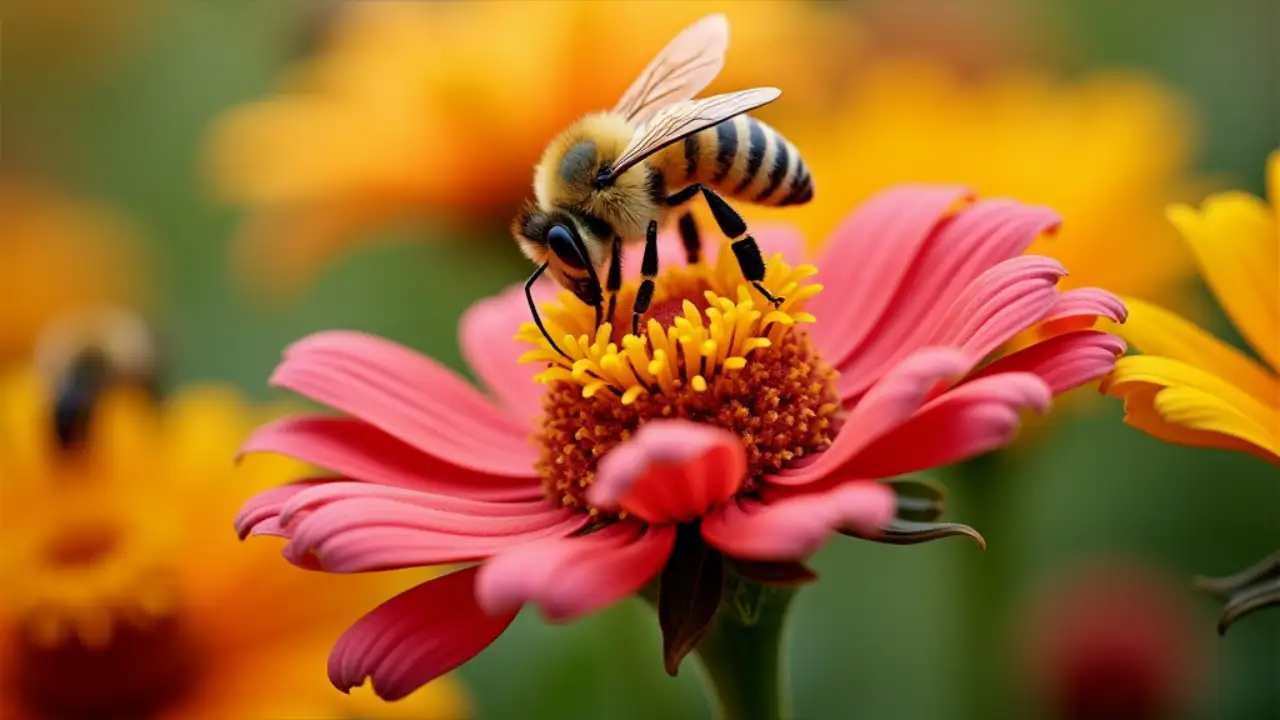
National Honey Bee Day
National Honey Bee Day is an annual celebration dedicated to raising awareness about the importance of honey bees and beekeeping. It honors these essential pollinators and the beekeepers who care for them, emphasizing their critical role in agriculture and ecosystems.
Quick Facts
- When is it? The third Saturday in August each year.
- Tagged as: Awareness Day, Environmental Day, Pollinator Celebration.
- What’s the hashtag? #NationalHoneyBeeDay
- When was it founded? 2009
- Who founded it? A group of beekeepers who petitioned the USDA.
History of National Honey Bee Day
National Honey Bee Day began in 2009 when a small group of beekeepers successfully petitioned the USDA to establish a day recognizing honey bees and beekeeping. Initially observed on August 22, 2009, it was later fixed to the third Saturday in August. The day aims to unite beekeepers, educate the public about honey bees’ importance, and promote environmental awareness.
Timeline
- 2009: National Honey Bee Day is officially proclaimed by the USDA.
- 2010: Pennsylvania Apiculture Inc. is formed to support and promote the observance.
- 2017: Honey bee pollination is reported to contribute $15 billion annually to U.S. agriculture.
- Present: Celebrated nationwide with events promoting honey bees and sustainable practices.
Dates by Next Year
| Year | Month and Date | Day |
|---|---|---|
| 2024 | August 17 | Saturday |
| 2025 | August 16 | Saturday |
| 2026 | August 15 | Saturday |
| 2027 | August 21 | Saturday |
| 2028 | August 19 | Saturday |
| 2029 | August 18 | Saturday |
Observed
National Honey Bee Day is observed through various activities such as:
- Beekeeping demonstrations.
- Educational workshops on honey bees and pollination.
- Planting bee-friendly flowers.
- Hosting honey-tasting events or open apiaries.
- Promoting local honey products.
Fun Facts About Honey Bees
- A single honey bee visits up to 100 flowers on one trip.
- To produce one pound of honey, bees must visit two million flowers and fly over 55,000 miles.
- Honey bees communicate through a “waggle dance” to share information about food sources.
- Pure honey never spoils due to its low water content and acidity.
Quiz
- How many eyes does a honey bee have?
- a) Two
- b) Five
- c) Eight
- d) Twelve
- What do honey bees use to communicate with each other?
- a) Sounds
- b) Dancing
- c) Drawing maps
- d) Singing
- How much honey does a worker bee produce in her lifetime?
- a) One teaspoon
- b) Half a teaspoon
- c) One twelfth of a teaspoon
- d) One tablespoon
Answers:
- b) Five
- b) Dancing
- c) One twelfth of a teaspoon
FAQs
Q: Why are honey bees important?
A: They are vital pollinators for crops, contributing significantly to global food production.
Q: How can I help protect honey bees?
A: Plant bee-friendly flowers, avoid pesticides, provide water sources, and support local beekeepers.
Q: Are all bees social like honey bees?
A: No, only about 10% of all bee species are social; most are solitary.
Related
- World Bee Day (May 20)
- Pollinator Week
- Beekeeping Workshops
- Local Farmers’ Markets
