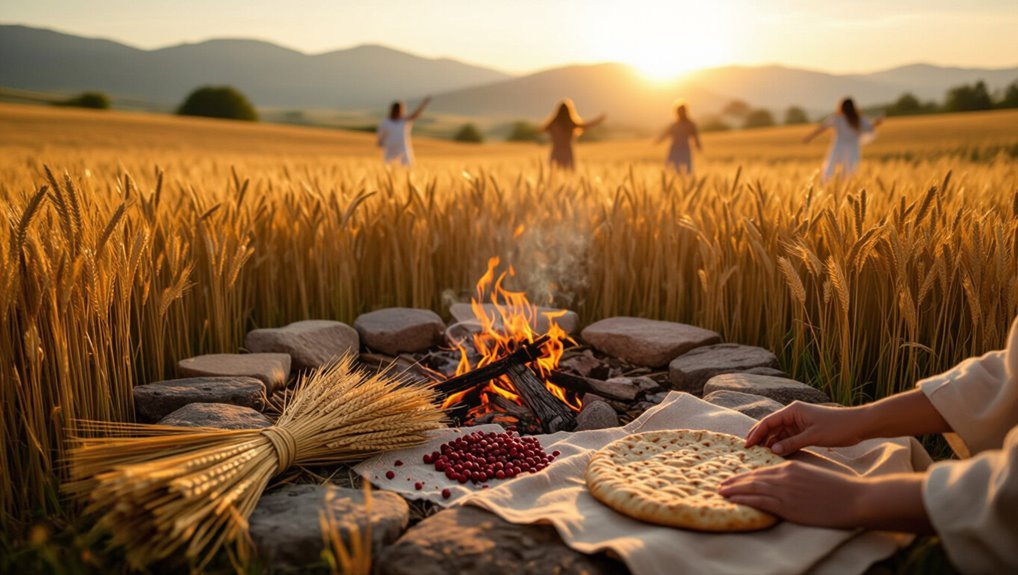
Lughnasadh
Lughnasadh, also known as the Gaelic festival of Lammas, is celebrated on August 1 and marks the beginning of the harvest season. This ancient festival is rich in tradition, combining both ritualistic and practical celebrations. Communities come together to express gratitude for the first fruits of the season, strengthen social bonds, and honor the mythic figure Lugh, a deity associated with agriculture and craftsmanship. During Lughnasadh, you’ll find an engaging blend of cultural practices that highlight not only the importance of the harvest but also the community’s collective efforts and creativity.
Quick Facts
When is it?: 1 August
Tagged as: Various local cultural groups and organizations
What’s the hashtag?: #Lughnasadh #Lammas #HarvestFestival #CommunityGathering #CelticTradition
When was it founded?: Not clearly documented; the festival is believed to date back to ancient Gaelic traditions celebrating the harvest.
Who founded it?: Commonly attributed to ancient Celtic tribes and their agricultural practices.
History of Lughnasadh
Lughnasadh has roots that stretch back to ancient times, intertwining with the agricultural calendar and the cycles of nature. Traditionally, it was a time to give thanks for the ripening crops and to celebrate the hard work of farmers and laborers. The festival is named after Lugh, a significant figure in Gaelic mythology. Legends recount how Lugh’s foster-mother, Tailtiu, died after clearing the land for agriculture, leading to the establishment of games and contests in her honor. These events not only served as a tribute but also fostered community spirit and collaboration.
Throughout history, Lughnasadh has evolved, adapting to various cultural influences and regional practices. While the core themes of gratitude and celebration remain, local traditions—such as baking bread, communal feasting, and organizing fairs—have enriched the festival’s significance. Today, Lughnasadh is celebrated in various forms, blending ancient practices with modern concerns like sustainability and community resilience.
Timeline
- 2000 BCE: Agricultural practices begin in Celtic societies.
- 500 CE: Early recorded celebrations of Lughnasadh emerge in Irish folklore.
- 1000 CE: The festival becomes widely recognized across Gaelic regions.
- 1700s: Lughnasadh celebrations begin to decline with the rise of Christian observances.
- 1900s: Revival of interest in Celtic festivals leads to renewed celebration of Lughnasadh.
- 2000s: Modern interpretations of Lughnasadh focus on sustainability and community engagement.
- 2010s: Increased participation in Lughnasadh events worldwide.
- 2020s: Continued blend of tradition and contemporary values in Lughnasadh celebrations.
Past and Future dates
| Year | Month | Date | Day |
|---|---|---|---|
| 2026 | August | 1 | Saturday |
| 2027 | August | 1 | Sunday |
| 2028 | August | 1 | Tuesday |
| 2029 | August | 1 | Wednesday |
| 2030 | August | 1 | Thursday |
| 2031 | August | 1 | Friday |
| 2032 | August | 1 | Sunday |
| 2033 | August | 1 | Monday |
Observed
Lughnasadh is observed with a variety of activities that reflect both its agricultural roots and its communal significance. People often gather for public feasts, fairs, and competitions, where food is shared, and local crafts are highlighted. Music and storytelling play a significant role, fostering connection and camaraderie among participants. Rituals may include blessings for the crops, games in honor of Lugh, and the baking of traditional breads. Celebrations can range from large community events to intimate family gatherings, showcasing the festival’s flexibility and inclusivity.
Activities for This Day
1. Baking Traditional Breads
Prepare and share breads made from the season’s first grains, symbolizing the harvest.
2. Community Feasts
Organize or participate in a communal meal featuring seasonal produce and local dishes.
3. Craft Fairs
Attend or set up a market where local artisans can showcase their crafts and goods.
4. Storytelling Sessions
Share tales of Lugh and other folklore related to the harvest, allowing for cultural exchange.
5. Games and Competitions
Engage in friendly contests inspired by the ancient games held in honor of Lughnasadh.
How to Celebrate Lughnasadh
- Gather with friends and family for a feast featuring seasonal foods.
- Participate in local festivals or fairs celebrating the harvest.
- Engage in traditional crafts or cooking activities.
- Share stories and folklore related to the festival.
- Volunteer or contribute to local agricultural initiatives.
Why Lughnasadh is Important
Lughnasadh is significant because it marks the transition into the harvest season, a crucial time for agricultural communities. It serves as a reminder of the importance of gratitude, community, and the interconnectedness of social and natural cycles. The festival highlights the value of sustainable practices and encourages people to appreciate the fruits of their labor. Celebrating Lughnasadh fosters a sense of unity and cultural identity, connecting individuals to their heritage and to one another.
FAQ
1. What is Lughnasadh?
Lughnasadh is an ancient Gaelic festival celebrated on August 1, marking the beginning of the harvest season.
2. Why is Lugh significant?
Lugh is a mythic figure in Gaelic culture, associated with skill, craftsmanship, and agricultural abundance.
3. How do people celebrate Lughnasadh?
Celebrations include community feasts, craft fairs, storytelling, and various competitions.
4. Is Lughnasadh celebrated in modern times?
Yes, many communities and individuals celebrate Lughnasadh, blending traditional practices with contemporary values.
5. What foods are associated with Lughnasadh?
Traditional foods include breads made from the season’s first grains, along with seasonal fruits and vegetables.
6. What is the significance of communal gatherings?
Communal gatherings reinforce social bonds, promote cultural exchange, and celebrate shared resources.
7. Are there specific rituals for Lughnasadh?
Yes, rituals may include blessings for crops, games in honor of Lugh, and storytelling sessions.
Related
- Beltane
- Samhain
- Imbolc
- Winter Solstice
- Summer Solstice
- Harvest Moon Festival