Is Sri Lanka Safe to Travel Safety and Travel Tips
Yes — you can safely travel in Sri Lanka if you use common-sense precautions: stay aware in crowds, avoid protests, secure valuables, and check local advisories for regional risks like sporadic civil unrest or heavy monsoon rains. Most visits are trouble-free; transport and health standards vary, so plan transfers and vaccinations ahead, buy travel insurance, and respect local customs. Stick to well-known routes at night and keep emergency contacts handy — continue for practical tips and region-specific advice.
Who This Guide Is For and How to Use It
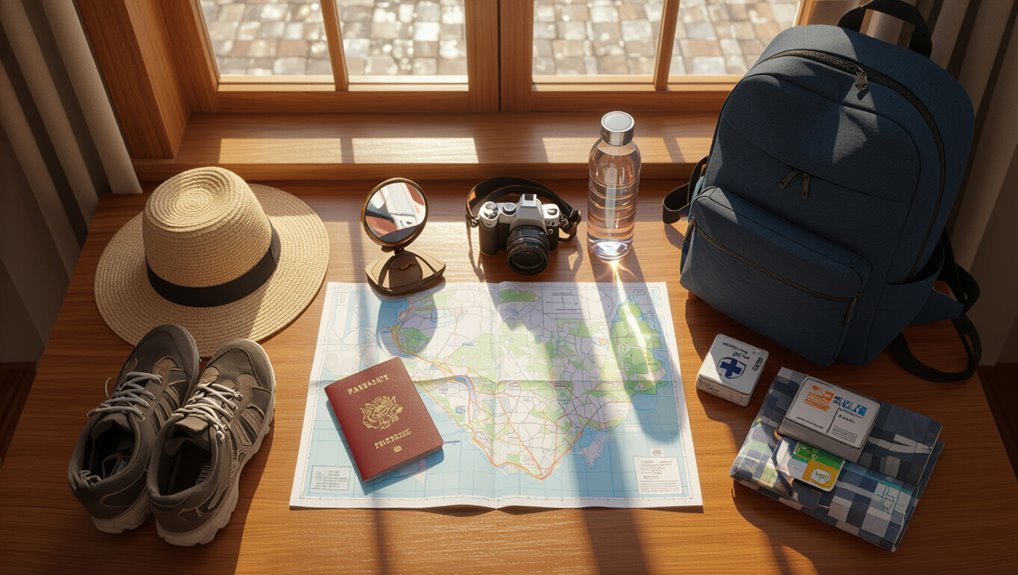
Whether you’re planning a short beach break, a month-long backpacking trip, or a family visit, this guide helps you decide if Sri Lanka fits your travel needs and comfort level.
You’ll find practical safety advice, risk assessments for different traveler types, and decision checkpoints.
Use it to match activities, regions, and accommodations to your tolerance for adventure, crowds, and infrastructure limitations.
Quick Answer: Is Sri Lanka Safe to Travel Right Now?
Yes — for most travelers Sri Lanka is currently safe, but conditions can vary by region and change quickly.
Check recent local news, official travel advisories, and health updates before you go, and have contingency plans for transport and accommodations.
Pack common-sense safety measures like emergency contacts, travel insurance, and copies of important documents.
Current Safety Overview
If you’re planning a trip now, Sri Lanka is generally safe for tourists but conditions vary by region and can change quickly; check recent travel advisories, local news, and your country’s consulate updates before you go.
You should expect stable tourism zones, occasional protests, and localized disruptions. Stay alert to weather warnings, transport strikes, and regional security notices, and follow official guidance while traveling.
Practical Travel Advice
Because conditions can shift quickly, check current travel advisories, local news, and your embassy’s updates before you go—overall, many travelers are visiting Sri Lanka safely right now, but expect regional differences, occasional protests, weather disruptions, and transport strikes that can affect your plans.
Pack essentials, buy travel insurance, register with your embassy, keep copies of documents, use reputable transport, avoid demonstrations, and monitor weather forecasts.
How Safety Varies Across Sri Lanka Regions
When you plan your trip, you’ll find safety differs between Colombo and the Western Province, the northern and eastern areas, and the central highlands.
Colombo is urban and busy, so typical city precautions apply, while the north and east have improving security but some longer travel times and occasional checkpoints.
The highlands are generally safe for tourists, though weather and terrain can create different risks you’ll want to prepare for.
Colombo And Western Province
Colombo and the Western Province combine urban bustle with coastal charm, and you’ll find safety varies block by block: busy tourist areas and newer developments are generally well-patrolled and friendly to travelers, while some peripheral neighborhoods can feel less secure at night.
- Stick to lit main streets.
- Use registered taxis or apps.
- Keep valuables concealed.
- Ask locals about tricky areas.
North, East And Highlands
Wondering how safety shifts once you leave the southwest? In the north and east, you’ll find calmer towns rebuilding after past conflicts; stick to main routes, respect local checkpoints, and check advisories.
The central highlands are generally safe but weather and steep terrain demand caution—avoid night driving, use reputable drivers, and carry warm layers for sudden fog or cold on hikes.
Current Political Climate and Protest Risks
Although the nationwide protests that rocked Sri Lanka in 2022 have eased, political tensions and intermittent demonstrations still occur, especially around major cities and government buildings.
You should stay alert, avoid crowds, and adjust plans if rallies form.
Consider:
- Checking local news and social media.
- Carrying ID and emergency contacts.
- Using reputable transport.
- Keeping hotels’ safety numbers handy.
How to Read Travel Advisories
How do you interpret travel advisories so they actually help you plan? Check source credibility, date, and region-specific details.
Interpret advisories critically: verify source and date, note region specifics, alert levels, causes, and recommended precautions.
Note alert levels, reasons (political unrest, natural hazards), and recommended precautions.
Compare multiple government sites, register with your embassy, and adjust itinerary and accommodations accordingly.
Keep monitoring updates up to departure and have contingency plans for transport changes or sudden restrictions.
Crime Tourists Are Most Likely to Face
What kinds of crimes should you watch for in Sri Lanka?
You’ll most likely encounter low-level offenses targeting tourists. Stay alert, use common-sense precautions, and report incidents.
- Pickpocketing in crowded areas
- Bag snatching near transport hubs
- ATM skimming and card fraud
- Opportunistic theft from unattended belongings
Avoiding Petty Theft and Common City Scams
Keep your bag zipped and your phone out of sight in crowded spots, because opportunistic thieves target distracted tourists.
Learn common local scams — like overfriendly helpers or fake officials — so you’ll spot and refuse them quickly.
Whenever possible, pay with cards or secure mobile methods and avoid flashing large amounts of cash.
Watch Your Belongings
One simple habit will cut your risk of petty theft: keep valuables out of sight and within reach, especially in crowded buses, markets, and train stations.
Don’t flaunt phones or cameras; secure bags and use money belts. Stay alert and travel light.
- Keep crossbody bags zipped
- Use inner pockets
- Divide cash/cards
- Watch exits and crowds
Beware Common Scams
Although Sri Lanka is hospitable, scammers target tourists in busy spots, so stay sharp and trust your instincts.
Expect distraction techniques, overfriendly locals claiming to guide you, fake officials asking for ID or fines, and tuk‑tuk drivers quoting inflated fares.
Politely decline unsolicited help, verify credentials, keep valuables concealed, and walk away from high‑pressure sellers.
Report incidents to police or your accommodation immediately.
Use Secure Payment Methods
After you’ve learned to spot common scams and refuse unsolicited help, protect your money by using secure payment methods.
Use cards and contactless where possible, keep cash minimal, and watch ATMs.
- Use chip PIN cards.
- Prefer contactless payments.
- Split funds: cards, minimal cash.
- Cover PIN, inspect ATMs.
Stay alert and limit exposure to petty theft.
Staying Safe on Sri Lanka Public Transport and Trains
When you use Sri Lanka’s buses, trains, and tuk-tuks, stay alert to pickpockets, crowded platforms, and sudden stops so you can protect your belongings and avoid injuries.
Keep valuables in front‑facing pockets or a money belt, watch gaps when boarding, sit near the guard or conductor on trains, lock backpacks with small cables, confirm schedules to avoid late-night travel, and trust your instincts.
Scooter Rentals and Common Driving Hazards
If you rent a scooter in Sri Lanka, remember that traffic, road conditions, and local driving habits can be challenging even for experienced riders.
You should stay alert, wear a helmet, and avoid risky maneuvers.
Consider these tips:
- Inspect the scooter before riding.
- Carry proper ID and rental papers.
- Keep speed moderate in traffic.
- Watch for pedestrians and tuk‑tuks.
Road Conditions and Night Driving Safety
Road quality in Sri Lanka can change quickly from smooth highways to potholed rural lanes, so you should watch the surface and drive at a safe speed.
Nighttime brings extra risks—poor lighting, unpredictable pedestrians and animals, and fewer services if something goes wrong.
Plan daytime travel for unfamiliar routes and avoid long night drives when possible.
Road Quality Variations
Because Sri Lanka’s road quality can change dramatically within short distances, you’ll want to plan routes and driving times carefully.
Stick to main roads when possible and expect sudden potholes, narrow stretches, and unpaved sections.
Consider these tips:
- Check recent maps and local advice.
- Rent a sturdy vehicle.
- Allow extra travel time.
- Avoid unfamiliar shortcuts.
Nighttime Driving Risks
Why drive at night unless you’ve planned for reduced visibility and unexpected hazards?
You’ll face unlit roads, sudden potholes, slow or stopped vehicles without lights, pedestrians and livestock, and erratic drivers.
Don’t speed. Use high beams when safe, reduce speed for glare, keep extra fuel and a charged phone, and avoid rural routes after dark.
Choose daytime travel when possible.
Beach Safety: Surf, Rip Currents, and Signs
When you head to Sri Lanka’s beaches, know that surf and rip currents can change conditions quickly, so check local warnings and ask lifeguards before swimming.
- Swim between flags and follow lifeguard instructions.
- If caught in a rip, don’t swim against it; float and signal.
- Watch for sudden shore breaks and strong surf.
- Avoid swimming at dusk or alone; keep an eye on children.
Monsoon Seasons and Travel Risks
Sri Lanka has two distinct monsoon seasons—southwest (May–September) and northeast (December–February)—so you’ll want to time travel and activities to the region you’re visiting: the southwest and western beaches get heavy rains in mid-year, while the northeast and eastern coast see their wettest months at year-end.
Check forecasts, adjust plans, book flexible transport and accommodation, and carry rain gear to avoid disruptions.
Landslides, Floods, Heat: Natural Hazard Checklist
Although Sri Lanka’s scenery is beautiful, you should know the main natural hazards—landslides, floods and extreme heat—and how they could affect your plans.
- Check forecasts and avoid hill areas after heavy rain.
- Know evacuation routes in flood-prone towns.
- Schedule outdoor activities for cooler mornings.
- Carry water, sun protection, and a small emergency kit; follow local warnings.
Common Health Risks and How to Prevent Them
If you’re planning a trip, know the main health risks—mosquito-borne diseases, contaminated food and water, heat-related illness, and minor injuries—and simple steps to prevent them so you can stay healthy on the road.
Get recommended vaccinations, use insect repellent and nets, carry a basic first-aid kit, stay hydrated, pace activities in heat, wear sturdy shoes, and seek prompt care for wounds or unusual symptoms.
Food and Water Safety for Travelers
When you travel in Sri Lanka, stick to bottled, boiled, or properly filtered water and avoid drinking straight from the tap.
Be cautious with street food—choose busy stalls where food is freshly cooked and served hot.
These simple steps will help you avoid common stomach bugs and stay healthy on the road.
Safe Drinking Options
Because tap water in many parts of Sri Lanka can carry contaminants and you’ll want to avoid stomach upset, stick to bottled, boiled, or properly filtered water for drinking and teeth-brushing.
- Buy sealed bottled water.
- Boil water for 1 minute at altitude.
- Use a travel filter with <0.3 micron rating.
- Carry oral rehydration salts and electrolyte sachets.
Street Food Precautions
While the smells and colors of Sri Lankan street food are hard to resist, take simple precautions so you don’t pay for the taste with a stomach bug.
Choose busy stalls with high turnover, watch food cooked fresh to order, avoid raw salads or unpeeled fruit, make sure sauces are hot, and carry hand sanitizer.
If unsure, stick to cooked, piping-hot dishes.
Avoiding Tap Water
Tap water in much of Sri Lanka can contain bacteria or parasites your stomach isn’t used to, so stick to bottled, boiled, or properly treated water for drinking, brushing teeth, and making ice.
- Buy sealed bottled water and check caps.
- Boil tap water for one minute if needed.
- Use water purification tablets or filters when hiking.
- Ask hotels about their water source and ice policy.
Vaccinations and Pre-Travel Health Checklist
Planning your vaccinations and health checklist before you travel to Sri Lanka helps you avoid preventable illnesses and enjoy your trip with confidence.
Check routine immunizations (MMR, tetanus), and consult a travel clinic for hepatitis A, typhoid, and rabies if you’ll be rural or with animals.
Update malaria advice for certain regions, pack insect repellent, sunscreen, basic meds, and copies of prescriptions.
Finding Medical Care and Insurance Tips
Need help finding care abroad? You’ll want to prepare before travel:
- Register with your embassy and note nearby hospitals.
- Buy travel insurance covering evacuation and COVID-related care.
- Carry digital and paper copies of prescriptions and medical records.
- Know local emergency numbers and private clinic locations in major cities.
These steps help you access timely, reliable care in Sri Lanka.
Safety During Cultural and Religious Events
When attending cultural or religious events in Sri Lanka, you should dress conservatively and cover shoulders and knees out of respect.
Stay aware of large crowds, keep valuables secure, and have an exit plan if spaces get congested.
Check transport options and event timings in advance so you don’t get stranded after ceremonies end.
Respect Local Dress
Although Sri Lanka welcomes tourists, you should dress modestly at cultural and religious sites to show respect and stay safe.
- Cover shoulders and knees; bring a shawl.
- Remove hats and shoes before entering temples.
- Choose loose, non-revealing clothing in sacred areas.
- Follow staff or local guidance; adapt quickly to requests.
Dressing respectfully reduces offense and helps you enjoy ceremonies comfortably.
Crowd Awareness Tips
If you’re visiting a festival or crowded temple event, stay alert to exits, staff directions, and sudden shifts in the crowd so you can move calmly and quickly if needed.
Keep valuables secure and out of sight, maintain a clear landmark to regroup, watch children closely, and avoid blocking passageways.
Follow local instructions and leave early if you feel uneasy.
Transport And Timings
Timing matters: plan your travel to and from cultural or religious events around peak hours, road closures, and public transport schedules so you don’t get stranded or caught in heavy crowds.
- Check transport updates and festival roadmaps.
- Leave early or late to avoid surges.
- Use official shuttle or prebook taxis.
- Share your route and ETA with someone local.
Dress and Behavior: Respecting Local Customs
When you visit Sri Lanka, dressing and behaving respectfully helps you connect with locals and avoids unnecessary offense; cover your shoulders and knees at temples, remove shoes and hats when entering religious sites, and keep public displays of affection discreet.
Elsewhere, wear modest clothing in villages, avoid loud or confrontational behavior, ask before photographing people, and follow local cues to show politeness and cultural sensitivity.
Temple Rules and Heritage-Site Etiquette
When visiting temples and heritage sites in Sri Lanka, you should dress modestly — cover shoulders and knees and remove hats and shoes where required.
Follow posted rules about photography and keep your voice low; some shrines prohibit photos or ask that you stay behind barriers.
Respectful behavior shows appreciation for local customs and helps keep sites open for everyone.
Dress Modestly And Respectfully
Although Sri Lanka welcomes visitors warmly, you should dress modestly at temples and heritage sites to show respect and avoid offending locals.
- Cover shoulders and knees; wear lightweight layers.
- Remove hats and shoes where required.
- Avoid sheer or tight clothing; choose breathable fabrics.
- Carry a shawl or sarong for sudden site rules.
Respectful dress keeps visits smooth and shows cultural sensitivity.
Photography And Behavior Rules
Curious about what you can photograph and how to act at Sri Lanka’s temples and heritage sites? You should always ask before shooting monks, ceremonies, or private worship.
Remove shoes, cover shoulders and knees, and stay quiet. Avoid drone use unless permitted and don’t touch relics or carvings.
Follow signage and guide instructions—respect preserves access for others and protects fragile sites.
Solo Female Traveler Safety Tips
Want to feel confident exploring Sri Lanka on your own? Use common-sense precautions and trust your instincts.
Want to explore Sri Lanka solo? Use common sense, stay aware, and trust your instincts for safe adventures.
- Share your itinerary and check in regularly.
- Dress modestly at temples and in rural areas to avoid attention.
- Choose reputable transport and avoid isolated night walks.
- Keep copies of documents, emergency contacts, and a local SIM for quick help.
Traveling With Kids: Safety and Conveniences
If you’re traveling with children, a few adjustments will make Sri Lanka easier and safer for the whole family.
Choose family-friendly accommodation, check lifeguards before beach time, and use insect repellent and sun protection.
Carry basic meds, bottled water, and snacks.
Use car seats or reputable taxi services, supervise crowded areas, and keep copies of documents and emergency contacts handy for peace of mind.
LGBTQ+ Travel Safety and Local Attitudes
When you travel to Sri Lanka, be aware that same-sex activity is technically illegal and legal protections for LGBTQ+ people are limited.
Social attitudes vary—urban areas and tourist spots tend to be more tolerant, while conservative views are common elsewhere—so use discretion in public behavior.
Prioritize your personal safety, research local laws and community resources, and connect with online local LGBTQ+ groups for up-to-date advice.
Legal Status And Rights
Although same-sex activity is technically illegal under colonial-era laws, prosecutions are rare and enforcement is inconsistent.
So you’ll usually find LGBTQ+ travelers can move about without facing legal action.
- Carry ID and emergency contacts.
- Use discretion in public displays.
- Know your embassy’s stance and services.
- Avoid political activism without local legal advice.
Social Attitudes And Safety
Legal protections may be limited, but social attitudes shape day-to-day experiences for LGBTQ+ visitors.
You’ll find friendly urban pockets and tolerant younger crowds, yet conservative views prevail in many areas.
Display affection discreetly, avoid confrontations, and research LGBTQ+-friendly venues in Colombo and tourist hubs.
Trust your instincts, connect with local or expat networks, and prioritize personal safety over visibility.
Money, Cards, and Avoiding ATM Fraud
If you’re visiting Sri Lanka, plan how you’ll carry and access cash before you arrive so you’re not scrambling for an ATM or paying high exchange fees.
- Use ATMs during daylight at bank branches.
- Cover PIN entry and inspect the machine for skimmers.
- Carry a mix: local cash, one chip card, and a backup.
- Notify your bank and set transaction alerts.
SIM Cards, Mobile Data, and Emergency Contacts
Getting connected in Sri Lanka is straightforward: buy a prepaid SIM at the airport or a city storefront, top it up with mobile data, and register your ID at purchase so your service works reliably for calls, maps, and emergency contacts.
Save local emergency numbers (police 119, ambulance 110), your embassy contact, and a trusted local’s phone. Keep battery power and a power bank handy.
Choosing Safe Neighborhoods and Accommodation
When you pick where to stay, prioritize neighborhoods that feel safe, are well-lit at night, and sit close to the sights or transport you’ll use most; this cuts time in transit and reduces exposure to unfamiliar areas.
- Check reviews for safety mentions.
- Prefer areas with 24/7 businesses.
- Verify distance to transport hubs.
- Choose accommodations with secure entrances and locks.
Staying Secure in Guesthouses and Homestays
Although guesthouses and homestays often feel more personal than hotels, you should still treat them with the same security habits: check that doors and windows have sturdy locks, ask about on‑site staff or owner presence at night, and verify whether the host provides a secure place for valuables.
Use a portable door lock, keep copies of documents separately, secure luggage with a cable, and trust your instincts.
Day-Trip Safety: National Parks and Reserves
When you visit Sri Lanka’s national parks, follow clear wildlife etiquette—keep your distance, stay in vehicles or on marked paths, and don’t feed or provoke animals.
Check park opening hours and entry rules ahead of time so you don’t get stranded or barred from sensitive areas.
Plan trips for early morning or late afternoon when animals are most active and rangers are on duty.
Wildlife Encounter Etiquette
Heading into a national park? You’ll want clear rules to stay safe and respectful. Follow these tips:
- Keep distance; use binoculars or zoom lenses.
- Stay quiet; sudden noise stresses animals.
- Don’t feed or approach wildlife; it alters behavior.
- Remain in your vehicle or on marked trails; guides know safe spots.
Respectful behavior protects you and the animals.
Park Access & Timing
If you’re planning a day trip to a national park or reserve, check opening hours, permit requirements, and vehicle restrictions before you go so you won’t be turned away at the gate.
Arrive early to avoid midday heat and crowds, confirm park maps and trail status, book permits or guides in advance when required, and carry ID, cash, water, and a charged phone for emergencies.
Wildlife Encounters: Dos and Don’ts
Although encounters with elephants, leopards, monkeys, and a rich variety of birds can be thrilling, you should always prioritize safety and respect for animals and their habitats.
- Keep distance; never approach or feed wildlife.
- Stay in vehicles or trails; don’t wander alone.
- Observe quietly; avoid sudden movements or loud noises.
- Follow ranger guidance and local rules to protect you and animals.
Boat Trips, Ferries, and Island-Hopping Tips
When planning boat trips and island-hopping in Sri Lanka, book ferries and tours ahead to secure seats and confirm schedules.
Pack basic safety gear like life jackets, sun protection, and a waterproof bag for documents and electronics.
Also check transfer logistics—timings, weather contingencies, and how islands connect—to avoid last-minute surprises.
Booking Tips Ahead
Before you book any boat trips, ferries, or island-hopping tours, check schedules, weather forecasts, and cancellation policies so you don’t get stuck or pay penalties.
Plan ahead: confirm operator reputation, departure points, and transit times. Keep copies of bookings and contact numbers. Consider refundable options and travel insurance.
- Verify schedule
- Check reviews
- Save confirmations
- Choose flexible fares
Safety Gear Essentials
Want to stay safe on the water? Pack a properly rated life jacket and guarantee it fits.
Bring a waterproof dry bag for documents, a whistle and torch for signaling, and a basic first-aid kit.
Check that boats have functioning life buoys and communication equipment.
Wear non-slip shoes, apply reef-safe sunscreen, and follow crew safety briefings before departure.
Island-Hopping Logistics
Island-hopping in Sri Lanka is straightforward once you know the routes and timings: ferries and day boats connect key spots like Trincomalee, Pigeon Island, Delft, and the southern reefs.
However, schedules can change with weather or holidays, so check timetables and book popular crossings in advance.
- Pack light.
- Confirm return times.
- Bring cash for local fees.
- Check weather updates.
Scuba Diving and Snorkeling Safety Basics
If you’re planning to explore Sri Lanka’s reefs, knowing basic scuba diving and snorkeling safety can keep your trip fun and incident-free.
Check weather and currents, use reputable operators, inspect gear, and confirm instructor credentials.
Never dive or snorkel alone, brief your buddy, monitor your air and depth, and respect marine life and protected areas to avoid injury or ecological harm.
Planning for Protests, Strikes, and Transport Delays
Because demonstrations and strikes can pop up quickly in Sri Lanka, you should build flexibility into your itinerary and allow extra time for transfers.
Demonstrations and strikes can arise suddenly in Sri Lanka—build flexibility into plans and allow extra transfer time.
- Check local news and transport apps each morning.
- Keep alternative routes and accommodation options ready.
- Carry cash, water, and a charged power bank.
- Stay calm, follow police directions, and avoid crowds until services resume.
Should You Register With Your Embassy?
Wondering whether you should register with your embassy while in Sri Lanka? You should.
Registering lets consular staff contact you during crises, verify your location, and share safety alerts. It speeds assistance if you lose documents or need guidance after incidents.
Registration’s free, quick, and gives peace of mind—especially if you’re traveling during political unrest or to remote regions.
Emergency Evacuation Planning and Cash Reserves
When you travel in Sri Lanka, plan how you’d evacuate and keep at least a few hundred US dollars (or equivalent) in cash separate from your cards to cover transport, shelter, and emergency paperwork if ATMs or card systems go down.
- Know nearest exits and hospitals.
- Memorize embassy contact and local emergency numbers.
- Store copies of documents separately.
- Keep cash, a charged phone, and a power bank ready.
Using Licensed Local Guides and Trusted Operators
If you want reliable, safer experiences in Sri Lanka, hire licensed local guides and book through reputable operators who know the terrain, customs, and current conditions.
They’ll handle permits, navigate seasonal hazards, and liaise with local authorities.
Ask for credentials, read recent reviews, confirm insurance and cancellation policies, and get clear itineraries and emergency contacts before you travel.
How to Travel Ethically in Sri Lanka
Hiring licensed guides and trusted operators keeps you safer and supports professional local businesses, but you should also consider the broader impacts of your trip.
- Respect customs, dress modestly at temples.
- Support small vendors and fair enterprises.
- Avoid single-use plastics; carry a reusable bottle.
- Observe wildlife responsibly; don’t feed or disturb animals.
Packing List for Safety and Comfort
Because Sri Lanka’s climate, terrain, and cultural expectations vary so much, pack items that keep you safe, comfortable, and respectful of local norms.
Include lightweight, breathable clothing that covers shoulders and knees, a rain jacket, sturdy walking shoes, sun protection, insect repellent, a basic first-aid kit, copies of documents, a money belt, and a reusable water bottle with purification tablets for remote areas.
First-Week Safety Checklist for First-Time Visitors
While you’re settling in during your first week in Sri Lanka, focus on practical safety tasks that set a secure foundation:
- Register with your embassy and share itinerary with someone trustworthy.
- Buy a local SIM and save emergency numbers.
- Secure copies of passport, visa, and insurance; store originals safely.
- Learn basic local customs, transport routes, and neighborhood safe zones.
Top Mistakes Visitors Make in Sri Lanka (And Fixes)
Anyone can slip up on basics when they first arrive in Sri Lanka, but knowing the common mistakes and simple fixes keeps you safer and lets you enjoy more. Don’t ignore local laws, overpack for heat, or trust unmarked drivers. Learn prices, hydrate, and secure valuables.
| Mistake | Fix | Quick tip |
|---|---|---|
| Overpacking | Pack light | Layer |
| Unclear fares | Agree price | Use apps |
| Ignoring customs | Ask | Carry ID |
| Valuables visible | Use hotel safe | Photos of docs |
Final Practical Tips to Enjoy Sri Lanka Safely
When you travel smart—stay aware, ask questions, and plan a few backups—you’ll cut stress and keep your trip running smoothly.
Simple habits like keeping copies of your documents, carrying a small first-aid kit, and checking local weather and transport updates go a long way toward safe, enjoyable days in Sri Lanka.
- Stay hydrated and use sunscreen.
- Use registered taxis.
- Respect local customs.
- Share itinerary with someone.
Frequently Asked Questions
Can I Drink Coconut Water From Street Vendors Safely?
Yes, you can usually drink coconut water from street vendors safely if you pick busy, clean stalls, watch them open coconuts fresh, avoid cracked/unclean shells, and consider using bottled or filtered options if you’re unsure about hygiene.
Are Drone Flights Restricted or Permit-Required in Sri Lanka?
Yes — you’ll need a permit and must follow restrictions for drone flights in Sri Lanka; you’ll register with Civil Aviation Authority, avoid no-fly zones (military, airports, temples), fly below limits, and carry paperwork during operations.
What Is the Etiquette for Tipping Drivers and Guides?
You should tip drivers and guides modestly; locals expect appreciation. For drivers, give around LKR 200–500 per day; for guides, LKR 500–1500 depending on service. Always hand cash directly and thank them.
Can I Carry Prescribed Medications Into the Country?
Yes — you can bring prescribed medications, but you should carry originals, a doctor’s prescription (preferably English), and keep medicines in labelled containers; for controlled substances, get prior approval from Sri Lankan authorities to avoid issues at customs.
Is It Safe to Travel to Remote Tea Plantations Alone?
Yes — you can, but you shouldn’t go completely alone. Tell someone your plans, stick to marked paths, hire a local guide if possible, carry a charged phone, water, and appropriate clothing, and stay aware of weather.
Conclusion
Sri Lanka can be a safe, rewarding trip if you stay alert and plan smart. Expect friendly locals, beautiful sights, and some infrastructure quirks—so keep essentials secure, follow local advice, and avoid demonstrations. Check travel advisories, respect cultural norms, and use reputable transport and guides. With basic precautions—vaccinations, travel insurance, emergency contacts, and situational awareness—you’ll minimize risk and focus on enjoying the beaches, temples, teas, and wildlife that make Sri Lanka unforgettable.