Is Panama Safe to Travel Safety Tips and Travel Advice
You can safely visit Panama if you use common-sense precautions and stay aware of your surroundings. Avoid flashing valuables, use licensed taxis or ride apps at night, and skip walking alone in high-crime neighborhoods like El Chorrillo and Curundú. Drink bottled water, keep important documents copied, and check weather or strike alerts before you go. Share your itinerary and carry minimal valuables; follow basic health and legal rules, and keep going for practical tips and specifics.
Is Panama Safe Right Now? Quick Answer and Key Risks
Wondering if Panama’s safe right now? You can travel there but should stay alert.
Petty crime like pickpocketing and bag snatching occurs in cities and at transit hubs. Road accidents and occasional protests disrupt travel.
Carry copies of documents, avoid poorly lit areas, use registered taxis or apps, and monitor local news for strikes or weather alerts to reduce risk.
Who Should Be Cautious When Visiting Panama
If you’re traveling alone at night, stay extra alert and stick to well-lit, populated areas.
Budget backpackers should watch for petty theft and be careful with where they leave belongings and which neighborhoods they camp in.
If you’re visiting remote coastal areas, plan logistics, check weather and safety reports, and avoid isolated spots after dark.
Solo Night Travelers
Who should be extra cautious when wandering Panama after dark? You should, especially if you’re unfamiliar with neighborhoods, traveling alone, or impaired.
Stay alert, plan routes, and trust instincts.
- Avoid poorly lit streets and isolated areas
- Keep valuables hidden and minimal
- Use registered taxis or rideshares only
- Share your ETA with someone you trust
Budget Backpackers
Just like solo night travelers, budget backpackers should stay extra cautious—especially if you’re new to Panama, moving between cheap hostels, or carrying cash and electronics in public. Keep valuables concealed, use locks, avoid isolated streets at night, and trust instincts. Plan transfers, share routes with friends, and choose well-lit areas.
| Risk | Action | Tip |
|---|---|---|
| Theft | Conceal gear | Use money belt |
| Scams | Confirm fares | Prebook when possible |
Coastal Remote Visitors
When you head to Panama’s remote coasts—whether for surf, fishing, or secluded beaches—expect limited services, rougher seas, and longer emergency response times, so plan accordingly.
You should pack extra supplies, check weather and tide reports, arrange reliable transport, and share your itinerary.
- Bring medical kit and water
- Verify boat/operator safety
- Carry satellite or emergency beacon
- Know nearest medical facilities
Top Safety Risks Travelers Face in Panama
You’ll want to be aware of two main risks: street crime, which can include pickpocketing and opportunistic theft, and road dangers from poor lighting, reckless driving, and inconsistent signage.
Keep valuables out of sight, stay in well-lit areas at night, and use licensed taxis or reputable ride apps.
When driving, watch for sudden stops, pedestrians, and narrow roads, and avoid driving at night when possible.
Street Crime
Although many visitors have smooth trips, street crime is one of the most common safety issues travelers face in Panama. You should stay alert in crowded areas, avoid displaying valuables, and use reliable transport at night.
Keep copies of documents and share your itinerary.
- Stay aware of surroundings
- Don’t flash phones or jewelry
- Walk in well-lit areas
- Use licensed taxis or apps
Road And Driving Risks
Because Panama’s driving culture and road conditions can differ a lot from what you’re used to, staying cautious behind the wheel is essential.
Drive defensively: expect erratic behavior, unlit roads, sudden potholes and livestock.
Avoid night driving outside cities, keep doors locked, and don’t leave valuables visible.
Use reputable rental agencies, verify insurance and GPS or offline maps, and know emergency numbers before you travel.
How Crime Rates Vary by City and Region
How safe a place feels in Panama depends a lot on where you’re — some cities and regions see far more petty theft and violent crime than others.
You should research local crime patterns, stay alert in busy areas, and adapt precautions by region:
- Tourist hubs: higher petty theft risk
- Remote areas: fewer cops, limited services
- Border zones: occasional clashes
- Nighttime city streets: increased danger
Safety Snapshot: Panama City vs. Provincial Towns
In Panama City you’ll notice more crowded streets, nightlife, and petty crime risks, so you’ll stay alert in busy neighborhoods and on public transit.
In provincial towns the pace is calmer, but you’ll plan for limited infrastructure, fewer emergency services, and different local safety norms.
Knowing these urban-versus-rural trade-offs helps you choose precautions that fit where you’re traveling.
Urban Safety Differences
Wondering how safety compares between Panama City and smaller provincial towns? You’ll notice clearer differences in crime types, police presence, and nightlife risks. Stay alert, adapt to local norms, and choose accommodations wisely.
- Panama City: more petty theft, busy streets, vigilant policing
- Provincial towns: quieter, less surveillance, isolated thefts
- Night travel: plan routes, use trusted transport
- Local advice: ask hosts, follow warnings
Rural Travel Considerations
Although rural Panama feels calmer than the capital, you’ll need to adjust your safety habits—to account for limited services, longer emergency response times, and different crime patterns.
Stay visible, share travel plans, carry cash and ID, and guarantee reliable transport.
Respect local advice about routes and wildlife. Avoid isolated areas at night, secure belongings, and have offline maps and emergency contacts handy.
Bocas Del Toro and San Blas: Island Safety Tips
When you head to Bocas del Toro or the San Blas Islands, expect relaxed vibes but stay alert to island-specific risks: strong currents, sudden weather changes, limited medical facilities, and petty theft on crowded docks.
You should prepare accordingly and respect local customs.
- Check tide and weather forecasts
- Secure valuables in daypacks or lockers
- Carry a basic first-aid kit
- Use licensed boat operators
Visiting the Darién Gap: When to Avoid It
If island travel taught you to respect local risks, the Darién Gap requires even more caution: this densely forested border zone between Panama and Colombia is remote, sparsely governed, and frequented by armed groups, smugglers, and traffickers.
You should avoid travel there unless you have official permission, trusted local guides, clear purpose, and up-to-date security briefings; solo or casual visits are strongly discouraged.
Airport Arrival Safety: What to Watch For
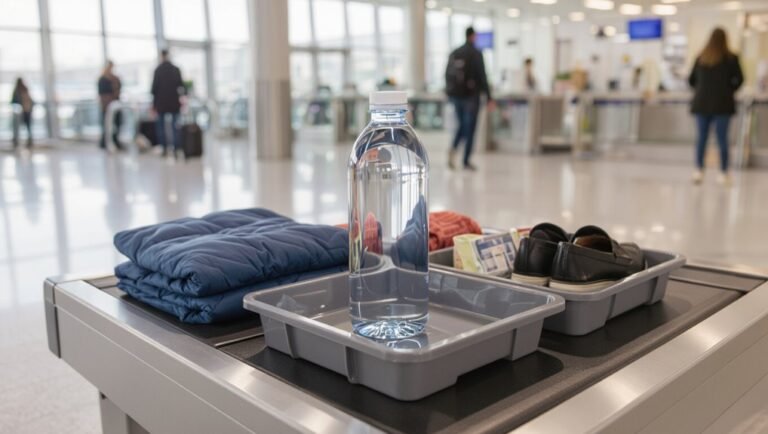
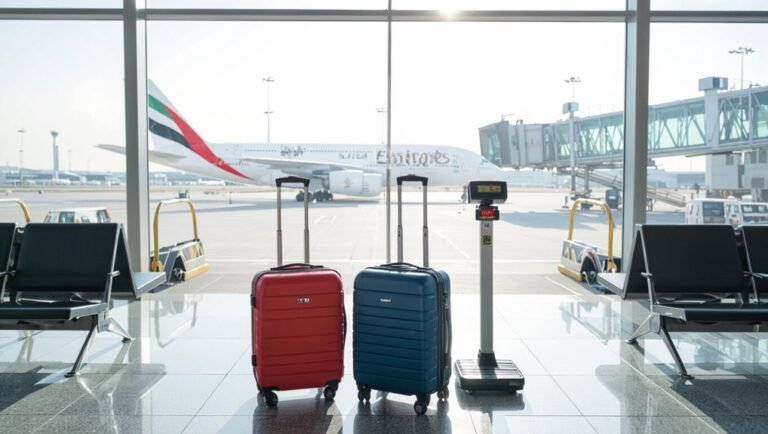
When you arrive at Tocumen or a regional airport, stay alert in busy terminals and watch for pickpockets and distraction tactics.
Keep your passport, boarding pass, and valuables secured in a hidden pouch or zipped bag while moving through customs and baggage claim.
If someone offers unsolicited help, politely decline and seek assistance from official staff or airport security.
Stay Aware In Terminals
1 clear strategy at the airport is to keep your head up and your belongings close—crowded terminals invite pickpockets and distraction tactics, so scan your surroundings, secure valuables in front-facing pockets or a money belt, and avoid showing large amounts of cash or expensive gear.
- Stay near well-lit, populated areas
- Keep backpacks in front
- Watch for distraction teams
- Confirm taxis at official ranks
Secure Your Documents
After keeping your bags and surroundings in check, lock down your travel documents next — passports, boarding passes, and visas draw unwanted attention and can disrupt your trip if lost or stolen. Keep originals in a money belt, scan copies to cloud, and only pull papers when needed. Store backups separately and watch for distractions.
| Item | Action |
|---|---|
| Passport | Money belt |
| Boarding pass | Phone photo |
| Visa | Separate bag |
Getting Around Safely: Taxis, Ride‑Hailing, and Buses
Although public transit can be crowded at peak times, you’ll find getting around Panama is straightforward if you stick to reputable taxis, official ride‑hailing apps, and the main bus lines; always confirm fares or use the app’s estimate, ride with licensed drivers, and avoid unmarked or unofficial vehicles.
- Use vetted apps and check driver details
- Carry small bills for bus and taxi fares
- Sit near the driver in isolated buses
- Share route info with someone you trust
Renting a Car in Panama: Safety and Insurance
If you plan to rent a car in Panama, know the local driving laws like speed limits, required documents, and rules for roundabouts.
Check insurance options carefully—what the rental includes, collision damage waivers, and whether your credit card or travel policy adds coverage.
Take safety precautions and extras such as a GPS or local SIM, inspecting the vehicle for damage and avoiding night driving on unfamiliar roads.
Local Driving Laws
When you rent a car in Panama, you’ll need to follow local driving laws and have proper documentation—your valid national or international driver’s license, passport, and the rental agreement—because police checks are common and penalties can be steep for violations.
You should also:
- Drive on the right and obey speed limits.
- Always carry documents.
- Never drink and drive.
- Use seat belts at all times.
Insurance Coverage Options
To protect yourself and your rental investment, make sure you understand the insurance options offered by the agency and what your own policies cover.
Check collision damage waiver (CDW), liability limits, theft protection, and roadside assistance.
Ask about deductible amounts, exclusions for off-road or unpaved roads, and whether credit card coverage applies.
Get written confirmation of chosen coverages before you sign.
Safety Precautions & Extras
Because Panama’s roads and driving conditions can change quickly, take a few extra precautions before you set out: inspect the vehicle for damage, confirm the spare tire and jack are usable, and make sure you understand how to operate headlights and locks.
Use local insurance, keep emergency contacts, and secure valuables.
- Buy CDW/LI coverage
- Check roadside assistance
- Note police procedures
- Lock doors always
Using Public Transit in Panama City: What to Know
Although Panama City’s transit network can feel crowded during rush hours, it’s an efficient and affordable way to get around if you know what to expect.
Use the metro for safer, faster trips; carry small change for buses and taxis; keep valuables secure and out of sight; avoid empty cars at night; ask locals or hotel staff for route tips and peak times to skip.
Walking at Night: Neighborhoods to Avoid in Panama City
When you’re out after dark in Panama City, stick to well-lit, busy streets and steer clear of neighborhoods with high crime reports like El Chorrillo, Curundú, and parts of San Miguelito; these areas can be dangerous at night due to gang activity and unpredictable robberies.
After dark in Panama City, stay on well-lit, busy streets and avoid high-crime neighborhoods like El Chorrillo and Curundú.
- Stay in groups and avoid shortcuts
- Use official taxis or rideshares
- Keep valuables concealed
- Trust your instincts and leave risky areas immediately
Where to Stay: Choosing Safe Hotels and Hostels
After a night out, your choice of lodging can make the difference between feeling secure and being vulnerable, so pick hotels or hostels with good lighting, 24-hour reception, and solid entry controls.
Choose centrally located places near transport and reputable neighborhoods, read recent guest reviews for safety mentions, confirm locks and safes, and opt for properties with visible security staff or surveillance for peace of mind.
Protecting Valuables in Panama: Pickpocket and Theft Prevention
Keep valuables out of sight and only carry what you need for the day.
Use anti-theft bags with lockable zippers and slash-resistant straps to deter opportunistic thieves.
Stay alert in crowded areas, since pickpockets target distracted travelers.
Keep Valuables Concealed
Although Panama feels lively and open, you’ll still want to hide cash, passports, and electronics to avoid drawing attention; small, secure bags and money belts make it easier to keep essentials out of sight while you move around.
- Carry only daily cash and leave extras locked
- Keep passports in a hidden pouch, not your back pocket
- Stash phones inside inner pockets
- Avoid flashing jewelry or cameras in crowds
Use Anti-Theft Bags
Wondering how to make your bag a tougher target for thieves? Use an anti-theft bag with lockable zippers, slash-resistant straps, and RFID protection. Keep it in front, zipped, and secured to your body. Choose a discreet, durable style and only carry essentials.
| Feature | Benefit | Tip |
|---|---|---|
| Lockable zips | Prevents quick grabs | Use small padlocks |
| Slash-proof | Stops cutting | Crossbody style |
| RFID | Protects cards | Test before trip |
| Discreet | Avoids attention | Skip flashy logos |
Stay Alert In Crowds
After securing your bag, stay extra vigilant in crowds where pickpockets work fast and close.
Keep valuables hidden and hands ready, avoid distractions, and trust gut feelings. Move away from tight clusters if uneasy.
Use these quick habits:
- Keep phone in front pocket or zipped inner pocket
- Loop strap across body tightly
- Avoid obvious jewelry or flashy gear
- Stay near well-lit, populated areas
Scams Tourists Commonly Encounter and How to Spot Them
Curious about the kinds of scams you might run into in Panama?
You’ll face common cons: overcharging taxi drivers, fake tour operators, distraction thefts paired with a “helpful” stranger, and bogus police asking to see your ID or wallet.
Verify licenses, book through reputable agencies, agree fares beforehand, keep belongings close, and trust your instincts.
If something feels off, walk away.
Using ATMs and Handling Cash Securely
When you need cash, use ATMs located at banks or inside malls rather than standalone machines on the street.
Keep your cash and cards in a money belt or a zippered, inside pocket and only take out what you need.
Be discreet when withdrawing or counting money and cover your PIN.
Use Bank ATMs
Wondering where to get cash safely in Panama? Use bank ATMs inside branches or malls to reduce risk.
Follow these quick tips:
- Choose well-lit, staffed ATMs during business hours.
- Inspect machines for tampering before use.
- Cover the keypad and keep transactions discreet.
- Withdraw modest amounts and stash receipts separately from cash.
Protect Cash And Cards
Because petty theft can happen even in busy areas, keep your cash and cards secure at all times when using ATMs or handling money in Panama.
Stay alert, shield PINs, and use ATMs inside banks or well-lit locations.
Carry minimal cash, split funds between a concealed money belt and a separate wallet, and report lost or stolen cards immediately to your bank.
Travel Health Precautions: Vaccines and Preventive Care
How should you prepare your health before heading to Panama?
Get routine vaccines up to date, check travel-specific shots, and bring prescriptions. Visit a travel clinic 4–6 weeks before departure.
Update routine vaccines, review travel shots, bring prescriptions, and see a travel clinic 4–6 weeks before leaving.
Pack a basic first-aid kit and health insurance documents.
- Update routine immunizations (MMR, Tdap)
- Consider hepatitis A/B and typhoid
- Bring prescription meds + copies
- Carry travel insurance info
Dealing With Mosquito Risks: Dengue, Zika, and Malaria
Protecting yourself from mosquito bites is the first line of defense—use repellents, wear long sleeves, and sleep under nets when needed.
Learn the early symptoms of dengue, Zika, and malaria so you can spot trouble quickly.
If you have high fever, severe pain, rash, or neurological signs, seek medical care right away.
Mosquito-Bite Prevention
When you travel in Panama, mosquito-borne illnesses like dengue, Zika, and malaria are a real concern, so taking practical steps to reduce bites should be part of your planning.
Use these prevention tips:
- Apply EPA-approved repellent (DEET, picaridin) on exposed skin.
- Wear long sleeves and pants, preferably treated with permethrin.
- Sleep under a bed net in rural areas.
- Avoid dawn and dusk outdoor activity when mosquitoes are most active.
Recognizing Symptoms Early
Prevention lowers your risk, but you should still know the early signs of dengue, Zika, and malaria so you can act fast if symptoms appear.
Watch for sudden fever, severe headache, joint or muscle pain, eye pain, rash, or unusual bleeding.
For Zika, note mild fever with rash and conjunctivitis.
Track symptom onset and avoid mosquito exposure while symptomatic.
When To Seek Care
How quickly should you act if you suspect dengue, Zika, or malaria? You should seek prompt care—these can progress fast.
Visit a clinic or ER if symptoms worsen, high fever appears, bleeding occurs, or pregnancy is involved.
- High fever or severe pain
- Bleeding or persistent vomiting
- Pregnancy or newborn exposure
- Confusion, fainting, or breathing trouble
Food and Water Safety Tips for Travelers
Wondering what to eat and drink in Panama without risking illness?
Stick to bottled or properly filtered water, avoid ice from unknown sources, and choose freshly cooked, hot meals.
Peel fruits yourself, skip raw seafood from street vendors, and eat at busy, well-reviewed places.
Bring oral rehydration salts for diarrhea, practice hand hygiene, and use sunscreen and insect repellent with meals outdoors.
Emergency Numbers and How to Get Help Quickly
Keep a list of Panama’s local emergency numbers (911 for police, fire, and ambulance) and program them into your phone so you can call without searching.
Know where the nearest clinic or hospital is in the area you’ll be staying and how to get there quickly.
Also save your embassy or consulate’s contact info so you can reach them immediately if you need help with lost documents or serious incidents.
Local Emergency Numbers
Need help fast? Know Panama’s key numbers and save them to your phone before travel.
- 911 — police, fire, ambulance (nationwide)
- Tourist Police — 311 (assistance for visitors)
- Maritime emergencies — 215-xxxx (port authority; check local port)
- Embassy/Consulate — save your country’s local number and address
Call 911 for immediate danger; use Tourist Police for non-life-threatening traveler issues.
Nearest Medical Assistance
How quickly can you get medical help in Panama? Call 911 for emergencies; ambulance response is faster in Panama City than remote regions.
Locate the nearest public hospital (Hospital Santo Tomás, Hospital Punta Pacífica) or private clinic, note operating hours, and keep a local SIM or roaming active.
Ask hotel staff or locals for directions and expect bilingual staff in major facilities.
Embassy And Consulate Contacts
If you run into legal trouble, lose your passport, or face a serious emergency, contact your embassy or consulate immediately—they can help with emergency travel documents, local legal referrals, and coordinating with family back home.
Keep contacts handy, note 24/7 numbers, and register with your embassy when possible.
- Save embassy phone and email
- Memorize emergency numbers
- Use online consular services
- Register your trip with your government
Travel Insurance: Recommended Coverage for Panama (Health, Evacuation, Theft)
Because medical care quality and evacuation logistics can vary across Panama’s urban and remote areas, you should buy travel insurance that covers medical emergencies, emergency evacuation, and theft or loss of belongings.
Choose a policy with ample medical limits, helicopter or air ambulance coverage for remote rescues, repatriation, and clear theft/theft-report procedures.
Keep digital and paper copies of your policy and emergency contacts.
Safety for Solo Travelers and Women Traveling Alone
Wondering what to expect as a solo traveler in Panama? You’ll find friendly locals, varied neighborhoods, and practical safety habits keep you secure.
Stay aware, trust instincts, and plan transport ahead.
- Use registered taxis or ride‑share apps
- Keep copies of documents and emergency contacts
- Dress modestly in unfamiliar areas
- Avoid isolated streets after dark
Family Travel Safety: Children and Senior Considerations
When traveling with kids or older relatives, plan ahead to keep everyone comfortable and safe: pack medications, mobility aids, ID bracelets, and copies of important documents.
Choose family-friendly accommodations, schedule rest breaks, and avoid late-night travel.
Teach kids basic safety rules, set meeting points, and keep phones charged.
Check local healthcare options and travel insurance that covers preexisting conditions.
Adventure Safety: Rainforests, Rivers, and Trails
If you’re planning hikes through Panama’s rainforests, river trips, or trail rides, prioritize preparation and respect for the environment:
- Carry waterproof gear, snacks, and a first-aid kit.
- Use insect repellent, sun protection, and sturdy footwear.
- Stay on marked trails, respect wildlife, and avoid night treks.
- Tell someone your route, check weather, and hire local guides when uncertain.
Boating and Island Hopping: Marine Safety Basics
Because Panama’s coastlines and islands invite exploration, you should treat boating and island hopping with the same careful planning you’d use on land: check vessel condition and safety gear, know weather and tide patterns, confirm potability of water and fuel availability, and brief everyone on emergency procedures before you cast off.
Wear life jackets, file a float plan, keep communications charged, avoid overloading, and respect local regulations.
Wildlife and Environmental Hazards to Watch For
After you’ve checked boats and gear, shift attention to the natural hazards that can affect hikers, snorkelers, and beachgoers alike.
Stay alert to venomous snakes, aggressive insects, strong currents, and sun exposure. Pack first aid, wear protective clothing, and heed local warnings.
- Watch for snakes and spiders
- Use insect repellent and nets
- Swim only at lifeguarded beaches
- Carry sun protection and water
Cultural Safety: Respecting Local Customs and Laws
When you travel in Panama, showing respect for local customs and laws keeps you safer and helps you blend in.
Learn basic Spanish phrases, dress modestly at religious sites, ask before photographing people, and follow alcohol and noise regulations.
Observe traffic rules, avoid sensitive political topics, and heed community norms—doing so reduces misunderstandings and keeps you out of trouble.
LGBTQ+ Travel Safety and Local Attitudes
Respecting local customs also means being aware of attitudes toward LGBTQ+ people across Panama’s cities and provinces.
You’ll find urban areas more tolerant, but rural spots can be conservative. Stay aware, trust your judgment, and plan accordingly.
- Research local LGBTQ+ resources and venues
- Use discretion in public displays of affection
- Connect with local LGBTQ+ groups online
- Have emergency contacts and embassy info ready
Drug Laws and Consequences for Tourists
Curious about Panama’s drug laws? You should know possession, trafficking, and distribution carry severe penalties, including long prison terms and hefty fines.
Police enforce laws strictly; random searches can occur. Don’t carry or accept packages for strangers.
If arrested, request consular assistance, stay silent until a lawyer arrives, and avoid signing documents you don’t understand.
Follow local laws to stay safe.
If a Storm or Quake Strikes: Traveler Steps and Local Alerts
Natural hazards are a different kind of risk than legal trouble, but both can upend your trip fast—storms and earthquakes demand immediate, practical actions.
Know local alerts, follow authorities, and have an emergency kit ready. Act calmly, help others if safe, and contact your embassy after immediate danger passes.
- Locate shelters and evacuation routes
- Save emergency contacts
- Keep flashlight and water
- Monitor radio alerts
Stay Safe Online in Panama: Wi‑Fi, VPNs, and Data Tips
How will you protect your data while using public Wi‑Fi in Panama?
Use a reputable VPN, disable auto‑connect, and guarantee sites use HTTPS.
Avoid sensitive transactions on open networks; if necessary, use your mobile hotspot.
Keep your device updated, enable two‑factor authentication, and limit app permissions.
Back up important data before travel and delete unused apps or stored credentials to reduce risk.
Money Matters: Avoiding Fraud and Card Skimming
Protecting your data online goes hand in hand with guarding your money while traveling in Panama.
Protecting your data online is as crucial as safeguarding your cash when traveling in Panama.
Watch ATMs, use RFID-blocking wallets, and prefer chip-and-PIN or contactless payments. Carry minimal cash and split cards between secure spots.
- Use bank ATMs inside banks or malls
- Cover PINs and inspect card slots
- Notify your bank of travel
- Use credit cards with zero‑fraud liability
Planning Your Itinerary With Safety in Mind
When you map out your Panama itinerary, factor safety into every choice—from neighborhoods and travel times to transit modes and accommodation locations—so you can enjoy adventures without unnecessary risk.
Check neighborhood crime reports, book well-reviewed lodging in safe areas, avoid late-night solo transit, plan daylight arrivals and departures, and choose reputable transport providers.
Share your schedule with someone trustworthy.
What to Do If You Lose Your Passport or Documents
If you lose your passport or important documents in Panama, act quickly: contact your embassy or consulate immediately to report the loss and get instructions for emergency travel papers.
File a police report for proof of loss, and cancel any lost credit cards or IDs to prevent fraud.
- Keep photocopies and digital scans
- Get a police report copy
- Visit your embassy with ID copies
- Notify banks and card issuers
How to Register With Your Embassy in Panama
After you’ve reported lost documents and contacted local authorities, register with your embassy so they can reach you during emergencies or political unrest.
Use your embassy’s online traveler enrollment or call consular services; provide contact details, itinerary, and local address.
Update entries if plans change. Keep a printed copy of the registration confirmation and emergency numbers.
Follow embassy alerts and instructions promptly.
Final Practical Checklist Before You Fly to Panama
Before you head to the airport, run through a compact checklist so nothing essential gets left behind:
Before heading to the airport, run a quick checklist so nothing essential gets left behind.
- Confirm passport validity (6+ months) and printed boarding pass.
- Notify bank, carry local cash and a travel card.
- Pack medications, copies of prescriptions, and emergency contacts.
- Check flight status, local COVID rules, and book airport transfer.
Frequently Asked Questions
Can I Bring Prescription Medications Into Panama Without Special Permits?
Yes — you can bring prescription meds into Panama, but you should carry originals, prescriptions (translated if possible), keep quantities reasonable for personal use, and declare controlled substances; check current regulations and airline rules before travel.
Are There Regions Where Travel Vaccinations Are Legally Required?
No, Panama doesn’t legally require travel vaccinations for entry, but you should get routine vaccines and recommended ones like hepatitis A, typhoid, and yellow fever if visiting jungle or border areas; check current health advisories.
How Reliable Is Cellphone Coverage and Emergency Service Response Nationwide?
Coverage’s decent in cities and tourist areas, but you’ll find spotty reception in remote jungles and mountains; emergency response is prompt in urban centers but slower and less coordinated in rural regions, so plan accordingly and carry backups.
Can I Drink Alcohol Openly on Public Beaches or Parks?
Yes, you can drink alcohol openly in many tourist beaches, but local rules vary and police may enforce bans in some parks or during festivals; you should check signs, respect locals, and avoid public drunkenness to stay safe.
Are Drone Flights Restricted or Require Permits in Panama?
Yes — drone flights are restricted and often require permits; you’ll need to register drones, get authorization for controlled areas, avoid airports and parks, and follow Aerial Law regulations to prevent fines or confiscation.
Conclusion
Panama can be safe if you stay aware and take basic precautions. Use common sense: avoid risky neighborhoods, don’t flaunt valuables, and stick to well-lit, populated areas at night. Keep photocopies of important documents, register with your embassy, and plan routes ahead. Learn local emergency numbers and buy travel insurance. With sensible choices and situational awareness, you’ll reduce most risks and enjoy Panama’s cities, beaches, and rainforests confidently.