Is Nicaragua Safe to Travel What You Should Know
You can safely visit many parts of Nicaragua if you stay alert, avoid risky areas after dark, and follow basic precautions. Petty crime like pickpocketing and bag snatches is common in cities and markets, so keep valuables hidden and use crossbody bags. Use reputable transport, avoid isolated highways at night, and monitor local advisories for protests, volcanic activity, or floods. Carry travel insurance, emergency contacts, and basic meds — scroll on to get practical tips and regional advice.
Nicaragua Safety Outlook: Current Risks
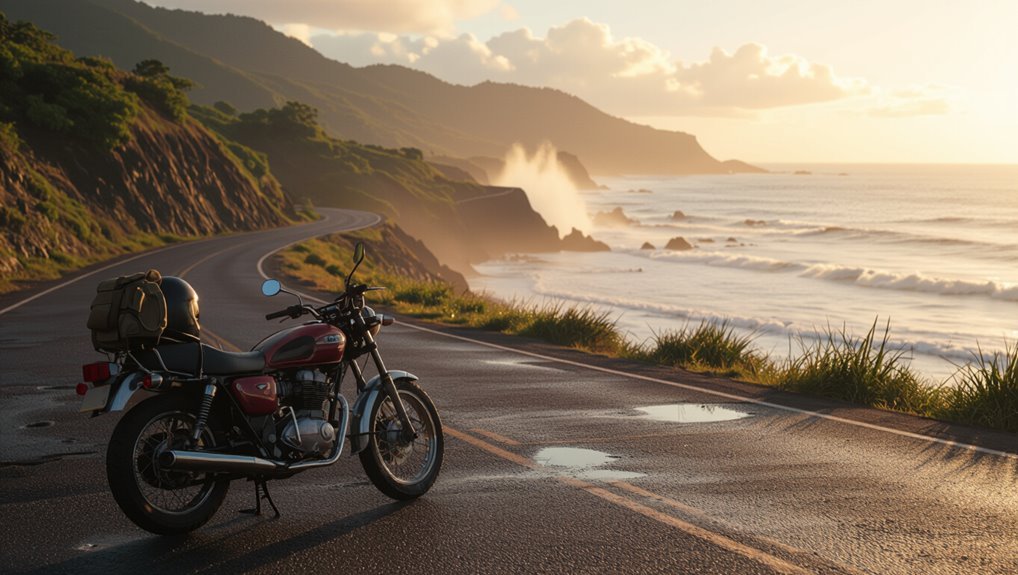
Wondering what risks you might face in Nicaragua right now?
You’ll encounter petty crime like pickpocketing and bag snatches in urban and tourist spots, occasional protests that disrupt transport, and uneven healthcare outside major cities.
Natural hazards—volcanic activity, earthquakes, flooding—can strike.
Stay alert after dark, monitor local advisories, register with your embassy, and keep travel insurance current.
Safer Regions and Areas to Avoid
Where should you go — and what should you skip? Stick to tourist-friendly spots: Granada, León’s historic center, and coastal beaches like San Juan del Sur and Corn Islands; they’re patrolled and well-traveled.
Use caution in border zones, remote Atlantic Coast communities, and isolated rural highways after dark. Stay in populated areas, choose reputable transport, and check local advisories before venturing off the beaten path.
Common Crimes and How to Avoid Them
Although most visits are trouble-free, petty theft, bag snatches, and opportunistic scams are the most common crimes tourists face in Nicaragua.
Pickpocketing happens in crowded markets and bus stations, while nighttime robberies can occur on poorly lit streets.
Keep valuables hidden, use crossbody bags with zippers, avoid flashing phones or cash, stay in groups after dark, and use reputable taxis or escorts.
Protests and Travel: Risks and Responses
When protests flare in Nicaragua, they can disrupt transport, close businesses, and turn otherwise safe areas volatile.
So you should stay informed about planned demonstrations and avoid crowds. Keep a low profile, carry ID and emergency contacts, and change plans if unrest grows.
Monitor local news and advisories, follow authorities’ guidance, and have a safe meeting point with companions.
Transport Safety: Buses, Taxis, Ferries, Driving
If you’re planning to get around Nicaragua, pick your transport with safety and reliability in mind: Use reputable bus companies, avoid night buses on rural routes, and keep valuables close.
Hail taxis from hotels or apps when available, agree fares beforehand, and consider shared shuttles for longer trips.
Ferries vary—check schedules, operator reviews, and vessel condition before boarding.
Drive defensively; watch road quality.
Health Precautions and Medical Care Access
While you’ll find basic medical services in major cities, rural areas have limited care and you should plan accordingly.
Carry essential prescriptions, a first-aid kit, and travel insurance covering evacuation.
Pack your prescriptions, a well-stocked first-aid kit, and travel insurance that includes medical evacuation.
Stay current on routine vaccines; consider hepatitis A and typhoid if you’ll eat local food.
Use insect repellent to prevent mosquito-borne illnesses, drink bottled water, and seek care early for fever or severe symptoms.
Money, Scams, and Protecting Your Belongings
Keep your wallet and cards secure by using a money belt or front-pocket wallet and only carrying the cards and cash you’ll need for the day.
Be aware of common scams like card skimming, overcharging taxis, and distracting street cons, and verify prices or menus before paying.
If something feels off, trust your instincts, walk away, and check with hotel staff or fellow travelers.
Wallet And Card Safety
1 smart habit will cover most problems: carry only what you need and split your cash and cards.
Keep one small daily wallet on you and stow backups in a money belt or locked luggage.
Use RFID-blocking sleeves, notify your bank of travel, enable card alerts, and memorize emergency numbers.
If a card’s lost, cancel it immediately and use a backup.
Avoiding Common Scams
Splitting cash and cards reduces your loss if something goes wrong, but you also need to watch for common scams that target visitors.
Stay alert, refuse distractions, and verify prices and identities. Report incidents to police and your embassy.
- Ignore friendly strangers who push offers
- Check ATM skimmers
- Confirm taxi fares first
- Protect bags in crowds
- Use chip cards and receipts
Safety Tips for Solo Travelers, Families, and LGBTQ+ Travelers
Whether you’re traveling alone, with family, or as an LGBTQ+ traveler, you’ll want practical tips to stay safe and comfortable.
For solo trips, trust your instincts, share your itinerary, and use reliable transport and accommodations.
With kids or teens, prioritize child-friendly activities and emergency plans.
If you’re LGBTQ+, research local attitudes, discreetly choose welcoming venues, and carry copies of important documents.
Solo Traveler Precautions
If you’re traveling to Nicaragua alone, with family, or as an LGBTQ+ visitor, a few practical precautions will keep your trip smoother and safer.
Stay aware, trust instincts, and plan routes. Use reputable transport, secure accommodations, and share itineraries.
- Register with your embassy
- Carry phone charger and backup
- Avoid isolated areas at night
- Limit displays of valuables
- Learn basic Spanish phrases
Family Safety Measures
Traveling with children changes what you watch for and how you prepare, so adjust plans accordingly: pick family-friendly neighborhoods, book ground-floor or elevator-access rooms, and confirm accommodations have secure windows, gates, or balconies.
Keep copies of IDs, set a meeting point if separated, carry a basic first-aid kit, teach kids to avoid strangers, use child reins or harnesses for busy areas, and lock valuables.
LGBTQ+ Travel Advice
Because laws and social attitudes toward LGBTQ+ people can vary across Nicaragua, you should take simple precautions: stay aware, respect local norms, and prioritize safety.
Travel discreetly if needed, seek LGBTQ+ friendly venues, and have emergency contacts ready.
- Research local laws and attitudes
- Use trusted accommodation and guides
- Avoid public displays if unsafe
- Carry ID and phone numbers
- Connect with local LGBTQ+ groups
Prepare for Emergencies: Contacts, Insurance, Evacuation
When an emergency happens, have a short, prioritized plan: key contacts (local emergency numbers, your embassy or consulate, your accommodation, and a trusted local contact), up-to-date travel insurance that covers medical evacuation and repatriation, and a clear idea of evacuation options and meeting points so you can act fast and stay safe.
Keep digital and paper copies, share them with someone you trust, and rehearse exits.
Deciding If Nicaragua Is Right for Your Trip: Quick Checklist
With your emergency plan in place, now ask whether Nicaragua matches your priorities and comfort level: think safety, health, activities, budget, and how much you want to explore off the beaten path.
Decide quickly: can you handle basic infrastructure, language barriers, and regional risks? If yes, proceed; if not, adjust plans or destinations.
Decide quickly: can you handle basic infrastructure, language barriers, and regional risks — if not, rethink your plans.
- Safety tolerance
- Health preparations
- Activity preferences
- Budget realism
- Flexibility needed
Frequently Asked Questions
Do I Need Special Vaccinations for Nicaragua Beyond Routine Ones?
Yes — you’ll likely just need routine vaccines, but you should get hepatitis A and possibly typhoid; consider rabies and yellow fever only in specific situations. Check a travel clinic for personalized, up-to-date advice and timing.
Can I Use My Cell Phone and Data Easily Across the Country?
Yes — you can use your cell phone and data across most of Nicaragua; you’ll need an unblocked phone, consider a local SIM or international plan, expect reliable coverage in cities but spotty service in remote or jungle areas.
Are Adventure Activities (Surfing, Volcano Boarding) Insured by Travel Insurance?
Sometimes—they often exclude high-risk activities, so you’ll need to check policy specifics. Don’t assume coverage; get adventure/sports riders or buy specialized insurance covering surfing, volcano boarding, equipment loss, medical evacuation, and emergency rescue.
What Local Customs or Etiquette Should Tourists Be Aware Of?
You should greet with a handshake and a smile, use formal titles, dress modestly in churches, ask before photographing people, avoid loud criticism of politics, tip small amounts, and accept offers with both hands—showing respect and friendliness.
Is Tap Water Safe to Drink in Tourist Areas?
No, you shouldn’t drink tap water in tourist areas; you’ll want bottled or filtered water, avoid ice unless made from treated water, and use bottled water for brushing teeth to prevent stomach upset while you travel.
Conclusion
Nicaragua can be a rewarding destination if you prepare wisely. Stay informed about current risks, avoid high-crime neighborhoods and large protests, and use reputable transport and tour operators. Keep valuables secure, carry copies of documents, and have travel insurance with medical and evacuation coverage. Solo travelers, families, and LGBTQ+ visitors should follow local customs, trust instincts, and register with their embassy. If you’re cautious and prepared, Nicaragua can be safe and enjoyable.