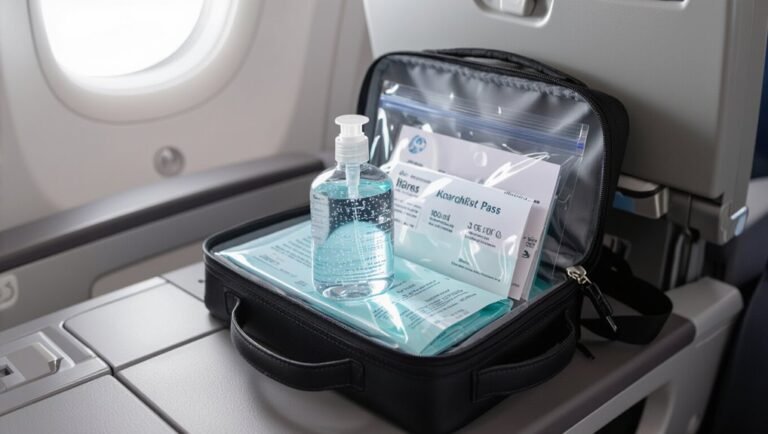
Is Ecuador Safe to Travel Latest Advice
You can safely travel in Ecuador if you stay alert, avoid high‑risk neighborhoods, and follow local advisories. Cities like Quito and Guayaquil have higher petty crime and occasional violent incidents, while Cuenca and the Galápagos are generally safer for visitors. Take basic health precautions, use reputable transport, and register with your embassy. Carry copies of IDs, split cash, and check weather and border alerts. Keep going for detailed regional tips and emergency steps.
Is Ecuador Safe to Travel Right Now?
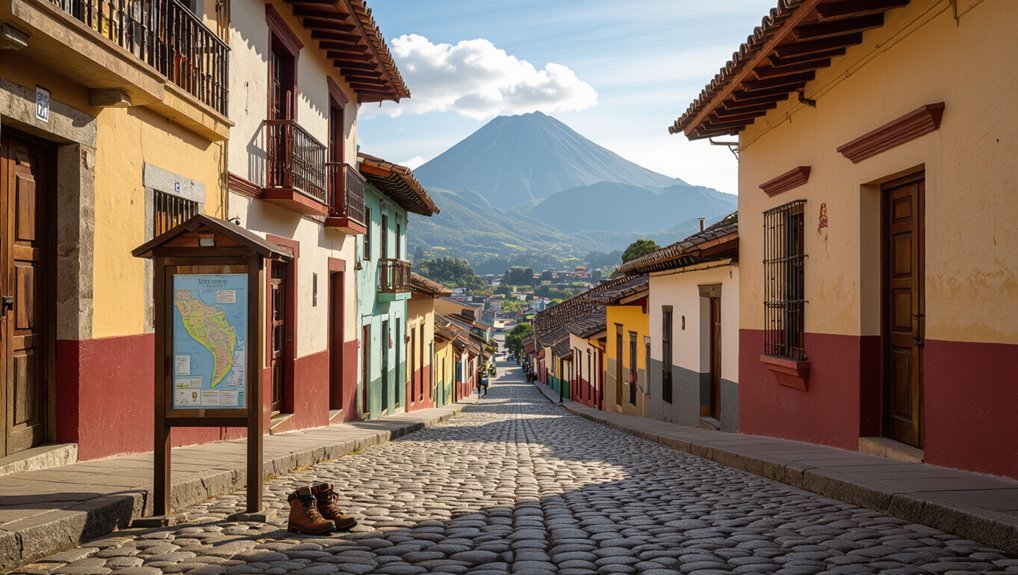
Wondering if Ecuador is safe to travel right now? You’ll find safety varies by region and current events.
Check updated travel advisories, local news, and weather alerts before you go. Urban areas may have petty crime; rural zones can be remote with limited services.
Stay aware, register with your embassy, and plan routes and accommodations carefully to reduce risk and surprise.
Quick Ecuador Safety Summary and Top Tips
Anyone visiting Ecuador should know the basics: safety varies by region, but most trips are trouble-free if you stay aware and prepared.
Keep belongings secure, use reputable transport, avoid nighttime walking alone, and register with your embassy.
Keep belongings secure, choose reputable transport, avoid walking alone at night, and register with your embassy.
Respect local customs, monitor news, and buy travel insurance.
Trust instincts, share your itinerary, and have emergency contacts handy to handle unexpected situations.
Which Regions Have the Highest Crime Risk?
You’ll want to be most cautious in major urban hotspots like parts of Guayaquil and Quito, where theft and gang activity are more common.
Border and transit zones can be risky too, especially near Colombia and along informal transport routes.
Remote coastal areas sometimes see opportunistic crime, so keep a low profile and check local advice.
Major Urban Hotspots
Some neighborhoods in Ecuador’s largest cities see noticeably higher crime rates than others, so you’ll want to be selective about where you go after dark.
In Quito, Guayaquil and Cuenca, avoid poorly lit districts, lone streets and known gang areas. Use reputable taxis, stay in busy, tourist-friendly zones, keep valuables out of sight, and ask locals or your hotel which neighborhoods to skip.
Border And Transit Zones
When travelling near Ecuador’s borders and major transit corridors, be aware that criminal activity—especially petty theft, armed robbery, and occasional smuggling-related violence—tends to concentrate in certain provinces and at informal crossings;
stick to official checkpoints, travel daytime when possible, and use reputable transport providers to reduce risk.
Focus caution on border provinces like Esmeraldas, Sucumbíos, and parts of Carchi and Loja; avoid isolated roads.
Remote Coastal Areas
Beyond border and transit hotspots, coastal corridors and isolated beaches bring their own risks you should watch for. You’ll avoid trouble by steering clear of poorly lit fishing villages, lonely surf breaks at night, and informal ports. Stay in secured towns, use registered taxis, and ask locals about safe times.
| Area | Risk | Tip |
|---|---|---|
| Esmeraldas | High | Day travel |
| Manabí coast | Moderate | Group visits |
| Remote islands | High | Guided tours |
Safety Differences: Quito vs Guayaquil vs Cuenca
Although all three cities share Ecuadorian culture, you’ll notice clear safety differences between Quito, Guayaquil, and Cuenca:
- Quito: higher-altitude scams and petty theft; stick to well-lit districts and vetted taxis.
- Guayaquil: larger city crime rates; avoid isolated waterfront areas at night and use hotel advice.
- Cuenca: generally calmer, tourist-friendly; still exercise normal caution with belongings and nighttime routes.
Are the Galápagos Islands Safe for Tourists?
When you visit the Galápagos, you’ll need to follow strict wildlife interaction rules to protect both you and the animals, like keeping distance and not feeding or touching creatures.
You should also take basic health precautions—stay up to date on vaccinations, pack any medications, and be mindful of sun, heat, and sea conditions.
With common-sense measures and respect for regulations, the islands are generally safe for tourists.
Wildlife Interaction Rules
Curious about wildlife safety in the Galápagos? You’ll follow strict rules to protect animals and yourself.
Keep distance, avoid touching, and don’t feed wildlife. Remember park guidelines and licensed guides enforce rules.
- Stay at least 2 meters away from animals.
- Don’t touch or chase wildlife.
- Never feed animals or leave trash behind.
Health And Safety
If you’re planning a trip to the Galápagos, you’ll find that health and safety are well-organized but require preparation.
You should get routine vaccines, consider hepatitis A and typhoid, bring insect repellent and motion-sickness meds, and pack basic first-aid supplies.
Follow park rules, drink bottled water, use sunscreen, and choose licensed guides and boats to minimize risks and guarantee prompt help if needed.
Coast and Beach Safety: General Risks
How safe are Ecuador’s beaches for visitors? You’ll face natural and human risks; stay alert, use common sense, and prepare.
Ecuador’s beaches are beautiful but require caution—beware natural hazards and petty crime; stay vigilant and prepared.
- Rip currents: respect warning flags, swim near lifeguards.
- Crime: keep valuables hidden, avoid isolated areas at night.
- Sun and marine hazards: wear sunscreen, watch for jellyfish and sharp rocks.
Popular Beach Towns: Safety Profiles
When you compare popular beach towns like Salinas, Montañita, and Puerto López, you’ll notice crime rates and local safety issues vary by place and time of year.
Check beach conditions, rip currents, and lifeguard presence before you swim, and follow posted warnings.
At night, stick to well-lit areas, avoid flashing valuables, and use trusted transport to reduce risk.
Crime Rates By Town
Curious about which coastal towns in Ecuador are safest to visit? You’ll find crime varies by town: some see mostly petty theft, others report occasional violent incidents.
Check local statistics and traveler reports before you go.
- Montañita: higher petty crime, lively nights.
- Salinas: more police presence, tourist-friendly.
- Mompiche: quieter, low reported crime.
Beach Safety Considerations
While beaches in Ecuador draw you with warm water and surf, safety conditions can change from town to town, so you’ll want to know the local profile before you go. Check currents, lifeguard presence, and petty crime in each town. Use local advice and secure belongings.
| Town | Safety Tip |
|---|---|
| Montañita | Watch rip currents |
| Salinas | Use guarded beaches |
| Canoa | Secure gear |
| Atacames | Avoid isolated spots |
| Playas | Follow local warnings |
Nighttime Precautions
After checking currents, lifeguard coverage, and petty theft during the day, you should adjust your plans for the night—beach towns can feel very different after dark.
Keep to well-lit, populated areas and lock valuables in a safe. Follow local advice and trust instincts.
- Walk busy streets, avoid isolated stretches.
- Use registered taxis or apps.
- Travel light, blend in.
Crime Risks in the Amazon Region
Although the Amazon region is largely peaceful for organized tours, you should still be alert to specific crime risks—petty theft at lodges and river ports, opportunistic robbery on isolated trails, and occasional scams aimed at tourists.
Stay with your guide, lock valuables, avoid displaying cash or electronics, travel in groups, verify prices beforehand, and report suspicious behavior to lodge staff or local authorities promptly.
River and Wildlife Safety in the Amazon
On Amazon outings you should respect strong river currents and only boat with experienced guides who know local channels and seasonal changes.
Keep a safe distance from wildlife, never feed or approach animals, and follow guide instructions to avoid startling them.
Carry basic safety gear and ask about emergency plans before you set off.
River Current Awareness
When you enter Amazonian rivers, respect the current—it’s stronger and less predictable than it looks and can sweep you or small boats downstream in seconds.
- Wear a life jacket and secure gear.
- Scout crossings from shore; avoid unknown channels.
- Travel with experienced guides and check weather; currents change fast.
Wildlife Interaction Safety
Respecting river currents goes hand-in-hand with how you interact with Amazon wildlife—both can change in an instant and demand careful behavior.
Stay on guided trails and boats, keep distance from mammals, birds and caimans, and never feed animals. Secure food and trash, use insect repellent, wear long sleeves, and follow your guide’s instructions.
If bitten or injured, seek medical help immediately.
Road Safety and Driving in Ecuador
Although Ecuador’s roads can be scenic, you’ll want to stay alert: driving conditions vary from well-maintained highways to narrow mountain roads with sharp turns and unpredictable weather.
- Drive defensively, expect sudden obstacles and slow local traffic.
- Confirm your vehicle’s brakes, lights, and tires are reliable before long routes.
- Avoid night driving in rural or mountainous areas and keep maps/GPS charged and updated.
Buses, Taxis, and Rideshare Safety
If you’d rather leave the driving to others, Ecuador offers a range of public and private options—each with its own safety trade-offs.
Use reputable bus companies for long distances, sit near the driver, and keep valuables close.
For long trips, pick reputable buses, sit near the driver, and keep valuables secure and close.
Choose licensed taxis or app-based rideshares, confirm plates and driver details, and share your route with someone.
Trust instincts; refuse unsafe rides.
Preventing Petty Theft and Pickpocketing
When you’re in crowded markets, buses, or tourist spots, stay aware of your surroundings and watch for common distraction tactics.
Keep passports, phones, and cash secured on your body in a zippered or money belt pocket.
Carry as little as possible—leave extra cards and valuables in your hotel safe to reduce temptation.
Stay Aware In Crowds
Because crowded places are where petty thieves work best, stay alert to your surroundings and keep valuables out of sight and reach.
You’ll blend in more when you move confidently and avoid distractions.
Follow simple habits:
- Keep your bag closed and in front of you.
- Don’t display phones or maps in tight spaces.
- Watch sudden crowd surges and back away.
Secure Valuables On Body
1 simple habit can drastically cut your risk of being targeted: keep valuables on your body in secure, hard-to-reach places.
Use a slim money belt, hidden neck pouch, or inside jacket pocket zipped close.
Keep phones in front pockets with a hand over them in crowds, and avoid showing cash or cards.
Check straps and closures frequently to prevent snags or theft.
Use Minimal Carry Items
Carrying less makes you a less attractive target, so strip down to essentials: an ID, one card, minimal cash, and your phone (or leave the phone stowed in busy areas).
Keep items secure and accessible, and avoid backpacks in crowds.
- Wallet: slim, front pocket
- Phone: tucked or pocketed, not flashing
- Extras: leave jewelry and duplicates at your lodging
Avoiding Armed Robbery and Muggings
Few simple habits will sharply reduce your risk of armed robbery or mugging while in Ecuador.
Stay aware of surroundings, avoid isolated streets at night, and keep valuables out of sight.
Use taxis from official stands, walk confidently, and split cash/cards separately.
If confronted, comply—your safety matters more than possessions.
Report incidents to local police and your embassy promptly.
Solo Travel Safety Tips for Ecuador
When you travel solo in Ecuador, plan ahead and trust your instincts: research neighborhoods, prebook reputable transport and accommodations, and share your itinerary with someone back home so people know where you are.
- Keep valuables discreet, use a money belt, and carry photocopies of documents.
- Stay in well-reviewed lodgings, avoid isolated areas at night.
- Blend in, learn basic Spanish, and know emergency numbers.
Family and Group Travel Precautions
Shifting from solo precautions, traveling with family or a group needs extra coordination—you’ll want to plan meeting points, assign responsibilities, and keep a clear communication plan so no one gets separated. Carry copies of IDs, set buddy pairs, share an emergency contact, and agree on transport methods.
| Role | Task | Backup |
|---|---|---|
| Leader | Itinerary | Extra maps |
| Buddy | Check-ins | Phone share |
| Medic | First aid | Pharmacy list |
| Cash | Payment plan | Card backup |
Women Travelers: Practical Safety Tips
When you’re traveling in Ecuador solo, be cautious at night: stick to well-lit, populated areas and use trusted transport or pre-arranged rides.
Dress to blend in with local norms to avoid unwanted attention, and keep behavior confident and aware.
Trust your instincts, carry minimal valuables, and have emergency contacts and a charged phone handy.
Solo Night Safety
Although Ecuador is generally welcoming, you should take extra precautions when traveling alone at night—use well-lit, busy streets, keep your belongings secure and out of sight, and plan your route and transportation in advance.
- Stick to main roads and avoid shortcuts.
- Use licensed taxis or ride-hailing apps, share trip details.
- Stay aware, limit phone use, and trust your instincts.
Dressing And Behavior
If you want to minimize unwanted attention, dress modestly and blend with local styles—opt for neutral colors, conservative cuts, and avoid flashy jewelry or expensive-looking bags.
Stay confident, walk purposefully, and keep valuables concealed.
Learn basic local customs to avoid offending anyone.
Trust your instincts, decline persistent advances politely, and plan routes so you’re not stranded after dark.
LGBTQ+ Travelers: Safety Today in Ecuador
Wondering how safe Ecuador is for LGBTQ+ travelers today? You’ll find friendly pockets in cities and tourist areas, but public displays can attract stares.
Be aware of varying attitudes outside urban centers.
- Use common-sense precautions and avoid isolated places at night.
- Seek LGBTQ+-friendly venues and resources in Quito or Guayaquil.
- Respect local cultural norms while asserting your rights calmly.
Staying Safe While Hiking in the Andes
After enjoying Ecuador’s cities and coastal spots, you’ll want to take precautions when hiking in the Andes, where altitude, weather, and remote terrain raise different risks.
Stick to marked trails, tell someone your route and schedule, hire local guides for unfamiliar areas, carry navigation, water, layers, sun protection and a basic first-aid kit, and check weather and park regulations before you go.
Altitude Sickness: Risks and Prevention
Because much of Ecuador sits at high elevation, you should take altitude sickness seriously—symptoms can come on quickly and range from mild headaches and nausea to life‑threatening pulmonary or cerebral edema.
- Ascend slowly, rest 24–48 hours at each 1,000–2,000 m gain.
- Hydrate, avoid alcohol, eat light carbs; consider acetazolamide if advised.
- Recognize worsening signs—severe breathlessness, confusion—and descend or seek emergency care immediately.
Volcano Safety Near Cotopaxi and Chimborazo
If you plan to visit Cotopaxi or Chimborazo, take volcano safety seriously: both are active peaks with sudden weather shifts, rockfall, and glacial hazards that can turn routine hikes into emergencies.
Check official advisories, hire experienced guides, use proper gear, and avoid solo climbs.
Stay clear of crevasses, unstable slopes, and fumaroles; descend immediately if conditions worsen or authorities issue warnings.
Earthquake Preparedness and Response
While volcanoes pose obvious risks in the highlands, Ecuador’s seismic activity means you also need to prepare for earthquakes—especially in coastal and Andean regions.
While highland volcanoes threaten, Ecuador’s seismic activity—especially along the coast and Andes—means earthquake preparedness is essential.
You should:
- Know safe spots: drop, cover, hold; identify exits and sturdy furniture.
- Keep an emergency kit with water, meds, copies of documents, and a flashlight.
- Learn local alerts, stay calm, and follow officials’ instructions after aftershocks are assessed.
Floods and Landslides: Seasonal Risk Zones
When the rainy season hits—from December to May in many coastal and Andean areas—you’ll face heightened risks of flash floods and landslides, especially near rivers, steep slopes, and deforested hillsides. Stay informed, avoid riverbanks after heavy rain, and follow local evacuation orders.
| Risk Zone | Advice |
|---|---|
| Coastal lowlands | Monitor alerts |
| Andean slopes | Avoid unstable roads |
| River valleys | Don’t camp nearby |
Health Precautions: Vaccines and Common Illnesses
Before you go, check recommended vaccinations like hepatitis A, typhoid, and routine shots, and ask your doctor about yellow fever if you’ll visit the Amazon.
Take steps to prevent tropical illnesses—use mosquito repellent, wear long sleeves, and avoid untreated water.
Pack a travel health kit with basics (pain relievers, oral rehydration salts, insect bite treatment, and any prescription meds) and keep copies of prescriptions.
Recommended Vaccinations
Because Ecuador’s climate and ecosystems vary from coastal lowlands to high Andes and Amazon rainforest, you’ll want to check vaccines that match the regions you’ll visit.
Consult a travel clinic 4–8 weeks before departure. Consider routine and region-specific shots:
- Routine: MMR, DTaP, varicella, flu.
- Hepatitis A and typhoid for most travelers.
- Yellow fever if visiting Amazon or required for entry.
Preventing Tropical Illnesses
Although Ecuador’s varied climates mean different risks, you can greatly reduce your chance of tropical illnesses by getting appropriate vaccines, using insect protection, and practicing food and water safety.
Wear long sleeves, use insect repellent with DEET or picaridin, sleep under treated nets in high-risk areas, avoid mosquito hours, drink bottled or boiled water, eat well-cooked food, and seek prompt care for fever or persistent symptoms.
Travel Health Supplies
If you’re packing for Ecuador, bring a compact travel-health kit and any recommended vaccines so you can handle common issues quickly and avoid disrupting your trip.
- Pack oral rehydration salts, anti-diarrheal meds, and probiotics.
- Include insect repellent, sunscreen, and a basic first-aid kit.
- Carry prescription copies, fever reducer, and antihistamines; consider altitude tablets if visiting highlands.
Food and Water Safety Advice
One clear rule to follow in Ecuador is to drink only bottled or properly filtered water and avoid ice unless you know it’s made from treated water.
Eat cooked food while it’s hot, choose busy stalls with high turnover, and avoid raw salads and unpeeled fruit unless you wash them with safe water.
Use hand sanitizer before meals.
Medical Care, Hospitals, and Emergency Numbers
When you need care in Ecuador, private clinics and hospitals—especially in Quito, Guayaquil, and Cuenca—usually offer high-quality, English-speaking services and modern facilities.
In contrast, public hospitals can be crowded and uneven in standards.
- Dial 911 for police/medical emergencies.
- Carry local clinic addresses and phone numbers.
- Bring ID, your medication list, and any allergy information to speed treatment.
Travel Insurance: What Coverage to Buy
Because unexpected medical bills, trip cancellations, and lost luggage can sink a vacation, buy a policy that covers emergency medical evacuation, repatriation, and at least the medical costs you’d face back home.
Also include trip cancellation/interruption and baggage protection tailored to your itinerary, activities, and the value of your gear.
Add coverage for adventure activities you’ll do, verify exclusions, keep digital copies of documents, and compare deductibles.
Registering With Your Embassy in Ecuador
Why not register with your embassy before you go? It’s quick and helps consular teams contact you during emergencies.
When in Ecuador, keep your profile updated and follow alerts.
- Share itinerary and contact details.
- Enable emergency notifications.
- Note local emergency numbers and embassy location.
Registration boosts safety coordination and peace of mind while you travel.
Local Laws and Customs That Affect Visitors
When you travel in Ecuador, dress modestly in rural areas and respect local norms in churches and indigenous communities.
Remember that public displays of intoxication or disorderly conduct can draw police attention and fines. Local laws are enforced differently across regions, so follow instructions from officers and carry ID to avoid problems.
Dress And Behavior
While Ecuador doesn’t have rigid dress codes for tourists, you should dress modestly and respectfully—especially in churches, indigenous communities, and smaller towns where conservative norms prevail.
You’ll blend in and avoid offense by following simple guidelines:
- Cover shoulders and knees in religious sites and formal settings.
- Choose unobtrusive colors and avoid flashy jewelry.
- Observe and mirror local behavior, especially during ceremonies.
Local Laws Enforcement
If you’re visiting Ecuador, remember that police and local authorities enforce laws strictly—especially on issues like drug possession, public drunkenness, and undocumented work—so don’t assume leniency for tourists.
Follow rules on permits, respect protected areas, and carry ID. Obey traffic laws, don’t bribe officials, and report crimes promptly.
Familiarize yourself with local regulations to avoid fines, detention, or deportation.
Drug Laws, Penalties, and Travel Risk
Though Ecuador decriminalized possession of small amounts of certain drugs for personal use in 2013, you should still treat drug laws there as strict: possession, trafficking, cultivation, and distribution carry heavy penalties, and enforcement can be unpredictable.
- Don’t carry any substances; penalties are severe.
- Avoid association with sellers or suspicious behavior.
- If questioned, remain calm, contact your embassy, and seek legal counsel.
Handling Police Stops and Checkpoints
If you’re stopped by police or reach a checkpoint, stay calm and follow instructions to keep the situation smooth.
Ask to see identification if anything seems off, and comply while you verify the officer’s badge or credentials.
Remember your rights — you can refuse searches without a warrant and should request an official record if there’s an incident.
Stay Calm, Comply
When you’re stopped by police or encounter a checkpoint in Ecuador, stay calm and follow instructions—doing so keeps the situation straightforward and helps you avoid misunderstandings.
- Remain polite, keep hands visible, and answer questions briefly.
- Provide requested documents promptly and avoid sudden movements.
- If unsure, ask calmly for clarification and note officer badge numbers for later reference.
Verify Officer Identity
How can you quickly confirm an officer’s identity during a stop? Ask politely to see badge and ID, note name and unit, and keep doors open for inspection. If anything feels off, slowly record details or take a photo without escalating. Follow directions while you verify.
| What to ask | What to check |
|---|---|
| Badge number | Photo ID |
| Unit/agency | Name |
Know Your Rights
Want to know what you can and can’t do during a stop or checkpoint? You should stay calm, show ID when asked, and ask why you’re being stopped.
You don’t have to consent to searches without a warrant. Follow officers’ lawful directions, but politely refuse intrusive requests and request a supervisor if unsure.
- Stay calm and visible
- Ask why
- Refuse warrantless searches
Money Safety: Avoiding Scams and Card Fraud
Curious about keeping your money safe in Ecuador? Carry minimal cash, split funds between a money belt and a secure bag, and use ATMs inside banks or malls.
Cover PINs, watch for card skimmers, and prefer chip/contactless payments. Inspect bills; refuse damaged notes.
Beware overfriendly strangers offering help with transactions. Report thefts promptly to police and your card issuer.
Staying Connected: SIM Cards, Roaming, Offline Maps
You’ll find affordable local SIMs from Claro, Movistar, and CNT at airports and shops, which give you good data coverage for most regions.
If you prefer to keep your number, check roaming rates with your carrier before you go to avoid surprises.
Download offline maps and mark key spots—your hotel, attractions, and emergency contacts—so you’re covered when signal drops.
Local SIM Options
How will you stay connected in Ecuador? Choose a local SIM for cheaper data and calls; buy one at airports, carrier shops, or convenience stores.
Check coverage maps for coastal, Andean, and Amazon regions. Consider ID and open phone requirements.
- Claro — widest coverage.
- Movistar — competitive data plans.
- CNT — reliable in rural areas.
Offline Maps Setup
Even if you get a local SIM or enable roaming, download offline maps before you leave Wi‑Fi so you can navigate without service; pick apps that let you save entire regions, mark custom pins, and choose between map types (driving, walking, satellite) for the areas you’ll visit.
Also cache transit lines, walking routes, and points of interest, test navigation offline, and back up maps to cloud or SD.
Choosing Safe Hotels, Hostels, and Airbnbs
Where should you stay to feel secure and comfortable while traveling in Ecuador? Choose accommodations near main streets and transport hubs, verify reviews, and confirm safety features.
- Check recent guest reviews, photos, and host responsiveness.
- Prioritize places with 24/7 reception, secure locks, and lockers.
- Use official platforms, ask about neighborhood safety, and confirm cancellation and emergency contacts.
Nightlife Safety: Bars, Parties, and Getting Home
Heading out for a night in Ecuador? Stay aware: keep valuables concealed, use a money belt, and avoid isolated areas after bars close.
Drink responsibly, watch your glass, and travel with friends.
Arrange reliable transport—licensed taxis, ride-hailing apps, or hotel shuttles—and confirm fares beforehand.
Carry emergency contacts and a copy of your ID; if anything feels unsafe, leave immediately.
Choosing Reputable Adventure Tour Operators
After a safe night out, you’ll want the same care when booking adventures—your choice of operator can make the difference between a great experience and a dangerous one.
- Verify licenses, insurance, and safety records before you pay.
- Read recent reviews and ask about guides’ training and emergency protocols.
- Compare equipment standards, group sizes, and cancellation policies to avoid surprises.
Packing Checklist: Safety Gear and First Aid
Because even short trips can throw surprises at you, pack safety gear and a compact first-aid kit that you’ll actually use—bandages, antiseptic wipes, blister care, pain relievers, any prescription meds, and a few key tools like a multi-tool, headlamp, and a whistle.
Add water purification tablets, insect repellent, sunscreen, spare batteries, adhesive tape, tweezers, and emergency contact info; know basic wound care and allergy management.
Language Phrases to Reduce Misunderstandings
While you don’t need perfect Spanish to get by, learning a handful of clear, polite phrases will cut down on confusion and help you navigate emergencies, directions, and transactions; master greetings, asking for help, expressing allergies or medical needs, and confirming prices or times.
A few polite Spanish phrases—greetings, asking for help, medical needs, and confirming prices or times—go a long way.
- Learn greetings, merci, and basic courtesy.
- Memorize “¿Puede ayudarme?” and medical/allergy phrases.
- Practice numbers, prices, times, and directions aloud to avoid mistakes.
How to Read Ecuador Travel Advisories and Alerts
How can you quickly make sense of travel advisories for Ecuador?
Check the issuing country’s advisory level, read the summary for affected regions, and note specific risks like crime, protests, or natural hazards.
Look for entry/exit warnings, transportation guidance, and health alerts.
Subscribe to embassy alerts, follow local news, and update plans when advisories change to stay prepared.
What to Do After an Emergency or Theft
If you face an emergency or theft in Ecuador, act quickly: guarantee your safety, get medical help if needed, and move to a secure location.
- Report to police, get a copy of the report for insurers and your embassy.
- Contact your embassy or consulate for assistance with documents, translations, or emergency evacuations.
- Notify your bank, cancel cards, document losses, and keep receipts for claims.
Pre-Trip Safety Checklist and Final Reminders
Before you go, run through a tight pre-trip safety checklist so you leave confident and prepared:
confirm passports, visas, and photocopies;
register with your embassy;
buy travel insurance covering medical evacuation;
check vaccinations;
pack a basic first-aid kit and necessary medications;
note emergency numbers and local laws;
set up communication plans with contacts;
secure accommodations and transport bookings;
limit valuables;
share itinerary with someone trusted.
Frequently Asked Questions
Can I Use Credit Cards Everywhere or Should I Carry Cash Only?
You can use credit cards in many hotels, restaurants, and tourist shops, but don’t rely on them everywhere. Carry cash for markets, taxis, remote areas, and small vendors; ATMs and card acceptance can be unreliable.
Are There Cultural Taboos I Should Avoid as a Visitor?
Yes — you should avoid certain taboos: don’t touch people’s heads, avoid loud public arguments, dress modestly in rural areas, ask before photographing people, and don’t criticize local customs or politics; show respect and you’ll be welcomed.
How Reliable Is Public Wi‑Fi for Banking and Sensitive Tasks?
Public Wi‑Fi in Ecuador isn’t reliable for banking or sensitive tasks; you shouldn’t trust open networks. Use a VPN, mobile data or a personal hotspot, enable two‑factor authentication, and log out after transactions to stay secure.
Do Border Crossings With Colombia or Peru Have Special Safety Concerns?
Yes — you should be cautious at Colombia and Peru crossings: stick to official checkpoints, avoid night travel, watch for scams and unofficial guides, keep documents handy, use secure transport, and ask locals or authorities about current security conditions.
Are Drone‑Flying Rules Strict in Tourist Areas Like the Galápagos?
Yes — you’ll find drone rules strict in the Galápagos: you’ve got to get permits, follow wildlife protections, stick to designated zones, and abide by park regulations. Authorities enforce bans; don’t risk fines or confiscation.
Conclusion
You can safely enjoy Ecuador if you stay alert, plan smart, and follow local advice. Keep valuables hidden, use registered transportation, and avoid risky neighborhoods after dark. Learn basic Spanish phrases, carry photocopies of documents, and buy travel insurance that covers theft and medical care. For nature trips, respect guides’ instructions and park rules. If something goes wrong, report it immediately to authorities and your embassy so you get help fast.