
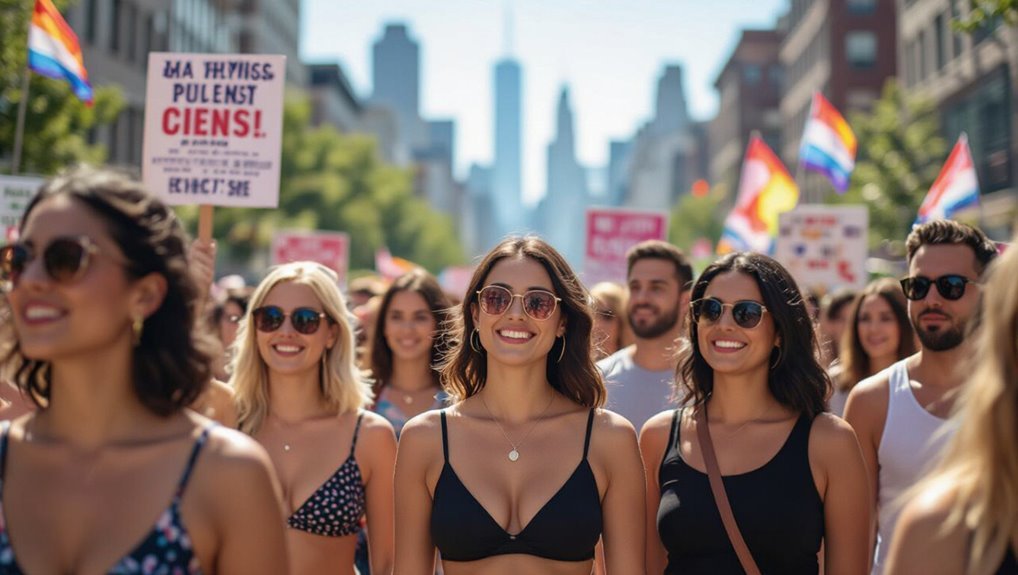
Go Topless Day
Go Topless Day is a unique event that invites people to challenge social norms and laws regarding female toplessness compared to male toplessness. Observed annually on August 24, this day serves as a platform for protests, educational events, and casual gatherings advocating for gender equality and body freedom. Participants engage in a variety of activities, from organized demonstrations to workshops that outline legal rights and the historical roots of societal perceptions regarding bodies. The aim is to promote consistency: if men can be shirtless in public without penalty, women should have the same freedom without facing harassment or arrest.
Quick Facts
When is it?: 24 August
Tagged as: Go Topless Day Organization
What’s the hashtag?: #GoToplessDay #GenderEquality #BodyFreedom
When was it founded?: Not clearly documented, but it has gained prominence since the early 2000s as part of the broader feminist movement advocating for women’s rights.
Who founded it?: Not officially confirmed, but various activist groups have contributed to its establishment and promotion.
History of Go Topless Day
Go Topless Day emerged as a response to the unequal treatment of men and women regarding public toplessness. The concept began gaining traction in the early 2000s when activists sought to highlight the inconsistencies in laws that allowed men to go shirtless while penalizing women for the same behavior. The day serves as a call for gender equality and body positivity, encouraging participants to reclaim their freedom of expression in public spaces.
Throughout the years, Go Topless Day has seen a growth in participation and visibility, with various organizations joining forces to advocate for legal changes and social awareness. The event emphasizes that the goal is not merely to shock, but to foster a conversation about equality and the societal norms that govern our bodies.
Timeline
- 2000: The idea of Go Topless Day begins to circulate among feminist groups.
- 2005: Increased media attention brings more participants to Go Topless Day events.
- 2010: Activist organizations start hosting workshops on legal rights and body freedom.
- 2015: Go Topless Day gains international recognition, inspiring events in multiple countries.
- 2018: Legal challenges regarding female toplessness become more prominent in media.
- 2020: Virtual events emerge due to the pandemic, allowing broader participation.
- 2022: Continued advocacy leads to discussions in various municipalities about changing public indecency laws.
- 2023: The day sees a surge in social media engagement promoting body positivity and equality.
Past and Future date
| Year | Month | Date | Day |
|---|---|---|---|
| 2026 | August | 24 | Monday |
| 2027 | August | 24 | Tuesday |
| 2028 | August | 24 | Thursday |
| 2029 | August | 24 | Friday |
| 2030 | August | 24 | Saturday |
| 2031 | August | 24 | Sunday |
| 2032 | August | 24 | Tuesday |
| 2033 | August | 24 | Wednesday |
Observed
Go Topless Day is observed through a combination of protests, educational workshops, and casual gatherings. Participants come together in public spaces to advocate for gender equality, share information about legal rights, and celebrate body positivity. The atmosphere often includes music, art, and food, creating a community vibe that balances activism with celebration.
Activities for This Day
1. Participate in a Protest
Join organized demonstrations in your local area to advocate for equal rights.
2. Attend Workshops
Participate in workshops that educate attendees about legal rights and the history of public toplessness.
3. Engage in Social Media Campaigns
Use social media platforms to raise awareness and share personal stories related to body freedom.
4. Create Art or Performances
Express your views through art or performance, contributing to the cultural conversation around body positivity.
5. Volunteer with Local Activist Groups
Offer your time to organizations that focus on gender equality and body freedom.
How to Celebrate Go Topless Day
- Research Local Events: Find out where events are happening in your area and join in.
- Prepare Your Gear: Bring essentials like sunscreen, water, and signage that communicates your message.
- Document Your Experience: Capture moments respectfully, ensuring you have permission before photographing others.
- Foster Inclusivity: Emphasize respect and support for all participants, regardless of their background.
- Engage in Conversations: Talk to others about the importance of body freedom and equality.
Why Go Topless Day is Important
Go Topless Day is significant because it challenges existing societal norms about gender and body presentation. It fosters a dialogue about equality and advocates for a world where individuals can express themselves freely without fear of harassment or legal repercussions. By participating in this day, individuals contribute to a broader movement advocating for gender equality and the right to bodily autonomy.
FAQ
1. What is Go Topless Day?
It’s a day dedicated to challenging laws and social norms regarding female toplessness compared to male toplessness.
2. When is Go Topless Day celebrated?
It is celebrated on August 24 every year.
3. Why is this day important?
It promotes gender equality and advocates for body freedom, challenging societal norms around nudity.
4. Can anyone participate?
Yes, all individuals are welcome to participate, regardless of gender or body type.
5. Are there any legal concerns?
Legalities vary by location; participants are encouraged to research local laws regarding public toplessness.
6. What types of activities occur on this day?
Activities include protests, educational workshops, and community gatherings that celebrate body positivity.
7. How can I get involved?
You can join local events, volunteer with activist organizations, or participate in social media campaigns.
Related
- Women’s Equality Day
- International Women’s Day
- World Body Day
- National Topless Day
- Feminist Action Day
