Emancipation Day
Emancipation Day is a significant occasion observed on August 1st in various countries, particularly in regions that were once part of the British Empire. This day commemorates the formal end of slavery and honors the struggle of those who resisted oppression and fought for their freedom. It serves as a reminder of the ongoing journey towards equality and justice.
Quick Facts
When is it?: 1 August
Tagged as: Various organizations related to civil rights and historical preservation
What’s the hashtag?: #EmancipationDay #Freedom #Equality #History #Justice
When was it founded?: 1834, following the Slavery Abolition Act which ended slavery in most British colonies.
Who founded it?: The movement for emancipation was driven by a variety of abolitionists and activists, though a single founder is not clearly documented.
History of Emancipation Day
Emancipation Day marks the moment in 1834 when slavery was abolished in several British colonies, a pivotal step towards freedom for many enslaved individuals. However, the transition from slavery to full freedom was not immediate. The Act introduced a system of apprenticeship that still restricted the rights of the formerly enslaved, prolonging their struggles for true independence.
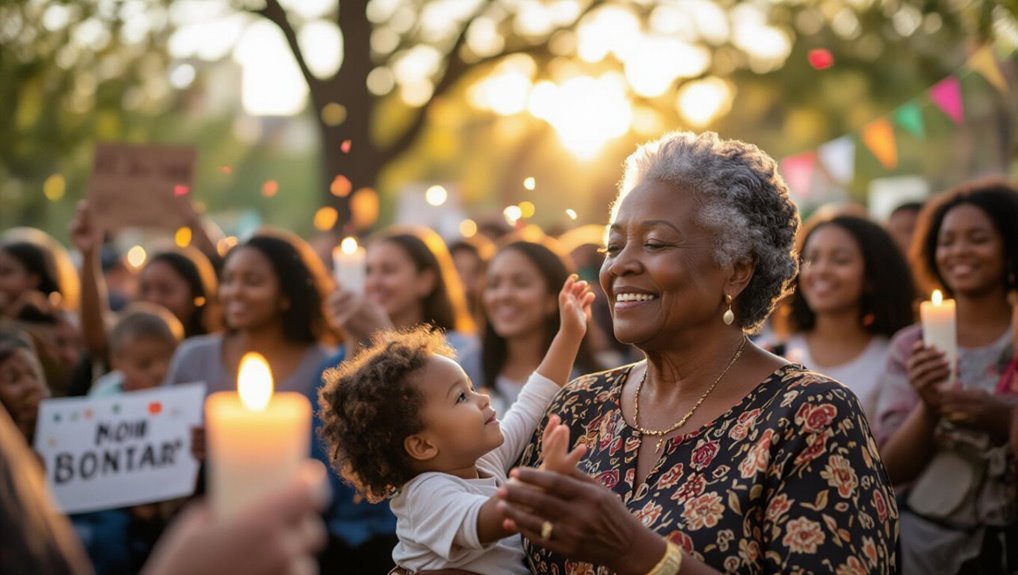
The day also signifies the resilience and courage of those who fought against the system of slavery. Communities gathered to celebrate their freedom, and over the years, various rituals and observances emerged. Emancipation Day has evolved into a celebration of culture, identity, and the continuous fight for social justice.
Timeline
- 1834: Slavery Abolition Act passed in the British Empire.
- 1840s: Early celebrations of Emancipation Day begin in various colonies.
- 1865: The end of slavery in the United States, which influences observances in other regions.
- 1980s: Increased recognition and celebration of Emancipation Day in former colonies.
- 2000s: Emancipation Day becomes widely recognized in public schools and communities.
- 2010: Official recognition of Emancipation Day in several countries.
- 2020: Renewed focus on social justice leads to more extensive celebrations and discussions.
- 2023: Emancipation Day continues to inspire activism and reflection on racial equality.
Past and Future date
| Year | Month | Date | Day |
|---|---|---|---|
| 2026 | August | 1 | Saturday |
| 2027 | August | 1 | Sunday |
| 2028 | August | 1 | Tuesday |
| 2029 | August | 1 | Wednesday |
| 2030 | August | 1 | Thursday |
| 2031 | August | 1 | Friday |
| 2032 | August | 1 | Sunday |
| 2033 | August | 1 | Monday |
Observed
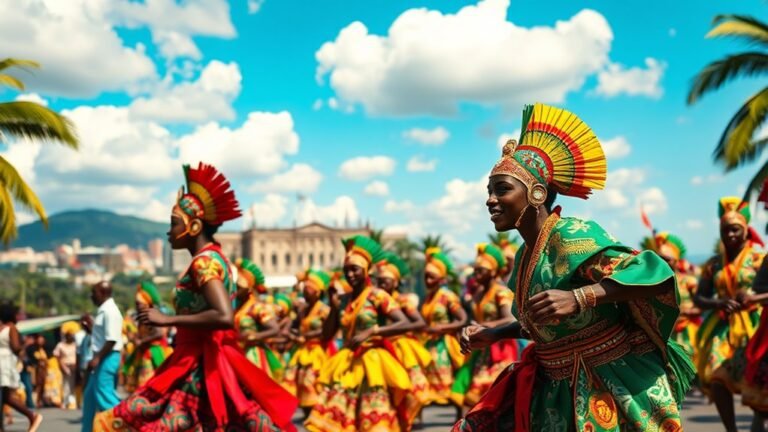
Emancipation Day is celebrated through various events such as parades, community gatherings, and ceremonies. People often participate in educational programs that highlight the history of slavery and the fight for freedom. Celebrations may include music, dance, and storytelling, as well as feasting on traditional foods that reflect cultural heritage.
Activities for This Day
- Attend a Parade: Join local parades that celebrate Emancipation Day with music and speeches.
- Community Gatherings: Participate in events that honor the history and contributions of those who fought for freedom.
- Educational Workshops: Engage in workshops that discuss the impact of slavery and the ongoing struggle for equality.
- Cultural Performances: Enjoy performances that celebrate African heritage, including music, dance, and poetry.
- Volunteer: Support local organizations that work on issues related to social justice and equality.
How to Celebrate Emancipation Day
- Reflect on the history and significance of the day.
- Share Stories and memories of family experiences related to freedom and resilience.
- Educate yourself and others about the ongoing impact of slavery and the importance of justice.
- Support local events that commemorate the day.
- Engage in discussions about social justice and equality in your community.
Why Emancipation Day is Important
Emancipation Day serves as a powerful reminder of the struggles endured by those who fought against slavery and the ongoing quest for social justice. It emphasizes the importance of remembering history while inspiring future generations to advocate for equality and human rights. The day encourages reflection on the progress made and the work that still lies ahead in achieving true freedom and equity for all.
FAQ
1. What is Emancipation Day?
Emancipation Day commemorates the end of slavery in various British colonies, marked on August 1st.
2. Why is it celebrated?
It honors the courage of those who fought for freedom and reflects on the ongoing struggle for equality.
3. When was slavery abolished in the British Empire?
Slavery was abolished in 1834 with the Slavery Abolition Act.
4. How do people celebrate this day?
Celebrations include parades, community gatherings, educational events, and cultural performances.
5. Is Emancipation Day recognized worldwide?
While it is significant in former British colonies, observance varies by region and country.
6. What is the significance of the date August 1st?
August 1st marks the formal end of slavery in many British colonies, symbolizing a historical turning point.
Related
- Juneteenth
- Martin Luther King Jr. Day
- International Day for the Elimination of Racial Discrimination
- Black History Month
- Human Rights Day