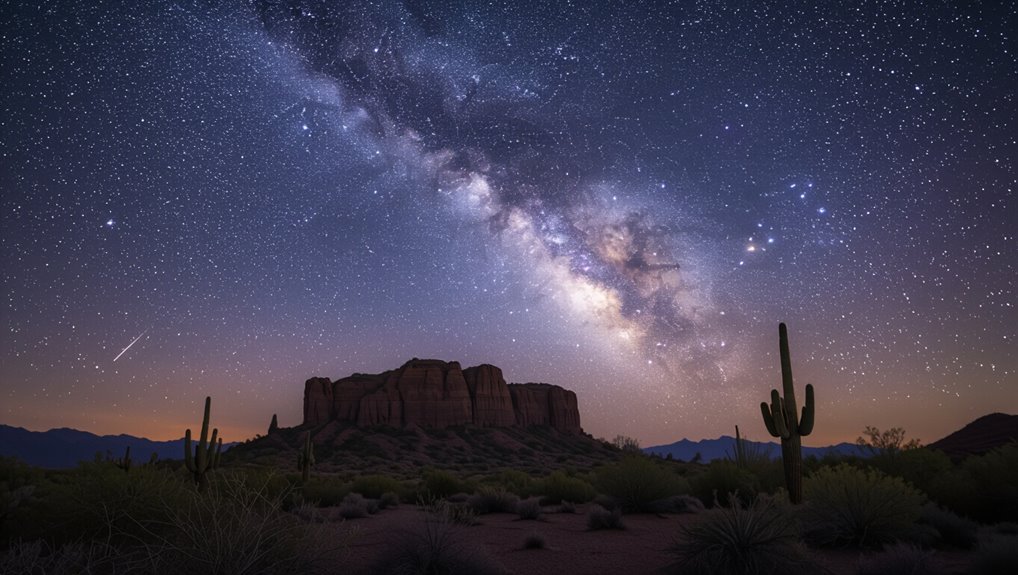
International Dark Sky Week
International Dark Sky Week (also known as “Dark Sky Week”) is a global initiative aimed at raising awareness about the importance of dark skies and the negative impacts of light pollution. Observed annually, this week encourages individuals and communities to appreciate the beauty of the night sky while promoting responsible outdoor lighting practices. By participating in various events and activities, people can learn how to protect their nocturnal environments and foster a deeper connection with the cosmos.
Quick Facts
When is it?: 21 April
Tagged as: International Dark-Sky Association
What’s the hashtag?: #InternationalDarkSkyWeek #DarkSkyAwareness #LightPollution #StarryNights #ProtectTheNight
When was it founded?: Not clearly documented; however, it has grown from grassroots efforts to raise awareness about light pollution since the early 2000s.
Who founded it?: Not officially confirmed; commonly attributed to various organizations advocating for dark sky preservation, including the International Dark-Sky Association.
History of International Dark Sky Week
International Dark Sky Week has evolved from a collective concern over the increasing prevalence of light pollution, which obscures the stars and affects both human health and wildlife. The initiative encourages people to step outside and experience the beauty of a clear night sky, while also emphasizing the need for sustainable lighting practices.
The movement gained momentum as more individuals and organizations recognized the negative impacts of artificial lighting on sleep patterns, ecosystems, and astronomical observations. Events such as stargazing parties, educational talks, and community discussions were organized to engage the public and foster a greater appreciation for the natural night.
Timeline
- 2000: Grassroots efforts begin to address light pollution.
- 2007: International Dark-Sky Association promotes the first Dark Sky Week.
- 2010: Participation increases as more communities join the movement.
- 2015: Dark Sky Week becomes a recognized global event.
- 2018: Growth in partnerships with parks and conservation groups.
- 2020: Virtual events emerge due to global circumstances, expanding reach.
- 2022: Continued emphasis on the relationship between artificial light and wildlife.
- 2023: Awareness of light pollution remains a growing concern worldwide.
Past and Future Dates
| Year | Month | Date | Day |
|---|---|---|---|
| 2026 | April | 21 | Tuesday |
| 2027 | April | 21 | Wednesday |
| 2028 | April | 21 | Saturday |
| 2029 | April | 21 | Sunday |
| 2030 | April | 21 | Monday |
| 2031 | April | 21 | Tuesday |
| 2032 | April | 21 | Wednesday |
| 2033 | April | 21 | Thursday |
Observed
International Dark Sky Week is observed through a variety of activities that aim to educate participants about light pollution and its effects. People celebrate by attending community events organized by astronomy clubs, parks, and conservation groups. These events often include stargazing parties, workshops on sky-friendly lighting, and discussions on how to minimize light pollution in their neighborhoods.
Activities for This Day
1. Stargazing Parties
Host or attend a stargazing event to appreciate the beauty of the night sky with friends and family.
2. Educational Workshops
Participate in workshops aimed at teaching about light pollution and how to implement better lighting practices in your home and community.
3. Community Discussions
Engage with neighbors to discuss the importance of dark skies and share tips on reducing light pollution.
4. Photo Challenges
Share your best astrophotography shots on social media to inspire others to appreciate dark skies.
5. Lighting Audits
Conduct a lighting audit of your home or community, identifying areas where lighting can be improved or reduced.
How to Celebrate International Dark Sky Week
- Host a stargazing event in your backyard or local park.
- Organize a community meeting to discuss light pollution and its effects.
- Share your experiences and photos of the night sky on social media using relevant hashtags.
- Implement changes in your outdoor lighting to promote better practices.
- Support local initiatives aimed at reducing light pollution.
Why International Dark Sky Week is Important
International Dark Sky Week is significant because it raises awareness about the detrimental effects of light pollution on both human health and the environment. By fostering a connection with the night sky, it encourages individuals to make informed choices about outdoor lighting, which can lead to improved sleep, better wildlife habitats, and a greater appreciation for our natural surroundings.
FAQ
1. What is light pollution?
Light pollution refers to excessive or misdirected artificial light that brightens the night sky, obscuring our view of stars and negatively impacting ecosystems.
2. How can I reduce light pollution in my home?
You can reduce light pollution by using downward-facing fixtures, choosing warmer bulbs, and using timers or motion sensors.
3. Why are dark skies important?
Dark skies are important for human health, wildlife, and astronomical observations. They support natural ecosystems and allow us to connect with the universe.
4. What activities can I participate in during Dark Sky Week?
You can join stargazing events, workshops, or community discussions to learn more about light pollution and how to protect dark skies.
5. Can I celebrate Dark Sky Week alone?
Absolutely! You can enjoy the night sky from your backyard, make changes to your lighting, and share your experiences on social media.
6. Are there designated Dark Sky Parks?
Yes, many locations around the world are designated as Dark Sky Parks or Reserves, where lighting is managed to protect the night sky.
7. How can schools get involved?
Schools can organize educational sessions about light pollution, create astronomy clubs, and encourage students to advocate for dark sky initiatives.
Related
- Earth Day
- Astronomy Day
- World Wildlife Day
- International Night Sky Awareness Day
- International Year of Astronomy