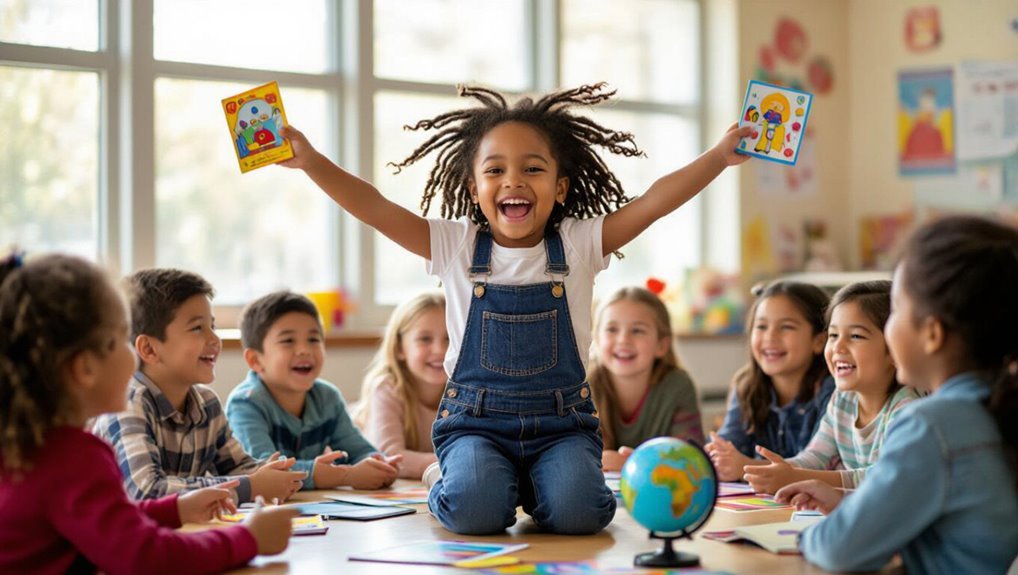
Celebrating the Bilingual Child Month
Bilingual Child Month, celebrated every October, recognizes the importance of children growing up with two or more languages. This month highlights the cognitive and cultural benefits of bilingualism, the roles families and educators play, and practical ways to support bilingual development in children. By embracing multiple languages, families can foster stronger connections, enhance problem-solving skills, and promote empathy toward different cultures.
Quick Facts
When is it?: 1-31 October
Tagged as: National Association for Bilingual Education
What’s the hashtag?: #BilingualChildMonth #LanguageDiversity #CulturalFluency
When was it founded?: Not clearly documented; it is widely recognized as a celebration that emerged with the growing awareness of the benefits of bilingual education in the late 20th century.
Who founded it?: Not officially confirmed; various educators and organizations advocating for bilingual education contributed to its recognition.
History of Bilingual Child Month
The concept of Bilingual Child Month grew out of the increasing acknowledgment of bilingual education’s importance in the late 20th century. As globalization expanded, the necessity for fluency in multiple languages became more apparent. Celebrating children who are bilingual not only honors their unique experiences but also emphasizes the need for educational systems to support multilingual learners. The month serves as a reminder of the cognitive and social advantages bilingual children possess, creating a more inclusive environment for language diversity.
Timeline
- 1980s: Growing awareness of bilingual education benefits.
- 1990: Formation of various advocacy groups for bilingualism.
- 2000: Increased recognition of multilingualism in educational policies.
- 2005: Establishment of initiatives focusing on bilingual child development.
- 2010: Expansion of bilingual programs in schools nationwide.
- 2015: Introduction of Bilingual Child Month as a nationally recognized event.
- 2020: Social media campaigns promoting bilingualism gain traction.
- 2023: Continued growth of community resources supporting bilingual families.
Past and Future Date
| Year | Month | Date |
|---|---|---|
| 2026 | October | 1-31 |
| 2027 | October | 1-31 |
| 2028 | October | 1-31 |
| 2029 | October | 1-31 |
| 2030 | October | 1-31 |
| 2031 | October | 1-31 |
| 2032 | October | 1-31 |
| 2033 | October | 1-31 |
Observed
Bilingual Child Month is observed through various activities aimed at promoting bilingualism. Families are encouraged to participate in story time in multiple languages, attend community events that bring together speakers of different languages, and implement classroom strategies that celebrate each child’s home language. Schools may host bilingual story sessions, cultural days, and language clubs to enhance students’ experiences.
Activities for This Day
1. Attend Bilingual Storytime
Engage in local library events that showcase stories in multiple languages.
2. Participate in Cultural Festivals
Join community events celebrating language diversity and cultural heritage.
3. Read Books in Different Languages
Create a reading routine that includes books from various cultures.
4. Organize Language Workshops
Collaborate with educators to provide workshops focused on bilingual education.
5. Share Success Stories
Use social media to highlight your family’s bilingual journey and connect with others.
How to Celebrate Bilingual Child Month
- Speak both languages at home.
- Read bilingual books with your child.
- Celebrate language milestones and achievements.
- Connect with educators to discuss bilingual resources.
- Participate in community events focused on language diversity.
Why Bilingual Child Month is Important
Bilingual Child Month emphasizes the cognitive advantages and cultural fluency that come with bilingualism. By recognizing this month, parents, educators, and communities can foster environments where multilingualism is valued and supported. Encouraging bilingual development not only benefits the individual child but also enriches society as a whole by promoting inclusivity and understanding across cultures.
FAQ
1. What is Bilingual Child Month?
Bilingual Child Month is a celebration of children who grow up with two or more languages, highlighting the benefits of bilingualism.
2. When is Bilingual Child Month observed?
It is celebrated throughout the month of October.
3. How can I support my bilingual child?
Speak both languages at home, read bilingual books, and celebrate their language achievements.
4. What are the benefits of being bilingual?
Bilingual children often have enhanced cognitive functions, better problem-solving skills, and greater empathy toward other cultures.
5. What activities can I do during this month?
You can attend bilingual storytimes, participate in cultural festivals, and organize language workshops.
6. How can schools support bilingual learners?
Schools can implement bilingual programs, host cultural days, and provide resources that celebrate language diversity.
7. Is bilingualism beneficial for all children?
Yes, research indicates that bilingualism can offer cognitive advantages and enhance cultural understanding for all children.
Related
- International Mother Language Day
- World Poetry Day
- National Language Month
- Language Access Awareness Day
- Multilingualism Day