Can We Take Extra Luggage in Flight Airlines
Yes — you can usually take extra luggage, but you’ll pay fees and must meet size, weight, and item rules. Check your ticket fare code for included bags and any elite or card benefits that might add allowance. Airlines differ by region and use weight- or piece-based systems, so weigh and measure before you go. Prepaying online often cuts costs, and special items like sports gear or strollers have separate rules. Keep going to learn specific steps and tips.
What Counts as Extra Luggage
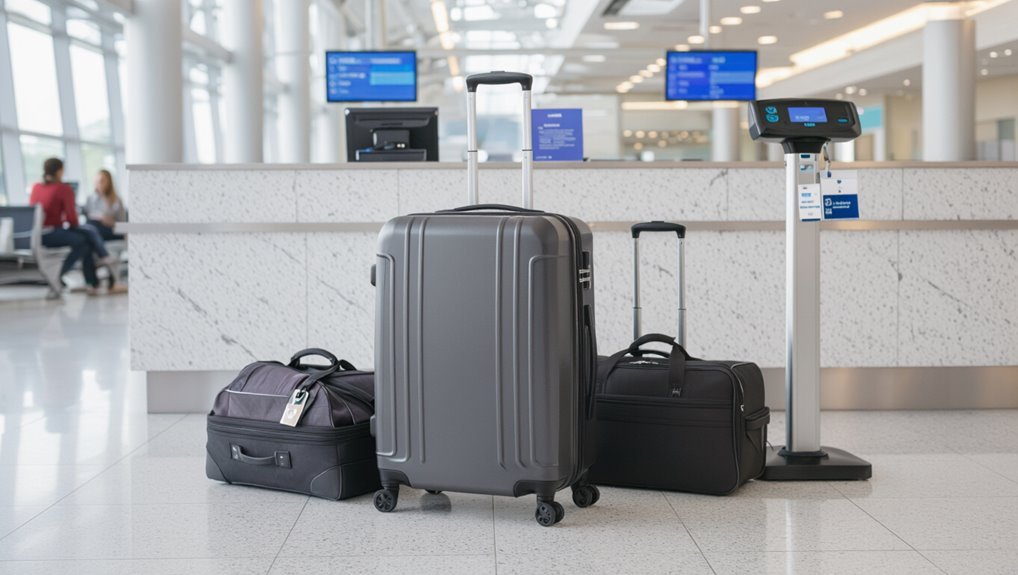
When you fly, “extra luggage” usually means any bag or item that goes beyond your ticket’s included allowance—whether that’s additional checked bags, oversized pieces, or carry-ons that exceed size or weight limits.
You’ll also count sporting equipment, musical instruments, and bulky souvenirs as extra if they need special handling or exceed standard dimensions, often incurring fees or requiring advance notice.
Check Your Ticket: Find Baggage Allowance Fast
Check your ticket to identify your fare type so you know what’s included.
Compare the listed allowances to see how many bags are covered and whether carry-on is counted separately.
Note the weight and size limits to avoid surprises or extra fees.
Locate Your Fare Type
Start by finding your fare type on the ticket or confirmation email — it usually appears as a short code (like “Basic,” “Economy,” “Premium,” or a three-letter fare class) near the fare breakdown or itinerary.
Once located, note the code and compare it to the airline’s fare chart online. That code determines eligibility for paid upgrades, baggage buy options, and fee structures.
Review Included Allowances
Now that you know your fare code, look at the ticket or confirmation for the listed baggage allowance—it’s usually shown as the number of checked pieces, weight limit, and carry-on size.
Compare that to what you plan to pack, note any included extras like sports equipment or infant bags, and confirm if premium status or credit card benefits add allowances before deciding to buy extra baggage.
Note Weight And Size
Look at your ticket’s baggage section to see the exact weight and size limits—airlines often list either a piece-based allowance (e.g., one 23 kg bag) or a weight-based limit (e.g., 30 kg total), and those numbers determine whether your suitcase meets the rules.
Measure and weigh your bag before heading to the airport, because oversize or overweight charges are costly and sometimes nonrefundable.
Airline Differences: Fees, Size, and Weight by Region
When you book, remember airlines in different regions charge varying fees for extra bags and carry different size limits.
You’ll also see wide differences in allowable dimensions and strict weight limits that can affect fees or refusal.
Check regional policies before you pack so you won’t get hit with surprises at the gate.
Regional Fee Variations
Because airlines operate under different market pressures and regulatory environments, you’ll find wide regional variations in baggage rules and fees—what counts as a carry-on in one place might be checked as oversized in another.
You’ll pay different surcharges for extra pieces, weight overages, or seasonally higher rates. Check local carrier policies before booking to avoid surprise charges and choose routes with friendlier allowances.
Size And Dimension Limits
Regional fee differences also show up in how airlines limit bag size and weight, so you’ll want to check specific measurements before you pack.
Policies vary by carrier and route; oversized bags can incur hefty charges or be refused.
- Measure checked and carry-on dimensions precisely.
- Note size caps for international versus domestic flights.
- Compare airline policies before booking.
- Pack to fit the strictest limit.
Weight Allowance Differences
1 key thing to watch is how airlines set weight allowances — they differ by carrier, route, and fare class, and those differences directly affect fees and packing choices.
You’ll find stricter limits on budget carriers and regional flights, while long-haul or premium tickets often include heavier bags.
Check limits before you pack, weigh luggage at home, and consolidate items to avoid surprise overweight charges.
Checked Bag vs. Carry-On vs. Personal Item Limits
When planning for a flight, you’ll want to know how checked bags, carry-ons, and personal items differ and what each airline lets you bring, since limits can vary by carrier, fare class, and route.
You should confirm dimensions, fees, and allowed contents before packing.
- Checked bag: larger, usually fee-applied.
- Carry-on: cabin-sized, fits overhead.
- Personal item: smaller, fits underseat.
- Exceptions: elite status, infants.
Weight vs. Piece Rules: Which Applies and Why It Matters
When you book or check your bags, you’ll need to know whether the airline uses a weight-based allowance or a piece-count system.
If the carrier charges by total weight, you can distribute items across bags; if it counts pieces, each bag’s existence matters more than its pounds.
When both rules appear, the stricter one usually applies, so check the airline’s policy before you pack.
Weight-Based Allowance
Although airlines set baggage limits differently, you’ll usually encounter either weight-based or piece-based rules. Knowing which one applies can save you from surprise fees at check-in.
You should weigh bags, distribute contents, and check carrier limits. Consider upgrades or shipping if overweight.
- Weigh each bag before departure.
- Use a reliable scale.
- Redistribute weight between bags.
- Buy extra allowance early.
Piece-Count System
Some airlines count pieces instead of pounds, so you’ll need to track how many suitcases or bags you’re bringing rather than just their weight.
You’ll get a set number of free pieces, typically checked bags; oversize or extra pieces incur per-item fees.
Know size and carry-on limits too, as pieces rules focus on count and dimensions rather than cumulative weight.
When Rules Conflict
If your ticket and airline communications mix weight-based and piece-based rules, you’ll need to know which one governs your trip so you don’t get hit with unexpected fees at the airport.
You should verify policy precedence, check fare class, and confirm with the airline before packing.
- Read ticket terms.
- Compare website vs. email.
- Call customer service.
- Weigh and count bags.
Which Airlines Let You Prepay Extra Baggage
Want to skip the stress at the check-in desk? You can prepay extra baggage with many major carriers—American, Delta, United, British Airways, Emirates, Lufthansa and budget airlines like EasyJet and Ryanair (regional options vary).
Prepaying online or via apps usually lowers fees and guarantees allowance. Check each airline’s weight, size limits and refund policy before purchasing to avoid surprises at the airport.
Buy an Extra Checked Bag Online: Step-by-Step
Buying an extra checked bag online is quick and usually cheaper than paying at the airport, so start by logging into your airline account or locating your booking with the confirmation number.
Then follow the carrier’s baggage section to add and pay for the bag. Confirm weight/size limits and save the receipt.
- Select flight
- Choose extra bag
- Enter payment
- Save confirmation
At Check-In: What Happens If a Bag Is Overweight?
When you check in, the airline will weigh your bag against their posted limits and tell you if it’s over.
You’ll usually be offered to pay an excess baggage fee, redistribute items into carry-on bags, or add another checked bag at the counter.
Know the fees and your options ahead of time so you can decide quickly.
Airline Weight Limits
If your checked bag tips the scales beyond the airline’s published limit, staff will flag it at check-in and you’ll usually face one of three outcomes: you can pay an overweight fee, redistribute items into other luggage (or carry-on if allowed), or be forced to remove items until the weight meets the limit.
Consider these tips:
- Weigh bags at home.
- Know airline limits.
- Pack dense items in carry-on.
- Use a portable scale.
Excess Baggage Fees
Knowing your options at the counter matters once staff flag an overweight bag; you’ll typically be offered to pay a fee, shift items between bags, or offload items on the spot. You’ll decide quickly: pay, repack, or discard. Expect charges to vary by airline, route, and weight — and feel the pinch if you didn’t weigh beforehand.
| Option | Emotion |
|---|---|
| Pay fee | Frustration |
| Repack | Relief |
| Discard | Regret |
Options At Counter
At check-in you’ll face a quick set of choices if an agent flags your bag as overweight: pay the excess fee, shift items into another bag or a carry-on, or remove and leave items behind.
- Pay fee at counter and keep packing as is.
- Move items to another checked bag.
- Transfer valuables to carry-on.
- Discard or mail items home to meet limit.
Gate-Checking and Oversized Bag Fees Explained
Sometimes you’ll find your carry-on won’t fit in the overhead bin, so airlines ask you to gate-check it — a quick way to stow larger items that still lets you retrieve them at the jet bridge.
But be aware that gate-checking and oversized bag rules vary by carrier and can trigger extra fees or special handling requirements.
Check size limits, weigh bags, confirm fees in advance, and tag fragile items.
Sports Gear and Instruments: When They Count as Extra Baggage
You should check each airline’s rules for sports equipment—skis, bikes, and golf clubs often have special size, packaging, and fee requirements.
Musical instruments can sometimes go in the cabin if they fit the overhead or under-seat, but larger instruments may be treated as oversized or checked baggage with extra charges.
Knowing these distinctions ahead of time helps you avoid surprises and extra fees at the airport.
Sports Equipment Rules
Many airlines treat bulky sports gear—bikes, skis, golf clubs, surfboards—as oversized or extra baggage, so you’ll usually pay a separate fee or need advance notice.
You should check size/weight limits, pack protective cases, declare items during booking, and compare fees. Follow handlers’ instructions to avoid damage or refusal.
- Check limits
- Use hard cases
- Declare early
- Compare fees
Musical Instrument Policies
1 instrument can make or break your travel plans, so know how airlines treat instruments before you book.
Check size, weight, and cabin policies—small instruments often fit as carry-ons, larger ones may need seat purchase or checked baggage fees.
Always contact the airline, get proper hard cases, and consider insurance.
Declare fragile items to avoid surprises and protect your gear.
Pack and Declare Sports Equipment to Avoid Surprises
When bringing sports gear on a flight, check airline rules and declare oversized or unusual items before you arrive so you won’t face last-minute fees or refusals at the gate.
You’ll save time and avoid surprises by measuring, packing securely, and notifying the carrier in advance.
- Measure dimensions and weight.
- Inspect packing requirements.
- Prepay extra baggage if needed.
- Keep documentation handy.
Free Special Baggage: Strollers, Medical Devices, Car Seats
Most airlines let you check strollers, car seats, and certain medical devices for free, but policies and size limits vary, so check your carrier before you fly.
Pack or tag items securely and know whether you can gate-check bulky gear or need special packaging for battery-powered medical devices.
Bring any prescriptions, medical letters, or proof of necessity to avoid headaches at the counter.
Airlines’ Free Allowances
Many carriers let you bring certain bulky or essential items—like strollers, medical devices, and car seats—without charging extra, though rules and handling vary by airline and route.
You should check specific size, weight, and declaration requirements before travel.
Common conditions include:
- One item per child or passenger
- Gate check or carry-on exceptions
- Proof of medical necessity
- Reserved storage or special handling fees may apply
Packing And Transport Tips
Now that you know airlines often allow strollers, medical devices, and car seats without extra charges, it helps to pack and transport them so they arrive intact and ready to use.
Use protective covers, remove loose parts, secure straps, and lock wheels. Label items with your contact details.
Gate-check bulky gear to avoid rough handling, and carry essential medical supplies onboard for immediate access.
Documentation And Restrictions
When you plan to bring strollers, medical devices, or car seats aboard for free, check the airline’s documentation and size/weight limits in advance so you won’t face surprises at the airport.
You’ll need proof, clearance, and proper packing. Follow rules precisely to avoid fees or denied boarding:
- Bring prescriptions or medical letters.
- Note dimensions and weight.
- Confirm carriage location (gate, hold, cabin).
- Declare items at check-in.
Waive Fees: Elite Status, Credit Cards, and Perks That Cover Extra Bags
If you fly frequently or hold the right credit card, you can often avoid checked-bag fees entirely through airline elite status, co-branded cards, or travel perks that include free extra pieces—so it pays to know which programs cover what and how to claim the benefit.
Check your elite tier benefits, cardholder terms, and enrollment requirements; present the card or status at booking or check-in to waive extra-bag charges.
When Adding a Bag Is Cheaper Than Overweight Charges
Because airlines hit you with steep overweight fees, you’ll often save money by adding a second checked bag instead of trying to force one heavy suitcase into the allowed weight limit.
You should weigh and compare fees, split items, or buy an extra bag online before check-in.
- Weigh luggage at home.
- Price extra bag online.
- Redistribute heavy items.
- Pack fragile items wisely.
Quickly Compare Airline Baggage Fees Before Booking
Although fares can look similar at first glance, baggage rules vary wildly, so check fees for checked and carry-on bags, size and weight limits, and overweight/extra-piece charges before you book. Compare carriers quickly: use a simple table, note online discounts, and factor loyalty perks so you don’t pay surprise fees.
| Carrier | Typical Fee |
|---|---|
| Airline A | $30 |
| Airline B | $45 |
| Airline C | $60 |
Ship Luggage vs. Fly With It: When Shipping Is Better
When you’re weighing the hassle of lugging extra suitcases through airports against the cost of shipping them ahead, consider time, destination logistics, and what’s in those bags—shipping often wins for bulky, heavy, or fragile items, long layovers, or when you want door-to-door delivery without airport queues.
You’ll save effort if:
- Items are oversized or heavy
- Fragile goods need protection
- Arrival city has limited baggage services
- You prefer doorstep delivery
Estimate Shipping Costs vs. Airline Surcharges
If you’re deciding whether to ship extra bags or pay airline surcharges, compare total costs per item including pickup/dropoff and insurance; airlines often charge per bag plus overweight and oversize fees, while shippers price by weight, dimensions, and service speed. You’ll calculate door-to-door, insurance, and timing to pick the cheaper option.
| Option | Typical Fee | Notes |
|---|---|---|
| Airline | $30–$200 | Per bag, overweight |
| Shipper | $40–$300 | By weight/dimensions |
| Hybrid | Variable | Kit pickup + airport drop |
Redistribute Luggage Between Passengers to Avoid Fees
Because airlines charge per checked bag, you’ll often save money by evenly redistributing items so each passenger stays within the airline’s free or lower-fee allowance.
You should weigh bags, move dense items, and use carry-ons strategically to avoid extra charges. Coordinate before packing, and check allowances online.
- Weigh bags
- Shift heavy items
- Maximize carry-ons
- Confirm limits
Smart Packing to Cut Extra-Luggage Needs
While packing smart, you’re not just saving space—you’re avoiding surprise fees and travel hassle.
Choose versatile clothing you can layer and wash, limit duplicate items, and plan outfits per day.
Prioritize essentials and compact toiletries, distribute heavy items toward the center, and keep important documents and valuables in your carry-on.
Review airline allowances before finalizing your bag to prevent last-minute charges.
Use Compression, Dual-Purpose Gear, and Carry-On Tricks
When you compress clothes, pick multitasking gear, and pack smart carry-ons, you’ll cut bulk and dodge extra-fee surprises on the way to the gate.
Use vacuum or roll techniques, choose convertible clothing, and exploit personal-item allowances to stash shoes or jackets.
Use vacuum or roll techniques, pick convertible clothing, and use your personal item to tuck away shoes or jackets.
Pack toiletries in travel sizes and wear heavy layers.
- Compression bags
- Convertible pieces
- Personal-item strategy
- Travel-size toiletries
Photograph and Document Valuables Before Travel
Take clear photos and make a short inventory of your valuables before you leave, so you can prove ownership and speed up insurance or police claims if something goes missing. You should note serial numbers, purchase receipts, and storage location. Store copies online and offline, and keep originals with you.
| Item | Serial/Details | Photo |
|---|---|---|
| Camera | SN12345 | Yes |
| Watch | SN98765 | Yes |
| Laptop | SN54321 | Yes |
| Jewelry | Appraisal#001 | Yes |
If an Extra Bag Is Lost or Damaged: Immediate Steps
If your extra bag is lost or damaged, act quickly to protect your belongings and your rights: report the issue to the airline desk before you leave the airport, keep all boarding passes and baggage tags, and get a written Property Irregularity Report (PIR) or damage form with a reference number.
- Note the PIR number and agent name.
- Photograph damage or empty luggage space.
- Keep receipts for emergency purchases.
- Ask about next steps and expected timelines.
How to Appeal or Get Refunds for Wrong Extra-Baggage Charges
After filing a PIR or damage report, you may discover the airline also charged you for extra baggage incorrectly — and you’ll want that money back.
Check receipts, booking records and baggage tags, then contact the airline’s claims or customer service with evidence.
File a formal appeal or refund request, keep reference numbers, escalate to a supervisor if needed, and consider your payment provider or regulator if unresolved.
Country Rules & Customs for Excess Baggage
Because rules for excess baggage vary widely by country, you should check destination-specific customs and airline regulations before you pack: some countries let you bring extra checked items with a duty-free allowance, others charge import duties or require declarations for overweight items, and security or quarantine rules can restrict certain goods regardless of weight.
- Check duty-free and personal exemptions.
- Declare high-value items.
- Verify quarantine restrictions.
- Know import duty thresholds.
Final Checklist: Avoid Surprise Extra-Baggage Charges
When you’re packing for a trip, follow a tight final checklist so surprise extra-baggage charges don’t catch you at the gate: weigh bags at home, verify airline size and weight limits, prepay extra allowance online if needed, consolidate or remove nonessentials, tag fragile items, keep receipts for purchased items, confirm connecting-flight policies, and arrive early to resolve discrepancies before boarding.
Frequently Asked Questions
Can I Prepay Extra Carry-On Allowance at the Gate?
Yes — you can often prepay extra carry-on allowance at the gate, but it depends on the airline and availability. Ask airline staff early, be ready to pay a fee, and they’ll tell you current options and limits.
Will Buying a Seat With Extra Baggage Include Companion Bags?
No — buying a seat with extra baggage usually applies only to the passenger assigned that seat; you’ll need to purchase additional allowances for companions separately, unless the airline explicitly includes companion bags in a bundled fare or promo.
Do Infants/Toddlers Have Separate Extra-Baggage Rules?
Yes — infants and toddlers often have separate baggage rules, and airlines’ll vary: some allow a checked bag plus a stroller/car seat, others limit to a diaper bag and carry-on; always check your specific carrier’s policy.
How Are Duty-Free Purchases Counted Toward Allowance?
Duty-free purchases count toward your baggage weight or piece allowance unless the airline exempts them; you should declare high-value items, keep receipts, and pack fragile duty-free in carry-on if allowed to avoid excess baggage fees.
Can I Bring Duty-Free Liquids Exceeding Carry-On Limits?
Generally, you can’t bring duty-free liquids exceeding carry-on limits through security, but you can keep purchases packed and sealed in airport-provided tamper-evident bags with receipts; rules vary by airline and connecting-country security checks.
Conclusion
You can usually take extra luggage, but you’ll pay for it and must follow airline and country rules. Check your ticket and the carrier’s website before you fly so you know size, weight, and piece limits; consider prepaying to save money. Pack essentials in your carry-on, insure valuables, and photograph checked bags. If something’s lost or damaged, report it right away and keep receipts. Appeal incorrect charges promptly—documentation helps.