Is Greece Safe to Travel to Travel Safety Tips
You can confidently travel to Greece — it’s generally safe for tourists if you use common sense. Watch your belongings in crowded areas like Athens and ferry ports, avoid poorly lit or isolated spots at night, and be wary of distraction thefts and overcharging. Use hotel safes, split cash and cards, and keep copies of your passport. Follow local advisories, use licensed transport, and carry emergency numbers; keep going for practical tips and specifics.
Quick Answer: Is Greece Safe to Travel To?
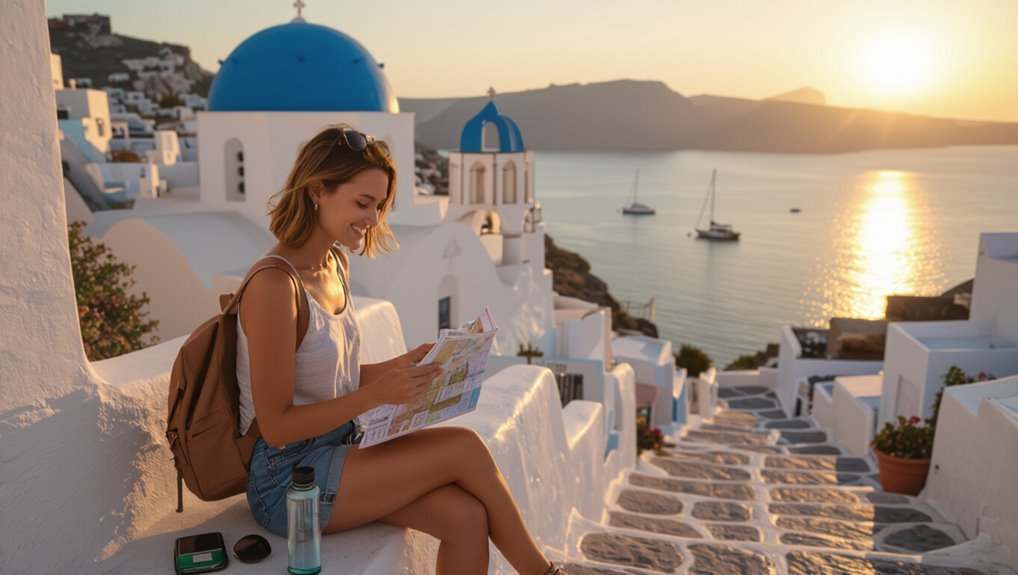
Wondering if Greece is safe to travel to? Yes — you’ll find it generally safe for tourists.
Take standard precautions: watch belongings in busy spots, avoid isolated areas at night, and stay aware of local advisories.
Use reliable transport, secure accommodations, and carry ID.
With common-sense measures, you can enjoy Greece’s culture, beaches, and historic sites with confidence.
How Crime Levels Compare Across Greece
You’ll notice petty theft is concentrated in crowded areas like Athens’ tourist sites and some ferry ports, so keep an eye on bags and phones.
Violent crime is relatively low across most of Greece, though it can be higher in specific urban neighborhoods.
Also watch for common tourist scams—confidence tricks and overcharging pop up in hotspots and on islands.
Petty Theft Hotspots
Although petty theft can happen anywhere, some parts of Greece see it more often than others, and knowing which areas are higher-risk helps you plan smarter.
Watch crowded tourist spots—Athens’ Plaka, Monastiraki, and major transit hubs—plus popular islands’ ports and beaches.
Keep bags closed, use money belts, stay alert in markets and on packed buses; pickpockets exploit distractions.
Violent Crime Rates
After watching out for pickpockets in crowded areas, you’ll also want to understand how violent crime varies across Greece so you can pick safe destinations and stay aware of local risks.
Generally, Greece has low violent crime; serious incidents are rare outside certain urban neighborhoods.
You should avoid isolated areas at night, follow local advice, and report threats to police promptly.
Tourist Scams Patterns
Someone visiting Greece should know that tourist scams tend to follow predictable patterns—overcharging, fake taxis, and distraction thefts are common in busy tourist hubs, while island resorts see more rental and timeshare cons.
You should verify fares, use licensed taxis, secure bags in crowds, book rentals through reputable sites, and be skeptical of unsolicited offers to reduce risk and enjoy your trip.
Mainland vs. Islands: Safety Differences
While both Greece’s mainland and its islands are generally safe, you’ll notice some practical differences in risks and infrastructure that affect travelers’ experiences.
- Mainland cities have more nightlife and pickpocket risks; stay alert in crowds.
- Islands may feel quieter but have limited medical facilities; pack essentials.
- Ferry travel adds sea-safety and schedule risks; check weather.
- Rural roads on islands can be narrow; drive cautiously.
Best Times of Year for Safer Travel in Greece
Now that you know how risks differ between mainland and islands, timing your trip can further reduce hazards.
Visit shoulder seasons—April–June and September–October—for milder weather, fewer crowds, and lower wildfire and heat risks.
Winter’s safer crowds and lower ferry frequency require planning; summer’s heat and crowded hotspots raise health and theft concerns.
Choose dates aligned with your safety priorities.
Where to Check Up‑to‑Date Greece Travel Advisories
Where should you look for the latest travel advisories for Greece? Check official, reliable sources before departure and while traveling.
- Your government’s foreign affairs or state department website for country alerts.
- Greece’s Ministry of Foreign Affairs and Hellenic Police updates.
- Embassy or consulate notices for your nationality.
- Reputable travel advisories from IATA, WHO, or major airline alerts.
If Advisories Change Mid‑Trip: What To Do
Advisories can shift quickly, so if you spot a new alert while you’re in Greece, act promptly: confirm the update on your government’s travel site and your embassy’s local messages, check local Greek authorities’ guidance, and reassess your plans.
Notify companions, secure accommodations or move to safer areas if advised, follow local instructions, keep communication open with family, and prepare to change transport or itinerary.
Passports, Copies, and Digital IDs
How will you handle your passport and its backups while you’re in Greece?
Keep the original secure, carry a copy, and use digital backups.
Scan pages, store encrypted cloud copies, and note emergency contacts.
Replace lost documents via your embassy.
- Scan passport main page
- Keep one paper copy separate
- Upload encrypted cloud copy
- Save embassy contact details
How To Carry Travel Documents Safely
Now that you’ve secured digital and paper copies, focus on carrying the documents you’ll actually need each day with care.
Keep your passport in a neck pouch or inside a zippered travel wallet when not required. Carry a photocopy separately. Use RFID-blocking sleeves if desired.
Stash emergency contact info and a backup card in a locked suitcase or hotel safe for added security.
Protecting Cash and Cards From Theft
When you’re out exploring Greece, split your money and cards so you don’t lose everything if a pickpocket or bag snatch happens.
Keep some cash in a hidden money belt and small bills in a front pocket. Carry one backup card separately and use RFID-blocking sleeves. Report lost cards immediately and freeze accounts via your bank app.
Tuck cash in a hidden belt, keep small bills front, carry a separate backup card, and freeze cards if lost.
- Money belt
- Front pocket bills
- Backup card
- RFID sleeve
Avoiding Common Tourist Scams in Greece
Ever wondered which tricks pickpockets and con artists use on tourists in Greece?
Stay alert around busy attractions, ignore strangers offering unsolicited help, and refuse “charity” or petition schemes.
Check bills and change, lock valuables in hotel safes, and use RFID-blocking wallets.
If someone distracts you, step back and reassess; report aggressive vendors or scams to local police promptly.
Staying Safe in Crowded Tourist Spots
In busy plazas and packed buses in Greece, keep your valuables out of sight and close to your body.
Stay aware of your surroundings, watch for distracted groups or sudden distractions that can mask pickpockets.
If something feels off, move to a clearer spot or check in with local staff.
Keep Valuables Concealed
Although crowded squares and packed buses have a festive feel, keep your valuables out of sight to avoid becoming an easy target. Use money belts, inside jacket pockets, or a discreet crossbody bag worn under clothing and only pull out phones or wallets when you really need them.
- Keep passports and cash concealed
- Lock bags when seated
- Use anti-theft bags with zippers
- Split cash and cards between pockets
Stay Aware Of Surroundings
When you’re in crowded squares, markets, or on packed transit, keep your head up and scan the scene frequently so you spot suspicious behavior, sudden surges, or unattended bags before they become problems. Stay close to companions, trust instincts, and move to safer space if uneasy.
| Action | Why | Tip |
|---|---|---|
| Scan often | Notice threats | Look for exits |
| Stay close | Reduce risk | Link arms |
| Secure bag | Prevent theft | Front carry |
| Leave early | Avoid crush | Use official stops |
Athens Safety Tips: Practical City Advice
If you’re exploring Athens, stay aware of your surroundings, especially in crowded areas like Monastiraki, Plaka, and the metro during rush hour.
Keep valuables concealed, use licensed taxis or rideshares, and confirm addresses before night outings.
Conceal valuables, stick to licensed taxis or rideshares, and double-check addresses before heading out at night.
Blend in with local dress and avoid isolated streets after dark.
- Use secure bags
- Watch your belongings
- Choose lit routes
- Carry ID copies
Islands and Small‑Town Safety
Heading out of Athens to the islands or a small town will change the safety landscape, so adjust your habits accordingly.
You’ll find lower crime but fewer services: carry ID, copies of documents, and a charged phone with local SIM or maps.
Respect local customs, watch weather and sea conditions, lock bikes and scooters, and tell someone your plans for remote hikes or late ferries.
How To Choose Safe Accommodation
Looking for a safe place to stay? Choose neighborhoods with good lighting and easy access to transport.
Looking for safety? Pick well-lit neighborhoods with convenient public transport access for peace of mind.
Read recent guest reviews and note responses from hosts. Prefer properties with clear contact details and 24/7 support.
Book through reputable platforms with secure payment and cancellation policies.
- Check neighborhood safety
- Read recent reviews
- Confirm host contact/support
- Use trusted booking platforms
What To Look For in Hotel and Airbnb Security
When you pick a place in Greece, check for secure entry features like keycard access, deadbolts, or a staffed reception.
Make sure the room has safety devices such as a peephole, strong locks, and a smoke detector.
Also look for building surveillance systems and well-lit common areas to help deter intruders.
Secure Entry Features
While you want a comfortable place to stay, secure entry features are what keep you and your belongings protected; check for sturdy deadbolts, reinforced strike plates, and tamper-resistant door frames.
You should also verify secure locks, peepholes, and that exterior access is well-lit.
Consider host responsiveness about security concerns before booking.
- Keyed deadbolts
- Reinforced frames
- Secure sliding-door locks
- Controlled building entry
In-Room Safety Devices
If you want peace of mind inside your room, focus on built-in and portable safety devices that deter intruders and alert you quickly—deadbolts and chain locks, a functioning peephole, a tamper-resistant safe for valuables, and a secondary lock for sliding doors all matter, as do smoke/CO detectors and a working thermostat-controlled fire alarm.
Check batteries, test locks, carry a portable door jammer, and use a travel safe.
Building Surveillance Systems
Beyond locks and in-room alarms, check how the building watches over common areas and entrances—good surveillance systems deter crime, speed investigations, and give you a clearer sense of safety.
- Verify visible cameras cover lobbies, elevators, and external doors.
- Ask if footage is recorded and retained for at least 30 days.
- Confirm signage indicates active monitoring.
- Ascertain cameras are well-maintained, angled for privacy, and not obstructed.
Using Locks, Safes, and Luggage Security
Although petty theft is relatively uncommon in many parts of Greece, you should still secure your valuables with good locks and hotel safes to avoid hassle and loss.
Use TSA-approved padlocks on checked bags, robust zippers or cable ties on daypacks, and a portable travel safe or lockbox when possible.
Keep photocopies of documents and never leave items unattended.
Nightlife Safety: Bars, Clubs, and Tavernas
When you head out to bars, clubs, or tavernas in Greece, stay aware of your surroundings, watch your drinks, and travel with a buddy whenever possible to reduce risks like pickpocketing or drink-spiking.
Stay in well-lit areas, keep valuables close, and use reputable venues.
- Check reviews and entry policies.
- Secure bags and pockets.
- Agree on meeting spots.
- Use licensed taxis.
Staying Safe When Drinking Alcohol
When you’re out enjoying drinks in Greece, pace yourself and alternate with water to stay alert.
Keep your drink in sight and don’t accept unattended cups or drinks from strangers.
If something feels off, trust your instincts and remove yourself from the situation.
Pace Your Drinks
Because alcohol can impair your judgment and make you an easier target, pace your drinks so you stay aware and in control.
Sip slowly, alternate with water, and set limits before you start. Know your tolerance and stick to it.
Keep company you trust and leave if you feel pressured.
- Sip slowly
- Alternate with water
- Set a limit
- Stick with friends
Watch Your Drink
Pacing your drinks helps, but you’ll also need to keep an eye on what’s in them: never leave a drink unattended, refuse drinks from strangers, and watch bartenders or servers as they prepare your order.
If you suspect tampering, discard the drink, alert staff, and leave with a friend. Use sealed bottles when possible, and stay aware of your limits and surroundings.
Women Travelers: Solo Travel Safety Tips
Wondering how to stay safe while solo in Greece? You’ll blend confidence with caution: trust instincts, dress modestly in conservative areas, and keep copies of documents.
Share plans with someone, and use reputable taxis or apps.
- Stay in well-reviewed accommodations.
- Avoid isolated streets at night.
- Carry a charged phone and emergency contacts.
- Learn basic local phrases.
Family Travel: Keeping Kids Safe in Greece
When you travel to Greece with kids, start by childproofing your accommodation—secure balconies, cover outlets, and stow breakables.
Keep them safe in the sun and water with sunscreen, life jackets, and close supervision at beaches and pools.
Protect passports and health documents in a waterproof, discreet pouch and keep copies with you.
Childproofing Accommodation
Because you’ll want your accommodation to be a safe base for exploring, take a few quick steps to childproof your room or rental as soon as you arrive.
Check windows, balconies and locks; move breakables and cords out of reach; request a crib or guard rails if needed; locate exits and first-aid kit.
- Secure windows/balcony
- Remove hazards
- Install rails/crib
- Find exits/kit
Sun And Water Safety
If you’re heading to Greece with kids, prioritize sun and water safety from day one: strong Mediterranean sun, warm seas, and busy beaches mean you should pack broad-spectrum sunscreen, sun hats, rash guards, and life jackets, and set clear rules about where and how close children can go to the water.
Apply sunscreen often, watch for currents, use flotation devices, supervise constantly, and teach basic water rules.
Keeping Documents Secure
How will you keep passports, IDs, and travel documents safe while juggling kids and sightseeing?
Use compact, secure solutions: keep originals in a hotel safe, carry copies, and use RFID-blocking holders. Stay organized and calm if something’s misplaced.
- Store originals in hotel safe
- Carry photocopies and digital scans
- Use RFID-blocking travel wallet
- Keep documents in a front zip pocket
LGBTQ+ Travelers: Safety and Local Attitudes
While public attitudes in Greece have grown more accepting in recent years, your experience as an LGBTQ+ traveler will still depend on where you go and how openly you express yourself.
In cities and popular islands you’ll find friendly venues and visible communities, but in rural areas stay discreet.
Use local LGBTQ+ resources, avoid confrontations, and trust your instincts to choose safe neighborhoods and events.
Road Safety: Driving Rules and Risks in Greece
When you drive in Greece, you should know the basic laws—seat belts are mandatory, blood-alcohol limits are strict, and speed limits change between urban, rural, and motorway roads.
Watch for common hazards like narrow mountain passes, sudden livestock or scooters on rural roads, and occasional aggressive local driving.
Plan routes, allow extra time, and stay alert to reduce risks.
Driving Laws Overview
1 key thing to know before you drive in Greece is that rules are strict and largely enforced, so you should carry your license, ID, and insurance at all times.
- Drive on the right; seat belts are mandatory.
- Don’t use a phone without hands-free.
- Speed limits: urban 50 km/h, rural 90–100 km/h, highways 120 km/h.
- Drink-driving limits are low; penalties are steep.
Common Road Hazards
If you plan to drive in Greece, be ready for a mix of well-maintained roads and sudden local hazards that demand constant attention.
Expect narrow mountain lanes, sharp bends, loose gravel, and occasional potholes.
Watch for unpredictable scooters, wandering livestock, pedestrians crossing between parked cars, and aggressive overtaking.
Scan for faded signs, sudden lane merges, and cyclists; drive defensively and at safe speeds.
Renting a Car or Motorbike Safely
While renting a car or motorbike can free you to explore Greece at your own pace, you should check insurance, vehicle condition, and local driving rules before you sign any contract.
Renting a car or motorbike in Greece? Check insurance, vehicle condition, and local driving rules before signing.
Inspect brakes, lights, and tires; take photos of damage; verify roadside assistance; confirm fuel policy.
- Confirm CDW and third‑party coverage.
- Document preexisting scratches.
- Ask about towing.
- Know speed limits and helmet laws.
Public Transport Safety: Buses, Ferries, and Trains
When using public transport in Greece, you’ll want to know simple bus safety tips like keeping belongings close and watching for busy stops.
On ferries, follow boarding procedures, secure luggage, and be cautious on wet decks.
At train stations stay aware on platforms, mind the gap, and keep an eye on departure boards.
Bus Safety Tips
1 quick rule: treat buses like any other busy public space — stay aware, keep valuables secured, and plan your route ahead.
- Sit near the driver or central aisle for visibility.
- Keep bags zipped and against your body.
- Use official stops and check schedules in advance.
- Watch stops and belongings when crowds board or disembark, and move promptly if you feel unsafe.
Ferry Boarding Precautions
Because ferry terminals can be crowded and movement is constrained, approach boarding with intention: arrive early, keep tickets and ID handy, and position bags so you can step on and off quickly.
Check departure boards and listen for announcements, follow staff directions, and use designated lanes.
Keep valuables close, secure luggage with locks, and avoid blocking gangways to help everyone board safely and smoothly.
Train Platform Awareness
How close should you stand to the edge of a platform? Don’t linger near the edge; stay behind the yellow line, keep bags in front of you, and watch for announcements.
Be ready to step back when trains approach, and avoid distractions like headphones or phones.
- Stay behind the line
- Secure bags in front
- Watch signage and announcements
- Avoid distractions
Walking Safety: Pedestrian Rules and Hazards
When you walk around Greece, stay alert to local pedestrian rules and common hazards—sidewalks can be uneven, crossings aren’t always well-marked, and drivers may expect you to assert yourself at busy intersections.
Keep to well-lit streets at night, watch for scooters and motorcycles weaving through traffic, use pedestrian crossings where available, and secure valuables to avoid opportunistic theft while maneuvering through crowded areas.
Beach Safety: Currents, Flags, and Lifeguards
On Greek beaches you should learn the flag colors—green means safe, yellow warns you to be cautious, and red or double flags mean stay out of the water.
If you get caught in a rip current, don’t swim against it; stay calm, float or tread water, and signal for help while swimming parallel to shore to escape.
Always swim near lifeguards and follow their instructions for your safety.
Flag Meaning Guide
Because sea conditions can change quickly, knowing beach flag meanings is one of the simplest ways you can stay safe in Greece; flags warn you about currents, hazards, and whether lifeguards are on duty so you can decide where and when to swim.
- Red: no swimming.
- Yellow: exercise caution; strong currents or waves.
- Green: safe to swim with usual care.
- Purple: marine life hazard (jellyfish, etc.).
Rip Current Response
If a strong, narrow flow pulls you away from shore, don’t fight it — stay calm, float or tread water, and signal for help while conserving energy.
Roll onto your back if needed, breathe, and point toward shore. Swim parallel to the shoreline to escape the current, then angle back in once free.
Follow lifeguard instructions and watch flag warnings.
Boating and Ferry Safety Basics
When you plan to take a ferry or rent a boat in Greece, know the basic safety rules and local customs before you step on board; doing so will help you avoid common risks and enjoy smoother travel.
Follow local crew instructions, check weather and schedules, wear lifejackets when advised, and secure belongings.
- Confirm vessel condition
- Note emergency exits
- Avoid overloading small boats
- Carry ID and contacts
Hiking and Mountain Safety in Greece
After you’ve handled ferry and boat basics, remember that Greece’s mountains demand a different set of precautions—trail conditions, sudden weather changes, and remote terrain change the rules.
Carry maps, a charged phone and power bank, sturdy boots, layers, plenty of water, and snacks.
Tell someone your route and ETA, stick to marked trails, know basic first aid, and respect local signage and livestock.
Weather Risks: Heatwaves, Wildfires, and Storms
Although Greece’s sun draws visitors year-round, its weather can turn hazardous fast — especially in summer, when heatwaves, wildfires, and sudden storms pose real risks.
- Monitor forecasts and heat alerts.
- Carry water, sun protection, and a hat.
- Follow evacuation orders and avoid smoky areas.
- Seek shelter during lightning, heavy rain, or sudden winds; don’t drive through flooded roads.
Health Precautions: Vaccinations and Local Clinics
If you’re planning a trip to Greece, check routine vaccinations (like tetanus, diphtheria, and MMR) and consider travel-specific shots such as hepatitis A and, in some cases, typhoid or rabies depending on your itinerary and activities.
Carry vaccination records, get any boosters before travel, and locate nearby clinics or hospitals in your destinations.
Know emergency numbers and travel insurance coverage for medical care.
Staying Safe With Food and Water
When you’re in Greece, stick to bottled water for drinking and brushing your teeth, especially outside major cities.
Choose freshly cooked dishes at busy restaurants to reduce the risk of foodborne illness.
If you have dietary sensitivities, ask staff about ingredients before you order.
Drink Bottled Water
One simple rule will keep you healthy: drink bottled or properly treated water, especially on the islands and in rural areas where tap water may not meet the same standards as in big Greek cities.
Carry sealed bottles, refill at trusted stations, avoid ice from unknown sources, and check local advisories before hiking or camping.
- Buy sealed bottles
- Use refill stations
- Skip unknown ice
- Check advisories
Eat Cooked Foods
After sticking to bottled water and trusted refill points, keep that caution with food by choosing cooked dishes over raw or unpackaged items.
Cooked meals reduce bacteria and parasites; eat at busy, reputable spots where turnover is high.
Avoid street stalls with exposed salads or unrefrigerated dairy.
When in doubt, order hot, freshly prepared food and peel fruits you handle yourself.
Emergency Numbers and Consulate Contacts
If you run into trouble in Greece, dial 112 for immediate police, ambulance, or fire assistance—it’s the pan-European emergency number and works from any phone.
Keep your consulate’s contact saved, note local hospital locations, and carry ID.
- Save your consulate/embassy phone and address.
- Screenshot local emergency services.
- Know nearby hospital names.
- Carry passport and medical info.
Travel Insurance: What Coverage To Get for Greece
When you’re planning a trip to Greece, make sure your insurance includes strong medical and emergency evacuation coverage in case you need hospital care or a medevac from an island.
You’ll also want trip cancellation and interruption protection to cover flights, tours, or accommodations if plans change due to illness or other insured events.
Check policy limits, exclusions, and emergency assistance procedures before you go.
Medical and Evacuation Coverage
How serious would a medical emergency be for you while traveling in Greece, and can you afford the cost and logistics of getting home?
You should get medical expense coverage, emergency evacuation, repatriation, and 24/7 assistance.
Check policy limits, exclusions, adventure-activity coverage, and hospital network.
Confirm evacuation covers air ambulance and transport to competent facilities, plus coordination support for your return.
Trip Cancellation Protection
Worried about losing hundreds or thousands of dollars before you even board the plane?
Get trip cancellation protection that refunds nonrefundable flights, hotels, and tours for covered reasons like illness, severe weather, or jury duty.
Choose plans with cancel-for-any-reason (CFAR) if you want broader flexibility, but expect higher cost.
Read exclusions, claim deadlines, and documentation rules so you’re fully protected.
Managing Medical Emergencies Abroad
If you get sick or injured in Greece, act quickly: know your insurance details, locate the nearest hospital or medical center, and keep emergency numbers and your passport handy.
Follow local medical advice, ask for translation help if needed, and document care for claims.
Follow local medical advice, seek translation support when needed, and document all care for insurance and claims.
- Call 112 for emergencies.
- Carry insurance card and policy number.
- Use clinics for minor issues.
- Get receipts and reports.
How To Handle Lost or Stolen Belongings
Losing a wallet, phone, or passport can derail your trip, so act fast: retrace your steps, alert local police, and contact your bank or mobile provider to block cards and accounts.
Next, cancel and replace important documents via your embassy or consulate, use remote wipe for devices, change passwords, and notify travel insurers.
Keep copies of reports and receipts for claims.
Interacting With Local Police and Authorities
When you need help from local police or officials, stay calm, be clear, and carry ID or copies of important documents to speed the process.
Follow instructions, ask for identification, and request a receipt for reports. If language is a barrier, call your embassy.
- Describe events succinctly
- Show ID or copies
- Get officer details
- Ask for report number
Respecting Greek Customs and Legal Rules
When visiting Greece, you should dress modestly at churches and archaeological sites and cover shoulders and knees when requested.
Observe religious etiquette—speak quietly, follow photo rules, and respect worshippers.
Also obey local laws and signage to avoid fines or misunderstandings.
Dress Modestly At Sites
Anyone visiting Greece should dress modestly at religious and historic sites out of respect and to avoid being denied entry. You’ll cover shoulders, avoid short skirts or ripped jeans, and remove hats when required.
Choose lightweight layers for warmth and sun protection. Carry a scarf to quick-cover.
- Long shorts or trousers
- Sleeved tops
- Wrap or scarf
- Comfortable closed shoes
Observe Religious Etiquette
Although Greek religious sites welcome visitors, you should follow local customs and legal rules to show respect and avoid problems.
Speak softly, turn off phone sounds, and ask before photographing services, clergy, or worshippers.
Remove hats if customary, cover shoulders and knees when required, and follow signage.
If unsure, observe others or politely ask staff to avoid unintentional offense and maintain good relations.
Follow Local Laws
Because local laws and customs can differ from what you’re used to, take a moment to learn Greece’s basic rules before you go out:
- Carry ID and your passport copy; police may ask.
- Follow signage at archaeological sites; fines apply for damage.
- Respect noise ordinances and quiet hours in residential areas.
- Don’t block sidewalks or emergency exits; local enforcement is strict.
Photography Rules and Privacy Considerations
Curious about taking photos in Greece? You can shoot landscapes and public sites freely, but respect signs prohibiting photography and restricted areas like archaeological digs or military zones.
Always ask before photographing people, especially elders or in rural villages. Don’t post identifiable images of minors without consent.
Be polite if someone objects — delete the photo and apologize to avoid conflicts.
How Cost‑Cutting Can Increase Safety Risks
When you skimp on essentials to save money—opting for the cheapest transport, accommodation, or tours—you can unintentionally raise your safety risk.
This can range from getting stranded by unreliable ferries or buses to staying in poorly secured rentals in unfamiliar neighborhoods.
- Choose vetted transport to avoid cancellations.
- Book central, reviewed lodging for better security.
- Pay a bit more for reputable tours and guides.
- Avoid zero‑deposit hosts with no contact info.
Tech Safety: Wi‑Fi, SIM Cards, and Data Protection
Want to stay connected without risking your data or wallet? Use reputable paid SIMs or eSIMs from local providers for better rates and security.
Avoid public Wi‑Fi for banking; use a VPN when necessary.
Keep device OS and apps updated, enable two‑factor authentication, and back up essential info.
Lock your phone with PIN/biometrics and disable auto‑connect to unknown networks.
Using Maps and Navigation Safely Offline
If you’re heading off the beaten path or worried about roaming charges, download offline maps and route data beforehand so you can navigate without a signal.
Carry a power bank, save key addresses (hotel, embassy), and mark safe meeting points. Update maps before leaving Wi‑Fi.
Carry a power bank, save vital addresses and safe meeting points, and update maps before leaving Wi‑Fi.
Practice using the app’s offline search and compass.
- Download region maps
- Save POIs
- Charge backup
- Test offline functions
Planning Safer Day Trips and Excursions
Although day trips can feel impromptu, planning them reduces risks and helps you enjoy Greece with confidence.
Check weather, ferry or transport schedules, and local opening hours before you leave. Share your itinerary and expected return with someone trustworthy.
Pack water, sun protection, basic first-aid, and phone power.
Choose licensed guides or reputable operators for activities like boat tours or hikes.
How To Assess Safety for Remote Islands
When you’re considering a remote island, balance its charm with practical checks: look up emergency services and nearest hospitals, confirm reliable transport and communication options, and research weather patterns and sea conditions that can affect ferries and boats.
- Check medical and rescue access distances.
- Verify regular ferry or air schedules.
- Confirm mobile signal and backup comms.
- Review recent weather advisories and sea forecasts.
Essential Greek Safety Apps and Local Resources
Because being prepared makes travel smoother, you’ll want a short list of apps and local contacts that cover emergencies, transport, weather and translation. Use 112 emergency, ERGO insurance app, Google Maps, Meteo.gr, and Google Translate. Save your embassy, local police, and taxi numbers.
| Resource | Purpose |
|---|---|
| 112 / Police | Emergency help |
| Embassy | Consular aid |
| Google Maps | Navigation |
| Meteo.gr | Weather alerts |
| Google Translate | Communication aid |
Simple Pre‑Trip Checklist for a Safer Greece Trip
A few simple checks before you leave will cut stress and keep you safer in Greece:
- Register with your embassy, share itinerary and emergency contacts.
- Scan passports, tickets, insurance, and store digital copies.
- Pack a basic first‑aid kit, medications, and photocopies of prescriptions.
- Confirm accommodations, local transport options, and download offline maps and key safety apps.
Frequently Asked Questions
Can I Travel to Greece While Pregnant?
Yes, you can usually travel to Greece while pregnant, but check with your healthcare provider first. You’ll avoid long flights after 36 weeks, carry prenatal records, get travel insurance, stay hydrated, rest, and follow local medical guidance.
Are There Accessible Services for Travelers With Disabilities?
Yes — you’ll find growing accessible services across Greece, especially in major cities, airports, ferries and many hotels; you should check accessibility details, contact providers in advance, and request assistance to guarantee smooth, comfortable travel arrangements.
Is It Safe to Bring Prescription Cannabis or CBD Products?
No — you shouldn’t bring prescription cannabis or most CBD products into Greece; customs enforce strict drug laws. If you rely on medical cannabis, get official documentation, contact Greek authorities or your embassy, and arrange legal alternatives beforehand.
How Do I Handle Cultural or Language Barriers During Medical Emergencies?
You’ll stay calm, use translation apps and simple phrases, show medical documents, point to symptoms, request an interpreter via hospital staff or embassy, carry emergency contact cards, and don’t hesitate to accept professional help immediately.
Are There Restrictions on Bringing Drones to Greek Islands?
Yes — you’ll face restrictions: you’ve got to follow Greek and EU drone laws, avoid no-fly zones (archaeological sites, military areas, crowded beaches), register drones over weight limits, and get permits for commercial or larger drones.
Conclusion
You’ll find Greece is generally safe if you stay aware and plan a bit. Keep valuables secure, avoid poorly lit areas at night, and watch for petty theft in tourist spots. Check official travel advisories before you go, pick accommodations with good reviews, and learn a few local phrases. For remote islands, confirm transport and medical access. With common‑sense precautions and basic preparation, you can enjoy Greece’s beauty confidently and comfortably.