Can You Travel With High Blood Pressure Safety Tips
You can travel with high blood pressure if you plan ahead and stay organized. Talk with your doctor about stability and any travel risks, carry meds in labeled containers with extras in your carry-on, and set alarms to keep doses on time. Monitor and log your readings, stay hydrated, limit alcohol and salt, manage stress, and know where to get care at your destination. Keep a concise medical summary handy, and learn practical day-to-day tips next.
Quick Safety Checklist for Traveling With High Blood Pressure
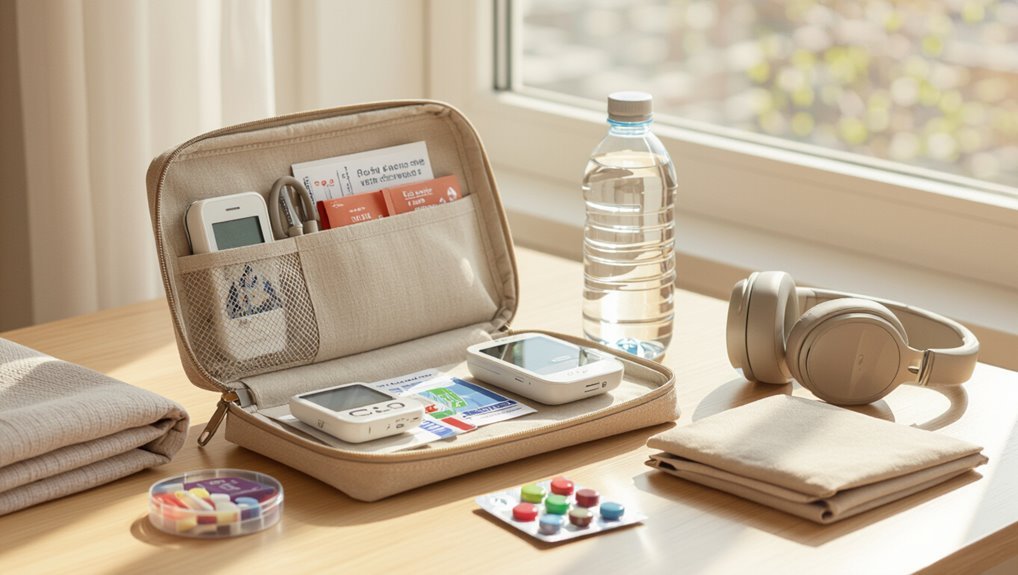
Before you go, run through a quick safety checklist to keep your blood pressure stable on the road:
Before you go, run through a quick safety checklist to keep your blood pressure steady while traveling.
- pack medications plus copies of prescriptions,
- set medication alarms,
- schedule rest breaks,
- stay hydrated,
- avoid excess caffeine and alcohol,
- bring a blood pressure monitor,
- note emergency contacts and local medical facilities,
- wear comfortable compression socks on long trips, and
- inform travel companions about your condition and warning signs.
Can You Travel With High Blood Pressure?
Yes—you can usually travel with high blood pressure, but you should check with your doctor first to confirm your condition is stable and any travel-specific risks.
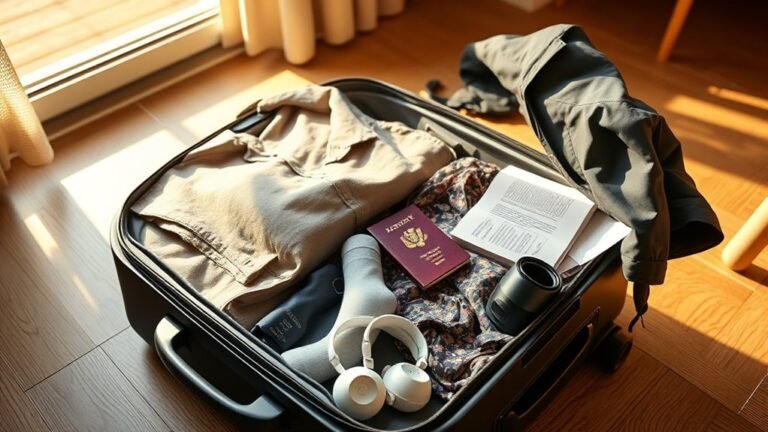
Pack your medications in their original labeled containers, bring extra doses and a copy of prescriptions, and keep them in your carry-on.
Monitor your blood pressure regularly while traveling so you can spot changes early and adjust plans if needed.
Talk To Your Doctor
Because your doctor knows your health history and current meds, ask them whether it’s safe to travel with high blood pressure and what precautions you should take. They’ll assess stability, adjust meds, and advise monitoring. Bring written instructions and emergency contact info.
| Topic | Question | Outcome |
|---|---|---|
| Stability | Is BP controlled? | Clearance |
| Meds | Any changes? | Dosing plan |
| Emergencies | When to seek care? | Action steps |
Pack Medications Properly
Now that you’ve talked with your doctor and know what to expect, pack your blood pressure medications so you can keep taking them on schedule.
Carry drugs in original labeled containers, bring extra supply and copies of prescriptions, and store a list of generic names and dosages.
Keep meds in your carry-on, protect them from temperature extremes, and note local pharmacy options at your destination.
Monitor Blood Pressure Regularly
When you’re traveling with high blood pressure, check your readings at consistent times each day so you can spot changes quickly; bring a reliable cuff and log values digitally or on paper.
Compare readings to your baseline, note symptoms, and share concerning trends with your clinician.
If values rise markedly, follow your emergency plan—seek care or adjust meds per prior medical advice.
When to Check With Your Doctor Before Traveling
If you have high blood pressure, check with your doctor before traveling any time your condition or medications have changed recently, you plan a long trip or strenuous activities, or you’ll be going to a destination with limited medical care.
Also consult before flying if you’ve had recent hospitalization, uncontrolled readings, new symptoms, or if you need documentation, dose adjustments, or travel prescriptions.
Assess Travel Risk From Your Blood Pressure
Before you travel, take a clear look at how well your blood pressure is controlled and what could change during the trip—your recent readings, medication stability, and any symptoms will tell you whether the journey is low- or higher-risk.
Assess factors, then plan:
Assess key factors—then make a clear plan for safe travel with controlled blood pressure.
- recent BP trend
- symptoms or side effects
- altitude or exertion planned
- access to care at destination
- travel duration and stress level
Medications to Pack and Why They Matter for Travel
When you travel with high blood pressure, pack enough medication to cover delays plus a few extra days.
Carry copies of your prescriptions and a note from your doctor in case you need refills or medical care.
Store meds in your carry-on and keep them at recommended temperatures to guarantee they stay effective.
Pack Enough Medication
Pack at least a two-week supply of your blood pressure meds, plus a few extra days in case of delays, and keep them in your carry-on so you can access them and avoid loss or temperature damage.
Carry labeled bottles and sealed blister packs, store originals, and use reminders.
- Daily dosage clearly labeled
- Spare inhalers or patches
- Travel-friendly pill organizer
- Temperature-stable packaging
- Emergency dosing note
Carry Prescriptions Copies
If you lose your meds or face questions at security, carrying copies of your prescriptions and a brief medication list can save time and stress.
Include drug names, dosages, prescribing physician, and contact info. Keep one paper copy in your carry-on and a digital photo accessible on your phone and email.
This helps pharmacies, border agents, and healthcare providers verify treatment quickly.
Store Meds Properly
Bring medications in their original, labeled containers and keep them in your carry-on so you can access them and prove their legitimacy if asked.
You should pack extra doses, refrigeration needs, and a list of generic names. Keep supplies organized and sealed.
- extra days’ supply
- pill organizer for daily doses
- cold pack for temperature-sensitive meds
- copies of prescriptions
- emergency contact info
How to Organize Prescriptions and Dosing Schedules for Trips
When you plan medication for a trip, organize prescriptions and dosing schedules so you always have the right dose at the right time.
List each drug, dose, and timing, note brand and generic names, and pack extra days’ supply.
Set alarms, carry a printed schedule and prescription copies, and consult your clinician about adjustments for time zones or activity changes.
Tips for Carrying Blood Pressure Meds Through Airport Security
Because security rules can feel confusing, plan how you’ll carry meds so screening goes smoothly:
Because security rules can be confusing, plan ahead so carrying meds through screening goes smoothly and stress-free.
- Keep prescriptions in original labeled bottles.
- Pack meds in your carry-on, not checked luggage.
- Bring a doctor’s note for injectables or controlled meds.
- Declare liquids or syringes at the checkpoint.
- Use a clear, zippered pouch for easy inspection and quick access during screening.
How to Store Medications During Different Climates and Time Zones
When you travel, protect your blood pressure meds from extreme heat, cold, and humidity by using insulated pouches or a hotel mini-fridge when needed.
Keep medications in their original labeled containers and check storage instructions so they stay effective across different climates.
And plan dose timing around time zone changes—use alarms or a medication app to maintain consistent intervals.
Temperature-Safe Storage
If you’ll be crossing climates or time zones, plan how you’ll keep blood pressure meds within their safe temperature range so they stay effective; many pills and injectables are sensitive to heat, cold, and rapid temperature swings.
Pack smart, monitor temps, and protect supplies:
- Use insulated pouches or cool packs
- Avoid checked luggage
- Keep meds in carry-on
- Use a thermometer strip
- Replace compromised doses promptly
Time Zone Medication Management
Keeping medications within safe temperatures is only part of the challenge; you also need a clear plan for timing doses across time zones and storing meds in different climates.
Track home time and destination time, adjust dosing gradually if crossing multiple zones, set alarms, carry a written schedule and prescription, use insulated pouches for heat or cold, and consult your clinician before altering timing.
What to Do If You Miss a Dose While Traveling
Because travel can disrupt your routine, you might occasionally miss a blood pressure pill — and knowing what to do helps prevent risks.
If you miss a dose, act quickly:
- Check the time since your missed dose
- Take it if it’s within a few hours
- Skip it if the next dose is near
- Don’t double up
- Contact your clinician for uncertainty
Over-the-Counter Drugs and Supplements to Avoid With Hypertension
When you travel, be careful with over-the-counter meds and supplements since many can raise blood pressure or interfere with your prescriptions; common culprits include decongestants, some pain relievers, herbal stimulants, and high-dose vitamin supplements.
Check labels, avoid pseudoephedrine and NSAID overuse, skip stimulatory herbal blends, and consult your clinician or pharmacist before taking anything new to prevent dangerous interactions.
How to Carry and Use a Travel Blood Pressure Monitor
You’ve learned to steer clear of OTC meds and supplements that can spike blood pressure, and carrying a compact monitor lets you check readings anytime to catch problems early.
Pack the cuff in your carry-on, keep spare batteries, store readings in an app, practice using it before travel, and sanitize the cuff between uses.
- Carry-on storage
- Spare power
- App logs
- Practice first
- Sanitize cuff
When to Check Your Blood Pressure on the Road
Before you leave home, take a baseline reading so you know what’s normal for the day.
Check again during long drives or flights, especially if you feel stressed or dizzy.
Always recheck after physical activity to make sure your blood pressure has settled.
Before Leaving Home
Because travel can spike your blood pressure unexpectedly, check your numbers at key times so you know what to expect on the road.
Before leaving home, take readings to establish a baseline, adjust meds if needed, and pack supplies.
Consider checking:
- Morning before meds
- After medication
- After breakfast
- Before departure
- If you feel stressed or dizzy
During Long Trips
Once you’re underway, keep monitoring at regular intervals so spikes don’t catch you off guard.
Check every 1–2 hours on long drives and at each rest stop.
If you’re on a bus, train, or plane, measure when seated and calm.
Note readings, meds taken, and symptoms.
Stop and seek help if blood pressure stays very high or you feel dizzy, short of breath, or chest pain.
After Physical Activity
If you’ve just finished walking, stretching, or hauling luggage, wait a few minutes before checking your blood pressure so your reading reflects a resting state rather than recent exertion.
Rest calmly, sit with feet flat, and avoid caffeine or talking. Consider these steps:
- Wait 5–10 minutes seated
- Remove tight clothing
- Keep arm supported at heart level
- Breathe slowly
- Record time and activity
How to Interpret Travel BP Readings and When to Act
When you’re on the move, reading your blood pressure correctly means noting the numbers, the context, and how you feel—systolic over diastolic, the time since your last medication, recent activity, and any symptoms all change what a number actually means.
If readings stay above your target or you have chest pain, severe headache, fainting, or shortness of breath, seek medical help promptly.
Hydration Strategies to Protect Blood Pressure While Traveling
Keep sipping water throughout the day instead of waiting until you feel thirsty, because dehydration can raise blood pressure and make meds less predictable.
Cut back on caffeine and alcohol while traveling, and balance any losses with water plus occasional electrolyte drinks or packets.
Carry portable electrolyte options so you can restore salts after sweating or long flights without overdoing sugary sports drinks.
Drink Regularly, Not Rarely
1 simple habit can help steady your blood pressure on the road: drink regularly.
You’ll prevent dehydration-related spikes by sipping throughout travel. Carry a bottle, set reminders, and choose water over sugary drinks. Small, steady intake beats rare large gulps.
- carry a refillable bottle
- sip every 20–30 minutes
- set phone reminders
- prefer water or electrolyte drinks
- avoid long gaps
Limit Caffeine And Alcohol
You’ve cut down on long gaps and are sipping regularly—now watch what’s in the bottle.
Limit caffeine and alcohol, since both can raise blood pressure and interfere with meds. Choose water or decaf for alertness, and stick to one small alcoholic drink at most, if any.
Monitor how your body reacts, and avoid mixing alcohol with prescription antihypertensives.
Carry Electrolyte Options
Bring a small selection of electrolyte options so you can replace salts and minerals quickly when you’re sweating, flying, or coping with time changes.
Pack measured drink mixes, tablets, or pre-mixed bottles to keep levels steady and avoid blood pressure spikes.
- Oral rehydration packets
- Low-sugar sports drinks
- Electrolyte tablets
- Coconut water
- Salted snacks
How to Manage Sodium Intake on the Go
When you’re on the move, keeping sodium in check means planning ahead and choosing smarter options—scan labels, ask about preparation, and favor fresh or minimally processed foods.
Pack low-sodium snacks, request sauces and dressings on the side, and choose plain proteins.
Drink water to curb cravings, compare menu sodium information when available, and carry a travel-sized salt-free seasoning to add flavor without extra sodium.
Practical Meal Tips for Dining Out With High Blood Pressure
When you eat out, pick dishes labeled low-sodium or ask the kitchen to hold the salt and sauces.
Control portions by sharing entrees, ordering a half-size, or boxing half before you start.
Skip sugary cocktails and limit alcohol, choosing water, unsweetened tea, or sparkling water with lemon instead.
Choose Low-Sodium Options
Because restaurants often load dishes with salt, choosing low-sodium options helps you keep blood pressure in check without sacrificing flavor.
Ask for sauces on the side, request no added salt, and pick grilled or steamed items.
Swap fries for vegetables, and favor whole grains. Small choices add up:
- Ask for no-salt preparation
- Sauce on side
- Choose grilled/steamed
- Substitute vegetables
- Pick whole grains
Portion Control Strategies
If you want to keep your blood pressure steady while dining out, control portions by splitting entrées, ordering appetizers as mains, or asking for a to-go box right away so you plate half.
Choose lean proteins, double up on vegetables, and skip oversized sides.
Eat slowly, pause between bites, and stop when you feel satisfied rather than stuffed to limit excess sodium and calories.
Smart Beverage Choices
Although drinks can seem harmless, what you sip at a meal can quickly add sodium, sugar, and calories that raise your blood pressure.
Choose water, sparkling water with lemon, or unsweetened iced tea, and avoid sugary sodas, sweetened cocktails, and high-sodium mixers.
- Pick water first.
- Ask for no salt in mixers.
- Skip sugary syrups.
- Limit alcohol portions.
- Choose unsweetened tea.
Exercise Ideas to Reduce Blood Pressure During Long Trips
When you’re on a long trip, short bursts of movement and simple stretches can keep your blood pressure steadier than sitting still for hours; try ankle pumps, seated marches, and shoulder rolls every 30–60 minutes to boost circulation and lower stress.
Add calf raises, gentle spinal twists, and neck stretches. Use resistance bands for light strength work and deep breathing to calm your heart rate.
How to Avoid Prolonged Sitting and Its Blood Pressure Effects on Planes and Cars
Because sitting for long stretches tightens blood vessels and slows circulation, you’ll want to break up travel time on planes and in cars to protect your blood pressure.
Break up long travel stretches—move, hydrate, and change positions to keep blood flowing and protect blood pressure.
Move often, hydrate, and use support. Try these actions:
- Stand and stretch every hour
- Walk the cabin or around rest stops
- Do ankle pumps and leg lifts
- Wear loose clothing and compression socks
- Shift position frequently
Stress-Reduction Techniques for Anxious Travelers With Hypertension
If travel makes you anxious, lowering stress is as important as watching salt and meds to keep your blood pressure steady. Use deep breathing, short walks, and guided apps, and carry meds and a cuff. Plan breaks and pace activities.
| Technique | Why it helps |
|---|---|
| Deep breathing | Calms nerves, lowers BP |
| Short walks | Reduces tension |
| Guided apps | Focuses mind |
| Routine | Predictability soothes |
Sleep Hygiene and Blood Pressure During Travel
Stress management helps, but good sleep is just as important for keeping your blood pressure steady while traveling.
You should prioritize consistent sleep timing, dark quiet rooms, and short naps to avoid disruption. Try relaxation routines and limit screen time before bed.
- Keep regular sleep-wake times
- Use eye masks and earplugs
- Maintain room coolness
- Wind down with breathing
- Short, timed naps only
Alcohol, Caffeine, and Tobacco: Travel Rules for Blood Pressure Control
When you travel, what and how much you drink and smoke can quickly undo blood pressure control, so stick to clear rules:
Limit alcohol to one drink a day (or skip it), avoid large or late-night caffeine doses that raise BP and disrupt sleep, and steer clear of tobacco and vaping altogether since nicotine spikes pressure and narrows vessels.
Drink water, choose decaf or tea, and plan alcohol-free nights.
How Flying and High Altitude Affect Your Blood Pressure
When you fly or travel to high elevations, changes in cabin pressure and thinner air can affect your blood pressure and how your body regulates oxygen.
You might notice temporary increases in blood pressure or feel symptoms like lightheadedness if your medication or hydration isn’t adjusted.
Talk to your healthcare provider before you travel so you can manage risks and know what to watch for.
Cabin Pressure Effects
Although cabin air is pressurized, you’ll still face lower oxygen levels and slight blood pressure changes at altitude. The reduced air pressure and oxygen can make your heart work harder, especially if your hypertension isn’t well controlled.
- Monitor meds before departure
- Stay hydrated to support circulation
- Move legs to prevent pooling
- Avoid excess caffeine or alcohol
- Alert crew if you feel dizzy or chest tight
Altitude-Induced Changes
If you travel to high altitudes or fly frequently, your body responds to lower oxygen and pressure by raising heart rate and constricting blood vessels, which can push your blood pressure higher than it’s at sea level.
You should monitor readings, take meds as prescribed, stay hydrated, avoid excess alcohol and salt, ascend gradually when possible, and contact your provider if symptoms like severe headache or dizziness occur.
Managing Blood Pressure When Traveling Abroad and Across Time Zones
Because crossing time zones can throw off medication schedules and routines, planning ahead is essential for keeping your blood pressure steady while traveling abroad.
Adjust doses with your doctor, track time differences, and maintain routines. Pack meds in carry-on and monitor readings.
- Set alarms for doses
- Keep appointment notes with time conversions
- Stay hydrated
- Avoid excess caffeine
- Rest and move regularly
How to Translate Medical Info and Prescriptions for International Travel
When you travel, get key medical documents translated into the local language so providers can quickly understand your diagnosis, meds, and emergency contacts.
Ask for translated prescription labels or a medication equivalency sheet that shows generic names, dosages, and dosing schedules used in your destination.
Carry both originals and translated copies, and save digital versions on your phone for easy access.
Medical Documents Translation
Although medical terms can feel intimidating, translating your health documents and prescriptions accurately is essential for safe international travel.
You should prepare clear, certified translations and carry originals plus copies. Include medication names, dosages, diagnoses, and emergency contacts.
Tips:
- Get a certified translator
- Use generic drug names
- Translate allergies
- Note administration times
- Carry translations digitally and on paper
Prescription Label Equivalents
If you’ll be taking prescription meds abroad, translate the label information into the local language and include clear equivalents for drug names, dosages, frequency, and route of administration so pharmacists and clinicians can identify your treatment quickly.
Also carry generic names, therapeutic class, and active ingredient strengths, note any allergies, list brand equivalents used locally, and keep a photocopy with your passport and clinician contact details.
What Travel Insurance Should Cover for Hypertension-Related Issues
Because managing high blood pressure can complicate travel, you’ll want a policy that explicitly covers hypertension-related needs—medical emergencies, medication replacement, and care continuity if your condition worsens abroad.
- Emergency evacuation and hospital care
- Prescription replacement and delivery
- Coverage for missed connections due to treatment
- Telemedicine or specialist referrals abroad
- Pre-existing condition clauses and documentation requirements
How to Prepare a Medical Summary and Emergency Plan
After you’ve confirmed your travel insurance covers hypertension-related care, put together a concise medical summary and emergency plan you can carry with you. Include diagnosis, meds, dosages, allergies, emergency contacts, and local hospital info. Keep copies physical and digital.
| Item | Details |
|---|---|
| Diagnosis | Hypertension |
| Meds | Names & dosages |
| Contacts | Doctor, emergency |
| Plan | Steps if BP spikes |
When to Carry a Doctor’s Note or Medical ID for Medication Access
When should you carry a doctor’s note or medical ID while traveling with high blood pressure? You should carry proof when medication, emergency care, or language barriers might delay treatment.
Keep copies accessible and wear ID for quick recognition.
- boarding security checks
- crossing borders with prescriptions
- during flights or long drives
- in areas with limited pharmacies
- if you have complex meds or allergies
How to Find Local Healthcare While Traveling With High Blood Pressure
When you need care on the road, start by locating nearby clinics and urgent care centers that can handle blood pressure issues.
Check local pharmacies for medication refills and basic advice, and keep telehealth options handy for quick consultations with your regular provider.
Having these contacts saved beforehand makes it easier to get timely help if your readings spike.
Local Clinic Options
If you’re traveling with high blood pressure, know that finding a local clinic doesn’t have to be stressful; use these quick steps to get care fast and confidently.
- Check clinic credentials and patient reviews
- Confirm language services and hours
- Bring a concise medical summary and meds list
- Ask about walk-in vs appointment policies
- Verify insurance acceptance and payment options
Pharmacy And Telehealth
Alongside local clinics, pharmacies and telehealth services can get you quick, reliable care for high blood pressure while you’re away.
Use pharmacy walk-in consultations for medication checks, refills, and basic BP readings.
Set up telehealth with your regular provider or a local service for follow-ups, urgent advice, and prescriptions.
Save contacts, verify credentials, and confirm coverage before you travel.
Emergency Signs of Dangerous Blood Pressure and What to Do
Though most blood pressure spikes are temporary, some signal an immediate danger that needs fast action.
Though most blood pressure spikes pass, some are urgent—recognize red flags and seek immediate help.
You should recognize red flags and act quickly:
- Sudden severe headache
- Chest pain or tightness
- Shortness of breath
- Sudden weakness, numbness, or slurred speech
- Vision changes or confusion
Get emergency medical help immediately if any occur; don’t wait or try home remedies.
How to Handle a Hypertensive Crisis Away From Home
If you notice sudden severe headache, chest pain, shortness of breath, confusion, or vision changes, treat these as signs of a hypertensive crisis.
Stop activity, sit or lie down, take your prescribed emergency medication if you have one, and loosen tight clothing while monitoring your symptoms.
Call local emergency services right away if symptoms are severe, worsening, or don’t respond to initial first-aid.
Recognize Crisis Symptoms
When your blood pressure spikes suddenly while you’re away from home, you need to recognize the signs and act fast; severe headache, chest pain, shortness of breath, sudden weakness or numbness, vision changes, and confusion can all signal a hypertensive crisis that requires immediate attention.
Know these cues and act:
- Severe, sudden headache
- Chest discomfort or pressure
- Difficulty breathing
- Sudden limb weakness or numbness
- Confusion or blurred vision
Immediate First-Aid Steps
Because a hypertensive crisis can escalate quickly, act decisively and prioritize your safety and breathing while you get help.
Sit upright, loosen tight clothing, and breathe slowly.
Take your prescribed blood-pressure meds if available.
Notify someone nearby and call local emergency services.
Note symptoms, medication names, and last dose.
Avoid driving; wait for professional evaluation and transport.
When To Seek Help
How do you know it’s time to get urgent care? You should act fast if symptoms suggest a hypertensive crisis.
Don’t wait—call emergency services or go to the nearest ER and tell them your condition.
While waiting, follow these steps:
- Severe headache
- Chest pain or tightness
- Shortness of breath
- Sudden vision changes
- Confusion or weakness
Traveling With Coexisting Conditions: Diabetes, Heart, and Kidney Disease
If you have diabetes, heart disease, or kidney problems, traveling takes a bit more planning to keep you safe and comfortable.
Talk with your clinician before trips, carry extra meds and prescriptions, and pack supplies like glucose monitors or dialysis records.
Monitor symptoms, keep a heart-healthy diet, stay hydrated, avoid excessive activity, and know local emergency contacts and clinic locations.
How to Adjust Travel Plans for Pregnancy With High Blood Pressure
When you’re pregnant and managing high blood pressure, planning trips takes extra care to protect both you and your baby; talk with your clinician about blood-pressure control, travel timing, and any tests or restrictions before you go.
- Choose short trips and avoid high-risk destinations
- Carry medications and prescription info
- Monitor BP daily and log readings
- Plan frequent rest and hydration breaks
- Know nearest medical facilities
Considerations for Elderly Travelers With Hypertension
Shifting from pregnancy-specific needs to older adults, travel with hypertension in later life brings its own challenges and precautions.
You should review medications, verify dosing and refills, and carry a list of health conditions and emergency contacts.
Plan slower itineraries, avoid extreme temperatures and high altitudes, stay hydrated, monitor blood pressure regularly, and confirm accessible medical care at your destination.
Traveling With Children or Caregiving Responsibilities and BP Management
Caring for kids or dependents on the road adds layers to blood pressure management, so plan routines that keep you and those you’re responsible for safe and calm.
Pack meds and records, schedule quiet breaks, and use simple calming tools to prevent spikes.
Bring meds and records, plan quiet breaks, and use calming tools to prevent stress and blood pressure spikes.
- Pack extra prescriptions
- Set regular mealtimes
- Schedule nap/quiet breaks
- Teach simple relaxation
- Share duties with a travel partner
How to Handle Sports, Adventure Travel, and High-Intensity Activities
Before you sign up for strenuous sports or adventure trips, get medical clearance so your doctor can assess risks and advise any precautions.
If you’re cleared, scale back intensity and shorten sessions as needed to keep your blood pressure stable.
Watch symptoms closely and stop or rest if you feel dizzy, chest pain, or extreme shortness of breath.
Pre-Activity Medical Clearance
If you’re planning sports, adventure travel, or any high‑intensity activity, get medical clearance so you know what your heart can safely handle.
Your doctor will assess risk, review meds, and advise tests or restrictions. Ask about emergency plans, travel insurance, and medication adjustments.
- ECG or stress test
- Medication review
- Blood pressure targets
- Emergency action plan
- Fitness-to-participate note
Modify Intensity And Duration
With your doctor’s clearance in hand and any recommended tests or medication tweaks completed, adjust how hard and how long you push during sports or adventure activities to keep blood pressure stable. Scale intensity, rest more, and monitor symptoms; stop if you’re dizzy. Use gradual progression and buddy systems for safety.
| Activity | Recommendation |
|---|---|
| Hiking | Moderate pace |
| Swimming | Short intervals |
| Cycling | Lower resistance |
| Climbing | Frequent rests |
| Running | Short sprints only |
Packing Checklist Specifically for Travelers With High Blood Pressure
When you pack for a trip while managing high blood pressure, prioritize medications, monitoring tools, and practical items that help you stick to your treatment plan.
Bring essentials and backups, keep prescriptions accessible, and plan for travel disruptions.
- Extra meds in original bottles
- Portable BP cuff and batteries
- Written med list and dosing schedule
- Salt-free snacks and water bottle
- Doctor contact and insurance info
How to Use Tech: Apps and Wearables That Help Manage Blood Pressure on Trips
Three types of tech can keep your blood pressure on track while you travel: monitoring devices, medication reminders, and health apps that collect and share data.
Use a validated portable cuff, sync readings to an app, and enable automatic logging.
Set dose and refill alerts, share summaries with your clinician, and pick devices with offline storage and exportable reports so you stay informed and compliant on the go.
Airline and Cruise Policies for Travelers With High Blood Pressure
Although policies vary by carrier and cruise line, you should know what rules affect travelers with high blood pressure before you book.
Before booking, learn each carrier’s rules so travelers with high blood pressure can plan accordingly.
Check medical clearance, oxygen availability, and mobility assistance. Keep documentation handy and pack meds in carry-on.
- physician letter for stability
- list of meds and doses
- extra prescription supply
- check oxygen and compressor rules
- inform airline/cruise medical desk
How to Communicate Your Needs to Travel Companions and Guides
After you’ve confirmed medical clearance and packed extra meds, tell your travel companions and guides about your high blood pressure so everyone knows how to help.
Explain triggers, medication schedules, and symptoms signaling you need rest or medical attention.
Share emergency contacts, doctor’s info, and any mobility limits.
Ask companions to remind you about meds and watch for warning signs without making you feel burdensome.
Budget-Friendly Ways to Stay Healthy While Traveling With Hypertension
When you’re traveling on a budget, keeping your blood pressure in check doesn’t have to be expensive—simple habits and a little planning go a long way.
- Pack meds and generic OTCs to avoid pricey local pharmacies
- Choose walking tours to add activity without gym fees
- Prep simple, low-sodium snacks from markets
- Use refillable water bottle to stay hydrated
- Track BP with free clinic checks or an affordable cuff
Six Common Travel Mistakes People With High Blood Pressure Make
Budget travel habits help a lot, but a few common mistakes can still sabotage your blood pressure control while you’re away.
Skipping meds, ignoring time zone dosing, overindulging in salty or alcoholic foods, missing sleep, avoiding movement during long journeys, and neglecting hydration all raise risks.
Plan routines, pack extra meds, choose lower-sodium options, move frequently, sleep well, and drink water.
How to Plan Follow-Up Care After a Long Trip
If your trip lasted several days or crossed time zones, plan a quick check-in with your healthcare team within a week of returning so you can review medications, blood pressure readings, and any new symptoms.
Then organize follow-up actions and records, and do the following:
- Bring travel BP log to appointment
- Note missed or changed doses
- Report new symptoms promptly
- Confirm medication refills
- Adjust follow-up interval
Sample Day-by-Day Routine for a Safe Short Trip With High Blood Pressure
Planning a short trip with high blood pressure means organizing each day so you can stick to meds, monitor readings, stay hydrated, and manage stress — here’s a simple day-by-day routine to help you do that reliably.
Day 1: settle, take meds, measure BP.
Days 2–3: morning walk, meds, log readings, drink water, avoid salt.
Evening: relax, measure, adjust sleep.
Long-Haul and Multi-City Travel Plan for Travelers With High Blood Pressure
Short trips let you stick to a tight routine, but long-haul and multi-city journeys require extra structure to keep your blood pressure controlled.
Plan medication timing across time zones, schedule rest days, and monitor readings daily.
Follow:
- Map pharmacies and clinics
- Pack extra meds and records
- Choose seats for circulation
- Stay hydrated
- Set alarms for meds and breaks
Further Resources for Traveling Safely With High Blood Pressure
Want quick access to reliable tools and support while you travel with high blood pressure? Use your doctor’s written plan, a digital health app, and pharmacy locator apps.
Pack extra meds, prescriptions, and a written medical summary.
Check reputable sites (CDC, WHO, heart associations) for travel advisories.
Consider travel insurance covering medical evacuation and telemedicine for remote consultations while you’re away.
Frequently Asked Questions
Can Altitude Sickness Mimic or Worsen High Blood Pressure Symptoms?
Yes — altitude sickness can mimic and worsen high blood pressure symptoms: you’ll feel headaches, dizziness, shortness of breath, and chest discomfort; your body’s stress response can raise blood pressure, so monitor closely and seek medical help if needed.
Are Herbal Remedies Sold Abroad Safe for My Blood Pressure?
No, they’re not reliably safe; herbal remedies sold abroad can interact with your blood pressure medications, raise or lower pressure unpredictably, and lack regulation, so consult your doctor or pharmacist before trying any unfamiliar supplement.
How Do Immigration or Customs Laws Affect Carrying Injectable Hypertension Meds?
They can restrict or ban injectable hypertension meds, so you should check destination and transit laws, carry prescriptions and documentation, declare injections at customs when required, and contact embassies or airlines beforehand to avoid confiscation or fines.
Will Airline Oxygen Policies Cover Passengers With Uncontrolled Hypertension?
Generally, airlines won’t provide medical oxygen for uncontrolled hypertension; you should arrange oxygen with the airline beforehand, get a physician’s note, and confirm policies—don’t assume onboard oxygen will be available without prior approval.
Can Travel Vaccinations Interact With My Blood Pressure Medications?
Yes—most travel vaccines won’t interact with your blood pressure meds, but some (like live vaccines or ones causing fever) can affect control. Talk with your doctor or pharmacist before vaccination to check specific interactions and adjustments.
Conclusion
You can travel safely with high blood pressure if you plan ahead and stay mindful of your health. Check with your doctor when needed, pack medications and records, and monitor your blood pressure regularly. Keep to your routine for sleep, meals, activity, and meds, and have a clear plan for follow-up care or emergencies. With simple precautions and good preparation, you’ll reduce risks and enjoy your trip with greater confidence and calm.