Where to Travel in Maine Best Spots and Ideas
Head for Maine’s coast for lobster shacks, lighthouses, and island hopping around Portland, Peaks, and Mount Desert; pick Bar Harbor and Acadia for hikes and scenic drives, or Rockland and Camden for art, seafood, and harbor views. Drive down Route 1 to Kennebunkport’s beaches or explore inland forests for paddling, waterfalls, and wildlife. Visit in summer for activity, fall for foliage, spring for quieter rates — keep going to see itineraries, logistics, and packing tips.
Why Maine Suits Every Traveler: Coast, Islands, Wilderness
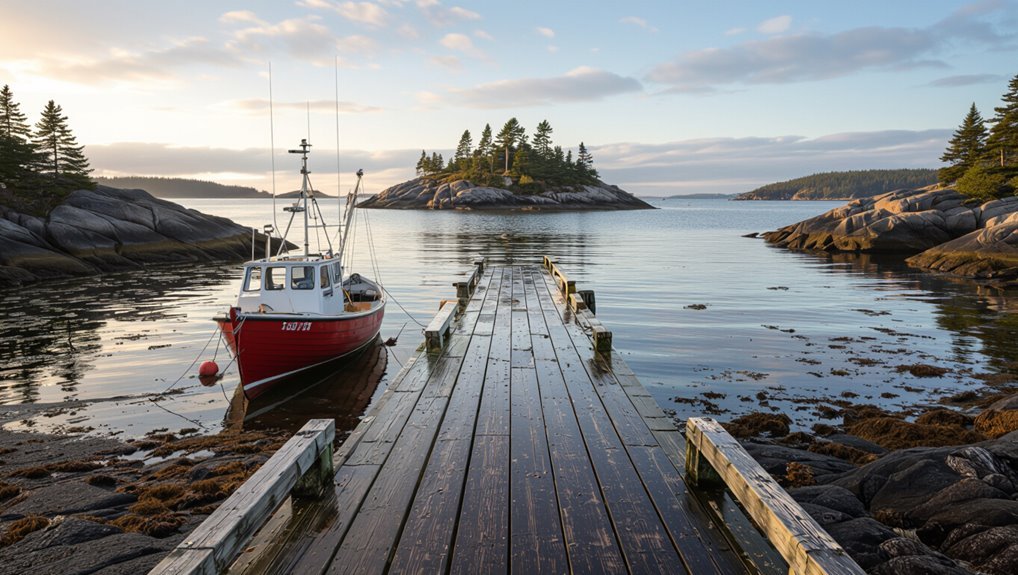
Whether you’re chasing rugged coastlines, quiet island retreats, or deep inland forests, Maine delivers a mix of landscapes that fits almost every travel style.
You’ll find lobster shacks and lighthouses on rocky shores, peace on ferried islands, and expansive trails for hiking, paddling, or wildlife watching.
Each region offers distinct activities and scenery, so you can tailor your trip to relaxation, adventure, or both.
Best Time to Visit Maine for Weather and Crowds
After choosing whether you want coast, islands, or wilderness, the next decision is when to go—Maine’s seasons change how you’ll experience each region.
Summers bring warm days, crowds, and activity; fall delivers cooler air, foliage, and quieter towns; spring is cool and tentative, with lower prices and fewer visitors.
Warm summers bustle with activity; fall offers crisp air and foliage, spring is cool, quieter, and budget-friendly.
- Peak summer: best for swimming, busiest
- Fall: ideal for scenery, moderate crowds
- Spring: budget-friendly, limited services
Choosing Coast, Islands, or Inland Maine
Curious which Maine setting will fit your trip best — rugged coastlines with lighthouses, quiet island life, or vast inland forests and lakes?
Choose coast for seafood, scenic drives, and tidal scenery; pick islands for slow pace, beaches, and local charm; opt inland for hiking, kayaking, lakeside camps, and fall color.
Match activities to your energy level and travel pace.
How to Get to Maine: Flights, Ferries, and Driving
If you’re heading to Maine, you’ll find three practical ways in: fly into Portland or Bangor, drive along scenic highways from Boston or New Hampshire, or take ferries to the islands and coastal towns—each option has trade-offs in time, cost, and convenience.
Heading to Maine? Fly, drive, or ferry—each offers different trade-offs in time, cost, and convenience.
Decide based on schedule, gear, and roaming plans.
- Fly for speed and regional access
- Drive for flexibility and scenery
- Ferry for island access and coastal charm
Maine Road-Trip Itineraries: 3-, 5-, and 10-Day Plans
Pick the plan that fits your time and interests—whether you’ve got a long weekend, a week, or ten days—and you’ll get a route that balances coastal views, charming towns, and outdoor highlights.
For three days, focus on Portland, Cape Elizabeth, and a lighthouse.
Five days adds Boothbay and Camden.
Ten days loops Acadia, Downeast islands, Baxter State Park, and quieter coastal villages for deeper exploration.
Getting Around Maine: Car, Bus, Ferry Tips
When you’re planning travel in Maine, think about distances and seasonality: a car gives you the most flexibility for coastal roads and remote spots, while buses and ferries connect major towns and islands but run less frequently outside summer.
Pack layers, plan fuel stops, and book ferries early.
- Rent a car for remote access
- Check bus schedules in advance
- Reserve ferry spots during peak season
Portland: Top Sights, Neighborhoods, and Eats
After you’ve figured out logistics like car rentals and ferries, focus on Portland—the state’s largest city where compact neighborhoods, a working waterfront, and a celebrated food scene make it easy to explore on foot or by bike.
Wander Old Port cobblestones, visit museums and lighthouses, browse galleries in the Arts District, and sample doughnuts, seafood shacks, and farm-to-table restaurants across vibrant neighborhoods.
Rockland and Camden: Coastal Art Towns
You’ll want to wander Rockland and Camden’s compact streets, popping into coastal galleries that showcase local painters, potters, and photographers.
After gallery hopping, grab a waterfront table to enjoy fresh seafood with sweeping harbor views.
Both towns make it easy to combine art-filled afternoons with relaxed harborfront dining.
Coastal Gallery Hopping
If you love art and salt air, Rockland and Camden make a perfect pair for a day of gallery hopping along Maine’s coast.
You’ll wander compact streets, meet local painters and sculptors, and discover maritime-inspired works in intimate spaces.
Bring a small tote for purchases and chat with gallery owners about openings.
- Contemporary paintings
- Sculptures and ceramics
- Local photography
Harborfront Dining & Views
While the tide slips in, head to Rockland or Camden for waterfront meals where fresh seafood, harbor views, and coastal breezes come together; grab a window table at lunch for lobster rolls or an outdoor seat at sunset for pan-seared scallops and watch the boats glide by.
You’ll sip local beer or wine, stroll the piers between courses, and soak in salty, postcard-perfect scenery.
Kennebunkport: Beaches, Boutiques, and History
You’ll find sandy beaches and scenic walks perfect for morning strolls or sunset views.
Tour historic homes and museums that tell the story of the town’s maritime past.
Then hit the boutiques and local eateries to shop for crafts and taste fresh seafood.
Beaches And Scenic Walks
Although small, Kennebunkport packs a shoreline and streetscape that invite slow exploration: you’ll stroll sunlit beaches, wander charming shops, and pause at ocean overlooks.
Feel sand underfoot, breathe salt air, and follow coastal paths that reveal quiet coves. Enjoy local cafes between walks and watch tide patterns change the scene.
- Walk Parsons Beach at golden hour
- Browse Dock Square boutiques
- Follow Ocean Avenue cliffside paths
Historic Homes And Museums
History threads through Kennebunkport’s streets, where clapboard houses and curated museums invite you to step back into maritime Maine.
You can tour preserved sea captains’ homes, learn shipbuilding lore, and see period furnishings that reveal daily life. Museums host rotating exhibits on fishing, pottery, and local art.
Guided tours deepen context, and quiet gardens offer reflective pauses between rooms packed with history.
Shopping And Local Eats
Charm and salt air mingle as you stroll Kennebunkport’s lively streets, where boutique shops, seafood shacks, and cozy cafés beckon between beach visits.
You’ll browse local art, sample lobster rolls, and pick up nautical gifts before sunset. Savor oysters at a waterfront shack, sip espresso in a sunlit café, and discover handcrafted jewelry in charming storefronts.
- Local galleries
- Seafood shacks
- Boutique clothing
Bar Harbor & Acadia: Day and Weekend Plans
When you have a day or a long weekend in Bar Harbor and Acadia, you’ll want a plan that balances hiking, scenic drives, and time to savor the coastal town itself.
Start with Cadillac Mountain sunrise, drive Park Loop for ocean views, hike a short carriage road or coastal trail, picnic by Jordan Pond, then explore downtown shops and lobster dinner—leave time to relax and watch the sunset.
Island Hopping: Peaks Island to Mount Desert
Wondering how to connect Peaks Island’s laid-back beaches and art studios with Mount Desert’s rugged cliffs and Acadia trails?
You’ll mix ferry hops, scenic drives, and a few short hikes to sample both island vibes and coastal grandeur. Pack layers, a camera, and a good map; prioritize daylight crossings and flexible stops.
Mix ferries, scenic drives, and short hikes to savor island charm and coastal grandeur—pack layers, a camera, and a flexible schedule.
- Scenic ferry glimpses
- Short coastal hikes
- Village galleries and cafes
Planning an Island Overnight: Ferries and Reservations
When you plan an island overnight, check ferry schedules and who runs each route so you don’t get stranded.
Book tickets and any vehicle space in advance, especially during summer weekends.
Also confirm return times and simple logistics like luggage limits and boarding locations.
Ferry Schedules & Operators
One clear rule for planning an island overnight is to check ferry schedules early and book reservations as soon as you know your dates, since many routes run limited daily crossings and fill up quickly in summer.
You’ll compare operators, note seasonal timetables, and confirm vehicle vs. walk-on capacity.
- Year-round vs. seasonal operators
- Timetable and frequency
- Cancellation and contact info
Booking Tips & Logistics
Start by locking in your travel dates and ferry reservations as soon as they’re firm—spots, especially for vehicle sailings and summer weekends, sell out fast—and then build logistics around those bookings (arrival buffer, parking, and alternate sailings).
Confirm luggage limits, vehicle restrictions, and boarding times.
Reserve island lodging early, note check-in windows, and keep contact info.
Pack essentials and plan a backup return in case of weather.
Maine’s Most Iconic Lighthouses and Where to Find Them
Maine’s coastline is dotted with stoic lighthouses that guide mariners and draw visitors—each with its own history, setting, and photo-worthy vantage point.
You can explore rocky promontories, climb historic towers, and catch sunsets that silhouette iconic beacons. Check access times and nearby trails before you go.
- Portland Head Light (Portland)
- Bass Harbor Head Light (Mount Desert Island)
- Nubble Light (Cape Neddick)
Best Beaches for Swimming, Sunbathing, and Families
After admiring lighthouses along the rocky coast, you’ll want sandy stretches where kids can build castles and swimmers can cool off—Maine’s beaches offer both calm family-friendly bays and wide, sun-soaked shores.
Visit Ogunquit for gentle waves, Old Orchard Beach for classic boardwalk fun, and Reid State Park for tidal pools and scenic dunes.
Pack sunscreen, snacks, and patience for parking.
Scenic Coastal Drives and Must-Stop Viewpoints
Hit the road and enjoy Atlantic Drive’s highlights as you follow coastal curves and postcard views.
You’ll stop for lighthouse viewpoints that frame the sea and history.
Don’t miss ocean cliff lookouts where waves and wind make every photo unforgettable.
Atlantic Drive Highlights
Take a coastal drive and you’ll discover why the Atlantic Coast Roadways are among New England’s most scenic: rugged cliffs, lighthouses perched on rocky promontories, and quiet pullouts that frame crashing surf and distant islands.
You’ll stop for salt air, panoramic vistas, and hidden coves; roads twist past evergreen forests and seaside villages.
- Ocean-facing overlooks
- Scenic cliffside routes
- Quiet beach pullouts
Lighthouse Viewpoints
Countless lighthouses dot Maine’s coastline, and each viewpoint offers a different way to feel the sea—pause at a rocky promontory to watch waves pound the base, step onto a bluff for panoramic island views, or linger at a quiet harbor light to catch the glow at dusk.
Drive scenic coastal routes, stop for short walks, climb keeper paths when allowed, and photograph sunset silhouettes for lasting memories.
Ocean Cliff Lookouts
When you edge along Maine’s coastal roads, sudden drops reveal ocean cliff lookouts that demand you stop and stare. These viewpoints pair rugged granite faces with sweeping sea and island panoramas, making every pull-off a must-see.
You’ll hike short trails, snap wide-angle photos, and breathe salt air while watching tide-swept rocks below.
- Bring windproof layers
- Time visits for sunrise
- Respect fragile vegetation
Maine Seafood Guide: Lobster, Clams, and Oysters
1 essential truth about eating in Maine is simple: the seafood’s freshness defines the experience.
You’ll savor sweet lobster boiled or steamed, dig into tender steamers tossed with butter, and slurp briny oysters raw on the half shell.
Savor sweet steamed lobster, buttery steamers, and briny oysters shucked fresh for pure coastal delight.
Try lobster rolls, clam bakes, and oyster flights at markets or shacks.
Buy local, ask about harvest methods, and eat with a view when you can.
Best Waterfront Restaurants in Portland and Nearby Towns
If you’ve been enjoying Maine’s fresh lobster, clams, and oysters, you’ll want to pair those flavors with a seaside setting—Portland and its neighboring towns offer waterfront restaurants where the view complements the meal.
You can savor casual crab rolls, upscale tasting menus, or raw bars while watching harbor activity and sunsets.
- Casual harborside cafés
- Fine-dining pierside spots
- Rustic oyster bars
Fishing and Boating: Charters, Licenses, and Rules
Ready to get on the water? You can book nearby charters for half-day or full-day trips, but be sure you meet Maine’s fishing license requirements before you cast off.
Follow boating rules and safety practices—life jackets, navigation lights, and local regulations keep everyone safe.
Charter Options Nearby
When you’re planning a day on Maine’s waters, local charters make it easy to get out fishing or cruising without worrying about gear, navigation, or licensing details; captains supply boats, tackle, and local know-how so you can focus on the experience.
Choose from half-day, full-day, or multi-day trips tailored to your group, target species, and comfort level.
- Guided inshore fishing
- Offshore deep-sea charters
- Scenic harbor cruises
Licensing Requirements Maine
Curious about what paperwork you need before casting off in Maine? You’ll need a valid fishing license for most freshwater and saltwater angling; purchase online or at local agents.
If you’ll run a vessel, check operator age and boater-education requirements. Commercial charters need specific endorsements and registrations.
Always carry licenses aboard and verify seasonal or species-specific rules before you fish.
Boating Rules Safety
Because Maine’s coast and inland waters can change quickly, you should know the key boating rules and safety practices before you head out:
- Wear life jackets, carry signaling devices, and file your float plan.
- Follow speed zones, right-of-way, and navigation markers; avoid restricted areas.
- Confirm proper licensing, inspect safety gear, and check weather and tide forecasts before departure.
Kayaking and Paddleboarding Along Maine’s Coast
If you want to explore Maine’s jagged coastline up close, kayaking and paddleboarding put you where the action is—gliding past spruce-tipped islands, skirting tide-carved ledges, and slipping into quiet coves that larger boats can’t reach. You’ll find calm bays, wildlife, and accessible rentals; check tides and dress for cold water.
| Gear | Route | Tips |
|---|---|---|
| Kayak | Penobscot Bay | Tide charts |
| SUP | Acadia shores | Leash |
| Rental | Coastal shops | Layer up |
Top State Parks and Preserves for Short Hikes
When you want a quick outdoor reset without committing to a long trek, Maine’s state parks and preserves offer short, well-marked trails that deliver big views—coastal bluffs, forested ridges, and quiet freshwater ponds—all within easy reach of parking and facilities.
You’ll find varied scenery and accessible paths perfect for half-day outings.
- Acadia National Park carriage roads
- Camden Hills State Park overlooks
- Wolfe’s Neck Woods trails
Hiking Mount Katahdin and Baxter Park Essentials
Tackle Mount Katahdin with a clear plan: the peak sits at the heart of Baxter State Park, and its rugged trails demand good gear, early starts, and respect for rapidly changing weather.
You’ll register at the park, pick routes matching your experience, carry layers, plenty of water, and navigation tools.
Expect steep sections, give yourself turnaround times, and follow Leave No Trace principles for safety and preservation.
Forest Trails and Waterfalls in Western Maine
Though quieter than the coast, western Maine’s forest trails lead you straight to some of the state’s most rewarding waterfalls, where moss-draped ledges and shaded pools beg for a pause.
You’ll follow fern-lined paths, hear tumbling streams, and find viewpoints perfect for photos or a quiet break.
- Easy loop trails to short falls
- Rugged hikes to remote cascades
- Family-friendly picnic spots
Where to See Fall Foliage and Peak Timing
Plan your trip around peak foliage, which usually moves from late September in the north to mid-October in the south.
You’ll want to check scenic drives like Route 1, the Rangeley Lakes Byway, and the Bold Coast for easy viewing.
For top viewpoints, head to Acadia National Park, the Mahoosuc Range, and Camden Hills.
Peak Foliage Timing
Once September cools the nights, you’ll start noticing color moving south and downhill across Maine.
Peak foliage generally arrives in the interior and northern ranges from late September to mid-October, while coastal areas and Portland typically peak in mid- to late October.
Plan timing by elevation and latitude, watch forecasts, and stay flexible.
- Northern highlands: late Sept–early Oct
- Interior valleys: early–mid Oct
- Coast and Portland: mid–late Oct
Best Scenic Drives
Pick a route that matches the timing you want: northern highlands drives like the Rangeley Lakes Region and Route 16 hit their peak in late September to early October.
Interior loops through the Lakes and Mountains region and Route 201 bloom in early to mid‑October, and coastal roads such as Route 1 and the Shore Road around Camden and Portland usually glow in mid‑ to late‑October.
Plan daily segments, watch forecasts, and time stops for light.
Top Viewing Locations
Find vantage points that match the timing you want: early October brings peak color to the Rangeley Lakes and northern highlands,
mid‑October lights up the Lakes and Mountains and Route 201,
and mid‑ to late‑October is best along the coast from Portland to Camden.
Choose overlooks, quiet lakeshores, and coastal promenades to catch color.
- Cadillac Mountain summit
- Route 201 overlooks
- Camden Hills cliffs
Winter in Maine: Skiing, Snowshoeing, and Ice Fishing
When winter settles over Maine, it transforms the coast and mountains into a playground for outdoor lovers. You’ll ski Sugarloaf or Sunday River, strap on snowshoes for quiet forest trails, and try ice fishing on Webber or Moosehead Lake. Pack layers, rent local gear, and hire a guide if you’re new.
| Activity | Best For |
|---|---|
| Skiing | Challenging runs |
| Snowshoeing | Quiet woods |
| Ice Fishing | Frozen lakes |
Family-Friendly Maine: Kid-Approved Activities and Tips
You’ll love Maine’s kid-friendly coastal beach days where little ones can build forts and hunt for shells.
Plan easy hikes together on short, well-marked trails so everyone gets fresh air without meltdowns.
Don’t miss the hands-on, kid-focused museums that turn history and science into play.
Coastal Beach Days
If the kids get restless, a Maine beach day brings easy fixes: sandcastle contests, tidepool exploring, and quick swims in chilly surf that wake up everyone’s senses.
You’ll pack layers, sunscreen, and snacks, scout safe swimming spots, and teach shoreline etiquette so everyone enjoys the day.
- Bring a small first-aid kit
- Check tide schedules
- Use reef-safe sunscreen
Easy Hikes Together
Because kids get fidgety fast, choose short, well-marked trails with interesting stops—streams, boulder fields, or lookout points—to keep them engaged and moving at their own pace.
Pack snacks, water, sunscreen, and a basic first-aid kit.
Let kids lead occasionally, point out wildlife, turn hikes into scavenger hunts, and plan turnaround times so everyone stays happy and ready for the next adventure.
Kid-Friendly Museums
After a morning on easy trails, head indoors to kid-friendly museums that keep energy up while offering hands-on learning.
You’ll find interactive exhibits, science centers, and maritime displays that spark curiosity. Pack snacks, plan short visits, and let kids lead choices.
- Hands-on science centers
- Maritime and coastal museums
- Children’s history and art exhibits
Romantic Maine Getaways: Inns, Lighthouses, Sunsets
While the coast of Maine is known for its rugged beauty, it’s the quiet inns, weathered lighthouses, and golden sunsets that make it a perfect backdrop for a romantic escape.
You’ll wander hand in hand along salt-scented shores, cozy up in a historic inn with ocean views, and watch light fade behind a lighthouse, savoring small moments that feel timeless and yours alone.
Budget Travel: Cheap Eats, Hostels, and Low-Cost Tips
You can eat well on a budget by trying downtown food trucks, casual bakeries, and seafood shacks that won’t break the bank.
For overnight stays, pick from friendly budget hostels or simple inns that keep costs low without skimping on comfort.
Between free coastal walks, low-cost museum days, and community events, you’ll find plenty of inexpensive ways to enjoy Maine.
Cheap Eats Downtown
Anyone on a tight budget can eat well downtown without sacrificing local flavor; scout lunch specials, food trucks, and hole‑in‑the‑wall diners for big portions and tiny prices.
You’ll find clam rolls, lobster‑adjacent sandwiches, and hearty chowders at cash‑friendly joints. Pace yourself, share plates, and ask locals for daily specials to stretch your dollars.
- Try daily lunch deals
- Share entrees
- Ask servers about secret specials
Budget Hostels & Inns
Find a comfy, wallet-friendly bed in Maine without giving up character by choosing hostels and small inns that cater to budget travelers.
You’ll find shared rooms, private singles, and family-run inns with homey breakfasts.
Book ahead for summer, compare reviews, and look for included perks like kitchen access, bike storage, or laundry.
Stay central to save transit costs and enjoy local charm.
Free & Low-Cost Activities
When you’re traveling Maine on a shoestring, plenty of memorable experiences won’t cost more than a stroll or a sandwich: you can savor lobster rolls at casual shacks, pitch a tent in state parks, and wander seaside towns.
Pack layers, use hostels or shared rooms, and catch free festivals.
Try these low-cost ideas:
- Beachcombing and sunset walks
- Farmer’s markets and food trucks
- Self-guided coastal hikes
Luxury Stays: Upscale Coastal Resorts and Inns
If you want waterfront elegance and top-tier service, Maine’s upscale coastal resorts and inns deliver refined rooms, gourmet dining, and curated experiences that highlight the state’s maritime charm.
You’ll wake to harbor views, unwind in spa treatments, and enjoy locally sourced meals. Concierges can arrange private boat tours, lighthouse visits, and seasonal activities so your stay feels effortless and distinctly coastal.
Camping in Maine: Car, Backcountry, and RV Basics
Heading into Maine’s outdoors, you’ll want gear tailored to your mode—car campers can pack comforts, backcountry hikers need lightweight essentials, and RVers should check hookups and clearance.
Check campground rules and required permits early, especially for Acadia and remote state parks. Knowing what to bring and what permits you need will keep your trip smooth and legal.
Gear Essentials By Mode
Because each camping style in Maine brings its own trade-offs, you’ll want gear matched to your mode—car, backcountry, or RV—to keep trips safe, comfortable, and low-stress.
Pack efficiently: prioritize shelter, insulation, and cooking suited to transport limits. Match power and water needs for RVs, and choose ultralight, weatherproof options for backcountry treks.
- Shelter and sleep system
- Cooking and water treatment
- Power, storage, and safety gear
Campground And Permit Basics
When you plan camping in Maine, know the rules for each mode—car, backcountry, and RV—so you can reserve sites, secure permits, and avoid fines or closures. You’ll book car-camps early, get backcountry permits for popular trails, and confirm RV hookups and size limits. Follow leave-no-trace rules and check seasonal closures.
| Mode | Key Action |
|---|---|
| Car | Reserve |
| Backcountry | Permit |
Small Towns Off the Beaten Path Worth Visiting
Though Maine’s lighthouses and Acadia get most of the headlines, its small towns offer quiet harbors, winding streets, and local flavor you won’t find on the typical itinerary.
You can wander galleries, eat fresh seafood, and chat with locals who love their towns. Visit these gems for authentic rhythm and coastal calm:
- Rockport
- Belfast
- Boothbay Harbor
Downeast Maine: Highlights From Cutler to Lubec
Head further east from the charming midcoast towns and you’ll find Downeast Maine’s raw coastline, where granite ledges, berry barrens, and sea-swept villages feel farther from the tourist path.
You’ll explore lighthouses, tidal coves, and working harbors between Cutler and Lubec, watch puffins offshore, hike coastal trails, savor lobster rolls, and enjoy silence broken only by surf and gulls.
Katahdin Region Beyond the Peak: Lakes and Villages
If you think Katahdin means only the mountain, you’ll find a quieter, watery side of the region where mirror-still lakes, spruce-fringed ponds, and small river villages invite slow, deliberate days—paddle at dawn, fish off a wooden dock, then wander Main Street to grab coffee and a lobster roll before locals point you to a hidden swimming hole or a trail that skirts the inlet.
- Paddle Scott Pond at sunrise
- Browse Millinocket shops
- Picnic by Chesuncook Lake
Wildlife Watching: Whales, Seals, and Birding Spots
When you cruise Maine’s coast or hike its salt-swept headlands, you’ll spot whales breaching offshore, harbor seals sunning on ledges, and migratory songbirds filling the marshes—each season brings different highlights and easy ways to watch them responsibly.
Join a licensed whale-watching tour, scan rocky shores for seals at low tide, and visit coastal refuges and salt marshes with binoculars—respecting distances and nesting closures.
Best Photo Locations to Capture Classic Maine Views
After scanning for whales and seals, you’ll want a camera ready to capture Maine’s codified vistas: weathered lighthouses perched on rocky points, quiet harbors with lobster boats, and pine-framed cliffs dropping to glassy coves.
You’ll hunt sunrise at headlands, twilight in fishing villages, and wind-swept trails. Shoot compositions that balance water, stone, and sky.
- Portland Head Light
- Bass Harbor Head
- Acadia’s Cadillac Mountain
Final 10-Point Checklist to Finalize Your Maine Trip
Before you head out, check these ten essentials to lock in a smooth, worry-free Maine trip:
confirm reservations and routes, check weather and tides, top off vehicle fluids and gas, pack layered clothing and rain gear, bring maps and phone chargers, book lobster/cruise slots, carry ID and meds, secure lodging check-in times, note emergency contacts, and set a flexible itinerary for downtime.
Frequently Asked Questions
Are There Medical Facilities and Emergency Services Readily Available in Remote Areas?
Yes — you’ll find basic clinics, volunteer EMTs, and occasional hospitals near some remote Maine areas, but services can be limited; you’ll want to carry first-aid supplies, plan for long response times, and consider evacuation insurance.
What Mobile Phone and Internet Connectivity Can I Expect Statewide?
You’ll find reliable cell service and decent internet along the coast, in larger towns, and near highways, but expect spotty or no coverage in remote woods, islands, and mountains; plan offline maps and backups accordingly.
Do I Need Permits or Fees for Drone Photography in Maine?
Yes — you’ll need to follow FAA rules, register drones over 0.55 lbs, and get waivers for restricted airspace; Maine may require site permits or park fees, so check local authorities before flying.
Are Pets Allowed in State Parks, Beaches, and on Ferries?
Yes — you can bring pets to many state parks, some beaches, and most ferries, but rules vary: you’ll need to keep pets leashed, follow seasonal restrictions, clean up after them, and sometimes pay extra or show proof of vaccination.
What Cultural Etiquette or Local Laws Should Visitors Know (Alcohol, Camping Rules)?
You should follow Maine’s alcohol laws—21+ to drink, no open containers in vehicles, local towns may restrict public drinking—and obey camping rules: stick to designated sites, pack out trash, respect quiet hours, and obtain permits where required.
Conclusion
Maine’s mix of rocky coast, quiet islands, and vast woods means you’ll find whatever outdoor vibe you want—lively seafood towns, serene lighthouses, or rugged backcountry. Pick the season that matches your pace, plan travel and lodging early, and tailor an itinerary from a quick coast hop to a full 10-day road trip. Bring layers, binoculars, and a camera, and get ready to slow down, savor fresh lobster, and let Maine’s scenery reset your rhythm.