Does Tsa Steal From Luggage Facts and Myths Explained
You shouldn’t assume TSA steals from luggage; most missing-item cases come from mishandling, contractor errors, or poor documentation rather than intentional theft. You can expect officers to screen for threats, document opened bags, and hand you a receipt if they inspect your property. Report missing or damaged items promptly and file claims with the airline for checked baggage. Follow packing and labeling tips to protect valuables, and keep going to learn what questions to ask and steps to take.
What People Mean By “Does TSA Steal From Luggage?”
When travelers ask whether the TSA steals from luggage, they’re usually not accusing agents of running a theft ring so much as expressing concerns about missing, damaged, or unaccounted-for items after security screenings.
You mean worries about mishandling, loose valuables, improperly inspected bags, or poor documentation of searches.
You’ll want clarity on procedures, accountability, and how to report and recover items when problems arise.
Does TSA Actually Steal From Bags?
Curious whether TSA agents actually steal from bags? You shouldn’t assume theft; incidents are rare, often involve misunderstandings or contractor staff, and are investigated. If something’s missing, report it immediately, document damage, and file a claim. Trust but verify: follow procedures to protect your property and insist on accountability when evidence suggests wrongdoing.
| Action | Purpose |
|---|---|
| Inspect | Check items after screening |
| Report | Start claim process |
| Document | Photos, receipts |
| Escalate | Supervisors, OIG |
| Follow-up | Track resolution |
How TSA Baggage Screening Works, Plain and Simple
TSA baggage screening checks your bags with a mix of X-ray machines, explosive-detection systems, and hand inspections to spot prohibited items and threats before they reach the aircraft.
You’ll have items imaged, swabbed for explosives, and sometimes opened for inspection; agents document and reseal bags when needed.
The goal is safety, not searching for valuables, and procedures follow federal rules and chain-of-custody protocols.
Who Screens Checked Bags vs. Carry-On Checkpoints
You might assume the same people screen both checked bags and carry-on checkpoints, but the processes and roles differ.
Checked bags are usually processed by centralized screening teams using X-ray and explosive detection systems behind the scenes.
At carry-on checkpoints, Transportation Security Officers work directly with travelers, using X-ray machines and hand inspections when needed.
Checked Bags Screening
Although both checked and carry-on bags go through security, they’re screened differently and by different teams: checked luggage is primarily processed by TSA’s checked-baggage screening systems and contract baggage-screening officers working behind the scenes, while carry-ons are inspected at passenger checkpoints by TSA officers using X-ray machines and, when needed, hand inspections.
You should know checked bags travel through automated scanners, explosive-detection units, and targeted manual checks before loading.
Carry‑On Checkpoints
Checked-bag screening happens out of sight, but carry-on checkpoints are where passengers and their hand luggage meet screening staff face-to-face.
You place items into bins, remove electronics and liquids, and interact with officers who monitor X-ray images and run swabs when needed.
You can ask questions, watch the process, and file immediate reports if you believe something’s missing or mishandled.
What TSA Policies Say About Baggage Inspection and Handling
You should know what authority TSA officers have to inspect your bags and how they’re allowed to handle your property during screening.
Learn the rules for how items are handled and when you can file lost or damaged claims if your baggage is searched or mishandled.
We’ll clarify what to expect and how to protect your belongings.
TSA Search Authority
When TSA officers inspect baggage, they’re operating under a mix of federal regulations, agency guidance, and airport-specific procedures that let them screen, open, and handle both carry-on and checked luggage to guarantee aviation security. You should know they can search for threats, document actions, and notify owners; refusals can cause delays or denied boarding.
| Authority | Action | Outcome |
|---|---|---|
| Federal regs | Screen items | Safety |
| TSA guidance | Open bags | Inspection |
| Airport rules | Document search | Recordkeeping |
| Passenger rights | Ask questions | Clarification |
Property Handling Rules
Those inspection authorities lead directly into how TSA handles your property during and after searches.
You’ll find officers follow procedures: they inspect, tag, reseal, and record items when possible. They’re supposed to minimize disruption, document unusual findings, and offer receipts for opened bags.
You should be present when feasible, note damage immediately, and ask for paperwork explaining any actions taken.
Lost Or Damaged Claims
Although TSA primarily focuses on security, it also has procedures for inspecting and handling baggage that affect lost or damaged claims, and you should know how those procedures shape your rights and remedies.
You should document damage, report it promptly to the airline, and note TSA inspections on reports.
TSA isn’t liable for airline mishandling; airlines handle compensation under their rules and international conventions.
What Screeners Are Allowed to Open and Inspect
Screeners can open and inspect many items to keep flights safe, but they must follow TSA procedures and respect privacy as much as possible.
You may see them inspect checked bags, carry-ons, electronic devices, toiletries, and opaque containers when screening signals or alarms occur.
They’ll document searches, try to minimize exposure of personal items, and offer you a receipt if they open your luggage.
When TSA Will Search a Bag Without the Owner Present
When a bag alarms or is selected for additional screening and you’re not present, TSA officers may search it without you there to keep the checkpoint moving and preserve security; they’ll follow procedures to document the search and limit exposure of personal items.
- Officers will open bags to inspect flagged items.
- They’ll use gloves and screens when possible.
- Sensitive items get privacy considerations.
- Searches aim to restore security quickly.
How TSA Documents Inspections and Missing-Item Claims
When TSA inspects your bag, agents will create written and electronic records you can request later.
If you find something missing, follow the agency’s claim submission steps promptly, including filing a report and providing proof of ownership.
Knowing the documentation process and required forms makes it easier to track inspections and pursue a claim.
Documentation Process Overview
Because accurate records protect both travelers and the agency, TSA documents inspections and missing-item claims in a standardized, traceable way.
You’ll get clear incident reports, timestamps, inspector IDs, and photographed evidence where applicable. This creates accountability and aids resolution without replacing formal claim steps.
- Report logging
- Time and location stamps
- Inspector identification
- Photo and notes evidence
Claim Submission Steps
Although inspections and missing-item claims follow strict protocols, you’ll need to submit specific documentation to start a formal claim: a detailed incident report, the original baggage tag or boarding pass, photos or videos of the item and inspection area if available, and any receipts or serial numbers that prove ownership.
File the claim online or at the TSA lost property desk, include contact details, and keep copies for follow-up.
The Difference Between TSA Agents and Airline/Airport Staff
If you’ve ever stood in an airport and wondered who does what, it helps to know that TSA agents focus on security screening while airline and airport staff handle customer service, operations, and logistics—each has distinct authority and responsibilities.
- You’ll see TSA check IDs and screen carry-ons.
- Airline staff manage boarding and reservations.
- Airport crews handle facilities and signage.
- Baggage agents track and load luggage.
Why Items Go Missing After TSA Screening
When your bag comes through screening and something’s missing, it’s natural to assume someone took it—but chain-of-custody gaps, overlooked items left at screening stations, and legitimate confiscations for safety reasons are more common causes than theft.
You should check lost-and-found, ask screening staff, review signage about prohibited items, and file a report promptly if you suspect loss so it’s documented and investigated.
Real-World Examples of Alleged TSA Theft Incidents
You’ve probably heard about documented airport incidents where passengers say items vanished after screening.
Compare those claims with available evidence—surveillance, TSA records, and witness statements—to see where stories match or clash.
Finally, look at legal outcomes and settlements to understand how these cases were resolved and what that implies for accountability.
Documented Airport Incidents
Although documented allegations of TSA theft are relatively rare compared with the millions of screenings conducted each year, several high-profile incidents have drawn public attention and raised questions about accountability and inspection procedures.
You’ll find cases where items went missing, investigations followed, and outcomes varied.
Consider these examples:
- Passenger reported jewelry missing after screening.
- Camera gear allegedly vanished from checked bag.
- Cash claimed gone post-inspection.
- Laptop reported absent after security check.
Passenger Claims Versus Evidence
Because accusations of theft often rely on inconsistent memories, sparse documentation, or chain-of-custody gaps, it’s important you weigh passenger claims against corroborating evidence—surveillance footage, baggage inspection logs, inspector statements, and formal loss reports—before drawing conclusions about what happened.
In many cases, evidence clarifies misunderstandings, shows inspection necessity, or reveals third-party liability; treat claims skeptically until verified.
Legal Outcomes And Settlements
When travelers pursue claims alleging TSA theft, cases often end in a mix of agency denials, administrative settlements, and occasional court rulings that hinge on evidence quality and legal standards; we’ll look at real outcomes to show how those elements shape results.
- You’ll see settlements when paperwork or camera gaps favor travelers.
- Courts often dismiss weak-evidence suits.
- Administrative reviews sometimes award modest compensation.
- Rare verdicts set precedents.
Verified Misconduct Cases and Disciplinary Outcomes
If you want to understand how the TSA handles employee misconduct, start with verified cases and the disciplinary outcomes they trigger.
You’ll see investigations by internal affairs, referrals to inspectors general, and administrative actions like suspensions, terminations, or criminal charges when evidence warrants.
Remedies include policy revisions, retraining, and restitution orders.
Transparency varies, but documented cases guide accountability and prevention.
How Often Complaints About Stolen Items Are Filed
You might wonder how often reports about stolen items get filed with the TSA and what that pattern looks like.
We’ll explain how to submit a complaint, who handles it, and what information is typically required.
Keep in mind the available data have limits, so trends can suggest patterns but don’t tell the whole story.
Frequency Of Reports
Although official statistics are limited, travelers and advocacy groups report that complaints about stolen items at TSA checkpoints are filed relatively infrequently compared with the total number of passengers screened.
Many incidents go unreported or are logged in different ways by airports and law enforcement. You should note patterns and reporting barriers:
- Incidents vary by airport size.
- Travelers often don’t report minor losses.
- Evidence is rarely documented.
- Reports cluster around busy travel periods.
Report Submission Process
When travelers decide whether to report a missing item at a TSA checkpoint, several practical hurdles shape how often complaints are filed: you weigh time constraints, expected outcome, and immediate travel needs.
You might report if loss is obvious, valuable, or retrievable; otherwise you often postpone or skip filing.
Accessibility of forms, staff availability, and travel stress affect your choice.
Data Limitations And Trends
Because reporting stolen items at checkpoints often depends on convenience and perceived value, official complaint counts understate the true frequency of thefts.
You should treat published totals as partial signals, not full measures.
Factors that matter include:
- Travelers who don’t notice missing items.
- Small-value losses left unreported.
- Time delays reducing reporting.
- Variability in airport reporting practices.
How the TSA Investigates Theft and Misconduct Claims
If you suspect an item was taken or an agent acted improperly, file a report promptly so the TSA can start an investigation while evidence is fresh.
You’ll provide details, timelines, and any witness contacts.
TSA reviews screening footage, agent logs, and procedural compliance, coordinates with law enforcement when needed, and may discipline or refer criminal matters.
Expect updates but limited disclosure for privacy and security.
What Evidence Strengthens a Missing-Item Claim
Although you don’t need proof beyond doubt, clear, specific evidence makes a missing-item claim far more persuasive.
- Photos showing the item packed and its condition before travel.
- Receipts, serial numbers, or app records proving purchase and ownership.
- Witness statements from travel companions or handlers.
- TSA inspection tags, baggage reports, or time-stamped security footage references that corroborate your timeline.
How to File a Claim With TSA for Lost or Stolen Items
If an item goes missing after TSA screening, you should report it to the TSA at the checkpoint or via their online form as soon as possible.
You’ll need to provide details like where and when the item was lost, a description, and any supporting evidence.
After reporting, follow the TSA’s instructions to file a formal claim and track its status.
Reporting Missing Items
When an item goes missing after a security screening, you’ll want to act quickly to report it and file a claim with the TSA; prompt reporting improves the chance of recovery and speeds processing of lost or stolen-item claims.
- Notify the screening checkpoint staff immediately.
- Request a written report or incident number.
- Note item descriptions, serial numbers, and receipts.
- Keep copies of all correspondence and follow-up promptly.
Filing A Claim
Start your claim promptly to increase the chance of reimbursement or recovery.
You’ll file online at the TSA website or mail a completed claim form within the specified timeframe.
Provide itemized receipts, photos, baggage tags, and incident report number.
Keep copies of all documentation and correspondence.
Monitor claim status, respond to requests quickly, and escalate to the Travel Sentry or DOT if unresolved.
Time Limits and Documentation Required for TSA Claims
You’ve got a limited window to file most TSA claims, so acting promptly matters: for example, baggage damage or loss claims generally must be submitted within 24 hours for domestic flights (and within 7 days for delayed baggage), while claims for denied boarding compensation or fines can have different filing deadlines.
- Gather receipts and boarding passes.
- Photograph damage or contents.
- Get written reports from carriers.
- File online with required forms and IDs.
Airline vs. TSA Liability for Checked Baggage Losses
Although both airlines and the TSA play roles in air travel security and baggage handling, liability for checked baggage loss usually falls on the airline—so you’ll file your loss claim with the carrier, not the TSA.
You’ll report missing bags at the airline desk, keep receipts and tags, and follow the carrier’s claim process and deadlines.
The airline handles reimbursement and tracking.
When Travel Insurance Covers Lost or Stolen Items
If the airline’s reimbursement doesn’t fully cover your loss, travel insurance can step in to make up the difference or cover items the carrier won’t pay for.
- Check your policy limits and exclusions before you travel.
- File timely claims with both airline and insurer.
- Keep receipts, photos, and police or airline reports.
- Note delays—some policies cover delayed baggage replacement expenses.
When Credit Cards or Home Insurance Cover Baggage Losses
You may get coverage from your credit card if you bought the ticket with that card and the issuer offers baggage protection, so check the card’s terms and limits.
Your home or renter’s insurance can also cover lost or stolen luggage under personal property or scheduled item clauses, but deductibles and liability caps might make claims impractical for low-value losses.
File claims quickly and keep all documentation—receipts, police or airline reports, and correspondence—to meet insurers’ strict timelines.
When Credit Cards Cover
Many credit cards and some homeowners or renters policies can step in when airlines don’t fully cover lost or damaged luggage, but coverage varies widely by card issuer and policy details.
- Check your card’s travel benefits for delayed, damaged, or lost baggage limits.
- File airline claim first, then submit card claim with documentation.
- Keep receipts, photos, and police reports.
- Note exclusions like high-value items or rentals.
Home Insurance Baggage Claims
1 clear way to recover when an airline and your credit card fall short is to turn to your homeowners or renters insurance, which can cover baggage lost, stolen, or damaged during travel—though coverage, deductibles, and limits vary by policy.
Check your personal articles, off-premises coverage, and exclusions.
You’ll likely file a police or carrier report, document losses, and claim against your policy after exhausting other remedies.
Filing Timely Documentation
Documentation is your lifeline when credit cards or homeowners/renters insurance step in for lost, stolen, or damaged baggage, so start collecting records as soon as you can.
You should file claims promptly, keep originals, and follow insurer timelines.
- Photo evidence of items and damage
- Airline/ticket receipts and baggage reports
- Proof of purchase or valuations
- Claim submission confirmation and correspondence
Items TSA Is Likely to Remove for Safety Reasons
When airport security flags an item, TSA officers will often remove it to prevent hazards, enforce regulations, or resolve unclear screening results.
When security flags an item, TSA may remove it to prevent hazards, enforce rules, or clarify screening results.
You might’ve liquids over the allowed limit, sharp tools, sporting equipment, or unshielded batteries taken.
Perishable or unstable chemicals, e-cigarettes packed improperly, and improvised devices get removed too.
Ask for a receipt and follow inspection instructions to retrieve or dispose of items.
Why You Shouldn’t Check Valuables
Because checked luggage goes through many hands and machines, you shouldn’t pack irreplaceable or high-value items in it; loss, theft, or damage can happen despite airport safeguards.
You should carry valuables with you to control security.
Consider these reasons:
- Electronics are attractive targets.
- Jewelry is small and easy to pocket.
- Documents are hard to replace.
- Fragile items often get damaged.
Packing Strategies to Reduce Theft or Loss Risk
Keep your valuables in your carry-on so you’re in control of them during travel.
Use tamper-evident seals or locked pouches to spot interference quickly.
Spread important items across multiple bags so one lost or stolen bag doesn’t cost you everything.
Secure Valuables In Carry-On
1 smart rule: carry your valuables on the plane with you, not in checked baggage, and organize them so you can access and monitor them quickly.
- Keep passports, cash, and electronics in an easy-to-reach bag.
- Use inner zip pockets or a small pouch for keys and cards.
- Wear a hidden money belt on crowded routes.
- Inspect your bag often and never leave it unattended.
Use Tamper-Evident Seals
Having your valuables in carry-on lets you spot problems quickly, but you can add another layer of protection by sealing compartments so tampering is obvious.
Use tamper-evident seals or cable ties on zippered pockets and toiletry bags; they’re inexpensive and show if someone’s opened them.
Keep spare seals and note seal condition before and after travel to detect interference promptly.
Distribute Items Across Bags
If you spread valuable items across multiple bags, you lower the chance that a single lost or stolen bag wipes out everything you need.
Pack essentials separately so you’ll still have backups if one bag’s gone. Divide electronics, documents, clothes, and medication among bags to reduce total loss.
- Electronics in carry-on
- Documents on your person
- Clothes split between bags
- Meds in checked and carry-on
Using Tamper-Evident Seals and Locks Effectively
When you choose tamper-evident seals and locks, pick options that clearly show any interference and are appropriate for the item’s risk and transit conditions.
Use numbered or serialized seals for traceability, document seal numbers, and photograph attachments.
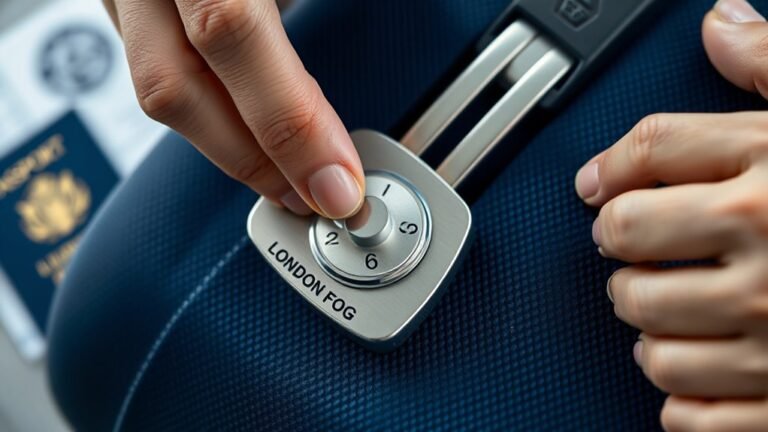
Combine seals with TSA‑approved locks where required, but don’t assume they prevent inspection—seals only indicate tampering, helping you detect and report unauthorized access quickly.
Best Carry-On Practices for Valuables and Documents
Seals and locks help you spot tampering, but keeping valuables and important documents on your person offers the best protection against loss, theft, and delayed claims.
- Carry passports, IDs, and boarding passes in a front pocket or neck pouch.
- Keep cash and cards in a money belt.
- Wear jewelry or pack it in carry-on.
- Store electronics in an accessible, padded compartment for security screenings.
How to Photograph and Inventory Your Packed Items
Before you close a bag, photograph its contents and make a brief written inventory so you can prove ownership and speed up claims if items are lost or stolen.
Photograph each item clearly, note brand, model, serial number, and approximate value.
Store images and the list in cloud storage and email a copy to yourself so records are accessible if luggage goes missing.
Tips for Labeling and Tracking Luggage
Make sure your contact info is clear and visible so airlines can reach you if your bag is found.
Attach an external ID tag with your name and a phone number, and consider a luggage tag that hides personal details on a flap.
For extra security, you can use a small GPS tracking device to monitor your bag’s location during travel.
Clear Contact Information
Want to avoid the headache of lost luggage? Put clear contact info inside and outside your bag so staff can reach you quickly.
Include full name, phone, email, and destination address. Protect privacy with a covered card or coded contact.
- Full name and mobile
- Secondary contact
- Email and flight number
- Home or hotel address
External ID Tags
1 smart external ID tag can save you minutes or hours at baggage claim—choose durable, visible tags that display your contact info and flight details without exposing sensitive data.
Attach tags securely to handles, use bold legible text, and include a phone or email.
Swap tags when traveling with others, check they’re intact after handling, and keep a photo of your bag’s ID for quick reference.
GPS Tracking Devices
Along with a clear external tag, a small GPS tracker can give you real-time peace of mind when your bag goes astray.
You’ll monitor location, set alerts, and confirm recovery without depending on airport staff. Choose compact, airline-approved units with long battery life and privacy controls.
- Pick durable, compact models
- Verify battery life
- Enable privacy settings
- Test before travel
How to Spot Post-Screening Tampering on Your Bag
Ever wondered how to tell if someone’s rifled through your bag after TSA screening? Check for misaligned zippers, new scuffs, loose straps, displaced items, or tamper-evident seals broken. Note odors, changed packing order, or missing small valuables. Photograph damage and inventory contents immediately.
| Sign | What to check |
|---|---|
| Zippers | Misaligned or resewn |
| Scuffs | New scratches |
| Order | Items rearranged |
| Seals | Broken or missing |
What to Do Immediately If You Suspect Theft at the Airport
If you spot signs that your bag was tampered with after screening, act quickly and calmly: stay near the screening area, keep the bag as-is, and notify the nearest TSA officer or airport security guard right away.
- Photograph damage and contents without moving items.
- Request a written incident report from TSA/security.
- Identify nearby witnesses and get contact info.
- Preserve receipts and list missing items for your claim.
How to Escalate a Theft Claim Beyond TSA
When local TSA or airport security can’t resolve the theft, take the next steps to protect your rights and build a formal case: file a police report with the airport or local law enforcement, get a copy for your records, and contact the airline and your travel insurer (if applicable) to start their claims processes. Keep records, follow up, and escalate legally if needed.
| Step | Contact | Timeline |
|---|---|---|
| 1 | Police | Immediately |
| 2 | Airline | 24–72 hrs |
| 3 | Insurer | As soon as possible |
What the TSA Office of Inspector General (OIG) Does
Think of the TSA Office of Inspector General (OIG) as the independent watchdog that audits TSA programs, investigates waste, fraud, and misconduct, and recommends fixes to improve safety and accountability.
You can contact the OIG to report allegations that local TSA staff or policies have violated law or policy when other channels haven’t resolved the issue.
- Audit TSA procedures.
- Investigate complaints.
- Recommend corrective actions.
- Refer criminal matters.
Typical Outcomes When the OIG Finds TSA Misconduct
After the OIG documents misconduct, you’ll usually see a few predictable steps that aim to correct problems and hold people accountable.
You’ll read findings, see recommendations to TSA leadership, and watch for corrective action plans.
Disciplinary measures, retraining, or policy changes may follow.
Disciplinary action, refresher training, or revised policies often follow to address the misconduct and prevent recurrence.
In some cases, referrals for criminal prosecution or administrative review occur, and you’ll get public reports on outcomes.
Airport Security Camera Use and Its Limits as Evidence
You should know that airport cameras often have gaps in coverage, so footage mightn’t show the full sequence of events.
You’ll also need to watch for chain-of-custody problems that can call the footage’s integrity into question.
Keep both limits in mind when weighing camera evidence.
Camera Coverage Gaps
Because airport CCTV systems were designed for deterrence and general monitoring rather than continuous, high-resolution forensics, you can’t assume cameras will provide a complete, clear record of any incident.
You should note coverage blind spots, low frame rates, poor lighting, and limited retention.
Consider these practical limits:
- blind spots near counters or storage
- low-resolution detail loss
- frame-rate motion gaps
- short footage retention
Chain-Of-Custody Issues
When airport footage becomes evidence, maintaining a clear chain of custody is essential to guarantee its integrity and admissibility in legal or disciplinary proceedings.
You should document who accessed, copied, or transferred files, note timestamps, and secure originals.
Without strict logs and protected storage, footage can be challenged for tampering, altered metadata, or gaps, weakening investigations and any claims about luggage handling.
Privacy Rules That Affect Public Reporting of Incidents
Although transparency matters, federal privacy rules limit what TSA and other agencies can disclose about incident reports.
So you’ll often see redacted or summarized public accounts. You can’t expect full names, medical details, or sensitive operational specifics to be released, which protects privacy but can frustrate public scrutiny.
- Personal identifiers withheld
- Medical and sensitive data redacted
- Operational tactics summarized
- Legal constraints limit detail
How Staff Shortages and Workload Affect Screening Errors
If staffing falls short or workload spikes, screeners face tougher trade-offs that make mistakes more likely: you get longer lines, faster-paced inspections, and less time for thorough bag checks or secondary screenings.
You’ll see inconsistent screening decisions, missed prohibited items, and more reliance on shortcuts. Fatigue and stress raise error rates, and reduced oversight makes corrective coaching less frequent, harming long-term performance.
Technology Gaps That Lead to Manual Bag Checks
Staff shortages and heavy workloads aren’t the only reasons inspections slow down—outdated or insufficient screening technology forces officers to pull more bags for manual checks.
You’ll notice delays and inconsistent decisions when systems can’t clearly image contents. Officers rely on manual inspection, increasing contact with luggage and opportunities for error.
- Low-resolution imaging
- Poor software analytics
- Lack of remote support
- Limited detector types
How Automation and CT Scanners Reduce Bag Openings
Automation and CT scanners cut down on bag openings by giving you clear, three-dimensional images and smarter threat detection so officers can make confident decisions without pulling luggage for manual checks.
You’ll see fewer hands-on inspections because software highlights suspect shapes, operators review detailed slices remotely, and automated algorithms prioritize likely threats, speeding screening while reducing unnecessary intrusions into your belongings.
Why Scanners Sometimes Flag Innocent Items
You’ll sometimes see scanners flag harmless things like dense electronics or oddly layered clothing because those can produce common false positives.
Shapes that don’t match familiar contours—like a wrapped charger or a folded metal utensil—can look ambiguous to automated systems.
That’s why agents often inspect items that seem suspicious on screen even when they’re perfectly innocent.
Common Scan False Positives
Because X-ray and millimeter-wave scanners rely on density, shape, and material contrast, they can mistake harmless items—like dense food, electronics, or folded clothing—for prohibited objects.
You’ll sometimes face extra screening or searches for these false positives. Know common culprits so you can pack and explain clearly:
- Canned or dense food
- Power banks and chargers
- Thick shoes or boots
- Layered clothing
Ambiguous Item Shapes
When a scanner displays an unclear outline, agents may flag it because the shape could resemble a weapon or prohibited item; you’ll then face additional screening while they verify what it actually is. You should stay calm, explain contents, and open bags when asked. Clear packing and labeling reduce confusion and speed up checks.
| Item | Shape | Tip |
|---|---|---|
| Tool | Irregular | Wrap or label |
| Souvenir | Odd | Keep separate |
| Electronics | Layered | Power on |
Myths About TSA Profiting From Seized Items
Although it’s easy to assume the TSA pockets profits from seized items, that’s not how the system works: agencies sell some forfeited property through legal processes and proceeds typically go to courts, law enforcement programs, or victim compensation, not into TSA’s operating budget.
You should know:
- You won’t see TSA profiting directly.
- Laws govern forfeiture sales.
- Proceeds fund public programs.
- Oversight limits misuse.
Misunderstandings About TSA-Auctioned or Donated Goods
Now that you know the proceeds from forfeited items don’t line TSA’s pockets, it’s worth clearing up common misconceptions about how auctioned or donated goods are handled.
You’ll find auctions are managed by separate agencies or law enforcement partners, and donations go to approved charities.
TSA doesn’t profit directly, and sales proceeds are used according to legal or partner agency rules, not TSA budgets.
How Third-Party Contractors Fit Into Baggage Handling
Several private companies and local vendors play key roles in baggage handling, and you’ll often interact with their work even if TSA oversees screening.
You should know contractors handle loading, transport, repairs, and lost-item processing under airline or airport contracts. Their staff follow protocols, but responsibility splits can complicate claims.
Contractors manage loading, transport, repairs, and lost-item processing under airline or airport contracts, but shared responsibility can complicate claims.
Consider these contractor roles:
- Ramp service
- Baggage sorting
- Conveyor maintenance
- Lost-and-found processing
Differences in Procedures at International Airports
When you fly internationally, baggage procedures often differ because multiple agencies, varied security standards, and customs inspections come into play, so expect extra steps like document checks, additional screening, and destination-specific tagging. You’ll encounter varied handling rules, screening tech, and claim processes; follow signage and agent instructions to avoid delays.
| Agency | Step | Tip |
|---|---|---|
| TSA | Screening | Follow rules |
| Customs | Declaration | Be honest |
| Carrier | Tagging | Check tags |
| Airport | Security | Arrive early |
How Local Laws Affect Baggage Claims Across Countries
Because each country sets its own rules for liability, time limits, and documentation, you’ll find baggage-claim procedures vary widely and can affect how quickly and what you can recover after loss or damage.
Baggage-claim rules differ by country, affecting your deadlines, documentation, and potential compensation.
- Check local liability caps and carrier agreements.
- Note strict claim deadlines and required receipts.
- File police reports when theft is suspected.
- Keep photos and detailed inventories for faster resolution.
High-Risk Items You Should Never Pack in Checked Luggage
Knowing local claim rules helps after loss, but preventing problems starts at packing.
Don’t check valuables like jewelry, cash, passports, electronics, or irreplaceable documents.
Avoid fragile items, batteries with special rules, and hazardous goods (paints, aerosols, flammable liquids).
If something’s high-value, sentimental, or regulated, carry it onboard or ship via a tracked, insured service to reduce theft, damage, or seizure risk.
How Frequent Travelers Can Minimize Baggage Incidents
When you travel often, pack smart essentials like a change of clothes, chargers, and travel-size toiletries in your carry-on so a mishap with checked bags won’t derail your plans.
Keep valuables—laptops, jewelry, important documents—in a secure, easy-to-access bag you carry on board.
These simple steps cut stress and reduce the impact if your checked luggage is delayed or damaged.
Pack Smart Essentials
1 smart habit can cut your odds of lost or damaged luggage: pack with purpose.
You’ll streamline security, reduce shifting, and spot issues fast. Think layers, labels, and limits.
- Use packing cubes for organization.
- Roll clothes to save space.
- Put fragile items in middle.
- Keep a copy of your itinerary inside.
Secure Valuable Items
Protect your valuables by keeping them close, concealed, and documented—small steps that cut the risk of theft, loss, or damage.
Carry passports, electronics, and jewelry in a locked carry-on or anti-theft bag, use TSA-approved locks for checked items, photograph contents and serial numbers, and insure high-value goods.
Check luggage upon arrival and report issues immediately to the airline and TSA.
Sample Documentation Checklist to Support a Claim
Start by gathering documents that clearly tie the incident to your claim: incident reports, receipts, boarding passes, baggage tags, photos of damage, and any correspondence with TSA or airlines.
Start by collecting all documents linking the incident to your claim: reports, receipts, boarding passes, tags, photos, and correspondence
Keep originals and make copies. Organize chronologically, note dates/times, and record witnesses.
- Receipts and proof of ownership
- Photos of damage or missing items
- Incident report and baggage tags
- Correspondence logs
Questions to Ask Airport or Airline Staff When Investigating
When you’re investigating an incident, ask staff how they tracked the chain of custody for any seized items and who signed each transfer.
Request copies of all documentation, timestamps, and incident reports so you can verify dates and handlers.
Also ask what physical or electronic evidence was collected and where it’s being stored.
Chain Of Custody
Because evidence can change hands quickly at an airport, you should document who handled your item and when from the moment it’s discovered; ask direct chain-of-custody questions to staff, get names, roles, timestamps, and locations.
- Who retrieved and moved my item?
- When was it logged or transferred?
- Where was it stored between handlers?
- Who signed or authorized each transfer?
Documentation And Evidence
If you need to investigate a missing or damaged item, insist on complete documentation and ask to see any reports, logs, photos, or chain-of-custody records related to your case; these materials prove what happened, when, and who handled the item.
Ask who filed each report, timestamps, surveillance availability, and whether any staff signed for the bag.
Request copies and instructions for obtaining official records.
How to Protect Irreplaceable Sentimental Items
Although you can’t replace certain heirlooms or keepsakes, you can greatly reduce the risk of loss by planning ahead: carry irreplaceable sentimental items in your carry-on, keep them in a secure, padded case, record identifying details and photos, and never check them in luggage.
- Keep them on you.
- Use a padded, lockable case.
- Photograph and document provenance.
- Insure high-value pieces.
Proposed Federal and Industry Reforms to Reduce Screening Errors
Propose clear, enforceable changes at both federal and industry levels to cut screening errors and make travel safer and smoother for you.
Require standardized logging of lost or damaged items, mandatory CCTV retention near screening areas, stronger contractor oversight, improved X‑ray and AI tool validation, and routine independent audits.
Push for traveler notification protocols and accessible complaint resolution so you get accountability and fixes.
Practical Takeaway: What to Worry About and What Not to Worry About
When you head through security, focus on the things that actually affect your safety and trip—items missed on the conveyor, inconsistent screening procedures, and how agents handle prohibited or fragile belongings—rather than worrying about rare, sensationalized incidents or minor delays that are part of busy airports.
- Pack valuables in carry-on.
- Label fragile items clearly.
- Document damage or loss immediately.
- Ask politely for supervisor review.
Frequently Asked Questions
Can TSA Access Passenger Phones and Read Their Contents During Inspections?
Yes — during inspections, TSA can access your phone and view its contents if they detain it for screening; however, they generally focus on security risks, and you can request to open it and limit how much they search.
Can TSA Legally Open and Inspect Sealed Medication Containers?
Yes — you’re allowed to have TSA open and inspect sealed medication containers if necessary for screening; they’ll try to do so in private, and you can request a private screening and a witness if you prefer.
Are Tips or Cash Found in Bags Ever Kept by TSA Officers?
No, TSA officers aren’t allowed to keep tips or cash found in bags; if discovered, you’ll normally get a receipt and the funds are processed as lost property or turned over to law enforcement per agency rules and local policies.
Do TSA Procedures Differ for Diplomatic or Government-Issued Luggage?
Yes — you’ll see different procedures: diplomatic and certain government luggage often get diplomatic courtesies, designated screening, or escorts; you’ll still face security checks, but chain-of-custody, exemptions, and coordination with officials can differ.
Can Passengers Request a Third-Party Witness During a Bag Search?
Yes — you can request a third-party witness during a bag search, but TSA’s ability to accommodate varies by location and security needs; you’ll usually be offered a supervisor or inspector if a witness isn’t available or allowed.
Conclusion
You’ve seen why “TSA steals” gets talked about, but the reality’s different: losses usually come from mistakes, theft by third parties, or improper packing, not an organized TSA scheme. You can’t control every risk, but you can protect valuables, document damage, and ask the right questions if something goes missing. Stay practical — follow screening rules, use locks and photos, and file reports promptly — and you’ll cut most of the hassle and loss risk.