Is Frozen Food Allowed in Carry on Luggage Tsa Rules Explained
You can bring frozen food in your carry-on through TSA checkpoints as long as it’s completely solid at screening — no slush, leaks, or liquid centers. TSA treats solids and liquids differently, so partially thawed items may be treated as gels and restricted under the 3-1-1 rule. Pack frozen meals in rigid, leak-proof containers, keep ice packs fully frozen, and declare dry ice or unusual items. Keep going to learn practical packing and international tips.
Quick Answer: Can You Bring Frozen Food Through TSA?
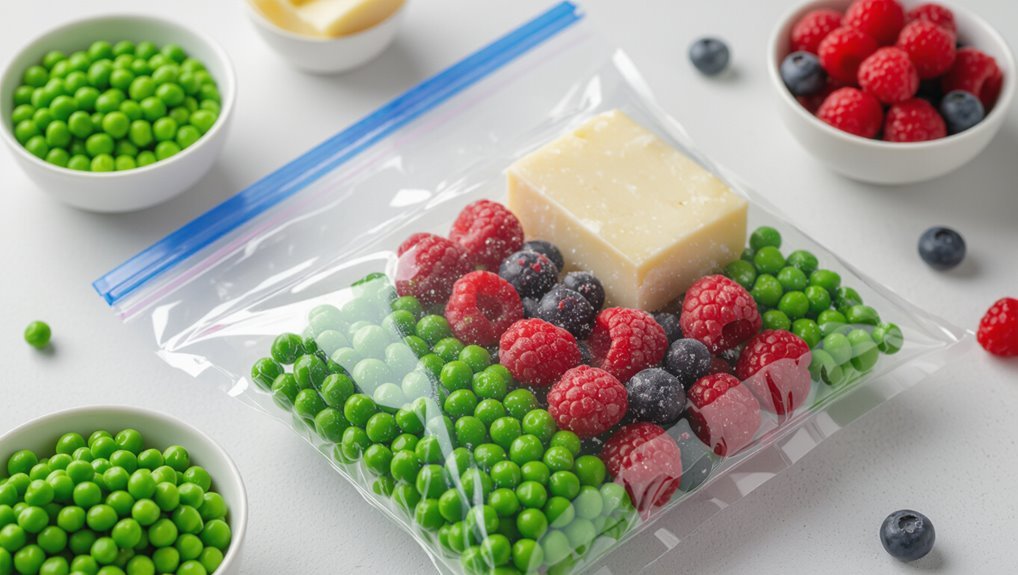
Can you bring frozen food through TSA? Yes — generally you can carry frozen food in your carry-on if it stays solid at screening.
If it’s partially melted or contains liquid that could leak, it may trigger the 3.4-ounce rule or additional inspection.
Pack items securely, declare anything unusual, and be ready to dispose of thawed liquids if an officer deems them restricted.
How Does TSA Define Solids vs. Liquids and Gels?
You need to understand the TSA’s liquid rule basics to know what counts as a liquid, gel, or solid.
Frozen items are treated differently depending on whether they’re still solid or have started to thaw into a liquid or slush.
Keep packages fully frozen at screening to increase the chance they’ll be considered solids rather than subject to the 3-1-1 liquid limits.
TSA Liquid Rule Basics
Although the TSA’s 3-1-1 rule might seem straightforward, figuring out what counts as a liquid, gel, or solid can still trip you up at security.
You’ll learn that texture and behavior matter: liquids flow, gels jiggle, and solids hold shape. Pack accordingly and use clear, quart-sized bags.
- Shampoo
- Yogurt
- Butter
- Ice cream
- Toothpaste
Frozen Vs. Thawed Items
Knowing how the TSA treats textures helps when you pack frozen foods, because whether an item stays solid or starts to melt determines if it falls under the 3-1-1 liquid rule.
You should pack completely frozen items; they’re treated as solids. If they partially thaw or leak liquid, TSA will classify them as gels/liquids and enforce size limits or require disposal before boarding.
When Frozen Food Counts as an Allowable Solid
When does frozen food count as an allowable solid? You can bring frozen items if they’re fully solid at screening, packed to prevent melting, and don’t contain liquid centers that’ll leak.
TSA treats truly solid food differently from gels.
- Completely frozen solid (no slush)
- Packaged to avoid leaks
- Individual solid pieces
- No gel-like fillings
- Accessible for inspection
When Partially Thawed Items Become Liquids or Gels
If your frozen food starts to melt and takes on a gel-like or liquid consistency, it may no longer qualify as a solid for carry-on rules.
You’ll need to follow TSA and airline limits for liquids and gels, which usually means containers of 3.4 ounces (100 milliliters) or less in a clear quart-sized bag.
Check items before packing and consider keeping them fully frozen or in approved containers to avoid problems at security.
When Frozen Items Melt
Although frozen food is usually fine in your carry-on at departure, things change as it thaws:
- You’ll see ice turn to water and containers leak.
- Juices can soak other items and alarm security.
- Soft foods may slump into slush that spreads.
- Partially melted blocks can be messy during screening.
- Liquids over 3.4 oz (100 mL) may be restricted, so plan packaging accordingly.
Gel-Like Food Restrictions
Curious what happens once that frozen dessert or sauce starts to go soft?
You’ll need to treat partially thawed items as liquids/gels if they no longer remain solid.
TSA’s 3-1-1 rule applies: containers must be 3.4 ounces (100 mL) or less and fit a quart-sized bag.
Pack larger gel-like foods in checked baggage or keep them fully frozen until screening.
TSA 3-1-1 Rule : What It Means for Frozen Foods
Wondering how the TSA’s 3-1-1 liquids rule affects your frozen foods? You can bring solid frozen items without issue, but partially melted or soupy items count as liquids and must follow 3-1-1 limits.
Pack thawed sauces or gels in checked baggage or in quart-sized bags if under 3.4 ounces each.
- solid frozen meals
- ice cream risk if soft
- frozen soups problematic
- sauces count as liquids
- use checked bags for large quantities
Frozen Foods That Usually Pass TSA Screening
Now that you know how the 3-1-1 rule treats frozen items, here are the kinds of frozen foods that generally sail through TSA screening: solid frozen meals, whole frozen fruits, vacuum-sealed frozen meats, and hard-packed ice blocks or gel packs used solely for cooling.
You can pack these in carry-on when solid/frozen; label packaging, keep items accessible, and follow airline rules.
Frozen Items That Often Get Flagged and Why
You’ll want to watch out for gel-like frozen desserts, since their semi-solid texture can trigger the TSA’s liquid/gel rules and lead to extra screening.
Vacuum-sealed ice packs can also raise flags because officers may be unsure whether they contain liquids that exceed allowed limits.
Knowing these common triggers helps you pack smarter and avoid delays.
Gel-Like Frozen Desserts
Why might your frozen mochi or semifreddo get singled out at the security checkpoint? You’ll face scrutiny because gel-like desserts resemble liquids/gels; they can trigger extra inspection.
Pack smart: declare ambiguous items and expect testing.
- Soft center that melts into gel
- Transparent packaging hides texture
- Irregular shapes mask contents
- Portion size exceeds limits
- Nearby ice cream or sauces prompts checks
Vacuum-Sealed Ice Packs
One common carry-on culprit is vacuum-sealed ice packs, which often draw extra scrutiny because their dense, opaque appearance can mimic prohibited liquids or conceal other items.
Expect TSA agents to open or X-ray them to confirm they only contain frozen water or gel. You should label or separate them, declare at screening, and pack backups in checked bags if you want hassle-free travel.
Pack Frozen Meals for Carry-On (Lasagna, Casseroles)
Packing frozen meals like lasagna or casseroles in your carry-on can save money and guarantee familiar food on arrival, but you’ll need to follow TSA liquid rules and airline policies to avoid issues at security.
Wrap tightly, use rigid containers, and keep items clearly separated. Consider reheating options and declare when asked.
- foil tray sealed
- rigid plastic container
- insulating sleeve
- spare zip bag
- travel utensils
Pack Frozen Desserts and Ice Cream for Travel
You can bring frozen desserts and small tubs of ice cream, but you’ll need to follow liquid/gel size limits if they’re partially melted.
Pack them in insulated containers or with frozen gel packs to slow melting and prevent leaks.
At security, be ready to show that items are solid or comply with the TSA 3-1-1 rules for gels and liquids.
Frozen Desserts Size Limits
Wondering how much frozen dessert you can bring through security? You can carry solid frozen treats freely, but gel-like or partially melted items follow the 3.4 oz (100 ml) liquid rule.
Declare anything questionable and be ready for inspection.
- Small ice cream tubs under 3.4 oz fit carry-on
- Solid cakes and brownies are fine
- Gelato in larger tubs is risky
- Popsicles usually okay if solid
- Bring receipts or labels for clarity
Packing For Melting
If your frozen desserts might melt en route, plan ahead so they stay solid and safe to eat.
Use insulated containers, gel packs, or dry ice where allowed, and wrap tubs in plastic to prevent leaks.
Pack desserts near the center of your cooler, keep the cooler shaded, and transfer to a refrigerator quickly after arrival to minimize bacterial growth and preserve texture.
Security Screening Tips
After packing your treats to resist melting, you’ll want to prepare them for airport security so they don’t slow you down.
Tell agents about gels or packed ice, place containers in a clear bag, keep receipts or ingredient lists handy, expect separate screening, and avoid oversized tubs.
Pack chilled gel packs around pint-sized containers for extra insulation and quick inspection.
Transport Frozen Fruit, Vegetables, and Herbs Safely
When you pack frozen fruit, vegetables, and herbs in your carry-on, prioritize maintaining a solid frozen state and preventing leaks. Use insulated bags or cooler sleeves with gel packs and double-bag items in sealed, leakproof containers or heavy-duty freezer bags.
Label contents, separate raw from ready-to-eat items, and place packages where they won’t be crushed. Be ready to show them during screening if asked.
Allowed Ice Packs and Best Packing Tips
Because most TSA rules focus on liquid volume and state, you can usually bring ice packs in your carry-on as long as they’re completely frozen when screened; thawed or slushy packs count as liquids and may be restricted.
Pack frozen packs around items, use insulated bags, keep spare frozen gel packs, label coolers, and place fragile goods centrally to prevent thawing.
- Freeze fully before travel
- Use rigid cooler
- Layer with towels
- Separate food types
- Keep receipts for frozen purchases
Dry Ice Rules for Carry-On and Checked Baggage
If you’re using frozen gel packs for short trips, you should also know how dry ice differs for longer hauls or shipping temperature-sensitive items.
You can carry limited dry ice in both carry-on and checked baggage if it’s properly packaged, labeled, and the airline approves.
Limits and ventilation requirements vary, so check airline and TSA rules, declare it, and follow weight and containment restrictions.
Do I Need to Declare Frozen Food at Security?
If you’re carrying frozen food, you should declare perishable items when asked by security or airline staff.
They’ll tell you how the screening works and whether your items need extra inspection.
Expect checkpoints to follow standard screening rules for food to guarantee safety and compliance.
Declare Perishable Items
Wondering whether you need to declare frozen food at security? You should tell TSA or customs if your perishable items might melt, spill, or require inspection.
Be clear to avoid delays. Examples you might declare:
- Packed ice or gel packs
- Raw meat or seafood
- Dairy or cheese blocks
- Prepared meals with sauce
- Large quantities for resale
Security Screening Rules
Need to declare frozen food at the security checkpoint? You generally don’t have to if it’s solidly frozen and not melting.
Declare liquids, gels, or items partially thawed that could be considered liquids above 3.4 ounces (100 ml).
Place frozen goods in carry-on for X-ray inspection, answer officer questions, and separate them if requested.
Follow local TSA or airline guidance to avoid delays.
What TSA Inspects and How Screening Works
Because TSA focuses on threats to aircraft and passenger safety, agents inspect carry-on items to detect prohibited weapons, explosives, and other dangerous materials.
Because TSA prioritizes aircraft and passenger safety, agents inspect carry-ons to detect weapons, explosives, and other hazards.
You’ll pass through X-ray machines, and officers may open bags for manual checks. They’ll screen suspicious items, test residues, and enforce regulations.
- X-ray imaging of contents
- Manual bag searches
- Explosive trace testing
- Electronic device inspection
- Random secondary screening
Prevent Spills and Confiscation at the Checkpoint
Since TSA inspects items for safety, you’ll also want to take steps that prevent spills and confiscation at the checkpoint. Pack frozen items in sealed, leakproof containers, place them in a clear plastic bag, and keep them accessible for inspection. Label contents and temperature. Follow TSA liquid rules if partially thawed.
| Item | Container | Tip |
|---|---|---|
| Ice packs | Hard | Freeze solid |
| Soups | Sealed jar | Double-bag |
| Meat | Vacuum | Label dates |
| Fruit | Rigid tub | Drain excess |
| Sauce | Bottled | Test seal |
Medically Necessary Frozen Items: Documentation to Carry
Anyone traveling with medically necessary frozen items should carry clear documentation to speed screening and avoid delays.
You’ll want concise proof and easy access to reduce questions and inspections.
- Doctor’s note stating item and medical need
- Prescription or medication label
- Cooling gel or dry ice receipt/label
- Written handling instructions
- Contact info for your healthcare provider
Bringing Frozen Breast Milk, Formula, and Baby Food
If you’re traveling with frozen breast milk, formula, or baby food, know that TSA and most airlines allow them in carry-on bags but may screen them separately.
Be prepared to declare the items, remove them from coolers, and show any proof of necessity for larger-than-usual quantities.
Pack insulated containers, label contents, keep portions reasonable, and cooperate with screening to avoid delays and preserve the food’s integrity.
International Flights: Customs & Foreign Security Rules
Traveling internationally? You’ll face varying customs and security rules for frozen food—declare items, expect inspections, and follow temperature and packaging guidelines. Don’t assume permission.
- Declare all food on entry forms
- Check country-specific bans (meat, dairy)
- Prepare clear labels and receipts
- Use sealed, leak-proof containers
- Be ready to dispose of prohibited items at border control
Airline Limits That Affect Carrying Frozen Food On Board
Because airlines set their own size, weight, and packaging rules, you’ll need to check carrier-specific policies before packing frozen food in carry-on luggage.
Some carriers limit container dimensions or total carry-on weight, restrict gel packs, or require solidly frozen items at boarding.
Frequent-flyer elite allowances, family seating exceptions, and regional carriers’ stricter rules can all affect whether your frozen food is accepted.
Quick Checklist: Packing Frozen Food for Carry-On
Now that you’ve checked airline size, weight, and gel-pack rules, use this quick checklist to pack frozen food that meets carrier requirements and clears security.
Now that you’ve checked rules, use this quick checklist to pack frozen food that meets carrier and security requirements.
Follow these concise steps before heading to the airport:
- Use sturdy, leakproof containers or vacuum-seal bags.
- Label contents and date clearly.
- Keep frozen items with ice packs/gel under allowed limits.
- Pack in an insulated cooler or soft-sided bag.
- Place at top for easy inspection.
Troubleshooting: Common Problems and How to Resolve Them
If your frozen items get flagged at security or start to thaw, stay calm and be ready to show packaging, labels, and whether ice packs meet TSA limits so agents can quickly verify compliance.
If denied, ask why and request guidance; consider transferring to checked baggage, consuming perishables before boarding, or disposing of items.
Keep receipts and contact airline or TSA for appeals.
Frequently Asked Questions
Can Frozen Food Be Brought Through TSA if It’s in a Cooler With Gel Packs Bought at Airport?
Yes — you can bring frozen food in a cooler with gel packs bought at the airport, but TSA may inspect it; make certain liquids/gels follow limits, declare items if needed, and expect additional screening or disposal if rules aren’t met.
Are Vacuum-Sealed or Vacuum-Frozen Meals Treated Differently by TSA?
No, TSA doesn’t treat vacuum-sealed or vacuum-frozen meals differently; you’ll still follow standard carry-on rules, declare any liquids or gels if over limits, and expect additional screening if officers deem it necessary.
Can I Bring Frozen Food in Carry-On for a Connecting Flight With Different Security Rules?
Yes, you can bring frozen food in carry-on for a connecting flight, but you’ll need to follow each airport’s security rules; if it thaws into liquid over 3.4 ounces, it may be restricted at re-screening.
Do TSA Rules Differ for Frozen Food Purchased in the Sterile (Post-Security) Area?
Yes — TSA treats frozen food bought in the sterile area the same: you can carry it through security if it meets liquid/gel limits and screening requirements, but rules may vary at connecting airports and airline policies can still apply.
Will Frozen Food Be Allowed if Packed With Prescription Medication Requiring Cold Storage?
Yes — you can bring frozen food packed with prescription medication needing cold storage; you’ll need to declare the medication and any ice packs at screening, and TSA may inspect items, but the medication and cooling supplies are allowed.
Conclusion
You can bring frozen food in your carry-on, but you’ll need to plan. Solid, fully frozen items usually pass TSA’s 3-1-1 screening, while partially thawed goods that leak or slosh may be treated as liquids/gels and get tossed. Check airline limits and international customs rules before you travel, pack items in leakproof containers or coolers with ice packs, and be ready to separate frozen foods for inspection to avoid delays or confiscation.