Can You Carry Tweezers in Hand Luggage Rules Explained
Yes — you can usually carry tweezers in hand luggage, but pack them safely and be ready for checks. TSA and many countries allow both metal and plastic tweezers if sheathed or wrapped to prevent injury, though sharp, pointed, or long models may draw scrutiny or be refused. Put them in a case or clear pouch, keep them accessible, and check airline or airport rules beforehand; keep going and you’ll find detailed tips and exceptions to watch for.
Quick Answer: Are Tweezers Allowed in Carry-On?
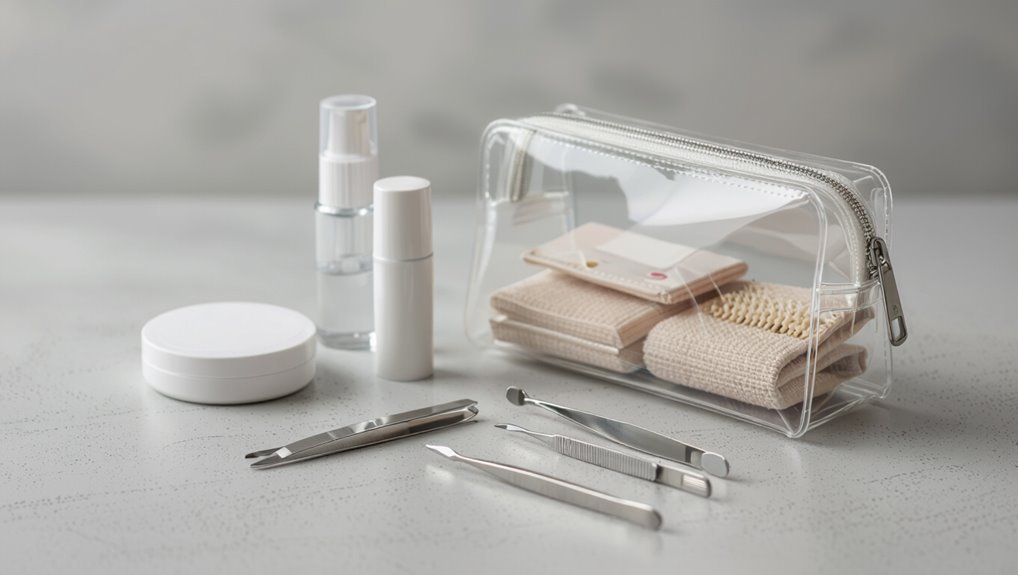
Wondering if you can bring tweezers in your carry-on? Yes — you can typically carry metal or plastic tweezers in hand luggage.
You should make certain they’re sheathed or stored safely to avoid accidental injury. Rules vary by country and airline, so check specific security guidelines before travel.
If screening raises concerns, be prepared to place them in checked baggage or surrender them.
TSA Rules for Tweezers in U.S. Carry-On and Checked Bags
If you’re flying within or to the United States, the TSA allows metal and plastic tweezers in both carry-on and checked bags, but they expect them to be secured so they won’t poke or injure screening staff or baggage handlers.
You should:
- Pack tweezers in a case.
- Keep them accessible for inspection.
- Avoid loose, sharp exposure.
- Follow officer instructions during screening.
Which Tweezer Types TSA Allows or Restricts
You’ll want to know which tweezer types are okay in carry-on and which should go in checked bags.
Metal tweezers with sharp blades are more likely to be restricted, while plastic or blunt safety tweezers usually fly without issue.
Also check rules for specialty grooming implements—like multi-tool tweezers or those with pointed tips—since they can be treated differently.
Metal Tweezers With Blades
Because small cutting edges change how TSA treats metal tweezers, you should check the design before packing them in carry-on luggage.
You’ll face restrictions if blades resemble knives or scissors.
Consider these points:
- Blade length matters.
- Fixed cutting edges are risky.
- Folding designs may be allowed.
- Declare suspicious tools at security.
Plastic And Safety Tweezers
Many travelers bring plastic or safety tweezers because they’re lightweight and usually don’t have sharp cutting edges, so TSA tends to allow them in carry-on bags; still, check that the tips aren’t rigid enough to be considered a puncture risk and avoid models with hidden metal reinforcements or integrated blades.
You should pack visibly, keep them accessible for inspection, and replace damaged ones before flying.
Specialty Grooming Implements
1 type of tweezer you might overlook is the specialty grooming implement—like cuticle nippers, angled brow shears with tweezers, and heavy-duty metal slanted tips—which the TSA treats differently based on blade presence, tip rigidity, and overall length.
- Cuticle nippers: often restricted if sharp.
- Brow shears with tweezers: inspectable.
- Sturdy metal slanted tips: usually allowed.
- Folding or guarded tools: preferred for carry-on.
What Makes a Tweezer Allowed: Length, Tip, and Weight
When you pack tweezers, pay attention to three key factors: overall length, tip type, and weight.
Shorter, blunt-tipped, lightweight tweezers are far less likely to be flagged at security.
I’ll explain how each of these characteristics affects whether your tweezers can stay in your carry-on.
Length Limits
Air travel rules focus on a tweezer’s size, tip shape, and weight to decide if you can carry it in hand luggage; keep them short, blunt, and light to avoid problems.
- Measure total length; under about 6 inches (15 cm) is usually acceptable.
- Shorter tools draw less scrutiny.
- Heavy metal may raise flags.
- Check airline or security guidance before packing.
Tip Type
Length, tip shape, and weight all matter, but the tip type often determines whether security treats a tweezer like a grooming tool or a potential weapon. You should choose blunt, rounded tips for carry-ons and avoid sharp, pointed ends. Check airport rules; inspectors judge intent and design.
| Tip Type | Risk | Carry? |
|---|---|---|
| Rounded | Low | Yes |
| Slanted | Medium | Maybe |
| Pointed | High | No |
Weight Considerations
Because weight affects how security classifies small tools, you should consider it alongside tip shape and overall length.
- Lighter tweezers look less threatening.
- Heavy metal models may trigger checks.
- Aim under a modest gram threshold for carry-on ease.
- Weigh options: light alloy or compact designs reduce scrutiny and fit rules, while bulky or dense tools risk confiscation.
Cosmetic Tweezers vs. Sharp Precision Tools: Traveler Guide
When you’re packing tweezers, it’s important to tell cosmetic tools from sharp precision instruments.
You can pack small cosmetic tweezers for grooming in hand luggage without issues if they’re blunt and compact.
High-precision, needle-point or long metal tools may be restricted; consider cushioning them in checked baggage or using rounded alternatives.
Always separate for easy inspection.
Airline-Specific Policies to Check Before You Fly
Before you head to the airport, check the specific airline’s website or contact customer service to confirm their policy on tweezers and similar tools—rules can differ from one carrier to another and even between domestic and international flights.
- Confirm allowed item descriptions.
- Ask about blade length limits.
- Check carry-on vs checked bag rules.
- Verify documentation or packaging exceptions.
How Major Countries (UK, EU, Canada, Australia) Treat Tweezers
When you fly to or within the UK, EU, Canada, or Australia, tweezers are generally allowed in carry-on but local rules and interpretations can vary.
You should check UK security guidance, EU carry-on lists, and both Canadian and Australian policies before packing.
If in doubt, pack tweezers in checked baggage or confirm with your airline to avoid surprises.
UK Security Rules
Although rules can vary by airport and airline, UK security generally allows metal tweezers in hand luggage, and you won’t usually face problems carrying them through screening.
You should still follow common-sense steps:
- Pack tweezers in your hand luggage accessible for inspection.
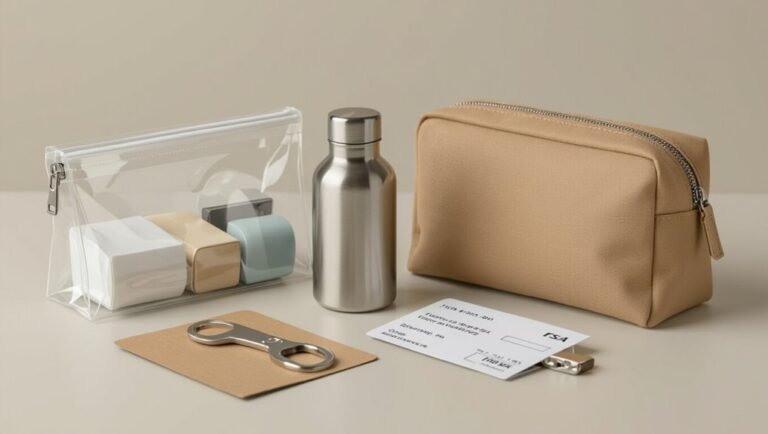
- Keep them in a toiletry or clear pouch.
- Inform staff if asked.
- Avoid oversized or modified tools that look dangerous.
EU Carry-On Guidelines
If you’ve already handled UK rules, you’ll find EU regulations largely similar but with some national variations you should note.
You can usually carry tweezers in hand luggage, but some airports or countries may restrict pointed or long metal tools.
Always check the specific airline and airport guidance before traveling, and pack items securely to speed security screening and avoid surprises.
Canada And Australia Policies
Since Canadian and Australian security rules generally mirror other major jurisdictions, you can usually carry tweezers in your hand luggage, but both countries may flag long or sharp metal tools during screening.
You should:
- Pack compact, blunt tweezers in your carry-on.
- Place them in a clear pouch for inspection.
- Expect officer discretion at checkpoints.
- Check airline or airport sites before travel.
Packing Tweezers for Carry-On vs. Checked Baggage
When deciding whether to pack tweezers in your carry-on or checked bag, consider size, tip shape, and airline security rules—sharp-pointed or metal tweezers are often allowed in checked luggage but may be restricted or inspected more closely in carry-ons.
Presenting Tweezers at Security: What to Declare or Show
Although security officers won’t usually ask specifically about tweezers, you should place them where they’ll be easily visible in your carry-on or remove them into a separate bin if asked; clearly showing or declaring sharp metal tools can speed screening and avoid surprises.
Place tweezers where they’re visible in your carry-on or remove them into a bin when asked to avoid delays.
- Keep tweezers in a clear pouch.
- Put them atop other items.
- Tell the officer if asked.
- Avoid hidden compartments.
What Happens if Security Flags or Inspects Your Tweezers?
If an officer flags your tweezers, stay calm and follow their instructions—officers will usually ask to see the item, swab it for traces if needed, or request you place it in a separate bin for closer inspection.
You’ll cooperate, answer brief questions, and retrieve documentation if asked.
If cleared, you’ll reclaim the tweezers; if not, staff will explain next steps or seizure procedures.
Common Reasons TSA Confiscates Tweezers (And How to Avoid Them)
You’ll want to know why TSA sometimes takes tweezers so you can prevent it.
Sharp-pointed blades or tips that could be used as a weapon are a common reason for confiscation.
Also avoid tweezers that look like other tools (multi-tools or knife-like designs) to reduce the chance they’re flagged.
Sharp-Pointed Blades
One common reason TSA seizes tweezers is their sharp points—anything that can be used as a stabbing instrument flags security concerns, especially if it resembles a blade or spike.
You can avoid issues by following clear steps:
- Pack rounded or blunt-tip tweezers.
- Store in checked baggage if sharp.
- Use protective caps.
- Declare unusual tools at screening.
Misleading Tool Appearance
Because some tweezers mimic the look of other tools or weapons, they can trigger extra scrutiny at security checkpoints.
If your tweezers resemble pliers, nail clippers with blades, or multitool parts, officers may confiscate them.
Pack plain, slim cosmetic tweezers in a clear pouch, or place specialty metal tools in checked baggage to avoid delays and disputes.
Simple Packing Hacks to Prevent Confiscation
If you want to keep your tweezers and other small metal tools out of the TSA bin, pack them thoughtfully:
- Wrap items in a soft cloth and place in a clear pouch.
- Store in checked luggage when possible.
- Keep tools blunt or sheathed to reduce perceived risk.
- Declare unusual items at security to prevent surprises and delays.
Best Travel-Friendly Tweezer Models to Pack in Carry-On
When choosing tweezers for carry-on, you’ll want compact stainless steel picks that won’t take up space or bend in transit.
Look for TSA-friendly safety designs like rounded tips or protective caps that clearly signal they’re grooming tools.
I’ll point out specific models that balance durability, portability, and compliant features.
Compact Stainless Steel Picks
You’ll appreciate corrosion resistance, slim profiles, and precise tips for stray hairs or splinters.
Consider these compact models:
- Slim slant tip
- Pointed precision
- Foldable pocket pick
- Short, flat-grip design
TSA-Friendly Safety Designs
Although airport rules can feel strict, you can still carry tweezers that meet TSA guidelines by choosing safety-focused designs—rounded tips, retractable heads, or folding mechanisms—that prevent accidental pokes while keeping them legal in your carry-on.
Pick compact, lightweight models with secure locks or caps.
You’ll find travel scissors alternatives, folding slanted tweezers, and retractable tweezer pens that balance safety, functionality, and airport compliance.
Lightweight Alternatives to Carrying Tweezers on Board
If you want to avoid packing metal tweezers in your carry-on, several lightweight, TSA-friendly options can do the job without taking up space or triggering security concerns.
- Plastic tweezers — gentle, safe for grooming.
- Wooden toothpick-style removers — disposable, light.
- Tweezing with adhesive eyebrow pads — no tools needed.
- Compact magnifier with built-in nonmetal pick — precise and allowed.
Traveling With Heavy-Duty or Specialty Metal Tweezers
When you’re carrying heavy-duty or specialty metal tweezers, expect stricter screening and be prepared to check them if they exceed TSA guidelines for carry-on tools.
Pack them in checked baggage when possible, or declare them at security. Protect sharp tips in a sturdy case to avoid damage and delays.
Know airline-specific rules; some carriers ban certain tool types regardless of size.
Carrying Tweezers With Other Grooming Tools (Razors, Scissors)
Because tweezers often travel with other grooming tools, you should organize and pack them thoughtfully to meet security rules and avoid delays.
- Keep razors in disposable cartridges or checked luggage when required.
- Secure scissors with blunt tips and store in a protective case.
- Bundle small tools together in a clear pouch for inspection.
- Know airline and country-specific blade length limits before packing.
How Airports Screen Small Tools (What Inspectors Look For)
Although TSA and other security teams use X-ray machines and metal detectors to spot items, inspectors also rely on trained judgment and manual checks to assess small tools like tweezers.
You’ll have your bag scanned, but an officer may open it to inspect shape, sharpness, and proposed use.
Cooperate, declare unusual items, and pack tools visibly to speed screening and avoid delays.
Countries With Stricter Rules You Should Watch for
If you travel internationally, be aware that some countries enforce far stricter rules on carrying tweezers in hand luggage than the TSA does; you’ll need to check local limits.
Know that enforcement varies and penalties can include confiscation or fines.
- UAE – strict knife-like tool bans
- Singapore – zero-tolerance on prohibited items
- Japan – variable local enforcement
- Saudi Arabia – strict security screening
How to Check Current Rules Before Departure (Official Sources)
Given those stricter local rules, you should confirm regulations for your destination and any countries you’ll connect through before you pack.
Check official government aviation sites (transport ministry or civil aviation authority), your airline’s carry-on policy, and airport security pages.
Use official FAQs or downloadable lists, note effective dates, and contact authorities or the airline directly if rules are unclear or recently changed.
Quick Checklist: Pack, Present, and Travel With Tweezers Safely
1 quick checklist will help you pack, present, and travel with tweezers safely through security:
- Pack tweezers in your carry-on, sheath or case on them.
- Keep them accessible for inspection.
- Declare if asked and follow officer instructions.
- Consider placing them in checked baggage if unsure about local rules.
Follow these steps to reduce delays and avoid confiscation.
Frequently Asked Questions
Can I Carry Tweezers in My Carry-On if They Contain Battery-Powered Lights?
Yes — you can carry tweezers with battery-powered lights in your carry-on, but airlines or security may restrict loose batteries or non-compliant battery types, so check airline and TSA guidelines before flying to avoid surprises.
Are Novelty or Decorative Tweezers Treated Differently by Security?
Yes — you’ll usually face the same rules: decorative tweezers aren’t special-cased, so if they’re sharp or contain disallowed batteries/attachments, security can confiscate them, and local policies may still vary, so check before flying.
Can I Send Tweezers in Checked Baggage With a Protective Case to Avoid Damage?
Yes — you can pack tweezers in checked baggage, and using a protective case helps prevent damage and poking other items; just secure them so they won’t shift, and follow airline-specific rules for sharp objects.
Do Airline Crew or Pilots Have Different Rules for Carrying Tweezers?
Yes — crew and pilots follow the same security rules as passengers, so you’ll usually be allowed tweezers in carry-on if they meet size/point restrictions; some airlines or jurisdictions might impose stricter limits, so check before flying.
Will Domestic Violence or Court Orders Affect My Ability to Carry Tweezers?
Yes — domestic violence or court orders generally won’t stop you carrying tweezers, unless a specific restraining order or court condition explicitly bans possession of sharp items; you’ll need to follow any legal restrictions imposed on you.
Conclusion
You can bring most cosmetic tweezers in your carry-on, but always check specifics before you fly. TSA and many countries allow blunt or small tweezers, while sharp, long, or scissor-like precision tools may need to go in checked baggage. When in doubt, pack tweezers in checked luggage, declare them if asked, and place them where security can see them easily. Follow local rules, check official guidance pre-flight, and you’re less likely to face delays.