How to Attach Cruise Luggage Tags Simple Guide
You’ll want bright, waterproof cruise luggage tags with your name, cell, cabin/booking reference and cruise line. Slip each printed tag into a plastic sleeve or laminate it, loop the strap or zip tie through a sturdy handle or reinforced zipper pull, and pull tight so it won’t rip off in transit. Place tags facing outward and keep a digital photo of tag info as backup. Follow quick checks at drop-off and you’ll learn more simple tips ahead.
Quick 60‑Second Method to Attach Cruise Luggage Tags
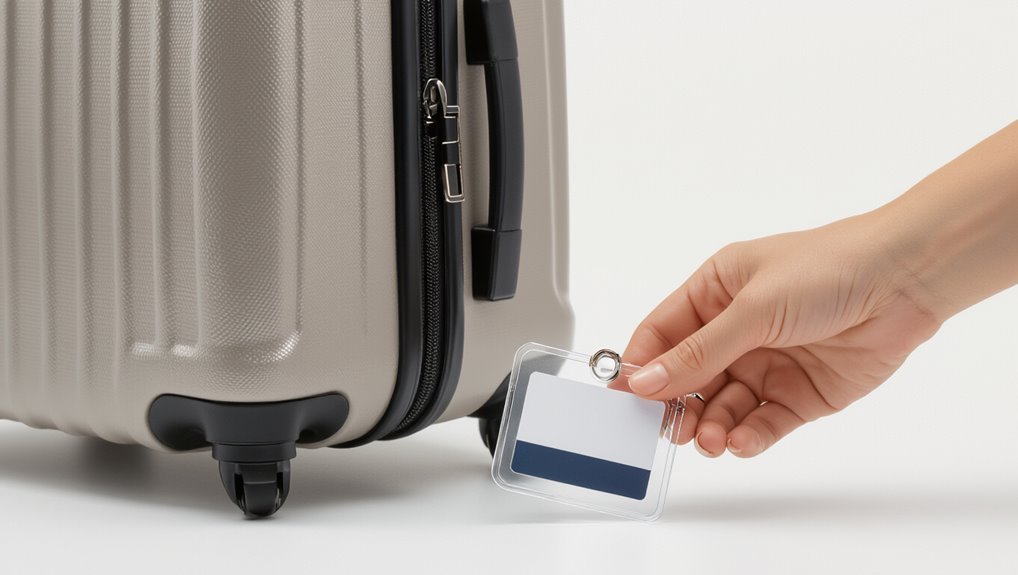
Grab your tags and a pen—this quick 60‑second method gets your cruise luggage ready in no time.
Write your name, cabin number, and phone legibly. Slip the tag into a plastic sleeve, loop the strap through the handle, then thread it back through itself and pull tight.
Double‑check visibility and secure any loose straps. You’re set to board quickly and confidently.
Why Cruise Luggage Tags Matter
Because your luggage is routed through many hands before it reaches your cabin, clear, properly attached tags make the difference between smooth delivery and frantic searches ashore.
You’ll avoid lost bags, delays, and missed excursions when staff can quickly identify your items. Proper tags speed processing at boarding, transfers, and port stops, giving you peace of mind and more time to enjoy the cruise.
What Cruise Luggage Tags Look Like
Cruise luggage tags are usually brightly colored, durable cards or plastic sleeves that show your name, stateroom number, and a barcode or QR code for scanning.
You’ll spot bold text, cruise logos, and clear attachment holes or straps. They often include weight or inspection stickers and simple instructions.
You should check that information is legible, secure, and facing outward for easy handling.
Cruise-Line Tags, Personal Tags, or Both?
You’ll get a cruise-line tag that lets staff identify and route your bags quickly at boarding.
Adding a personal tag with your name and contact info gives you extra control if a bag is misplaced.
Many travelers use both so the ship’s system handles logistics while your tag helps recovery.
Cruise-Line Tag Purpose
Most lines require you to attach their baggage tags so staff can route bags from ship to shore and back.
These cruise-line tags identify your booking, stateroom and destination handling instructions. You’ll rely on them for loading priority, transfers between terminals and onboard delivery.
Keep the issued tag visible and intact so crew scanners and handlers can quickly match luggage to manifests and avoid misrouting.
Personal Tag Benefits
Along with the line’s tags, add your own personal tag to make identification and recovery easier if luggage is misrouted or left unattended.
Your tag shows contact details, hotel or cabin number, and a distinctive marker so crew or fellow travelers spot it quickly.
It also protects privacy by listing limited info, offers backup if a cruise tag is damaged, and speeds reunification.
Using Both Together
While the cruise line’s tag helps staff process and deliver bags, adding your own personal tag gives you a visual and informational backup—use both when possible so crew and fellow passengers can identify your luggage quickly while you retain control over what contact details are visible.
Attach the cruise tag per instructions, then add a durable personal tag with your name and limited contact info; secure tightly.
Essential Info to Put on a Cruise Luggage Tag
One simple rule will keep your bag from getting lost: include clear contact details and critical trip information on every cruise luggage tag.
You’ll want readable, compact entries that help crew reunite luggage fast.
- Your name and cell number
- Cabin/booking reference and cruise line name
- Home city and emergency contact name
What NOT to Write on External Tags
Don’t put your full home address on external tags — it tells anyone where you live while you’re away.
Avoid listing valuable items or their worth, since that can invite theft.
Also skip your full itinerary and contact numbers that could be misused if your bag is seen by the wrong person.
Full Home Address
1 clear rule: don’t put your full home address on external luggage tags. You’ll invite theft or unwanted attention.
Instead, use minimal contact info and cruise-specific details.
- City name, not street — imagine a city skyline.
- Phone number only — picture a ringing phone.
- Cruise cabin or booking reference — visualize your ship’s deck plan.
Valuable Item Details
Think of your luggage tag as a billboard you control—so don’t advertise the valuables inside.
Don’t list electronics, jewelry, cash, or expensive gear. Avoid itemized inventories, brand names, or notes like “contains camera.”
Keep descriptions generic: name, phone, and basic destination info only. That reduces theft temptation and protects your belongings until you can access secure storage or crew assistance.
Itinerary And Contacts
While you want your bag to get back to you, don’t print detailed itinerary stops, shore excursions, or the ship’s daily schedule on external tags; that kind of info advertises when your cabin (and its contents) might be unattended and invites targeted theft.
Instead, keep external tags minimal and use secure notes inside.
- Empty shore excursion list
- No cabin arrival times
- Omit port-by-port plans
Best Tag Materials: Plastic, Vinyl, Leather
Choosing the right luggage tag material matters because it affects durability, visibility, and how well your contact info survives a rough journey. You’ll pick plastic for budget and bright colors, vinyl for flexibility and moisture resistance, or leather for style and longevity. Consider weight, readability, and weather.
| Material | Strength | Best for |
|---|---|---|
| Plastic | Lightweight | Short trips |
| Vinyl | Waterproof | Wet climates |
| Leather | Durable | Frequent travel |
Tag Attachment Methods: Loop, Strap, Zip Tie, Sleeve
You’ll find each attachment method has its perks: loop attachments are quick and secure for most bags.
Use straps when you want adjustable length and a neater look, and remember to thread them through hardware for extra hold.
Zip ties give you cheap, tamper-evident versatility when you need a disposable option.
Loop Attachment Benefits
A loop attachment gives your luggage a simple, secure way to stay tagged through the whole trip, and it’s quick to fasten even when you’re juggling bags and boarding passes.
You’ll appreciate its low profile and durability, plus easy inspection by staff.
- Thin leather loop hugging a handle
- Nylon loop threaded and doubled for strength
- Plastic loop tucked under straps
Strap Usage Tips
When you need extra security or want the tag to sit flat against a bulky handle, use a strap attachment—it’s simple to loop around thicker handles and tighten so the tag won’t slide or flip.
Thread the strap through the tag slot, pull snug, and fasten the buckle or snap.
Check tightness before travel and tuck excess strap to prevent catching or peeling.
Zip Tie Versatility
One simple, low-cost option is a plastic zip tie, which you can thread through the luggage tag slot and cinch tight for a secure, tamper-evident hold.
You’ll cut the excess, leaving a neat finish. Zip ties resist weather and rough handling, but you’ll need a cutter to remove them at destination.
- snug loop
- trimmed tail
- sealed security
How to Attach a Cruise-Line-Issued Tag Correctly
Start by checking the tag for your name, stateroom number, and cruise dates so you don’t attach the wrong one; then thread the strap through the handle or designated loop and secure the buckle or velcro snugly so the tag won’t slip off during transit.
Place the tag where it’s visible, avoid covering barcode sections, and double-check the attachment before handing luggage to porters.
How to Attach Your Personal Luggage Tag Step by Step
After you’ve secured the cruise-line tag, attach your personal tag to the opposite handle or a different visible spot so both are readable.
Slide the strap through the handle loop, thread the tag back through its slot, and tighten. Confirm your name faces outward and info’s protected under a flap or clear sleeve.
- Handle loop
- Threaded slot
- Tightened and visible
Securing Tags on Soft vs. Hard-Shell Suitcases
While both soft and hard-shell suitcases need secure, visible tags, the attachment method you use should match the material and handle design so tags won’t tear fabric or crack plastic.
For soft bags, loop tags through reinforced handles or zipper pulls and use cable ties to prevent tearing.
For hard shells, attach tags to built-in handles or use adhesive-backed holders that won’t stress the plastic.
Where to Place Cruise Luggage Tags for Checked Pickup
1 clear rule: place cruise luggage tags where port staff can see and grab them without touching fragile parts.
Attach tags to sturdier handles or dedicated loops near the top or side, not on zippers or decorative straps.
Confirm tags face outward and are secured.
Examples:
- Top carry handle visible.
- Side luggage loop near wheels.
- Reinforced strap away from embellishments.
Where to Place Tags for Cabin-Stowed Bags
When stowing bags in your cabin, put a tag on the exterior handle so crew or fellow passengers can spot it quickly.
Also slip a duplicate tag in an inside pocket in case the outer one gets torn off.
If you plan to slide luggage under the bed, make sure the tag remains visible from the aisle for easy retrieval.
Exterior Handle Placement
For cabin-stowed bags, place your cruise luggage tag on the exterior handle so it’s visible and stays accessible during transfers.
Attach it securely with a loop or strap, facing outward. You’ll avoid lost tags and speed handling.
- Handle looped tag fluttering as crew moves bags.
- Tag facing outward for quick scans.
- Strap cinched tight against handle.
Inside Pocket Tagging
Put your cruise luggage tag inside a dedicated interior pocket so it stays protected and easy to find during cabin transfers.
Slip the tag into a clear sleeve or zippered pocket away from seams and zippers. Secure with a small clip or fastener if available.
This keeps identification visible to staff without exposing it to wear, moisture, or accidental removal.
Under-Bed Visibility
Stow one or two tags so they’re easily seen from the bed aisle when crew slides your bags under the berth; slip them onto an exterior loop or the handle and orient the info outward so staff can read it without pulling everything out.
You’ll help crew identify bags quickly and avoid delays.
- Tag facing aisle, bold name visible
- Loop secured to handle
- Bright color for quick spotting
Tagging Carry-Ons and Personal Items
Although carry-ons and personal items stay with you most of the time, you should still attach cruise luggage tags to identify them quickly at checkpoints and in crowded terminals.
Secure tags to handles or straps so they’re visible without removing items. Use durable attachments and clear labeling with your name and cabin number.
Check tags regularly for tightness and legibility before boarding.
Protect Contact Info From Weather and Wear
Protecting your contact info keeps your luggage identifiable even in rain or rough handling.
Slip your card into a waterproof ID sleeve or laminate it so ink won’t smear and paper won’t tear.
These simple steps make sure your details stay readable throughout the trip.
Use Waterproof ID Sleeves
Because luggage often faces rain, spills, and rough handling, slip your contact info into a clear, waterproof ID sleeve to keep it legible and secure.
You’ll tuck a paper card inside, seal the sleeve, and attach it to the handle or strap with a zip tie or durable loop.
- Wet deck
- Scratched plastic
- Tossed baggage
Laminate Contact Cards
If you want an even tougher option than a waterproof sleeve, laminate your contact card to keep ink from running and edges from tearing. You’ll seal details, keep cards flat, and slip them under a tag strap or inside a pouch. Lamination withstands spills and rough handling, so crew or lost-and-found staff can read your info.
| Material | Benefit |
|---|---|
| Laminate | Waterproof |
| Thickness | Durable |
| Finish | Writable |
| Edges | Sealed |
| Cost | Low |
Clear Sleeve vs. Laminated Tag: Pros and Cons
When you’re choosing between a clear sleeve and a laminated tag, think about durability, visibility, and ease of swapping information—clear sleeves let you slide in new paperwork quickly and keep documents readable, while laminated tags offer a tougher, water-resistant option that stays attached and legible through rough handling.
- Clear sleeve: flexible pocket protecting a folded itinerary.
- Laminated tag: stiff, sealed rectangle shrugging off rain.
- Choose based on swapping frequency and trip conditions.
Add a Hidden ID Inside Your Bag
Although your external luggage tag does most of the work, tuck a hidden ID inside your bag so you can still be identified if the outer tag is lost or damaged.
Place a card with your name, phone, email, and an emergency contact in a zippered pocket or sewn-in pouch.
Use waterproof paper or laminate for durability and update details before each trip.
Tagging Fragile Items and Valuables
When you’re tagging bags with fragile items, wrap and cushion each piece so tags won’t snag or crush them.
Place tags where they stay secure but won’t rub against delicate surfaces, and use secondary labels inside for backup.
For valuables, hide a discreet tag or ID card within a protected pocket so you can prove ownership without advertising the item’s presence.
Protective Wrapping Methods
1 simple, reliable rule: wrap fragile items and valuables so they can’t shift, rub, or crush during transit.
Use cushioning, secure placement, and protective barriers to prevent damage. Pack tightly, avoid empty gaps, and label internally.
- Bubble-wrap fragile glass, tape seams.
- Soft clothing around electronics, zip bags.
- Hard cases for jewelry, foam inserts.
Secure Tag Placement
Place tags where they won’t be ripped off, obscured, or cause damage—think sturdy straps through handles, reinforced loops on hard cases, or zip-tied tags on exterior pockets.
For fragile or valuable contents, attach tags to the strongest structural point, avoid adhesive on delicate surfaces, and secure extra fastenings.
Label clearly so handlers know to treat the item gently and follow any handling notes.
Concealment For Valuables
Keep valuables out of obvious exterior pockets and avoid tags that shout “something expensive inside”; instead tuck identification and handling notes inside a zipped or padded compartment, attach a discreet tag to a reinforced interior seam, or use a removable internal label that crew can find without exposing contents to passersby.
- Soft-lined sunglasses case tucked inner pocket
- Padded jewelry pouch attached to seam
- Removable paper label inside zippered divider
Color Coding and Labeling for Families or Groups
When you’re traveling with family or a group, use simple color coding and clear labels so everyone can spot their bags quickly at the luggage carousel or during transfers.
Assign each person a color or sticker, add names and cabin numbers on durable tags, and use icons for kids.
Keep labels visible, waterproof, and consistent so handlers and group members recognize luggage instantly.
Quick Checklist Before Baggage Drop-Off
Before you hand over your bags, run through a short, focused checklist so nothing important gets left behind or mishandled.
Check that tags are secure and readable, valuables and documents are removed, and carry-on essentials are with you.
Then confirm pick-up details and phone contact on the tag.
- Tag secure, name visible
- Valuables out, documents on you
- Pickup time/place confirmed
Common Tagging Mistakes That Cause Lost Luggage
1 common mistake that leads to lost luggage is sloppy tagging—if you attach tags loosely, use unreadable handwriting, or cover key info with tape, handlers can misroute or discard your bag.
You should print clear details, secure tags tightly to sturdy handles, avoid covering barcodes, and double-check destination codes.
Don’t rely solely on internal ID tags; external tags must be visible and legible.
Reinforce Weak Attachments on Older Bags
Check the straps and loops on older bags for fraying or loose stitching before you attach a tag.
If you spot weakness, add reinforced fasteners like metal clips or heavy-duty zip ties to secure the tag.
For torn fabric or stitching, sew or patch the area so the attachment point can handle travel stress.
Inspect Straps And Loops
Inspect the straps and loops on older bags for fraying, stretched stitching, or cracked plastic hardware, since these weak points are where tags most often come loose.
You’ll want to evaluate tension, abrasion, and attachment points, then decide if temporary fixes will hold for a cruise.
- Worn fabric threadbare along a seam
- Loose, pulled stitches near a ring
- Cracked buckle or brittle loop
Add Reinforced Fasteners
Secure loose or worn attachment points with reinforced fasteners so your luggage tag stays put through handling and transit.
Replace frayed straps with metal or heavy-duty plastic clips, use rivets or screw-on grommets for weak loops, and add a small split ring to distribute stress.
Test the repair by tugging gently; if it holds, your tag’s ready for the trip.
Sew Or Patch Tears
Repair tears and reinforce weak attachment points on older bags by sewing or patching them before your trip.
You’ll prevent tags tearing away and avoid lost luggage stress. Use strong nylon thread, adhesive patches, or leather patches for durability.
- Thick nylon stitches along frayed seams.
- Iron-on fabric patch over torn lining.
- Leather patch around strap base.
What to Do If a Cruise Tag Falls Off During Boarding
If a luggage tag comes off while you’re boarding, stay calm and act quickly to avoid delays or lost bags.
Immediately alert the check-in desk or port staff, show your ID and boarding info, and describe the bag.
Immediately notify check-in or gate staff, present ID and boarding details, and describe your bag for tracking.
Reattach a spare tag or write your details on luggage tape.
Ask staff to note your bag and confirm they’ll track it until it’s loaded.
How Cruise Lines Scan and Track Your Bags
When you drop your bag at the terminal, cruise lines immediately scan a barcode or RFID on your luggage tag to link the piece to your booking and cabin. That digital record tells staff where the bag should go and updates as it moves through loading, shipboard storage, and delivery to your stateroom.
You can check status at gangway kiosks or ask staff.
- Conveyor belts moving tagged suitcases.
- Crew scanning handheld readers.
- Bags stacked by deck and cabin number.
When to Attach Tags Before Embarkation
Because cruise terminals run on tight schedules, you’ll want to attach your luggage tags at the right moment so your bags get routed correctly without holding up check‑in.
Attach tags after you finish packing but before you leave home or the hotel—ideally the night before. If you recheck items, confirm tags match boarding information; arrive early to drop bags within the carrier’s cutoff window.
Tagging Rules for International Embarkation and Customs Slips
When you’re preparing for international departure, make certain the name and passport or visa number on your luggage tag match your travel documents exactly.
You’ll also need to attach any required customs declaration forms or guarantee they’re easily accessible in a clear sleeve on the bag.
Doing this helps speed up sea-side checks and avoids delays with immigration or customs.
Passport And Visa Matching
If you’re traveling internationally on a cruise, you’ll need to guarantee your luggage tags exactly match the names and passport or visa details on your boarding and customs forms so your bags clear security and reach the right destination.
Check spellings, passport numbers, and nationality. Secure a waterproof tag. Carry photocopies.
- Passport name alignment
- Exact passport/visa numbers
- Consistent nationality listing
Customs Declaration Attachment
1 clear step in preparing your luggage is attaching the customs declaration and boarding slips so officials can quickly verify contents and ownership; you’ll want to fasten them where they’re visible yet protected. Use a clear sleeve or secure pouch near the handle. Fold slips to fit, avoid tape over barcodes, and keep originals accessible.
| Item | Position |
|---|---|
| Declaration | Exterior sleeve |
| Boarding slip | Top handle |
| Barcode | Uncovered |
Tagging Tips for Tender-Boat and Shore-Excursion Days
Because tender-boat and shore-excursion days move fast, tag only the bags you won’t need on the small craft or beach and keep valuables with you, secured in a daypack or on your person.
Then do three quick checks before handing over tagged luggage:
- Bright tag and clear name visible.
- Dry, sealed bag with essentials removed.
- Lightweight, labeled bag for return pickup.
Affordable Tag Brands and Where to Buy Them
Several reliable, budget-friendly tag brands can keep your luggage identifiable without breaking the bank. You’ll find durable vinyl and silicone options at big retailers and online marketplaces; pick clear ID windows and secure straps. Compare prices and read reviews to match style with durability.
| Brand | Where to Buy |
|---|---|
| Samsonite | Amazon, Walmart |
| Lewis N. Clark | Target, REI |
| Bagail | eBay, Etsy |
| TravelSmith | Brand site, Amazon |
DIY Luggage Tag Ideas That Actually Hold Up
You can make DIY luggage tags that survive rough handling and still look good; start with sturdy materials like laminated cardstock, thin leather, or heavy-duty silicone, and use metal split rings or stainless-steel cable loops to attach them securely.
- Folded laminated card with bold name window.
- Leather rectangle with embossed initials.
- Silicone loop tag with clear info sleeve.
Record Tag Info Digitally for Backup
A quick digital backup of your luggage tag info gives you a safety net if a physical tag gets lost or damaged.
Snap a clear photo of each tag, note names, booking numbers, and contact details in your phone’s notes or cloud document, and email the file to yourself.
That way you can access accurate info from any device if needed.
Check Tag Info When You Disembark
1. You’ll check each tag as you disembark to confirm names, stateroom numbers, and destination codes match your records.
Quickly scan for smudges or loose attachments before leaving the gangway. If anything’s off, notify crew immediately so they can sort luggage correctly.
- bright tag with cabin number
- scuffed barcode edge
- secure zip-tie through handle
When to Replace a Worn or Damaged Tag
When a tag shows frayed edges, unreadable printing, or a cracked barcode window, replace it before you hand your bag to crew so your luggage isn’t misrouted or delayed.
Inspect straps, adhesive, and attachment clips; swap any tag that’s peeling, torn, or water‑stained.
Use a clear, legible replacement with intact barcode and contact details so port staff can scan and identify your bag quickly.
Last‑Minute Troubleshooting for Tagging Problems
If you spot a damaged tag at the last minute or your replacement won’t stay put, don’t panic—there are quick fixes you can use to keep your bag on track.
Use these simple steps to secure tags fast:
- Wrap a plastic sleeve with duct tape around the strap.
- Thread a zip tie through grommets tightly.
- Slip a luggage strap over both handles.
Frequently Asked Questions
Can Cruise Luggage Tags Be Used as Proof for Lost-Baggage Claims?
Yes — you can use cruise luggage tags as part of proof for lost-baggage claims, but they’re not sufficient alone; you’ll need receipts, photos, boarding records, and correspondence to support your claim with the carrier or insurer.
Are There Privacy Laws About Displaying Personal Info on Tags?
Yes — many places limit displaying personal data; you should avoid full details. Use minimal info like name and emergency contact, abbreviations, or inside tags. You’ll comply with privacy laws and reduce identity risk.
Can Electronic Trackers Replace Physical Cruise Luggage Tags?
Yes — you can use electronic trackers instead of physical cruise luggage tags, but you’ll still need compliant ID tags for cruise lines. They’re convenient, reduce loss risk, but remember battery, signal limits, and privacy concerns.
Do Different Countries Require Specific Tag Language or Formats?
Generally no — you won’t need country-specific tag language or formats, but some ports or cruise lines may ask for particular info (passenger name, booking number, phone). You should follow your cruise line’s instructions precisely.
Will Airline Baggage Policies Affect Cruise-Tagged Luggage?
Yes — airline baggage policies can affect cruise-tagged luggage, because airlines set size, weight, and security rules; you’ll need to follow airline requirements for checked bags even if you later attach cruise tags for ship transfer.
Conclusion
You’ve got the basics—attach tags quickly, include the right info, and back it up digitally so your bags don’t get lost. Use cruise-line tags for check‑in and add a personal tag with contact details. Inspect tags when you disembark and replace any that look worn. If a tag pops off, fix it with tape, zip ties, or a safety pin before sending luggage. Do these simple steps and you’ll avoid most baggage headaches.