Can I Put Aerosols in Hold Luggage: Rules and Restrictions
You can usually put common aerosols like deodorant and hairspray in hold luggage, but airlines and countries set strict limits and bans on flammable, toxic, or pressurized cans. You’ll need secure caps, intact manufacturer labeling, and to follow size and total quantity rules your carrier enforces. Don’t pack damaged or oversized cans; declare anything unusual and consider shipping hazardous or large-volume aerosols via freight. Keep going to learn the classifications, packing tips, and when to call the airline.
Quick Answer: Are Aerosols Allowed in Hold Luggage?
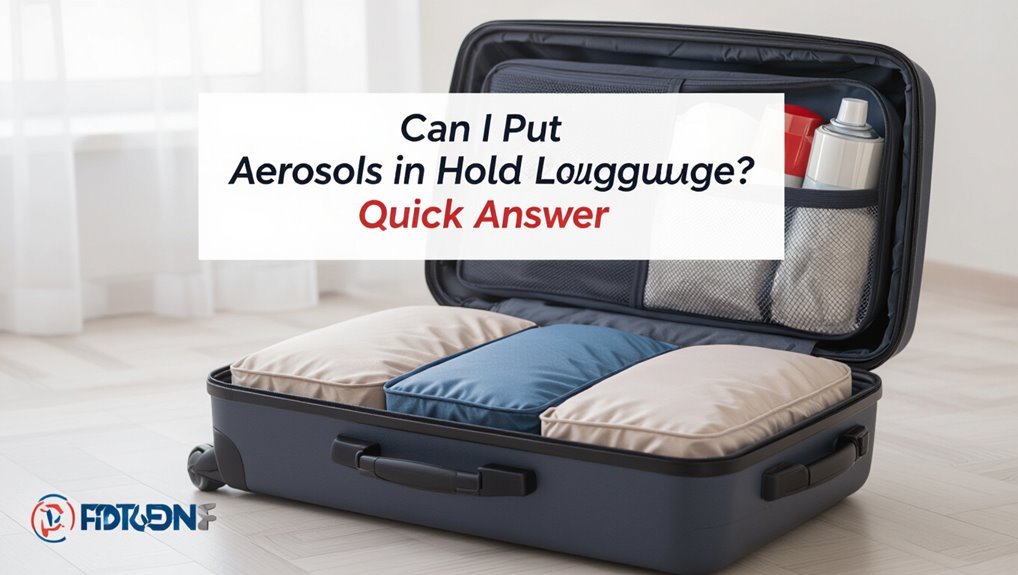
Wondering if you can pack aerosols in your checked baggage? You generally can, but rules vary by airline, country, and aerosol type.
Flammable, pressurized, or toxic aerosols face strict limits or bans. Household sprays and toiletries are often allowed in limited quantities and with safety caps.
Always check your carrier’s specific hazardous materials policy before packing.
Decision Flow: Should You Check, Carry, Declare, or Ship Your Aerosol?
Now that you know the basic limits and risks for aerosols in checked baggage, decide whether to check, carry, declare, or ship each item based on its type, quantity, and hazard level.
Examine labels, airline and country rules, and transport options before packing.
- Carry: small personal care aerosols under 100ml.
- Check: permitted non-hazardous larger cans within limits.
- Declare: flammables or medical necessity.
- Ship: prohibited or excess quantities.
Who This Guide Is For and What It Answers
Who needs this guide and what’ll it tell you?
If you travel with sprays, deodorants, insect repellent, or aerosol cleaners, this guide helps you decide whether to pack, carry, declare, or ship them.
You’ll get practical rules, packing tips, limits, and quick checks for compliance.
Get clear, practical rules, packing tips, limits, and quick checks to keep your aerosols travel-compliant.
It’s aimed at casual travelers, frequent flyers, and people sending aerosols by mail.
Why Airlines Restrict Aerosols in Checked Bags
You should know that changing cabin pressure can cause aerosol cans to swell or leak, turning a seemingly harmless item into a mess.
Airlines also restrict aerosols because their pressurized contents and flammable propellants raise the risk of fire or explosion in the hold.
Knowing these hazards helps you pack safely and follow airline rules.
Pressure Changes Impact
Because cabin and cargo pressure change as the aircraft climbs and descends, aerosols in checked luggage can expand, contract, or leak—and that’s why airlines limit them in the hold.
You should pack carefully to prevent damage, spills, or ruined belongings. Consider these precautions:
- Use sealed plastic bags.
- Check manufacturer warnings.
- Limit quantity per container.
- Place upright, cushioned.
Fire And Explosion Risk
Although aerosols seem harmless, their pressurized contents and flammable propellants create a real fire and explosion risk in the aircraft hold, which is why airlines strictly regulate them.
You should avoid packing aerosol cans in checked luggage unless specifically allowed, keep them capped, and follow quantity and labeling limits.
A ruptured or heated can could ignite, threaten cargo safety, and force emergency procedures.
How IATA and ICAO Classify Aerosols (Hazard Classes and Examples)
You’ll want to know that IATA and ICAO sort aerosols by hazard class—mainly flammable gases, non-flammable gases, and toxic/oxidizing types—so you can tell what rules apply.
Examples include spray deodorants and hairsprays (often flammable), insecticides (toxic), and pressurized cooking sprays (non-flammable or flammable depending on contents).
Understanding those classes helps you decide which aerosols are allowed in checked baggage and under what limits.
Hazard Classifications Defined
Hazard classifications tell you which aerosols are allowed, restricted, or banned on flights by grouping them based on their primary risks—flammability, toxicity, or oxidizing properties—and assigning each to an international class and division under IATA and ICAO rules.
You’ll use these classes to check packaging, quantity limits, and required markings before packing.
- Class identification
- Division specifics
- Labeling requirements
- Quantity limits
Common Aerosol Examples
Now that you know how classifications and labels guide what’s allowed, let’s look at real-world examples so you can identify common aerosols and their likely classes.
You’ll find:
- spray deodorants and hairsprays (UN1950, Class 2.1/2.2),
- WD-40-type lubricants (flammable),
- pepper spray (often forbidden, defensive aerosols),
- and medical inhalers (pressurized, usually allowed with limits).
Check labels and airline rules.
What to Look for on Aerosol Labels and Pictograms
How can you quickly tell if an aerosol is safe for checked baggage? Check labels and pictograms for clear safety cues.
Look for expiry and manufacturer instructions, pressure warnings, and permitted-use notes. Note pictograms that show flammable or corrosive symbols; those usually restrict carriage.
Follow airline guidance if unsure.
- Flammable flame icon
- Corrosive symbol
- Pressure/container warning
- Usage/storage instructions
Finding the UN Number and Hazard Class on a Can
Wondering which codes matter on an aerosol can? Look for the UN number—usually “UN” followed by four digits—printed near the manufacturer details.
Nearby you’ll see the hazard class symbol or number (for example, 2 for gases). Those codes tell you how the item’s classified for transport; note them and check airline or regulator lists to confirm whether that specific UN number is permitted in hold luggage.
How Flammable Propellants Change Airline Rules
When an aerosol uses a flammable propellant, you need to know airlines treat it differently because it raises the risk of fire in the hold.
That risk affects how much you can bring and the allowed concentration of the propellant in each can.
It also means stricter packaging and labeling rules to keep your luggage compliant and safe.
Increased Fire Risk
Because many aerosol propellants are highly flammable, airlines treat them differently than non-pressurized toiletries, and that changes what you can pack in checked bags.
You should recognize the increased fire risk: leaking or ruptured cans can ignite, fuel a cargo fire, or explode under pressure.
Follow airline rules and pack alternatives when possible.
- Fire ignition risk
- Pressure rupture hazard
- Cargo compartment danger
- Emergency response burden
Quantity And Concentration
If you’re packing aerosols, pay close attention to both how many cans you bring and what propellant they contain, since airlines set limits based on total volume and flammability. You’ll often face stricter quantity caps for highly flammable propellants and combined volume limits per passenger. Check carrier rules to avoid confiscation.
| Propellant | Restriction |
|---|---|
| Non-flammable | Moderate |
| Flammable | Strict |
| Highly flammable | Prohibited |
Packaging And Labeling Requirements
While airlines may allow certain aerosols in hold luggage, stricter packaging and labeling kick in as propellants grow more flammable: you’ll need sturdy outer packaging, protective caps, and clear hazard labels that identify flammable contents and concentration.
Some carriers require UN-specification markings or inner absorbent materials to prevent leaks.
- Use impact-resistant outer box
- Fit protective caps
- Apply clear hazard labels
- Include UN markings or absorbents
How Corrosive or Toxic Contents Affect Carriage
When corrosion or toxicity is involved, airlines and regulators treat aerosols much more restrictively because they can damage aircraft systems, harm crew or passengers, and pose environmental hazards if released.
You’ll face outright bans or require special approvals for corrosive or toxic formulations.
Carriage often demands Class labels, secure inner packaging, and paperwork; misdeclaration risks confiscation, fines, or denied boarding.
Container Size Rules for Checked Aerosols
Because aerosols can pose pressure and flammability risks, airlines set strict container size limits for checked baggage that you must follow.
You should pack only manufacturer-labeled pressurized cans within permitted volume, guarantee caps are secure, and avoid oversized or damaged containers.
Check your airline’s specific milliliter/ounce thresholds before travel.
- Max single can size
- Total per package rules
- Secure valve/cap
- No damaged cans
Passenger Quantity Limits: What’s Allowed
If you’re packing aerosols in checked luggage, carriers limit how many cans you can bring to reduce fire and pressure risks.
So check both per-can and total-package allowances before you fly. You should also verify airline-specific rules: many permit only a few personal-use cans (like deodorant or hairspray) and require secure caps and original labeling.
Declare if unsure.
Total Quantity Limits per Shipment and Per Bag
How much aerosol you can pack depends on both airline and international limits, so check rules before you finish packing.
You’ll usually face maximums per shipment and per bag; limits cover total net quantity and container size. Confirm carrier and country rules, declare if required, and split items across bags if needed.
- Check per-shipment cap
- Check per-bag cap
- Note net quantity limits
- Declare when required
Airline Exceptions: Toiletries Versus Industrial Aerosols
After you check shipment and bag limits, note that airlines treat common toiletries—like aerosol deodorants, hairsprays, and shaving foam—much more leniently than industrial aerosols such as paint, solvents, or lubricants.
You should still declare bulky or unusually large aerosol cans, follow airline-specific per-item size limits, and expect stricter scrutiny or outright bans on industrial sprays due to flammability and security risks.
Which Aerosol Products Are Typically Allowed in Hold Luggage
You can usually pack travel-sized toiletries like deodorant, hairspray, and shaving foam in hold luggage as long as they meet airline size and quantity rules.
Personal care sprays—such as perfume mists and sunscreen aerosols—are generally accepted if they’re for personal use and properly capped.
Always check your airline’s limits and any country-specific regulations before you fly.
Travel-Sized Toiletries
When packing travel-sized toiletries, remember that many common aerosol products—like deodorant sprays, hairsprays, and shaving foams—are usually allowed in checked baggage but must meet airline and hazardous-goods limits for size and quantity.
You should label items, keep caps on, and pack them upright in a leak-proof bag. Check airline rules before travel.
- Deodorant sprays
- Hairsprays
- Shaving foams
- Dry shampoo
Personal Care Sprays
Curious which personal care sprays you can pack in checked baggage? You can usually pack deodorant, hair spray, dry shampoo, and shaving cream aerosols if they’re for personal use and meet airline weight limits (often 0.5–1 kg per item).
Seal caps, place in sturdy toiletry bag, and don’t exceed total hazardous goods limits. Check your airline for specific restrictions.
Which Aerosol Products Are Usually Banned or Restricted
Which aerosol items do airlines typically ban or restrict in checked baggage?
You should avoid or limit aerosols that pose fire, pressure, or toxic risks. Check rules before packing.
Avoid aerosols that pose fire, pressure, or toxic hazards—always check airline rules before packing.
- Spray paints and solvents
- Large canisters of flammable fuels or camping sprays
- Pepper spray and self-defense aerosols
- Industrial or compressed-gas aerosols with high pressure
How National Aviation Rules Differ and Why
You’ll notice aerosol rules change a lot between countries because each sets different size and quantity limits.
Security screening practices and the tech they use also affect what’s allowed in checked bags.
Local chemical classifications and labeling standards further shape those national regulations.
Varying National Limits
Because each country balances safety, security, and commerce differently, national aviation authorities set their own rules on aerosols in hold luggage.
You’ll see limits vary by volume, total quantity per passenger, permitted propellant types, and labeling requirements. Check local regulations before packing.
Examples include:
- Volume caps per container
- Aggregate weight/quantity limits
- Banned propellant classes
- Mandatory markings and documentation
Security Screening Differences
When security agencies screen hold luggage, they apply different procedures and risk thresholds based on local threat assessments, technology, and regulatory frameworks; this means you might face varying levels of scrutiny, from routine X-ray checks to additional manual inspections or explosive trace screening.
You should expect differing rules about packing aerosols, declaration requirements, inspection frequency, and possible item removal—so check your airline and departure country guidance.
Local Chemical Classifications
Regulations about aerosols and other chemical products vary because each country classifies hazards differently based on local law, available testing data, and risk tolerance—so you can’t assume an item cleared at one airport will be allowed at another.
You should check national lists, labeling rules, and permitted quantities before travel.
- Classification systems differ
- Labeling requirements vary
- Allowed concentrations change
- Local enforcement policies apply
How to Check Your Airline’s Aerosol Policy Before Flying
Want to avoid surprises at the check-in desk? Check your airline’s website, search FAQs, and contact customer service for aerosol limits, allowed types, and packaging rules. Save screenshots or confirmation emails. At the airport, present documentation if needed.
| Source | What to look for | Action |
|---|---|---|
| Website | Limits, types, exceptions | Note limits |
| FAQ | Packaging rules | Screenshot |
| Support | Clarify doubts | Call/email |
When You Must Declare Aerosols at Check-In
Need to declare aerosols at check-in? You should tell staff when items exceed airline limits, contain flammable propellants, are commercial quantities, or need permits.
If your aerosols exceed limits, contain flammable propellants, are in commercial quantities, or need permits, tell check‑in staff.
Don’t assume soap or deodorant are always exempt.
- Quantity over airline or regulatory limit
- Flammable or pressurized propellant
- Multiple identical cans suggesting commercial use
- Items requiring permits or special approval
How to Pack Aerosols to Prevent Leaks and Damage
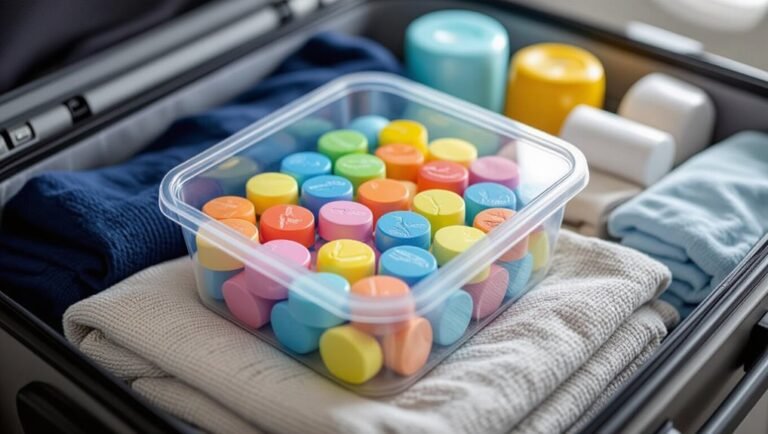
When you pack aerosols for checked luggage, seal their caps, wipe away residue, and place each can upright inside a clear plastic bag to contain leaks.
Add a tight secondary closure, label the bag if needed, and guarantee valve protection.
Check airline rules for quantity and prohibited items.
Keep documentation handy and inspect cans for dents or corrosion before travel.
How to Cushion and Isolate Aerosol Cans in Checked Bags
Pack aerosol cans upright in your checked bag to reduce pressure on the valve and lower the risk of leaks.
Wrap each can in bubble wrap or a padded pouch to cushion against impacts.
Keep them separate from electronics and fragile items so any leak or dent won’t damage your devices.
Pack Aerosols Upright
Keep aerosol cans standing upright in your checked bag and secure them so they can’t roll, puncture, or rub against other items.
Position cans in center, away from seams. Use hard-sided compartments or dedicated pockets.
Separate toiletries from sharp objects and heavy gear. Limit quantity and check airline limits before packing.
- Place upright
- Block movement
- Isolate from damage
- Centralize load
Use Protective Wrapping
1 simple layer of cushioning can make the difference between an intact can and a messy leak in checked luggage, so wrap each aerosol in protective materials that absorb shock and prevent rubbing.
Use bubble wrap or thick clothing, secure with tape, and place cans in sealable plastic bags.
Cushion gaps with soft items to limit movement and contain spills if a valve fails.
Separate From Electronics
After you’ve wrapped each can and sealed it in a plastic bag, set aerosols apart from electronics to prevent damage if a leak or impact occurs.
Pack cans in a padded compartment, away from laptops, cameras, and chargers. Use foam, clothing, or bubble wrap to cushion each can and keep them upright.
- Cushion
- Isolate
- Secure
- Label
Why Temperature and Pressure Changes Matter for Aerosols
Air pressure and temperature shifts during a flight directly affect the internal pressure of aerosol cans, so you should understand how those changes can make a can leak, rupture, or discharge.
Inside cargo holds, colder temperatures can contract gases, while warming during loading or descent increases pressure. Rapid fluctuations stress seals and valves, raising the risk of accidental release or structural failure if cans aren’t designed or packed for those conditions.
How to Handle Partially Used Aerosol Containers
If you’re bringing a partially used aerosol in checked luggage, check the label and verify the container’s valve and cap are intact so it won’t leak or discharge under pressure changes.
You should also limit quantity per airline rules, secure it in a sealed plastic bag, and pad it to prevent puncture.
- Confirm label and integrity
- Limit quantity
- Seal in plastic
- Cushion container
Can You Carry Aerosols in Cabin Luggage Instead?
Wondering whether you can bring aerosols in your carry-on? You usually can, but airlines and security set strict quantity, size, and content rules.
Stick to approved personal items (like deodorant or medication sprays), guarantee caps and leakproof packing, and declare anything unusual.
Check your airline and departure country’s rules before flying to avoid confiscation or delays.
How Liquid Limits for Cabin Bags Interact With Aerosols
You can carry small aerosol cans in your carry-on, but they still fall under the liquid rules that limit container size and total volume in a clear bag.
You’ll need to follow size and packing limits strictly.
- Max container typically 100 ml (or equivalent).
- All aerosols must fit inside one transparent resealable bag.
- Total volume usually capped at 1 litre.
- Show bag at security.
What Happens If Security Finds Banned Aerosols in Checked Baggage?
If security spots banned aerosols in your checked bag, they’ll pull the item for screening and decide if it violates regulations.
You could face fines or other penalties depending on the airline and local laws.
Usually the item is either disposed of or returned to you, but procedures vary so it’s best to check ahead.
Security Screening Process
When security screening flags banned aerosols in your checked luggage, officers will remove the items for inspection and decide whether they can be repackaged, declared, or must be disposed of on the spot.
You’ll be notified, asked questions, and may watch while they inspect. Follow instructions, provide documentation if available, and accept on-the-spot disposal if required.
- Notification
- Inspection
- Documentation request
- Disposal
Consequences And Fines
Although policies vary by country and carrier, finding banned aerosols in your checked baggage can trigger immediate penalties and administrative actions.
You may face fines, recorded violations, travel delays, and additional screening. Authorities can notify airlines, law enforcement, or customs, which might lead to confiscation and potential travel restrictions.
Repeated or serious breaches could result in larger penalties or prosecution depending on jurisdiction.
Disposal Or Return Options
Beyond fines or delays, security personnel will decide how to handle banned aerosols found in your checked bag. Their options are usually limited to disposal, return, or seizure.
You’ll be told the outcome; you can’t insist on keeping prohibited items. Follow instructions to avoid further penalties and ask about reclaim procedures if items are returned.
- Disposal
- Return
- Seizure
- Documentation
Common Fines and Penalties for Misdeclared Aerosols
Curious what can happen if you misdeclare aerosols in checked baggage? You risk fines, confiscation, and travel delays.
Authorities may levy penalties under dangerous goods rules, varying by country and airline, often hundreds to thousands in local currency.
Penalties under dangerous-goods rules can reach hundreds or thousands, varying by airline and country.
Repeated or severe violations can trigger criminal charges, flight bans, or civil liability for damages.
Always declare items accurately to avoid consequences.
Traveling With Prescription Aerosol Inhalers Safely
If you rely on a prescription aerosol inhaler, plan ahead so medication stays accessible, legal, and effective during your trip.
Carry inhalers in cabin baggage, keep prescriptions or doctor’s notes, store in original packaging, and check liquid limits with your airline.
Follow security instructions and declare if asked to avoid delays or confiscation.
- Carry in cabin
- Keep prescription
- Use original packaging
- Check airline rules
Packing Cosmetic Aerosols Like Deodorant and Hairspray
While you should keep prescription inhalers in carry-on for accessibility and legal reasons, cosmetic aerosols like deodorant and hairspray are usually okay to pack differently—though rules vary by airline and security. Pack them upright, cap them, and limit quantity per airline policy. Store cushioned to prevent punctures.
| Item | Tip |
|---|---|
| Deodorant | Cap, upright |
| Hairspray | Cushion, limit |
Transporting Sunscreen Sprays and Insect Repellents
When packing sunscreen sprays and insect repellents in hold luggage, check the aerosol quantity limits so you don’t exceed airline or regulatory caps.
Make sure each can is tightly sealed, placed in leak-proof bags, and cushioned to prevent punctures.
Also verify your airline and departure airport policies, since some carriers impose stricter rules or bans on certain repellents.
Aerosol Quantity Limits
Because airlines and regulators limit how much aerosol you can pack, it’s important to check allowances for sunscreen sprays and insect repellents before you travel.
You should confirm volume limits, per-item caps, and total permitted aerosols in hold baggage, and declare any oversized cans at check-in.
- Check carrier rules
- Note per-item ml limits
- Sum total aerosol volume
- Declare if required
Packaging And Leak Protection
If you’re packing sunscreen sprays or insect repellents in checked baggage, secure them against leaks and pressure changes by sealing caps, placing each can upright in a resealable plastic bag, and cushioning them with soft clothing or bubble wrap.
Label bags if possible, isolate damaged cans, and avoid overpacking.
Check can integrity before travel, tighten valves, and keep liquids separated from electronics and important documents.
Airport And Airline Policies
Although rules vary by airline and country, most carriers let you pack sunscreen sprays and insect repellents in checked baggage within limits, so you’ll want to confirm allowances before you fly.
Follow these tips to avoid delays and confiscation:
- Check quantity limits per aerosol and total volume.
- Verify pressurized can restrictions.
- Pack in sealed plastic bags and cushion against impact.
- Declare if required.
How to Transport Fuel Canisters and Other Camping Aerosols
When you’re packing for a trip that includes camping gear, remember that fuel canisters and other pressurized camping aerosols are treated as hazardous by airlines and most ground carriers, so you can’t just toss them in checked luggage like socks. You should carry them only if allowed, use manufacturer caps, drain and secure valves, and check carrier rules before travel.
| Item | Action |
|---|---|
| Fuel canister | Cap, secure |
| Spray lubricant | Empty/declare |
| Cooking gas | Prohibited/claim |
| Small torch | Pack per rules |
How to Ship Large Aerosol Items If You Can’t Check Them
Because airlines and most couriers classify large aerosol cans as hazardous, you’ll usually have to ship them separately through ground freight or a hazmat specialist rather than checking them with your luggage.
You should:
- Declare contents and provide MSDS.
- Use certified hazmat packaging and labeling.
- Choose a carrier experienced with limited quantity or UN-rated shipments.
- Verify transit restrictions and insurance before booking.
How Drones, Pepper Spray, and Self-Defense Aerosols Are Regulated
Curious how drones, pepper spray, and other self-defense aerosols are treated differently from everyday toiletries?
Curious how drones, pepper spray, and self-defense aerosols are handled differently from everyday toiletries? Check rules first.
You can’t assume they’re allowed in hold luggage: pepper spray and similar defensive sprays are often banned or require airline approval and may be illegal in some countries.
Drones with lithium batteries face strict carriage and packing rules.
Always check airline and destination regulations before packing these items.
How to Read Airline and IATA Guidance Quickly
After checking whether an item like pepper spray or a drone is permitted, you’ll want to scan airline and IATA guidance efficiently so you don’t miss packing rules or documentation requirements.
- Read the “dangerous goods” and aerosol sections first.
- Note quantity limits and labeling requirements.
- Check carrier-specific exceptions and required forms.
- Confirm latest IATA updates and the flight date’s applicable rules.
How Travel Insurance and Airlines Handle Lost or Damaged Aerosol Claims
When an airline or your travel insurer evaluates a lost or damaged aerosol claim, you’ll need to know the policy coverage limits and whether the item falls within them.
You should save receipts, photos, and the baggage report as proof and be ready to submit clear documentation.
Also check liability rules and exclusions—some airlines or policies won’t cover aerosols due to safety restrictions.
Policy Coverage Limits
While airlines and travel insurers may cover lost or damaged aerosols, the protection you get depends on strict limits and exclusions in their policies.
You should check caps, per-item limits, and prohibited contents before claiming. Common constraints include:
- Maximum payout per item or baggage
- Aggregate claim limits per trip
- Exclusions for hazardous or commercial aerosols
- Time limits to file a claim
Proof And Documentation
Because airlines and insurers require clear evidence to process lost or damaged aerosol claims, you’ll need to gather specific documentation quickly and accurately. Keep receipts, photos, packaging, and claim forms handy; note dates and flight numbers. Submit everything promptly and follow insurer timelines.
| Document | Purpose |
|---|---|
| Receipt | Proves purchase/value |
| Photo | Shows damage |
| Packaging | Verifies brand/type |
| Claim form | Official record |
Liability And Exclusions
Although airlines and insurers both aim to limit liability for lost or damaged aerosols, you should know they apply different rules and exclusions that affect whether you’ll get reimbursed.
Read policies, keep receipts, and report damage promptly.
Typical exclusions and limits include:
- Quantity or flammability limits
- Improper packaging
- Lack of proof or late claims
- Preexisting damage or prohibited items
Practical Packing Checklist for Aerosols Before You Fly
Before you zip your suitcase, run through a quick checklist to keep aerosols safe and compliant: confirm each can is allowed in hold luggage, check volume and pressure limits, guarantee caps and protective seals are secure,
place cans upright in a sealed plastic bag, cushion them to prevent puncture, and separate flammables.
Keep receipts and manufacturer info accessible for inspections.
Mistakes Travelers Make With Aerosols and How to Avoid Them
When you toss aerosols into your checked bag without checking rules, you risk fines, confiscation, or even flight delays—so make verifying allowances and packing them correctly your first step.
Avoid common errors and pack safely.
- Overfilling toiletries beyond airline limits
- Leaving caps off or failing to seal cans
- Packing prohibited pressurized items
- Ignoring destination-specific rules
When to Contact the Airline or Cargo Agent About an Aerosol Item
If you’re unsure about an aerosol item after checking general rules and packing tips, contact the airline or cargo agent to get a definitive answer.
Ask before you book or drop luggage if the item is pressurized, contains flammable propellants, exceeds quantity limits, or is commercial inventory.
Provide product details, CAS or UN numbers, and planned carriage (hold vs. cargo) so they can advise and document approval.
Frequently Asked Questions
Can I Bring Aerosol Samples or Promotional Spray Cans in Checked Luggage?
You generally can’t bring aerosol samples or promotional spray cans in checked luggage unless they’re small, non-flammable, and meet airline and dangerous-goods rules; check your carrier’s policy and declare them to avoid confiscation or fines.
Are Aerosol-Containing Electronic Devices (E-Cigarettes, Atomizers) Allowed in Hold Bags?
No, you generally can’t pack e-cigarettes or atomizers in hold bags; carriers require you to keep them in carry-on luggage, switch them off, and protect batteries to prevent accidental activation or fire hazards during flight.
Do Airline Lounges or Airport Shops Sell Aerosols You Can Check After Purchase?
Sometimes. You’ll find some airport shops or lounges sell aerosols, but buying doesn’t guarantee you can check them; airlines and security rules vary, so you’ll need to confirm limits and declare hazardous items before packing them in hold luggage.
Can Checked Aerosols Trigger Hazardous-Materials Inspections Delaying My Luggage?
Yes — checked aerosols can trigger hazardous-materials inspections, and they might delay your luggage if security flags them; pack permitted quantities, declare restricted items when required, and follow airline regulations to minimize inspection risk and delays.
Do International Transfers Change Aerosol Limits When Connecting Through Another Country?
Yes — connecting internationally can change limits, so you should check both departure and transit countries’ rules and your airline’s policy; don’t assume allowances match, and expect stricter rules to override looser ones.
Conclusion
You can usually pack small personal aerosols (like deodorant, hairspray under limits) in checked baggage, but rules vary and restrictions exist for quantity, pressure, and flammability. Before you fly, check your airline’s policy, follow IATA/ICAO limits, declare prohibited or larger aerosols, or ship them separately. Pack cans upright, cushion them, and never puncture. When in doubt, call the airline or use cargo to avoid delays, fines, or confiscation.