Does Penn Station Have Luggage Storage? Options & Tips
Penn Station doesn’t have official luggage storage, so you’ll need nearby options like private storage apps, hotel bell desks, or staffed lockers just outside the concourse. Book ahead with services such as LuggageHero, Bounce, or Stasher to guarantee space and get insurance and tracking. Check size, weight, operating hours and fees, and avoid informal vendors or leaving bags unattended. Follow basic security steps and timing tips, and keep reading for specific providers, prices, and shortcuts.
Quick Answer: Penn Station Has No Official Luggage Storage – What to Use Instead
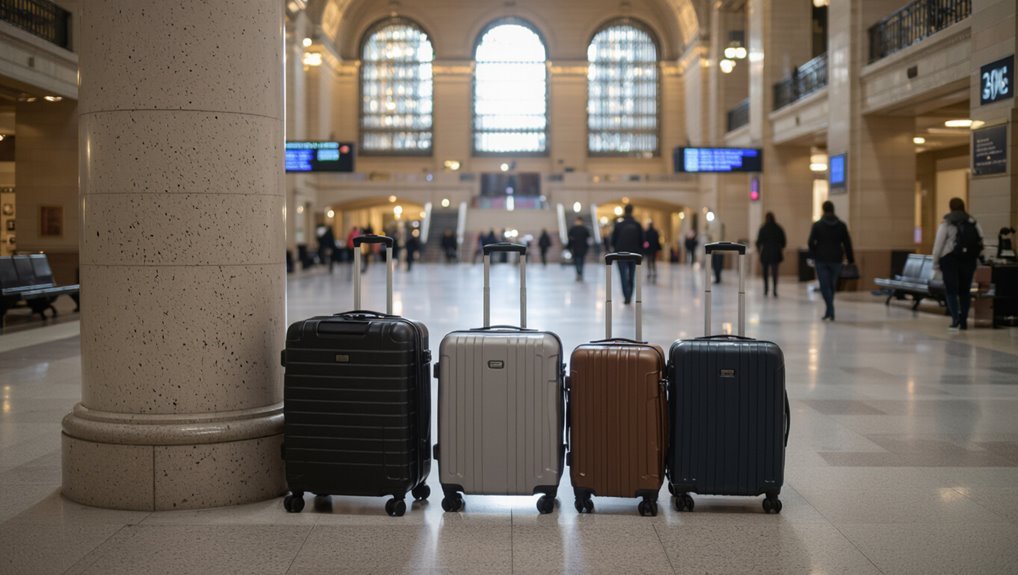
While Penn Station doesn’t offer official luggage storage, you still have practical options nearby. You can use private luggage storage services, locker apps, or hotel bell desks if you’re checking in later.
Many businesses operate secure, insured drop-off locations within walking distance; book online to reserve space and get clear pricing. If you’re carrying valuables, choose a service with tracked handling and insurance.
Avoid leaving bags with informal vendors or unattended in the concourse—security will likely intervene. Plan ahead by checking operating hours and pickup deadlines so your schedule stays flexible and your belongings stay safe.
Best Immediate Options Near Penn Station (Top 3 Picks)
Here are the top three immediate options you can use right around Penn Station for fast, secure luggage drop-offs:
- Use station-area left luggage at nearby hotels — many offer short-term storage for a fee and quick access.
- Try staffed train or bus terminal lockers just outside Penn Station; they’re simple, walkable, and good for hours-long holds.
- Visit nearby commercial luggage storage counters (independent kiosks or luggage services on 7th Ave or near Herald Square) that accept walk-ins and online reservations.
Each option keeps your bags accessible and secure without relying on Penn Station itself, ideal for tight schedules and short stays.
Private Luggage Storage Apps Near Penn Station: LuggageHero, Bounce, Stasher
You can use apps like LuggageHero, Bounce, and Stasher to find nearby partner shops and hotels that’ll hold your bags within a short walk of Penn Station.
Check each app’s pricing and fees up front so you know hourly or daily rates and any insurance or service charges.
Book through the app for a confirmed slot and look for host reviews, ID checks, and insurance coverage to make sure your stuff stays secure.
Nearby Partner Locations
If you need flexible, short-term luggage storage near Penn Station, private apps like LuggageHero, Bounce, and Stasher connect you with vetted local shops and hotels where you can drop bags by the hour or day.
You’ll find nearby partner locations within walking distance or a short transit ride, often listed with clear hours, security features, and user reviews. Before you go, check each location’s exact address, opening times, and ID requirements so you don’t face surprises.
Common benefits include:
- Central spots near transit hubs
- Staffed businesses with monitored storage
- Easy online booking and receipts
Pricing And Fees
Costs for private luggage apps near Penn Station vary by provider and length of storage, so compare rates before booking. You’ll usually pay hourly or daily fees: LuggageHero charges by hour up to a daily cap, Bounce and Stasher often list flat daily rates. Look for insurance, discounts for longer stays, and peak-time surcharges. Hidden fees can sting, so check cancellation and handling policies.
| Provider | Typical Rate | Emotion |
|---|---|---|
| LuggageHero | $1–$8/hr (cap) | Relief |
| Bounce | $6–$10/day | Confidence |
| Stasher | $6–$12/day | Ease |
Booking And Security
After comparing rates and fees, check how booking works and what protections each app provides so you’re not caught off guard.
You’ll use LuggageHero, Bounce, or Stasher to reserve a spot, often choosing hourly or daily rates, pickup windows, and insurance options.
Confirm refund, cancellation, and lost-item policies before you book. Check host verification, ID requirements, and whether the app offers real-time support or claims handling.
Keep reservation details and photos until collection ends.
- Verify insurance limits and coverage type
- Note cancellation and refund terms
- Save booking confirmation and host contact info
How to Reserve Storage on Apps : Step‑by‑Step
1 simple way to secure luggage at Penn Station is to reserve a locker or pick-up spot through a storage app—here’s how to do it step by step.
Open the app, allow location access, and search “Penn Station” or nearby drop-off points. Compare options by price, hours, and reviews.
Open the app, enable location, and search “Penn Station” to compare nearby lockers by price, hours, and reviews.
Select your preferred locker size or partner location, pick arrival and retrieval times, and confirm any item restrictions.
Add your contact and payment details, then review the terms. Complete the booking and save the QR code or confirmation.
When you arrive, follow app instructions to open the locker or drop off with the partner.
Station‑Area Businesses That Accept Luggage (Cafés, Shops, Hotels)
Many nearby cafés, shops, and hotels will hold your bags for a short time if you ask—great when lockers are full or you need a quick stop.
You can usually leave luggage at a concierge desk or with a manager for an hourly fee or a tip. Call ahead to confirm size limits, hours, and ID requirements. Keep valuables with you and photograph tags. Ask for a receipt.
- Always confirm price and pick‑up deadline.
- Note liability limits and staff ID.
- Use well‑lit, staffed venues near Penn Station for safety and convenience.
Lockers at Nearby Transit Hubs and Partner Facilities
Around Penn Station you’ll find short‑ and long‑term lockers at nearby transit hubs and partner facilities that can save you from hauling bags through the city; check size limits, operating hours, and payment methods before you go.
You can use lockers at nearby subway hubs, commuter rail stations, and some private storage partners for quick access between trains or events. Reservations aren’t always available, so arrive early on busy days.
Inspect locker condition, note retrieval procedures, and keep receipts or access codes handy. For oversized or valuable items, ask staff about alternative options or secure storage rooms at partner facilities.
Comparing Costs for Luggage Storage Near Penn Station
You’ll want to compare price-per-hour options, daily flat rates, and any hidden fees before choosing where to store your bags.
Check whether hourly pricing adds up faster than a flat day rate for your schedule.
Also watch for extra charges like insurance, handling, or peak-time surcharges that can change the true cost.
Price Per Hour
Hourly rates for luggage storage near Penn Station typically range from about $3 to $10 per hour, depending on location, amenities, and how central the drop-off is.
You’ll pay more for convenience, security features, or located services inside transit hubs. Short stays favor hourly pricing; check minimums and peak surcharges.
Compare providers online or via apps before dropping bags. Keep receipts and note pickup deadlines.
- Cheaper spots may be farther from the station.
- Premium lockers often include insurance or 24/7 access.
- Apps show real-time availability and exact hourly charges.
Daily Flat Rates
If you’re planning to store bags for a full day or longer, many providers offer daily flat rates that can be cheaper than adding up hourly charges. You’ll usually find fixed prices between nearby lockers, independent shops, and app-based services. Choose by location, size limits, and convenience — pick a flat rate when you expect eight-plus hours. Check pick-up/drop-off windows and insurance limits before booking. Below is a quick comparison to help you decide.
| Provider | Typical Daily Rate |
|---|---|
| Station lockers | $8–$12 |
| App-based services | $10–$15 |
| Independent shops | $12–$18 |
| Hotel concierge | $15–$25 |
Hidden Fees Comparison
Many services advertise low base rates, but hidden fees can push your final cost much higher than expected. You’ll want to compare advertised prices with true total costs—taxes, insurance, size surcharges, and hourly vs. daily billing add up fast.
Check terms before you commit so you won’t face surprise charges when you pick up your bags. Consider these common fee categories:
- Per-item or oversized luggage surcharges
- Mandatory insurance, taxes, or service fees added at checkout
- Early/late retrieval or extended-stay penalties
Always ask for a written total and verify refund policies to avoid unexpected expenses.
Typical Operating Hours and Same‑Day Implications
Because Penn Station sits at the center of a busy travel hub, most luggage storage providers keep extended weekday and weekend hours to accommodate early trains and late arrivals. You’ll usually find service opening by early morning and closing late evening, though exact times vary by operator.
Check each provider’s posted hours before you plan same‑day storage because cutoffs for drop‑off and pick‑up can differ. If you arrive after closing, you risk being unable to retrieve bags until the next day.
Confirm holiday schedules and any short‑notice changes online or by phone to avoid missed connections or unexpected overnight holds.
Walk‑In vs Prebooked Storage: Which to Choose?
Wondering whether to walk in or prebook your luggage drop? You’ll pick based on timing, certainty, and flexibility.
Walk‑ins work if your schedule’s fluid and you can risk short waits; prebooking guarantees a spot and often speeds drop‑off. Consider fees, peak times, and cancellation rules before deciding.
Walk‑ins suit flexible plans and possible waits; prebooking guarantees a spot, faster drop‑off, and fee/cancellation clarity.
- If you need certainty, prebook.
- If your plans might change, walk in.
- If you’re tight on time, prebook for quicker service.
Choose the option that matches your itinerary: reserve when you’ve fixed plans, and use walk‑in when you need last‑minute flexibility.
Size Limits and Commonly Refused Items
Once you’ve chosen walk‑in or prebooked storage, check size limits and prohibited items so you don’t get turned away at drop‑off.
Most services accept standard suitcases, backpacks, and duffels but cap dimensions and weight—often around carry‑on to large checked sizes and roughly 50–70 lbs per item.
Oversized gear like large surfboards, pallets, or commercial freight usually won’t fit.
Fragile, perishable, or high‑value items may be restricted or require insurance; declare valuables when booking.
Measure and weigh items beforehand, and call the provider if you’re unsure. That saves time and avoids last‑minute rejections.
Prohibited Items: What Services Won’t Accept and Alternatives
While most luggage services handle everyday bags, they’ll refuse items that pose safety, legal, or logistical problems—think flammable liquids, firearms (without proper permits), explosives, large hazardous batteries, or bulk commercial freight.
You should check provider rules before you arrive; if an item’s banned, ask about alternatives. Some services will direct you to specialized storage, shipping, or proper disposal.
If you must transport restricted goods, use licensed carriers or ship via freight. Consider these alternatives:
- Short-term courier or shipping services
- Specialized hazardous-material handlers
- Secure storage at official transportation offices or customs facilities
Always get written confirmation of acceptance.
Security & Insurance: What Protections Storage Services Offer
Because you’re leaving your bags with a third party, check what security measures and insurance they actually provide before you hand over your keys or tags.
Ask if they use CCTV, secure access controls, tamper-evident seals, and separate storage areas for high-value items. Confirm whether staff are background-checked and if inventory is logged with timestamps or photos.
Review their liability limits, whether coverage is per-item or per-incident, and what documentation you’ll need to file a claim. Some services include basic coverage; others require you to buy supplemental insurance.
Get everything in writing and keep receipts until you pick up your luggage.
How to Protect Valuables and Documents Before You Store Them
Before you drop off your bag at Penn Station, make sure you secure important documents like passports and boarding passes in a hidden, waterproof folder.
Lock small valuables in a TSA‑approved travel lock or a portable safe to add an extra layer of protection.
Keep a digital copy of documents and photos of valuables on your phone so you can access proof if anything goes missing.
Secure Important Documents
1 simple step to protect your documents is to separate originals from copies and pack only what’s necessary — scan passports, IDs, and sensitive paperwork to encrypted cloud storage or a password-protected device.
Then stash originals in a locked bag or leave them with someone you trust.
Next, inventory what you’ve scanned and carried, note serial numbers, and set strong passwords or biometric locks for digital files.
Share access only with a trusted contact and use 2FA where possible.
Consider travel insurance that covers document loss.
- Keep a digital inventory
- Share access selectively
- Use encryption and 2FA
Protect Valuables With Locks
When you’re preparing to store valuables or important papers at Penn Station, locking them up properly gives you a clear layer of protection that deters casual theft and mishandling.
Use a small lockbox or TSA‑style luggage lock for cases and backpacks; choose hardened, pick‑resistant locks with unique keys or combination codes you won’t forget.
Wrap documents in a sealed plastic folder and place them inside a lockable pouch. Photograph contents and serial numbers before locking.
Keep keys separate from stored items and carry a spare on your person. Label nothing as “valuables,” and verify storage provider insurance and access procedures beforehand.
Accessibility & Pickup Tips for Tight Connections
If you’ve got a tight connection at Penn Station, plan your pickup with accessibility in mind so you don’t lose time or miss your train.
Know where the storage or locker site is relative to your platform, factor elevator wait times, and notify staff if you need assistance. Travel light where possible and prioritize quick routes.
- Choose storage near your arrival/departure platform when booking.
- Ask staff for the nearest accessible elevator or ramp on arrival.
- Set a strict pickup buffer: aim to retrieve luggage at least 15 minutes before boarding.
Move deliberately and communicate needs early.
Best Options for Overnight or Multi‑Day Storage Near Penn Station
If you need overnight or multi‑day storage near Penn Station, consider licensed left‑luggage facilities for secure, regulated options.
You can also use private luggage‑storage apps that list vetted local shops and lockers with flexible durations.
If you’re staying nearby, ask your hotel concierge — they’ll often hold bags before check‑in or after check‑out.
Licensed Left-Luggage Facilities
Because you’ll sometimes need secure, long-term options for overnight or multi-day storage, licensed left-luggage facilities are your best bet around Penn Station.
You’ll find regulated, staffed services near the station that accept bags for days or weeks, insure contents to a limit, and require ID for pickup. Rates are higher than hourly lockers, but you get security, tracking tags, and documented receipts.
Before choosing, confirm hours, insurance limits, and reservation policies.
- staffed counters with ID checks
- insurance and tracking tags
- advance reservations recommended for peak travel
Use these spots when you need dependable, longer-term storage.
Private Luggage Storage Apps
You can tap into several private luggage‑storage apps that connect you with vetted local businesses and hosts offering secure, overnight or multi‑day storage near Penn Station. You’ll book online, see real photos, read reviews, and get insurance coverage and 24/7 support on many platforms. Prices vary by size and duration; expect hourly, daily, and discounted multi‑day rates. Pick locations with clear pickup/drop windows and verified hosts. Always check liability limits and cancellation policies before confirming.
| App | Typical features |
|---|---|
| App A | Photos, insurance |
| App B | 24/7 support |
| App C | Multi‑day rates |
| App D | Verified hosts |
Hotel Concierge Storage
Many hotels near Penn Station offer concierge storage for overnight or multi‑day stays, and you can often arrange drop‑off or extended holding when you’re traveling between trains or exploring the city.
You’ll usually need to be a registered guest or pay a small fee; policies vary, so call ahead. Concierge storage is secure, convenient, and ideal if you’re staying nearby or returning to the same hotel later.
When deciding, consider these factors:
- Access hours and pickup flexibility
- Fees, liability limits, and identification requirements
- Proximity to station and ease of returning to your hotel
Ask for written confirmation of any arrangements.
Best Choices for Oversized or Fragile Luggage
Handling oversized or fragile luggage at Penn Station calls for planning and the right service choice, so you’ll want options that prioritize space, protection, and convenience.
Choose offsite luggage services that advertise large-item handling and padded storage; they’ll often accept sports equipment, musical instruments, and artwork. Ask about crate or blanket wrapping for fragile pieces and confirm insurance limits before dropping items.
Seek offsite luggage services offering large-item handling and padded storage; request crate or blanket wrapping and verify insurance limits.
If you’re nearby a hotel, use concierge service for temporary care—hotels usually offer better handling than station lockers.
For very valuable items, consider dedicated moving or specialty storage companies that provide pickup, secure transport, and signed receipts.
Cheapest Short‑Term Options (Under 6 Hours)
If you need a quick, low-cost place to stash bags for under six hours, go for station lockers or nearby app-based drop-off services that charge by the hour.
You’ll save by picking options priced per hour rather than daily rates. Compare spots on storage apps, check pickup/drop windows, and confirm size limits before booking.
Typical choices include:
- Station lockers for small bags and short stays
- App-based local businesses that list hourly rates
- Hotel or shop drop-off counters offering short-term holds
Bring ID, note opening hours, and set a reminder to avoid extra charges or missed pickups.
Real Traveler Tips: Timing, Routes, and Rush‑Hour Hacks
When you’re maneuvering through Penn Station with luggage, time your moves around peak commuter windows—morning rush (7–9:30 AM) and evening rush (4:30–7 PM)—so you avoid crowded corridors and long elevator lines.
Plan to arrive 30–45 minutes before departures during off-peak; midday and late evening are easiest for quick transfers or locker pickups.
Use northern entrances (34th Street) to reach Amtrak gates faster, and follow signage to avoid tourist clusters near Madison Square Garden.
Keep essentials in an easily reachable bag, choose elevators over stairs when overloaded, and watch platform displays to prevent last‑minute dashes.
How to Choose Between Convenience, Cost, and Security
Because you’ll be balancing speed, price, and peace of mind, start by deciding which matters most for this trip: get the cheapest locker and accept some risk, pay for staffed storage to save time and boost security, or carry everything to stay fully in control.
Choose based on your itinerary, luggage value, and how much time you have. If you value security, pick staffed options; if you need low cost, use unattended lockers; if flexibility matters, carry a daypack.
Consider liability limits, hours, and proximity when weighing options.
- Security vs. cost
- Time vs. convenience
- Liability and access
Quick Checklist: Pick the Right Luggage Storage Before Arrival
Before you arrive, run through a quick checklist so you can pick the storage option that fits your schedule, budget, and peace of mind.
Note your arrival and departure times, including buffer for delays. Check whether station lockers, commercial storage apps, or hotel concierge services match those times.
Compare prices, minimum holds, and peak fees. Confirm size limits and whether oversized bags are accepted.
Read recent user reviews for reliability and security. Verify ID and payment requirements, refund and cancellation policies.
Plan the drop-off route inside or near Penn Station so you avoid rushed decisions.
Frequently Asked Questions
Can I Store Medical Equipment or Medications at Nearby Services?
Yes — you can usually store medical equipment or medications at nearby services, but you’ll need prescriptions or documentation, notify staff about special handling, check temperature/security, and confirm liability, hours, fees, and retrieval policies beforehand.
Are There Temperature‑Controlled Storage Options for Sensitive Items?
Yes — you can find temperature‑controlled storage nearby, but availability varies; contact specific companies (or locker services) in advance, confirm temperature ranges, insurance, and access hours, and label sensitive items clearly for safe handling.
Do Storage Services Accept Liability for Loss From Natural Disasters?
Generally, you won’t get full liability for natural disasters; storage providers usually limit or exclude such losses in their terms. You should check policies, buy supplemental insurance, or use government‑backed options if you want broader coverage.
Can I Ship Luggage From Penn Station Instead of Storing It?
Yes — you can ship luggage from Penn Station using private courier or shipping services nearby; you’ll arrange pickup/drop‑off, pay fees, pack securely, and follow carrier size, weight, and insurance rules to protect your items.
Are There Storage Options That Allow 24/7 Access Without Staff Present?
No, Penn Station itself doesn’t offer unattended 24/7 storage; you’ll need third-party self-service lockers nearby that operate round-the-clock, or automated luggage services that let you access items anytime without staff assistance.
Conclusion
Penn Station doesn’t offer official left-luggage, but you’ve got reliable alternatives nearby — private app services, hotel desks, and local shops. Pick what matters most: convenience, price, or security. Book ahead with apps like LuggageHero, Bounce, or Stasher for the easiest drop-off, or ask hotels/cafés for short-term storage if you’re nearby. Time your drop to avoid rush hour, keep valuables with you, and confirm insurance and hours so your trip stays stress-free.