What Size Luggage for 1 Week Trip
For a one-week trip, pick a 40–60 liter suitcase: a 20–22″ carry‑on if you pack light and can layer, or a 24–26″ checked bag if you need extra shoes or bulky items. Roll clothes, use packing cubes, and wear bulky layers to save space. Weigh your bag at home and follow your airline’s size and weight limits to avoid fees. Keep going and you’ll find packing tips, airline rules, and test methods to choose confidently.
Quick Answer: Best Suitcase Sizes for a 1‑Week Trip
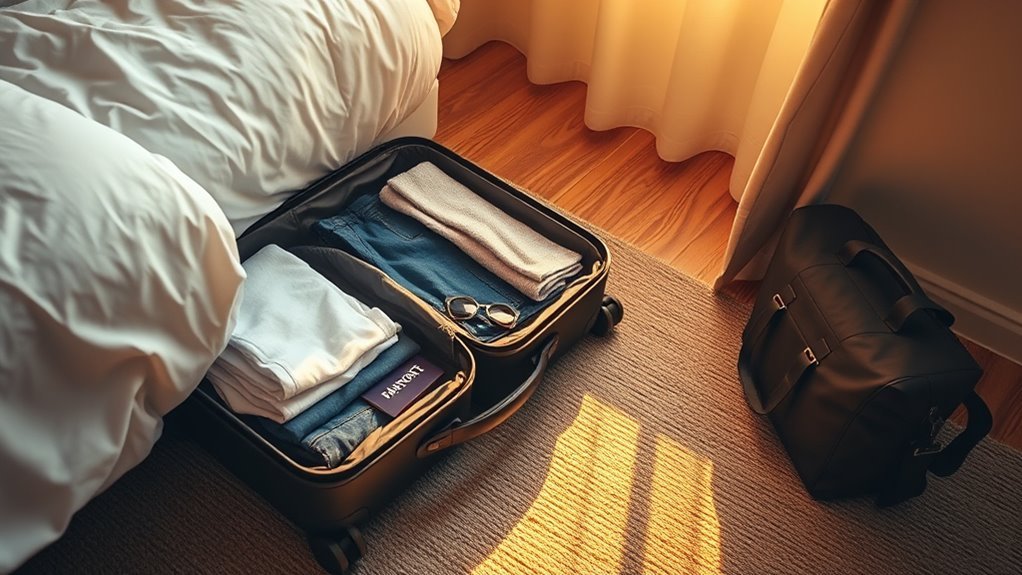
When you’re packing for a one-week trip, aim for a carry-on or a medium checked bag depending on your needs.
Choose a 20–22-inch carry-on if you pack light, want faster airport movement, and can compress outfits with packing cubes.
If you need more outfits, bulkier shoes, or toiletries, pick a 24–26-inch medium checked suitcase to avoid overstuffing.
Consider weight limits and how often you’ll move between locations; a lightweight shell helps.
Balance capacity with convenience: stay under airline size rules for carry-ons, and for checked bags, prioritize durable wheels and a manageable weight for handling. Additionally, be aware that size limits are strictly enforced to avoid any last-minute check-in surprises.
How to Decide Suitcase Size for Your Travel Style
If you favor fast airport moves and minimal laundry, pick a smaller 20–22-inch carry-on. If you value outfit variety, bulky gear, or fewer wash stops, choose a 24–26-inch checked bag.
Consider your trip rhythm: do you change looks nightly or stick to repeats? Factor activity type—formal events, hiking, or beachwear demand different space.
Think about packing style: rolling and compression vs. rigid cases. Account for souvenirs and toiletries. Remember how often you’ll access items on the go.
Match suitcase size to your tolerance for weight and fuss: choose the smallest bag that still fits everything you’ll realistically use. Additionally, knowing airline carry-on size limits can help ensure your luggage meets requirements and avoids potential fees.
Airline Size & Weight Rules That Affect Your Choice
Check the carry-on size limits for every airline you might fly, since a few centimeters can mean gate-checking your bag.
Also note weight allowances and how strict the carrier is—some charge hefty fees for overweight bags.
Those rules should guide whether you pack a lightweight checked suitcase or stick to a compact carry-on. Additionally, be aware of any alcohol declaration requirements to avoid potential fines or confiscation when traveling with beverages.
Carry-On Size Limits
Because airlines set different size and weight limits for cabin baggage, you’ll need to match your carry-on to the strictest rule for your itinerary. Check each carrier’s maximum external dimensions and note whether handles/wheels count. Measure your bag compressed and expanded; soft-sided bags often fit tighter spaces.
Consider hard-shell dimensions for protection but confirm overhead bin fit. Use a travel-sized bag that meets common limits to avoid gate checks.
- Compare airline dimension limits before booking.
- Choose a bag that measures under the smallest allowed size.
- Verify cabin fit at home using a measured mock test.
Weight Allowances & Fees
Airlines treat weight differently, so you’ll want to factor limits and fees into your bag choice from the start. Check your carrier’s checked and carry-on weight caps—some allow 7–10 kg for carry-ons, others 10–14 kg.
Checked-bag limits commonly sit at 20–23 kg; exceeding that triggers hefty overweight charges or a second-bag fee. Low-cost airlines often charge for any checked luggage, so prepay online to save.
Use a compact scale, pack versatile clothing, and prioritize dense items in your personal item if weight’s tight.
Confirm rules for connections and frequent-flier benefits that may raise your allowance.
Carry‑On Dimensions That Fit Most Airlines
If you want a carry-on that works for most carriers, aim for a bag no larger than about 22 x 14 x 9 inches (including wheels and handles). That size typically clears gate checks and fits overhead bins; measure with exterior dimensions and test pockets packed. Consider materials and expandable sections since airlines enforce total size.
- Measure: include wheels, handles, and any external pockets when checking dimensions.
- Choose: hard or soft shell based on durability and weight—soft gives slight compression space.
- Confirm: check your specific airline’s rules before travel and note budget carriers’ stricter limits. Additionally, be aware that customs clearance procedures can vary by airport, potentially impacting your luggage handling.
Can You Fit a Week Into a Carry‑On?
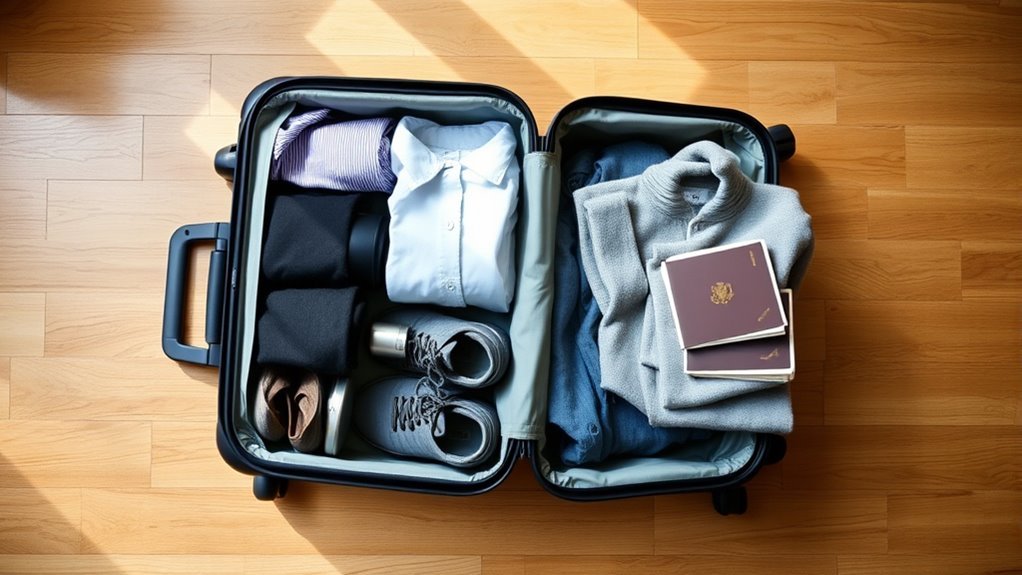
You can pack a week into a carry-on if you use smart packing light strategies and focus on versatile pieces. Roll clothes, use packing cubes, and limit shoes and bulky items to save space. With careful planning you’ll maximize carry-on capacity without sacrificing essentials. Additionally, local demand and market factors can influence what you choose to pack, ensuring you’re prepared for various travel situations.
Packing Light Strategies
Although it takes planning and restraint, you can comfortably fit a week’s worth of essentials into a single carry‑on by choosing versatile clothing, minimizing duplicates, and relying on smart packing techniques. You’ll pick neutral pieces that mix and match, limit shoes to two pairs, and pack lightweight fabrics that wash and dry fast.
Use travel‑size toiletries and wear bulkier items on the plane. Roll clothes to save space and prevent wrinkles, and pack outfits by day to avoid overpacking. Keep a simple laundry plan.
Focus on essentials, ditch “just in case” items, and commit to a capsule approach.
- Pick versatile, interchangeable pieces
- Limit shoes and duplicates
- Plan quick laundry routines
Maximizing Carry‑On Space
Taking those packing-light habits a step further lets you squeeze a full week into a single carry-on without feeling squeezed. You’ll prioritize versatile pieces, rolling clothes to save space, and stuffing shoes with socks or small items.
Use packing cubes to compress and organize outfits by day or activity. Limit shoes to two pairs and pick neutral colors that mix easily.
Wear your bulkiest items on the plane. Choose travel-size toiletries or solid alternatives and stash tech and documents in exterior pockets for quick access.
Weigh your bag at home to avoid surprises and adjust contents before departure.
Small Checked Bag Sizes for a Fuss‑Free Week
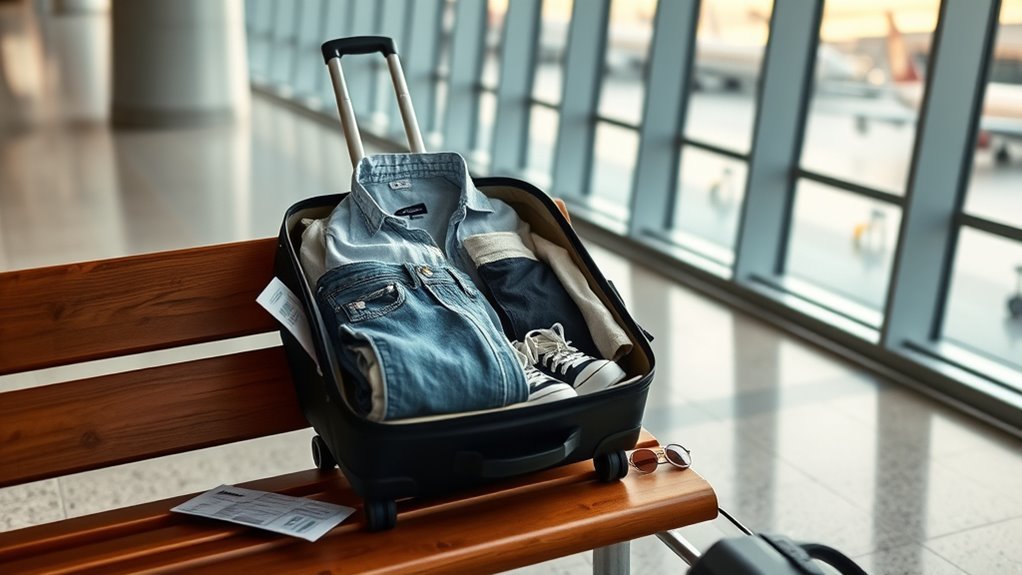
For a fuss‑free week away, pick a small checked bag that balances capacity with maneuverability so you won’t juggle bulky luggage through trains, taxis, or tight hotel elevators. Choose a lightweight 22–24-inch spinner that fits 40–60 liters; it holds outfits, shoes, and toiletries without overpacking.
Look for sturdy wheels, a telescoping handle, and easy‑access exterior pockets so you can move fast and stay organized. Consider soft-sided options for flexible fit in tight spaces.
Pack cubes and a compression bag to maximize room. Maintain a modest weight to avoid fees and make transfers smoother.
- Size: 22–24 in / 40–60 L
- Features: spinner, pockets, handle
- Packing: cubes, compression
Medium Checked Suitcase Sizes for a 7‑Day Trip
If the 22–24‑inch option feels tight when you plan extra shoes, a jacket, or souvenirs, step up to a medium checked suitcase (25–27 inches, roughly 65–85 liters). You’ll gain structured packing room without dragging an oversized bag.
Use packing cubes to separate outfits, toiletries, and electronics; roll softer items to maximize space and protect wrinkles with a garment folder for dressier pieces. Place heavier items near wheels for stability. Reserve an external pocket for travel documents and a light layer.
Check airline weight limits to avoid fees, and leave a little spare capacity for purchases or damp items on return.
What Suitcase Volume (Liters) You Need for Seven Days
When you pack for seven days, aim for roughly 40–70 liters depending on your wardrobe and extras. Choose closer to 40–50 L if you’ll wear versatile outfits, rewear items, and pack light toiletries.
Pick 50–60 L for a mix of casual and dress clothes with room for shoes. Go toward 60–70 L if you need bulkier items, extra shoes, or gifts on the return.
- 40–50 L: minimalist, efficient packing
- 50–60 L: balanced for most travelers
- 60–70 L: bulkier clothing, extra gear
Measure packed volume and avoid overstuffing.
Hard‑Shell vs Soft‑Shell: Pros and Cons
Wondering whether to pick hard‑shell or soft‑shell luggage? You’ll favor hard‑shell if you want rigid protection for fragile items, better water resistance, and a sleeker look.
Hard cases resist crushing and often lock securely, but they can scuff, offer less exterior packing flexibility, and may weigh more.
Soft‑shell bags compress into tight spaces, usually weigh less, and provide exterior pockets for quick access. They flex under pressure but risk abrasion and moisture penetration.
Choose based on what you pack: fragile, structured items push you to hard‑shell; flexible, overpacked, or pocket‑needing trips point toward soft‑shell.
Spinner or Two‑Wheel: Which Is Easier for a Week?
Although both spinner and two‑wheel suitcases will get you through a week, your itinerary and handling preferences determine which feels easier.
Spinners glide upright on four wheels for smooth, low‑effort rolling in airports and hotels.
Two‑wheel (roller) cases lean and roll behind you better over uneven sidewalks, curbs, and packed streets.
Choose based on terrain, carrying needs, and packing style:
- Spinner — best for flat surfaces, frequent stops, and quick maneuvering.
- Two‑wheel — better over rough ground, stairs, and crowded streets.
- Hybrid choice — consider compact two‑wheel or high‑quality spinner with larger wheels.
Choose by Body Type & Mobility Limits
Think about how your body shape affects lifting and carrying; a wide-hipped or petite frame might prefer a lightweight carry-on you can wheel rather than shoulder.
If you have mobility restrictions or joint pain, choose spinner wheels and a telescoping handle to minimize lifting and awkward angles.
Match the bag size to what you can comfortably manage for stairs, curbs, and crowded spaces.
Body Shape And Carrying
When planning your luggage, match the bag to your body and how you carry weight. Choose a case that sits comfortably—hip-level bags suit shorter torsos; taller people handle rolling suitcases easily. Think about strap width, padding, and balance to avoid strain.
- Select: compact roller for long legs, backpack with sternum strap for broad shoulders, or duffel with shoulder pad for narrow frames.
- Test: lift packed bag from floor to overhead to gauge strain and center of gravity.
- Adjust: redistribute contents, use compression, or add waist straps to keep load stable and comfortable.
Mobility Restrictions Impact
Your body type and how you carry weight affect more than comfort—they shape what mobility limitations you’ll face and which luggage will work for you.
If you have limited stamina, joint issues, or balance concerns, choose lightweight, upright spinner suitcases you can push or roll with minimal effort.
If one shoulder or arm is weaker, avoid heavy backpacks; pick wheeled carry-ons with easy-to-grip handles.
For reduced bending or knee problems, look for bags with top and side handles at reachable heights.
Consider luggage with smooth wheels, stable frames, and organized compartments to minimize packing/unpacking strain and repeated movements.
Packing Styles: Minimalist vs Bring‑Options
Although you can pack for a week with just a carry‑on, many travelers choose between a minimalist kit and a “bring‑options” approach based on how they value convenience, outfit variety, and peace of mind. You’ll pick minimalism if you want light, fast movement and fewer decisions; choose bring‑options if you prefer outfits for different plans and backups for weather or spills.
Decide by trip type, laundry access, and tolerance for extra weight. Consider these quick cues:
- Minimalist: fewer pieces, mix-and-match, lighter bag.
- Bring-options: extra outfits, specialty items, heavier bag.
- Hybrid: strategic extras, balanced weight.
Capsule Wardrobe Targets for One Week
If you want a capsule wardrobe that covers a week without excess, aim for pieces that mix easily, layer well, and serve multiple occasions.
Pick a neutral base: two tops, three bottoms, and a lightweight sweater or blazer that transforms casual to smart.
Add one versatile dress or jumpsuit if you wear them, plus a compact rain layer.
Include underwear and socks for seven days, one set of sleepwear, and two shoes: comfortable walking and a smarter pair that still packs small.
Choose fabrics that resist wrinkles and wash quickly so you can refresh items midweek.
How Many Outfits & Shoes Fit Each Size
If you’re flying carry-on only, you’ll usually fit about 3–5 outfits plus one to two pairs of shoes depending on fabric and packing method.
A checked suitcase gives you room for roughly 7–10 outfits and extra shoes, so you can pack dressier or bulkier items.
Think about outfit combinations and shoe versatility to maximize each bag’s capacity.
Carry‑On Packing Capacity
When you’re choosing a carry-on, think about how many outfits and shoes you’ll realistically need rather than just the bag’s exterior dimensions.
You’ll fit roughly three to five outfits in a compact carry-on if you roll clothes and use packing cubes, plus one pair of bulkier shoes and a lightweight pair.
A standard 20–22″ carry-on often holds:
- 3–5 outfits, 1 pair bulky shoes, 1 light pair
- 4–6 outfits with compression, 2 casual shoes
- 5–7 outfits if you wear your bulkiest items, 2 shoes
Prioritize versatile pieces and wear heavier items on travel days.
Checked Bag Outfit Count
You’ve seen what a carry-on can handle, so let’s look at checked bags and how many outfits and shoes each size holds.
A 24–26 inch suitcase typically fits 7–10 outfits, including layered pieces, plus 2–3 pairs of shoes if you nest soft items around them.
A 27–30 inch bag holds 10–14 outfits and 3–4 pairs of shoes, handy if you need formal wear or bulkier items.
Gigantic 30+ inch trunks manage 14+ outfits and 4–6 shoes but add weight and fees.
Roll clothes, use packing cubes, and limit duplicate items to maximize space.
Toiletries: Packing by Size and Airline Rules
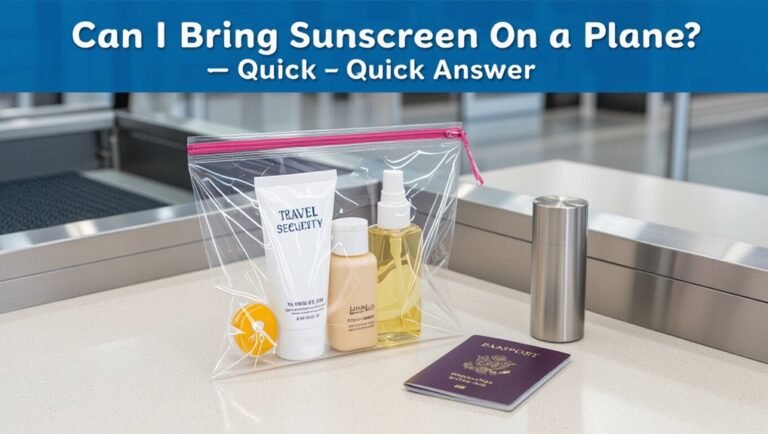
Because airlines strictly limit liquids and gels in carry-on bags, plan what toiletries you’ll bring based on both size and necessity. Choose travel-sized containers (100 ml/3.4 oz or smaller) and pack them in a clear quart bag for security.
Prioritize multi-use items and solid alternatives to save space and avoid leaks.
- Bring solids: bar soap, shampoo bars, solid deodorant.
- Use travel bottles: sunscreen, moisturizer, contact solution in approved sizes.
- Pack essentials only: toothbrush, small toothpaste, razor; leave duplicates at home.
Check airline rules for exceptions and zip everything closed to prevent spills.
Where to Stash Electronics and Chargers
Keep your electronics neatly in a dedicated tech organizer so cords won’t tangle and small items won’t get lost.
Slip the organizer into an easy-access carry-on pocket for charging between connections or quick airport checks.
That setup keeps everything protected and within reach when you need it.
Dedicated Tech Organizer
Where will you keep your phone, laptop charger, earbuds, and spare battery so they’re easy to find and protected? A dedicated tech organizer keeps everything neat and prevents cords from tangling. Choose a slim, padded pouch with labeled pockets and a zip or magnetic closure.
Stash chargers, adapters, and a power bank in the main compartment; earbuds and cables in smaller mesh pockets; and memory cards or dongles in a secure zip slot.
Consider water-resistant fabric and a handle for quick retrieval. Pack it near the top of your suitcase for easy access during transit.
- Main compartment: chargers and power bank
- Mesh pockets: cables and earbuds
- Zip slot: small accessories
Carry-On Access Pocket
If you want your phone, laptop charger, and earbuds within arm’s reach during the flight, pick a dedicated access pocket on your carry-on that’s easy to reach and secures small electronics. Position it near the top or front so you won’t dig through clothing.
Look for padded lining, zip or magnetic closure, and internal dividers to prevent cords tangling and devices scratching. Use a small pouch for power banks and adapters to meet TSA rules and avoid loose batteries.
Keep essential cables coiled and labeled. That pocket becomes your inflight tech hub—organized, accessible, and compliant with airport security.
How to Pack Souvenirs Without Overweight Fees
When you bring back souvenirs, prioritize lightweight, compact items and plan in advance to avoid surprise overweight fees. Choose souvenirs that fold, nest, or compress so they fit into gaps. Weigh items before packing and reserve space for them in your bag. Carry fragile or heavy purchases in your carry-on when possible.
- Buy soft, lightweight goods (scarves, tees, socks).
- Use existing items as protection (wrap with clothing).
- Weigh and redistribute: shift weight to underused pockets.
You’ll avoid fees by planning purchases, tracking weight, and keeping bulky or heavy buys minimal.
Use Packing Cubes to Maximize Capacity
Although you might think stuffing clothes directly into your suitcase saves time, packing cubes actually help you fit more and stay organized. Use several sizes: small for underwear and socks, medium for shirts, large for bulkier items.
Compressible cubes reduce air pockets and let you stack layers neatly, so you exploit every inch of luggage. Label or color-code cubes to find outfits fast without unpacking. Keep dirty clothes in a separate cube to protect clean items.
Choose lightweight, durable cubes with smooth zippers to avoid added weight. You’ll streamline packing, save space, and speed up airport routines.
Roll, Fold, or Bundle: Best Packing Techniques
Decide whether rolling or bundling fits your trip: rolling saves space and lets you squeeze more into a carry-on.
If you’re packing dressier items, bundle wrapping keeps wrinkles to a minimum.
Try both on a trial pack to see which method gives you the best fit for your luggage.
Roll For Space
If you want to maximize space and minimize wrinkles, rolling is your go-to packing method. You’ll fit more, see everything at a glance, and avoid bulky folds.
Roll lighter items tightly, compress sweaters loosely, and slide rolled garments into corners to stabilize the load. Use packing cubes to group outfits and keep rolls compressed.
For delicate fabrics, roll with tissue or a thin layer to prevent creasing. When unpacking, unroll promptly to reduce set-in wrinkles.
Practice a few configurations at home to learn how many rolls your chosen suitcase will accept.
- Roll by fabric weight
- Use cubes
- Pack strategically
Bundle For Wrinkles
When you want the crispest, least-wrinkled results for dressier items, bundle-wrapping beats rolling and folding: you layer garments around a central core so outer pieces stay smooth and inner seams absorb bulk.
You start with a soft core—socks or a small pouch—then place shirts, trousers, and dresses flat, alternating direction as you add layers.
Wrap by folding sleeves inward and encircling the bundle, smoothing each layer to prevent creases.
Use tissue between delicate fabrics and secure with a lightweight compression strap or tie.
Bundle fits best in carry-ons with flexible sides and keeps outfits travel-ready.
Wear Bulky Items to Save Suitcase Space
Because bulky coats and boots take up the most room, wear them on travel days to free suitcase space for outfits and souvenirs. You’ll stay warm and avoid cramming heavy items inside your bag. Choose a lightweight travel coat and pack compressible footwear if possible. Keep essentials accessible so you won’t dig through a packed case at security or arrivals.
- Wear your bulkiest coat and boots on the plane or in transit.
- Use a backpack or tote for items you remove during travel.
- Stow one spare bulky item in a compression sack if needed.
Layering Outfits to Cut Packing Needs
Start with neutral base layers so everything coordinates easily.
Mix and match a few basics to create multiple outfits without extra pieces.
Add a lightweight outer layer you can wear over several looks to stay warm without packing bulky coats.
Start With Neutral Layers
If you build your wardrobe around a few neutral layers, you’ll cut what you pack and make every outfit work together. Start with a base palette—think black, navy, grey, beige—and add versatile pieces that layer easily.
Choose fabrics that convert between temperatures and activities, like lightweight knits and a thin shell. Pack items that serve multiple roles: a cardigan for warmth and style, a blazer that dresses up, and a compact jacket for rain or wind.
Keep patterns minimal so layers blend smoothly.
- Cardigan/blazer
- Lightweight shell/jacket
- Neutral tees/long-sleeves
Mix And Match Basics
When you choose a few simple, well-fitting basics in complementary colors, you’ll be able to layer them into multiple outfits without overpacking. Pick 3 tops, 2 bottoms, and a dress or skirt that coordinate; neutral tones plus one accent color keep looks cohesive.
Use thin layers—tees, lightweight knits, camis—that mix easily and handle warmth changes. Swap accessories and footwear to vary silhouettes and formality.
Roll or fold items to maximize space and reduce wrinkles. Plan outfits rather than random pieces: build three daytime looks, one evening set, and a backup, so you bring only what you’ll actually wear.
Use Lightweight Outerwear
To stretch those mix-and-match basics further, bring one or two lightweight outer layers you can wear over multiple outfits. You’ll save space and adapt to changing weather without extra bulk. Pick neutral colors and fabrics that compress easily, like thin down, a packable rain shell, or a light knit cardigan.
They’ll dress up tees, tame casual dresses, and add warmth on planes.
- Choose a compressible jacket for warmth without weight.
- Pack a water-resistant shell for rain and wind.
- Bring a versatile cardigan or blazer to layer over day-to-night looks.
Laundry Options That Reduce What You Pack
Because you can refresh clothes on the road, planning for laundry lets you pack fewer items without sacrificing outfit options. You’ll save space by choosing quick-dry fabrics, packing a travel detergent sheet, and scheduling midweek wash stops. Hand-wash basics in a sink, hang them to dry overnight, or use hotel laundry and local laundromats for larger loads.
| Method | Time | Cost |
|---|---|---|
| Hand-wash | Overnight | Minimal |
| Hotel service | 24–48 hrs | Higher |
| Laundromat | 1–2 hrs | Moderate |
| Laundry bag | Trip-long | Low |
Think: fewer outfits, smarter rotation, lighter luggage.
How Weather & Activities Change Size Needs
If you expect sun and shorts or rain and layers, your clothing and bag choice will change considerably. You’ll pick fabrics, shoes, and outerwear based on forecast and planned activities. Pack smart: prioritize versatile items and think about space for bulky layers or wet gear.
Consider activity-specific needs—hiking boots, beachwear, or dress shoes—and count outfits against laundry options. Use compression sacks for cold-weather bulk and waterproof bags for wet days. Check airline weight limits if you’ll add gear.
Factor activities into packing—boots, swimwear or formal shoes—plan outfits, use compression sacks and waterproof bags, and watch airline weight limits.
- Bulky cold or rain gear increases volume.
- Active/outdoor gear needs dedicated space.
- Warm-weather travel saves room.
Business vs Leisure: Luggage Choices Compared
Weather and activities shape what you pack, and your trip purpose further refines that choice: business travel usually demands structured garments, carry-on-friendly suitcases, and wrinkle-resistant packing.
While leisure trips let you prioritize volume, comfort, and extras like beach gear or camera bags. For business, you’ll pick a compact spinner or carry-on with garment compartment, limit shoes, and use packing cubes to keep outfits crisp.
For leisure, a larger checked bag or roomy 45–55L carry-on gives flexibility for casual wear, bulky items, and souvenirs. Match bag size to itinerary, transit ease, and how often you’ll need to refresh your wardrobe.
Family Travel: Coordinating Suitcase Sizes
When you travel as a family, make sure everyone’s carry-ons meet the same airline dimensions so bags fit in overhead bins without a struggle.
Assign one or two checked bags for shared items like snacks, toiletries, and a basic first-aid kit to avoid duplicate packing.
Coordinate who brings what ahead of time so you keep suitcases compact and balanced.
Matching Carry-On Dimensions
Because coordinating carry-on sizes keeps boarding and storage simple, plan your family’s suitcases around a single dimension standard so bags stack neatly in overhead bins and you avoid gate-check hassles. You’ll save time and stress by matching height, width, and depth so every bag fits the same airline limits.
Agree on a maximum external measurement, then check each airline’s rules before travel. Consider wheel and handle profiles too. Use lightweight, durable materials so you can pack efficiently.
- Pick one max dimension for all bags
- Verify airline size allowances
- Test stack and fit in a car trunk
Sharing Packed Essentials
After you’ve aligned bag dimensions, decide which items everyone can share to save space and avoid duplicate weight. Assign communal items—toiletries, sunscreen, medicines, a universal charger, and a compact first-aid kit—to one or two designated bags.
Choose a parent or responsible traveler to carry heavier shared gear like a travel iron or extra shoes. Pack duplicates only when necessary for hygiene or simultaneous use.
Label which bag holds what and agree on access protocol at hotels and transit. Sharing reduces total luggage volume, evens out weight, and simplifies airport checks while keeping essentials reachable.
Weekend Bag + Checked Bag: A Flexible Combo
If you want flexibility without overpacking, pair a roomy weekend bag you can carry on with a larger checked suitcase for bulkier items. You’ll enjoy quick access to essentials while stowing shoes, toiletries, and extra layers in the checked bag.
Use packing cubes to separate outfits and protect fragile items; keep a small laundry bag for dirty clothes.
At your destination, the weekend bag doubles as a daypack or overnight carry for side trips.
- Weekend bag: daily items, electronics, documents
- Checked bag: shoes, heavy coats, backup outfits
- Strategy: cubes, list, laundry bag
Choose a Carry‑On That Passes Strict Gate Checks
When you pick a carry‑on, check the airline’s gate size measurements so your bag won’t get rejected at boarding.
Pick a soft‑sided or compressible bag if you expect tight overhead bins and be ready to adjust contents on the spot.
Know common gate‑check policies—fees, tags, and whether you can request to keep it with you—to avoid surprises.
Gate Size Measurements
Because gate agents enforce strict size checks, you should pick a carry‑on that comfortably fits their sizers rather than one that just barely squeezes in. Measure height, width, and depth including wheels and handles so your bag truly matches airline limits.
Check the airline’s published dimensions and compare to the sizer slots at gates when possible. Aim for a small margin to avoid surprises.
- Measure total external dimensions (wheels/handles included).
- Compare to airline maximums and typical sizer openings.
- Leave a 1–2 cm buffer to account for variances and wear.
This keeps your bag accepted and boarding smooth.
Gate-Check Policy Tips
Although gate agents can be strict, you can avoid last-minute gate checks by choosing a carry-on that clearly meets both the airline’s published dimensions and the typical sizer openings used at boarding.
Measure your packed bag including wheels and handles, and aim for slightly under the limit to account for measuring variance.
Choose a firm-sided bag that slides into sizers more easily than soft, bulging duffels.
Know your airline’s policy and any fare differences for overhead space.
If gate staff still insist, be polite and ask about gate-check tags and retrieval procedures so you’re prepared and calm.
Weight Distribution Tips to Avoid Overweight Fees
If you want to dodge overweight fees, start by distributing heavier items close to the suitcase wheels and spine so your bag stays balanced and easier to lift onto scales. You’ll reduce strain and make weight checks predictable.
Use compartments and packing cubes to control bulk and shift weight as needed. Weigh your bag at home and adjust before you leave.
Use packing cubes and compartments to tame bulk—shift weight easily and weigh your bag at home before you go.
- Place shoes, toiletries, and dense items at the base near wheels.
- Layer clothes rolled around heavy pieces to stabilize load.
- Keep frequently removed items near the top to avoid repacking.
Check airline limits and tweak distribution accordingly.
Smart Luggage Features Worth Buying
Think about smart features that actually make travel easier, like a built-in phone charger to keep your devices powered during long days.
GPS and tracking can save you hours of worry if your bag goes missing.
Weight-sensing wheels help you avoid surprise fees by showing if you’re within limits before you check in.
Built-In Phone Charger
Ever wish your phone still had juice after a long travel day? A built-in phone charger in your suitcase keeps devices powered without hunting for outlets. You’ll appreciate reliability, easy access, and streamlined packing. Consider these points:
- Battery capacity: choose one matching your phone’s needs for a full charge.
- Portability: check removable power banks to comply with airline rules and simplify security screening.
- Convenience features: look for quick-charge ports, cable management, and external USB ports for charging on the go.
You’ll travel lighter and stay connected, but always confirm airline policies and charge status before departure.
GPS And Tracking
Where will your bag end up when it’s out of sight? You’ll want GPS and tracking so you can locate luggage fast if it wanders. Choose trackers with real-time location, long battery life, and global coverage or hybrid Bluetooth fallback for airports.
Verify encryption and privacy policies so your movements stay secure. Look for easy setup, reputable app support, and replaceable batteries or charging via USB. Remember airline rules: some built-in batteries aren’t allowed in checked bags.
With the right tracker, you’ll reduce stress, speed up recovery, and keep better control over your belongings during a one-week trip.
Weight-Sensing Wheels
Tracking helps you find a lost bag, but it won’t stop you from hitting airline weight limits—weight-sensing wheels do. You’ll know load before check-in because sensors in the wheel hubs measure weight and display it on a handle screen or app. That prevents surprises and extra fees.
- See exact weight instantly so you can redistribute items.
- Get alerts when you’re near the airline limit, avoiding last-minute repacking.
- Use historical weight data to plan future packing and stay efficient.
Choose models with reliable calibration, durable wheels, and easy-to-read displays for one-week trips.
Materials That Stand Up to a Week of Travel
When you’re packing for a week away, choosing the right luggage material matters—durable fabrics like ballistic nylon and polycarbonate shells resist scuffs and tears.
Water-resistant coatings and reinforced stitching keep your gear protected from rain and rough handling.
Pick hard-shell if you want rigid protection for fragile items and easy wiping of dirt.
Choose soft-shell for external pockets and slight compression.
Look for abrasion-resistant denier ratings, impact-tested shells, and sealed zippers to keep moisture out.
Lightweight composites balance durability and carry weight.
Test handles and seams for flex—materials fail at stress points, not flat surfaces.
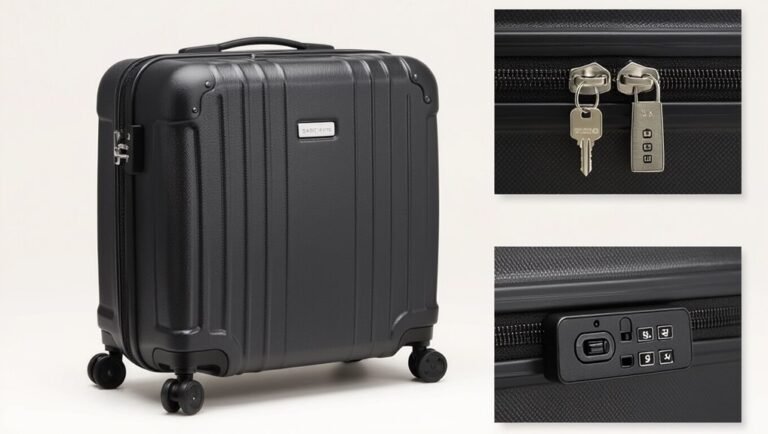
Security Features to Protect Valuables
If you’re carrying valuables on a weeklong trip, prioritize luggage with built-in security features that deter theft and keep items accessible only to you. Choose lockable zippers with TSA-approved combination locks, a slash-resistant exterior or reinforced panels, and interior compartments that conceal passports, electronics, and jewelry. Consider bags with RFID-blocking pockets to protect cards and passports from skimming. Use a cable tether or integrated anchor to secure your bag in transit. Always test locks and pockets before travel and keep combinations separate from your luggage. These measures reduce risk and let you focus on your trip with greater confidence.
- Lockable zippers (TSA-approved)
- Slash-resistant panels and tethers
- RFID-blocking pockets and hidden compartments
Budget Luggage Options That Still Work
Although you don’t have to spend a lot to get reliable luggage, focus on durable materials, functional organization, and a few key features like smooth wheels and a solid handle.
You don’t need to splurge—pick durable materials, smooth wheels, a sturdy handle, and smart organization for reliable luggage.
Choose a hard-shell carry-on around 20–22 inches or a soft-sided 24-inch checked bag with reinforced seams.
Look for spinner wheels, telescoping handles, and interior dividers or compression straps.
Read reviews for durability and warranty length.
Consider brands known for budget performance and seasonal sales.
A well-chosen inexpensive bag will hold a week’s clothes, resist scuffs, and save you hassle without pricey bells you won’t need.
Premium Luggage: Is It Worth It for Weekly Trips?
Wondering whether splurging on premium luggage pays off for a weeklong trip? You’ll get better materials, smoother wheels, and smarter organization that reduce hassle and wear.
For clear decision-making, consider:
- Durability: premium shells and zippers resist damage, so you replace less often.
- Convenience: lighter construction and superior wheels mean easier transit and less fatigue.
- Warranty & service: repairs and guarantees can save money over repeated budget replacements.
If you travel often or value reliability and ease, premium gear can be worth it. If trips are rare, a midrange bag usually covers weeklong needs effectively.
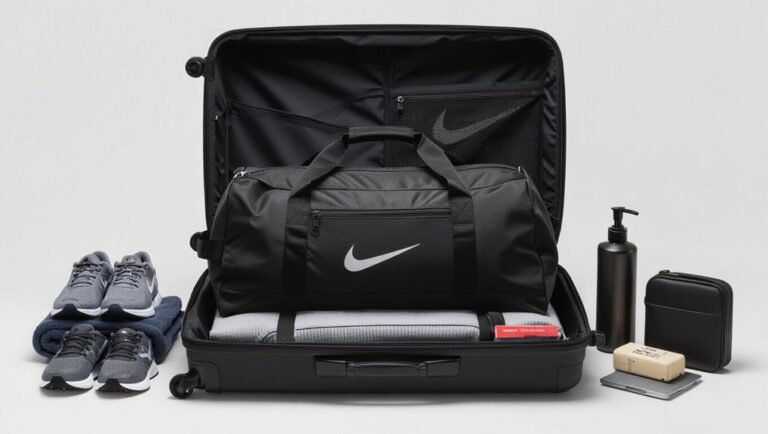
What to Pack in Your Personal Item vs Suitcase
For a one-week trip, you’ll want to keep carry-on essentials like a change of clothes, basic toiletries, and a charger in your personal item so you’re covered if your checked suitcase is delayed.
Pack most of your outfits and bulkier items in the suitcase to save space and keep everything organized.
Stash valuables and important documents in your personal item so they’re always with you.
Carry-On Essentials Only
When you’re committing to carry-on essentials only, prioritize items that keep you comfortable, organized, and ready for delays—think a compact toiletry kit, a versatile outfit, chargers and a battery bank, travel documents, and any meds or valuables you can’t afford to lose.
Pack your personal item with in-flight comforts: noise-canceling earbuds, a lightweight scarf or layers, snacks, and a slim toiletry pouch with liquids under limits. Keep bulky or replaceable items in your suitcase alternative.
Prioritize easy access and weight distribution so your bag fits under the seat and you can move quickly through security.
- Toiletries & meds
- Electronics & chargers
- Documents & valuables
Clothing In Suitcase
Because you’ll wear your bulkiest layers on the plane, pack the rest of your clothing in the suitcase and keep your personal item for one or two quick-change pieces and immediate-access items like underwear, a fresh shirt, and a lightweight layer. This lets you streamline airport changes, handle delays, and avoid digging through your main bag mid-trip.
Roll shirts, fold heavier items, and use packing cubes to separate outfits. Reserve suitcase space for shoes, pajamas, extra bottoms, and laundry bag.
Keep a compact toiletry kit and a spare pair of socks in your personal item for overnight comfort if bags are delayed.
Valuables And Documents
Although you’ll keep bulkier items in your suitcase, stash passports, boarding passes, credit cards, phone, chargers, and any jewelry or prescription meds in your personal item so they stay accessible and secure. Keep copies of documents tucked separately in your luggage. Organize valuables to minimize risk and speed through checkpoints.
Consider a slim travel wallet, a small lock for your bag, and an encrypted digital copy of IDs.
- Pack essentials: passport, cards, meds
- Secure extras: jewelry, charger cables, backup cash
- Backup copies: scans saved offline and emailed to yourself
Airport Transfer & Storage: Size Considerations
How will the size of your luggage affect airport transfers and short-term storage? Choose luggage that’s easy to maneuver through crowds and fits taxi trunks or shuttle compartments. Bulky bags slow you down and may incur handling fees.
For short-term storage at airports or hotels, smaller cases fit lockers and storage rooms more reliably. Wheels, a retractable handle, and a slim profile let you board shuttles and move between terminals quickly.
If you’ll use baggage storage services, check their size limits ahead. Opt for a carry-on or compact checked bag so transfers stay smooth and storage stays straightforward.
Cruise, Train, or Road Trip: Size Priorities
After thinking about airport transfers and storage, remember that cruises, trains, and road trips each demand different luggage shapes and handling. You’ll choose by access, stowage, and mobility:
After airport transfers, pick luggage by access, stowage, and mobility for cruises, trains, and road trips.
compact carry-ons work on trains, soft duffels fit car trunks, and wheeled suitcases ease gangway lifts on ships. Prioritize low profiles for under-seat or berth spaces, flexible bags for tight trunks, and durable wheels for terminal-to-cabin rolls.
- Cruises: hard-shell or compact spinner for corridor fits and crew handling.
- Trains: soft or expandable bag for overhead or under-seat storage.
- Road trips: flexible duffel for trunk shaping.
Packing List Templates by Suitcase Size
Because suitcase size dictates what you’ll pack and how you’ll organize it, use tailored templates to maximize space and minimize decision fatigue.
For a small carry-on, prioritize versatile layers, three tops, two bottoms, compact toiletries, and chargers; roll clothes and stash socks in shoes.
For a medium checked bag, add an extra outfit, light jacket, and bulkier shoes; use packing cubes to separate clean and dirty items.
For a large suitcase, include dressier options, bulky outerwear, and spare shoes; keep essentials in a small daypack.
Always list items by outfit and function, then edit down to essentials.
Example: Packing a Week Into a 40L Bag
If you’re working with a 40L bag, you can comfortably fit a full week’s wardrobe without overpacking—just plan outfits around versatile pieces and smart organization. Pack lightweight tops (5), one pair of jeans, one pair of travel pants, and a dress or smart shirt for evenings.
With a 40L bag you can fit a week’s wardrobe—plan versatile pieces, roll clothes, and pack smartly.
Roll clothes to save space and use packing cubes to separate outfits and dirty laundry.
Limit shoes to two pairs: sneakers and a dressier pair.
Carry travel-size toiletries and a compact towel.
Keep chargers and documents in an easy-access pocket to avoid digging through your bag.
- Versatile layers
- Packing cubes
- Two shoes
Example: Packing a Week Into a 70L Bag
With a 70L bag you can bring a full week’s wardrobe plus extras for activities or variable weather, so plan with zones for clothing, shoes, gear, and bulkier items like a jacket or toiletry kit.
Pack rolled casuals and dress pieces in one compartment, reserve a compression cube for underwear and socks, and stash pajamas in an easily reachable pocket.
Use a shoe bag for two pairs—casual and nicer—and tuck the jacket along the bag’s perimeter.
Reserve top-access space for toiletries and electronics.
Carry a lightweight daypack inside for excursions.
Weigh and rebalance before zipping to avoid strain.
How to Test a Suitcase at Home Before Buying
Before you commit to a suitcase, test how it handles real-life use at home so you won’t be surprised later. Pack it with typical items—clothes, shoes, toiletries—to judge capacity and balance. Roll it on different floors, tackle thresholds and tight turns, and listen for rattles or weak wheels.
Test a suitcase at home: pack your usual week, roll it across floors and thresholds, and check pockets, handles, and wheels.
- Load: simulate your usual week’s kit and zip it closed to check strain.
- Maneuver: pull and push it, solo and with one hand, over carpet and tile.
- Inspect: open pockets, test handles, and weigh it; note durability and ease of access.
Common Packing Mistakes That Force Upgrades
Why are you still overstuffing that carry-on when you can streamline instead? You pack duplicates, bulky shoes, and full-size toiletries, then face gate-checking or paying for upgrades. You ignore versatile layers and forget laundry options, so you compensate with extra bags. You cram souvenirs without a plan, forcing last-minute purchases of larger luggage.
| Mistake | Fix |
|---|---|
| Duplicates | Plan outfits |
| Bulky shoes | Wear heaviest pair |
| Full-size toiletries | Use travel bottles |
| Souvenirs | Leave space or ship |
Cut extras, prioritize versatility, and you’ll avoid upgrade fees and travel stress.
Pre‑Flight Checklist to Avoid Surprises
You’ve trimmed your bag and avoided upgrade fees, but a smooth trip still depends on a quick pre‑flight sweep. Check these essentials so you won’t face last‑minute stress.
- Confirm documents: passport, ID, tickets, and any required visas or health forms are packed and accessible.
- Review liquids and meds: bottles follow airline rules; prescriptions are labeled and in carry‑on.
- Weight and dimensions: weigh your packed bag, measure dimensions, and compare with airline limits to avoid fees.
Do a last‑minute pocket and charger check, secure valuables, and zip everything shut before you head out.
Decision Flowchart: Pick the Right Suitcase Size
If your trip is seven days, pick a suitcase by matching your itinerary and packing style to three practical size options: a roomy carry‑on (35–40L) if you travel light and plan to rewear items, a mid‑size checked bag (60–70L) for a mix of outfits and shoes, or a large checked case (80–100L) when you need bulkier gear or formal wear. Use this quick flowchart: answer travel type, laundry access, and activity gear needs to land on one size. Follow the table to decide fast.
| Travel type | Laundry? | Gear needs |
|---|---|---|
| Business | No | Formal |
| Leisure | Yes | Minimal |
| Adventure | No | Bulky |
Frequently Asked Questions
Can I Use a Garment Bag Instead of a Suitcase for a Week?
Yes — you can use a garment bag instead of a suitcase for a week. It’ll keep suits and dresses wrinkle-free, but you’ll need to pack efficiently, choose a roomy bag, and accept limited space for shoes and toiletries.
How Do I Transport Fragile Items Besides Clothing?
Pack fragile items in padded cases or wrap them in clothing and bubble wrap, then place them center-most in your bag. Use hard-sided luggage, label as fragile, carry valuable or delicate pieces in your carry-on for safety.
Are There Luggage Size Hacks for International Train Compartments?
Yes — you can use slim, wheeled carry-ons that fit overhead or under seats, compress clothing, use soft-sided bags, pack collapsible totes for short trips, secure fragile items inside shoes or padded pouches, and label bags clearly.
What Insurance Covers Lost or Delayed Luggage for a 1‑Week Trip?
Travel insurance and many credit card travel protections cover lost or delayed luggage; you’ll need to file claims with receipts, proof of delay, and police or carrier reports. Check policy limits, exclusions, and claim deadlines before you travel.
How Do I Choose Luggage for Mobility Aids or Medical Equipment?
Pick rigid, wheels-first luggage sized to fit your mobility aids or medical gear, and prioritize TSA-compliant locks, padded compartments, easy access, clear labeling, lightweight build, and airline/medical device documentation to avoid damage or gate-check issues.
Conclusion
Choose a suitcase that matches your trip and travel style: a roomy carry‑on (about 40–45 L) if you pack light and want to avoid checked‑bag fees, or a 60–70 L checked bag if you need more outfits or gear. Check airline size and weight limits, test fit at home, and avoid overpacking with basics, rolling, and compression. Do a pre‑flight checklist so you’re not surprised at the airport and enjoy a smoother, lighter week away.