Where Do I Find My Tsa Number
Your TSA number is your Known Traveler Number (KTN) and you’ll find it in your Trusted Traveler approval email or by signing into your TTP/Global Entry account. It should also appear in booking profiles, airline confirmation emails, printed itineraries, and on paper or mobile boarding passes (look for “KTN,” “Known Traveler,” or “TSA Pre✓®”). If it’s missing, check airline traveler details or contact the carrier or TSA support — keep going for tips on fixes and timing.
Quick Answer: TSA Number = Known Traveler Number (KTN)
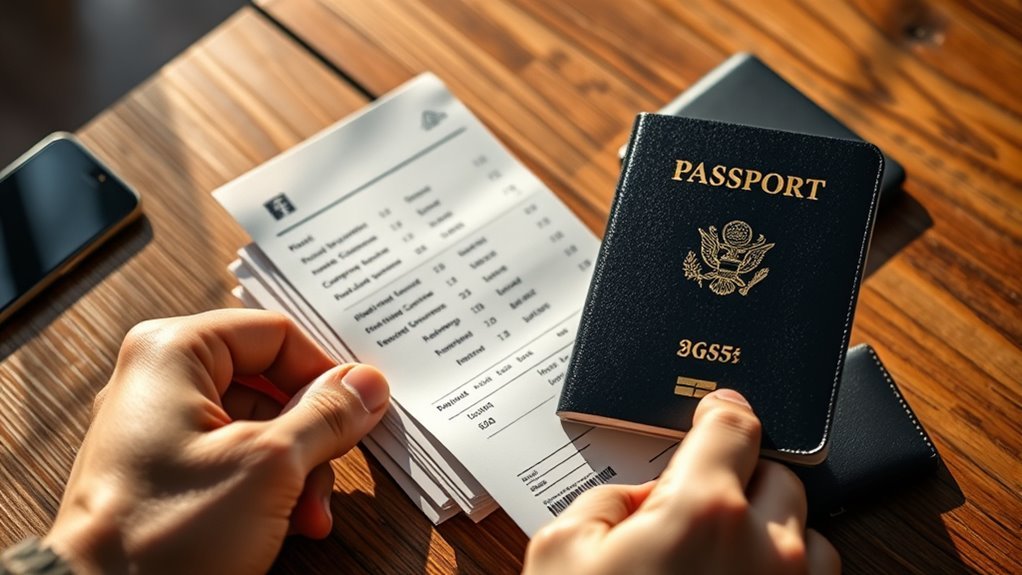
Though the term “TSA number” can sound vague, it’s the same thing as your Known Traveler Number (KTN). You’ll use it to link your travel profile to airline reservations, so carriers know you’ve completed vetting.
Your KTN appears in approval emails, on your Trusted Traveler program dashboard, or in your mobile app if you use Global Entry, TSA PreCheck, or NEXUS.
Find your KTN in approval emails, your Trusted Traveler dashboard, or the mobile app for Global Entry, TSA PreCheck, or NEXUS.
If you don’t see it, log into your account, check confirmation messages, or contact the program’s support.
Keep the KTN accurate in each reservation; a mismatch means you won’t receive any traveler benefits tied to it.
Why the KTN Matters for TSA PreCheck
Now that you know your Known Traveler Number (KTN) is what airlines need to recognize your vetting, understanding why it matters for TSA PreCheck helps you get the benefits you paid for. You’ll breeze through dedicated lanes, keep shoes and belts on, and avoid lengthy security lines when your KTN’s on the reservation. Always add it to profiles and every booking so airlines transmit it to TSA. If it’s missing, you may lose expedited screening. Check confirmations and call customer service if needed to attach your KTN before travel.
| Benefit | Impact |
|---|---|
| Dedicated lane | Faster entry |
| Fewer removals | Less hassle |
| Reliability | Consistent experience |
Where the KTN Appears on Paper Boarding Passes
When you get a paper boarding pass, check the top or middle section near your name and reservation details—airlines usually print the Known Traveler Number (KTN) as “KTN,” “Known Traveler,” or “PASSID” followed by the digits.
Look closely at both horizontal and vertical layouts; it may sit near frequent flyer info, ticket number, or reservation code. If you don’t see it, scan the barcode area and small text blocks—some carriers place the KTN in a condensed field.
Confirm the digits match your enrollment card. If it’s missing, contact the airline before security to have your KTN added to your reservation.
Where the KTN Appears on Mobile Boarding Passes
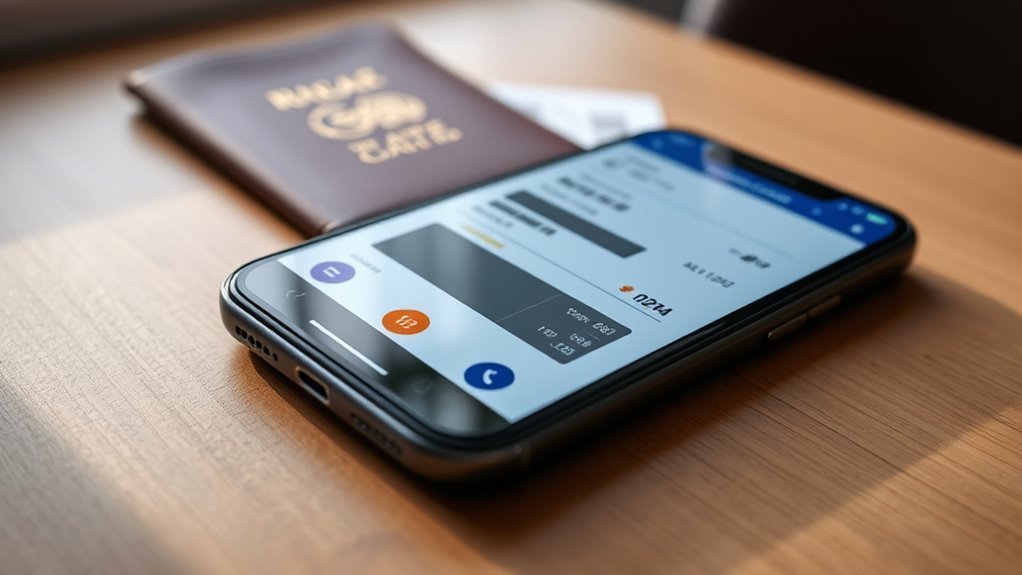
On mobile boarding passes, your KTN often shows near your name or under a section labeled “Known Traveler” or “TSA Pre✓®.”
Placement and wording can vary by airline, so check the passenger details, flight info, or an expanded view in the app.
If you don’t see it, open your airline profile or call customer service to add or confirm your KTN.
Where KTN Is Located
If you use a mobile boarding pass, your Known Traveler Number (KTN) usually appears near your passenger details or under a section labeled “Secure Flight” or “TSA Pre✓®”; check the passenger name area, reservation summary, or barcode info. You’ll find it as a short numeric code labeled KTN, Known Traveler, or Trusted Traveler. If it’s missing, confirm your reservation profile or add it before check‑in. Below is a simple layout showing where to look quickly:
| Location | Label | Typical Format |
|---|---|---|
| Passenger name area | KTN | 9 digits |
| Reservation summary | Known Traveler | 123456789 |
| Barcode/scan info | Trusted Traveler | 000000000 |
| Check‑in screen | TSA Pre✓® | 987654321 |
Display Variations By Airline
Although each airline formats mobile boarding passes differently, you’ll usually find your KTN in one of a few consistent spots—near passenger details, within the reservation summary, or tucked into the Secure Flight/TSA Pre✓® section.
On some carriers it appears as “Known Traveler Number” or “KTN” next to your name; others list it under booking info or near frequent flyer data. Low-cost carriers may hide it behind a small “more” link or beneath barcode details.
If you’ve added it to your profile, check the app’s passenger or account screens. Scan carefully—labeling varies, but placement stays predictable.
What If Not Shown
You might still not see your KTN on a mobile boarding pass even after checking the spots mentioned earlier, so here’s what to look for and where it can be hiding.
First, check the app’s expanded passenger details or “more info” link—KTNs are often tucked there. Look for labels like “Known Traveler,” “Secure Flight,” or “TSA PreCheck” instead of “KTN.”
If you added it via your frequent flyer profile, confirm it saved to the specific reservation.
When in doubt, open the airline’s website reservation page or call customer service; they can attach the KTN to your booking directly.
Where the KTN Appears on Printed Itineraries and Confirmations
When your Known Traveler Number (KTN) is linked to a reservation, it usually shows up directly on printed itineraries and confirmations so you can verify TSA PreCheck status at a glance. Check the top or passenger details area for a label like “KTN,” “Known Traveler,” or “TSA PreCheck.” It may appear near frequent flyer information, under passenger name, or alongside other traveler identifiers.
If printed boarding passes accompany the itinerary, the PreCheck indicator or KTN can appear there too. Keep a copy with your travel documents to speed security screening and avoid last-minute confusion.
- Passenger details
- Near frequent flyer info
- On printed boarding pass
Find Your KTN in Airline Frequent‑Flyer Profiles
Log into your airline frequent‑flyer account to view and edit your profile details.
Look for the Known Traveler Number field under personal or security information to confirm your KTN.
If it’s missing or outdated, update the profile and save the changes so future bookings include your TSA preference.
Accessing Your Airline Account
If you’ve enrolled in TSA PreCheck or Known Traveler Number (KTN) programs, check your airline’s frequent‑flyer profile to find and confirm the KTN tied to your reservations. Log in to the airline website or app, open your profile or account settings, and look for sections labeled “personal info,” “traveler details,” or “loyalty account.”
If the KTN isn’t visible, edit your profile to add it; save changes and verify on upcoming bookings. Contact customer service if edits fail.
Keep the KTN saved in both your profile and reservation notes so it populates future itineraries.
- Review profile fields
- Edit and save KTN
- Verify bookings
Locating Known Traveler Number
Because your airline profile is the hub that pushes traveler details into bookings, check it first to find or add your Known Traveler Number (KTN). Sign in to your frequent‑flyer account, open your personal or traveler information section, and look for “Known Traveler Number,” “TSA PreCheck,” or “Secure Traveler.”
If it’s listed, confirm the digits match your approval letter and that the name format matches your ID. If it isn’t visible, some airlines store it under “passport/ID” fields or during reservation editing.
When booking, verify the KTN carried into the reservation so you’ll receive TSA PreCheck benefits.
Updating Profile Information
When updating your airline frequent‑flyer profile, go straight to the personal information or traveler details section and add or edit your Known Traveler Number (KTN) so it’s automatically applied to future reservations. You’ll save time at booking and reduce missed opportunities for TSA PreCheck.
Confirm the KTN format matches your enrollment, save changes, and check upcoming itineraries to make sure it appears on reservations. If you can’t edit online, call customer service or visit a club desk for help.
Keep your name, date of birth, and passport entries identical across systems to avoid mismatches.
- Verify format and spelling
- Save and confirm
- Contact support if needed
Locate Your KTN in Airline Reservation Confirmation Emails

After you book, check the confirmation email from the airline for a line labeled “Known Traveler Number,” “KTN,” or “TSA Pre✓®,” which typically appears near your passenger details or payment summary.
After booking, check your confirmation email for a “Known Traveler Number,” “KTN,” or “TSA Pre✓®” line.
If present, your KTN will be shown beside your name or under a section like “Traveler Information.”
Screenshots or printable itineraries often include it too.
If you don’t see it, search the email for “KTN” or “Known Traveler.”
Some carriers add it only after agent entry, so allow time for updates.
Keep that email or print it for reference when verifying your boarding pass shows TSA Pre✓®.
Find Your KTN in the TSA PreCheck / TTP Account
If you enrolled in TSA PreCheck through the Trusted Traveler Programs (TTP) website, sign in to your TTP account and open your profile to view your Known Traveler Number (KTN). Once logged in, your KTN appears near personal details or membership information. Copy it exactly as shown, then add it to airline profiles and reservations to receive PreCheck benefits.
If you manage family members, repeat for each profile to guarantee correct boarding pass eligibility.
- Locate profile or membership section.
- Copy KTN precisely; watch formatting.
- Update airline accounts and upcoming reservations.
Recover a Lost or Never‑Received KTN
Lost your Known Traveler Number or never got one? If you enrolled in TSA PreCheck, Global Entry, NEXUS, or SENTRI but can’t find your KTN, first check your enrollment confirmation email or printed approval letter.
Lost your Known Traveler Number? Check your approval email or printed letter for your KTN.
If that’s unavailable, sign into your TTP account to view or request a resend of your KTN.
Didn’t enroll before? Apply through the appropriate program and complete the enrollment process; you’ll receive a KTN after approval.
If issues persist, contact the program’s enrollment center or TSA support—have your full name, DOB, and passport or ID handy to verify identity and expedite recovery.
Check If Your KTN Is Already Attached to a Reservation
Wondering whether your Known Traveler Number is already on a booking? Check your airline confirmation email or the reservation page on the airline’s website; the KTN often appears under passenger details.
If you use a travel app or third‑party site, open the booking and inspect the traveler information section.
You can also call the airline with your confirmation code and ask them to confirm if the KTN is linked.
- Look in confirmation emails or online itinerary pages.
- Open traveler details in your airline or travel‑app reservation.
- Call the airline with your record locator to verify attachment.
Add or Update Your KTN on an Existing Airline Reservation
When you need to add or change your Known Traveler Number on an existing reservation, contact the airline or update the booking online so your TSA PreCheck eligibility is recognized at check‑in.
Log into your airline account, find the reservation, and look for “edit passenger details” or “secure flight info.” Enter your KTN in the dedicated field and save changes.
If the site won’t accept it, call the airline’s reservations or customer service — have your confirmation number and KTN ready.
After updating, check your boarding pass or reservation summary to confirm the KTN appears, and arrive early if issues persist.
Enter Your KTN When Booking Flights Online or by Phone
If you’re booking a flight online or over the phone, enter your Known Traveler Number (KTN) in the passenger details or secure flight information field so TSA PreCheck eligibility is attached to your reservation. Doing this ensures you’ll see the TSA PreCheck indicator on your boarding pass and speed through security.
Double-check spelling and birthdate when typing your KTN; mismatches can prevent recognition. If an airline website doesn’t show a specific KTN field, use the secure flight info or contact the carrier by phone while booking to confirm it’s saved.
Double-check name and birthdate with your KTN—use the Secure Flight field or call the airline to ensure it’s saved.
- Enter KTN in passenger or SFI field
- Verify name and DOB match TSA records
- Confirm on boarding pass
Add Your KTN to Travel Agency, Corporate Booking, or GDS Profiles
You’ll also want to add your Known Traveler Number to any travel agency, corporate booking profile, or Global Distribution System (GDS) record so agents and automated tools can attach TSA PreCheck to your reservations. Log into agency portals or contact your corporate travel manager, provide your name as on ID plus KTN, and confirm it’s saved for future bookings. For GDS entries, ask agents to update the passenger name record (PNR) with your KTN field so automated fare and boarding pass processes include PreCheck.
| Where to update | What to provide |
|---|---|
| Agency portal | Full name, KTN |
| Corporate profile | Full name, KTN |
Add Your KTN to Cruises and Other Non‑Airline Bookings
Although cruise lines and other non‑air carriers don’t always integrate TSA PreCheck automatically, you can still add your Known Traveler Number so it appears on boarding documents and security manifests. Contact the cruise line or booking platform before departure, provide your KTN and full name as it appears on your PASSID, and ask them to attach it to your reservation.
Keep confirmation emails or updated boarding passes showing the KTN. If online profiles allow, save the KTN for future reservations. At embarkation, have a copy of your PASSID and KTN handy in case staff need to verify.
- Call or message the carrier.
- Update online profile.
- Save confirmation.
Present Your KTN at Check‑In and Curbside
Wondering how to make sure your Known Traveler Number gets used at the airport? When you check in at the airline desk or curbside, show your boarding info and tell the agent your KTN so they can add it to the reservation. If you’ve already linked it online, verify the confirmation on their screen. Keep your ID and TSA correspondence handy in case they need to match details. Use polite, clear language to request the KTN be attached. Below is a quick reference:
| Location | Action | Tip |
|---|---|---|
| Curbside | Verbally provide KTN | Speak clearly |
| Desk | Show boarding | Confirm screen |
| Kiosk | Enter KTN | Save receipt |
| Mobile | Verify app | Screenshot |
| Agent | Request update | Check boarding pass |
Confirm TSA PreCheck Eligibility at Security
When you reach security, check the monitor or ask an agent to confirm your TSA PreCheck status so you know which lane to use.
If your boarding pass shows PreCheck, keep your Known Traveler Number handy in case an agent asks to verify it.
Showing your KTN at this point helps prevent delays and guarantees you get the expedited screening you’re eligible for.
Confirming PreCheck Status
How can you quickly confirm your TSA PreCheck status at the airport? Look for the PreCheck lane and check your boarding pass: it’ll show “TSA PRECHK” or a similar indicator if you’re eligible. If unsure, ask the TSA officer before entering the security line.
- Verify your boarding pass for the PreCheck notation.
- Approach the TSA agent and request confirmation; they can scan or view your pass.
- Use the airline app or kiosk to reprint your boarding pass with eligibility shown.
If your pass lacks the marker and you expected PreCheck, contact your airline or review your Known Traveler Number before flying.
Showing Known Traveler Number
If you’ve already enrolled in TSA PreCheck, make sure your Known Traveler Number (KTN) is included on every reservation so the TSA can verify your eligibility at the checkpoint.
When you arrive, show the boarding pass with your name and KTN printed or displayed on your phone; agents will scan it to confirm PreCheck status.
If your boarding pass lacks the KTN, present your ID and explain you’re TSA PreCheck-approved—agents can sometimes verify manually if your KTN is in the airline’s system.
Always confirm the KTN matches your passport or ID name to avoid delays at security.
Common Reasons a KTN Isn’t Recognized : and Fixes
Although you entered your KTN correctly, it mightn’t be recognized for several straightforward reasons, and you can usually fix them quickly.
First, system delays mean airlines or booking sites haven’t synced TSA records yet — wait a few hours or contact the carrier.
Second, the KTN might be entered under the wrong passenger profile or reservation — double-check the booking and update the frequent traveler field.
Third, enrollment issues like pending activation or expired membership prevent recognition — confirm your enrollment status on the TSA website and renew or contact support if needed.
- Sync delays
- Wrong profile entry
- Enrollment status
How Name Format and Mismatches Affect KTN Recognition
When you enter your KTN, the order of your names matters—switching first and last can stop a match.
Middle names or initials that appear differently across documents will also cause recognition errors. Check that your ticket and your TSA profile use the same name order and middle-name format to avoid problems.
Name Order Effects
Wondering why your KTN sometimes isn’t recognized at booking? Name order matters: airlines and the TSA expect your name to match records. If you enter last name first, include punctuation, or swap name elements, the system may not link your Known Traveler Number to your reservation.
Check how your name appears on your ID and in your Trusted Traveler profile, then match that order when booking.
- Use the same sequence shown on your ID and Trusted Traveler enrollment.
- Avoid commas or extra characters that reverse order.
- Verify airline confirmation matches your enrollment before travel.
Middle Name Variations
How do middle names—or their absence—affect whether your Known Traveler Number links to a reservation? You need your reservation name to match your TSA enrollment.
If your KTN record includes a middle name or initial but the booking omits it (or vice versa), the airline’s system may not recognize the match and won’t pass your KTN to TSA.
Use the same format: full middle name, initial, or none. When booking, check traveler profiles and edit names to mirror your TSA records.
If systems won’t accept changes, call the airline or TSA to resolve mismatches before travel.
How Long It Takes for a New KTN to Propagate to Airlines
Although processing times vary by carrier and booking channel, you’ll usually see a newly issued Known Traveler Number (KTN) linked to your airline reservations within 24 to 72 hours. Some airlines update faster while others—especially when bookings were made through third parties—can take up to a week.
Check your reservation online, on the airline app, or call the airline if it’s been longer. If you changed your name or passport, propagation can be slower. Keep documentation handy and confirm the KTN appears on boarding pass details before travel.
- Check online/app after 24–72 hours
- Contact airline after 7 days
- Have ID and notice ready
Quick Pre‑Travel Checklist to Avoid KTN Problems
Before you head to the airport, check that your Known Traveler Number is correctly entered in your airline profile and reservation.
Make sure your ticket shows TSA PreCheck eligibility so you won’t be surprised at security.
If any info has changed, update your traveler details right away to prevent delays.
Check Known Traveler Number
If you’ve enrolled in TSA PreCheck or another Trusted Traveler program, check that your Known Traveler Number (KTN) is saved on every airline profile and reservation you’ll use—missing or mismatched KTNs are the most common reason PreCheck doesn’t appear at the airport.
Before travel, confirm the KTN in your airline account, on each booking, and on any connected family or companion reservations. If you change tickets, recheck the KTN.
At the airport, agents rely on reservation data, so prevent issues by auditing details early.
- Verify KTN in airline profile.
- Confirm KTN on each reservation.
- Update KTN after ticket changes.
Verify TSA PreCheck Status
When you’re prepping to travel, quickly confirming your TSA PreCheck status can save time and stress at the airport. Check your Known Traveler Number on each itinerary, your airline profile, and any linked family reservations to make sure PreCheck is applied where it should be.
Before you go, scan boarding passes for the TSA PreCheck indicator and verify traveler names match your KTN record exactly. If PreCheck is missing, contact the airline to have the KTN added to your reservation or rebook with the correct profile.
Keep screenshots of confirmations and arrive early if issues remain unresolved at check-in.
Update Traveler Information
Need to update your traveler details? Update your KTN-linked info before travel to avoid mismatches that block TSA PreCheck. Confirm name matches ID exactly, update date of birth if needed, and guarantee gender and passport data align. Check your airline profile and TSA enrollment portal for consistency. If you change passports, replace the document number tied to your KTN.
- Verify full name and DOB match your ID and reservation.
- Sync passport or ID number in both TSA and airline accounts.
- Update gender and expiration dates; recheck reservations after edits.
What to Do at the Airport If Your KTN Still Isn’t Working
Although glitches happen, you shouldn’t be stuck at the checkpoint—first head to the airline ticket counter or a TSA officer and show your boarding pass and ID so they can verify your Known Traveler Number and status.
If they can’t resolve it, ask the airline to recheck your reservation for the KTN or to add it manually. Request printed confirmation of your enrollment if available.
If lines are long, request expedited assistance or a TSA supervisor. Keep copies of any screen or email confirmations.
If time permits, call the TSA Contact Center for guidance so you’re prepared for future travel.
Keep Your KTN Secure and When to Update or Remove It
Treat your KTN like a password and don’t share it publicly or store it where others can access it.
Update or remove your KTN whenever your name, gender marker, or citizenship changes, or if you suspect it’s been exposed.
If you stop using Trusted Traveler benefits or the program closes, make sure you remove the KTN from your profiles and bookings.
Keep KTN Private
Where should you store your Known Traveler Number so it doesn’t fall into the wrong hands? You should treat your KTN like a password: keep it off public profiles, avoid emailing it unencrypted, and don’t post it on social media. Only enter your KTN into official airline or government sites using secure connections.
Share it verbally or by secure message with trusted travel companions when needed. Monitor reservations for unauthorized additions. If you suspect misuse, contact the agency that issued your KTN immediately.
- Store offline in a secure password manager or locked document.
- Share only on verified booking sites or calls.
- Limit digital copies and delete when unnecessary.
When To Update
If your travel plans change or your personal information does, modify or remove your Known Traveler Number promptly to prevent unauthorized use and booking errors. You should edit your KTN when you change airlines, correct name or passport details, cancel memberships, or suspect compromise. Log into your TSA PreCheck account or contact your provider to adjust settings. Remove the KTN from shared itineraries and travel profiles you no longer control. Regularly review bookings and loyalty accounts to verify the correct KTN appears. Prompt action avoids boarding delays and protects your privilege.
| Situation | Action |
|---|---|
| Name change | Update KTN |
| Lost passport | Suspend KTN |
| Airline switch | Reassign KTN |
| Compromise suspected | Remove KTN |
Frequently Asked Questions
Can Family Members Share a Single KTN for Group Bookings?
No, you can’t share a single KTN for group bookings; each traveler needs their own Known Traveler Number tied to their TSA PreCheck or other Trusted Traveler membership, so everyone gets individual eligibility and boarding benefits.
Does a KTN Expire or Require Periodic Renewal?
Yes — your KTN expires. It’s valid for five years, and you’ll need to renew before it lapses to keep TSA PreCheck benefits; update personal details and follow renewal steps online to avoid losing expedited screening.
Will a Passport-Linked KTN Work for International Flights?
Yes — if your KTN is passport-linked, it works for international TSA PreCheck-eligible flights; you’ll just add the passport number when booking, and the airline sends the info so TSA can grant expedited screening.
How Does a Name Change Affect KTNS Across Carriers?
Your KTN stays linked to you, but if your name changes you’ll need to update each airline’s frequent flyer profile and TSA Universal Enrollment (or Trusted Traveler) record; otherwise mismatches can cause denied KTN benefits at security checkpoints.
Are KTNS Required for Children or Infants Traveling With Adults?
Yes — you should provide KTN for children and infants if they’re enrolled in TSA PreCheck; otherwise they won’t get PreCheck benefits. Airlines may require proof, so check carrier policies and add KTNs to each booking.
Conclusion
Your TSA number—officially your Known Traveler Number (KTN)—is key to getting TSA PreCheck benefits, so always confirm it’s on your reservation. Check paper or mobile boarding passes, printed itineraries, and airline profiles; allow 24–72 hours after enrollment for the KTN to propagate. Before travel, verify your KTN, ticket name, and traveler status; at the airport, see the airline desk or TSA if issues persist. Keep your KTN secure and update or remove it whenever your status changes.