Which Airlines Allow Minors to Fly Alone
Many U.S. and international airlines let minors fly alone, but rules differ by age, route, and carrier—you’ll usually see mandatory unaccompanied‑minor services for ages about 5–11, optional support for teens 12–17, and strict bans for toddlers and infants. You’ll need to register the child, pay a fee, provide IDs and consent forms, and confirm connections and special needs. Check each airline’s policy, fees, and paperwork before you book to pick the safest, simplest option for your child.
Who This Guide Is For and How to Use It
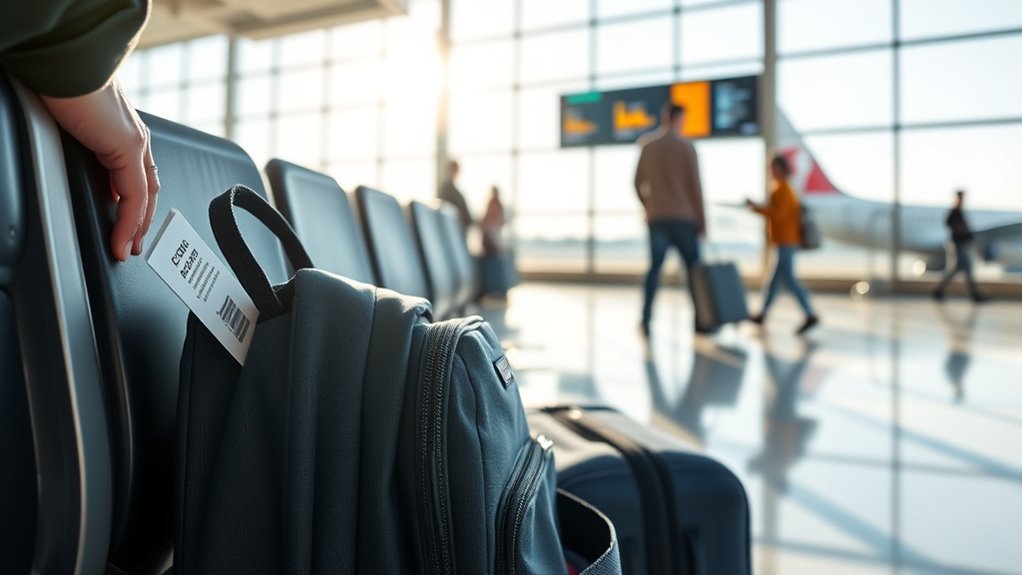
This guide is for parents, guardians, and caregivers planning solo flights for children, plus older minors arranging travel on their own. It explains eligibility, airline policies, fees, required documents, and tips to prepare both you and the child.
You’ll find who qualifies, what airlines typically require, and how to compare services and costs. Use it to check age limits, unaccompanied minor programs, and documentation needs before booking.
Follow the preparation checklist to ease departure and arrival. Apply the tips to help the child travel confidently, and confirm airline-specific rules and fees directly to avoid surprises.
Quick Answer: Which Airlines Allow Minors to Fly Alone
You’ll find that airlines set different age limits and rules for unaccompanied minors, so check each carrier’s policy before you book.
Expect to pay an unaccompanied minor fee and follow the airline’s specific booking and escort procedures.
Keep documents and contact info ready to speed pickup and drop-off.
Age Requirements By Airline
When planning travel for a child, check each airline’s age rules carefully because they vary widely—some carriers let kids as young as 5 fly alone with mandatory unaccompanied-minor (UM) services, while others set the minimum at 12 or only permit teens to travel without supervision.
Major U.S. carriers typically allow UM services for ages 5–14 and treat 15–17 as teens who may fly alone with optional services.
Low-cost and international airlines differ: some restrict UM to 8–11, others only offer teen travel for 16–17.
Always verify departure, connection, and arrival age limits for the specific airline and route.
Unaccompanied Minor Fees
After checking each airline’s age limits, you’ll also want to compare unaccompanied-minor fees, since carriers handle the service and its cost very differently. You’ll find flat rates, tiered charges based on distance or age, and occasional waivers for status members.
Factor fees into your total fare and watch for add-ons like expedited security or lounge access that can increase costs. Ask about refund policies if flights change. Consider cheaper routes with direct flights to avoid multiple charges.
- Flat fee per one-way trip
- Variable fee by route or age
- Possible discounts or fee waivers
Booking And Escort Process
Because airlines set different rules for booking and escorting unaccompanied minors, check each carrier’s specific process before you reserve a ticket. When you book, you’ll usually need to call the airline to register the child as an unaccompanied minor; online forms sometimes follow. Provide ID, emergency contacts, and the names of adults who’ll drop off and pick up.
Arrive early so staff can brief you and the child, complete required paperwork, and attach identification tags. At connection points, confirm escorts and gate-to-gate procedures. Expect staff to accompany the child to the aircraft and hand them to the designated adult on arrival.
Decision Checklist: Pick the Best Option for Your Child
Wondering how to choose the best travel option for your child? You’ll weigh safety, comfort, and logistics. Think about flight length, connections, and the airline’s supervision level. Confirm documentation, pick direct routes when possible, and decide if the unaccompanied minor service fits your child’s maturity.
- Flight logistics: nonstop vs. connections, total travel time, and layover complexity.
- Supervision needs: onboard attention, gate-to-gate escort, and staff response policies.
- Child readiness: independence, anxiety, medical needs, and ability to follow instructions.
Use this checklist to match the airline’s offerings to your child’s needs before booking.
How Airline Age Categories for Unaccompanied Minors Work

Now that you’ve matched service levels to your child’s needs, you’ll also want to understand how airlines define age groups for unaccompanied minors. Airlines split ages differently: some treat 5–7, 8–11, and 12–17 as separate categories, while others use 5–14 and 15–17.
Age determines whether the service is mandatory, optional, or prohibited; fees and documentation vary by bracket. Infants and toddlers generally can’t use unaccompanied minor services.
Check cutoffs for international versus domestic travel—they often differ. Always verify the exact ages and rules on the carrier’s website before booking to avoid surprises.
How Unaccompanied Minor Programs Work
Unaccompanied minor programs guide your child through the airport and flight with staff supervision, check-in help, and handoffs at departure and arrival. You’ll register the service, provide contact details, and pay any fee; staff escort your child to security, gate, and aircraft.
During the flight, crew monitor behavior and needs; they’ll seat the child near a flight attendant when possible.
At arrival, ground staff verify the adult picking up the child and complete transfer forms. Expect age limits, required ID, and sometimes restricted connections or overnight policies.
- Preflight paperwork and escorting
- Inflight supervision and seating
- Arrival verification and handoff
Major U.S. Carriers: American, Delta, United Rules
After you’ve sorted paperwork and escorts, you’ll want to compare how major U.S. carriers handle unaccompanied minors—each airline sets its own age ranges, fees, and pickup rules.
You’ll find American requires UM service for ages 5–14 on most flights, with fees and priority boarding.
Delta covers 5–14 domestically, adds assistance at connections, and charges per segment.
United’s program typically applies to 5–14, offers escorted transfers, and requires ID for pickup.
In each case you’ll need to book the UM service in advance, provide contact info, and arrive early for drop-off and handoff procedures.
Major International Carriers: BA, Lufthansa, Air France Rules

Next you’ll look at how British Airways, Lufthansa, and Air France set age limits and eligibility for unaccompanied travel so you know who can fly alone and when.
You’ll also compare their unaccompanied minor procedures — from check-in and seat rules to in-flight supervision and handoff at arrival.
Keep an eye on variations by route and fare class, since those details often change the requirements.
Eligibility And Age Limits
When you book a minor to travel alone on a major international carrier like British Airways, Lufthansa, or Air France, each airline sets clear age brackets and conditions you’ll need to meet — typically distinguishing between children who must use the airline’s unaccompanied minor service, those allowed to fly alone with parental consent, and older teens who can travel as regular passengers.
You should check each carrier’s specific cutoff ages (often 5–12 for mandatory UM, 12–15 optional with restrictions, 16–17 as adult-like). Rules vary by route and whether the flight is nonstop or connects.
- Mandatory UM service ages
- Parental-consent allowed ages
- Teenaged passenger limits
Unaccompanied Minor Procedures
How do major carriers handle unaccompanied minors on international routes? You’ll find similar core steps across British Airways, Lufthansa, and Air France.
You check age rules, book the UM service, and pay the fee.
At departure, you’ll present ID, documents, and a completed consent form; staff escort the child through check-in, security, and boarding.
Flight crew monitor the minor onboard and provide meals or comfort as needed.
On arrival, ground personnel meet the child and verify the designated adult’s ID before release.
You should confirm connection policies, special assistance options, and any country-specific entry requirements beforehand.
Low-Cost Carriers: Southwest, Allegiant, Spirit Rules
Although low-cost carriers often keep policies simple, each one handles unaccompanied minors differently, and you’ll want to check specifics before booking.
Southwest allows children 5–11 to travel as an Unaccompanied Minor service on nonstop or direct flights for a fee. Children aged 12–17 can travel alone without the service, but you can request assistance if needed.
Allegiant doesn’t accept unaccompanied minors under 15. Ages 15–17 may travel alone with ID and parental consent.
Spirit generally requires minors under 14 to be accompanied. Minors aged 14–17 can fly alone with completed forms.
Always confirm age cutoffs, fees, and required paperwork when reserving.
- Southwest: 5–17 options, service for 5–11
- Allegiant: 15+ only
- Spirit: 14–17 allowed with forms
Regional and Commuter Airlines: What’s Different
Because regional and commuter airlines operate shorter routes and smaller aircraft, their unaccompanied-minor rules can differ substantially from major carriers, and you’ll want to read the fine print before booking. You’ll often find age cutoffs, fees, and escort services vary by operator; some affiliates follow the mainline carrier’s policy, others set stricter limits.
Expect limited nonstop options, tighter connections, and different gate-handling procedures—so missed transfers can be riskier. Confirm whether a guardian must meet the child at the gate, which documents are required, and how delays are handled. Call ahead to verify procedures for your specific flight.
Group and Special-Program Travel (Schools, Military, Youth)
When you’re arranging travel for school groups, military families, or youth programs, airlines and tour operators apply different unaccompanied-minor rules and documentation requirements than they do for individual bookings. You’ll usually work with group coordinators, submit rosters, and provide consent forms and emergency contacts in advance.
Policies may allow chaperones, group check-in lanes, or waived solo-travel fees, but you must confirm age limits, seating assignments, and supervision levels. Expect tighter timelines for name changes and special baggage rules. Always get written confirmation.
- Bring signed group waiver and photo ID copies.
- Verify carrier-approved chaperone ratios.
- Confirm medical and travel-release documents.
Which Airlines Escort Kids Gate-to-Gate?
You’ll want to know which airlines offer true gate‑to‑gate escorting so your child is supervised from check‑in to handoff at the destination gate.
Compare each carrier’s gate‑to‑gate service, eligibility rules, fees, and staff procedures before you book.
I’ll highlight which airlines provide full escorting and how their policies differ so you can pick the safest option.
Gate‑to‑Gate Service
If you want full escorting from the departure gate to the arrival gate, only some U.S. and international carriers offer true gate‑to‑gate unaccompanied minor service—meaning staff supervise your child through boarding, the flight, and arrival until handed to the designated person.
You’ll want to confirm age limits, fees, and whether connections are allowed, since gate‑to‑gate often excludes self‑transfer or international customs pickup. Prepare required ID and contact info, arrive early, and ask about staff handoff procedures so you know who’ll meet your child.
Check carrier websites or call customer service to reserve this service.
- Age restrictions vary
- Additional fees apply
- Connections may be limited
Airline Policies Compared
Now that you know what gate‑to‑gate service involves, let’s look at which carriers actually provide it and how their rules differ. You’ll find most major U.S. airlines—American, Delta, United—offer gate‑to‑gate for ages typically 5–14, with booking, fees, ID, and escort requirements varying.
Budget carriers often limit service or restrict age ranges. International carriers may require documents and have different age cutoffs. You should compare fees, required pickup IDs, flight connection policies, and staff handoff procedures.
Call the airline to confirm specifics before booking so you’re certain about supervision, schedules, and any last‑minute changes.
Which Airlines Let Older Teens Travel Without UM Service?
Most major U.S. and many international carriers let teens aged 15–17 travel without unaccompanied minor (UM) services, though exact age cutoffs and rules vary by airline.
You can usually book older teens as regular passengers, but you should check carrier-specific requirements like photo ID, consent forms, and restrictions on international or overnight connections.
Some airlines still recommend UM service for first-time solo flyers or complex itineraries.
- Confirm ID and documentation requirements before booking.
- Verify whether layovers or international flights require UM enrollment.
- Ask about seat assignments and contact procedures for added peace of mind.
Age-Specific Rules: Who Can Fly Under 5, Under 8, and Teens
You’ll want to check each airline’s age cutoffs because rules for children under 5, under 8, and teens vary widely.
Some carriers prohibit solo travel for under-5s, require mandatory unaccompanied minor (UM) service for under-8s, and set different limits for older teens.
I’ll outline typical age brackets and what each usually entails so you can compare policies quickly.
Under-5 Travel Rules
Although airlines vary, rules about kids under five are strict because of safety and seating requirements. You’ll find most carriers won’t let children under two fly alone; infants must travel with an adult or be on a lap with a guardian.
For toddlers aged two to four, solo travel is usually prohibited or requires special approval and attendant services. Documentation, medical notes, and parental consent forms are commonly required when exceptions exist.
You should contact the airline well before booking to confirm policies, seating options, and mandatory fees.
- Bring birth certificate or passport
- Prepare a guardian consent letter
- Confirm in-flight assistance availability
Under-8 Unaccompanied Policies
Wondering who can fly alone under eight? You’ll find most airlines ban children under five from unaccompanied travel, and many require mandatory escort services for ages five to seven. You should book the airline’s unaccompanied minor (UM) service, provide ID, emergency contacts, and arrival pickup details. Fees and supervision levels vary; nonstop flights are usually preferred. Check carrier rules for connecting flights, escort handoff, and documentation. Below is a quick comparison to help you prepare:
| Airline | Typical Under-8 Policy |
|---|---|
| Airline A | UM required age 5–11 |
| Airline B | UM required 5–7 |
| Airline C | UM optional 5–7 |
| Airline D | UM required 4–12 |
Teen Solo Flight Limits
Curious how teen travel rules differ from those for younger kids? You’ll find airlines treat teens more independently: many carriers let 12–17-year-olds travel alone without mandatory escort services, though rules vary by age and route.
You should check each airline’s age brackets, supervisory options, and ID requirements before booking. Some teens can use unaccompanied minor programs voluntarily for extra support; others must enroll if under a specific age for certain flights.
Consider restrictions on international travel, late-night connections, and alcohol policies when planning.
- Check age cutoffs and fees.
- Confirm ID and contact info.
- Decide on escort service.
Tickets, Fees, and Extra Charges for Unaccompanied Minors
When you book a child as an unaccompanied minor, expect the ticket process to include both the regular fare and an additional unaccompanied minor service fee, which covers extra staff handling, special boarding, and supervision. Airlines usually charge this fee per flight segment, so nonstop routes can cut costs.
You’ll also encounter age-based pricing tiers, mandatory forms, and documentation checks at check-in and gate. Some carriers require advance booking for the service and won’t waive fees for elite status or promotions.
Confirm refund and rebooking policies—changes often incur penalties—and compare carrier rules to avoid unexpected charges.
Baggage Rules for Unaccompanied Minors
You should check each airline’s carry-on allowances to know what your child can bring onboard without extra fees. Also confirm checked baggage policies, including weight limits, fees, and whether staff will tag and supervise checked bags for unaccompanied minors.
Knowing these rules ahead of time helps you avoid surprises at the airport.
Carry-On Allowances
While rules vary by airline, most carriers let unaccompanied minors bring one small carry-on plus a personal item, and you’ll need to follow size and weight limits that match general carry-on policies.
You should pack essentials, meds, comfort items, and documents in the carry-on so the child has what they need during travel.
Check prohibited items and battery rules for devices, and label bags with contact info.
Gate agents may inspect items and require removal of larger bags.
Confirm allowances when booking to avoid surprises and potential fees.
- Pack meds and documents in the personal item
- Follow battery and liquid limits
- Label bags with contact details
Checked Baggage Policies
Carry-on planning covers immediate needs, but checked baggage rules can affect what you’ll pack and how a child travels. You’ll check each airline’s allowance, fees, size limits, and weight caps since unaccompanied minors often follow standard or slightly restricted policies.
Note whether airlines require you to tag bags as UM or include guardian contact details. Pack essentials and valuables in carry-on because checked items may be inaccessible during connections.
Watch for charges that change at the airport and for rules about prohibited items, medications, or sports equipment. Confirm drop-off and pick-up procedures for checked luggage to avoid delays.
Seat Assignments and In-Flight Assistance Options
Although airlines typically reserve bulkhead and aisle seats for unaccompanied minors, your seat assignment and the level of in-flight help can vary by carrier and fare class. You should request preferred seating when booking or at check-in, and confirm the airline’s unaccompanied minor (UM) policy so staff can seat the child near a flight attendant.
Onboard support ranges from periodic check-ins to dedicated attention on shorter flights. Bring clear pickup instructions and emergency contact info. Consider paid seat upgrades if needed for proximity.
- Ask at booking to secure aisle or bulkhead
- Confirm cabin crew check-in frequency
- Pay for closer seating when possible
Medical Needs, Medications, and Special-Care Protocols
Seating and crew support help keep an unaccompanied minor comfortable, but you also need to plan for any medical needs the child may have during travel. You should notify the airline in advance about chronic conditions, required medications, allergies, or medical devices.
Confirm whether staff can administer meds, store temperature-sensitive drugs, or escort the child to medical facilities during connections. Pack prescriptions in original containers, carry a physician’s note and emergency action plan, and provide clear dosing schedules and contact numbers.
Ask about protocols for in-flight emergencies and whether additional supervision or medical clearance is required before booking.
Dietary and Mobility Accommodations on UM Trips
When you book an unaccompanied minor trip, tell the airline about any dietary restrictions or mobility needs so staff can arrange meals, seating, and boarding assistance in advance. You’ll verify meal types (vegetarian, allergen-free) and whether the airline can provide them; if not, ask what you can pack.
Explain mobility limits so gate agents schedule preboarding, wheelchair help, or aisle-seat placement. Bring documentation for mobility aids and plan how staff will transfer responsibility at pickup.
Communicate arrival times and special instructions to both airline and the adult receiving your child to ensure smooth service.
- Confirm special meals
- Request boarding help
- Document mobility aids
Travel Documents: Domestic vs International Minors
You’ll need different paperwork depending on whether the minor is flying domestically or internationally.
For domestic trips, a birth certificate and the airline’s unaccompanied minor form are often enough.
But international travel requires a passport, possible visas, and sometimes notarized parental consent.
Check both the airline and the destination country’s entry rules well before departure.
Domestic Travel Documents
Although domestic flights usually require fewer documents than international trips, you’ll still need proof of identity and age for a minor traveling alone. Check the airline’s unaccompanied minor policy for acceptable documents and carry originals or copies.
Bring any custody or guardianship papers if names differ from travel documents. Have contact info for both parents and the adult picking up at destination.
- Government-issued photo ID (if required by airline or age)
- Birth certificate or school ID showing age
- Signed parental consent letter with contact numbers
Confirm requirements before departure to avoid delays or denied boarding.
International Entry Requirements
Because international travel involves border control and immigration rules, you’ll need more documentation for a minor flying alone than for domestic trips. Check passport validity, required visas, and any transit visas for connections.
Carry copies of the child’s birth certificate, a notarized parental consent or travel authorization letter, and contact details for parents or guardians.
Verify destination and airline-specific forms, vaccination certificates, and ESTA or eTA where applicable.
Confirm entry rules for both departure and arrival countries, including custodian information if someone else meets the child.
Always notify the airline and immigration authorities in advance to avoid delays.
Passport, Visa, and Consent Letter Checklist
Before booking a solo trip for your child, check passport validity, visa requirements, and any consent-letter rules for both departure and arrival countries. You’ll confirm passport expiration dates meet airline and destination minimums.
Before booking your child’s solo trip, verify passport validity, visas, and any required parental consent letters.
Verify if a visa or electronic travel authorization is needed, and prepare a notarized consent letter when authorities require proof of parental permission.
Pack originals and digital copies, and include emergency contact details and the child’s itinerary. Keep documents accessible but secure during travel.
- Passport photocopy and digital scan
- Visa or eTA confirmation
- Signed consent letter with contact info
Airport Drop-Off Procedure Step-by-Step
When you arrive, have the required drop-off documents ready for inspection so checklists and boarding passes are at hand.
You’ll escort your child to the gate where airline staff will take over and explain any in-flight or pickup procedures.
Before you leave, sign the handover confirmation to complete the transfer and get a copy for your records.
Drop-Off Documentation Required
If you’re dropping off an unaccompanied minor, expect to present specific documentation at the curb and at the airline counter: the child’s ticket or boarding pass, a government-issued photo ID for yourself, the minor’s ID or birth certificate if required, and any completed carrier forms authorizing release to a designated pickup person.
Have originals and photocopies ready, plus emergency contact info. Airlines may refuse drop-off without proper IDs.
- Completed carrier consent form signed by the parent/guardian
- Valid photo ID for the person dropping off and the designated pickup designee
- Child’s ticket, boarding pass, and any age verification documents
Escort To Gate
After you’ve handed over the documents and forms at the counter, you’ll escort the minor to the gate per airline policy. Walk directly, keep their boarding pass and ID accessible, and follow signage to security and the correct concourse.
Stay alert to timing; if lines slow, notify staff immediately. Explain behavior expectations—stay seated, listen for announcements—and point out restrooms and water fountains.
Remain with them until airline personnel or gate agents assume responsibility. If a connecting gate change occurs, confirm new instructions with staff.
Keep your phone on, maintain visible presence, and avoid leaving the child unattended.
Handover Confirmation Signature
Because handing over the child is a legal and emotional moment, you’ll complete the handover confirmation signature precisely and promptly. You’ll verify IDs, read the form, and ask any clarifying questions before signing.
The agent will confirm flight details, emergency contacts, and who’ll meet the child at arrival. Sign only after you’re satisfied; don’t leave until the staff stamps the form and hands you a copy.
Keep your copy until arrival is confirmed. Follow staff instructions for boarding escort, and note any special care requests on the form to guarantee a smooth transfer.
- Verify IDs and flight info
- Ask questions before signing
- Keep your stamped copy
What to Bring to Check-In: Documents and Extras
When you arrive at the airport with an unaccompanied minor, have the child’s documents and any airline-required forms ready to present—this speeds check-in and avoids last-minute delays. Bring the child’s passport or ID, birth certificate if required, completed unaccompanied minor form, ticket confirmation, and any custody or travel consent letters.
Pack a parent or guardian’s contact list, medical info, allergy notes, and copies of prescriptions. Include a small comfort item and extra snacks, but keep carry-on rules in mind.
Keep originals and photocopies organized in a folder or clear sleeve for efficient processing at the desk.
How Airlines Supervise Children During Layovers
Curious how airlines handle kids between flights? You’ll find staff escort minors to supervised waiting areas, keep IDs and contact details handy, and stay with them until the gate opens.
You’ll get clear handoffs: airline personnel sign responsibility forms when transferring care. Expect periodic check-ins and a dedicated agent nearby for questions.
Security protocols limit unsupervised roaming, and staff verify boarding passes before reuniting kids with gates.
- Staff escort minors to monitored lounges or gates.
- Agents log custody transfers and emergency contacts.
- Personnel perform regular welfare checks and supervise restroom visits.
Connecting Flights Rules for Unaccompanied Minors
When you book a child on a trip with connections, check the airline’s rules for which layovers and flight combinations are allowed for unaccompanied minors. You’ll want to know how the airline handles supervision during each layover and what staff will escort your child between gates.
Also confirm the carrier’s missed-connection procedures so you know who’ll care for your child and how rebooking or accommodation will be handled.
Connecting Flight Eligibility
If your child needs to make a connection, airlines set specific rules that determine whether they’ll accept them as unaccompanied minors and what supervision you’ll get during the layover. You should check age limits—some carriers allow only direct nonstop UM service for younger kids, while older minors can connect.
Verify whether the airline permits self-transfer between terminals and if minimum connection times apply. Ask about same-airline versus interline connections; many forbid transfers on separate tickets.
Prepare documentation proving guardianship and onward booking. Confirm holdover restrictions for overnight connections to avoid denied travel.
- Age limits
- Same-airline vs interline
- Minimum connection time
Supervision During Layovers
What supervision will your child get during a layover? Airlines usually assign staff to escort unaccompanied minors between gates, supervise them in transfer areas, and hand them off to the next flight’s crew.
You’ll need to provide arrival and onward flight details so agents can coordinate escorts. Some carriers keep minors in a dedicated lounge or gate area; others require a staff member to remain with the child until boarding.
Expect ID checks and signed handoff forms at each transfer. Stay reachable by phone; airlines will contact you for any delays or security holds during connections.
Missed Connection Procedures
Although delays happen, airlines have clear procedures for unaccompanied minors who miss a connecting flight. You’ll be notified, and staff will escort the child to a supervised holding area or rebook the next available flight. You can expect updates, required paperwork checks, and coordination with the receiving guardian. Policies differ, so confirm rules before travel.
- Immediate rebooking onto the next suitable flight with staff accompaniment.
- Guardian notification, ID verification, and updated pickup arrangements.
- Overnight care or hotel arrangements when connections can’t be made the same day.
Know fees, age limits, and potential limits on itineraries beforehand.
How Holiday and Peak Travel Affects UM Availability
When holiday schedules swell and school breaks hit, airlines tighten unaccompanied minor (UM) capacity and you may find fewer nonstop options or limited UM spots on popular flights. You’ll often face blackout dates for UM service, higher demand for morning and evening flights, and carriers prioritizing through-ticketed families.
Airlines may require earlier arrival, stricter check-in cutoffs, or route restrictions during peaks. You should check carrier calendars and sign up for waitlists if available.
If a preferred flight lacks UM availability, consider alternative days, less busy airports, or contacting the airline directly to explore exceptions or standby options.
How to Book Unaccompanied Minor Service (Step-by-Step)
Booking unaccompanied minor (UM) service is straightforward if you follow the airline’s rules and provide required information upfront. Start by checking the carrier’s age limits and fees online, then call or use the airline’s booking tool to add UM service during reservation.
At check‑in, bring the child’s ID, the parent’s ID, and the required documents the airline specifies.
- Confirm flight connection rules and whether an escort is needed for transfers.
- Pay UM fees and get a printed confirmation or reference number.
- Arrive early so staff can complete the UM intake and briefing.
Add Emergency Contacts and Authorization Forms
Before you finish booking, make sure you add clear emergency contact details so staff can reach someone immediately if needed.
You’ll also need to complete authorization forms that state who can pick up your child and any medical permissions.
Keep phone numbers, relationship info, and copies of IDs handy to avoid delays.
Emergency Contact Details
Who’ll you call if plans change or an incident occurs? You’ll list contacts who can act quickly and make decisions for the minor. Include primary and backup adults, their relation, and best phone numbers. Note preferred language and any medical or custody constraints so staff know who’s authorized to speak.
- Primary guardian: name, relation, mobile, alternate number
- Local emergency contact: nearby adult, address, daytime phone
- Legal/medical contact: pediatrician or custodian, clinic number, insurance ID
Keep contacts updated before travel and provide copies to airline staff and the accompanying child.
Authorization Form Essentials
Now that you’ve listed emergency contacts, make sure those names and numbers appear exactly the same on the airline’s authorization form. Fill every required field—full names, phone numbers, addresses, relationship to the child—and double-check spellings and area codes.
Attach copies of ID and custody documents if requested.
Note pickup authorization: list who can collect your child and include alternates.
Sign and date where indicated; digital signatures may be accepted but confirm with the carrier.
Keep a printed and digital copy for yourself and give one to the person picking up.
Call the airline if any instructions are unclear before travel day.
Airport Security Screening for Unaccompanied Minors
When you’re escorting an unaccompanied minor through the airport, expect TSA procedures to be firm but focused on safety and efficiency. You’ll walk them through security steps, remove shoes and electronics as required, and explain screening scanners so they stay calm.
Carry required documents and any medical info; inform officers about essential medications or devices to prevent delays.
- Notify TSA agents that the child is unaccompanied and under your supervision.
- Prepare carry-on items to avoid prohibited objects and speed inspection.
- Stay close during screening; follow agent instructions promptly to minimize stress and hold-ups.
Arrival Pickup: ID Checks and Verification Process
After the flight lands, stay at the designated pickup area and have your ID ready so agents can verify you’re the authorized guardian. Listen for staff instructions and present any required paperwork—release forms, photo ID, and the child’s boarding receipt—promptly.
Follow airport signage and don’t crowd the desk; staff will confirm names and match documents. If someone else is picking up, notify the airline in advance and ensure that person brings their ID and any authorization you provided.
Remain patient during verification; it’s a safety step. Once staff confirms identity, they’ll escort the child to you and complete the handover.
How Airlines Verify Identity When Handing Over a Child
To confirm the child goes to the right person, airline staff follow a step-by-step identity check before the handover. You’ll be asked to show government ID, the pickup authorization form, and any required flight paperwork.
Staff compare names, photos, and signatures, and confirm the relationship noted on the reservation.
- They match the photo ID to the authorized pickup name and document signature.
- They verify the pickup authorization form against reservation details and any guardian contact numbers.
- They call the emergency contact on file to confirm identity if anything seems inconsistent.
Follow instructions and bring originals to speed the process.
Handling Delays, Cancellations, and Reroutes for UMs
If flights are delayed, canceled, or rerouted, airline staff will proactively contact you and take steps to keep your child safe and informed. You should expect clear communication about new pickup times, gate changes, and any custody handoff updates.
You’ll be told where your child will wait, who’s supervising them, and whether they’ll be held in a lounge, gate area, or a secure office. If connections change, staff will arrange alternative routing and escort your child to the new flight.
Stay reachable, confirm emergency contact info, and follow any on-site pickup procedures so handoffs remain smooth and documented.
Insurance, Refunds, and Cancellation Policies for UMs
When you book an unaccompanied minor, check the airline’s policies on travel insurance, refunds, and cancellations—these rules often differ from standard adult fares and can affect your options and costs. You’ll find some carriers require UM service fees are nonrefundable, others allow partial refunds, and insurance may or may not cover UM-specific disruptions.
Read exclusions, deadlines, and documentation requirements carefully. If you buy third‑party travel insurance, confirm it covers UM services and attendant fees.
- Verify UM fee refundability and timelines.
- Confirm whether travel insurance covers UM cancellations.
- Keep receipts and written confirmations for disputes.
When to Call the Airline vs Visit the Airport
Although many UM questions can be handled over the phone, you’ll want to visit the airport for issues that need in-person verification or immediate action. Call first to confirm booking, fees, required documentation, and gate assignments; get names and reference numbers.
Call first to confirm details, then visit the airport for in-person verification, documentation checks, and immediate UM assistance.
Use phone or email for schedule changes, special requests, or pre-flight guidance.
Go to the airport if the child’s ID, consent forms, or guardianship details need verification, if flight changes occur last-minute, or if staff must escort the minor urgently.
Arrive early so staff can complete check-in, process UM paperwork, and brief you on drop-off and pickup procedures.
What to Tell Your Child Before Their First Solo Flight
Tell your child what to pack — a copy of their ticket and ID, a charged phone or tablet, snacks, and any comfort items.
Explain in-flight behavior: stay seated when required, use the call button if they need help, and be polite to crew and fellow passengers.
Reassure them you’ll be reachable and that airport staff will assist at every step.
Packing Essentials And Documents
Wondering what to pack and which papers to bring for your child’s first solo flight? You’ll want a small carry-on with comfort items, snacks, and a change of clothes, plus a clear folder with all documents.
Teach your child where everything is and how to show documents when asked. Keep copies of the itinerary and emergency contacts both printed and stored on their phone. Lock any medication in an easy-to-access pouch and label it.
- Passport/ID, boarding pass, parental consent form
- Printed itinerary, emergency contact list, health info
- Small comfort item, snacks, extra mask
In-Flight Behavior Tips
Before boarding, remind your child to stay calm, listen to flight attendants, and keep their seatbelt on whenever seated—this helps them stay safe and shows the crew they’re responsible.
Tell them to use polite language, speak up if they feel unwell, and ask crew members for help with seatbelts, lavatories, or connecting flights.
Explain electronics rules, keeping devices on airplane mode and headphones at low volume.
Encourage them to stay hydrated, avoid too much sugar, and move around briefly on long flights.
Remind them where their boarding pass and ID are, and to follow crew instructions at all times.
Tips to Make the Flight Comfortable for Your Child
When you’re preparing your child to fly alone, focus on comfort and confidence. Pack familiar items—a small blanket, favorite toy, and headphones—to ease anxiety.
Choose clothing in layers for changing cabin temperatures, and include a spare outfit in case of spills.
Offer a nutritious, non-messy snack and a refillable water bottle (empty through security) so they stay hydrated.
Explain the itinerary and whom to approach for help, keeping instructions simple and reassuring.
Explain the travel plan clearly and point out trusted airport staff to ask, using calm, simple reassurance.
- Bring comforting items that smell like home.
- Prep a small activity kit with quiet games.
- Label belongings with contact info.
School and Youth Program Group Travel Best Practices
If you’re organizing travel for a school or youth program, many of the same comfort and preparation tips for solo flyers apply—but scaled up to a group. You’ll plan checklists, assign chaperones, confirm airline policies, and brief students so transitions feel calm. Keep emergency contacts, medications, and seating plans handy. Communicate expectations clearly and rehearse boarding and deplaning. Stay flexible for delays and keep morale up with simple activities.
| Emotion | Action | Outcome |
|---|---|---|
| Reassured | Clear briefing | Smooth boarding |
| Confident | Chaperone roles | Safer supervision |
| Calm | Emergency plan | Faster response |
Common Pitfalls Families Face : Real Examples
Although airlines set rules for unaccompanied minors, families still stumble on predictable issues: missing paperwork, tight connections, unclear pickup plans, and last-minute medication mix-ups.
You might arrive late because you underestimated security lines, or assume staff will track a gate change when they won’t. Sometimes a guardian’s ID is forgotten, or a child panics when a flight is delayed and routines break.
- A rushed transfer leaves you separated from required staff signatures.
- An emailed pickup authorization goes unread at arrival.
- Medication is packed in checked luggage instead of carry-on.
Anticipate these and confirm details ahead.
Checklist to Finalize Before Your Child’s Solo Departure
Those common missteps make a pre-departure checklist more than a convenience — it’s your last line of defense. Confirm flight times, terminal, and connection details, and recheck 24 hours before departure.
Pack identification, boarding pass, medication with clear instructions, and an extra mask.
Prepay or arrange unaccompanied minor service if offered, and print any required forms.
Share emergency contacts, pickup plans, and your child’s photo with both airline staff and the child.
Review security rules and restroom etiquette, and role-play announcements and what to do if delayed.
Double-check phone is charged and has contacts preloaded.
How to Compare Airlines by Price, Safety, and Convenience
When comparing airlines for a solo-child trip, focus on three clear factors—price, safety, and convenience—so you can weigh trade-offs without getting overwhelmed.
Start by checking fares and hidden fees for unaccompanied-minor services so cost comparisons are apples-to-apples.
Review safety records, age restrictions, and staff training; prioritize carriers with clear, published protocols.
For convenience, compare nonstop options, connection policies for minors, and airport assistance availability to minimize disruption.
- Price: ticket cost plus mandatory UM fees and change penalties
- Safety: incident history, formal UM program, staff-to-child supervision
- Convenience: nonstop routes, transfer handling, lounge or meet‑and‑greet options
Quick Reference: Contact Info, Forms, and Templates
Before you head to the airport, gather a concise set of contacts, mandatory forms, and template messages so you can handle pickups, delays, or paperwork without scrambling.
Have these ready: airline unaccompanied-minor form, a parent/guardian notarized consent if required, child’s birth certificate or passport copy, and medical info.
List primary and backup pickup contacts with phone numbers and relationship notes.
Save airline customer-service and airport lost-and-found numbers.
Prepare short templates: pickup confirmation, delay notification, and authorization to release to an alternate adult.
Keep digital and printed copies, and email one to your emergency contact before travel.
Frequently Asked Questions
Can an Unaccompanied Minor Travel Internationally Without a Parent Present at Departure?
Yes, you can send an unaccompanied minor internationally, but you’ll need the airline’s unaccompanied minor service, written parental consent, passports, visas, and sometimes notarized travel consent; rules and fees vary, so check the airline and destination requirements.
Do Airlines Accept Medically Complex Children Who Need Onboard Oxygen?
Some airlines will, but policies vary widely; you’ll need to get airline approval, provide medical clearance forms, bring approved portable oxygen concentrators if allowed, and coordinate with medical personnel and gate agents well before travel.
Can a Minor Fly Alone on Codeshare or Alliance-Operated Segments?
Yes — you can usually book unaccompanied minors on codeshare or alliance segments, but the operating carrier’s unaccompanied minor rules apply; you’ll need to confirm each carrier’s policy, age limits, fees, and transfer procedures beforehand.
Are There Age Limits for Minors on Private Charter or VIP Flights?
Yes — private charter and VIP operators set age limits, and you’ll usually find minimums (often 0–2 months) plus unaccompanied minor policies for older children; you’ll need to check each operator’s specific rules and documentation requirements.
What Happens if the Designated Pickup Person Is Delayed or Missing?
If the designated pickup person’s delayed or missing, the airline or ground staff will hold your child in a secure area, try contacting you and emergency contacts, and only release the child per your airline’s unaccompanied minor procedures.
Conclusion
You’ve got the tools to pick the best airline for your child’s solo trip. Use the decision checklist, compare age rules and fees, and confirm required documents and pickup details ahead of time. Ask questions about connections, staff handoffs, and emergencies so you know what to expect. With preparation and the right airline program, your child’s unaccompanied flight can be safe, smooth, and reassuring for both of you. Safe travels.