World Pangolin Day
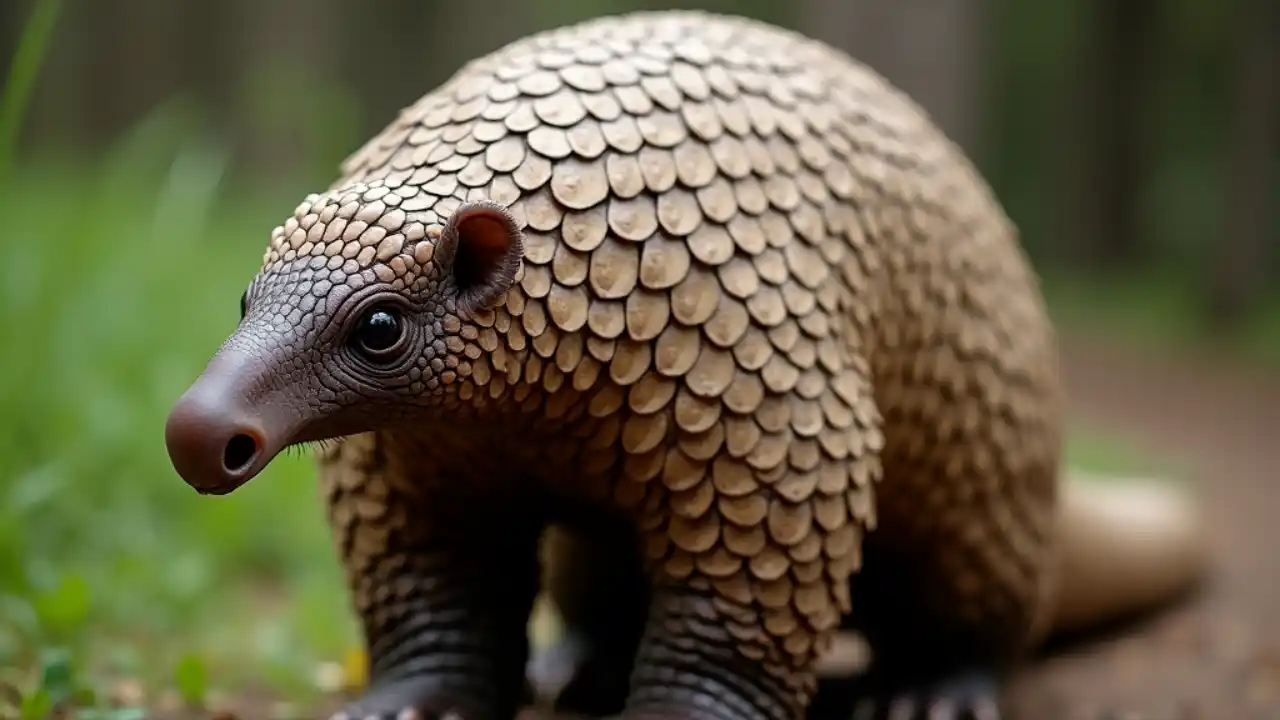
World Pangolin Day is an annual event dedicated to raising awareness about pangolins, the world’s only scaly mammals and the most trafficked animals globally. These shy creatures play a crucial role in maintaining ecological balance by consuming millions of ants and termites annually. However, they face severe threats from illegal poaching and habitat destruction.
Quick Facts
- When is it? The third Saturday of February each year. In 2025, it falls on February 15.
- Tagged as: Conservation Awareness Day.
- What’s the hashtag? #WorldPangolinDay.
- When was it founded? 2012.
- Who founded it? Rhishja Cota and other conservationists.
History of World Pangolin Day
World Pangolin Day was initiated in 2012 by conservationist Rhishja Cota to shine a spotlight on the plight of pangolins. The day aims to educate people about these unique mammals, their ecological importance, and the threats they face due to illegal wildlife trade. Over the years, it has grown into a global movement supported by NGOs, governments, and individuals advocating for pangolin conservation.
Timeline
- 2012: First World Pangolin Day celebrated.
- 2013: Large-scale seizures of pangolin meat highlight the severity of illegal trade.
- 2016: International trade in all pangolin species banned under CITES.
- 2019: Over 200 tonnes of pangolin scales seized globally in just three years.
- 2020: Increased global awareness campaigns launched amid declining populations.
Dates for World Pangolin Day (2025–2030)
| Year | Month and Date | Day |
|---|---|---|
| 2025 | February 15 | Saturday |
| 2026 | February 21 | Saturday |
| 2027 | February 20 | Saturday |
| 2028 | February 19 | Saturday |
| 2029 | February 17 | Saturday |
| 2030 | February 16 | Saturday |
Observed
World Pangolin Day is marked by educational campaigns, art exhibitions, social media drives, and conservation activities. People are encouraged to share facts about pangolins, create art depicting these animals, and pledge to avoid products derived from them.
Fun Facts About Pangolins
- The word pangolin comes from the Malay word penggulung, meaning “roller,” referring to their defensive behavior of rolling into a ball.
- Their scales are made of keratin—the same material as human nails.
- A single pangolin can consume up to 70 million insects annually.
- Baby pangolins ride on their mother’s tails until they are weaned.
Quiz
- What does the word “pangolin” mean?
- How many species of pangolins exist?
- What material are pangolin scales made of?
- Why are pangolins trafficked?
Answers:
- Roller
- Eight
- Keratin
- For their scales (used in traditional medicine) and meat
FAQs
Q: Why are pangolins important to ecosystems?
A: They control insect populations, helping maintain soil health and ecological balance.
Q: Are all pangolin species endangered?
A: Yes, all eight species are at risk, with some classified as Critically Endangered.
Q: How can I help save pangolins?
A: Support conservation organizations, avoid products made from pangolins, and spread awareness about their plight.
Related
- International Wildlife Conservation Day
- Endangered Species Day
- World Animal Day