National Wildlife Week
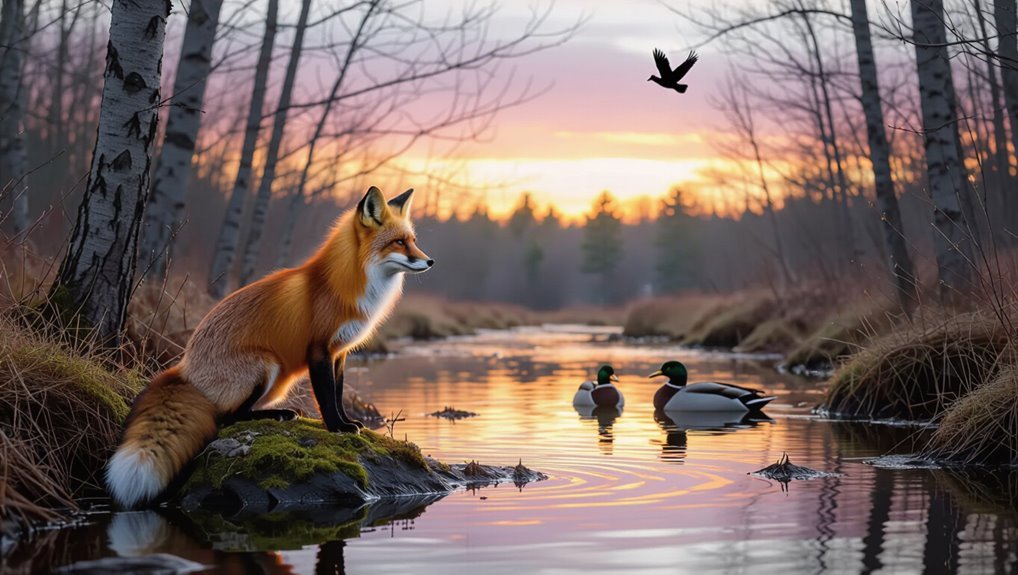
National Wildlife Week, celebrated from April 5 to 9, encourages people to connect with the natural world around them. This week serves as a reminder to step away from our busy routines and take a moment to appreciate the wildlife in our neighborhoods, parks, and backyards. By taking notice of the birds at the feeder or the insects on blooming flowers, we can begin to understand the intricate relationships that shape our local ecosystems. With various events organized by schools, volunteers, and wildlife organizations, there are plenty of ways for everyone to get involved and make a difference.
Quick Facts
When is it?: 5 April – 9 April
Tagged as: National Wildlife Federation
What’s the hashtag?: #NationalWildlifeWeek #WildlifeConservation #Biodiversity
When was it founded?: Not clearly documented. The celebration is generally attributed to the increasing awareness of wildlife conservation in the late 20th century.
Who founded it?: National Wildlife Federation
History of National Wildlife Week
National Wildlife Week has its roots in the growing conservation movement of the early 20th century, which aimed to address the challenges faced by wildlife due to urbanization and habitat loss. The week was established to raise awareness about the importance of preserving natural habitats and engaging communities in wildlife protection efforts. Over the years, it has evolved into a nationwide celebration that promotes education and action around wildlife conservation.
In its early days, National Wildlife Week focused primarily on educating the public about local species and their habitats. As the movement gained momentum, it expanded to include a wide range of activities, from habitat restoration projects to citizen science initiatives. Today, it serves as a platform for individuals and organizations to come together and contribute to the preservation of biodiversity.
Timeline
- 1900: The Lacey Act is passed, marking the first federal wildlife protection law in the United States.
- 1936: The first National Wildlife Week is celebrated, raising awareness about conservation.
- 1966: The Endangered Species Preservation Act is enacted, further emphasizing the need for wildlife protection.
- 1973: The Endangered Species Act is signed into law, providing a framework for protecting threatened species.
- 1990: National Wildlife Federation formalizes National Wildlife Week as an annual event.
- 2000: The focus on urban wildlife and biodiversity is integrated into the week’s activities.
- 2010: National Wildlife Week expands to include online resources and virtual events.
- 2023: The celebration continues to grow, engaging communities worldwide in wildlife conservation.
Past and Future Dates
| Year | Month | Date | Day |
|---|---|---|---|
| 2026 | April | 5 | Sunday |
| 2027 | April | 5 | Monday |
| 2028 | April | 5 | Wednesday |
| 2029 | April | 5 | Thursday |
| 2030 | April | 5 | Friday |
| 2031 | April | 5 | Saturday |
| 2032 | April | 5 | Monday |
| 2033 | April | 5 | Tuesday |
Observed
National Wildlife Week is observed through a variety of events and activities aimed at fostering a deeper connection with wildlife. Schools, community groups, and conservation organizations host events such as guided nature walks, habitat restoration projects, and educational workshops. People celebrate by getting involved in citizen science projects, planting native species in their gardens, or simply spending time outdoors observing wildlife.
Activities for This Day
- Join a Guided Nature Walk
- Participate in a local guided walk to learn about native species and their habitats.
- Volunteer for Habitat Restoration
- Help restore natural habitats by participating in community clean-up or planting events.
- Engage in Citizen Science
- Contribute to citizen science initiatives by recording wildlife sightings and reporting data.
- Create Wildlife-Friendly Spaces
- Transform your garden or balcony into a wildlife habitat by planting native species and providing water sources.
- Attend Educational Workshops
- Join workshops that focus on wildlife conservation and learn about local species and threats.
How to Celebrate National Wildlife Week
- Take a nature walk in your local park or nature reserve.
- Participate in local wildlife monitoring programs.
- Plant native flowers and shrubs in your yard.
- Organize a community event to raise awareness about local wildlife.
- Share your wildlife observations on social media using National Wildlife Week hashtags.
Why National Wildlife Week is Important
National Wildlife Week is essential because it raises awareness about the importance of wildlife conservation and biodiversity. It encourages individuals to engage with their local ecosystems and understand the challenges wildlife faces, such as habitat loss and climate change. By participating in activities and advocating for wildlife protection, we can collectively contribute to preserving the diversity of life that enriches our environment.
FAQ
- What is National Wildlife Week?
- National Wildlife Week is an annual celebration that encourages people to connect with and protect wildlife in their local communities.
- When is National Wildlife Week celebrated?
- National Wildlife Week is celebrated from April 5 to 9 each year.
- How can I get involved?
- You can participate by joining local events, volunteering for habitat restoration, or creating wildlife-friendly spaces in your yard.
- What organizations are involved?
- Various organizations, including the National Wildlife Federation, schools, and community groups, participate in National Wildlife Week.
- Is there a theme for National Wildlife Week?
- Each year, National Wildlife Week may have a specific theme focusing on particular conservation issues or species.
- Can I celebrate National Wildlife Week at home?
- Yes! You can celebrate by observing local wildlife, planting native plants, or engaging in educational activities with your family.
- Why is wildlife conservation important?
- Wildlife conservation is crucial for maintaining biodiversity, supporting ecosystems, and ensuring that future generations can enjoy a healthy environment.
Related
- Earth Day
- World Wildlife Day
- National Pollinator Week
- Arbor Day
- National Bird Day