What Is Soft Sided Luggage
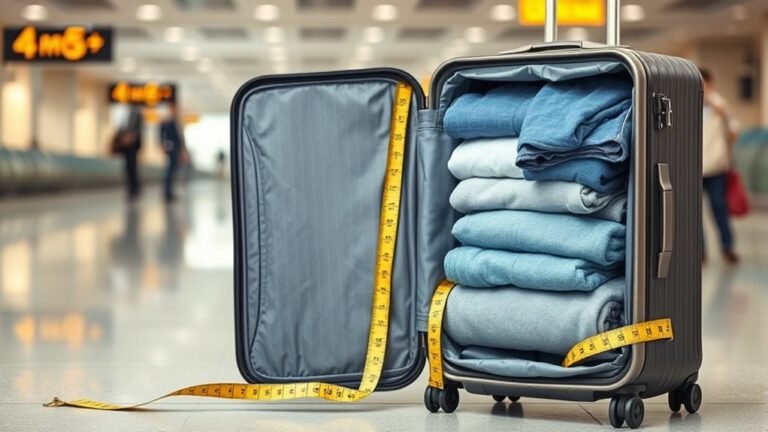
Soft-sided luggage uses flexible fabrics like nylon, polyester, or canvas instead of a hard shell, so you get lighter, compressible bags that fit overhead bins and trunks more easily. You’ll find reinforced stitching, abrasion-resistant panels, padded inserts, and sturdy zippers and wheels to boost durability. Expandable gussets, internal straps, and pockets make organizing simple, while coatings add water resistance. Keep going to see how fabrics, features, and care affect lifespan and performance.
What Is Soft-Sided Luggage
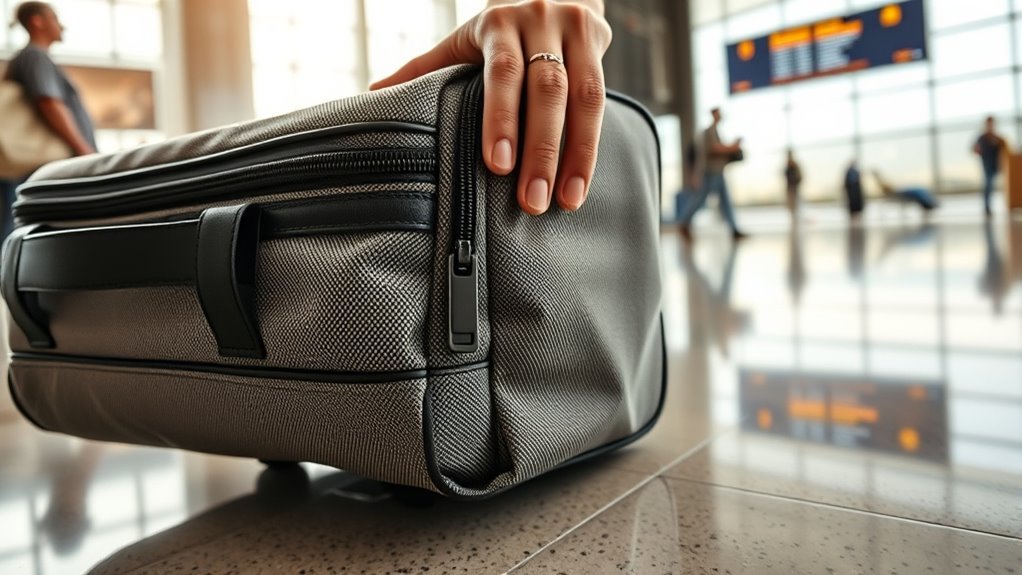
If you’re comparing luggage options, soft-sided luggage refers to bags with flexible, fabric exteriors—think nylon, polyester, or canvas—rather than hard shells.
You’ll find them lightweight, compressible, and easier to stuff into tight overhead bins or car trunks. They often have external pockets for quick access to documents, chargers, or a water bottle, and offer some give if you overpack.
While they won’t resist heavy impacts like polycarbonate, many models include reinforced frames, padded compartments, and water-resistant coatings.
You’ll appreciate their maneuverability, expandable capacity, and generally lower price point compared with rigid suitcases.
Quick Buying Checklist for Soft-Sided Suitcases
When choosing a soft-sided suitcase, focus on a few key features that directly affect durability, convenience, and value so you don’t get stuck with something that fails on the trip. Check fabric weight, zipper quality, frame support, wheel smoothness, and carry comfort. Prioritize water resistance and easy-access pockets. Confirm size fits airline rules and that expandability actually locks down. Test handles and telescoping action. Consider warranty and repairability. Balance weight versus protection based on your travel style.
| Feature | What to test |
|---|---|
| Fabric | Abrasion and water resistance |
| Zippers | Smoothness and lockability |
| Wheels | Roll and durability |
| Handles | Comfort and stability |
| Size | Airline compliance |
How to Choose Soft-Sided Luggage: A Decision Roadmap
Start by matching size and capacity to how you travel so you won’t overpack or pay for extra baggage.
Check materials and construction for durability—look for quality fabric, reinforced seams, and reliable zippers.
Finally, evaluate organization and features like pockets, straps, and expandability to keep things accessible and secure.
Size And Capacity
Because your trip length, transport mode, and packing style all determine what you actually need, choosing the right size and capacity for soft-sided luggage starts with a clear inventory of what you’ll carry. Count clothing, shoes, tech, and extras, then match capacity to duration and your willingness to rewear.
Consider airline carry-on limits and train or taxi space. Look for expandable options and organized compartments to maximize usable volume without overpacking.
Prioritize fit over sheer size; a slightly smaller, well-organized bag beats a hulking one you never fill.
- Weekender (20–35L)
- Carry-on (35–45L)
- Checked (60–90L)
- Expandable pockets
- Compression straps
Material And Durability
If you want luggage that stands up to frequent trips, pay close attention to fabric, frame, and hardware—their combination determines how your bag handles wear, weather, and strain.
Choose high-denier nylon or ballistic fabrics for abrasion resistance; polyester works but wears faster. Look for reinforced stitching and taped seams to prevent splits.
Check the frame: semi-rigid or internal frames add shape and protect contents without bulk.
Inspect zippers, pulls, and wheels—metal or YKK zippers and sealed bearings last longer.
Water-resistant coatings and abrasion-resistant panels extend life.
Prioritize repairability: replaceable wheels and modular parts keep the bag usable.
Organization And Features
When you pick soft-sided luggage, think about how its pockets, compartments, and access points match your packing habits—does it offer dedicated shoe or tech pockets, easy-to-reach exterior zippered slots, and compression straps to keep things from shifting?
You’ll want interior dividers, mesh pockets, and removable toiletry pouches to stay organized. Consider quick-access compartments for documents and power banks, plus lockable zippers for security.
Evaluate whether expandable sections sacrifice structure. Test how smoothly compartments open and whether pockets sit flat when packed. Prioritize features that reduce unpacking time and protect fragile items.
- Dedicated tech sleeve
- Removable toiletry bag
- Compression straps
- External quick-access pocket
- Lockable zippers
Common Fabrics Used in Soft-Sided Bags
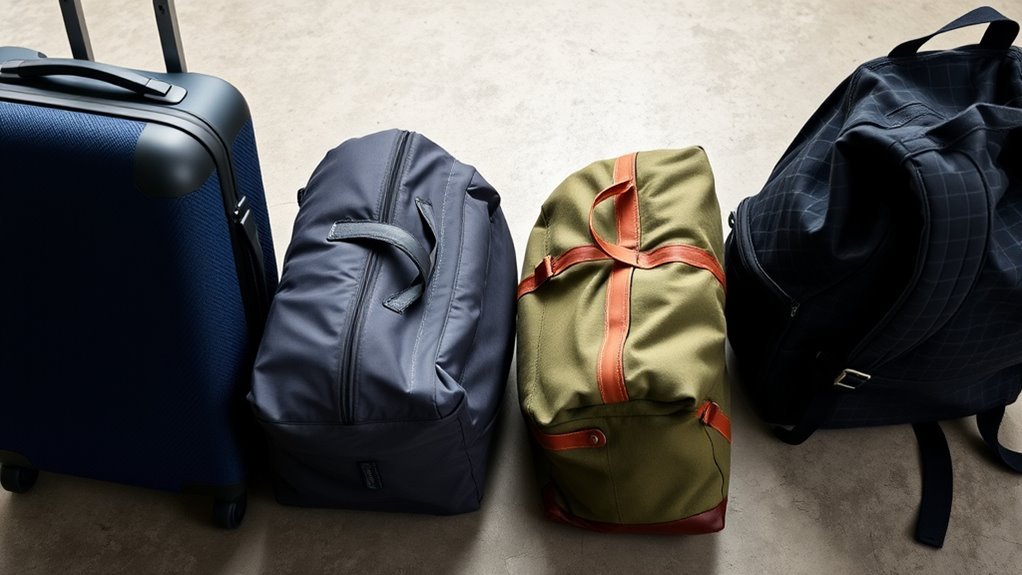
Curious which fabrics make soft-sided luggage durable and travel-ready? You’ll often find polyester for affordability and color retention, nylon for lightweight strength, and canvas for a classic, rugged look.
Curious which fabrics make soft-sided luggage travel-ready? Polyester, nylon and canvas balance affordability, strength and classic rugged style.
Microfiber and suede-like synthetics add a refined finish for urban trips. Ripstop weaves reduce tearing, while coated fabrics and laminates boost water resistance and stain repellence.
Mesh appears in pockets for visibility and airflow. Leather trims reinforce stress points and improve aesthetics.
Each fabric balances weight, maintenance, and cost, so you can choose materials that match your travel style without sacrificing functionality.
Durability by Material: Nylon, Polyester, Canvas
Although each fabric has its strengths, you’ll usually choose nylon for strength and weight savings, polyester for affordability and colorfastness, and canvas for rugged longevity. You want materials that resist tears, abrasion, and weather.
Nylon—especially ballistic or Cordura—handles rough handling and stays light. Polyester resists fading and keeps costs down but can abrade sooner. Canvas takes scuffs and often gets treated for water resistance; it can be heavier but repairs well.
Consider coatings, denier, and weave when judging durability. Match material to your travel style: frequent flyers, budget travelers, or adventurers will value different trade-offs.
- Nylon: high strength, light weight
- Polyester: budget-friendly, colorfast
- Canvas: durable, repairable
- Coatings: boost water resistance
- Denier/weave: indicates abrasion resistance
How Much Soft-Sided Suitcases Weigh (Carry-On vs. Checked)
You’ll find most soft-sided carry-ons weigh between about 5 and 9 pounds.
While checked soft-sided suitcases commonly range from 7 to 12 pounds before you pack them.
The exact weight depends on materials, frame and hardware, and added features like wheels or pockets.
Knowing these factors helps you compare models and avoid surprise baggage fees.
Typical Carry-On Weight
Wondering how much a soft-sided carry-on actually weighs? You’ll find most empty soft-sided carry-ons weigh between 5 and 8 pounds, though lightweight models dip to about 3–4 pounds.
You’ll want to factor in packed items, chargers, and toiletries to avoid gate checks. Aim to keep your total under airline limits—typically 15–22 pounds for personal and carry-on combined on many carriers.
Choose features wisely: fewer pockets and lighter fabrics cut weight, while reinforced frames add ounces. Balance durability and weight for trips where overhead bin space and boarding speed matter.
- Typical empty range: 3–8 lbs
- Lightweight models: 3–4 lbs
- Common builds: 5–7 lbs
- Packed target: stay under 22 lbs
- Prioritize materials and trim
Checked Bag Weight Range
When you’re packing a soft-sided checked suitcase, expect the empty bag itself to typically weigh between 6 and 12 pounds, with heavier, reinforced models reaching 15–18 pounds.
Once you add clothes, shoes, and toiletries, a common checked total lands between 20 and 50 pounds.
You’ll often see airlines set limits at 50 pounds for standard checked baggage and 70 pounds for oversized fees, so aim well below those caps to avoid surcharges.
Choose lightweight packing techniques and monitor weight as you load so you don’t hit fees, but still carry what you need for your trip.
Factors Affecting Weight
Because carry-on and checked soft-sided bags serve different roles, their weights vary a lot based on size, materials, and features. You’ll notice carry-ons aim for light frames and minimal padding so you can maximize packed items without breaching airline limits, while checked pieces tolerate heavier fabrics, reinforced bases, and extra compartments.
Zippers, wheels, handles, and internal frames each add ounces that add up. Choose wisely for your trip length and transit method.
- Fabric type: nylon, polyester, canvas, leather
- Frame: none, partial, or full
- Wheels and handle systems
- Padding and internal dividers
- Extra pockets and hardware
Impact Protection and Compression
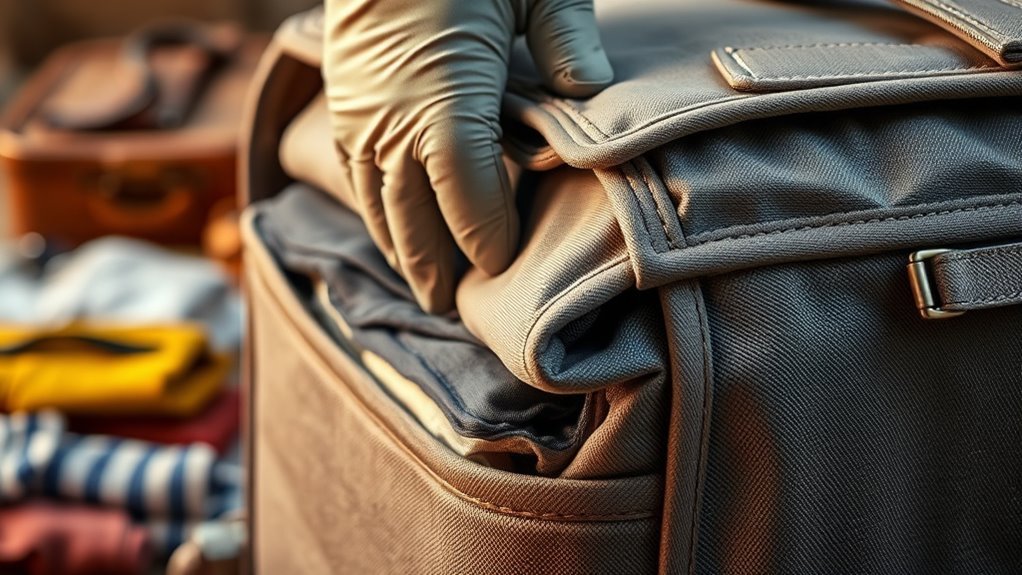
How will your soft-sided luggage handle knocks, drops, and the constant compression of boarding bins and crowded car trunks? You’ll assess materials—ballistic nylon and reinforced polyester absorb scuffs and resist tears better than thin fabric.
Look for padded panels, internal foam inserts, and structured frames that dissipate impact to protect fragile items.
Seek padded panels, foam inserts, and a structured frame to absorb shocks and shield fragile items.
Strong zippers and bar-tack stitching keep seams intact under pressure.
Compression straps inside prevent contents from shifting and reduce bulging that invites crushing.
Remember exterior pockets offer little shock protection.
Test by pressing and tapping fabric; choose a bag that springs back and keeps contents secure.
Expandability and Packing Flexibility
Want more room on return trips or a slim profile for carry-on limits? You’ll like soft-sided luggage because it adapts. Expandable zippers, gussets, and flexible fabrics let you add souvenirs without stressing seams.
When you need compression, internal straps and tight folds reduce bulk. You can mix packed cubes and loose items, shifting weight to stabilize your bag.
Fabric yields slightly for odd shapes, so you’ll fit extra shoes or a jacket. Check zipper quality and zipper-stoppers to avoid blowouts.
- Expandable zipper panels
- Internal compression straps
- Flexible fabric give
- Packing cube compatibility
- Reinforced zipper stops
Exterior Pockets and Quick-Access Organization
Expandable panels and internal straps make packing flexible, but exterior pockets give you instant access to the things you need on the go. You’ll appreciate zippered compartments for passports, quick-access pouches for boarding passes, and mesh pockets for chargers. Choose pockets with secure closures to prevent spills and pick water-resistant fabric for rainy travel. Consider pocket placement: top pockets suit electronics, front pockets suit documents, side pockets suit water bottles. Use discreet security features if you travel internationally. The table below summarizes common exterior pocket types and their best uses.
| Pocket Type | Best For | Security |
|---|---|---|
| Top zip | Phone, wallet | Medium |
| Front compartment | Documents | Low |
| Side mesh | Bottle | Low |
Interior Organizers and Packing Systems
When you open soft-sided luggage, a thoughtful interior system keeps everything visible and in place. You’ll rely on compartments, compression straps, and removable pouches to separate clothing, tech, and toiletries.
Pick organizers that match trip length and gear, and use clear or labeled bags for fast retrieval. Mesh pockets let you spot small items; zippered panels secure valuable or loose things.
Choose organizers sized for your trip, use clear or labeled bags for quick access, and rely on mesh and zip panels for visibility and security.
Choose lightweight, durable cubes to maximize capacity without adding bulk.
- Packing cubes for clothes
- Toiletry kit with leak-proof lining
- Tech organizers with padded sleeves
- Shoe bags to contain dirt
- Small zip pouches for cords and meds
What’s Inside: Frames and Supports
After you’ve organized the interior, the frame and support system decide how your soft-sided bag holds shape and handles weight. You’ll find three main approaches: internal frames (thin aluminum or plastic stays) that keep structure without adding bulk; removable or zip-out panels that let you trade rigidity for flexibility; and load-bearing webbing or reinforced panels sewn into seams to distribute stress.
Check where handles attach and whether shoulder straps or trolley sleeves share load points. Pick based on how you pack—rigid frames protect fragile items, flexible supports let you squeeze extra gear.
Inspect stitching and materials for long-term reliability.
Wheels: Spinners vs. Inline for Soft Suitcases
Although spinners give you effortless maneuvering through crowded airports, inline (roller) wheels often perform better on uneven sidewalks and stairs, so pick based on your travel routes and handling preferences.
Although spinners ease airport crowds, inline wheels usually handle uneven sidewalks and stairs better—choose by your routes.
You’ll notice spinners glide in any direction, letting you steer with a fingertip, while inline wheels track straight and resist tipping when packed heavy.
Consider durability, maintenance, luggage weight, and how often you’ll face curbs or cobblestones.
- Spinner: best for smooth floors and tight spaces
- Inline: better for stability and rough surfaces
- Repairability: inline wheels are simpler to replace
- Weight: spinners can add heft
- Noise: choose quieter wheel materials
Telescoping Handles and Handle Types to Look For
You’ll want a telescoping handle that adjusts to your height so you don’t hunch or strain while rolling.
Check materials—aluminum or reinforced composites give a sturdy feel without adding much weight.
Also test the grip for comfort and non-slip texture, since a padded or contoured handle makes long walks easier.
Telescoping Handle Heights
When choosing soft-sided luggage, pay close attention to telescoping-handle heights so you can roll comfortably without hunching or reaching. Most people find a handle that locks at about wrist height when standing with arms relaxed works best.
You’ll want adjustable heights to match your stature, smooth extension for quick setup, and secure locking to prevent wobble. Consider how handle positions affect bag balance and maneuverability, and check clearance for overhead bins or car trunks.
- Multiple lock positions for different users
- Easy, one-handed adjustment
- Stable locks that resist slipping
- Height range covering short to tall users
- Low-profile retracted height
Handle Materials And Grip
Because you’ll be using the telescoping handle and side/top grabs every time you move your bag, the materials and grip design matter as much as the height settings. Choose telescoping handles made from lightweight alloys or reinforced aluminum for strength without weight.
Look for molded rubber or foam grips that stay comfortable in your hand and resist slipping when wet.
Check side and top handles for reinforced stitching, neoprene padding, or leather wraps to reduce pressure when lifting. Avoid thin plastic grips that crack.
Test comfort and stability in person; a secure, ergonomic grip prevents fatigue and keeps control in crowded or uneven conditions.
Zippers and Water Resistance
Although zippers are small, they play a big role in keeping your soft-sided luggage water-resistant. So choose models with coated or sealed zippers and overlapping flaps that block direct exposure.
Although small, zippers are crucial—opt for coated, sealed tracks with overlapping flaps to keep water out.
You’ll want smooth, durable sliders that seal tightly, water-resistant tape that diverts moisture, and storm flaps that prevent pooling.
Test zipper action before buying and inspect stitching around the track.
If you travel in rain, consider a rain cover for extra protection.
- Coated or sealed zippers
- Overlapping storm flaps
- Tight, smooth sliders
- Reinforced stitching around tracks
- Removable rain cover option
Reinforcements and Abrasion-Resistant Features
If you want luggage that lasts, look for reinforced stress points and abrasion-resistant panels where bags rub most—corners, base, wheel wells, and handles. You’ll want durable corner caps, double-stitched seams, and tough base plates to resist scuffs. Fabrics like ballistic nylon or TPU-coated polyester shrug off wear, and molded wheel housings prevent tearing. Inspect stitching and seam tape; weak thread or exposed seam edges signal trouble. Choose reinforcements that balance protection with weight so your bag stays manageable and long-lived.
| Area | Reinforcement Type | Benefit |
|---|---|---|
| Corners | Molded caps | Impact protection |
| Base | Plate/panel | Scuff resistance |
| Wheel wells | Reinforced housing | Tear prevention |
| Handles | Bar tacking | Load durability |
Security Features: Locks, Slash‑Proof Panels, and RFID
When you travel with soft‑sided luggage, good security features stop casual theft and deter tampering: look for TSA‑approved locks for airport inspections, slash‑proof panels or reinforced weave in high‑risk areas, and RFID‑blocking pockets to protect your cards and passport. You want fast access control, visible deterrents, and covert protection for electronics and ID.
Choose locks that won’t void inspections, panels that resist cutting yet stay flexible, and pockets lined with certified RFID material. Check zippers, seam strength, and how security features affect weight and packing.
- TSA‑approved lock
- Slash‑proof panel
- RFID pocket
- Lockable zipper pulls
- Reinforced seams
Expected Lifespan by Material and Construction
You’ll notice that the fabric type—nylon, polyester, or canvas—largely determines resistance to abrasion, UV, and moisture.
Construction details like seam stitching, taped seams, and reinforced corners affect how long a bag holds its shape and resists tears.
Together, material choices and reinforcement methods give you a realistic expectation of service life for different use patterns.
Fabric Durability Factors
Because the fabric and construction determine how long a soft-sided bag will actually last, it helps to look beyond marketing labels and compare materials, denier ratings, weave types, coatings, and seam/zipper reinforcement.
You’ll evaluate how material choice (nylon, polyester, canvas, ballistic) affects abrasion and tear resistance, and how denier numbers predict weight versus durability. Tight weaves resist snags; coatings add water and stain protection but can wear.
UV exposure, dirt, and packing habits accelerate degradation. Consider repairability and replacement parts when choosing.
Quick checklist to compare fabrics and treatments:
- Material type and inherent strength
- Denier rating versus flexibility
- Weave tightness and snag resistance
- Surface coatings and water repellency
- UV and abrasion susceptibility
Construction And Reinforcement
Although fabric choice sets the baseline, construction and reinforcement determine how long a soft-sided bag actually holds up under real use. You should inspect stitching density, seam type, and bar-tacks at stress points; higher stitch counts and reinforced seams resist ripping.
Look for internal frames or supportive panels that distribute loads and prevent sagging. Quality zippers, taped seams, and abrasion-resistant base panels extend lifespan, especially on heavy-use trips.
Expect nylon or polyester with robust construction to last several years; lightweight canvas may show wear sooner. With careful construction, your bag endures frequent travel and still performs reliably.
Choosing Soft-Sided Luggage for Carry-On Use
When you’re picking soft-sided carry-on luggage, prioritize size, durability, and organization so it fits overhead bins and holds up to frequent travel. You’ll want a lightweight frame, reinforced corners, and snag-resistant fabric. Check airline size limits, test the zippers and handles, and plan packing with compartments.
Choose a neutral color for easy spotting and a lockable closure for security.
Opt for a neutral shade for quick identification and a lockable closure to keep belongings secure.
- Measure the bag against your airline’s carry-on dimensions
- Inspect seams, zippers, and handles for real durability
- Favor multiple compartments and compression straps
- Pick water-resistant material for weather protection
- Ensure smooth, quiet wheels and stable balance
Choosing Soft-Sided Luggage for Checked Travel
You’ve already focused on size and maneuverability for carry-ons; for checked soft-sided luggage your priorities shift toward capacity, protection, and durability under rougher handling.
Choose sturdy fabrics like ballistic nylon or thick polyester with reinforced seams. Look for a structured frame or internal compression panels to keep contents secure and prevent shifting.
Opt for heavy-duty zippers with lockable pulls and consider exterior padding or removable foam liners for fragile items.
Wheels and handles should be robust; reinforced corners help resist tears.
Finally, check warranty and repair options—checked bags face more abuse, so repairability matters.
Best Soft-Sided Options for Business Travelers
Because business travel demands organization, durability, and a professional look, pick soft-sided bags that balance slim profiles with smart packing features. You’ll want materials that resist scuffs, easy-access pockets for documents, and a dedicated laptop compartment that protects without adding bulk.
Choose spinner wheels for smooth airport navigation and a trolley sleeve for desk-to-gate ease. Prioritize lightweight construction and modular packing to stay efficient on short trips.
- Slim rolling briefcase with padded laptop sleeve
- Expandable carry-on with organizer panel
- Garment-friendly soft duffel with shoe pocket
- Compact backpack with TSA-friendly layout
- Convertible tote-to-briefcase option
Best Soft-Sided Designs for Adventure and Outdoor Travel
Business trips focus on slim, organized pieces, but outdoor travel asks for ruggedness, weather resistance, and flexible carrying systems. You’ll want backpacks and duffels made from ripstop nylon or Cordura with coated zippers and taped seams.
Look for frames or load‑lifters, sternum straps, and hip belts to distribute weight on trails. Modular pockets, lash points, and daisy chains let you attach gear like water bottles, trekking poles, and sleeping pads.
Choose quick‑access compartments for maps and snacks, plus compression straps to stabilize loads. Prioritize durable handles and reinforced bases—these designs keep gear secure across unpredictable conditions.
Soft-Sided Luggage for Families and Long Trips
When you’re packing for a family or an extended trip, you want soft-sided bags with roomy compartments and pockets to keep everyone’s gear organized.
Choose lightweight, easy-to-maneuver models so you can handle kids and tight spaces without strain.
Look for durable fabrics and reinforced stitching to stand up to long-haul wear and tear.
Roomy Compartments And Pockets
If you’re packing for a family or a long trip, soft-sided luggage with spacious compartments and plenty of pockets keeps everything organized and accessible without overstuffing one main cavity. You’ll separate kids’ outfits, toiletries, chargers, and souvenirs into dedicated sections so you can grab what you need fast.
Zip and mesh pockets prevent small items from vanishing, while divider panels stop clothes from mixing. External pockets give quick access to travel docs and snacks.
Choose bags with removable pouches to adapt space on the fly and keep clean and dirty items apart.
- Separate outfits
- Toiletry organization
- Charger and gadget pockets
- External document access
- Removable pouches
Lightweight Maneuverability For Families
Because you’ll be hauling kids, gear, and sometimes two bags at once, lightweight soft-sided luggage makes every step easier—reducing strain while still offering structure and storage. You’ll appreciate low-weight pieces with smooth wheels, balanced handles, and easy-access pockets that let you grab snacks, diapers, or documents without stopping.
Choose designs that roll and glide with minimal effort, compress when needed, and fit overhead or in car trunks. Smart straps and external pockets keep essentials reachable, while simple expansion gives flexibility for souvenirs.
That focused maneuverability keeps you moving calmly through airports, stations, and tight family routines.
Durable Fabrics For Long Trips
Though you’re juggling kids and long itineraries, pick soft-sided luggage made from rugged fabrics so tears, spills, and scuffs don’t slow you down. You’ll want materials that resist abrasion, shrug off water, and stay lightweight. Focus on reinforced stitching, durable zippers, and protective coatings.
A good bag handles rough car trunks, airport conveyor belts, and sticky juice spills without collapsing or staining. Compare denier counts, water-repellent finishes, and warranty coverage. Prioritize easy cleaning and repairability so a single family trip won’t ruin your gear.
- Ballistic nylon
- Cordura
- Polyester with PU coating
- Ripstop weave
- Water-repellent canvas
Price Ranges: What to Expect at Each Budget Level
When you start shopping for soft-sided luggage, price usually reflects build quality, features, and brand support, so knowing what each budget gets you helps narrow choices quickly.
Low-cost options (under $75) give basic carry and light fabric, simpler zippers, and limited padding—fine for occasional use.
Under $75: lightweight, basic construction with simple zippers and minimal padding—suitable for occasional use.
Mid-range bags ($75–$250) add stronger fabrics, better frames, smoother wheels, and more organization.
Premium models ($250–$600+) use high-denier textiles, reinforced stitching, advanced wheel systems, and refined handles for frequent travel.
Luxury or specialist pieces can exceed this, offering niche materials or custom features—expect durability and performance to rise with price.
Brand Reputation, Warranty, and Customer Service
If you want luggage that lasts and is backed up when things go wrong, look beyond specs to a brand’s reputation, warranty terms, and customer service record. You’ll want clear warranty coverage, straightforward claim processes, and responsive support so repairs or replacements aren’t a headache.
Check whether warranties cover fabric wear, zippers, and wheels, and note any time limits or registration requirements. Consider brands known for honoring claims and offering repair networks or spare parts.
When shopping, prioritize companies with transparent policies and reachable support channels; that saves time and money if travel mishaps happen.
- Warranty length and exclusions
- Claim process clarity
- Repair network availability
- Spare parts access
- Customer support responsiveness
How to Read Reviews and Luggage Tests
After you’ve checked warranties and support, you’ll want to read reviews and luggage tests with a practical eye—reviews can reveal how a bag performs over time, how manufacturers handle claims, and whether reported faults match warranty coverage.
Focus on recurring issues like broken zippers, seam splits, or wheel failure rather than one-off complaints.
Prefer tests that simulate real travel: drop, abrasion, and wheel-course trials.
Note reviewer context—frequency of use, trip types, and weight carried.
Give more weight to long-term user reports than polished marketing reviews.
Cross-check multiple sources and prioritize consistent, specific observations over vague praise.
Packing Tips to Maximize Protection in Soft Bags
Because soft-sided bags offer less rigid protection, you’ll want to build a layered defense. Pack strategically: place fragile items in the center, cushion with soft clothing, and avoid direct pressure from zippers or straps.
Use hard-shell cases for electronics, and keep heavier items near the wheels or base to stabilize the bag.
- Wrap breakables in garments or bubble wrap
- Use padded pouches for laptops and tablets
- Fill gaps with socks or towels to prevent shifting
- Distribute weight evenly to avoid collapse
- Lock and secure external pockets to keep items from popping out
Cleaning and Maintaining Soft-Sided Luggage
When you take care of soft-sided luggage regularly, it stays cleaner, lasts longer, and performs better. Start by emptying all compartments and brushing out loose dirt and crumbs.
Wipe fabric with a soft cloth and mild soap solution, spot-test hidden areas first. Use a soft brush on seams and zippers, then rinse with a damp cloth.
Allow complete air drying away from direct heat. Treat stains promptly with appropriate cleaners and a gentle touch.
Apply fabric protectant sparingly if recommended. Lubricate zippers with a graphite or silicone product.
Store bags loosely packed in a cool, dry place.
Repairing Common Soft-Luggage Damage
How do you fix the most common issues with soft-sided luggage so it stays serviceable and safe to travel with? You can patch tears, resew seams, replace zippers, tighten wheels, and refresh handles quickly.
Inspect damage, choose matching materials, and use proper tools or kits. Small tears get fabric glue or iron-on patches; larger rips need a needle and durable thread. Replace broken sliders with repair kits or swap out whole zippers if needed.
Lubricate zippers, oil wheel axles, and reinforce stressed corners.
- Patch tears with adhesive or fabric patches
- Resew seams using heavy thread
- Replace faulty zipper sliders
- Tighten or replace wheels
- Reinforce handles and corners
When to Combine Soft and Hard Luggage for Smarter Travel
When you pack, use a carry-on for essentials you’ll need during the flight and a sturdy checked bag for bulkier gear.
Add a daypack for easy access and flexible day-to-day use once you’re on the ground.
That mix keeps fragile items protected, important things at hand, and your hands free for exploring.
Carry-On For Essentials
Wondering what to pack in your carry-on so you can combine soft and hard luggage without chaos? You’ll want essentials that keep you mobile, protected, and adaptable if your checked bag’s delayed or you’re hopping between connections.
Prioritize valuables, quick-change items, and things that help you freshen up. Organize using pouches so you can grab what you need without rifling through a soft duffel or a hard shell.
Keep weight balanced so one bag doesn’t overload you while the other stays light and stowed.
- Passport, wallet, and travel documents
- Phone, charger, and power bank
- A change of clothes and underwear
- Toiletries in a clear pouch (toothbrush, wipes)
- Medications and small first-aid items
Checked Bag For Gear
If you’ve got bulky or fragile gear that won’t fit comfortably in your carry-on, pack it in a checked bag and use your soft and hard pieces together to protect and organize everything. Use a hard-shell case as primary impact protection, then nest soft-sided organizers or duffels inside for clothing, cables, and accessories.
Cushion fragile items with soft layers and secure loose pieces in zip pockets. Label valuables and note airline size/weight limits to avoid fees. Balance weight to meet handling and transport needs.
When you combine both types, you get protection, compartmentalization, and easier unpacking at your destination.
Daypack For Flexibility
Because you’ll want quick access to essentials without unpacking your main bags, carry a daypack alongside soft or hard luggage for short outings and transit days. You’ll move lighter, keep valuables close, and adapt to changing plans.
Choose a compact, durable pack that fits under seats or clips to larger bags. Pack chargers, a water bottle, a light layer, documents, and snacks. Use compartments to separate tech from toiletries and a hidden pocket for passports.
When museums, markets, or hiking calls, your daypack lets you skip dragging bulky suitcases and stay nimble on the go.
- Compact size
- Tech organization
- Security pocket
- Hydration fit
- Clip-on capability
Frequently Asked Questions
Can Soft-Sided Luggage Be Machine-Washed Safely?
Yes—you can sometimes machine-wash soft-sided luggage, but you shouldn’t unless the manufacturer allows it; check labels, remove hardware and inserts, use a gentle cycle with mild detergent, then air-dry thoroughly to avoid damage.
Do Soft Suitcases Perform Well in Extreme Temperatures?
They generally handle moderate heat and cold but won’t match hard-shell insulation; fabrics, zippers, and foam can degrade in extreme temperatures, so you’ll want to check materials, avoid prolonged exposure, and choose insulated or reinforced designs.
Are There Eco-Friendly Soft-Sided Luggage Options?
Yes — you can choose eco-friendly soft-sided luggage made from recycled polyester, recycled nylon, organic cotton canvases, or upcycled materials; you’ll also find brands using low-impact dyes, solvent-free coatings, and repairable designs to extend lifespan.
Can Soft Luggage Be Airline-Approved for Fragile Items?
Yes, you can use soft luggage for fragile items, but you’ll need to pack them securely with padding, hard inserts or dedicated cases, follow airline size/weight rules, and consider extra insurance or fragile labeling for protection.
How Do Pet Owners Transport Animals in Soft Carriers?
You’ll carry pets in soft carriers that meet airline size and ventilation rules, secure zippers, and a reinforced base; you’ll line them with absorbent pads, keep ID and paperwork handy, and check carrier policies before travel.
Conclusion
Soft-sided luggage gives you flexibility, lighter weight, and extra pockets, making it ideal for flexible, casual, or space-conscious travel. When choosing one, consider fabric, frame, wheels, and security so your bag matches your trip and packing habits. Protect fragile items with strategic padding, keep fabrics clean and repaired, and combine soft and hard pieces when you need both expandability and impact resistance. With the right care and choices, soft-sided bags stay reliable trip after trip.