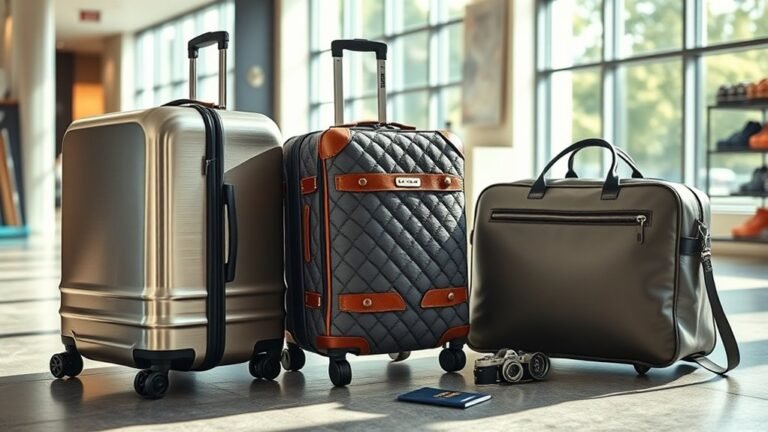
What Do You Do With Luggage When Traveling to Europe
When traveling to Europe, decide if you’ll carry, store, or ship your bags based on stops, transit type, and how mobile you need to be. Carry day essentials and valuables; use lockers, staffed left-luggage, or hotel/concierge holds for longer city stints; ship bulky items ahead for multi-city trips. Check size limits, fees, and security, label and insure high-value items, and plan pickups around transit—keep going to get practical tips, country quirks, and troubleshooting steps.
Quick Decision: Where to Leave Luggage in Europe
If you’ve got a long layover, early check-in isn’t available, or you just want to explore hands-free, decide quickly where to leave your luggage—airport storage, train station lockers, your hotel, or a near‑city left‑luggage service—so you don’t waste time hauling bags between sights.
Choose airport storage for convenience on arrival/departure, lockers for short city hops, your hotel for security and ease if returning, or a staffed left‑luggage office for flexibility and insurance.
Check size limits, hours, and costs before committing. Keep essentials with you, photograph tags, and note pick‑up deadlines to avoid surprises.
Decide: Carry, Store, or Ship – An Easy Flowchart
Now that you’ve picked where to leave your bags for a layover or city stop, decide quickly whether to carry, store, or ship them using a simple flow: ask how long you’ll be without them, how often you’ll move, and whether you’ll need the contents.
If you’re gone a few hours and moving often, carry essentials and stash the rest in a nearby locker.
For days to a week with limited movement, store at a secure facility.
If you’ll be away longer or crossing many cities, ship ahead to your destination.
Pick the option that minimizes hassle, cost, and risk.
When Carrying Luggage Makes Sense
When you’ll be moving frequently during a short stop or need immediate access to toiletries, electronics, or important documents, carrying your luggage makes the most sense. You want your essentials within reach: a change of clothes, chargers, passport, medication, and valuables.
Carrying reduces transfer delays and saves storage fees at hotels or stations. Choose a comfortable, secure bag with organized compartments and lockable zippers.
Pack light, distribute weight, and use a luggage tag and digital copies of documents. Stay aware of surroundings, keep straps closed, and use anti-theft features.
For short trips and quick handovers, carrying is efficient and flexible.
When Not to Carry: Trains, Metros, and Tight Streets
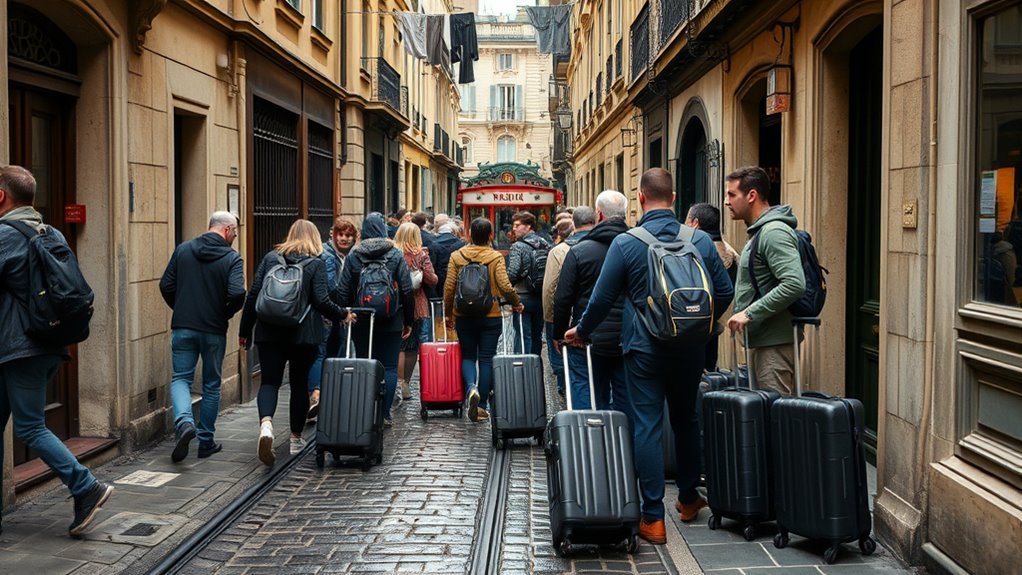
When you’re hopping onto crowded trains or squeezing down narrow cobblestone streets, skip bulky roller bags that’ll slow you and block aisles.
Try to avoid peak-hour platforms where space is tight and theft risk rises.
If you’ve got a long layover or need to explore hands-free, leave suitcases in station or airport transit storage.
Skip Bulky Roller Bags
Because narrow platforms, crowded metros, and cobblestone alleys can turn a rolling suitcase into a blockade, skip bulky roller bags on routes where space is tight and mobility matters. You’ll move faster with a compact backpack or a soft duffel that you can sling, lift, or tuck.
Choose bags that free your hands and sit close to your body to navigate stairs, narrow corridors, and busy transfers without blocking others.
- Pick a 20–35L backpack for day-to-day mobility.
- Use a lightweight duffel for short stays.
- Pack smart: compress, leave excess at a locker.
Avoid Peak-Hour Platforms
If you’re switching from a compact pack to public transit, plan your trips around off-peak hours so you won’t be juggling bags on crowded platforms. Crowds shrink early mid-mornings, late afternoons, and weekends in many cities; use transit apps to check schedules and typical traffic.
Wear your pack forward on busy platforms, keep zippers visible, and secure straps to avoid snagging.
If you must travel during rush, wait for less-packed cars, board at ends where there’s more standing room, and position yourself near doors for quick exits.
Moving deliberately reduces stress and speeds transfers through tight stations and streets.
Leave Suitcases In Transit
Though you can lug a large suitcase through stations, it’s smarter to leave rolling bags on the platform or in a carriage’s luggage area during short hops—this keeps aisles clear, speeds boarding, and reduces the chance your case will get knocked or grabbed in tight streets and crowded metros.
You’ll move faster with a daypack, stay agile on stairs, and avoid blocking exits. Consider local norms and signage before leaving bags unattended. Pack valuables with you and use a visible lock.
Simple steps:
- Keep essentials on you.
- Use carriage racks or platform zones.
- Lock or tether checked bags.
Station Lockers: Types and How to Find Them
When you’re steering through busy train stations, station lockers give you a quick, secure spot to stash bags for a few hours or a full day. They come in coin-operated, digital, and staffed variants, each with different sizes, costs, and access rules.
When navigating busy stations, lockers offer quick, secure storage—coin, digital, or staffed options for varying sizes and access.
You’ll find coin lockers near platforms or main halls; they’re simple but need exact change or a refundable token.
Digital lockers use touchscreens or apps, often accepting cards and offering receipts.
Look for locker signs, station maps, or info desks and check local transit websites before travel.
Note size limits, maximum storage times, and liability disclaimers.
Using Staffed Left‑Luggage Rooms at Stations
If you prefer staff help over lockers, check where the left‑luggage office is in the station and its opening hours so you don’t arrive after it closes.
Ask about pricing, size limits, and any extra fees before you hand over your bags.
Make sure you understand their security measures and the claim process, including what ID or receipt you’ll need to get your luggage back.
Station Location And Hours
Because staffed left‑luggage rooms are usually inside or very near the main concourse, you won’t waste time going back and forth across a sprawling station; check signage and station maps on arrival so you can drop bags quickly. Note hours vary by station and season, so plan around opening times. If you arrive late or have an early departure, confirm overnight availability.
- Look for official signs or ask ticket staff for exact location.
- Verify daily opening and closing times, including holidays.
- Keep a note of last admission time to avoid being locked out.
Pricing And Size Limits
Although staffed left‑luggage rooms vary widely, you’ll usually pay by bag size and storage duration, so check rates before handing over your keys or tags.
Smaller bags often cost a few euros for a day; large suitcases or oversized items can be noticeably pricier. Some stations offer hourly, daily, or multi‑day tiers and may cap fees for long stays.
Ask about maximum dimensions and weight—many won’t accept items that block aisles or require special handling.
Keep receipts and note opening hours to avoid extra charges.
Confirm pricing for peak days or holidays, since surcharges occasionally apply.
Security And Claim Process
Wondering how safe your bags will be once you hand them over? You’ll use staffed left-luggage rooms with ID checks, receipts, and locked storage. Staffed rooms reduce risk and speed claims if something’s off.
- Arrive with ID and booking info; get a numbered ticket and keep it.
- Note opening hours, security measures, and declared limits; inspect tags and seals.
- If an item’s lost or damaged, report immediately, fill a written claim, and keep copies of receipts and photos.
You’ll get clear procedures and a chain of custody that helps resolve issues efficiently.
Automated Lockers: Pros and Cons
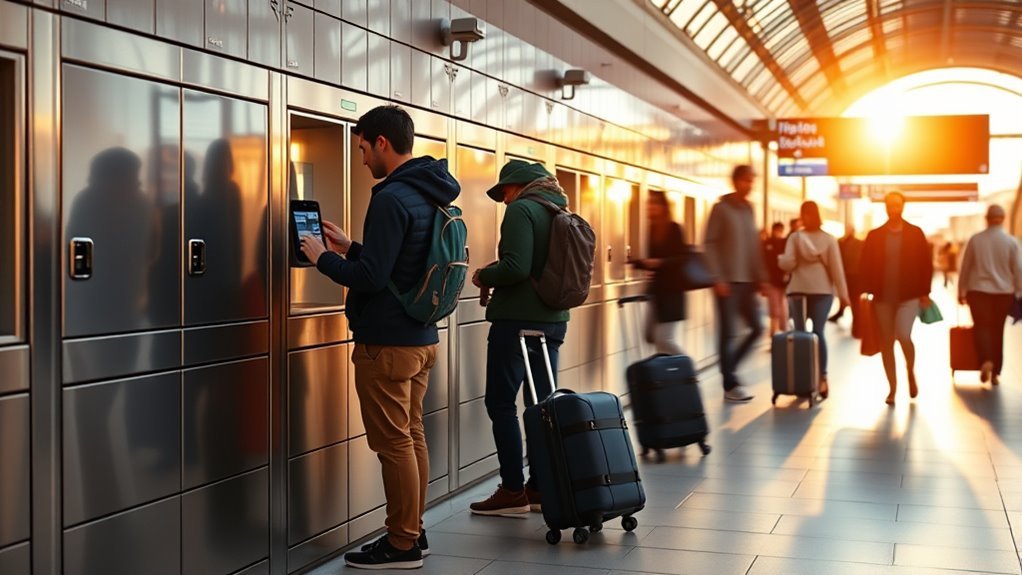
If you need a quick, secure place to stash bags while you sightsee, automated lockers can be a lifesaver—offering 24/7 access, contactless payment, and locations near transit hubs and attractions.
You’ll appreciate speed: drop off, lock, and go without queues. Costs are usually lower than staffed storage, but size limits can restrict large suitcases.
Security varies—surveillance helps, yet theft or damage risk isn’t zero, so avoid valuables. Machines may malfunction or be full during peak times, and refunds aren’t guaranteed.
Check locker dimensions, operating hours, and terms before relying on them for important items.
City Luggage Storage Apps and How They Work
City luggage storage apps let you find nearby drop-off points, book a slot, and pay through the app so you can move around hands-free.
You’ll see clear pricing and time options before you reserve, and many apps show availability in real time.
Check each provider’s security measures and insurance coverage so you know what’s protected and for how much.
How They Work
When you need to stash your bags for a few hours, luggage storage apps connect you with vetted local shops, hotels, and lockers through a simple booking flow. You search by location or time, pick a nearby host, and reserve a slot.
The app shows photos, hours, and user reviews so you can choose confidently. At drop-off you show your booking QR or code, staff verifies ID if required, and you get a receipt and a reclaim time.
Security measures vary, so check reviews and host rules before booking.
- Search
- Reserve
- Drop-off
Booking And Pricing
1 main thing to know about booking and pricing is that apps keep the process simple and transparent: you pick dates/times, choose a host, and see the total cost before you confirm. You’ll compare per-hour, per-day, and fixed rates, filter by location, and lock a spot with instant booking or request. Cancellation terms and extra fees (late drop-off, oversized bags) are shown upfront. Pay by card or app wallet, and you’ll get a confirmation with pickup instructions. Use reviews and distance to decide quickly.
| Feature | Why it matters |
|---|---|
| Rates | Compare fast |
| Location | Save time |
| Fees | Avoid surprises |
| Booking type | Instant or request |
| Confirmation | Directions included |
Security And Insurance
Because you’re trusting a third party with your bags, security and insurance are the two things you should check first. City luggage storage apps list verified hosts, photos, and ratings so you can vet locations quickly. Confirm lock types, CCTV, and 24/7 access rules.
Check insurance limits and claims process before booking; many apps include basic coverage but you may need travel insurance for high-value items.
- Verify host vetting, CCTV, and in-person ID checks.
- Confirm included insurance limits and excess amounts.
- Know the claims window, required documentation, and response time.
Book and Drop Off With App‑Based Storage
If you want to ditch your bags for a few hours or a day, app‑based luggage storage services let you book, pay, and drop off in minutes so you can explore hands‑free. You’ll pick a nearby partner shop, locker, or hotel, reserve a time slot, and get a QR code or confirmation.
Dropoff is quick: attendants log your items or you secure a locker, then you’re off. Pickup’s straightforward—show the code and ID. Apps show real‑time availability and hours, and let you extend bookings.
Use photos and receipts to document condition at dropoff for peace of mind.
Comparing Prices and Insurance for Luggage Storage
When you compare luggage‑storage options, look beyond the headline rate to hourly vs. daily billing, hidden fees for late pickups, and whether discounts apply for multiple bags or long stays. You’ll also check declared value coverage, third‑party insurance compatibility, and liability caps.
Ask about claim procedures and required receipts before dropping bags.
Ask about claims procedures and required receipts before you drop off your bags to avoid surprises later.
- Compare per‑hour vs per‑day costs and calculate your total stay.
- Verify included insurance limits and what’s excluded (electronics, cash).
- Confirm refund and claim timelines plus required documentation.
Choose the option that minimizes risk and fits your schedule and budget.
Door‑to‑Door Luggage Delivery: How It Works
You can have your bags picked up from your hotel, apartment, or a designated locker and delivered straight to your next destination, saving you the hassle of dragging luggage through transit.
Pickup windows and delivery times vary by provider, so you’ll want to book in advance and confirm any timing or access requirements.
Check tracking, insurance, and signature options so you know when and how your bags will arrive.
How It Works
Although it saves time and hassle, door-to-door luggage delivery works in a few straightforward steps: you schedule a pickup, hand off your bags at a convenient location or have them collected from your address, track the shipment as it moves across borders, and receive your luggage at your destination. You’ll book online, choose insurance and delivery speed, and tag bags following carrier rules.
Expect customs processing on international routes and clear labeling to avoid delays. Keep essentials with you.
Typical steps include:
- Book service and confirm details.
- Track transit and customs updates.
- Accept delivery and inspect luggage.
Pickup And Delivery
1 clear pickup window makes the rest of the trip smoother: you’ll schedule a pickup time or drop-off location, hand over your tagged bags, and get real-time updates until delivery.
You’ll confirm identification and any customs paperwork, then a courier transports your luggage securely to your hotel, rental, or destination terminal.
Track progress via app notifications and contact support if plans change.
On delivery, inspect tags and seals, sign if required, and tip if customary.
Services often offer insurance, restricted-item checks, and flexible timing for arrivals or late flights, letting you explore baggage-free with confidence.
Ship vs. Carry: When Shipping Luggage Pays Off
When you’re weighing whether to ship bags ahead or carry them on, think about cost, convenience, and how you’ll move between cities. Shipping pays off when you want hands-free transit, avoid bulky public transport, or skip checked-bag fees on multiple flights.
Carrying wins for tight schedules, unpredictable plans, or valuable items you need nearby. Consider door-to-door services, train-station deliveries, and hotel acceptance policies before deciding.
- Ship: best for long multi-stop trips and heavy gear.
- Carry: best for flexibility, valuables, and tight connections.
- Hybrid: send bulky items and carry essentials for day-to-day needs.
Shipping Tips: Cost, Timing, and Tracking
If you decide to ship luggage ahead, plan costs and timing carefully so your bags arrive when — and where — you need them. Choose reputable couriers, compare door‑to‑door rates, and factor customs or seasonal surcharges. Book transit allowing a buffer day or two for delays. Insure high‑value items and note weight limits to avoid surprise fees. Use tamper‑evident tags and record serial numbers. Track shipments and set delivery notifications so you can coordinate pickup or hotel delivery.
| Cost factor | Timing tip | Tracking feature |
|---|---|---|
| Weight fees | Buffer 48–72 hrs | Real‑time updates |
| Insurance | Avoid tight flips | SMS/email alerts |
Airline Baggage Strategies for Multi‑City Trips
Because routing and fare rules can vary between carriers, you should plan baggage strategies before booking multi‑city trips so you avoid surprises at each connection.
Check each airline’s allowance, noting carry‑on limits and checked bag fees for each segment. Decide whether to carry a single bag through or recheck between separate tickets; rechecking can add time and risk.
Use these tactics:
- Prioritize airlines with generous included bags for long segments.
- Consolidate essentials in a carry‑on if any segment has restrictive fees.
- Allow extra connection time when rechecking to reduce missed luggage risks.
Hotel Luggage Policies That Help: or Hurt: You
While hotels vary wildly in luggage rules, knowing their policies before you book can save time, money, and hassle. Check size limits, storage fees, and whether they accept oversized bags—some boutique places refuse large suitcases.
Look for secure storage and liability terms so you’re not responsible for loss. Note pickup/drop deadlines; free holds often end by evening.
Confirm elevator access, stair-only floors, and porter availability if you’ve mobility issues or heavy gear. If you’ll arrive early or depart late, verify whether they charge for extended storage.
Choose accommodations whose rules match your itinerary and luggage needs.
How to Request Early Check‑In or a Luggage Hold
After you’ve checked a hotel’s luggage rules, reach out about early check‑in or holding your bags so arrival day runs smoothly. Call or email ahead, state your arrival time, and politely ask if a room will be available early or if staff can store luggage securely. Mention loyalty status or flight delays — that can help. Confirm costs and pickup hours so nothing surprises you.
Call or email ahead to request early check‑in or secure luggage storage, confirming fees, pickup times, and ID requirements.
When you arrive, show ID and your reservation. If denied, ask for nearby storage recommendations or the concierge’s assistance; they often know safe, convenient options.
- Ask early and be specific.
- Confirm fees and times.
- Show ID on pickup.
Using Short‑Term Rentals and Hostels for Luggage
If you’re staying in a short‑term rental or hostel, check their luggage policies before booking so you’re not caught off guard on arrival. Ask hosts about early drop‑off, late pickup, and any extra fees; confirm whether common areas allow storage and if lockers are available.
In hostels, choose one with secure lockers and bring a small padlock or rent one there. For rentals, request permission to leave bags between guests and get clear pickup times.
Photograph valuables and note where keys or access codes are stored. Communicate arrival times so hosts can accommodate or suggest nearby luggage storage options.
Keeping Bags Safe on Night Trains
On night trains, keep passports, cash, and electronics on your person so they stay within reach.
Lock larger bags and fasten them to fixed points or your berth with a cable or strap.
Tuck smaller items into overhead compartments or mesh nets and check closures before you sleep.
Secure Valuables On You
While you sleep on night trains, keep your most important items—passport, cash, cards, phone, and a slim travel wallet—on your person in a small, secure pouch or money belt that tucks under your clothing; this reduces the chance of loss or theft and lets you access essentials without rummaging through luggage.
You should:
- Wear the pouch against your body and cover it with clothing to deter opportunistic thieves.
- Spread cash and cards between the pouch and a hidden pocket so a single loss isn’t catastrophic.
- Keep a photocopy of your passport and an emergency contact saved digitally and offline.
Lock And Attach Bags
Because night trains are cramped and stops can be unpredictable, lock and physically secure your bags to prevent quick snatches or accidental loss. Use a sturdy cable, luggage strap, or lightweight chain to anchor bags to a fixed fixture like a seat frame or luggage rack.
Choose a reliable lock—combination or key—and test it quickly so you can open it in dim light. Keep essentials in an inner zipped compartment or a small bag you can bring into your berth.
Position larger bags where you can see or feel them while sleeping, and check locks at each stop.
Use Compartments And Nets
Locking and anchoring your bags helps, but using built-in compartments and nets adds another layer of protection on night trains. You’ll keep valuables tucked away, prevent shifting during movement, and make access easy without exposing contents. Use overhead nets, under-seat cubbies, and end-of-car lockers when available.
- Choose compartments near your berth for quick checks.
- Secure small bags in elastic nets and zip pockets to stop them sliding.
- Stow larger suitcases in dedicated bays and loop a cable lock through handles.
Check compartments on boarding, and adjust placements for visibility and convenience.
What to Store vs. What to Carry: Valuables, Tech, Meds
If you can only grab one bag in a rush, decide ahead what stays locked in your hotel safe and what you take on the plane or day trips. Keep passports, extra cards, precious jewelry, and backup cash securely stored; photos and copies in your carry-on.
Decide what stays in the hotel safe and what you grab—passports, cards, and copies go in your carry-on.
Carry daily essentials: wallet, phone, chargers, a compact power bank, and sunglasses.
Pack necessary meds in your carry-on with prescriptions and a small first-aid kit.
Leave bulky or replaceable items in checked luggage.
For expensive tech, use discreet cases and keep devices on you during transit.
Review your plan each morning.
Packing Tricks for Easier Mobile Sightseeing
Pack light layers so you can adapt to changing weather without lugging a bulky coat.
Use a compact daypack for essentials and keep valuables close, swapping items between your main bag and daypack as needed.
Organize clothing and accessories with packing cubes to find things fast and save space.
Pack Light Layers
When you’re moving between cobblestone streets, museums and cafés, light layers keep you comfortable without weighing you down; choose pieces that mix, match and dry quickly so you can adapt to changing weather and keep sightseeing mobile.
You’ll pick versatile garments: a breathable base, a mid layer for warmth, and a packable shell for rain or wind. Rotate colors and textures to look fresh without extra items.
Layer strategically for mornings, afternoons and evenings, and launder small items in sinks when needed.
Keep accessories minimal—scarves, compact gloves, a hat—for warmth and style.
- Choose versatile fabrics
- Limit colors
- Pack a shell
Use Daypacks Smartly
Light layers work best when you’ve got a smart daypack to carry the small extras that keep sightseeing smooth. Choose a lightweight, comfortable pack with multiple pockets so you can grab your phone, map, wallet, and snacks without unpacking.
Keep valuables in a secure, zippered interior pocket and use a slim rain cover or packable tote for sudden showers or market finds.
Pack a compact water bottle, a sunscreen stick, a small first-aid kit, and a portable charger.
Adjust straps for balanced weight, and avoid overfilling—your daypack should support hours of walking, not become another burden.
Organize With Packing Cubes
While you’re on the move, packing cubes make finding outfits and gear fast and tidy. You’ll separate shirts, underwear, and electronics so you don’t dig through your bag at every stop. Use cubes to compress clothes, protect fragile items, and keep dirty laundry isolated. Label or color-code cubes for quick grabs, and stash a slim cube in your daypack for day-by-day outfits.
- Pack by function: tops, bottoms, toiletries.
- Compress bulky items to save space.
- Keep a small cube for chargers and travel docs.
Cubes speed changeovers, reduce wrinkles, and make hotel routines effortless.
Security Best Practices for Stored Luggage
Although you might feel pressed for time, securing stored luggage is one of the easiest ways to prevent theft or loss. Always lock bags with a TSA-approved lock, keep a copy of your luggage tags and receipts, and store valuables in a smaller, separate bag you keep on your person.
Use sturdy locks and tamper-evident straps, label bags both inside and out, and photograph contents for insurance.
Choose reputable storage facilities with surveillance and receipts, note opening hours, and ask about insurance limits.
When possible, store fragile or high-value items with you. Check storage agreements and reclaim luggage promptly.
Handling Oversized or Oddly‑Shaped Items
When you’re traveling with oversized or oddly shaped items, plan ahead so they don’t become a last‑minute headache. Measure and weigh each piece, check airline and train size limits, and confirm carriage or storage rules in advance. Consider hard cases or straps to protect odd shapes and mark them for easy ID.
- Contact carriers early to reserve space or pay oversized fees.
- Use protective wrapping, collapsible cases, or soft covers to reduce bulk.
- Research left‑luggage facilities and station policies to guarantee acceptance and cost expectations.
Pack essential items separately in a standard bag you can access quickly.
Traveling With Sports Gear, Instruments, and Strollers
If you’re bringing sports gear, musical instruments, or a stroller, plan each piece’s transport and protection so you don’t get stuck at the gate or platform. Check airline and train policies for size, weight, and carry-on allowances; reserve space or buy oversized-item tickets when required.
Use hard cases, padded bags, or stroller travel covers to prevent damage and meet gate-check rules. Label items with contact info and flight details.
Arrive early to allow extra handling time and ask staff about storage on board. Consider compact, collapsible gear to simplify transfers between airports, stations, and accommodations.
Budget Hacks: Cheap and Free Luggage Storage Tactics
Because you don’t want to haul bags all day, scout cheap and free luggage-storage options before you arrive. Use local services, hotel policies, and community resources to save. Consider these tactics:
- Ask hotels or hostels for early drop-off or late checkout — many won’t charge if rooms are free.
- Use station lockers or official left-luggage counters; they’re inexpensive and secure for short stays.
- Check community centers, coworking spaces, or tourist offices that offer complimentary or donation-based holds.
Confirm operating hours, size limits, and insurance policies so you won’t face surprises, and always keep valuables with you.
Same‑Day Sightseeing Without Your Bags: Time Savers
If you want to sightsee the same day you arrive, drop your bags at a staffed left-luggage, luggage locker, or app-based storage service near the station or airport.
Use fast transit options like express trains, trams, or bike rentals to get into town quickly and avoid waiting for taxis.
With storage and quick transport lined up, you’ll make the most of your limited time.
Luggage Storage Options
Want to see a city’s highlights without hauling your bags? You can drop luggage quickly and securely so you travel light for hours. Choose the option that fits your route, budget, and comfort.
- Station lockers: cheap, widespread, good for short stops; check size limits and payment methods.
- Left-luggage desks: staffed, secure, ideal for odd sizes or valuables; note hours and ID requirements.
- Commercial storage apps: book nearby shops or hotels by the hour; compare reviews and cancellation terms.
Plan pickup time, keep essentials with you, and photograph receipts and bag tags for peace of mind.
Quick Transportation Tips
When you drop your bags for the day, pick transport that saves time and minimizes transfers so you can see more without backtracking. Choose hop-on hop-off buses for direct routes between major sights, or rent a bike for flexible, traffic‑skirting travel.
Use local trams and metros where they’ll get you closest to attractions; check service maps instead of guessing. Grab a rideshare for tight schedules or late returns, splitting costs if you’re with others.
Time your departures to avoid rush hours and buy single‑day passes to skip queues. Pack a small daybag with essentials so you move quickly.
Country Tips: France, Italy, Spain, Germany, UK
Though each country has its own style and rules, you’ll want luggage that balances size, security, and ease of transport for France, Italy, Spain, Germany, and the UK. Pack a compact roller or backpack; narrow streets, cobblestones, and trains reward maneuverability. Lockable zippers and an internal organizer keep valuables secure and accessible. Choose durable wheels and a comfortable strap for longer walks between stations and accommodations. Check local size limits for regional trains and budget airlines before departure. Consider weather: waterproof items for UK and northern Europe, breathable fabrics for southern sun.
- Prioritize mobility.
- Prioritize security.
- Prioritize climate-appropriate gear.
Troubleshooting Common Luggage Storage Problems
If you run into storage hassles—overstuffed overhead bins, tight train racks, or soggy hotel closets—quick fixes can save your trip. First, prioritize: keep essentials in a daypack so delays don’t derail plans.
Compress bulky items into packing cubes to fit odd spaces. For wet items, use waterproof bags or a hotel hairdryer briefly to prevent mildew.
If storage areas are full, ask staff for alternative spots or nearby luggage facilities; many stations and tourist offices offer short-term lockers.
Secure valuables with small locks and label bags clearly to speed retrieval and avoid misplaced items.
Choosing the Right Luggage Plan for Your Trip
Because your itinerary, transport modes, and accommodation vary, pick a luggage plan that matches how you’ll move and what you’ll need on the road. Decide whether you’ll rely on a single carry-on, checked bags, or a mix, then tailor packing and storage choices accordingly.
Match your luggage to your route: carry-on for speed, checked bags for longer stays, or locker-friendly light packs.
Consider transfers, cobblestones, and stairs; choose wheels, weight, and handles that suit walking and trains. Factor in storage options at hostels, hotels, or lockers so you won’t overpack.
Use:
- Carry-on only for fast, light travel.
- Checked plus daypack for longer stays.
- Locker-friendly packing for short hops.
Quick Checklist: Luggage Decisions Before You Go
When you’re finalizing plans, run through a tight checklist so your luggage matches how you’ll travel. Confirm airline baggage allowances, including carry-on size and weight, and prepay fees if cheaper.
Match bag type to transport: hard-shell for long flights, soft for trains and cobblestones. Pick one versatile day bag with secure closures.
Plan laundry and pack fewer clothes; that cuts baggage needs. Use packing cubes and weigh bags at home.
Note transfers, station stairs, and hotel storage policies. Label bags and keep important documents and a change of clothes in your carry-on for delays or lost luggage.
Frequently Asked Questions
Can I Store Luggage at Airports Between Connecting Flights?
Yes, you can usually store luggage at airports between connecting flights; options include airline transfer services, airport baggage storage or left-luggage facilities, and secure lockers, but availability, costs, and rules vary by airport so check ahead.
Are There Customs Rules for Shipping Luggage Across European Borders?
Yes — when you ship luggage across European borders, you’ll follow customs rules: declare goods if required, pay duties on dutiable items, provide accurate documentation, and comply with restricted or prohibited item regulations to avoid fines or seizure.
How Do I Handle Lost Baggage Claims for Shipped Luggage?
You file a claim with the carrier promptly, provide shipment receipts and photos, document contents and value, keep tracking and communication records, follow their forms and deadlines, and escalate to insurance or ombudsman if the carrier’s resolution isn’t satisfactory.
Can I Insure a Storage App Booking for High-Value Items?
Yes — you can insure a storage app booking for high-value items; check the app’s offered policies, buy supplemental insurance if needed, document items thoroughly, get written confirmation, and confirm coverage limits, exclusions, and claim procedures beforehand.
What Documentation Do I Need to Ship Sports Equipment Internationally?
You’ll need a commercial invoice, packing list, airway/sea waybill, proof of ownership, serial numbers, export/import permits if restricted, and any sport-specific certificates. Check destination customs rules and insurance policy requirements before shipping.
Conclusion
When traveling in Europe, pick the simplest option for each leg of your trip: carry what you need, store extra in station or city lockers, or ship bulky items ahead. Carry light through crowded trains, metros, and historic streets; use staffed left luggage at big stations in France, Italy, Spain, Germany, and the UK; and book shipping for long stays or border crossings. Plan ahead, check opening hours and sizes, insure valuables, and keep essentials with you.