What Are Tsa Locks
TSA locks are small luggage locks that let Transportation Security Administration or other authorized agents open and relock your checked bags without breaking them, so you don’t end up with ripped zippers. You’ll use them to deter casual theft and speed inspections, but they’re not foolproof for valuables, so keep important items with you. They carry a Travel Sentry logo and a secondary keyway for agents; keep exploring to learn how they work, their limits, and care tips.
What Is a TSA Lock and Why It Exists
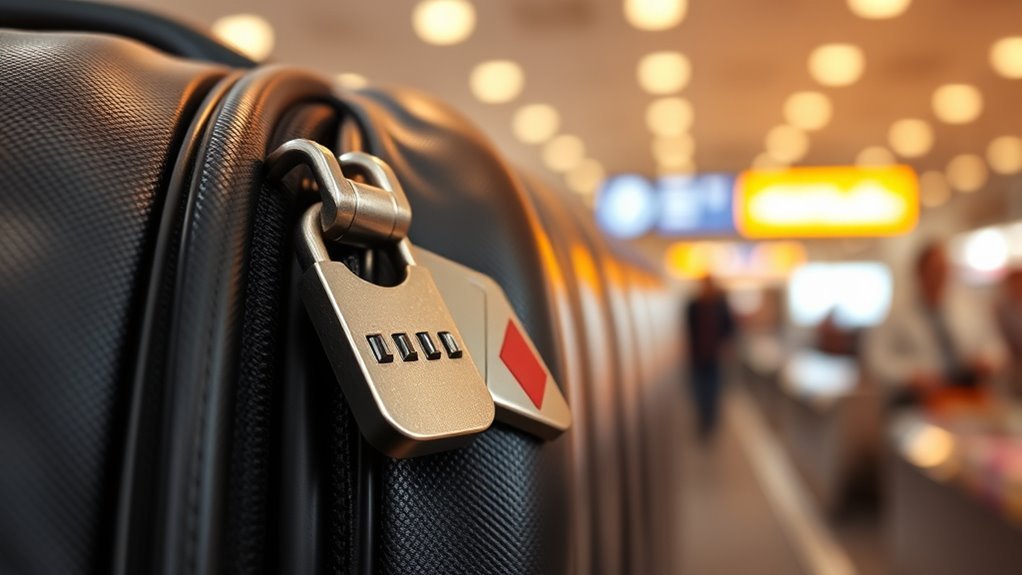
When you hear “TSA lock,” think of a small, travel-friendly padlock or zipper lock that both secures your luggage and lets Transportation Security Administration agents open it with a master key if they need to inspect your bag.
You choose one to protect belongings while complying with security rules that let inspectors access checked bags without breaking locks. They exist because airports balance traveler privacy with safety: locks deter casual theft and keep items intact, yet allow authorized screening.
You’ll find them labeled TSA-approved; pick a sturdy model, use it consistently, and don’t rely on it as your only security measure.
How TSA-Approved Locks Work
You’ll learn how TSA master keys open specially designed keyways without damaging your lock, and how those keyways differ from standard locks.
I’ll explain the internal mechanisms that let TSA agents use master keys while still letting you set your own combination or key.
We’ll also cover what that means for your safety and how to choose and use locks that balance access with protection.
How TSA Master Keys Work
Because security screeners need consistent access, TSA-approved locks include a second keyway that lets authorized agents open luggage without breaking the lock. You should know these master keys are held by designated agencies and used only during inspections.
When an inspector uses a master key, your lock’s visible keyway stays intact, and you won’t need to cut or replace the lock afterward. The system balances traveler convenience with screening authority: you keep control of your personal key, while inspectors use standardized master keys to access many different branded locks.
Misuse is regulated, but no system is entirely immune to risk.
Locking Mechanism Differences
Now that you know how master keys let inspectors access luggage without damaging locks, it’s helpful to look at how the locks themselves are built. You’ll see two main types: keyed and combination TSA-approved locks.
Keyed models include a conventional keyway plus a separate TSA-access slot. Combination models have dials or push-button mechanisms plus the TSA slot.
Internally, both use a secondary locking element aligned to respond to the TSA master key, so inspectors can retract the shackle or latch without disturbing your setting.
Materials and tolerances vary, so durability and resistance to tampering differ between brands and price points.
Traveler Safety Considerations
How do TSA-approved locks affect your luggage security and privacy when inspectors need access? You’ll trade absolute control for regulated inspection: locks let Transportation Security Administration agents open and relock baggage without damaging it, reducing theft and transit damage risk.
You should still avoid storing irreplaceable valuables in checked bags, since access increases exposure. Inspectors follow protocols, but mistakes happen; document contents and photograph valuables before travel.
Use locks as one layer among labeling, durable bags, and travel insurance. After inspection, check for tamper indicators and report issues promptly to airlines or TSA for resolution and records.
How TSA Master Keys Open Luggage
You’ll learn how TSA master keys match a standard lock pattern to open approved luggage without breaking it. I’ll explain the agency’s access protocols for inspections and how locked bags are handled during screening.
Then we’ll cover the security and privacy implications you should consider when choosing a travel lock.
How Master Keys Work
Although they look like ordinary keys, TSA master keys let authorized agents open many different branded locks without damaging your luggage. You should know they work by engaging a lock’s master wafer or pin position that standard keys don’t reach.
When inserted, the master key aligns specific internal components to a shear line, allowing the plug to rotate and unlatch the lock.
Manufacturers build a small tolerance or extra shear plane into compliant locks so those master cuts fit multiple combinations. You retain control because only credentialed personnel use these keys, which simplifies inspections while preserving lock integrity.
TSA Access Protocols
When TSA agents need to inspect checked luggage, they follow a standardized access protocol that uses authorized master keys to open compliant locks without breaking them. You’ll see agents verify the passenger’s bag tag and scan luggage into the system, confirming inspection intent.
They locate the lock, use the matching master key from a controlled kit, and open the zipper or shackle to examine contents. After inspection they relock the bag with the original lock when possible or indicate an opened status.
Chain-of-custody records and internal logs document the action, ensuring accountability and traceability for each opened item.
Security And Privacy Implications
Because TSA master keys let agents open compliant locks without damaging them, they create both practical convenience and notable security trade-offs. You benefit from undamaged luggage and faster inspections, but you also accept that master keys exist and could be replicated or misused. Sensitive items may be exposed, and chain-of-custody questions arise if others access your bag. Consider alternatives for high-value contents: carry them, use tamper-evident seals, or choose non-TSA locks for non-air travel. Balance convenience with risk awareness and limit what you pack when privacy matters.
| Risk | Mitigation |
|---|---|
| Key replication | Limit contents |
| Unauthorized access | Tamper seals |
| Evidence gaps | Photographs |
| Policy limits | Carry items |
How TSA Locks Get Certified
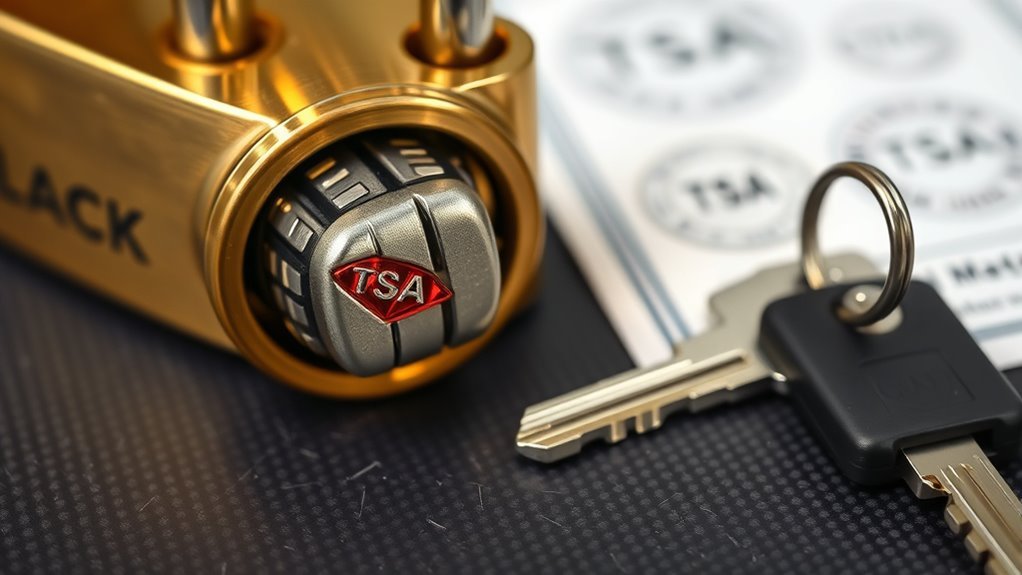
If you want a lock to be labeled “TSA approved,” it has to go through testing and a formal review by the Transportation Security Administration or an authorized third party. You submit technical specs and samples, they assess durability, keyway compatibility with master keys, and resistance to tampering.
Testing confirms agents can open and relock luggage without damage. After passing, the TSA grants authorization to use its logo and lists the model. You’ll need periodic retesting if designs change.
Noncompliant locks aren’t certified, and manufacturers must follow reporting and quality controls to keep approval valid.
How to Identify Genuine TSA-Approved Locks
When you’re checking a lock, look for the red Travel Sentry or Accepted by TSA logo stamped on the body.
You should also verify the keyhole shape matches TSA master keys—a small, distinctive profile rather than a regular padlock keyway.
If either mark looks off, don’t assume it’s genuine.
Look For TSA Logo
While shopping for a travel lock, check the body for the red-and-white Travel Sentry logo or the small diamond-shaped symbol that shows it’s TSA-approved.
You should also inspect packaging and product listings for the official trademark and certification number.
Genuine locks display clear, permanent markings rather than stickers that peel off.
If a seller or manufacturer name is missing, ask for proof of certification or avoid the item.
Remember counterfeit marks can mimic the logo, so buy from reputable retailers or directly from known brands.
Keep serials or receipts in case you need to verify authenticity later with Travel Sentry.
Verify Keyhole Shape
Because TSA-approved locks use a specific key pattern, you can often spot a genuine lock by examining the keyhole shape closely. Look for a small, rectangular or circular recess that fits a master key; irregular or oversized holes suggest aftermarket or counterfeit locks. Run your finger around the edge to feel precision cuts and consistent machining. Compare against known genuine examples before purchase.
| Feature | What to look for |
|---|---|
| Shape | Rectangular/circular recess |
| Fit | Tight, precise key entry |
| Finish | Clean machining, no rough edges |
If unsure, test with retailer guidance or replace.
TSA Lock Symbols and What They Mean
Although the small icons on a TSA-approved lock might seem trivial, they tell you exactly how your luggage will be handled by security agents and which tools they’ll use.
Although tiny, TSA lock icons reveal how agents will handle your luggage and which inspection tools they’ll use
You’ll often see a red diamond (Travel Sentry) or a red-and-white logo (Accepted by TSA) indicating certified access for authorized inspectors.
A keyhole icon shows it’s a keyed lock; a dial or combination graphic means a combo mechanism.
Some logos include a cutter symbol crossed out, suggesting guards should use master keys rather than destructive tools.
Learn these symbols so you’ll choose locks that balance convenience with inspection compatibility.
When to Use a TSA Lock for Checked Bags
You should check your airline’s security rules before locking a checked bag, since some carriers and destinations have specific requirements about locks and inspections.
If you’ll be storing luggage long-term—at a hotel, storage facility, or with a carrier—using a TSA-approved lock helps protect your items while still allowing authorized access.
We’ll cover when a lock is required, when it’s recommended, and how to balance security with inspection needs.
Airline Security Requirements
When flights require checked luggage, you’ll want to know whether a TSA-approved lock is necessary so your bag stays secure without causing delays or damage during inspections. Airlines and TSA rules vary, so check your carrier’s policy and destination regulations before locking checked bags.
Use TSA-approved locks when you need to deter casual tampering but still allow agents to inspect without breaking hardware. If you carry restricted items, follow packing rules rather than relying on a lock.
- Verify your airline’s checked-bag and inspection policies.
- Use TSA-approved locks to permit official inspections.
- Avoid locks if prohibited by carrier or destination.
Long-Term Storage Needs
Wondering whether a TSA-approved lock makes sense for long-term checked-bag storage? If you’ll leave luggage in airline or third-party storage for weeks or months, a TSA lock offers modest protection: it deters casual tampering and signals professional handling.
You should use one when contents are valuable but not highly sensitive, when facilities might need to inspect bags, or when staff routinely access stored items.
Don’t rely on TSA locks for high-security needs—consider hard cases, tamper-evident seals, or secure storage units instead.
Balance convenience, inspection requirements, and the level of risk before locking checked baggage long-term.
When a TSA Lock Is Unnecessary or Counterproductive
Although TSA locks can simplify inspections, they’re unnecessary or even counterproductive in several common situations. You don’t need one when you supervise luggage yourself or travel to places with low inspection risk.
They can also give a false sense of security for high-value items better stored in carry-on bags. And if you need quick access to gear during transit, a lock slows you down.
- Checked luggage you watch or can avoid leaving unattended.
- Valuables and documents you keep in a carry-on or on your person.
- Trips requiring frequent access to packed items.
Will TSA Locks Slow Down Security Screening?
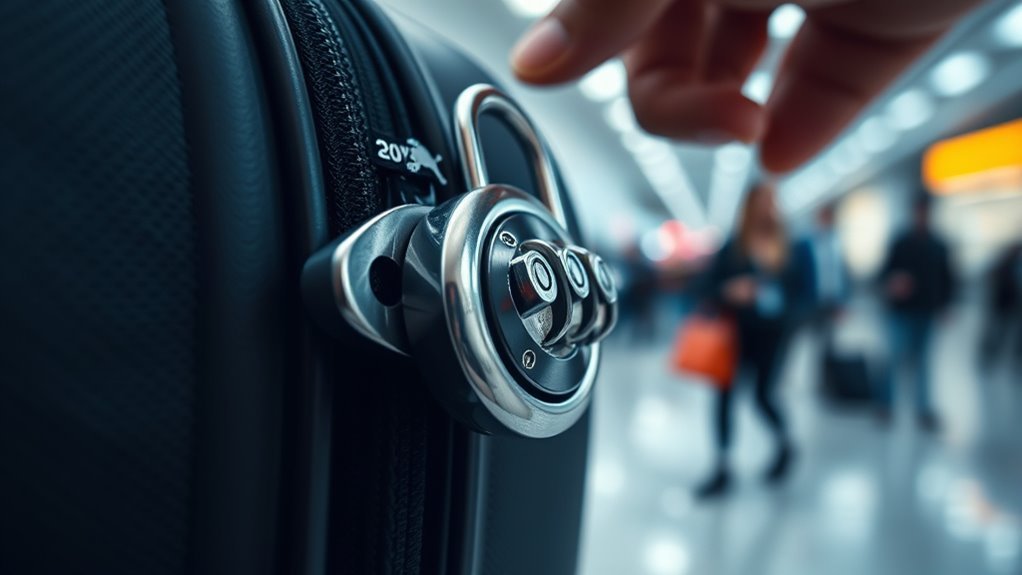
You might worry that TSA locks will slow down screening if agents need to open your bag for inspection.
In many cases, using a TSA-approved lock lets screeners gain access to, inspect, and relock your luggage quickly without breaking it.
Still, occasional inspections can add a bit of time, so weigh that small delay against the protection the lock provides.
Potential Delays During Inspection
If an officer needs to open your checked bag, a TSA-approved lock won’t usually slow the process because agents use master keys or cut locks to inspect contents quickly. Still, delays can happen if bags are flagged, locks are damaged, or staff are busy.
You can reduce hold-ups by choosing clear labeling and following packing rules.
- Confirm your lock shows TSA approval and works smoothly so agents don’t waste time fiddling.
- Pack so items are accessible to avoid full recheck and repacking delays.
- Leave contact info inside and outside the bag for quick resolution if opened.
Benefits For Screeners
When agents need to inspect checked luggage, TSA-approved locks let them open and relock bags quickly without damaging the closure, so screening moves more smoothly and your property stays intact.
You’ll help screeners work efficiently because they won’t need extra time to cut seals or force zippers, reducing backlog and minimizing manual handling.
Faster inspections lower the chance of missed flights or delayed baggage reunions.
You’ll also reduce the likelihood of lost components from damaged luggage.
Types of TSA Locks: Combination, Keyed, Cable
TSA-approved locks come in three main styles—combination, keyed, and cable—each balancing convenience, security, and flexibility differently. You’ll pick based on how you travel and what you value: ease of access, shared use, or securing odd-shaped items.
- Combination: You set a code, so you won’t need a key. It’s great if you hate losing keys, but remember to record your combo.
- Keyed: Simple and often sturdier; you’ll carry a small key. Spare keys help if you travel with others.
- Cable: Flexible loops wrap around straps or multiple zippers, adding versatility for gear.
Built-In Luggage TSA Locks: Pros and Cons
Built-in TSA locks give you the convenience of an integrated mechanism that’s easy to use at checkpoints. However, they can limit security options if the lock’s design is weak.
You’ll want to weigh how often you travel and whether a damaged built-in lock can be repaired or replaced without swapping the whole suitcase.
Consider that convenience can save time, but repairability and long-term reliability affect real-world protection and value.
Security Versus Convenience
While integrated TSA locks make checking bags simpler and cut down on damaged zippers, they also create trade-offs you should consider. You get convenience—TSA can open and relock without destroying your bag—but that also means an extra access point that skilled thieves might target. You’ll trade a bit of security for faster inspections and fewer hassles at checkpoints.
- Faster inspections: less delay, lower risk of forced entry.
- Predictable access: authorized personnel can open your bag, reducing loss from broken locks.
- Added vulnerability: more mechanisms mean more potential tampering or bypass.
Repair And Replacement
How easy is it to fix or replace a luggage lock if it breaks? You’ll find built-in TSA locks vary: some let you remove a module with a few screws, others are fused into the shell.
If it’s modular, you can order a replacement from the maker or a third-party and swap it quickly with basic tools. Non-modular locks often require professional repair or shell replacement, which can be costly and impractical.
Consider warranty coverage and availability of parts when buying. You’ll trade convenience for potential long-term expense—choose a design you can realistically maintain or replace.
How to Set a TSA Combination Lock
Want to set your TSA combination lock quickly and securely? Start by opening it with the factory code (usually 0-0-0). With it open, locate the reset button or lever—press or slide it as instructed.
Choose a memorable 3- or 4-digit code, avoid obvious sequences, then release the reset mechanism to lock in the new code.
- Test the new combination several times before closing your bag.
- Record your code in a secure place, not on the luggage.
- If it won’t reset, consult the manufacturer guide or contact support.
You’ll travel with more confidence once it’s set correctly.
How to Use a TSA Keyed Lock Properly
If your lock supports both a key and a combination, you’ll first set a secure combo so you don’t rely solely on the key.
Keep the TSA key accessible only to inspectors or trusted personnel, and use it only when necessary to avoid wear.
When locking or opening, check that the shackle and mechanism seat properly so the lock functions smoothly.
Setting The Combination
Before you set a new combination, make sure the lock is open and the shackle or reset button is in the correct position so the mechanism can accept your code; this prevents damaging the tumblers or accidentally freezing the lock.
You’ll rotate dials to your chosen sequence, press or pull the reset control, then finalize the code by returning the shackle or releasing the button.
Test the new combination several times before locking your bag. Write it down in a secure place and avoid obvious numbers.
- Pick a memorable but non-obvious sequence.
- Follow manufacturer steps precisely.
- Verify multiple times before travel.
Using The TSA Key
How do you use a TSA-keyed lock correctly? You keep your key separate and accessible, not buried in your bag. When an inspection’s needed, an officer uses a master key; you shouldn’t try that.
To lock, set your combination, insert the shackle, then scramble the dials. If your lock uses a key override, keep the key safe and only use it when authorized.
After an inspection, check that the shackle closes and the combination still works. Report missing or damaged locks immediately.
Remember: the TSA key lets agents open locks without damaging them, not for personal access.
How to Reset or Change TSA Lock Combinations
When you need to change a TSA lock combination, you’ll find the process straightforward once you know the lock type and follow the manufacturer’s steps closely. Identify whether your lock has a reset button, a pinhole, or a movable shackle.
Gather a pen or paper to record the new code, and verify the current combination opens the lock before starting.
- Locate reset mechanism (button, pinhole, or lever) and follow hold/turn instructions.
- Enter and confirm a memorable, non-obvious combination; write it down securely.
- Test the new code several times before closing luggage.
What to Do If a TSA Lock Jams or Won’t Open
If your TSA lock jams or won’t open, don’t panic—you can usually troubleshoot it yourself with a few quick steps.
First, verify the dial or buttons align exactly with the combination; wiggle gently while applying light pressure.
First, ensure the dial or buttons are precisely on the combination; gently wiggle while applying light pressure.
Try lubricating the shackle and mechanism with a graphite lubricant or a small spray of silicone; avoid oil that attracts grime.
If a zipper lock binds, move the zipper back and forth while holding the combination.
Check for debris or bent parts and straighten what you can.
If these steps fail, contact the lock manufacturer or a luggage repair service for guidance before forcing it.
Can TSA Agents Break Your Lock? What to Expect
TSA agents can and do cut or break locks when they need to inspect your luggage, but they’ll usually try to open it using approved methods first. If those fail or the lock isn’t TSA-recognized, expect forced entry. You’ll often find a notice inside explaining why and who opened it. Keep receipts and photos to document damage for claims.
To prepare, consider TSA-approved locks or removable items that ease inspection.
- Pack valuables in carry-on to avoid checked-lock issues.
- Label luggage with contact info for return after inspection.
- Photograph locks and luggage before travel for claims.
TSA Locks vs. Tamper-Evident Seals
Although both aim to protect your checked bags, TSA-recognized locks and tamper-evident seals serve different purposes: locks deter casual tampering while allowing authorized agents to open and relock luggage.
Whereas seals show whether someone has accessed your bag but won’t prevent entry. You’ll choose locks for reusable security and convenience—agents can inspect and reseal without damaging your closure.
You’ll pick tamper-evident seals when you want a clear, single-use indication of interference; they’re simple, cheap, and obvious.
Combine both when desired: a lock adds deterrence, a seal provides visual proof.
Inspect seals after travel and replace damaged ones.
Are TSA Locks Legal Abroad?
Many countries allow the type of luggage locks recognized by U.S. security agencies, but rules and enforcement vary, so you should check local regulations and airline policies before you travel.
You can usually use TSA-approved locks abroad, yet some nations or carriers prefer their own standards or may open luggage without using master keys. Before packing, verify destination rules and airline guidance to avoid surprises. Consider non-lock options where prohibited.
- Check destination customs and aviation authority rules.
- Confirm your airline’s baggage and security policies.
- Use clear labeling and keep receipts for lock models.
How Airlines and TSA Handle Damaged-Luggage Claims
If a lock gets broken or your baggage arrives dented after security checks, you’ll want to know how airlines and U.S. security agencies handle damaged-luggage claims and what steps to take next.
You should inspect luggage immediately, note damage, and keep damaged items and packaging.
Report to the airline’s baggage office before leaving the airport and get a written report or reference number.
File a claim promptly per airline deadlines, attach photos and receipts.
If TSA caused damage while inspecting and left a notice, contact the TSA Contact Center; they’ll guide you on submitting proof.
Keep records and follow up persistently.
How Much Theft Protection Do TSA Locks Actually Provide?
When you lock your suitcase with a TSA-approved lock, you’re mainly protecting it from opportunistic travelers and casual tampering—not from a determined thief or someone with tools. You get a visible deterrent and reduced chance of accidental openings, but locks can be bypassed by cutting, picking, or opening zippers.
Rely on them for low-risk trips and to signal care.
- Deterrence: discourages casual snooping and signals supervision.
- Vulnerabilities: susceptible to cutting, picking, or forced entry with basic tools.
- Practicality: useful for convenience, not for valuable-item security.
Alternatives for Higher Security: Cable Ties, Tamper Bags, Locks
Since TSA locks mainly deter casual tampering, you might want stronger options for higher-risk trips: cable ties, tamper-evident bags, and sturdier locks each offer different trade-offs between security, convenience, and detection.
You can use cable ties as inexpensive, single-use seals that show if baggage was opened, though they won’t stop a determined thief.
Tamper-evident bags protect specific items and make unauthorized access obvious, useful for electronics or documents.
Heavy-duty padlocks or hardened travel locks boost resistance to cutting and prying but may be cut by inspectors or delay screening.
Combine methods for layered protection and clear evidence of tampering.
How to Choose the Right TSA Lock for Your Travel Style
Although you want portability and quick access, your travel habits should drive the lock you pick: choose a lightweight keyed or combination TSA lock for routine airline trips. A sturdier hardened padlock is advisable if you frequently leave bags unattended or visit higher-risk areas. Consider zip-tie seals or tamper-evident straps when you need clear evidence of access rather than theft prevention.
Assess destination risk, luggage type, and how often security will inspect your bag. Prioritize ease-of-use, durability, and whether you need resettable combos. Balance weight against security for comfort on long trips.
- Match lock strength to destination risk.
- Choose user-friendly mechanisms.
- Prefer tamper-evidence when inspection is likely.
Best TSA Locks for Short Trips, Long Trips, and Business Travel
Pick a TSA lock based on trip length and purpose: for short weekend getaways you’ll want a lightweight, easy-to-set combination or keyed lock that won’t weigh you down; for long trips choose durable, resettable locks with stronger materials; for business travel prioritize quick-access combination locks that look professional and protect electronics. Match features to needs.
| Trip Type | Recommended Lock | Key Feature |
|---|---|---|
| Short | Lightweight combo | Low weight |
| Long | Heavy-duty reprogrammable | Durability |
| Business | Sleek quick-set combo | Fast access |
Choose accordingly and pack confidently.
Budget vs. Premium TSA Locks: What Differs
You’ve matched locks to trip length and purpose; now let’s look at how budget and premium TSA locks differ so you can balance cost with performance. You’ll choose based on durability, features, and warranty. Cheaper locks save money but may wear faster; premium locks resist tampering and last longer.
Match locks to trip needs, then balance budget versus premium: durability, features, and warranty guide your choice.
- Materials: Budget uses lighter alloys; premium uses hardened steel or reinforced zinc for strength.
- Features: Premium offers keyed options, resettable combinations, and tamper indicators; budget sticks to basic combos.
- Warranty & service: Premium often includes longer warranties and customer support; budget may be limited or none.
Pick what matches your risk tolerance and travel frequency.
Common Myths About TSA Locks Debunked
Many travelers assume TSA locks either guarantee total security or do nothing at all, but the truth sits between those extremes. You shouldn’t think TSA agents routinely break locks to rummage; they’re trained to open verified locks with master keys when necessary.
You also shouldn’t assume TSA locks make your bag invulnerable; they’re deterrents against casual tampering, not determined thieves.
Don’t believe all TSA-approved labels mean identical quality—materials and mechanisms vary.
Finally, you can rely on TSA logs for accountability, but don’t expect perfect tracking of every opened bag.
Understand limits and use locks appropriately.
Tips to Prevent Theft Even With a TSA Lock
Now that you’ve got a realistic sense of what TSA locks can—and can’t—do, it’s smart to layer other protections to keep your belongings safe. Use vigilance and simple habits: don’t leave bags unattended, keep valuables in carry-on, and conceal expensive items.
Choose durable luggage and consider tamper-evident seals or cable ties. Share routes and arrival times with someone you trust. Photograph contents and serial numbers for claims. Avoid obvious patterns like always packing high-value items in external pockets.
Travel insurance can cover losses beyond TSA responsibility.
- Pack valuables in carry-on.
- Use tamper-evident seals.
- Photograph contents and serials.
How to Maintain and Care for TSA Locks
Because locks take constant use and travel wear, you should make basic maintenance part of your packing routine.
Clean TSA locks after dusty trips—brush debris from dials, shackle, and keyway with a soft brush or compressed air.
Lubricate moving parts sparingly with graphite or silicone spray; avoid heavy oils that attract dirt.
Test combinations and keys before travel to confirm smooth operation.
Store locks in a dry place to prevent corrosion and keep spare keys or combination notes secure but separate from luggage.
Inspect for cracks or damaged components and address issues before your next trip.
How to Replace a TSA Lock and Dispose of Old Ones
When a TSA lock starts sticking, breaks, or you’ve simply outgrown its security, it’s time to replace it—doing so promptly avoids travel delays and keeps your luggage protected. You’ll buy a compatible TSA-approved replacement, record the new combination, and test it before travel.
Remove the old lock by cutting or unscrewing per manufacturer instructions, then inspect the latch to ensure smooth operation.
- Choose a TSA-approved model with a visible logo and durable materials.
- Transfer registration or warranty info if available.
- Recycle metal parts and dispose of electronics at an e-waste facility.
Frequently Asked Questions
Do TSA Locks Work on International Customs Inspections?
They usually won’t help during international customs inspections because foreign agencies may cut locks without TSA key access; you should expect possible seizure or forced entry, so use tamper-evident seals and declare valuables to avoid surprises.
Can Hotel Staff Legally Open TSA Locks Without Permission?
No — hotel staff generally can’t legally open TSA locks without your permission; you’d report forced entry or theft. If they claim emergency access, you’ll want documentation and to involve management or local law enforcement to resolve it.
Are TSA Locks Compatible With Smart Luggage Battery Regulations?
Yes — TSA locks don’t affect smart luggage battery rules. You’ll still need to follow airline limits for lithium batteries, remove or declare spare batteries, and comply with carry-on versus checked baggage restrictions regardless of having a TSA lock.
Do TSA Locks Interfere With Airline Baggage Tracking Devices?
No, TSA locks don’t interfere with airline baggage tracking devices; they’re mechanical or simple electronic locks, so you’ll still be able to use GPS or Bluetooth trackers, though placement and airline rules might affect signal strength and legality.
Can TSA Master Keys Be Used by Non-Tsa Personnel?
No, you can’t legally use TSA master keys unless you’re authorized; those keys are restricted to TSA agents and contractors, and unauthorized possession can lead to criminal charges, fines, and confiscation if you’re caught.
Conclusion
TSA locks give you convenience and modest security when you travel: they let Transportation Security Administration agents inspect checked bags without breaking your lock. You’ll still need to be vigilant—use sturdy luggage, avoid packing valuables, and double-check seals after inspections. Verify genuine TSA-approved models and replace worn or compromised locks. With simple care and smart packing, a TSA lock helps protect your belongings while keeping you compliant with airline and TSA requirements.