National Science Week
National Science Week is a vibrant annual event that invites everyone to dive into the world of science, fostering a deeper understanding of the discoveries, experiments, and ideas that shape our everyday lives. Taking place in August, this week-long celebration is packed with engaging activities, talks, and hands-on experiences designed to ignite curiosity and inspire learning across all ages. Whether you’re passionate about climate science, astronomy, or simply want to engage in fun chemistry experiments at home, National Science Week offers a fantastic opportunity to interact with experts and explore the wonders of science.
Quick Facts
When is it?: 10 August – 18 August
Tagged as: National Science Week Australia
What’s the hashtag?: #NationalScienceWeek #ScienceForAll #ExploreScience #STEM #CitizenScience
When was it founded?: Not clearly documented; however, National Science Week has been celebrated since 1997 in Australia.
Who founded it?: The Australian Government, with support from various scientific and educational organizations.
History of National Science Week
National Science Week began in Australia in 1997 as a means to promote science and technology to the general public. The initiative was launched in response to a growing need for public engagement in scientific discussions and to inspire future generations to pursue careers in science, technology, engineering, and mathematics (STEM). Over the years, the week has evolved into a nationwide celebration, featuring events organized by schools, universities, research institutions, and community organizations. National Science Week highlights the importance of scientific literacy and fosters a culture of inquiry, making science accessible and enjoyable for everyone.
Timeline
- 1997: National Science Week is launched in Australia.
- 2000: The event gains momentum, with increasing participation from schools and community groups.
- 2005: National Science Week expands its reach with a focus on engaging underrepresented communities.
- 2010: The week introduces online resources and virtual events to broaden accessibility.
- 2015: National Science Week celebrates its 20th anniversary with special events and initiatives.
- 2020: The COVID-19 pandemic prompts a shift to virtual events, increasing online engagement.
- 2022: A renewed focus on sustainability and climate science is introduced.
- 2023: The event continues to grow with even more diverse activities and outreach.
Past and Future dates
| Year | Month | Date | Day |
|---|---|---|---|
| 2026 | August | 10 | Monday |
| 2027 | August | 10 | Tuesday |
| 2028 | August | 10 | Thursday |
| 2029 | August | 10 | Friday |
| 2030 | August | 10 | Saturday |
| 2031 | August | 10 | Sunday |
| 2032 | August | 10 | Tuesday |
| 2033 | August | 10 | Wednesday |
Observed
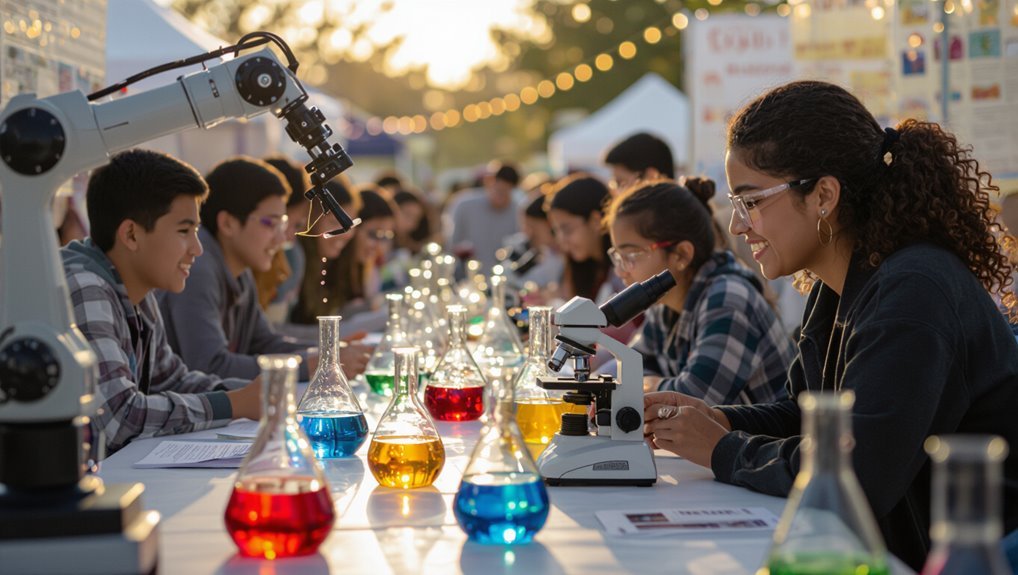
National Science Week is observed through a wide array of activities designed to engage people in science. Schools conduct special projects, community centers host interactive workshops, and universities offer public lectures. Many organizations also run citizen science projects where individuals can contribute to real scientific research. The week culminates in events such as science fairs and exhibitions, showcasing innovative projects and encouraging collaboration among participants.
Activities for This Day
1. Participate in Workshops
Community centers and schools often organize hands-on workshops that allow participants to engage in experiments and projects.
2. Attend Lectures and Talks
Many universities and research institutions host lectures where scientists share their work and insights in an accessible manner.
3. Join Citizen Science Projects
Get involved in ongoing research by contributing data collection efforts related to biodiversity, astronomy, or environmental observations.
4. Explore Online Resources
Take advantage of the wealth of online resources available, including educational videos, activities, and virtual tours.
5. Host a Science Fair
Encourage students and community members to showcase their projects and experiments, fostering a sense of community and collaboration.
How to Celebrate National Science Week
- Plan Ahead: Look up events in your area and book spots for popular sessions.
- Engage with Others: Invite friends and family to join you in activities and discussions.
- Explore Online: Utilize online platforms to access lectures, workshops, and resources.
- Follow Your Curiosity: Approach activities with an open mind and a willingness to learn.
- Continue Learning: Use the knowledge and contacts gained during the week to keep exploring science topics.
Why National Science Week is Important
National Science Week plays a vital role in bridging the gap between the scientific community and the general public. By promoting scientific literacy and encouraging public engagement, it helps individuals understand the relevance of science in everyday life. This understanding fosters informed decision-making, particularly regarding technology, health, and environmental policies. Moreover, by inspiring curiosity and critical thinking, National Science Week nurtures the next generation of scientists and innovators.
FAQ
1. What is National Science Week?
National Science Week is an annual celebration that promotes science and technology to the public through various events and activities.
2. Who can participate in National Science Week?
Anyone can participate! Events are designed for all ages and interests, making it accessible to everyone.
3. How can I find events near me?
You can check the official National Science Week website or local community calendars for events in your area.
4. Are there online activities available?
Yes, many organizations provide online resources, including virtual events, workshops, and educational materials.
5. Can schools get involved?
Absolutely! Schools are encouraged to participate by organizing projects, experiments, and engaging lessons during the week.
6. What are citizen science projects?
Citizen science projects allow the public to contribute to scientific research by collecting data or observing phenomena, often in collaboration with scientists.
7. How can I support science communication?
You can support science communication by attending events, engaging in discussions, and advocating for the importance of scientific literacy in your community.
Related
- International Day of Women and Girls in Science
- World Science Day for Peace and Development
- National Astronomy Day
- Pi Day
- Earth Day
- Science and Technology Week