National Synesthesia Awareness Day
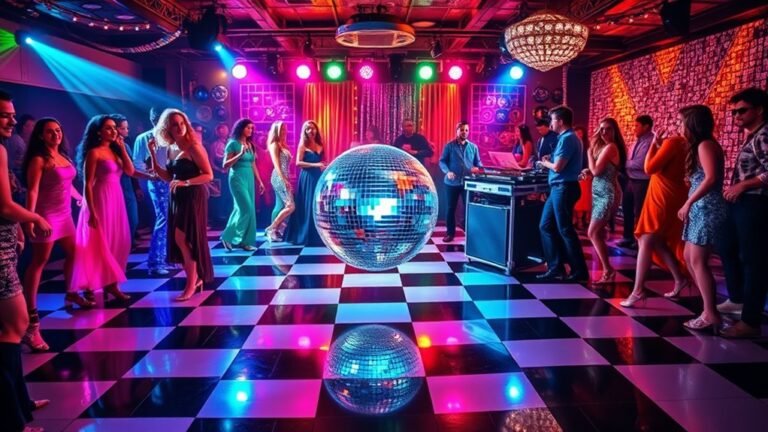
National Synesthesia Awareness Day celebrates a fascinating neurological trait where individuals experience a blending of senses – like seeing colors when hearing music or tasting flavors when reading words. This unique perception affects approximately 2-4% of the population.
Quick Facts
When is it?: July 2nd annually
Tagged as: Neurological Awareness Day
What’s the hashtag?: #SynesthesiaAwarenessDay
When was founded?: Recent years
Who founded it?: Stephen Melton, a synesthete
History
Stephen Melton established this day to increase public understanding of synesthesia, emphasizing that it’s not a disorder but a unique way of perceiving the world. The initiative aims to transform synesthesia from an unknown condition to a celebrated aspect of human neurodiversity.
Timeline
- Late 1800s: Term “synesthesia” first coined
- 2020s: Growing recognition and research into different types of synesthesia
- Present: Continued efforts to increase awareness and understanding
2025 Dates
| Year | Month | Date | Day |
|---|---|---|---|
| 2025 | July | 2 | Wednesday |
| 2026 | July | 2 | Thursday |
| 2027 | July | 2 | Friday |
| 2028 | July | 2 | Sunday |
| 2029 | July | 2 | Monday |
| 2030 | July | 2 | Tuesday |
How It’s Observed
People celebrate by learning about famous synesthetes, attending awareness events, and sharing personal experiences. Many participate in educational programs and artistic exhibitions that demonstrate synesthetic perceptions.
Fun Facts About Synesthesia
- Chromesthesia (seeing colors when hearing sounds) is one of the most common forms
- Many famous artists and musicians were synesthetes, including Vincent Van Gogh and Franz Liszt
- It’s three times more common among artists than the general population
- Synesthetes often have enhanced memory abilities
Quiz
- Do you see specific colors when you think of letters or numbers?
- Do you experience tastes when you hear certain words?
- Do you see time as a spatial arrangement around you?
- Do you see colors when you listen to music?
(Answers vary by individual)
FAQs
- Is synesthesia a disorder? No, it’s a natural neurological trait
- Can synesthesia be developed? It’s typically present from birth
- Does it affect daily life? Most synesthetes find it enhances their experiences
- Is it hereditary? There’s evidence of genetic components
Related Awareness Days
- World Brain Day
- Mental Health Awareness Month
- Neurodiversity Celebration Week
- International Creativity Month