National Kite Flying Day
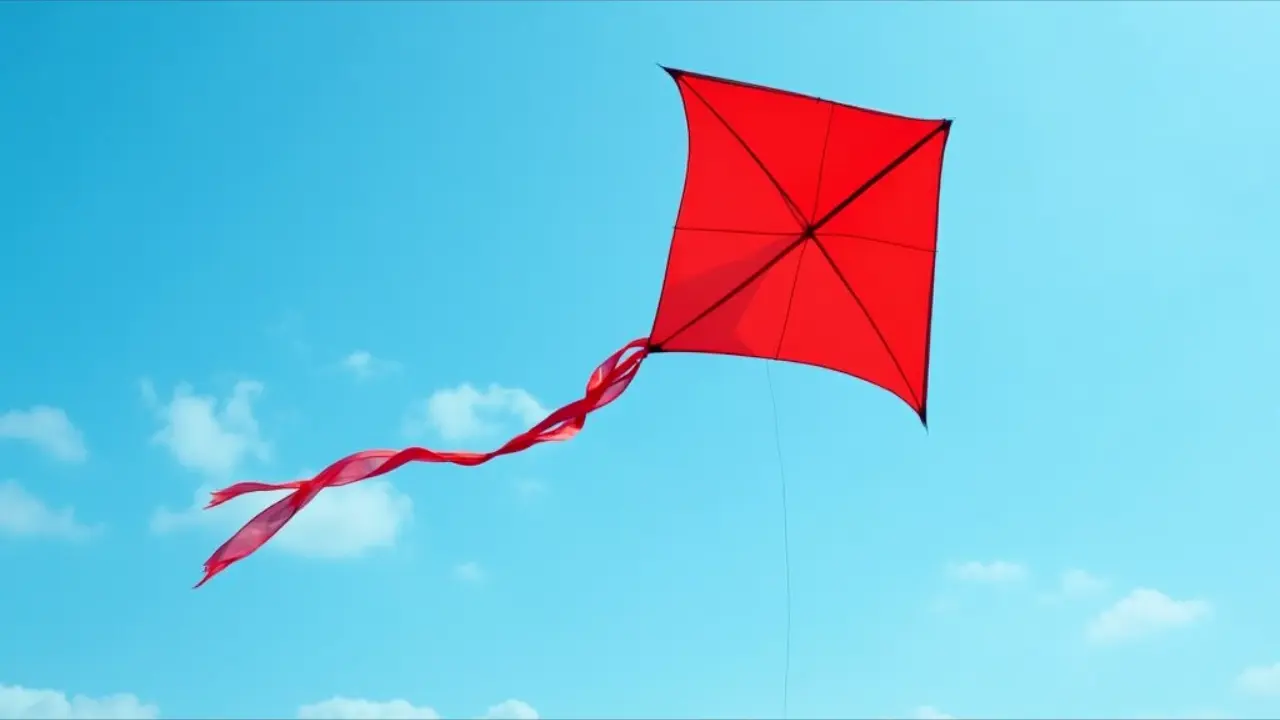
National Kite Flying Day, observed annually on February 8, is a day dedicated to the timeless art and joy of kite flying. This celebration brings people together to appreciate the cultural, historical, and scientific significance of kites while enjoying the simple pleasure of seeing them soar in the sky.
Quick Facts
- When is it?: February 8 each year
- Tagged as: Outdoor fun, family bonding, cultural appreciation
- What’s the hashtag?: #NationalKiteFlyingDay
- When was it founded?: The exact founding date is unclear, but it celebrates an ancient tradition.
- Who founded it?: Its origins are unknown but rooted in the global history of kite flying.
History of National Kite Flying Day
The history of kite flying dates back to 5th century China, where kites were first used for communication, ceremonies, and even military purposes. Over centuries, kites spread across Asia and Europe, becoming tools for scientific discovery—famously used by Benjamin Franklin to study electricity in 1752. National Kite Flying Day was established to honor this rich legacy and remind us of the joy and freedom that kite flying brings.
Timeline
- 5th Century BCE: Kites are invented in China.
- 1200s: Marco Polo introduces kites to Europe.
- 1752: Benjamin Franklin conducts his famous electricity experiment with a kite.
- 1800s: Kites are used in meteorological research and early aviation experiments.
- 1903: Samuel Cody uses kites for crossing the English Channel.
- Modern Era: Kites become a symbol of creativity and outdoor fun worldwide.
Dates by Next Year
| Year | Month and Date | Day |
|---|---|---|
| 2025 | February 8 | Saturday |
| 2026 | February 8 | Sunday |
| 2027 | February 8 | Monday |
| 2028 | February 8 | Tuesday |
| 2029 | February 8 | Thursday |
| 2030 | February 8 | Friday |
Observed
On this day, people celebrate by flying kites in parks or open fields, organizing kite-making workshops, and participating in competitions. Families often come together for this outdoor activity, creating lasting memories while enjoying nature.
Fun Facts About Kites
- The longest kite ever made measured an astonishing 3,394 feet.
- The fastest recorded kite flew at a speed of 120 mph.
- A single Japanese kite maker once flew over 11,000 kites on a single line!
Quiz
- Where were kites first invented?
- A) China
- B) France
- C) Brazil
- Who famously used a kite to study electricity?
- A) Nikola Tesla
- B) Benjamin Franklin
- C) Thomas Edison
- What shape was Samuel Cody’s famous kite?
- A) Box
- B) Circle
- C) Triangle
(Answers: 1-A, 2-B, 3-A)
FAQs
- Why is National Kite Flying Day celebrated?
It celebrates the cultural history and joy of kite flying while encouraging outdoor activities. - Can anyone participate?
Yes! People of all ages can enjoy flying or making kites. - What materials are needed to make a kite?
Common materials include paper or fabric, sticks, string, glue, and decorations. - What’s the best weather for flying kites? Steady wind speeds of 5-25 mph, with minimal gusts, provide the ideal conditions for kite flying.
- Can I fly any type of kite on National Kite-Flying Day? Yes, from traditional diamond kites to modern stunt kites, any kite can be flown to celebrate the day.
- Are there any safety precautions for kite flying? Avoid flying near power lines, trees, or crowded areas. Also, ensure you’re not interfering with aviation activities.
Importance of National Kite-Flying Day
This day is significant as it encourages outdoor activity, fosters a sense of community, and provides an opportunity for intergenerational bonding. It reminds us of the freedom and simplicity of childhood, where the only goal is to reach for the sky.
Related
- International Kite Festival (India)
- National Go Fly a Kite Day (April)
- World Sport Kite Championships
Celebrate National Kite Flying Day this February by heading outdoors with your favorite kite—it’s a perfect way to reconnect with nature and history while having fun!