National Day of Sri Lanka
National Day, also known as Independence Day, is a significant national holiday in Sri Lanka that commemorates the country’s independence from British colonial rule. Celebrated annually on February 4, this day serves as a reminder of Sri Lanka’s journey towards sovereignty and its rich cultural heritage.
Quick Facts
- When is it?: February 4
- Tagged as: National Day or Independence Day
- What’s the hashtag?: #SriLankaIndependenceDay
- When was it founded?: Founded on February 4, 1948
- Who founded it?: The first Prime Minister, Don Stephen Senanayake, is often credited with leading the country to independence.
History of National Day of Sri Lanka
The history of Sri Lanka’s National Day dates back to 1948 when the island, previously known as Ceylon, gained independence from British rule. The struggle for independence involved various national movements and leaders who advocated for self-governance. The day is celebrated with pride across the nation, showcasing the resilience and unity of the Sri Lankan people.
Timeline
- 1815: British colonization begins.
- 1948: Sri Lanka gains independence from Britain.
- 1972: The country becomes a republic and is officially named the Democratic Socialist Republic of Sri Lanka.
- 2025: The next National Day celebration will take place.
Dates by Next Year
| Year | Month | Date | Day |
|---|---|---|---|
| 2025 | February | 4 | Tuesday |
| 2026 | February | 4 | Wednesday |
| 2027 | February | 4 | Thursday |
| 2028 | February | 4 | Friday |
| 2029 | February | 4 | Sunday |
Observed
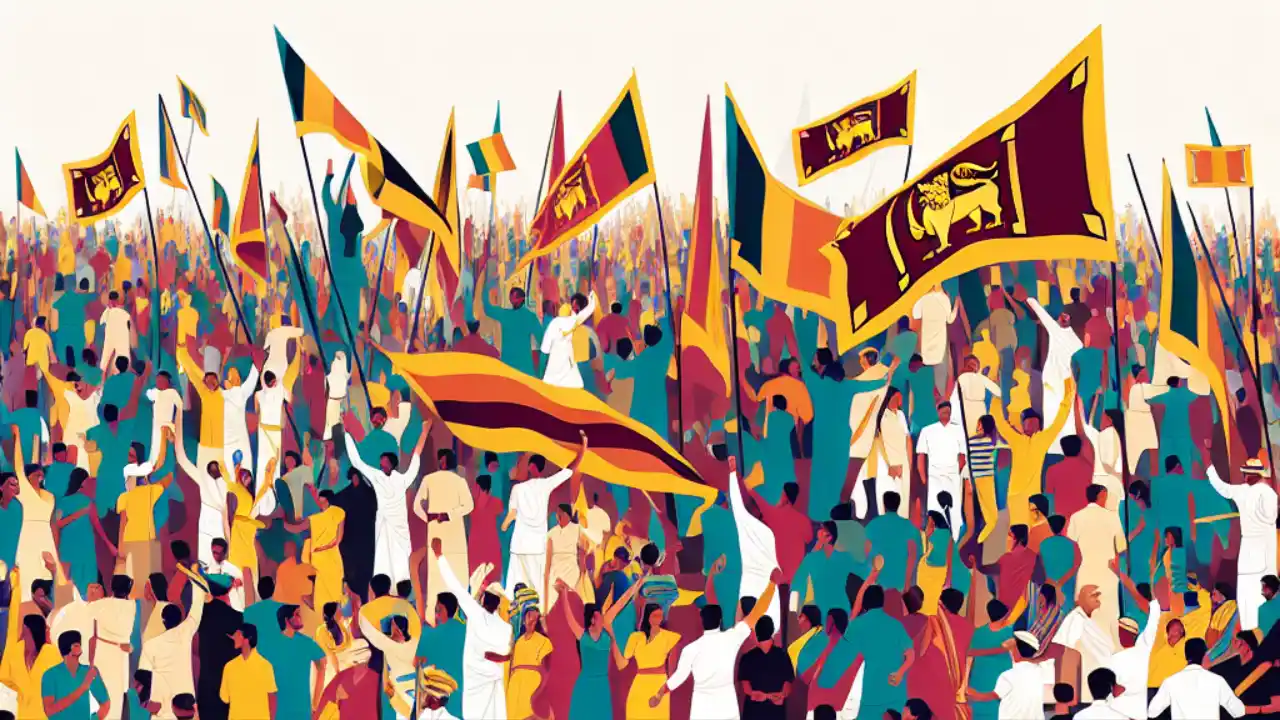
National Day is observed throughout Sri Lanka with various events including military parades, cultural performances, and flag-hoisting ceremonies. The main celebration occurs in Colombo, where the President delivers a speech highlighting national achievements and aspirations.
Fun Facts About National Day
- The first female head of government in the world, Sirimavo Bandaranaike, hailed from Sri Lanka.
- Traditional foods like kiribath (milk rice) and hoppers are commonly enjoyed during celebrations.
- The day often features vibrant displays of traditional music and dance reflecting the country’s diverse culture.
Quiz
- What year did Sri Lanka gain independence?
- Who was the first Prime Minister of Sri Lanka?
- What is the significance of February 4 in Sri Lankan history?
Answers:
- 1948
- Don Stephen Senanayake
- It marks the day Sri Lanka gained independence from British rule.
FAQs
What is National Day in Sri Lanka?
National Day celebrates Sri Lanka’s independence from British colonial rule on February 4, 1948.
How do people celebrate National Day?
Celebrations include military parades, cultural performances, flag-hoisting ceremonies, and various festivities across the country.
Is National Day celebrated outside of Sri Lanka?
Yes, many Sri Lankan communities around the world celebrate this day with cultural events and gatherings.
Importance of National Day
National Day holds great significance as it not only marks the end of colonial rule but also reinforces national identity and unity among citizens. It serves as a reminder of the sacrifices made for freedom and encourages reflection on the nation’s progress and future goals.
Related
- Independence Square Celebrations
- Historical Figures in Sri Lankan Independence
- Cultural Significance of Traditional Foods in Sri Lanka