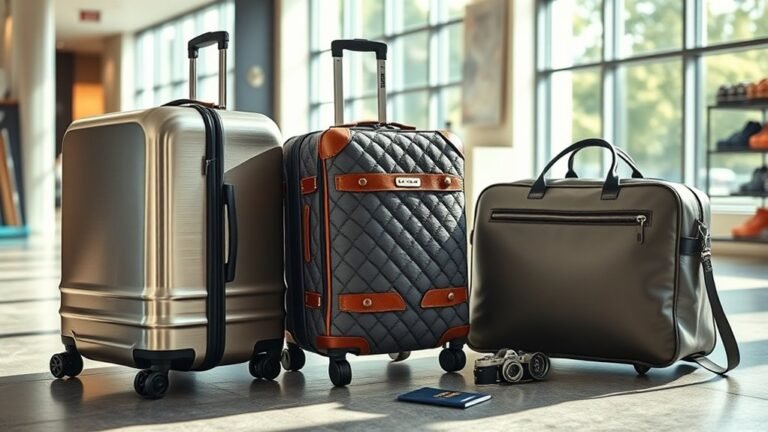
How Strict Are Airlines on Carry On Size Rules Today
Airlines vary, but you’ll usually only face strict carry‑on size enforcement when flights are full, bins are tight, or you’re on a low‑cost, regional, or international carrier that measures bags often. Measure wheels and handles, pack smart, and board early to avoid surprises—soft bags compress and may pass where hard cases don’t. If an agent flags your bag, stay calm, repack or accept a gate check. Keep going to learn which carriers and tactics matter most.
Do Airlines Enforce Carry‑On Size Rules Today? The Short Answer
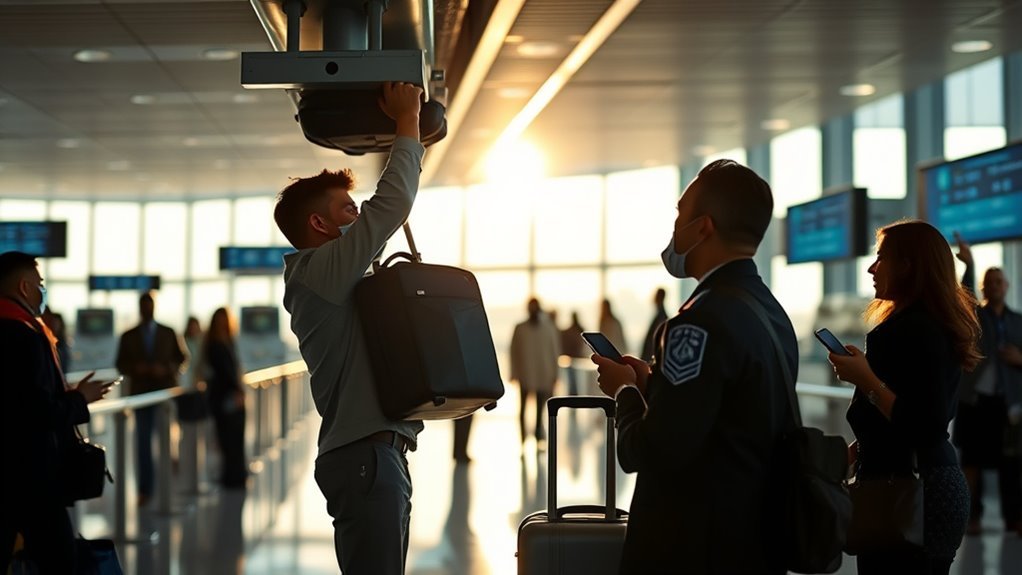
If you’re wondering whether airlines still check carry‑on sizes, the short answer is: yes—sometimes. You’ll find enforcement varies by carrier, airport, and gate agent discretion.
During busy flights or tight overhead space, agents’ll measure or gate‑check oversized bags. On less crowded routes they’re likelier to be lenient, especially if your bag fits in overhead bins.
Frequent travelers know to carry a compliant bag to avoid delays, fees, or last‑minute gate checks. You should also check your airline’s published dimensions before flying; that reduces risk and keeps boarding smooth without surprises.
Carry‑On vs. Personal Item: Exact Differences You Need to Know
You’ll want to know the exact size and dimension limits for both a carry‑on and a personal item so you don’t get caught at the gate.
Carried-on bags are usually larger and go in the overhead bin, while personal items must fit under the seat and often have stricter size caps.
You’ll also need to check allowed contents, since some items are fine in a personal bag but restricted or bulky for a carry‑on.
Size And Dimensions
When airlines talk about carry-on and personal items, they mean two distinct pieces with specific size limits: a carry-on is the larger suitcase that usually fits in the overhead bin (commonly around 22 x 14 x 9 inches).
A personal item is smaller—think backpack, laptop bag, or tote—that must slide under the seat in front of you (often about 18 x 14 x 8 inches).
Knowing these exact differences helps you avoid gate checks and unexpected fees. You should measure and weigh both before heading to the airport.
Check airline policies, since tolerances vary. Consider collapsible bags to stay compliant.
- Measure dimensions
- Compare airline limits
- Pack smart
Allowed Contents
Although airlines let you bring both a carry-on and a personal item, they expect different contents: your carry-on holds larger, bulkier items (extra clothes, shoes, duty‑free purchases, toiletries in checked containers), while your personal item should contain essentials you need during the flight—laptop, passport, medication, wallet, and a small snack. You should pack deliberately: carry-on for comfort and purchases, personal item for access and security. Gate agents check both; be ready to consolidate if staff asks. Below is a simple emotional prompt to prioritize what matters when space is tight.
| Carry-On | Personal Item |
|---|---|
| Comfort | Necessity |
| Extras | Access |
| Duty-free | Important |
| Backup | Immediate |
| Bulky | Essential |
How to Measure and Test Your Carry‑On Before You Travel
Wondering whether your bag will pass gate inspection? Measure length, width, and height including wheels and handles with a tape measure. If it’s soft-sided, compress the bag as you’d in an overhead bin before measuring.
- Measure: record exterior dimensions and compare to airline limits.
- Test: place the packed bag into a portable sizer or a DIY frame made from cardboard to check fit.
- Weigh: use a luggage scale; remember some airlines combine weight and size checks.
If it’s borderline, remove nonessentials or transfer items to a personal item to avoid gate hassles.
Which U.S. and International Airlines Enforce Carry‑On Sizes Most Often
Airlines vary a lot in how strictly they enforce carry‑on size rules, so you’ll want to know which ones are most likely to measure at the gate. In general, major legacy carriers and some tighter international airlines check sizes more often, while many low‑cost or leisure carriers let slightly oversized bags through—though exceptions apply. To plan, expect stricter enforcement on full international routes and during busy boarding.
| Carrier Type | Often Measures | Typical Reason |
|---|---|---|
| Legacy US/Intl | Yes | Limited bin space |
| Low‑cost | Sometimes | Boarding speed |
| Leisure/Charter | Rarely | Fewer constraints |
Enforcement by Carrier Type: Full‑Service, Low‑Cost, and Regional
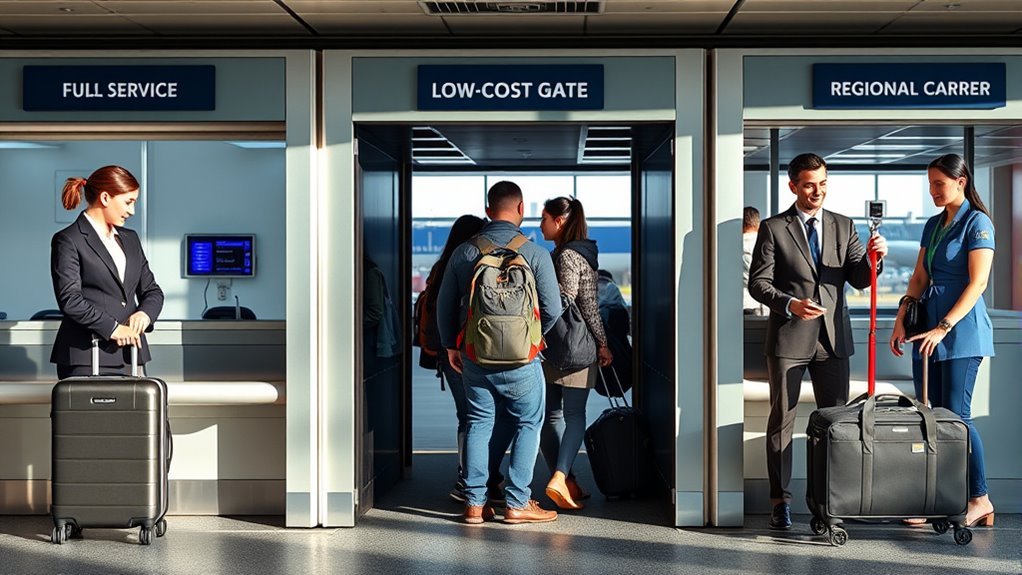
Because cabin space and boarding procedures differ so much, you’ll see clear patterns in how full‑service, low‑cost, and regional carriers enforce carry‑on sizes. You’ll notice tone, consistency, and penalties vary by business model.
- Full‑service: Agents usually let you keep a standard bag if it fits overhead; enforcement focuses on extremes and elite passengers, so you often get leniency.
- Low‑cost: Staff enforce dimensions strictly to sell checked‑bag revenue; expect gate checks and fees if your bag’s borderline.
- Regional: Smaller bins mean stricter physical checks; you’ll be asked to gate‑check more often, especially on turboprops and small jets.
Why Aircraft Type and Flight Load Change Enforcement
Those carrier differences matter less than the plane you’re actually boarding and how full it is.
Those carrier rules often pale next to the aircraft and how full it is.
On smaller regional jets or turboprops, overhead bins are tiny or absent, so crew will insist you gate-check oversized bags.
On larger widebodies with ample bins, staff tolerate slightly oversized items because space’s plentiful.
Flight load matters: a light flight lets you stash a bag in an overhead; a full flight forces stricter checks to guarantee safety and balance.
You should expect variable enforcement linked to aircraft type and load, and pack knowing rules can tighten or loosen at a moment’s notice.
How Gate Agents and Boarding Crowding Affect Firmness
You’ll notice gate agents have a lot of discretion when judging carry-on size, and their decisions can vary by person and mood.
When boarding’s crowded, agents may get stricter to speed things up or looser to avoid confrontations.
Watch how the line and the agent’s tone predict whether your bag will sail through or get gate-checked.
Gate Agent Discretion
When flights run full and boarding gets chaotic, gate agents often tighten enforcement of carry-on rules and may ask you to gate-check bags that would otherwise pass. In calmer situations they’re more likely to let slightly oversized or extra items slide.
You’ll find discretion varies by airline, agent temperament, and operational pressure. Be prepared, stay polite, and have a backup plan if asked to check a bag.
Agents balance overhead space, weight limits, and schedule adherence, so your behavior and flexibility can influence outcomes.
- Know size rules and measurables.
- Stay calm and cooperative.
- Have essentials in a personal item.
Boarding Crowd Pressure
If boarding gets crowded and overhead bins fill fast, gate agents tighten enforcement and are more likely to insist on gate-checking bags that might otherwise be allowed. You’ll notice they act quicker when flights are full, boarding runs late, or multiple groups converge at once.
Agents balance safety, timing, and passenger flow, so they’ll call out oversized or multiple bags to prevent delays. You can reduce friction by boarding early, using slim bags, or stowing personal items under the seat.
When pressure’s high, polite compliance speeds boarding; arguing rarely changes outcomes and often prolongs the process for everyone.
When You’re Most Likely to Be Gate‑Checked (Common Triggers)
Although airlines try to avoid it, gate‑checking happens when cabin space or safety is compromised, and knowing the common triggers helps you avoid surprise checks. You’ll face gate‑check risk when overhead bins overflow, especially on full flights where crew need space for everyone’s bags.
Tight boarding windows and last‑minute gate changes increase rush and make staff more likely to remove items. Nonstandard items—oversized carry‑ons, bulky strollers, or unfamiliar luggage—draw attention and get checked for fit or safety.
- Overbooked or full flights with limited bin space
- Rushed boarding or late gate changes
- Bulky, oddly shaped, or oversized items
Practical Packing and Boarding Tactics to Avoid Gate Checks
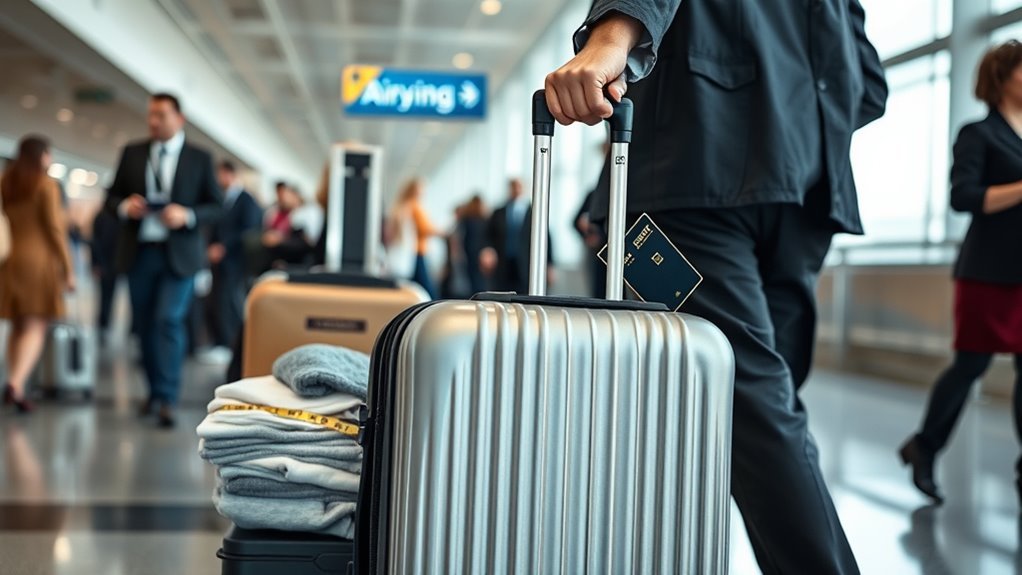
Those common triggers tell you where to focus your packing and boarding choices so you can keep your bag with you. Pack slim: prioritize essentials, use compressible clothing, and limit shoes. Choose a bag that fits airline size limits with a little margin—measure it filled.
Put heavy items low and near wheels so it sits upright in the overhead. Gate-pack items you’ll need in flight in an easily accessible pouch to avoid rummaging.
Board in the correct group; if you’re eligible, board early to secure overhead space. If overheads fill, be ready to consolidate into underseat storage quickly.
What to Say and Do at the Gate If Your Bag Is Called Oversized
When an agent calls your carry-on oversized, stay calm and act quickly. You’ll want to be cooperative yet clear: ask which dimension or weight rule it violates, show your boarding pass and receipt if you have measurements, and politely request a brief moment to adjust contents.
If the agent insists, offer to gate-check only the bag in question.
- Measure or visually compare: confirm the issue and attempt a quick repack.
- Negotiate: ask if a soft bag or underseat placement is acceptable.
- Accept or escalate: agree to gate-check or politely ask for a supervisor.
When It’s Cheaper to Check Intentionally: Fees, Time, and Risk Tradeoffs
Because checking a bag intentionally can sometimes save you money, time, and stress, weigh the fees and risks before you decide—compare the airline’s checked-bag price to potential carry-on charges or last-minute gate-checks, factor in the time you’ll spend at the gate or baggage claim, and consider the value and fragility of what you’re packing.
If checked fees are lower than overweight or oversized penalties, check it. If long connections or quick exits matter, carry on. For fragile or essential items, keep them with you.
Also factor lost-bag rates, insurance, and how much hassle you’ll tolerate versus saving a few dollars.
Quick Pre‑Flight Checklist to Ensure Your Carry‑On Passes Muster
If you decide to carry items onboard to save time or protect valuables, run through a short checklist before you leave for the airport to avoid surprises at the gate. You’ll want to confirm dimensions, weight, and contents so your bag fits the airline’s rules and your boarding plan.
Measure and weigh your packed bag, stow liquids in a clear quart bag and place electronics on top for quick inspection, and know your airline’s priority rules so you don’t get bumped to gate check.
- Measure and weigh packed carry-on.
- Organize liquids/electronics for screening.
- Check airline size/priority rules.
Frequently Asked Questions
Can Airlines Confiscate Items From My Carry‑On for Size Reasons?
Yes — they can remove or gate‑check oversized carry‑ons if they don’t fit overhead or meet gate limits. You’ll usually be offered checked baggage, a fee, or to repack; remain calm and follow the agent’s instructions.
Do International Connections Affect Carry‑On Enforcement Differently?
Yes — international connections can change enforcement: you’ll face varied checks by each carrier and security checkpoint, so you’ll want to confirm both airlines’ limits, pack flexibly, and be prepared for stricter screening or gate checks abroad.
Are Medical or Mobility Devices Exempt From Carry‑On Size Limits?
Yes — you’re generally exempt: airlines and security allow essential medical and mobility devices as carry‑ons beyond size limits, but you’ll need documentation, may face screening, and should notify the airline in advance to avoid issues.
Can Frequent Flyer Status Prevent My Bag From Being Gate‑Checked?
Yes — elite status can often prevent gate‑checking because airlines prioritize frequent flyers for overhead bin space and boarding; you’ll still need to follow size limits, but your status usually reduces the chance of gate check.
Do Carry‑On Size Rules Apply to Infants’ and Children’s Bags?
Yes — airlines usually apply carry-on size rules to infants’ and children’s bags too. You’ll often get extra allowances for diapers or a small bag, but check your airline’s specific policy to avoid surprises.
Conclusion
Airlines vary, but you can usually avoid issues by packing smart and measuring your bag. Know the difference between carry‑on and personal item, check your airline’s rules, and test whether your bag fits an overhead or sizer. Board early, use slim packing, and be ready to gate‑check politely if needed. If fees or timing make checking sensible, do it. Follow the quick pre‑flight checklist and you’ll sail through boarding with minimal hassle.