How Do I Pack for a Semester Abroad in Spain Smart Packing
Pack light and smart so you can move easily between Spanish cities, classes, and homes. Focus on a capsule wardrobe of neutral, mix-and-match pieces layered for varying weather, plus one pair of comfy walking shoes and a smarter outfit for nights out. Bring essential documents, prescriptions, a compact toiletry kit, a universal adapter, and a little reserved suitcase space for souvenirs. Test-pack to trim excess, and keep bulky textbooks digital — keep going for practical lists and packing hacks.
Quick Answer: Pack Light for a Semester in Spain
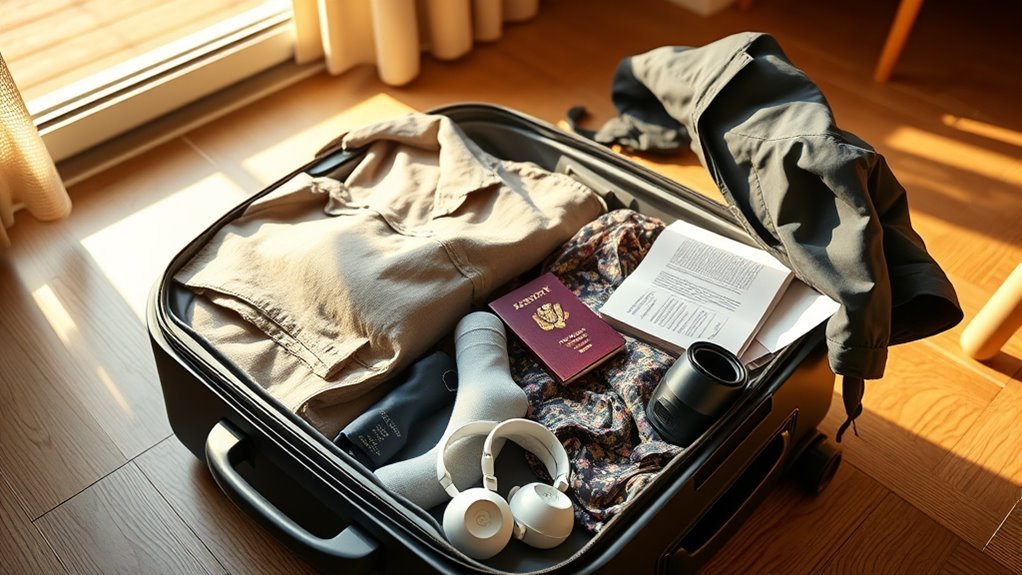
Even if you think you’ll need everything, pack light: you’ll buy or borrow what you forget, and lugging less makes travel between cities and homes far easier.
Pack light—you can always borrow or buy forgotten items, and lighter loads make moving between homes far easier
Prioritize versatile layers, comfortable shoes, and weather-appropriate outerwear. Choose neutral colors that mix and match, and limit specialty items you’ll rarely wear.
Bring essential documents, modest electronics, and compact toiletries—remember local adapters and prescriptions. Leave bulky textbooks; rely on campus resources or digital versions.
Reserve space for souvenirs and seasonal swaps. Plan for laundry access so you can repeat outfits.
Packing light keeps you flexible, reduces stress, and makes moving between addresses simple.
Build a Semester Capsule Wardrobe
When you’re packing for a semester in Spain, think in terms of a capsule wardrobe: a small set of versatile, mix-and-match pieces that cover classes, weekend trips, and a few dressier events. Choose neutral basics, two statement items, and layered pieces to adapt looks. Prioritize comfort for walking and confidence for presentations or nights out. Plan outfits rather than single items, limit shoes to three pairs, and include a lightweight jacket. Packables save space; laundry every 7–10 days keeps choices fresh.
| Item type | Recommendation |
|---|---|
| Tops | 5 |
| Bottoms | 3 |
| Dresses/skirts | 2 |
| Shoes | 3 |
| Outerwear | 1 |
Best Fabrics for Spain’s Seasons
For Spain’s varied weather, you’ll want breathable natural fibers like cotton, linen, and lightweight wool to keep cool in the heat and comfortable in milder temps.
Pack a few synthetic pieces—think moisture-wicking tees and thin insulating layers—that you can easily layer for chilly mornings or coastal breezes.
Mixing natural and technical fabrics lets you stay comfortable without overpacking.
Breathable Natural Fibers
Because Spain’s climate swings from humid Mediterranean summers to cooler inland winters, choosing breathable natural fibers will keep you comfortable across seasons.
Pack cotton tees and linen shirts for hot days; they wick moisture and dry fast. Include a few lightweight wool pieces—merino works well—for cooler evenings and retains warmth without bulk.
Bring breathable cotton-blend trousers and a linen skirt for versatile city wear.
For underwear and socks, pick cotton or bamboo blends to reduce odor and irritation.
Avoid heavy synthetic-only garments here; natural fibers pack, breathe, and look neat, helping you adapt to varied Spanish weather.
Lightweight Layering Synthetics
Although natural fibers handle much of the temperature range, lightweight synthetic layers give you flexible, fast-drying options that make packing smarter and travel easier. You’ll want thin polyester or nylon baselayers, a recycled polyester fleece, and a packable windbreaker. These pieces weigh little, dry quickly after unexpected rain, and layer neatly under a coat for chilly nights. Choose neutral colors to mix and match. Wash in sinks, hang to dry, and they’ll be ready next day. Use the table to compare quick benefits and ideal uses.
| Fabric | Best Use |
|---|---|
| Polyester | Baselayer, quick-dry |
| Nylon | Windbreaker, durable |
| Recycled poly | Fleece, eco-friendly |
| Elastane blend | Stretch, active days |
| Microfiber | Travel towel, lightweight |
Versatile Tops for City Life & Travel
When you’re packing tops for a semester in Spain, pick pieces that shift easily from class to tapas nights—think neutral tees, a crisp button-down, a lightweight sweater, and one dressier blouse you can layer.
Choose breathable fabrics like cotton or linen blends for daytime comfort and a merino or thin wool sweater for cooler evenings.
Opt for colors that coordinate so you can mix layers without fuss.
Include one lightweight rainproof shell or packable vest to handle sudden showers.
Prioritize wrinkle-resistant items you can hand-wash and quick-dry, and limit bulky pieces to save suitcase space.
Mix-and-Match Bottoms
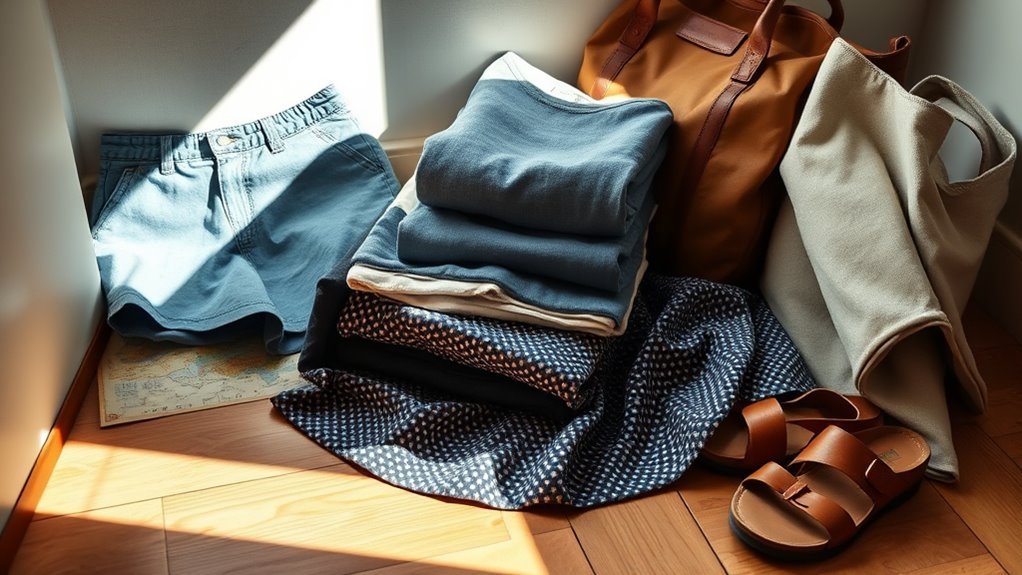
Pick neutral-colored bottoms—think black, navy, khaki, or denim—so everything pairs easily with your tops.
Choose versatile fabrics like stretch denim, lightweight chinos, or wrinkle-resistant blends that can handle walking tours and evenings out.
That way you’ll pack fewer pieces but have more outfit options.
Neutral-Colored Bottoms
If you stick to neutral-colored bottoms—think black, navy, gray, and beige—you’ll have a versatile base that pairs with everything in your suitcase, so getting dressed becomes fast and foolproof.
Choose two to three bottoms: a pair of slim trousers, jeans, and a casual skirt or shorts depending on season. Neutrals let you mix patterns, bright tops, and layered pieces without clashing.
Roll or fold them to save space and keep a lightweight belt for shape. Pick one slightly dressier option for presentations or nights out.
With neutrals, you’ll minimize outfit decisions and maximize outfit options.
Versatile Fabric Choices
Since you’ve chosen neutral bottoms as your styling foundation, think next about fabric choices that keep those pieces flexible across weather and activities. Pick cotton blends for breathability and easy care; they dry quickly and handle repeated wear.
Add one pair of lightweight wool trousers for cooler evenings and smarter events—wool resists wrinkles and regulates temperature.
Include a pair of stretch denim or ponte pants for comfort during long travel days.
Pack a quick-dry synthetic for hiking or rainy spells.
Prioritize fabrics that resist creasing, wash well in sinks, and layer comfortably so each bottom works with multiple tops and shoes.
Shoes for Walking, Nights Out, and Beaches
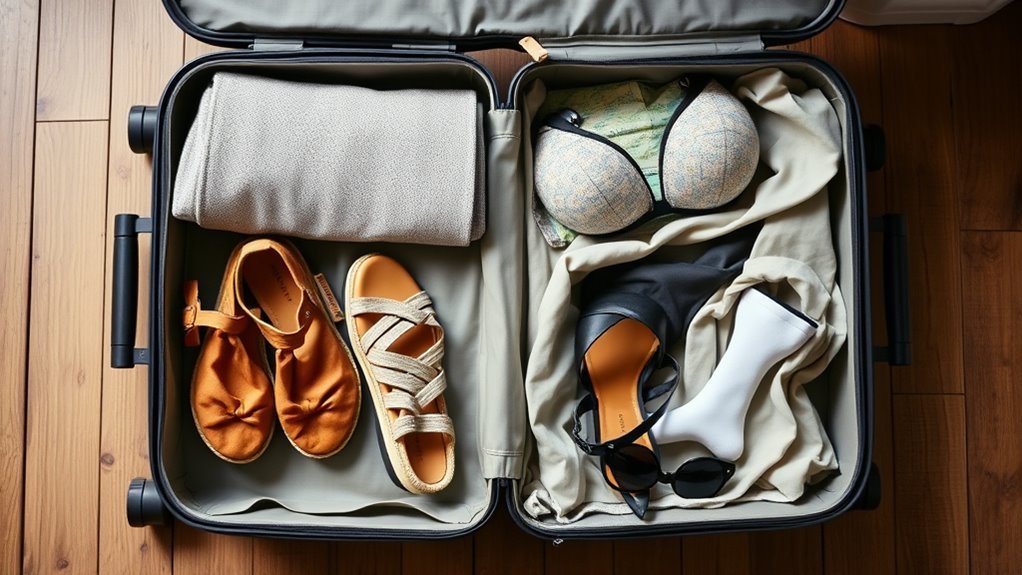
When you’re planning shoes for a semester in Spain, aim for three reliable pairs: comfortable walking shoes for cobbled streets and long days, a dressier option for nights out, and sandals for beaches and summer heat. Pack breathable sneakers you’ll break in before leaving, one versatile pair of low heels or smart loafers that dress up outfits, and durable sandals that handle sand and city wear. Rotate colors to match outfits and keep a compact shoe bag for laundry or storage.
| Type | Best features | When to wear |
|---|---|---|
| Sneakers | Cushioned, breathable | Sightseeing |
| Dress shoes | Neutral, polished | Evenings |
| Sandals | Quick-dry, grippy | Beach/heat |
Layering for Cool Mornings and Warm Afternoons
Because mornings can start cool and afternoons warm up quickly, pack thin, layerable pieces you can add or shed without fuss.
Choose lightweight long-sleeve shirts, breathable tees, and a few cardigans or zip-front fleeces that compress easily into a bag.
Bring a couple of versatile scarves for warmth and style; they take little space but change an outfit.
Stick to neutral colors so layers mix well, and pick fabrics that dry fast.
Plan outfits around a core set of pieces to reduce bulk.
That way you’ll stay comfortable from chilly dawn walks to sunny afternoon classes.
Jackets and Rain Options for Spain
If you expect variable weather, pack a lightweight, water-resistant jacket plus one warmer option for cooler nights. Choose a packable rain shell and a warm fleece or light down; both fold small and layer well. Pick neutral colors to match outfits and waterproof zippers for rainy days. Bring a compact umbrella if you hate damp commutes. Test pockets for phone and passport access. Rotate jackets as needed for travel between cities.
| Item | Why |
|---|---|
| Rain shell | Keeps you dry, lightweight |
| Fleece | Adds warmth without bulk |
| Down jacket | For cold nights |
| Umbrella | Backup for heavy rain |
| Waterproof bag cover | Protects belongings |
Swimwear and Beach Essentials
After you’ve sorted outer layers for rainy days and cooler nights, you’ll want to think about swimwear and beach gear for Spain’s coastlines and inland pools.
Pack one versatile swimsuit that dries fast and a second for rotation. Bring a lightweight cover-up or sarong for sun protection and walks into town.
Include a compact microfiber towel, a foldable beach bag, and water shoes if you plan rocky coves.
Don’t forget reef-safe sunscreen, a hat, and polarized sunglasses.
A small waterproof pouch for your phone and cards keeps valuables safe during beach days and boat trips.
Activewear and Sleepwear That Save Space
Pack a few versatile layering pieces—think a lightweight hoodie, a breathable long-sleeve, and a packable windbreaker—that you can mix for workouts or city strolls.
Choose compact, quick-dry activewear that doubles as casual wear so you don’t need extra outfits.
For sleep, bring a lightweight, wrinkle-resistant set that folds small and keeps you comfortable across different climates.
Versatile Layering Pieces
Because you’ll be juggling class, travel, and downtime, choose activewear and sleepwear that double as layering pieces so you can do more with less. Pack a lightweight zip hoodie, a merino tee, and thin joggers that work for workouts, flights, and chilly lectures. Pick neutral colors and breathable fabrics that layer without bulk. Use pieces as base, mid, or outer layers depending on weather.
| Piece | Why it works |
|---|---|
| Merino tee | Odor-resistant, breathable |
| Zip hoodie | Packable warmth, casual polish |
| Thin joggers | Sleep-ready, street-appropriate |
Lightweight Sleep Sets
When you’re short on suitcase space, lightweight sleep sets that double as activewear give you two functions with one item: breathable shorts or joggers and a matching tee or tank that work for lounging, quick workouts, or layering under a jacket.
Pick moisture-wicking, quick-dry fabrics that compress small and resist odors so you can rewear between washes. Choose neutral colors and simple cuts to mix with daywear.
Bring one long-sleeve top or lightweight hoodie for chilly evenings. Roll pieces to save space and use packing cubes to keep sets together.
These multipurpose items cut bulk while keeping comfort and style.
How Often to Wash: Laundry Strategy
How often should you do laundry depends on your schedule, access to facilities, and how many outfits you bring — aim for one load every 7–10 days if you’ll share a washing machine, or every 10–14 days if you’re hand-washing in a sink. Plan around classes, weekend trips, and roommates’ habits. Pack quick-dry pieces and a small detergent bottle. Do delicates less often. Use a mesh bag and a drying rack if needed. Keep a stain pen handy.
| Mood | Action | Benefit |
|---|---|---|
| Frustrated | Batch laundry | Fewer interruptions |
| Calm | Routine | Predictable clean |
How Many of Each Item to Pack?
Decide how many everyday pieces you need based on laundry frequency—think 5–7 shirts, 3–4 bottoms, and 7–10 pairs of underwear and socks.
Bring a couple of layering items for cooler evenings and 1–2 nicer outfits for weddings, presentations, or a night out.
You can always buy or replace specialty items in Spain if space is tight.
Everyday Clothing Essentials
Because you’ll want to balance laundry days with outfit variety, plan a core wardrobe of versatile pieces you can mix and match rather than packing multiples of every item.
Bring 5–7 tops (tees, blouses, lightweight sweaters), 3–4 bottoms (jeans, a skirt, chinos), and 1–2 dresses or jumpsuits you can dress up or down.
Pack 1 lightweight jacket, 1 warmer coat for cooler months, and 2–3 layering items.
Include 5–7 pairs of underwear, 3–4 pairs of socks, 2 bras, comfortable walking shoes, one pair of nicer shoes, and a compact rain option.
Adjust quantities for season and personal laundry habits.
Special-Occasion Pieces
If you expect a few formal events or nights out, pack a small, flexible set of special-occasion pieces that’ll cover weddings, presentations, or dinner parties without taking up much space. Bring one versatile dress or blazer you can dress up or down, one pair of polished shoes, and one statement accessory (scarf, tie, or jewelry). Consider a lightweight dress shirt and slim trousers if you prefer separates. Lean neutral colors that mix with basics. Store items in garment bags or compression sacks to save room and avoid wrinkles.
| Item | Quantity |
|---|---|
| Dress/Blazer | 1 |
| Shoes | 1 |
| Accessory | 1 |
Packing for Spain’s Regional Weather
Spain’s climate changes a lot by region, so pack with both geography and season in mind: bring lightweight breathable layers for hot, dry summers in Madrid and Andalucía.
A light rain jacket and warmer layers are recommended for the cooler, wet north (Bilbao, Santiago).
If you’re headed to higher-elevation areas like the Sierra Nevada or the Pyrenees, pack a mix of sweaters and a warm coat.
Check regional averages before you go, then prioritize versatile pieces: moisture-wicking tees, a compact umbrella, a packable down jacket, and neutral trousers.
Footwear should include breathable shoes and waterproof boots for rainy or mountainous days.
Adapt Your Wardrobe to Spanish Style
Think of Spanish style as effortless chic—you’ll want pieces that look polished without trying too hard.
Pack lightweight fabrics like linen and cotton that breathe in warm weather and layer easily.
Stick to a neutral color palette so you can mix and match everything.
Embrace Effortless Chic
While you’ll want comfort for classes and travel, lean into the Spanish knack for effortless, put-together looks by choosing tailored basics, smart layers, and a few standout pieces that lift simple outfits.
You’ll mix neutrals with one or two color accents, prefer clean lines, and pick items that go from day to night with minimal fuss.
- A well-cut blazer — instantly refines jeans or dresses.
- Crisp white shirt and slim trousers — versatile, polished foundations.
- One statement accessory — scarf, belt, or bold shoes to elevate plain ensembles.
Pack pieces that combine easily and feel intentional.
Prioritize Lightweight Fabrics
After you’ve nailed the effortless silhouettes, focus on fabrics that keep you cool and polished across Spain’s varied climate. Choose breathable linens, cotton blends, and lightweight viscose for tops and dresses so you’ll avoid overheating during sunny days and crowded metros.
Pack a few wrinkle-resistant pieces—modal or Tencel work well—to stay presentable after long travel or laundry gaps. Include a thin knit or silk scarf for cooler evenings without bulk.
Prioritize pieces that dry fast and resist odors so you can wash on the go. Limit heavy synthetics; they trap heat and look out of place in Spanish street style.
Choose Neutral Color Palette
Because Spaniards lean toward timeless, understated outfits, build a neutral color base so everything mixes and matches effortlessly. You’ll travel lighter and look polished with versatile pieces in muted tones. Focus on quality basics and add small accents for local flair.
- Pack three tops: white tee, striped shirt, light sweater — all neutral.
- Pack three bottoms: dark jeans, beige chinos, black skirt — interchangeable.
- Pack three outer/accessory items: navy blazer, neutral scarf, leather belt — elevate simple looks.
Stick to this palette, and you’ll create many outfits without overpacking, fitting in with Spanish style.
Clothing for Formal Events and Presentations
When you need to dress for a formal event or give a presentation in Spain, aim for neat, professional pieces that respect local business-casual norms—think tailored trousers or a skirt, a button-down or blouse, and a blazer you can layer.
Pack one versatile suit or coordinated separates in a neutral color, plus two smart tops that won’t wrinkle easily.
Choose comfortable, polished shoes—loafers or low heels—and bring a slim belt and minimal jewelry.
Include a lightweight scarf for warmth and style.
Keep garments wrinkle-resistant and mix-and-match to minimize luggage while staying prepared and confident.
Toiletries Checklist Within Carry-On Rules
You’ll need to pack liquids in containers of 100 ml or less and place them in a clear, resealable quart-sized bag to clear airport security.
Keep a compact essential toiletry kit with items like travel-sized shampoo, toothpaste, deodorant, and any prescription meds.
That way you’ll have what you need on the flight and immediately after arrival without risking confiscation.
Liquids Under 100ml
Wondering what toiletries you can bring in your carry-on? You’ll follow the 100ml rule: containers must be 100ml (3.4 oz) or less and fit inside a clear 1-liter resealable bag. Pack essential liquids and gels only, and label anything homemade. At security, remove the bag to speed screening. Consider travel-sized pumps to avoid leaks and cap everything tightly.
- Sunscreen — small tube, reef-safe if you’ll travel around Spain.
- Moisturizer — solid balm or <100ml jar to keep skin happy.
- Shampoo/conditioner — single-use sachets or tiny bottles to save space.
Essential Toiletry Kit
Although space is tight in your carry-on, you can pack a compact toiletry kit that meets the 100ml rule and covers daily needs. Choose clear, quart-sized zip bags and transfer essentials into travel bottles: shampoo, conditioner, cleanser, sunscreen, and moisturizer.
Add a small toothpaste tube, toothbrush, deodorant stick, razor, and any contact lens supplies or medications (in original labeled containers when possible). Pack multipurpose items—2-in-1 shampoo/conditioner, solid shampoo or soap bars, and travel-size laundry soap.
Keep items you’ll need inflight accessible. Check airline and country rules for prohibited items and note prescription documentation for medications.
Transporting Prescription Medications Safely
Because prescription rules and airline policies vary, start by organizing your meds and paperwork before you leave. Keep medications in original labeled containers and pack a copy of prescriptions plus a doctor’s note explaining medical need. Carry essential meds in your carry-on to avoid lost luggage issues.
Organize meds and paperwork before travel: keep original labels, copies of prescriptions and a doctor’s note, and carry essentials in your carry-on.
- Check Spanish import rules and airline restrictions for controlled substances.
- Bring enough supply plus local pharmacy contact info and translated prescription if possible.
- Store a list of generic names, dosages, and emergency contacts separately from the meds.
Declare controlled medications at customs when required and refill early to avoid gaps.
Travel-Size vs. Full-Size Toiletries
Once you’ve sorted medications and paperwork, decide whether to bring travel-size toiletries or full-size bottles based on length of stay, space, and access to stores.
For shorter trips or limited luggage, travel sizes save room and meet carry-on rules; you can stash extras in a toiletry bag.
For a semester, full-size products often last longer and reduce waste, but they take space and may leak—pack them in sealed pouches and a sturdy dopp kit.
Consider local availability and brands you prefer: if what you need’s common in Spain, buy there.
Weigh convenience, cost, and environmental impact before choosing.
Minimalist Makeup and Grooming Kit
If you want to keep your luggage light and your routine quick, pack a minimalist makeup and grooming kit that covers essentials without clutter. Choose multi-use items and compact tools so you can freshen up after classes or days out.
Prioritize quality over quantity and replace bulky bottles with travel-size versions when possible.
Opt for quality over quantity; swap bulky bottles for travel-size essentials to streamline your kit.
- Cleanser/BB cream combo, tinted lip balm, small powder compact.
- Travel toothbrush, foldable hairbrush, mini deodorant.
- Multipurpose balm, tweezer, compact mirror.
Store everything in a clear pouch for security checks and easy access, and stick to products you actually use.
First-Aid Items and Health Documents
When you’re heading abroad, pack a compact first-aid kit and bring key health documents so you’re ready for minor injuries and any required medical checks.
Include adhesive bandages, antiseptic wipes, blister pads, pain relievers, antihistamines, anti-diarrheal meds, and any prescription doses for the entire semester.
Put meds in original labeled containers and carry a doctor’s note and prescriptions in English and Spanish if possible.
Scan and save digital copies of your passport, insurance card, vaccination records, and emergency contacts to cloud storage.
Keep originals and digital copies separate, and inform your program coordinator about any serious medical needs.
Organize Carry-On for a Transatlantic Flight to Spain
After packing your health documents and medications, shift focus to what you’ll carry onto the plane so you stay comfortable, organized, and prepared for arrival. Pack a slim backpack with essentials you’ll need immediately and during transit. Keep travel documents, phone, charger, and a power bank accessible. Stash a lightweight change of clothes and a toiletry wipe kit for freshening up.
- Noise-canceling headphones, eye mask, and a travel pillow for rest.
- Snacks, refillable water bottle (empty before security), and any dietary meds.
- Copies of housing info, emergency contacts, and a small cash stash.
What to Put in Checked Luggage vs. Carry-On
Pack your carry-on with absolute essentials—passport, boarding pass, meds, a charger, and a change of clothes—so you’re covered if your checked bag is delayed.
Save bulky items like coats, extra shoes, and textbooks for checked luggage to save space and meet carry-on limits.
Keep documents, jewelry, and other valuables on your person or in the carry-on for security and easy access.
Essentials In Carry-On
Because your checked bag can get delayed, lost, or gated, you’ll want a well-planned carry-on that keeps passports, electronics, medication, a change of clothes, and valuables within reach. Put bulky items, extra shoes, and nonessentials in checked luggage.
Pack smart: keep documents in a slim organizer, chargers and a power bank in an easy pocket, and meds plus toiletries in travel sizes. Include a lightweight sweater and spare socks.
Follow this quick checklist:
- Documents & money (passport, cards, acceptance letters)
- Electronics & chargers (phone, laptop/tablet, adapters)
- Essentials & spare clothes (meds, toiletries, one outfit)
Bulky Items In Checked
While your carry-on holds the items you’ll need during travel, your checked bag should carry the heavier, bulkier things that would weigh you down in the cabin: extra shoes, bulky jackets, laundry, toiletry refill bottles, and nonfragile souvenirs.
Pack shoes in shoe bags or shower caps to protect clothes; place heavy items near the wheels for balance.
Roll or compress clothing to save space and cushion fragile, nonessential items with socks.
Put dirty laundry in a separate, breathable bag.
Leave room for purchases you’ll make in Spain.
Weigh your bag at home to avoid airline fees and redistribute if needed.
Documents And Valuables
When you’re deciding what goes in checked luggage versus your carry-on, keep anything irreplaceable or essential for travel with you—passport, visa paperwork, flight confirmations, student ID, cash, credit cards, and prescription meds—so you’re not stranded if your bag gets lost. Pack copies of documents in checked bags and digitally in cloud storage. Keep valuables like jewelry, electronics, and sentimental items on you. Store receipts and registration forms together.
- Carry: originals, meds, phone, laptop.
- Checked: spare clothes, printed copies, bulky nonessentials.
- Secure: locks, tamper-evident bags, travel insurance info.
Best Packing Cubes and Organizers
If you want to keep your suitcase compact and your items easy to find, packing cubes and organizers are the travel tool you’ll use most. Choose lightweight, breathable cubes in various sizes: small for socks/chargers, medium for shirts, large for pants or sweaters. Use a toiletry roll for liquids and a flat pouch for documents; clear pockets speed checks. Label cubes or use color-coding for outfits and laundry. A compression cube isn’t required if you prefer flexible packing.
| Item Type | Suggested Cube |
|---|---|
| Socks/Underwear | Small |
| Shirts | Medium |
| Pants/Sweaters | Large |
| Toiletries | Roll pouch |
| Documents/Chargers | Flat pouch |
Rolling, Folding, and Compression Techniques
Because space is limited, you’ll want to mix rolling, folding, and selective compression to fit more without creasing key items. Roll casual tees, pajamas, and lightweight fabrics to save space and avoid wrinkles. Fold dressier pieces flat with tissue between layers.
- Roll: tightly roll knits and cottons for compactness.
- Fold: stack shirts and blouses flat, fold along natural seams.
- Compress: use a small compression cube for bulky sweaters, but don’t over-compress delicate fabrics.
Place heavier items at the bottom of your suitcase, fill gaps with socks or belts, and keep a wrinkle-release spray handy for quick touch-ups.
Protecting Fragile Souvenirs in Transit
After you’ve packed clothes efficiently, turn attention to protecting fragile souvenirs in transit so your finds arrive intact. Wrap delicate items in soft clothing or bubble wrap, then place them in the center of your suitcase away from seams.
Use shoe boxes or hard-sided containers for extra protection, filling gaps with socks or scarves to prevent shifting. For particularly valuable pieces, carry them in your personal item on the plane.
Label packages as fragile if shipping and insure high-value items. Take photos before departure for records. When possible, buy breakables locally after you settle to minimize transport risk.
Electronics for Studying and Sightseeing
While you’ll want to travel light, bring the core electronics that’ll keep your studies on track and your adventures documented. Pack a lightweight laptop or tablet for notes and video calls, plus a compact e-reader for readings.
Include dependable headphones for lectures and flights, and a small camera or use your phone for photos—don’t forget a protective case.
- Laptop/tablet: slim, durable, with necessary apps installed.
- Headphones: noise-canceling or earbuds for focus and travel.
- Camera/phone: extra SD card or ample storage, protective sleeve.
Keep cords tidy and backups minimal but reliable.
Power Adapters, Converters, and Charging Tips
Spain uses Type C and F plugs and 230V power, so bring the right adapter for your devices.
Check whether your gear is dual-voltage before deciding if you need a converter, and only use one for high-wattage appliances like hair dryers.
For daily charging, carry a multi-port USB charger, a reliable power bank, and keep cords organized to avoid losing them.
Bring the Right Adapter
If your devices run on different plugs and voltages, don’t assume your chargers will work the moment you plug them in—European outlets use Type C and F plugs and 230V power.
Pack a compact plug adapter so you can charge phones, laptops, and camera batteries without hunting for replacements. Check device labels for 100–240V compatibility before relying on an adapter alone.
Bring a multi-port USB charger to reduce bulk and use surge protection when possible.
Consider these essentials:
- One Type C/F plug adapter (small, durable)
- Multi-port USB charger (at least two high-amperage ports)
- Spare small charging cable kit
Decide On A Converter
Because many devices are dual-voltage these days, you’ll only need a converter for items that specifically require 110V—think older hair dryers, curling irons, or some kitchen appliances. Check each device’s label for voltage and wattage. If it says 110–240V, an adapter plug is enough.
For single-voltage, buy a converter rated above the device’s wattage to avoid overheating. Choose a compact, travel-friendly converter and test it before you leave.
Don’t rely on cheap, unbranded units—safety matters. Pack one universal adapter and one converter if you have any high-watt, single-voltage gadgets.
Charging And Power Tips
When you’re packing chargers and power gear, focus on compatibility and convenience so you won’t be hunting for replacements once you arrive. Bring a compact EU plug adapter and a multi-port USB charger to keep devices topped up without clutter. Consider a small voltage converter only for true 110V-only appliances; most chargers handle 100–240V.
- Pack one multi-port USB-C/USB-A charger for phone, tablet, and laptop.
- Include a universal travel adapter with surge protection.
- Label cables and keep a slim power strip for hostel or dorm sharing.
Keep gear minimal and reliable.
Portable Battery, Cable Kit, and Backups
Though you’ll rely on local outlets, a compact portable battery and a tidy cable kit will save you from missed photos, late-night study sessions, and frantic searches for adapters.
A compact power bank and neat cable kit prevent dead batteries, missed photos, and frantic adapter hunts.
Pack a 10,000–20,000 mAh power bank that’s airline-friendly and charges phones, earbuds, and a tablet.
Organize USB-C, Lightning, and micro‑USB cables with labels or a small pouch.
Include a short extension cable and a universal travel adapter for odd sockets.
Bring a spare charging cable and a cheap backup earbuds/headset.
Back up important files and photos to cloud storage and an encrypted USB drive so you won’t lose work or memories.
Essential Documents to Carry and Secure
A compact tech kit and reliable backups will only get you so far if you don’t have the right paperwork on hand, so make sure your documents are organized and protected before you leave. Pack originals and copies, keep them in a slim travel wallet, and use a secure money belt for crowded areas. Carry only what you need daily; store extras in your locked luggage.
- Passport, visa, and student ID — originals plus one photocopy.
- Health insurance card and European Health Insurance documentation.
- Acceptance letter, emergency contacts, and a printed local address.
Keep Digital Copies and Password Security
If you lose a physical document, having encrypted digital copies and strong password practices will keep you moving—so scan or photograph passports, visas, insurance cards, and your acceptance letter, store them in an encrypted cloud service and a local encrypted folder, and use a password manager to generate unique, complex passwords and enable two-factor authentication on every important account. Backups should be offline and separate from devices. Share emergency access with a trusted contact. Update passwords before travel and after any breach. Keep devices patched and use VPN on public Wi‑Fi.
| Item | Action |
|---|---|
| Passport | Encrypted scan |
| Accounts | Password manager |
| Backups | Offline copy |
| Wi‑Fi | Use VPN |
Visa, Insurance, and University Paperwork Checklist
Because immigration rules, health coverage, and university requirements vary by program and region, you should gather and organize all visa documents, insurance proof, enrollment forms, and residency paperwork well before departure. Keep originals and digital scans accessible, note expiration dates, and confirm any apostilles or translations.
Because rules differ, organize visa, insurance, enrollment, and residency documents early—keep originals, scans, and note expirations.
Check university deadlines for registration, housing contracts, and immunization records. Bring contact info for program coordinators and your embassy.
- Passport, visa, and proof of residency application status
- Health insurance card/policy, European Health Insurance Card (if eligible), and emergency medical plan
- Enrollment letter, housing contract, and local ID registration receipts
Money Strategy: Cards, Cash, and Emergency Funds
Think about which cards to bring—at least one chip-and-PIN debit and one credit card with no foreign transaction fees—and keep photocopies of their numbers.
Carry some euros for small purchases but know your card withdrawal limits and ATM fees before you go.
Set up an emergency fund you can access remotely, like a separate account or a trusted backup card, and tell someone at home how to reach it.
Cards To Carry
When you sort your wallet for Spain, pick a mix of cards and cash that covers daily spending, backups, and emergencies so you’re never stuck without access to funds. Carry one primary debit card for ATM withdrawals and local purchases; notify your bank of travel dates.
Bring a credit card with no foreign transaction fee for larger expenses and rental cars.
Keep a sealed backup card separate from your wallet in case of loss or theft.
- Primary debit: daily ATM use, small purchases.
- Fee-free credit: bigger payments, disputes.
- Backup card: emergency access, stored separately.
Cash And Limits
If you’ll rely on cards for most purchases, still carry a small amount of euros for markets, small shops, or transit strikes that don’t accept plastic. Decide a sensible daily cash limit and stick to it to avoid carrying excessive cash.
Split funds: keep some in your wallet, some in a secure hidden pocket, and a small backup in your luggage. Know ATM withdrawal limits and fees from your bank and choose machines at banks for safety.
Notify your bank of travel dates to prevent holds. Replenish cash weekly or as needed, tracking spending to stay within your budget.
Emergency Fund Access
How will you access emergency money while abroad? Plan a clear, simple backup so a lost card or closed account won’t strand you. Keep options separate and reachable.
- Store one backup debit card in a hidden travel pouch and a credit card with a different bank in your luggage.
- Keep a small emergency envelope of euros and a prepaid travel card locked in your accommodation.
- Share an emergency contact and a secure digital copy of card info with a trusted person at home for fast transfers.
Test access before travel, note international fees, and update contacts so you can act quickly.
Pack Smart for Weekend Trips From Your Base City
Since weekend trips are short, pack only what you’ll actually wear and what fits in a carry-on or daypack. Choose versatile pieces: one pair of pants, two tops, light jacket, underwear, and comfortable shoes. Roll clothes to save space, use a small toiletry kit, and tuck chargers in a pouch. Keep copies of travel documents and a small first-aid kit. Plan outfits around activities and local weather so you won’t overpack.
| Item | Purpose |
|---|---|
| Lightweight jacket | Evenings, rain |
| Sneakers | Walking, comfort |
| Compact charger | Phones, maps |
What to Buy in Spain vs. Bring From Home
Weekend packing habits will help you decide what to bring from home and what to buy in Spain. Think bulky or sentimental items — bring them. Plan to buy basics there: toiletries, chargers, and cheap rain gear. Consider timing: buy winter coats locally if arriving after autumn sales.
Weekend packing tips: bring bulky or sentimental items; buy toiletries, chargers, and cheap rain gear in Spain.
- Clothes: pack versatile layers; buy trendy or seasonal pieces in Spain.
- Tech and adapters: bring essential gadgets; purchase extra cords locally.
- Everyday items: buy toiletries, inexpensive shoes, and kitchen basics in Spain.
You’ll save luggage space and adapt to Spanish styles, prices, and sizing.
Packing for Homestays and Student Residences
Whether you’re staying with a host family or in a shared residence, pack items that respect communal living and make shifts easy. Bring compact, foldable clothing and a modest sleep outfit suitable for shared bedrooms. Include a lightweight towel, flip-flops for communal showers, and a quick-dry laundry bag.
Pack rechargeable earbuds, a small power strip with surge protection, and universal adapters for shared outlets. Bring minimal toiletries in travel-size bottles and scent-free items to avoid bothering housemates.
Include a few reusable shopping bags, a compact first-aid kit, and a small lock for your personal drawer or suitcase.
Gifts and Cultural Items for Locals
Bring a few small, locally themed gifts—think artisanal jams, postcards with scenes from your hometown, or modest handicrafts—to thank hosts and start conversations.
You’ll also want a few cultural exchange essentials like photos, recipes, or a short playlist to share where you’re from.
Keep items compact and authentic so they’re easy to pack and genuinely appreciated.
Small, Local-Minded Gifts
If you want to leave a good impression with hosts, classmates, or new friends, choose small, locally minded gifts that show thought without being flashy. Pick items that reflect your hometown or interests and are easy to carry. Consider quality over size, avoid brand overload, and skip anything perishable.
- A compact artisanal item (soap, jam, or candle) that tells a story.
- A practical keepsake (a bookmark, keychain, or tea tin) from your region.
- A handwritten note paired with a simple souvenir to explain the meaning.
These choices feel personal, travel well, and invite conversation.
Cultural Exchange Essentials
Those small, thoughtful tokens are a great start, but you’ll also want to think about items that encourage real cultural exchange—things locals will use, appreciate, and talk about. Bring small, nonperishable items that reflect your region—snacks, postcards, recipe cards. Include practical things like reusable bags or a compact photo book. Avoid bulky or flashy gifts; aim for conversation starters that reveal your daily life and invite theirs. Offer to swap recipes, music playlists, or language tips. Use these simple exchanges to build friendships and mutual curiosity across cultures.
| Item | Purpose |
|---|---|
| Local snack | Taste of home |
| Postcard | Visual conversation |
| Recipe card | Shared cooking |
| Playlist link | Cultural vibe |
Security: Locks, RFID Wallets, and Luggage Tags
While you’re exploring Spain, keeping your belongings secure makes everything less stressful, so invest in a few reliable security items. Use TSA‑approved locks for checked bags and small cable locks for hostel lockers. An RFID‑blocking wallet protects cards and passport chips from skimmers.
Luggage tags should include your name and a local contact, but avoid full address details.
- Choose compact, durable locks for travel and daily use.
- Carry an RFID wallet or sleeve for contactless cards and passports.
- Attach visible, sturdy luggage tags and note a local phone number rather than home address.
Sustainable Packing Choices for Your Spain Semester
Choose versatile clothing you can layer and mix so you pack less and still adapt to Spain’s varying weather.
Opt for eco-friendly toiletries like solid shampoo, biodegradable soap, and refillable containers to cut plastic waste.
Bring reusable water bottles, food containers, and shopping bags to reduce single-use items while you’re there.
Pack Versatile Clothing
If you want to pack smarter and lighter for your Spain semester, focus on versatile, sustainable pieces that mix and match easily. A compact wardrobe saves space, reduces laundry, and cuts the environmental cost of your trip.
Choose neutral colors and layered items so each piece works for day classes, weekend trips, and cooler evenings. Prioritize durable fabrics like organic cotton, linen, and recycled blends that breathe and last.
- Tops: 4–6 including one button shirt and one lightweight sweater.
- Bottoms: 2 versatile pants and one skirt or shorts.
- Outerwear: pack a packable rain jacket.
Choose Eco Toiletries
Because toiletries are small but used every day, you can make a big sustainability impact by swapping single-use items for eco-friendly alternatives before you leave. Choose solid shampoo, conditioner bars, and bar soap to cut plastic and weight.
Pick biodegradable, reef-safe sunscreen and natural toothpaste tablets to protect oceans and local ecosystems. Bring a bamboo toothbrush and look for products with minimal, recyclable packaging.
Favor concentrates or multi-use items—like a combined face/body bar—and buy refillable personal care locally when possible to support zero-waste shops. Small swaps reduce trash, simplify packing, and let you travel lighter and greener in Spain.
Use Reusable Containers
After swapping to solid toiletries and reusable toothbrushes, bring reusable containers to keep your routine low-waste and organized while in Spain. You’ll save space, avoid single-use plastic, and adapt to local sizes for shampoo, lotion, or sauces.
Choose leakproof, lightweight options you can refill at markets or bulk stores. Clean them regularly to prevent odors and bacterial build-up. Pack a small funnel and labels so you know what’s what.
- Small silicone bottles for liquids
- Airtight jars for snacks and cosmetics
- Collapsible containers for leftovers and shopping
These choices cut waste and simplify daily life.
Minimize Laundry Costs and Use Local Services
When you’re planning for a semester in Spain, keeping laundry simple will save you time and money—pack a capsule wardrobe of versatile pieces, quick-dry fabrics, and a few stain-resistant items so you can wash less often.
Learn local laundry options: coin laundromats (lavanderías), wash-and-fold shops, and student discounts at nearby servicios.
Scout local laundry options—lavanderías, wash‑and‑fold services, and student discounts at nearby servicios to save time and money.
Hand-wash delicates in your sink with a travel soap to avoid service fees. Use mesh bags and a portable laundry line for dorm drying.
Compare prices, ask classmates for recommendations, and schedule loads to avoid peak times. That way you’ll minimize costs and keep clothes fresh without overpacking.
Adjust Your Suitcase for Midterm Breaks
Keeping laundry routines lean makes it easier to think about short trips: midterm breaks mean you’ll often be packing for a few days away rather than a full semester, so adjust your suitcase accordingly. You’ll want a compact carry-on approach that keeps essentials reachable and weight low. Think mix-and-match outfits and a quick-access bag for toiletries and chargers. Pack versatile layers and shoes that suit activities, and leave bulky items at home when possible.
- Choose 3–4 tops, 1 bottom, 1 versatile dress/extra bottom.
- Pack one pair versatile shoes, lightweight jacket, compact toiletry kit.
- Include charger, passport, small first-aid items.
Fixing Overpacking, Lost Luggage, and Repairs
If you find yourself lugging too much or facing lost luggage, act quickly and practically: slim down what you pack by prioritizing multi-use items, photograph important documents and contents before travel, and keep a lightweight emergency kit with basics in your carry-on so you’re never stranded without toiletries or a change of clothes.
When luggage is lost, report immediately to the airline, provide photos and receipts, and request tracking updates.
For repairs, pack a small sewing kit, travel-sized glue, and a compact tool like a multi-tool (check airline rules). Learn quick fixes for zippers and straps to stay mobile until professional repairs.
Budgeting for Extra Baggage and Shipping
Because airlines and shipping services vary widely in fees, you should budget extra for baggage and possible shipments before you leave—estimate per-bag charges, overweight fees, and at least one emergency shipment back home for unexpected items.
Pack a small reserved fund and compare airline vs. postal rates so you won’t be surprised.
Use a scale at home to pre-weigh luggage.
Consider prepaid shipping labels if you expect bulky returns.
Keep receipts and track costs in a simple app.
- Estimate per-bag and overweight fees.
- Compare courier, postal, and airline shipping.
- Reserve an emergency shipping fund.
Seasonal Tweaks: Fall, Winter, Spring, Summer
As the seasons change in Spain, tweak your packing to match shifting temperatures and local events. For fall, bring a light jacket, layered tops, sturdy shoes for rainy days, and a compact umbrella—festivals often call for comfortable, stylish pieces.
As seasons shift in Spain, adjust your packing—light jacket, layers, sturdy shoes, compact umbrella for festival-ready comfort.
Winter needs a warm coat, thermal layers, a knit hat, and waterproof boots in the north. Keep scarves and gloves handy for cold evenings.
Spring requires breathable layers, a rain shell, and adaptable shoes for varied weather.
Summer calls for breathable fabrics, sun protection, a swimsuit, and a lightweight evening layer for cooler coastal nights.
Plan outfits around local activities and regional climates.
Printable Packing Checklist for Departure
Now that you’ve adjusted your wardrobe for Spain’s seasons, it helps to put everything onto a clear, printable checklist so you don’t forget must-haves at departure. Create a single-page list you can tick off at home and the airport. Group items by category: documents, clothing, toiletries, electronics, meds, and emergency contacts. Print one copy for your carry-on and one for checked luggage.
- Passport, tickets, insurance, and photocopies
- Versatile outfits, comfortable shoes, weather layers
- Charger, adapter, phone, meds, hygiene kit
Keep it simple, spaced for quick checks, and laminate if you want reuse.
How to Test-Pack and Trim Your List
Start by prioritizing essentials—documents, medications, a versatile jacket, and shoes—so you know what absolutely has to go.
Pack a trial suitcase, wear heavier items during travel, and test how everything fits together.
Then edit ruthlessly by weight and usefulness, removing anything you didn’t use in the test pack.
Prioritize Essentials First
If you’re unsure what to bring, test-pack a single suitcase and live out of it for a week to see what you actually use. Prioritize essentials first: keep daily layers, toiletries, documents, and chargers accessible. Trim extras you didn’t touch during testing.
- Pack versatile clothing that mixes and matches for weather and culture.
- Reserve space for important documents, a compact first-aid kit, and reliable electronics.
- Leave bulky items at home or plan to buy them abroad if needed.
Pack, Test, Wear
With your essentials sorted, it’s time to pack like you’re actually going abroad: fill a suitcase with the items you think you’ll need, live out of it for a few days, and note what you use, what you miss, and what just sits untouched.
Try outfits, toiletries, and electronics routines. Wear each outfit at least once; if it feels unused or awkward, remove it. Swap bulky duplicates for versatile pieces.
Test laundry frequency and replace items that need constant washing. Pack backups only for things you truly relied on during the trial.
Repeat until every item earns its place.
Edit By Weight
When you’ve narrowed your list by usefulness, weigh what’s left to trim bulk and avoid surprises at the airport: put each packed bag on a scale (or use a luggage scale) and note how much every category—clothes, shoes, toiletries, electronics—contributes to the total. You’ll see obvious cuts and small swaps that save kilos.
Prioritize essentials, ditch duplicates, and shift items between bags to balance weight and fees. Follow these quick steps:
- Weigh and record category totals.
- Remove or replace the heaviest nonessential items.
- Repack and reweigh until each bag meets limits and feels manageable.
Final Pre-Departure Checklist
Before you walk out the door, run a final checklist so nothing important gets left behind. Confirm passport, visa, and acceptance letters are accessible and copied (digital and paper).
Before leaving, run one last checklist—ensure passport, visa, and acceptance letters are accessible and copied (both digital and paper).
Pack essential meds, prescriptions, and a small first-aid kit.
Verify electronics, chargers, adapters, and power banks are packed and labeled.
Secure travel insurance info, emergency contacts, and a printed housing address.
Lock luggage, weigh bags, and note airline size limits.
Notify banks, set travel alerts, and bring a small amount of local currency.
Empty perishables, unplug appliances, and leave a contact with someone at home.
You’re ready to go.
Quick Troubleshooting and Last-Minute Tips
If something still feels off, don’t panic—you can fix most last-minute issues with a few focused checks. Scan your essentials: passport, cards, meds, chargers, and a printed itinerary. Tidy one suitcase, leave room for souvenirs, and set alarms for travel day.
- Check documents: photocopies, digital backups, travel insurance details.
- Test tech: chargers, adapters, unlocked phone, and offline maps.
- Prep carry-on: snacks, a change of clothes, and important meds.
Trust your list, streamline duplicates, and label bags. Breathe, confirm transport, and get to the airport with time to spare.
Frequently Asked Questions
Can I Bring Spices or Regional Foods From Home to Spain?
Yes—you can bring some spices and sealed, non-perishable packaged foods, but you’ll need to declare them at customs, avoid fresh produce, meat, dairy, and check Spain’s and your airline’s specific restrictions before travel.
How Do I Handle Customs for Expensive Electronics or Musical Instruments?
Declare expensive electronics or instruments at customs, carry proof of purchase or photos, and get an ATA carnet for high-value gear. You’ll avoid delays, pay duties if required, and protect yourself with insurance documentation.
Are There Cultural Dress Taboos for Visiting Religious Sites in Spain?
Yes — when you visit religious sites in Spain, you should dress modestly: cover shoulders and knees, avoid revealing or offensive clothing, remove hats inside, and wear respectful, clean attire; some churches might ask quieter, conservative behavior.
Can I Ship Bulky Items to My Spanish Address Before Arrival?
Yes — you can ship bulky items to your Spanish address before arrival, but confirm your landlord’s permission, provide tracking and ID, expect import fees or delivery delays, and arrange pickup instructions so you won’t miss the shipment.
How Do I Pack Sentimental Items to Minimize Theft Risk?
Pack sentimental items selectively in inconspicuous, durable pouches or travel-worn bags you’ll keep on you; don’t brand them valuable. Split items across luggage, use small locks, photograph and digitize originals, and hide backups in everyday items.
Conclusion
Pack light and smart so you can enjoy Spain without lugging extra weight. Focus on a capsule wardrobe with versatile, season-appropriate fabrics and mix-and-match pieces that work for classes, nights out, and weekend trips. Use the printable checklist, test-pack to trim items, and handle last-minute tasks from documents to chargers. With thoughtful choices and a final pre-departure sweep, you’ll arrive ready, adaptable, and free to explore and make the most of your semester abroad.