
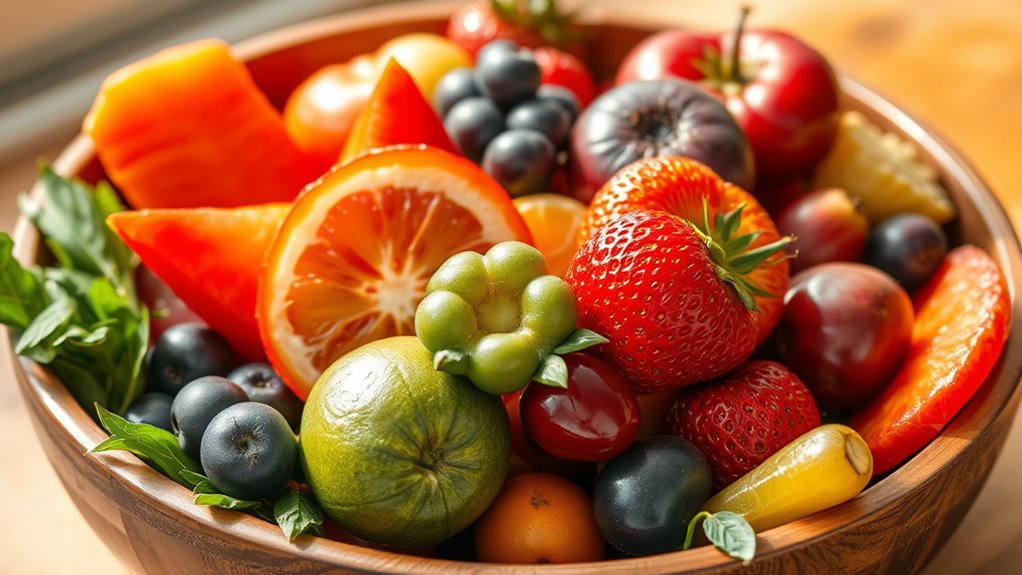
Eat More Fruits and Vegetables Day
Eat More Fruits and Vegetables Day is an annual observance dedicated to promoting the consumption of fresh produce for better health and well-being. This day encourages people to incorporate more fruits and vegetables into their daily diets, highlighting the numerous benefits of these nutrient-rich foods.
Quick Facts
- When is it?: May 21
- Tagged as: Health and Wellness
- What’s the hashtag?: #EatMoreFruitsAndVegetablesDay
- When was it founded?: 2015
- Who founded it?: Dole Food Company
History of Eat More Fruits and Vegetables Day
Eat More Fruits and Vegetables Day was established in 2015 by the Dole Food Company to address the growing concerns over unhealthy eating habits and their contribution to obesity and other life-threatening conditions. The day aims to educate people about the nutritional value of fruits and vegetables and their role in preventing various diseases.
Timeline
- 2015: Dole Food Company launches Eat More Fruits and Vegetables Day
- 2016: The day gains popularity as more people become aware of its importance
- 2017: Social media campaigns help spread the message globally
- 2018: Local events and farmers’ markets join in celebrating the day
- 2019: Schools begin incorporating the day into their health education programs
Eat More Fruits and Vegetables Day Dates
| Year | Month and Date | Day |
|---|---|---|
| 2025 | May 21 | Wednesday |
| 2026 | May 21 | Thursday |
| 2027 | May 21 | Friday |
| 2028 | May 21 | Sunday |
| 2029 | May 21 | Monday |
| 2030 | May 21 | Tuesday |
Observed Eat More Fruits and Vegetables Day
Eat More Fruits and Vegetables Day is observed worldwide, with particular emphasis in countries where the Dole Food Company operates. Health organizations, schools, and community groups often organize events and activities to promote the consumption of fresh produce.
Many supermarkets and farmers’ markets offer special discounts on fruits and vegetables on this day to encourage purchases. Social media platforms buzz with healthy recipes, nutritional tips, and challenges related to eating more fruits and vegetables.
Restaurants and cafes may feature special menu items highlighting fresh produce, while some workplaces provide free fruits and vegetables to employees as part of their wellness programs.
Fun Facts About Fruits and Vegetables
- Tomatoes are technically fruits, not vegetables
- Bananas are berries, but strawberries aren’t
- Carrots were originally purple, not orange
- Apples float in water because they are 25% air
- Kiwi fruits have more vitamin C than oranges
Quiz
- What percentage of a watermelon is water?
- Which fruit has the highest oil content?
- How many seeds can a pomegranate hold?
- What country did kiwi fruit originate from?
- Which vegetable was first grown in space?
(Answers: 1. 92%, 2. Avocado, 3. Up to 1400, 4. China, 5. Potato)
FAQs
How many servings of fruits and vegetables should I eat daily?
It’s recommended that adults consume 1.5 to 2 cups of fruit and 2-3 cups of vegetables daily.
Are canned fruits and vegetables as healthy as fresh ones?
While fresh is often best, canned fruits and vegetables can be nutritious alternatives, especially when fresh produce is not available.
Can eating more fruits and vegetables help with weight loss?
Yes, fruits and vegetables are generally low in calories and high in fiber, which can help with weight management.
Are organic fruits and vegetables healthier?
Organic produce may have fewer pesticide residues, but both organic and conventional fruits and vegetables are nutritious choices.
How can I incorporate more fruits and vegetables into my diet?
Try adding fruits to breakfast cereals, snacking on raw vegetables, or replacing meat with vegetables in some meals.
Importance of Eat More Fruits and Vegetables Day
Eat More Fruits and Vegetables Day plays a crucial role in promoting healthier eating habits and raising awareness about the benefits of a plant-rich diet. By encouraging people to consume more fruits and vegetables, this day contributes to the prevention of chronic diseases such as obesity, diabetes, and heart disease.
The day also highlights the environmental benefits of eating more plant-based foods, as fruit and vegetable production generally has a lower carbon footprint compared to animal-based foods. This aligns with global efforts to promote sustainable eating habits.
Furthermore, Eat More Fruits and Vegetables Day supports local farmers and agriculture, encouraging people to buy fresh, seasonal produce. This not only benefits the local economy but also promotes fresher, more nutritious food choices.
Related
- World Health Day
- National Nutrition Month
- World Vegetarian Day
- Plant a Fruit Tree Day
- National Farmers Market Week